Since 1708
A short history of Killingly
In 1653, the second John Winthrop, son of Massachusetts Bay Colony's founding governor, obtained a grant of land formerly held by the Quinebaug Indian tribe and known as the Quinebaug (Long Pond) Country. The name Quinebaug comes from the southern New England Native American term, spelled variously Qunnubbâgge, Quinibauge, etc., meaning "long pond", from qunni-, "long", and -paug, "pond".
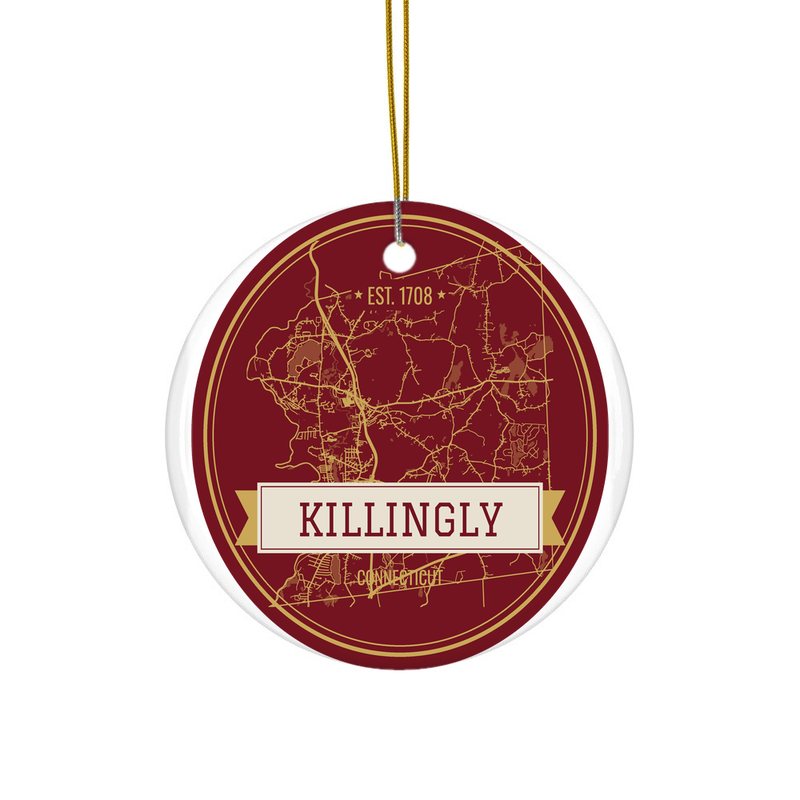
The area in that grant, which is now occupied by Killingly, was first settled by English colonists in 1700. It was first called "Aspinock", a word which may have come from the combination of the native term "aucks" or "ock" (the place of/where) and the name of the English settler, Lieutenant Aspinwall. When the town was incorporated in May 1708, Colony Governor Saltonstall was asked to suggest a name. Saltonstall's ancestral manorial possessions lay in Killanslie and Pontefract, Yorkshire, hence he suggested “Kellingly” (the spelling was later altered).
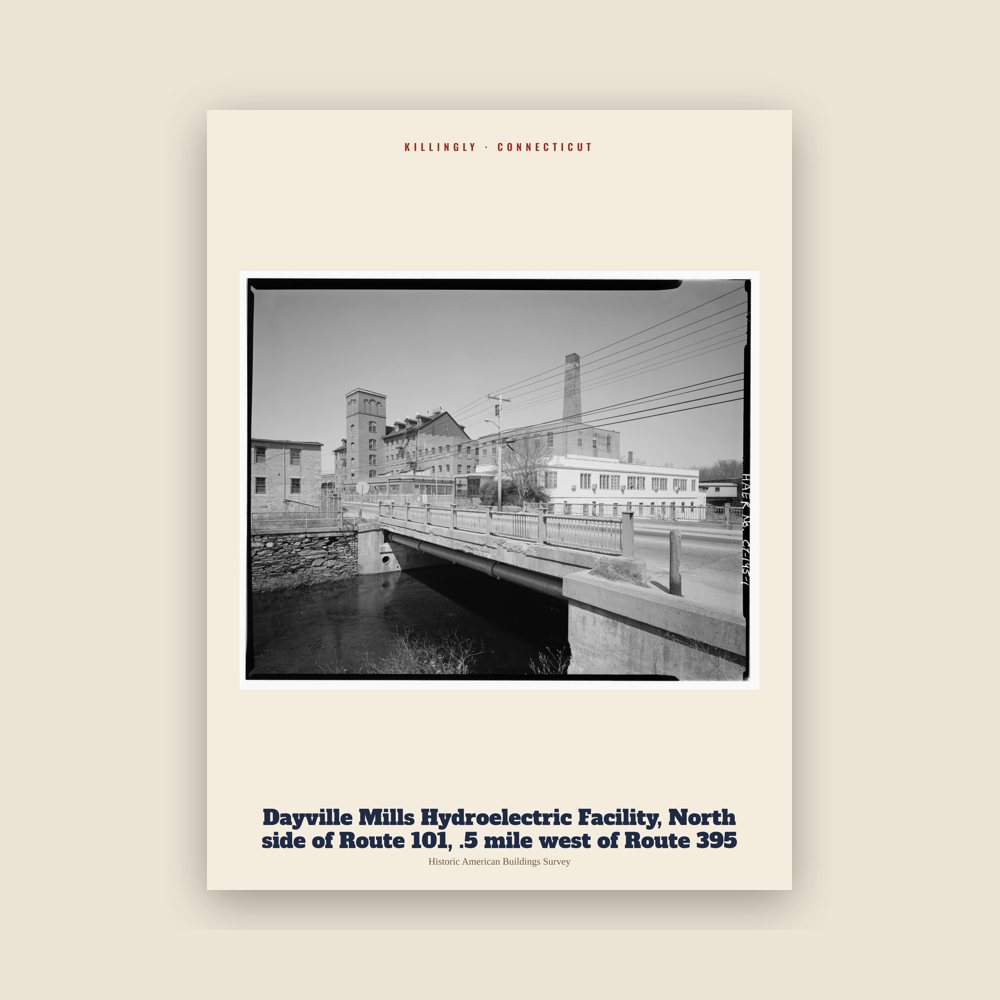
During the 1830s, Killingly was the state's largest producer of cotton goods, manufacturing textiles in mills from cotton shipped from the Deep South. By the 1930s, it was an important producer of window curtains.
Adapted (trimmed) from the Wikipedia article Killingly, Connecticut, revision 1379266501 by its contributors, licensed CC BY-SA 4.0.

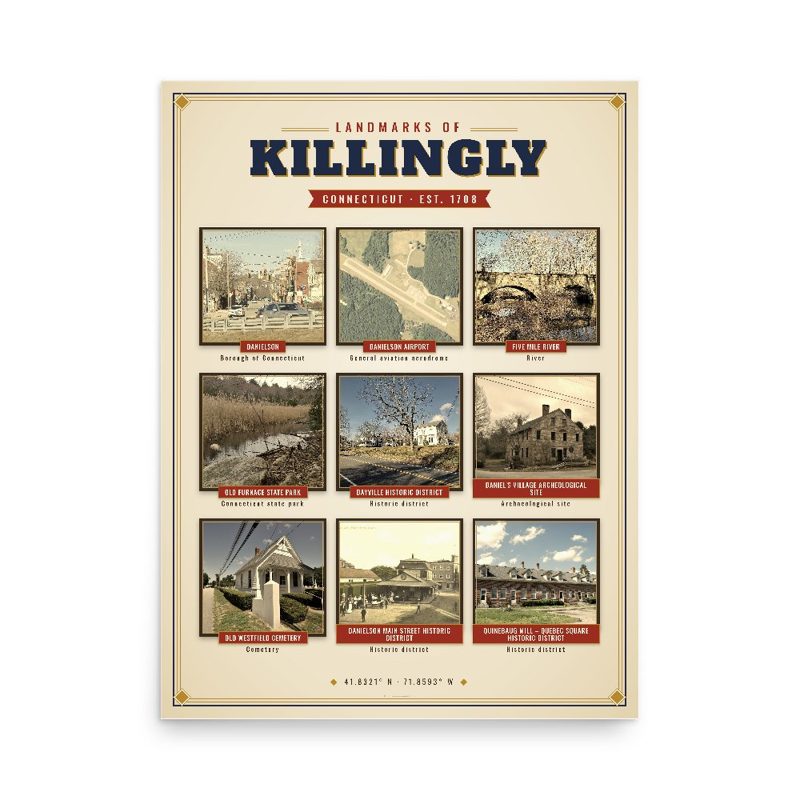
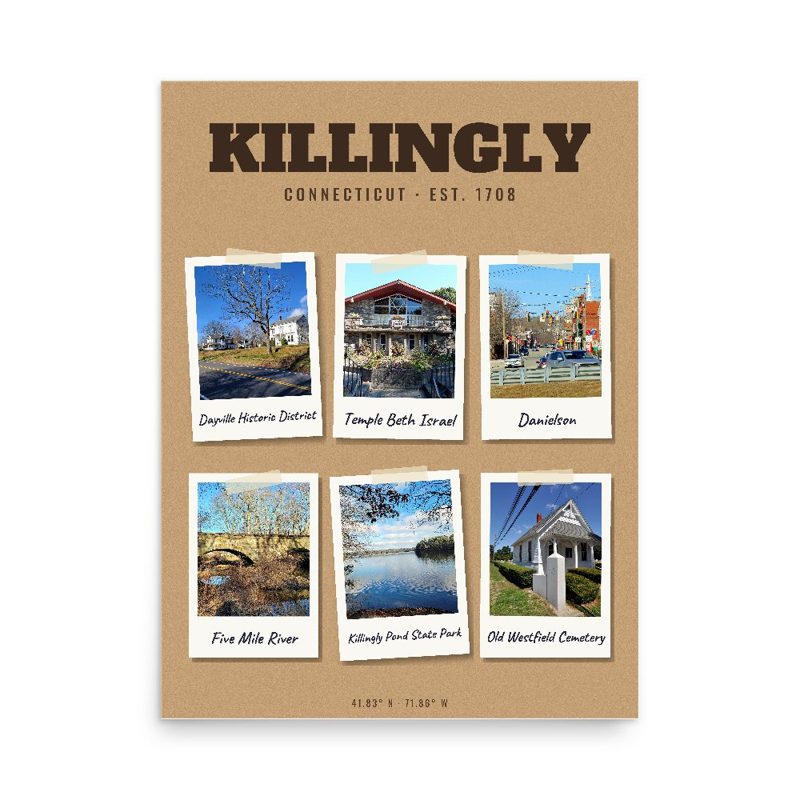
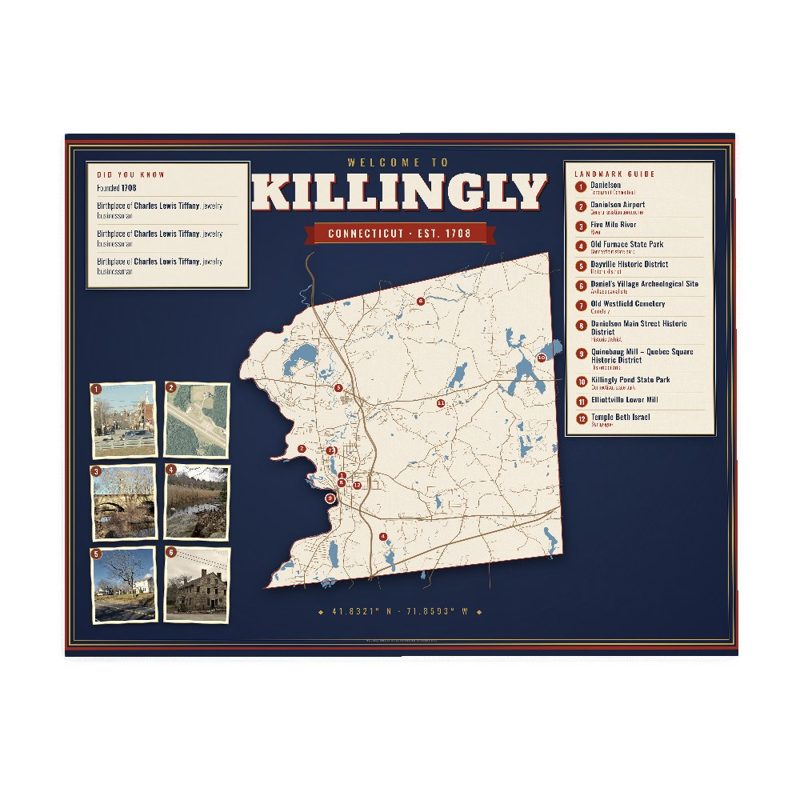







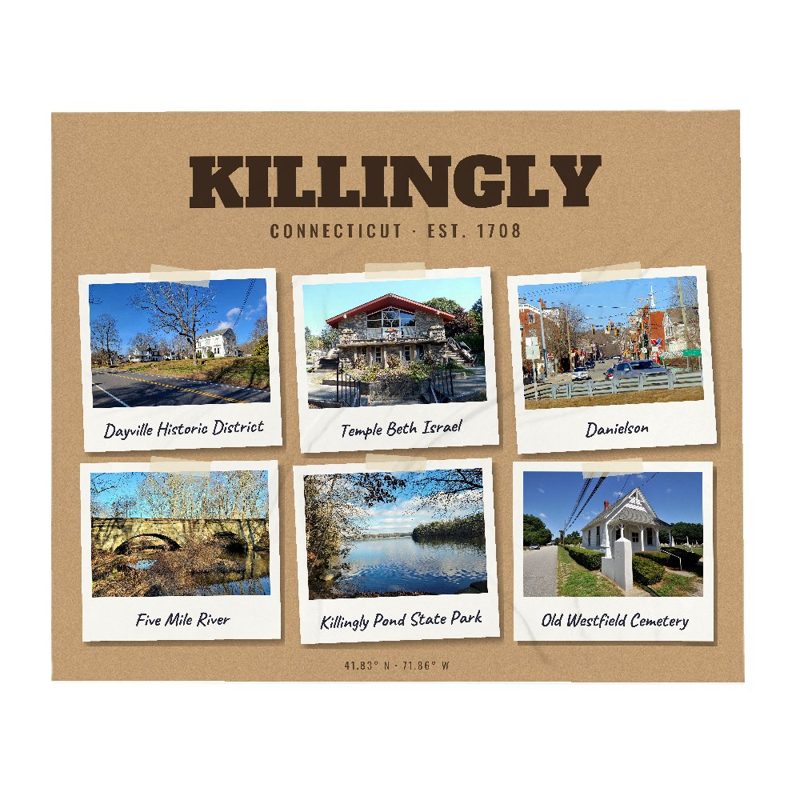
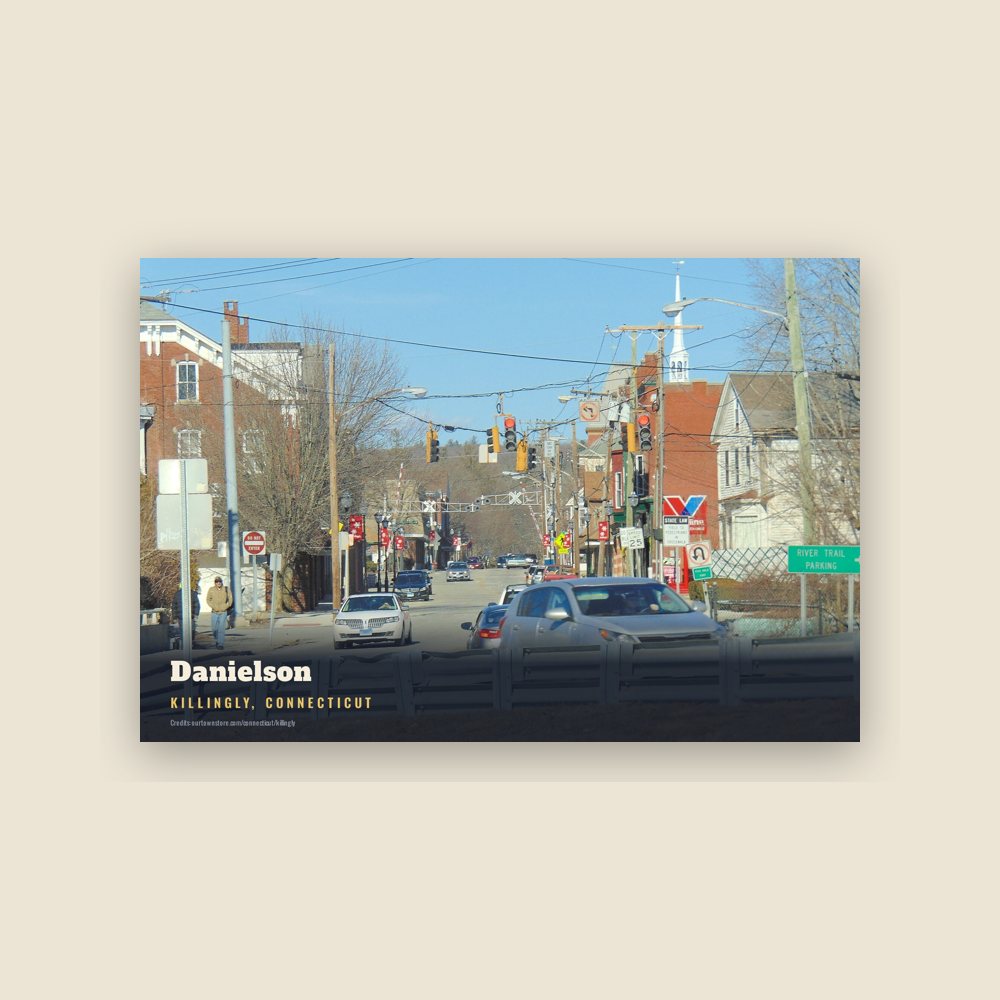
 Danielson
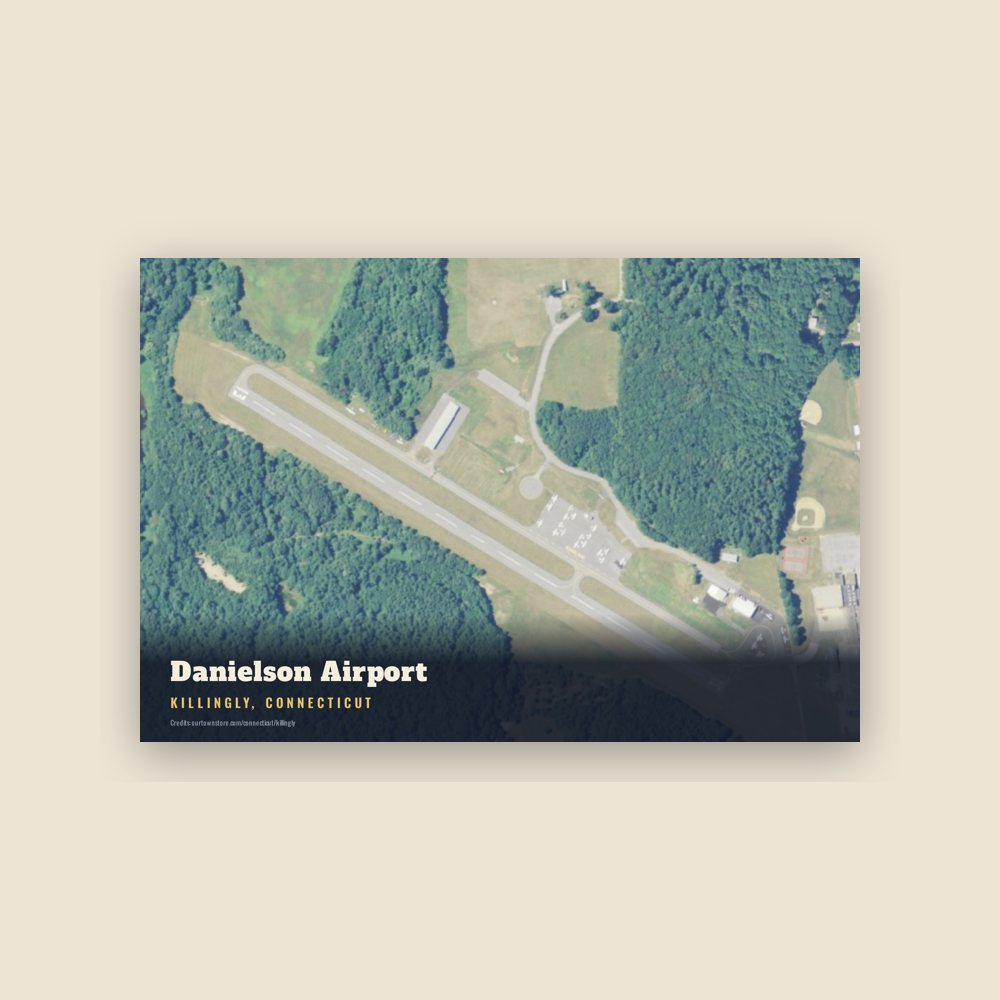
 Danielson Airport
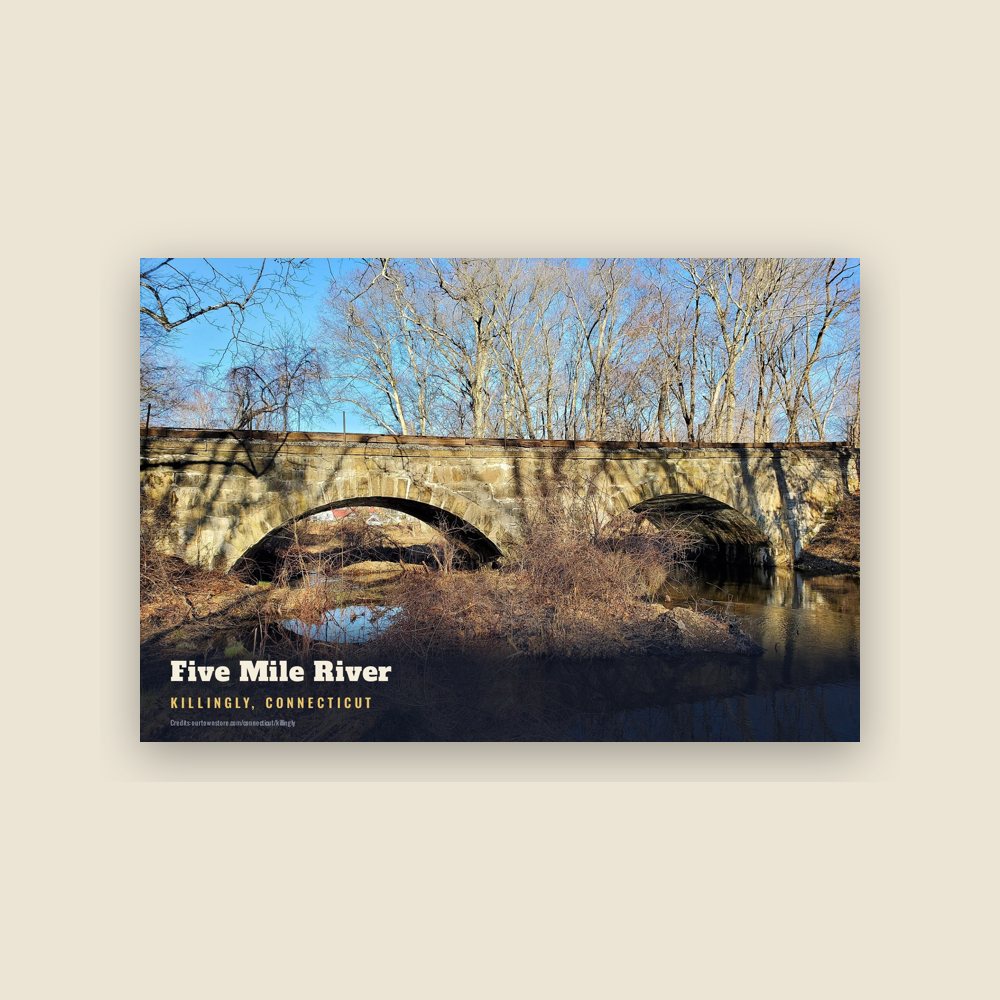
 Five Mile River
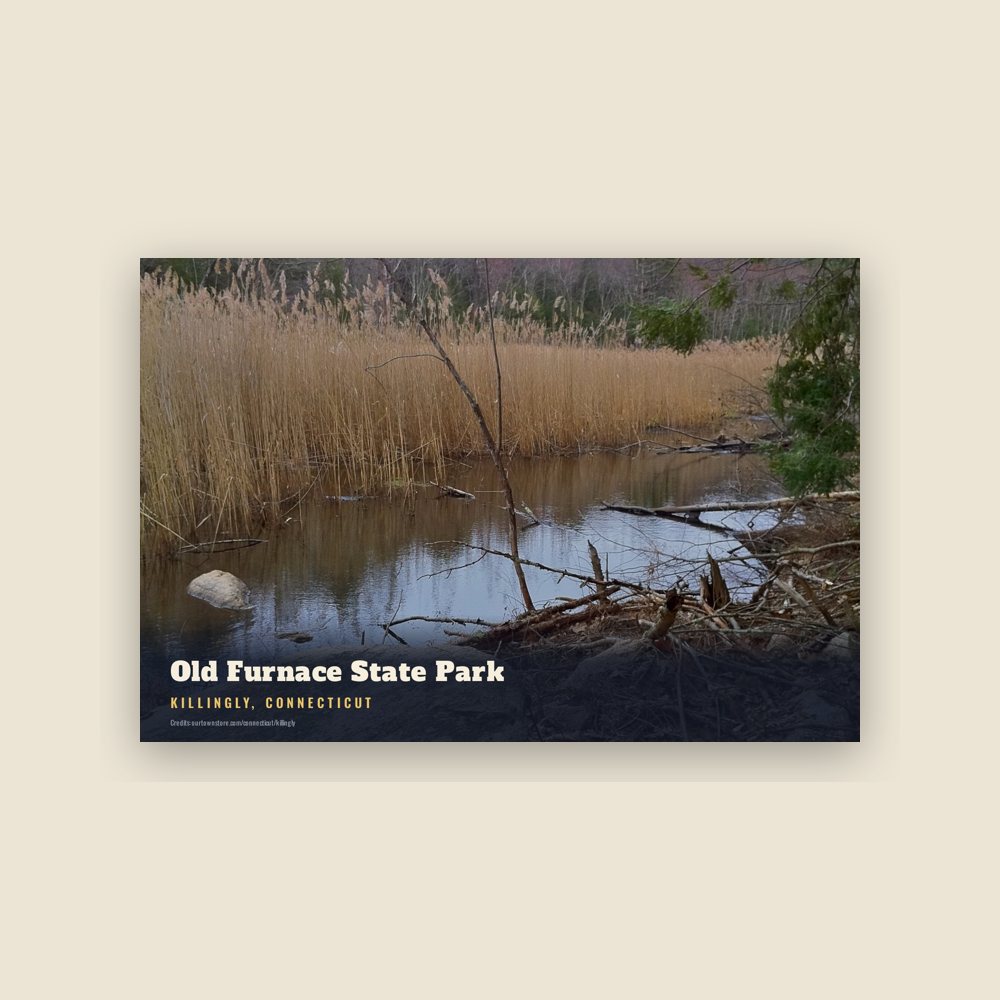
 Old Furnace State Park