New Haven County, Connecticut
Street maps, historic prints and keepsakes for 26 New Haven County towns.
The oldest is Branford, established 1685. The largest by population is New Haven (134,023).
| Town | Established | Population |
|---|---|---|
| Ansonia | 1889 | 18,918 |
| Beacon Falls | 1871 | 6,000 |
| Bethany | 1832 | 5,297 |
| Branford | 1685 | 28,273 |
| Cheshire | 1780 | 28,733 |
| Derby | 1775 | 12,325 |
| East Haven | 1785 | 27,923 |
| Guilford | – | 22,073 |
| Hamden | 1786 | 61,169 |
| Madison | 1826 | 17,691 |
| Meriden | 1806 | 60,850 |
| Middlebury | 1807 | 7,574 |
| Milford | – | 50,558 |
| Naugatuck | – | 31,519 |
| New Haven | 1784 | 134,023 |
| North Branford | 1831 | 13,544 |
| North Haven | 1786 | 24,253 |
| Orange | 1822 | 14,280 |
| Oxford | 1798 | 12,706 |
| Prospect | – | 9,401 |
| Seymour | 1850 | 16,748 |
| Wallingford | – | 44,396 |
| Waterbury | 1686 | 114,403 |
| West Haven | 1921 | 55,584 |
| Wolcott | 1796 | 16,142 |
| Woodbridge | 1784 | 9,087 |
About these towns
Ansonia: The area along the Naugatuck River, comprising the present Elm Street section of Ansonia and Derby Avenue section of Derby, was first settled by English colonists in 1652; it was originally a part of the township of Derby.
Beacon Falls: The history of Beacon Falls is tied to the series of manufacturing concerns that operated in the town's impressive brick factory buildings on North Main Street, adjacent to the Naugatuck River.
Bethany: Bethany was first settled in 1717, but it was not until May 1832 that Bethany separated from Woodbridge to become incorporated as a town.
Branford: An area called Totoket, which became Branford, was part of the land bought from the Mattabesech Indians in 1638 by the first English settlers of New Haven.
Cheshire: Cheshire, Connecticut was first settled in 1694 as part of Wallingford. It was then known as New Cheshire Parish. After many attempts in securing their independence from Wallingford, New Cheshire Parish was granted secession and was later incorporated as a town in May 1780 as Cheshire.
Derby: Derby was settled in 1642 as an Indian trading post under the name Paugasset by John Wakeman of New Haven, though fur traders had been in the area before and Native Americans had lived there for centuries.
East Haven: The Connecticut Colony granted the town petition for Township in May 1707 and colonists changed the name from Iron Works Village to East Haven.
Guilford: Prior to European colonization, the area that became Guilford was the site of Menunkatuck, a Quinnipiac village. The Quinnipiac spoke Quiripi, one of the Eastern Algonquian branches of the Algonquian language family.
Hamden: In spring 1638, Theophilus Eaton and the Reverend John Davenport purchased, from Quinnipiac Chief Momauguin, the land that would become the settlement of New Haven Colony.
Madison: Madison was first settled in 1641. Throughout the 18th century, Madison was known as East Guilford until it was incorporated as a town in 1826.
Meriden: Meriden was originally a part of the neighboring town of Wallingford. It was granted a separate meetinghouse in 1727, became a town in 1806 with over 1,000 residents.
Middlebury: The town is part of the Naugatuck Valley Planning Region. It is a suburb of the nearby city of Waterbury to its south, and is on the northern fringe of the New York metropolitan area.
Milford: When the English first encountered the territory, the Paugussett (an Algonquian-speaking tribe) predominated. English colonists affiliated with the contemporary New Haven Colony purchased land which today comprises Milford, Orange, and West Haven on February 1, 1639, from Ansantawae, chief of the local Paugusset.
Naugatuck: Settlement began as early as 1702. Samuel Hickox (1669–1713), credited as Naugatuck’s first settler, established a fulling mill on Fulling Mill Brook in 1709.
New Haven: Before Europeans arrived, the New Haven area was the home of the Quinnipiac tribe of Native Americans, who lived in villages around the harbor and sustained an economy of local fisheries and the farming of maize.
North Branford: This early mill and farming community incorporated from Branford in 1831. The year prior, Maltby Fowler had opened a button-making shop. Its success along with the inventiveness of his six sons—who devised a range of machines to produce such things as screws, embossed silk, pins, and horseshoe nails—saw the rise of new manufactures along the town's Farm River.
North Haven: The town is part of the South Central Connecticut Planning Region.
Orange: The Paugussett and Algonquian people previously inhabited the region that is now Orange. In 1639, Rev. Peter Prudden purchased the land from the Native Americans for six coats, ten blankets, one kettle, twelve hatchets, twelve hoes, two dozen knives and a dozen small mirrors.
Oxford: In the 18th century, farmers herded livestock through Oxford from as far away as Litchfield on the way to the port of New Haven.
Prospect: It is believed that the Native Americans who lived in the area now known as Prospect first arrived to the area between 20,000 and 40,000 years ago.
Seymour: In the late 17th century, the site of present-day Seymour was known as Wesquantuck, a Native American settlement. Then Paugusset and Schaghticoke people created a settlement called Chusetown, named for Chief Joseph Mauwehu (Pequot), nicknamed Chuse.
Wallingford: Established on October 10, 1667 by the Connecticut General Assembly, Wallingford was founded by a group of 38 planters and freemen. These early settlers chose a strategic location near the Quinnipiac River, which is now the area known as Main Street.
Waterbury: The land was originally inhabited by the Algonquin bands. According to Samuel Orcutt's history, some Puritan residents of nearby Farmington "found it expedient to purchase the same lands from different tribes, without attempting to decide between their rival claims." The original settlement of Waterbury in 1674 was in the area now known as the Town Plot section.
West Haven: Settled in 1648, West Haven (then known as West Farms) was a part of the original New Haven Colony. In 1719, it became the separate parish of West Haven, but was still officially a part of New Haven until 1822.
Wolcott: The early towns of Waterbury and Farmington occupied a great deal of west-central Connecticut in the Naugatuck River Valley and Farmington River Valley at the end of the 17th century.
Woodbridge: Woodbridge was originally called "Amity", having been carved out of land originally belonging to New Haven and Milford as an independent parish in 1739.
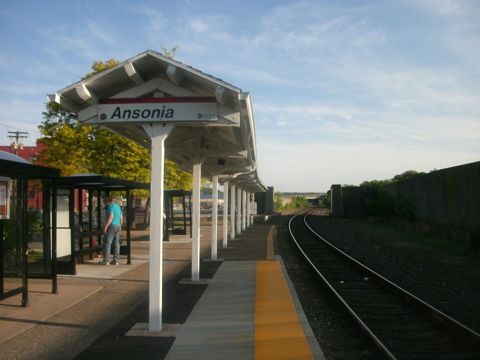 AnsoniaConnecticut · Est. 1889
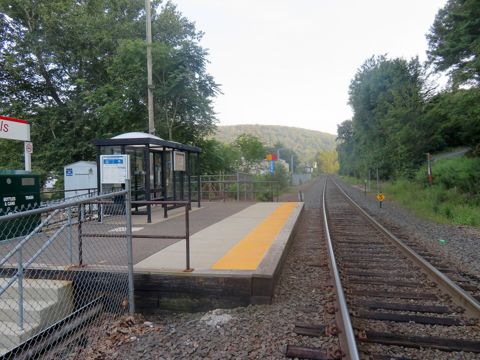 Beacon FallsConnecticut · Est. 1871
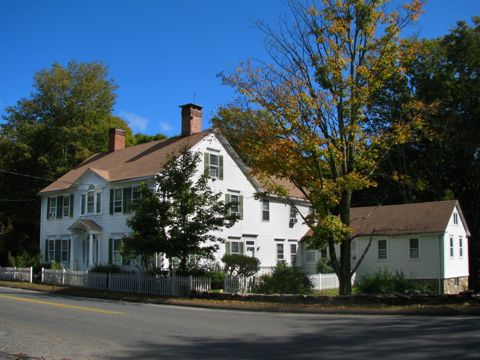 BethanyConnecticut · Est. 1832
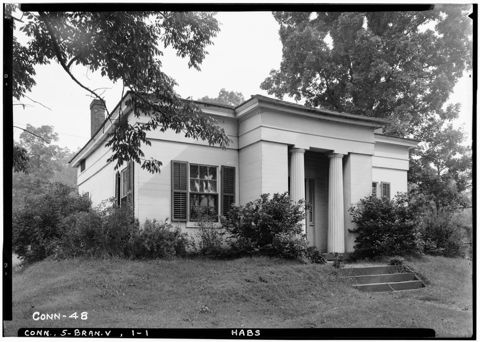 BranfordConnecticut · Est. 1685
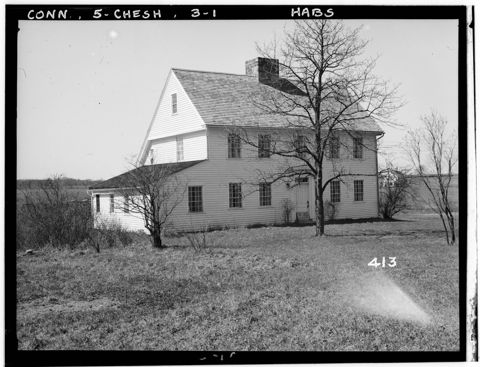 CheshireConnecticut · Est. 1780
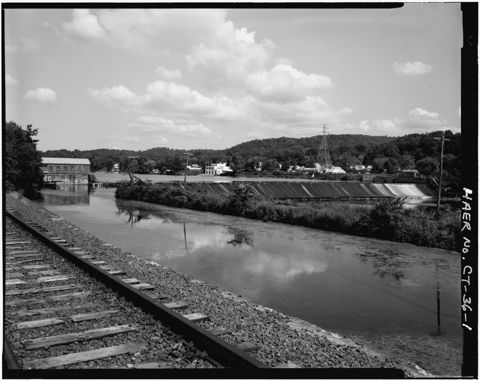 DerbyConnecticut · Est. 1775
 East HavenConnecticut · Est. 1785
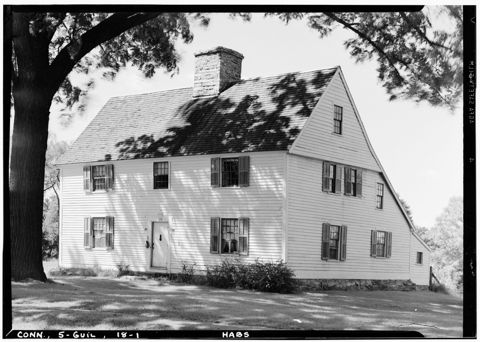 GuilfordConnecticut
 HamdenConnecticut · Est. 1786
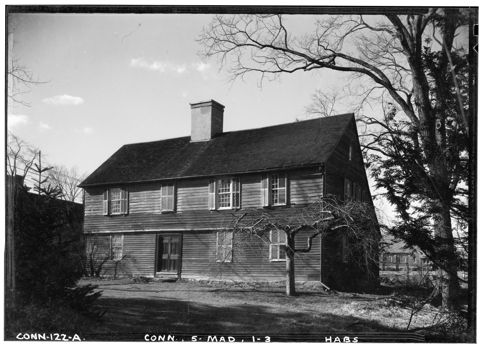 MadisonConnecticut · Est. 1826
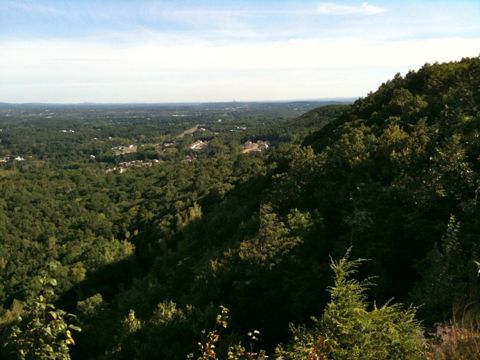 MeridenConnecticut · Est. 1806
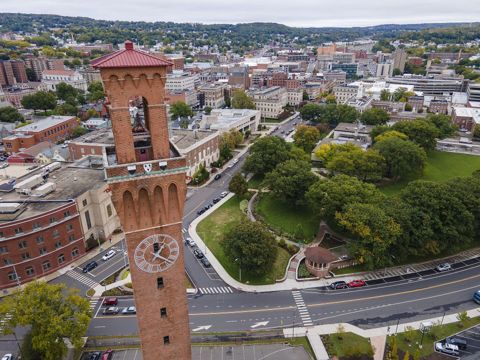 MiddleburyConnecticut · Est. 1807
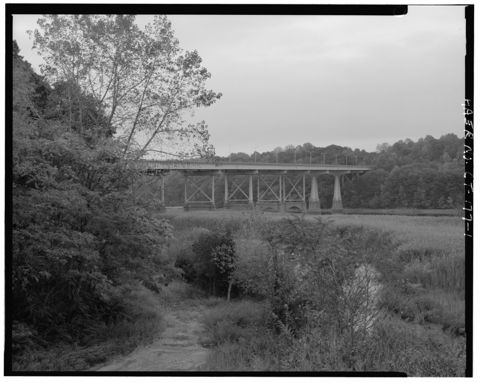 MilfordConnecticut
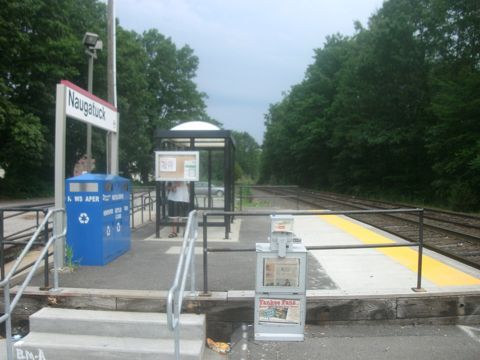 NaugatuckConnecticut
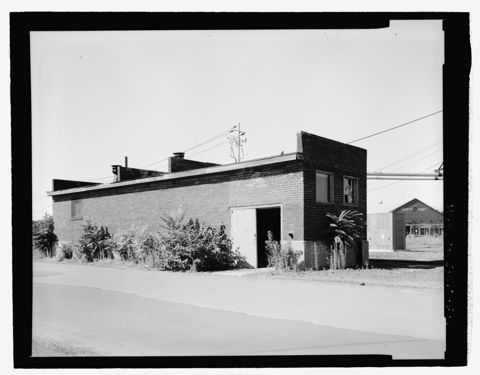 New HavenConnecticut · Est. 1784
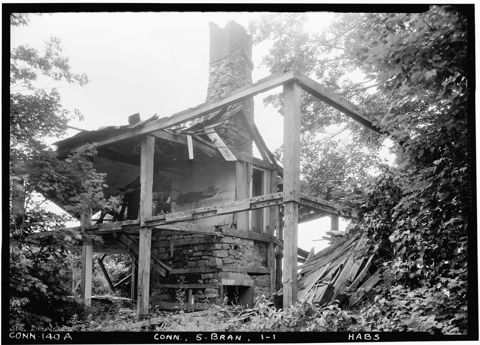 North BranfordConnecticut · Est. 1831
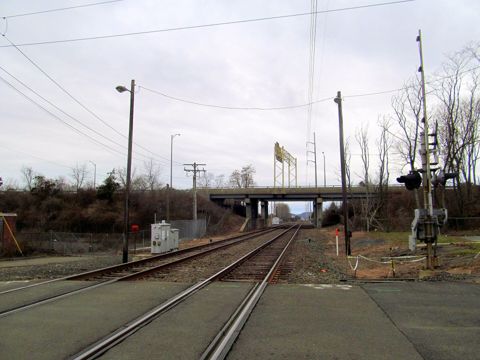 North HavenConnecticut · Est. 1786
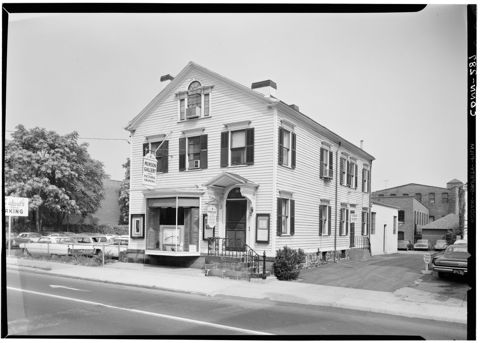 OrangeConnecticut · Est. 1822
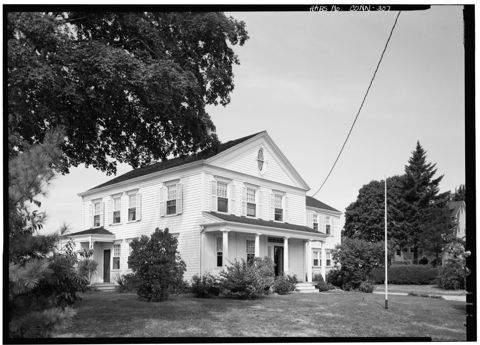 OxfordConnecticut · Est. 1798
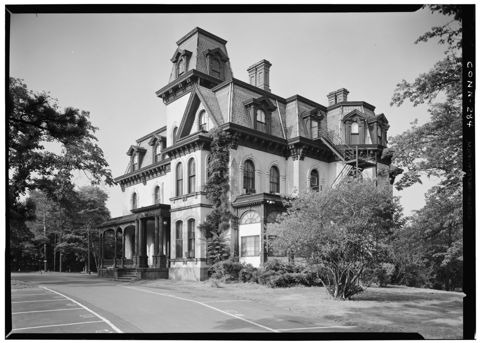 ProspectConnecticut
 SeymourConnecticut · Est. 1850
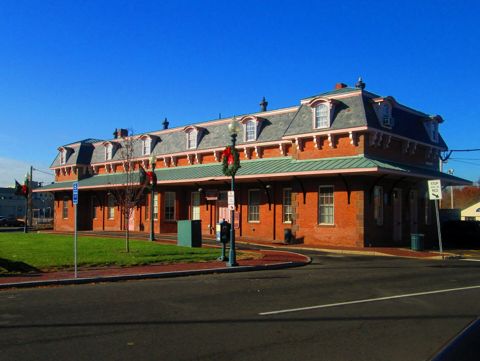 WallingfordConnecticut
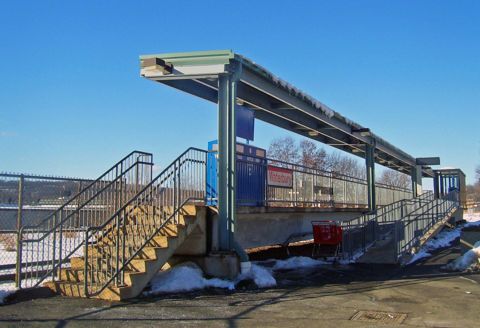 WaterburyConnecticut · Est. 1686
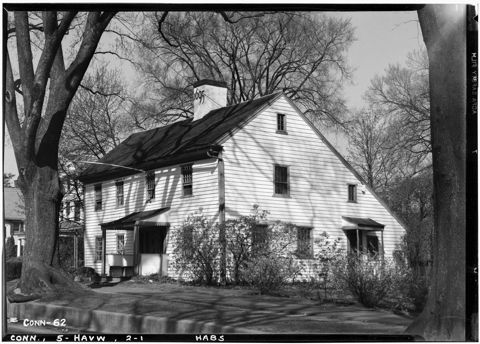 West HavenConnecticut · Est. 1921
Founding years, populations and town notes come from each town's Wikipedia and Wikidata entries. All Connecticut towns.