A short history of Greeley
Union Colony
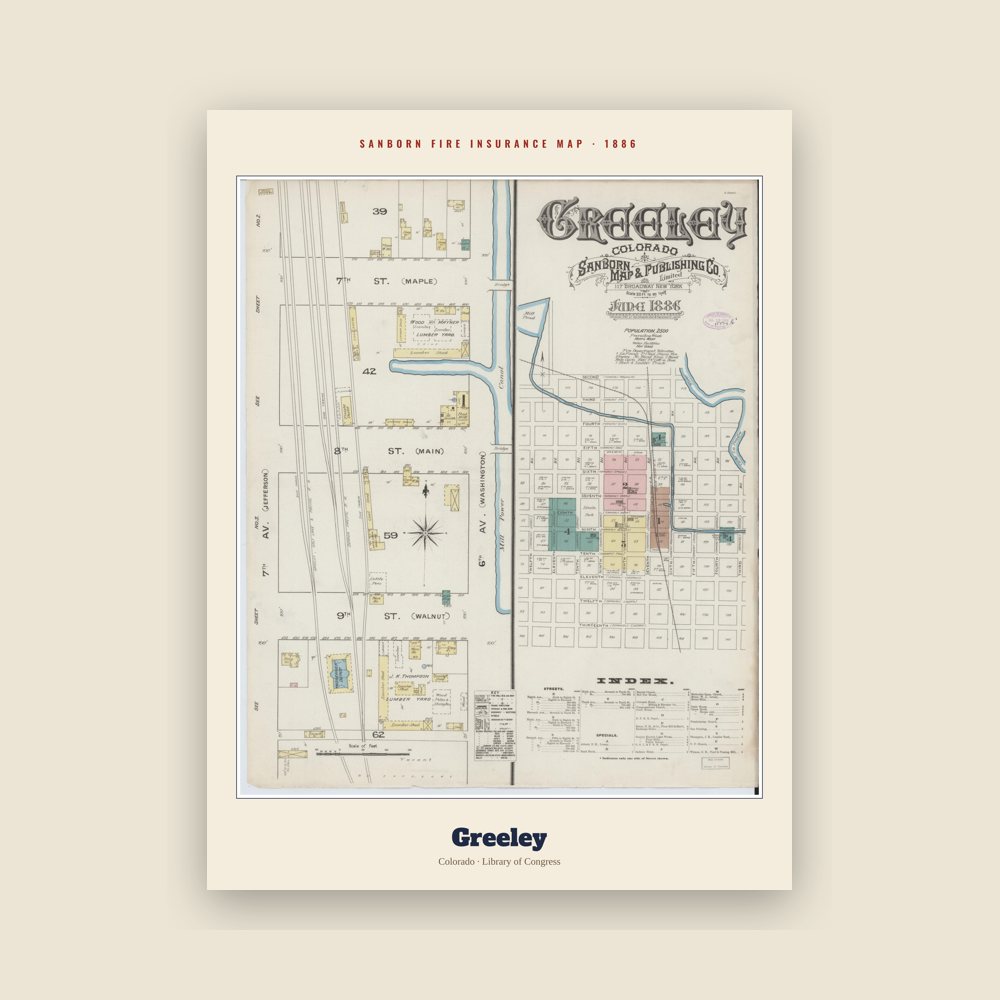
Greeley began as the Union Colony of Colorado, which was founded in 1869 by Nathan C. Meeker, an agricultural reporter for the New York Tribune, as an experimental utopian farming community "based on temperance, religion, agriculture, education and family values," with the backing of the Tribune's editor Horace Greeley, who had visited Colorado in the 1859 Pike's Peak Gold Rush and had popularized the phrase "Go West, young man". A committee which included Meeker and former Civil War general Robert Alexander Cameron traveled to Colorado to find a suitable site, and purchased 12,000 acres at the confluence of the Cache la Poudre and South Platte Rivers. The site, formerly known as the "Island Grove Ranch", included the area of Latham, an Overland Trail station, and was halfway between Cheyenne, Wyoming and Denver, Colorado along the tracks of the Denver Pacific Railroad.
By May, 500 people had arrived to take up residence in the new colony. The name Union Colony was later changed to Greeley in honor of Horace Greeley.
Read the full history
Latham
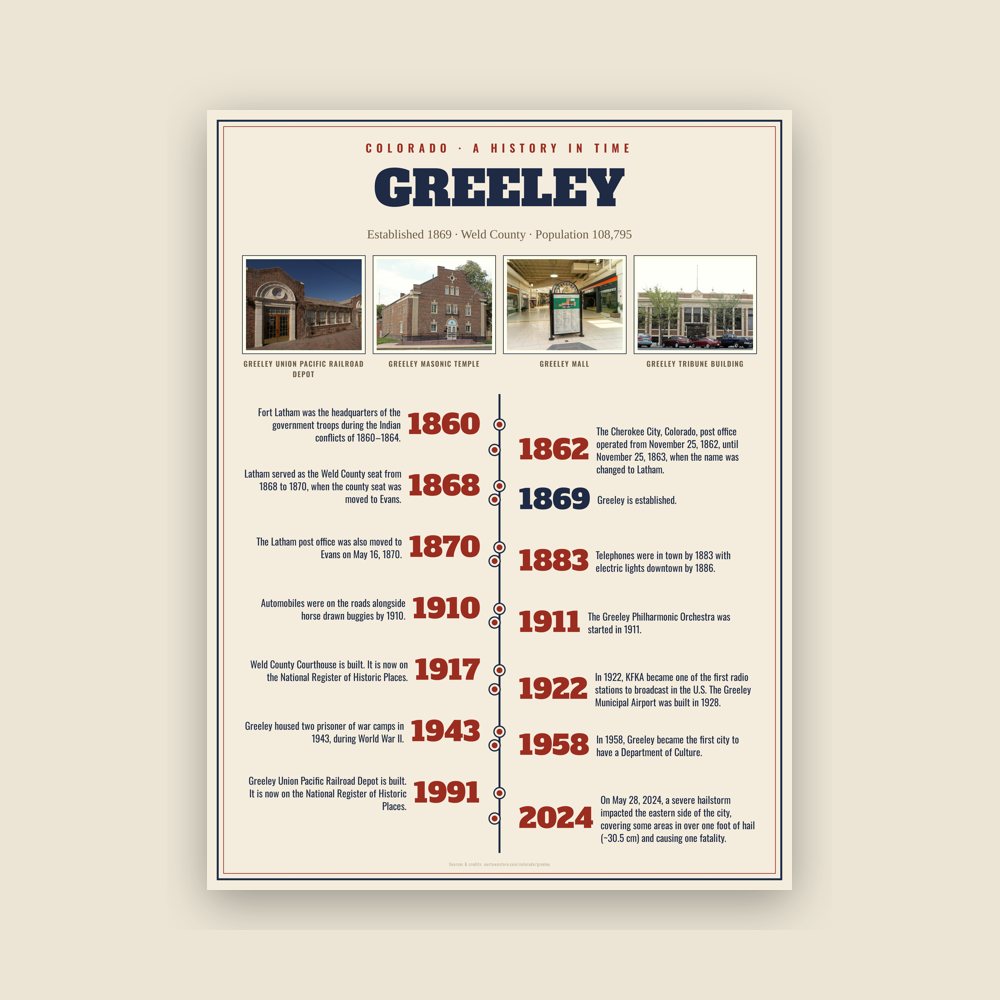
Greeley is located just west of the area previously occupied by the Overland Trail station originally called Cherokee City. The Cherokee City, Colorado, post office operated from November 25, 1862, until November 25, 1863, when the name was changed to Latham. The Latham station, which was also known as Fort Latham, was named in honor of Milton S. Latham, one of California's early senators. The stagecoach station was at the confluence of the South Platte River and the Cache la Poudre River. It is believed that the birth of the first white child born in Colorado, a girl, occurred there. Fort Latham was the headquarters of the government troops during the Indian conflicts of 1860–1864. Latham served as the Weld County seat from 1868 to 1870, when the county seat was moved to Evans. The Latham post office was also moved to Evans on May 16, 1870.
Later history
Greeley was built on farming and agriculture, but kept up with most modern technologies as they grew. Telephones were in town by 1883 with electric lights downtown by 1886. Automobiles were on the roads alongside horse drawn buggies by 1910. A Women's Citizens League was established there to support female suffrage.
In 1922, KFKA became one of the first radio stations to broadcast in the U.S. The Greeley Municipal Airport was built in 1928.
Greeley housed two prisoner of war camps in 1943, during World War II. One was for German POWs and the other was for Italian POWs.
The Greeley Philharmonic Orchestra was started in 1911. In 1958, Greeley became the first city to have a Department of Culture.
On December 12, 2006, the Immigration and Customs Enforcement (I.C.E) staged a coordinated predawn raid at the Swift & Co. meat packing plant in Greeley and at five other Swift plants in western states, interviewing undocumented workers and transporting hundreds off in buses.
In June 2012, Greeley became the first city in the state of Colorado to implement SB11-273, known as the Law of Common Consumption, allowing for patrons of the Downtown Greeley Entertainment District to buy drinks in "Go-Cups" from participating downtown establishments.
On May 28, 2024, a severe hailstorm impacted the eastern side of the city, covering some areas in over one foot of hail (~30.5 cm) and causing one fatality. Mayor John Gates signed a local disaster declaration due to major flooding and hail. City officials stated that the cost of damage to the city was over $1.45 million.
Adapted (trimmed) from the Wikipedia article Greeley, Colorado, revision 1378802814 by its contributors, licensed CC BY-SA 4.0.
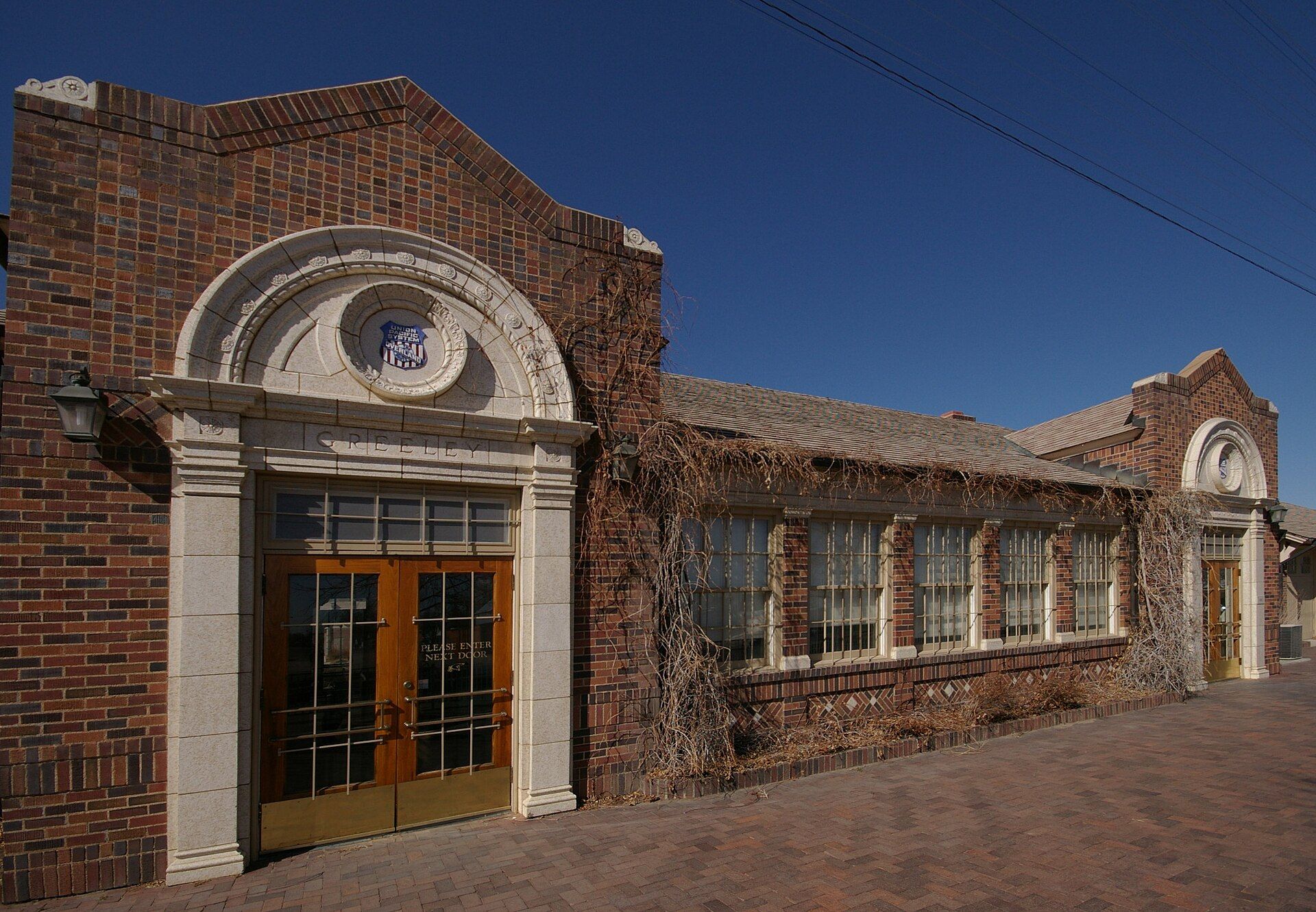
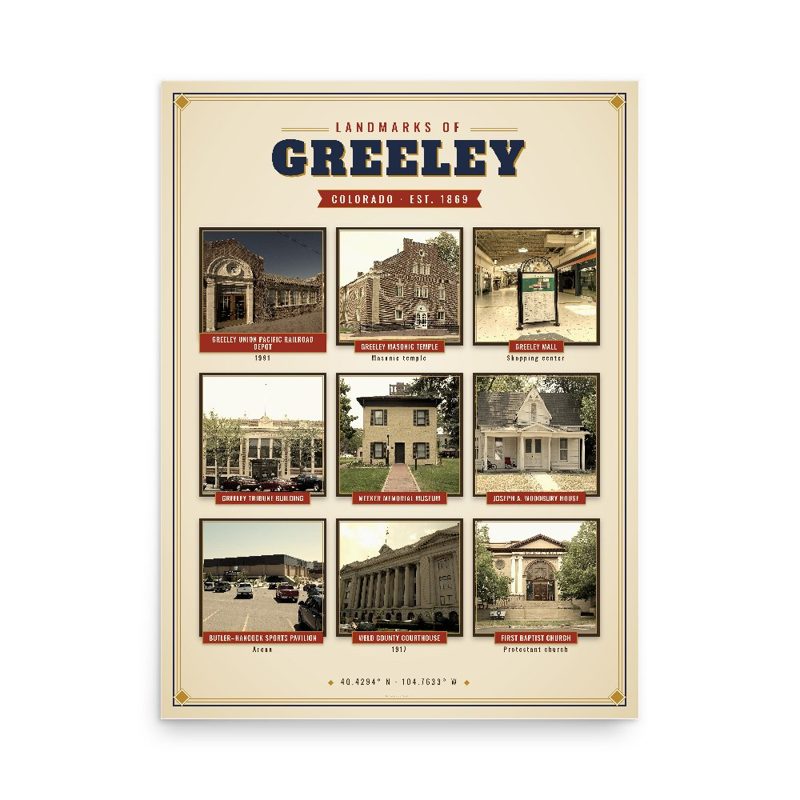
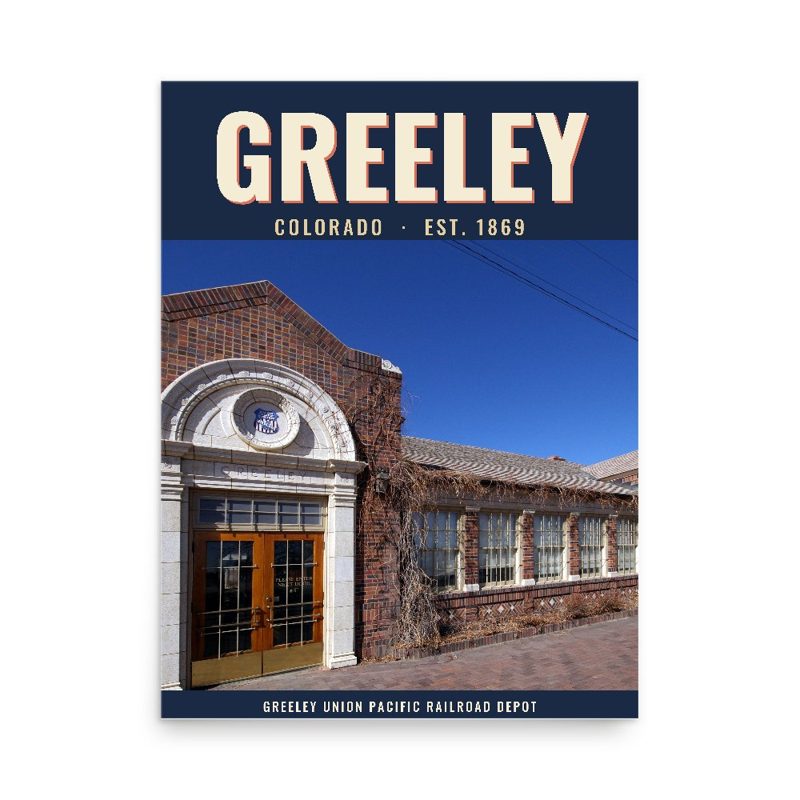
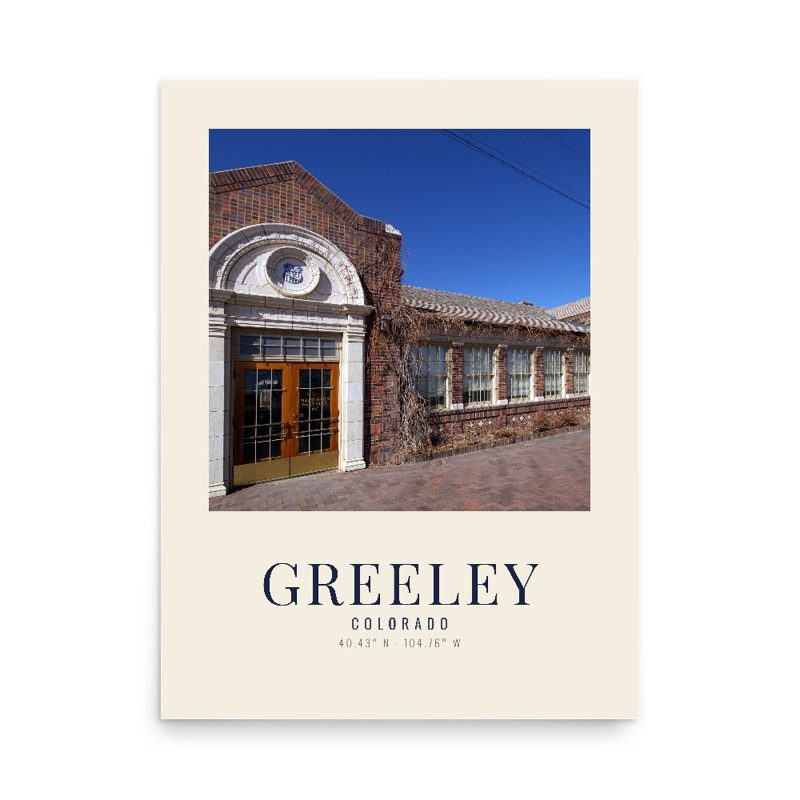
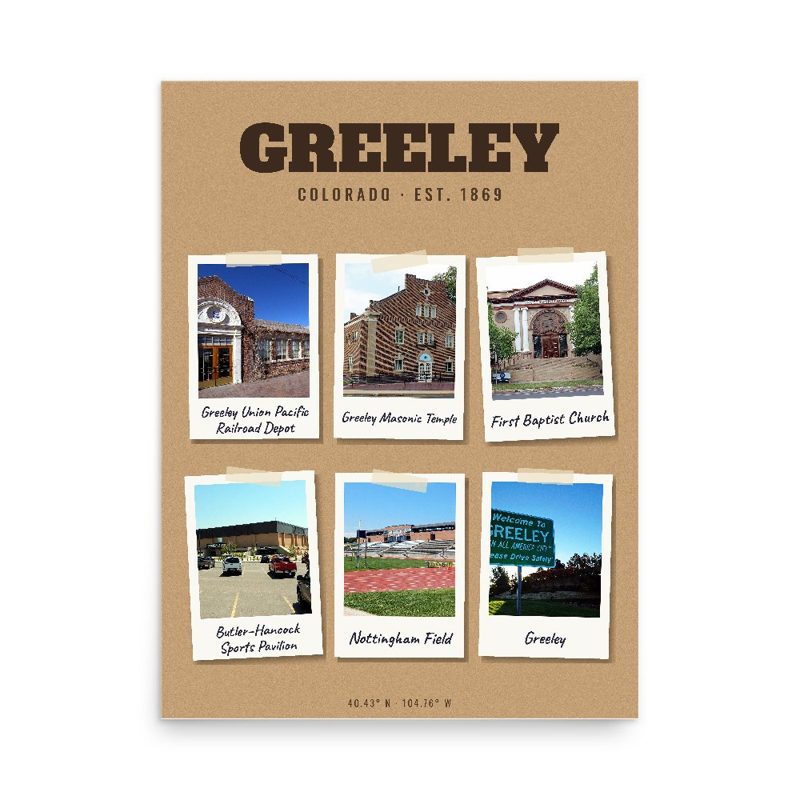
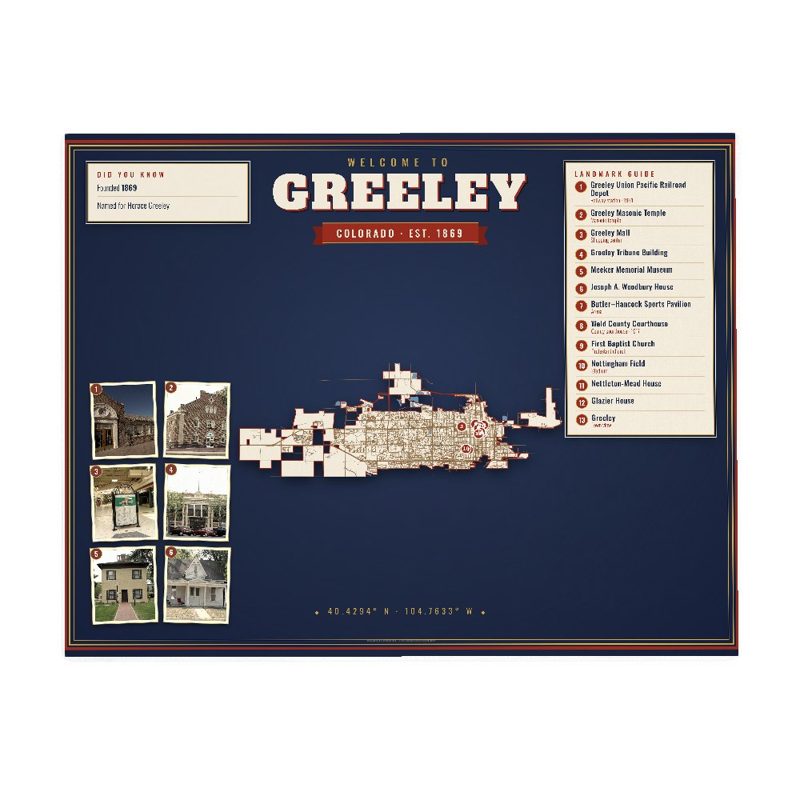
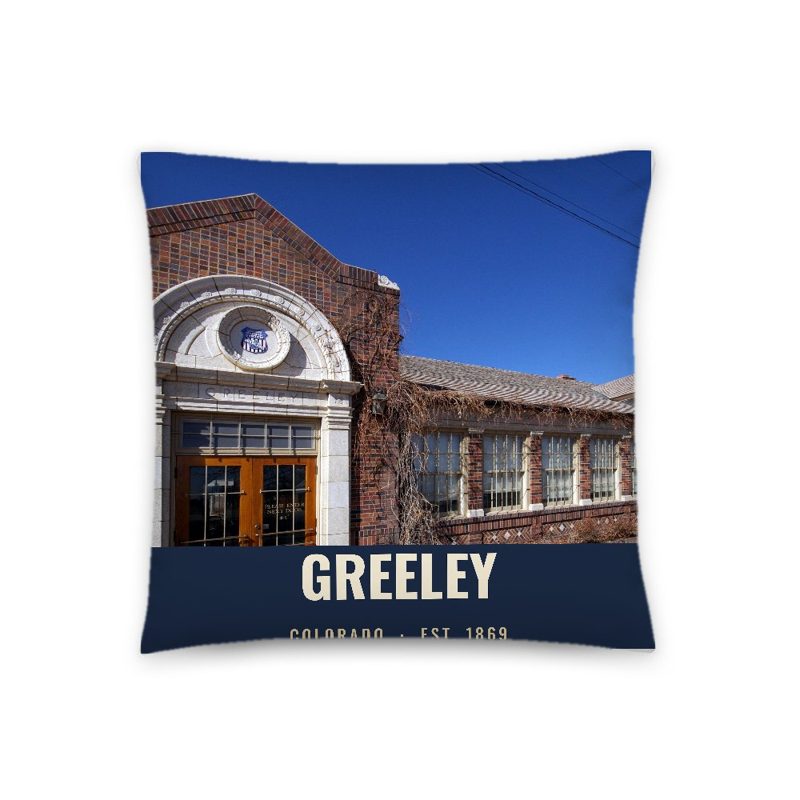
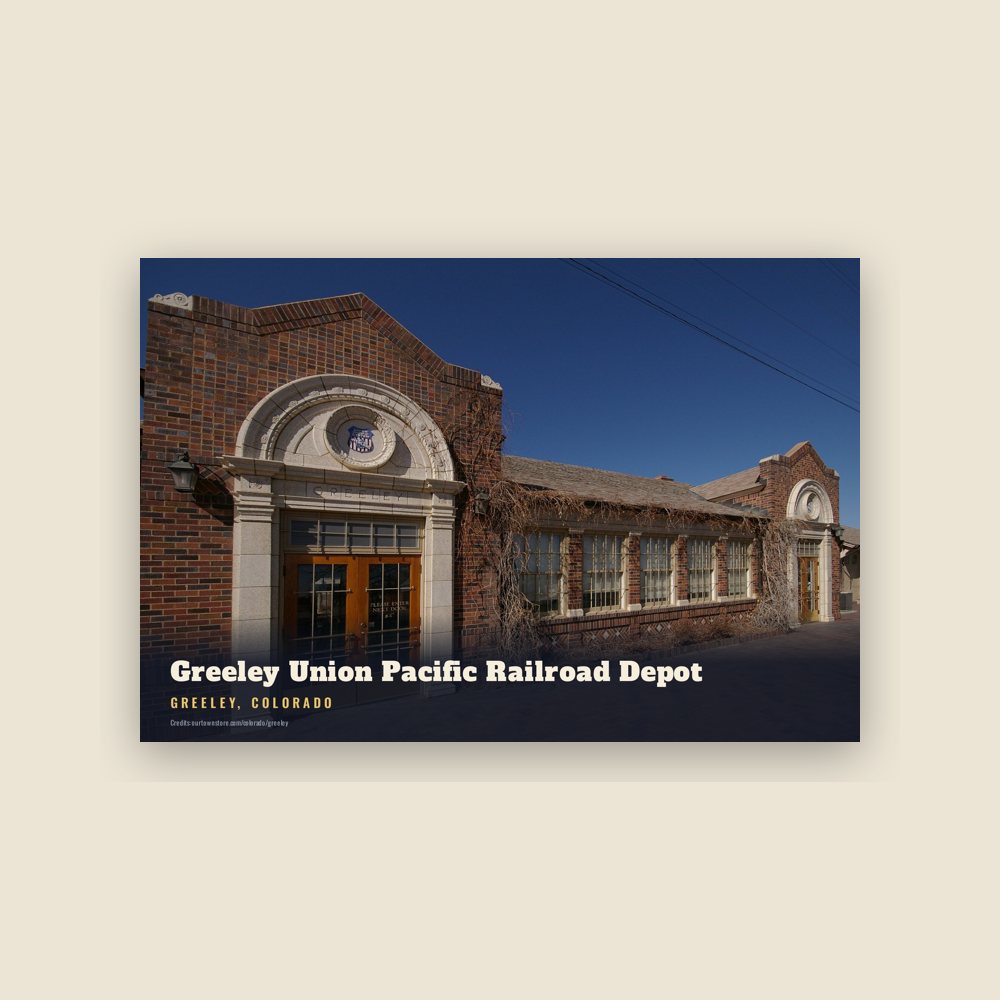
 Greeley Union Pacific Railroad Depot
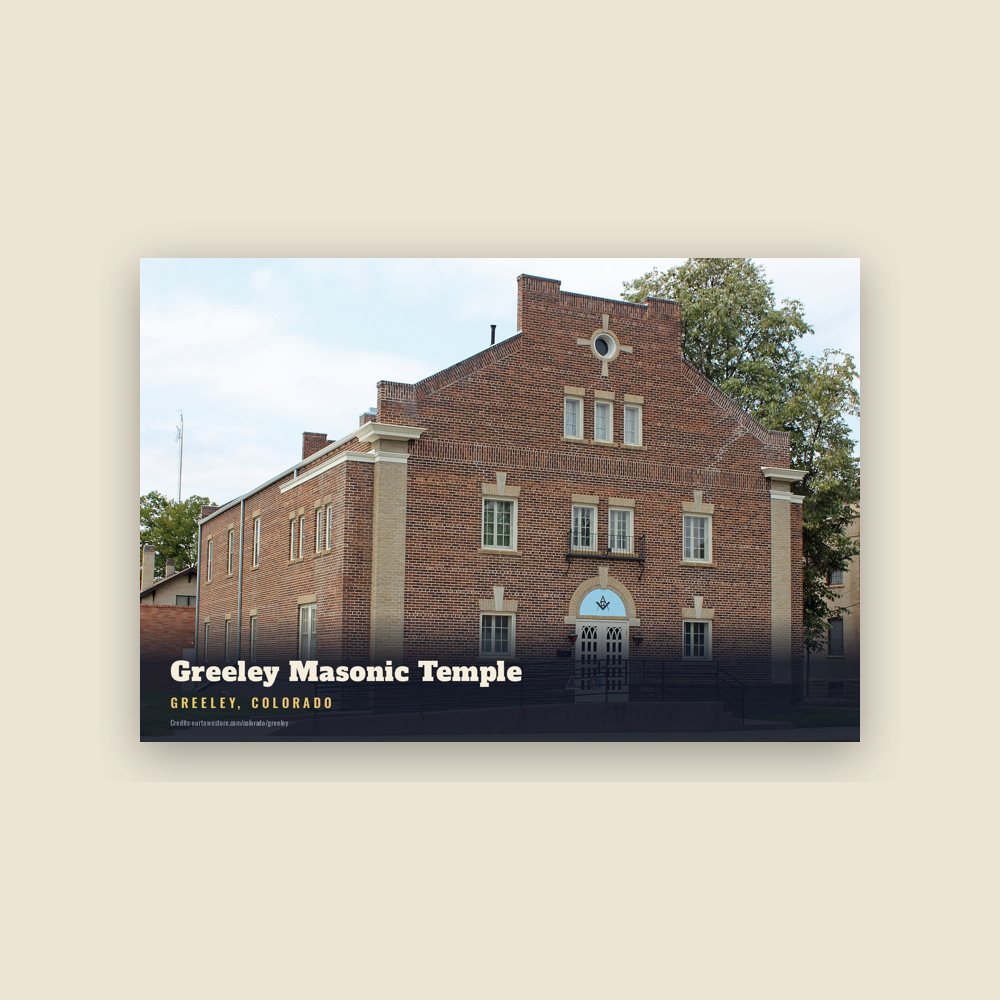
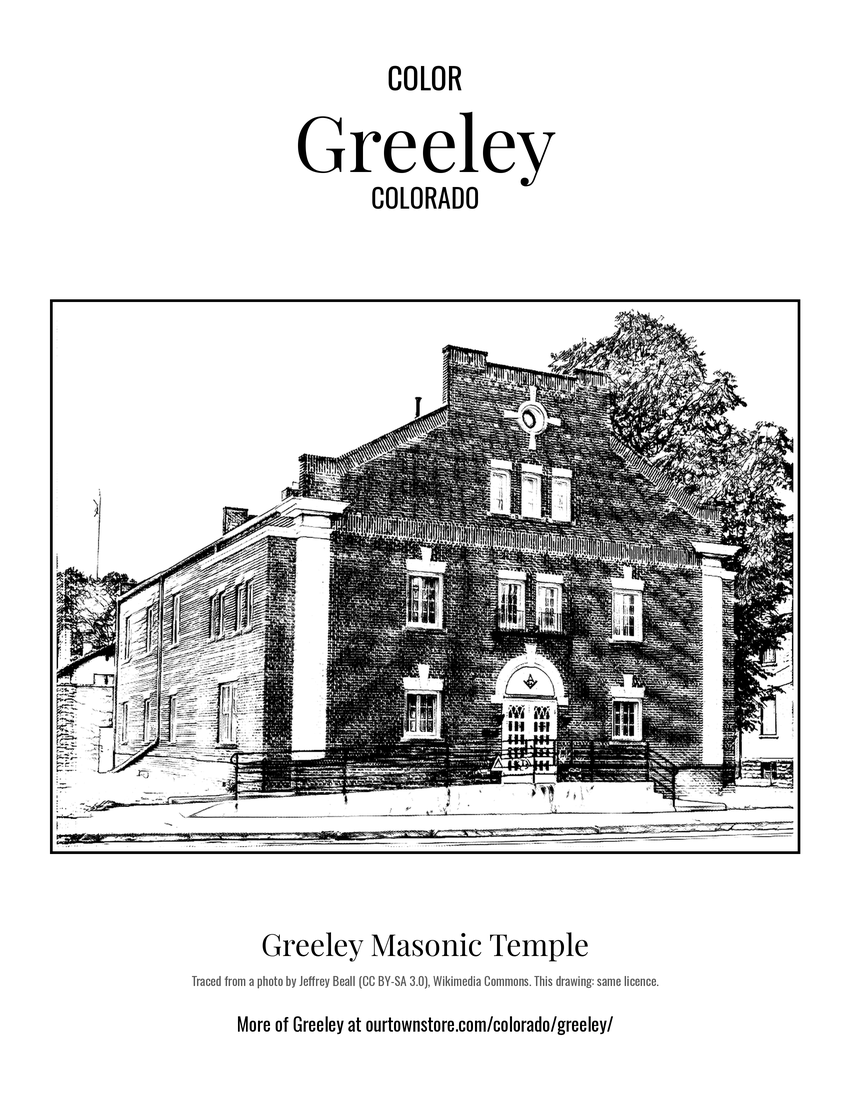 Greeley Masonic Temple
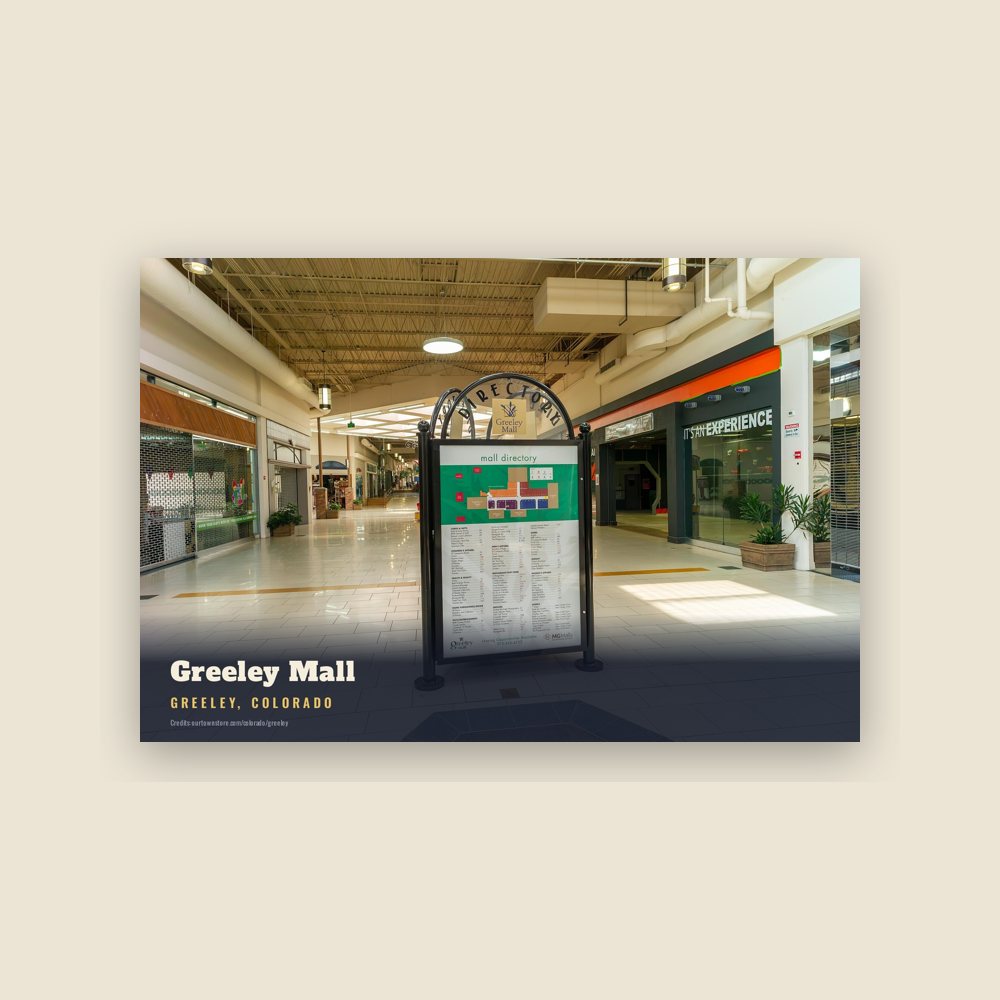
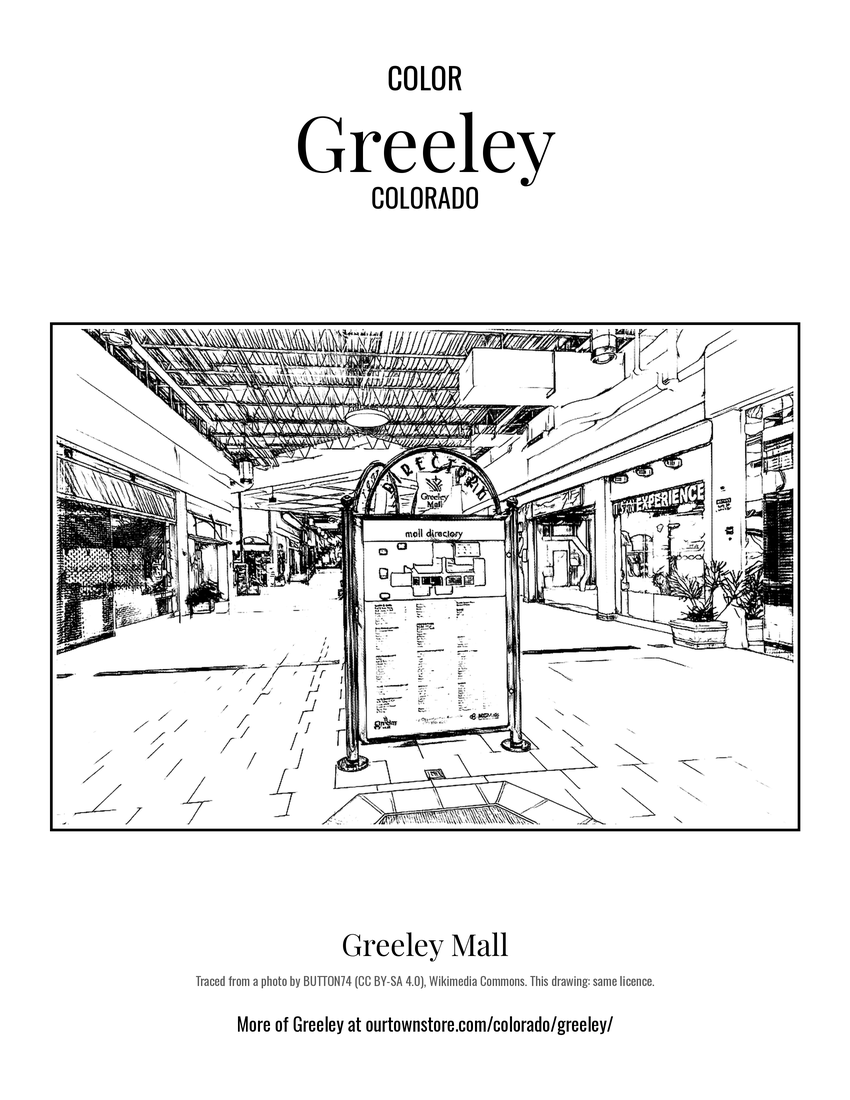 Greeley Mall
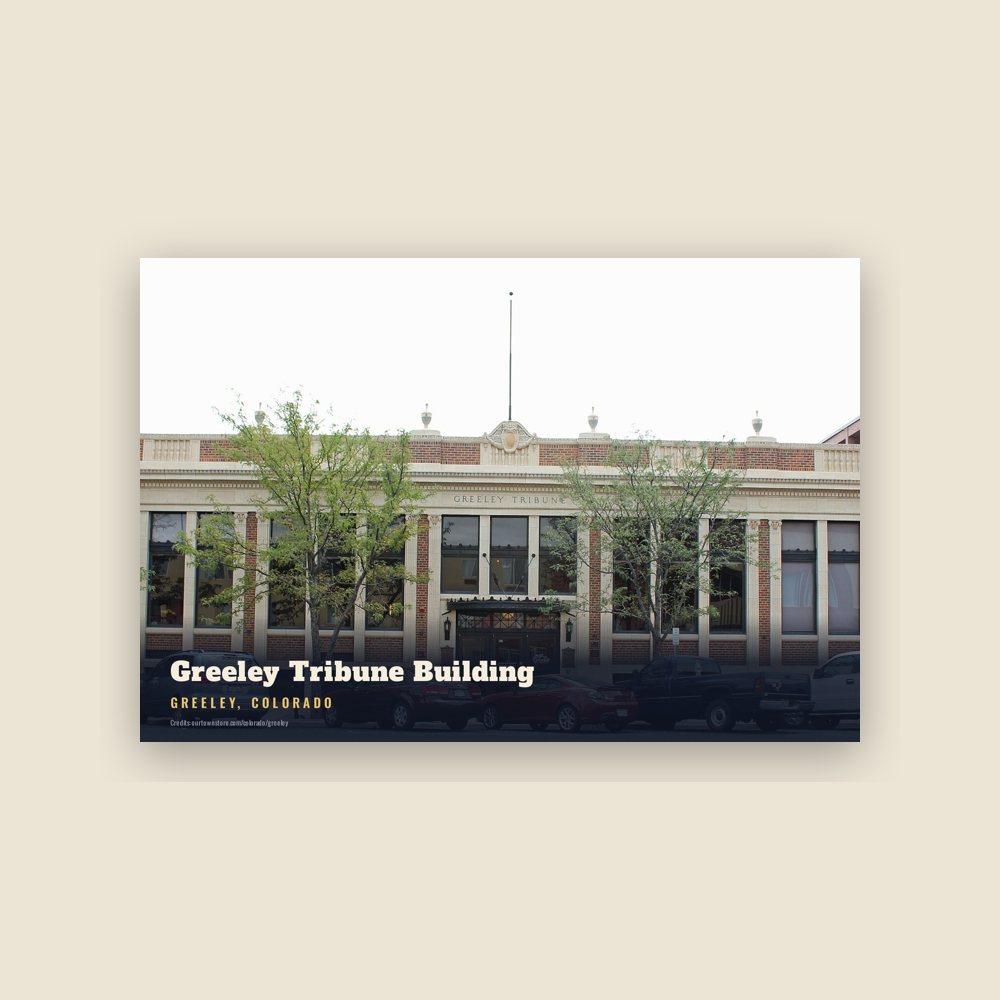
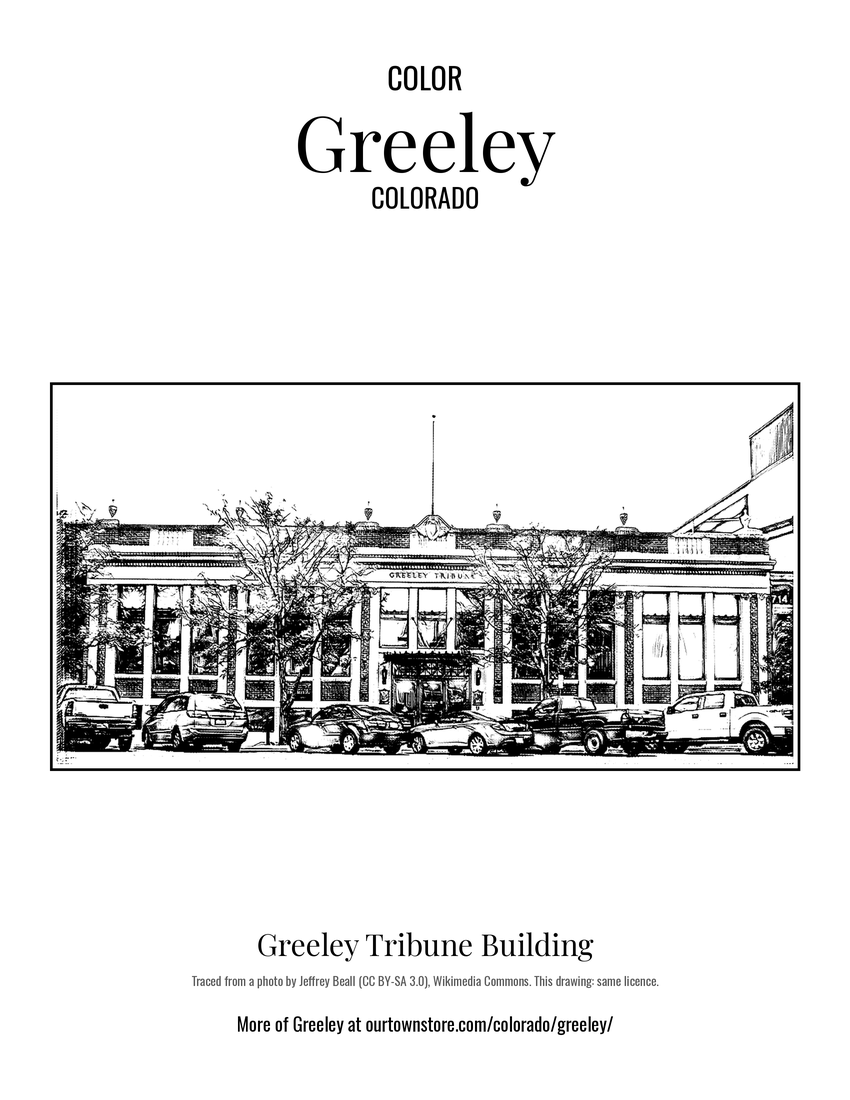 Greeley Tribune Building