The region has been inhabited by the Pomo for thousands of years. The modern area of Ukiah derives its name from the Pomo village (band) of Yokáya, meaning "deep valley" or "south valley".
Read the full history
Russian era
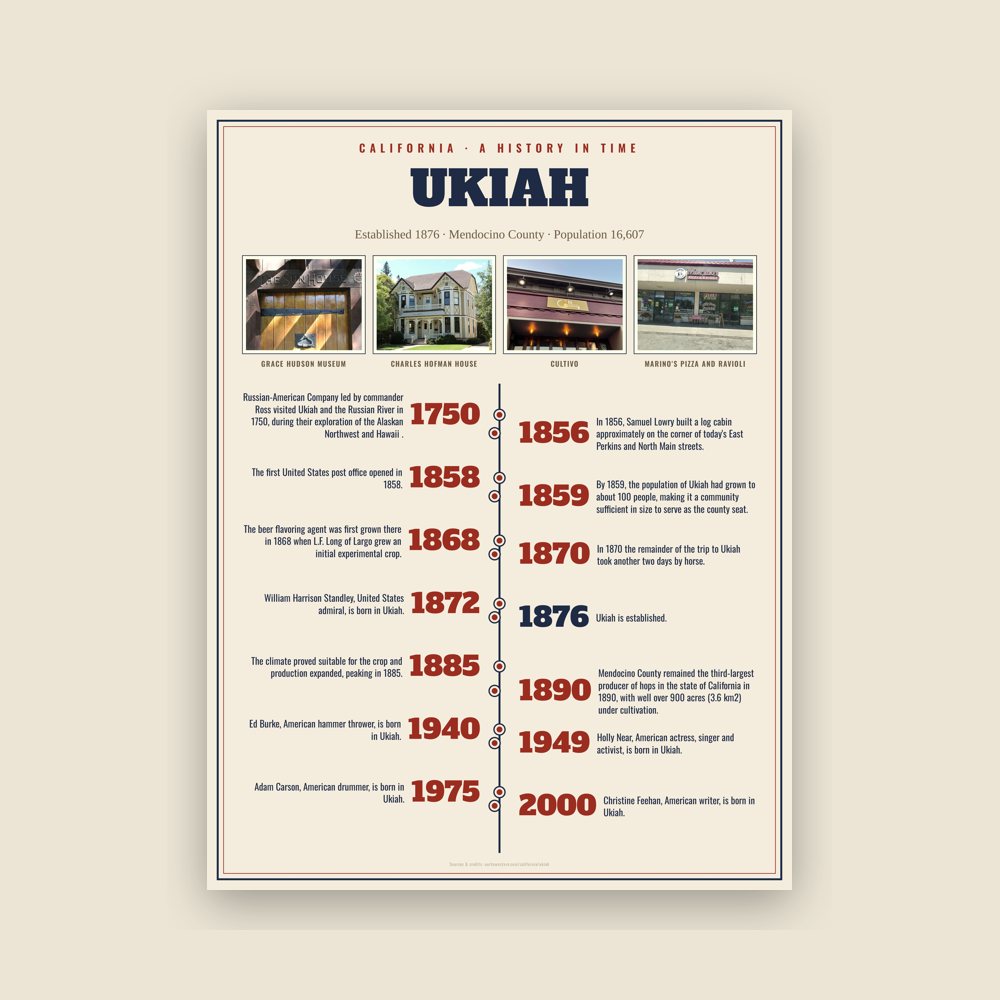
Russian-American Company led by commander Ross visited Ukiah and the Russian River in 1750, during their exploration of the Alaskan Northwest and Hawaii . Eventually Point Cabrillo was visited and named by the Spanish explorers, although Cabrillo only visited San Diego Bay and never visited the point. The land was inhabited by Pomo natives who lived as hunter-gatherers until the time. Some Chinese explorers visited as well during the early times of Chinatown San Francisco and the building of the railroad lines.
Mexican era
Ukiah is located within Rancho Yokaya, one of several Spanish colonial land grants in what their colonists called Alta California. The Yokaya grant, which covered the majority of the Ukiah valley, was named for the Pomo word meaning "deep valley." The Pomo are the indigenous people who occupied the area at the time of Spanish colonization.
Cayetano Juárez was granted Ukiah by Alta California. He was known to have a neutral relationship with the local Pomo people. He sold a southern portion of the grant (toward present-day Hopland) to the Burke brothers. The first Anglo settler in the Ukiah area was John Parker, a vaquero who worked for pioneer cattleman James Black. Black had driven his stock up the Russian River valley and took over a block of grazing land at that locale. A crude blockhouse was constructed for Parker so he could have shelter to protect the herd from the indigenous local people, who were hostile due to resentment of the squatters on their land. The blockhouse was located just south of present-day Ukiah on the banks of what was known as Wilson Creek. Following the U.S. Conquest of California, the region passed from Mexican to American sovereignty.
Early American era
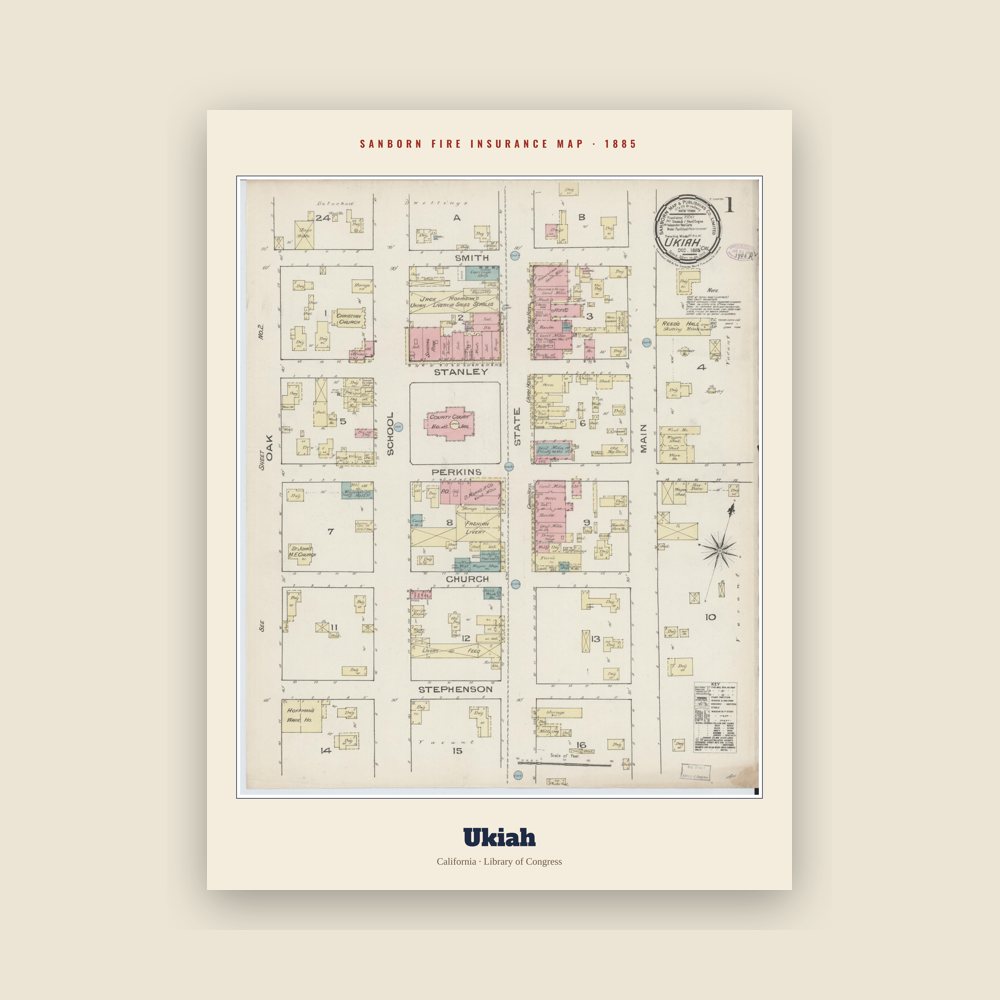
In 1856, Samuel Lowry built a log cabin approximately on the corner of today's East Perkins and North Main streets. Lowery sold his claim to A.T. Perkins in the spring of 1857, and the latter moved his family into the valley. They were the first Anglo-American pioneer family of the township. Six others followed to make their home there that same year. The first United States post office opened in 1858. By 1859, the population of Ukiah had grown to about 100 people, making it a community sufficient in size to serve as the county seat. Before this, administrative duties for Mendocino County had been handled by Sonoma County.
Initially visitors could reach town only by stagecoach, or private horses. A short rail line from San Francisco terminated in Petaluma, nearly 80 miles (130 km) to the south. In 1870 the remainder of the trip to Ukiah took another two days by horse. In subsequent years the rail line was extended further northward to Cloverdale. Although the stagecoach portion was reduced to 30 miles (48 km), the community was still relatively isolated and slow to develop.
Ukiah was incorporated in 1876. It was not until 1889 that the San Francisco and North Pacific Railroad completed its line from Cloverdale to Ukiah, linking the Mendocino County seat to the national rail network.
Ukiah has been the hub of an agricultural and business community. Over the decades various commodity crops have been grown in the Ukiah Valley. They include pears, green beans, hops, apricots, and grapes. As part of California's Wine Country, grapes have become the predominant agricultural product.
Hops were once a major crop grown around Ukiah. The beer flavoring agent was first grown there in 1868 when L.F. Long of Largo grew an initial experimental crop. The climate proved suitable for the crop and production expanded, peaking in 1885. It declined in the last years of the 1880s as prices dropped. Mendocino County remained the third-largest producer of hops in the state of California in 1890, with well over 900 acres (3.6 km2) under cultivation. Production continued well into the 20th century. A refurbished hop kiln can be seen at the north end of Ukiah east of Highway 101, where many of the old fields were located.
20th century
Ukiah's 20th-century population developed in relation to the lumber boom of the late 1940s. Logging of redwoods was once a major industry. Activists have worked to preserve areas of redwood forest, which became endangered due to overlogging. Young people entered the area from the 1960s, seeking alternative lifestyles and, in some cases, artisan and rural living.

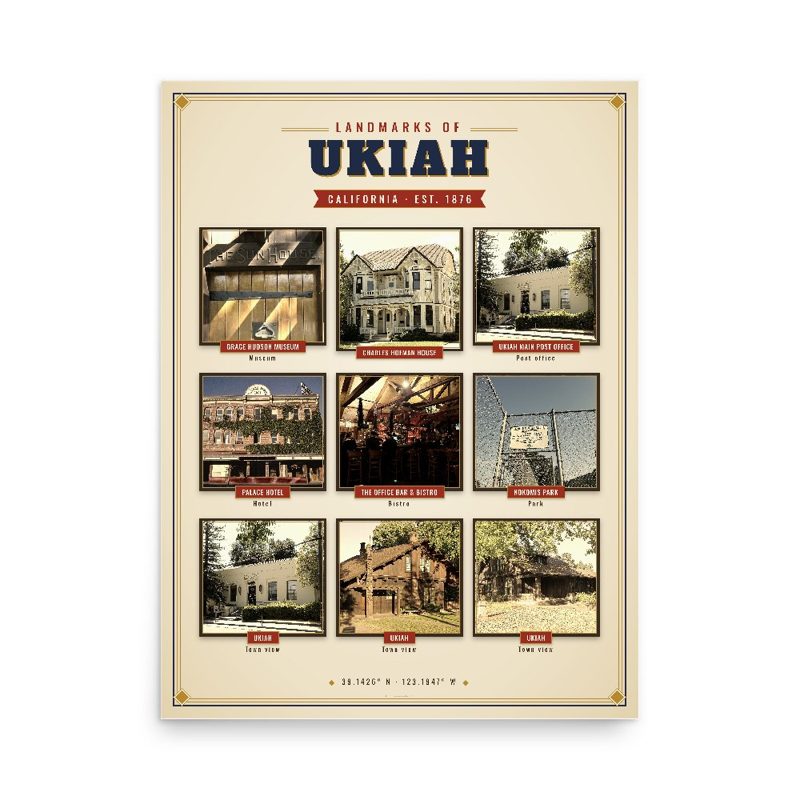

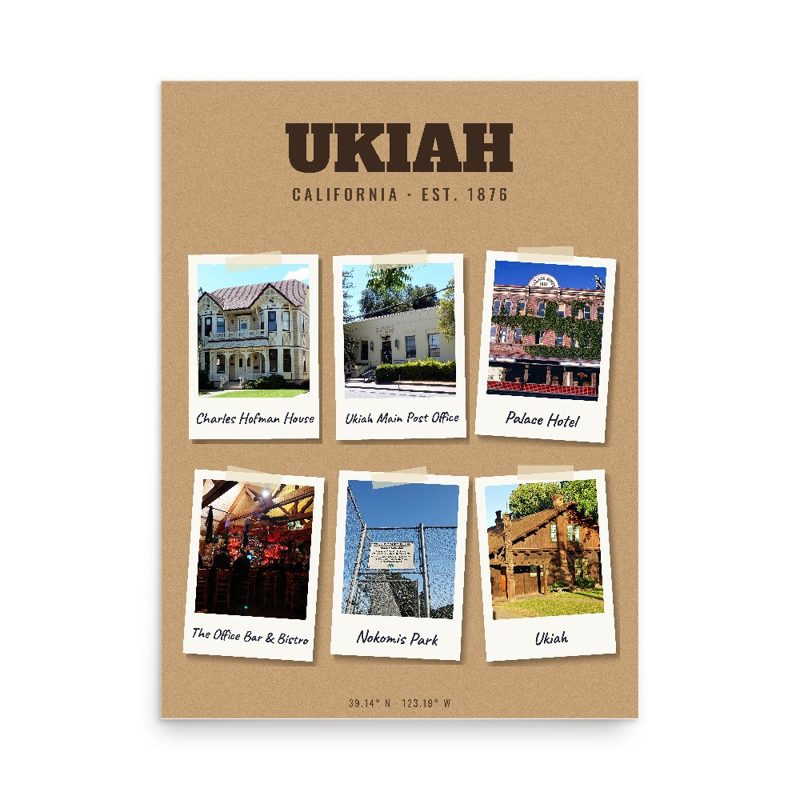
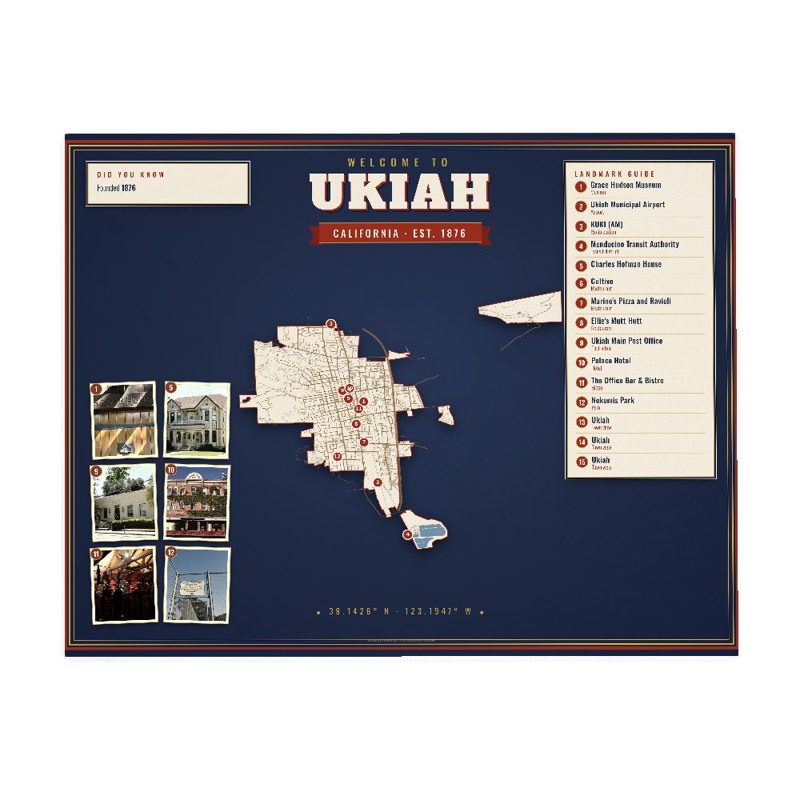






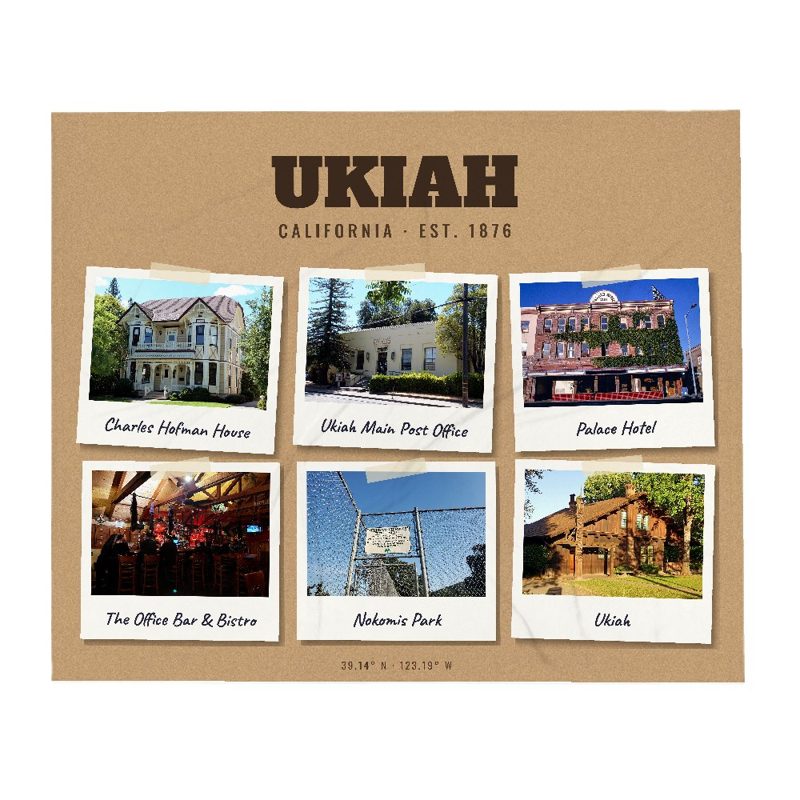
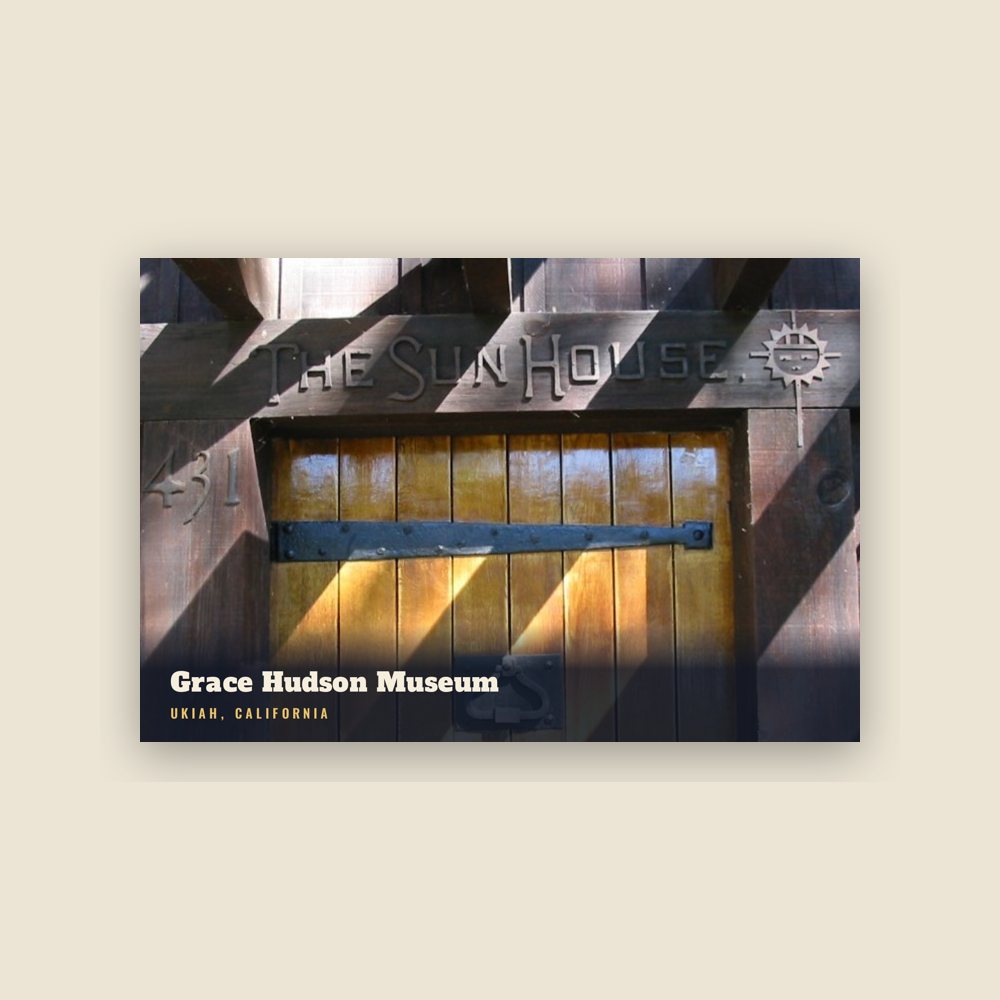
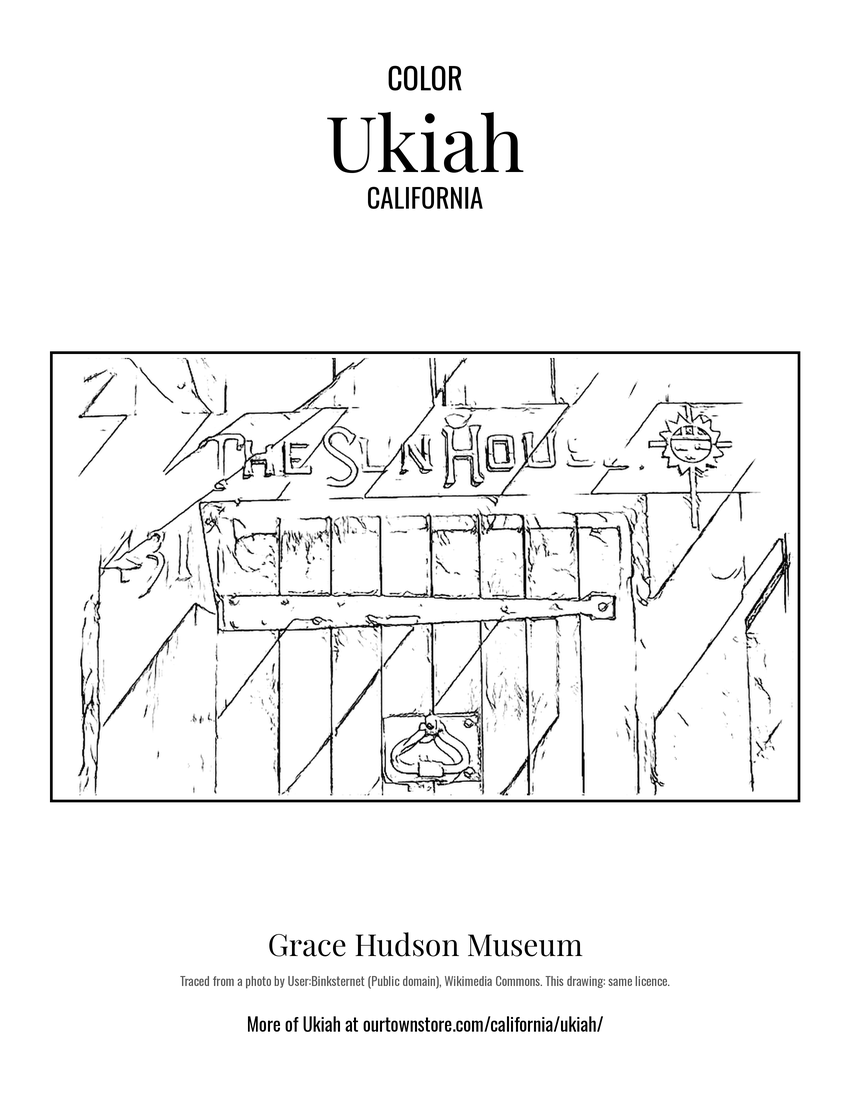 Grace Hudson Museum
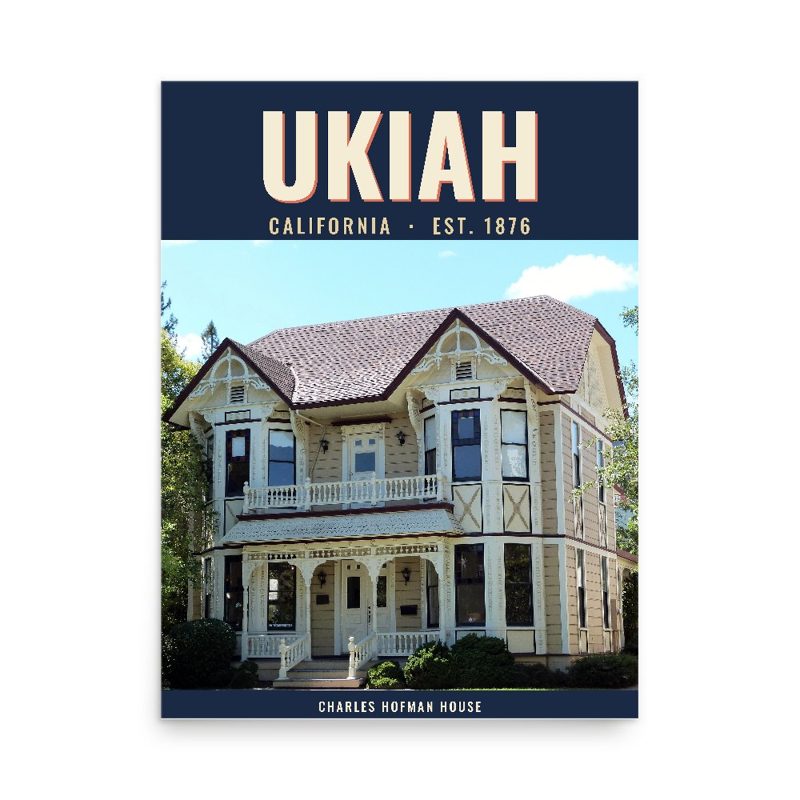
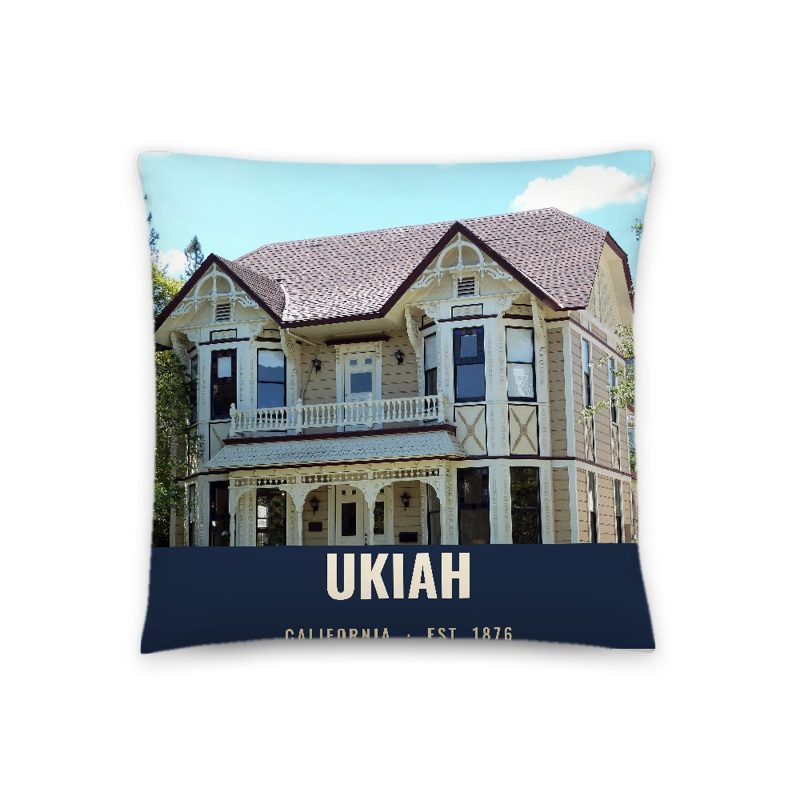
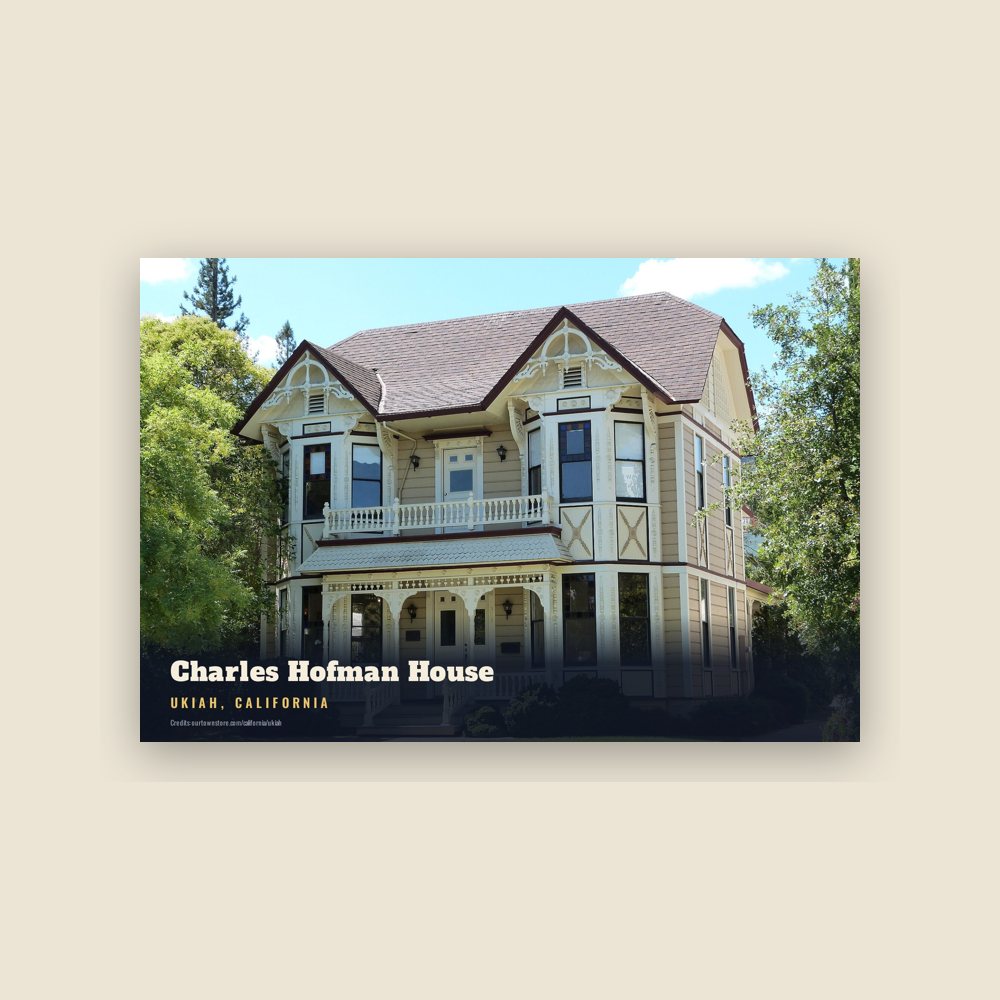
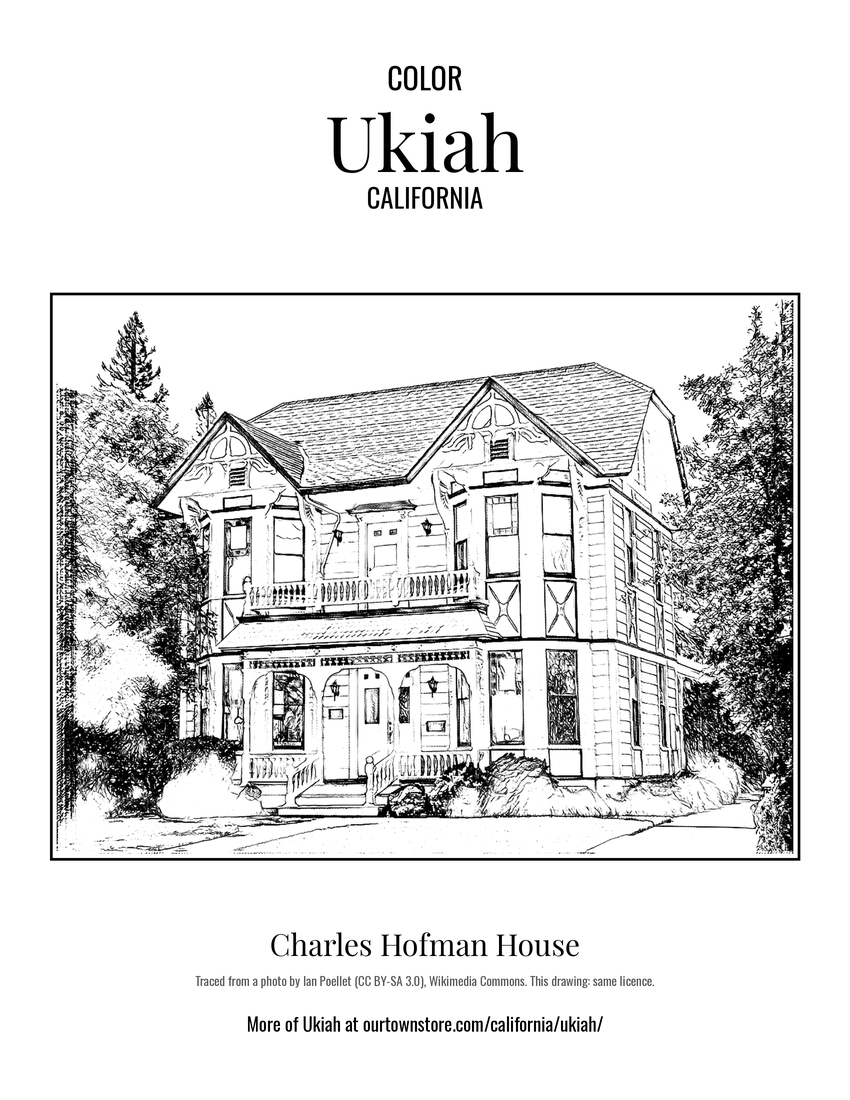 Charles Hofman House
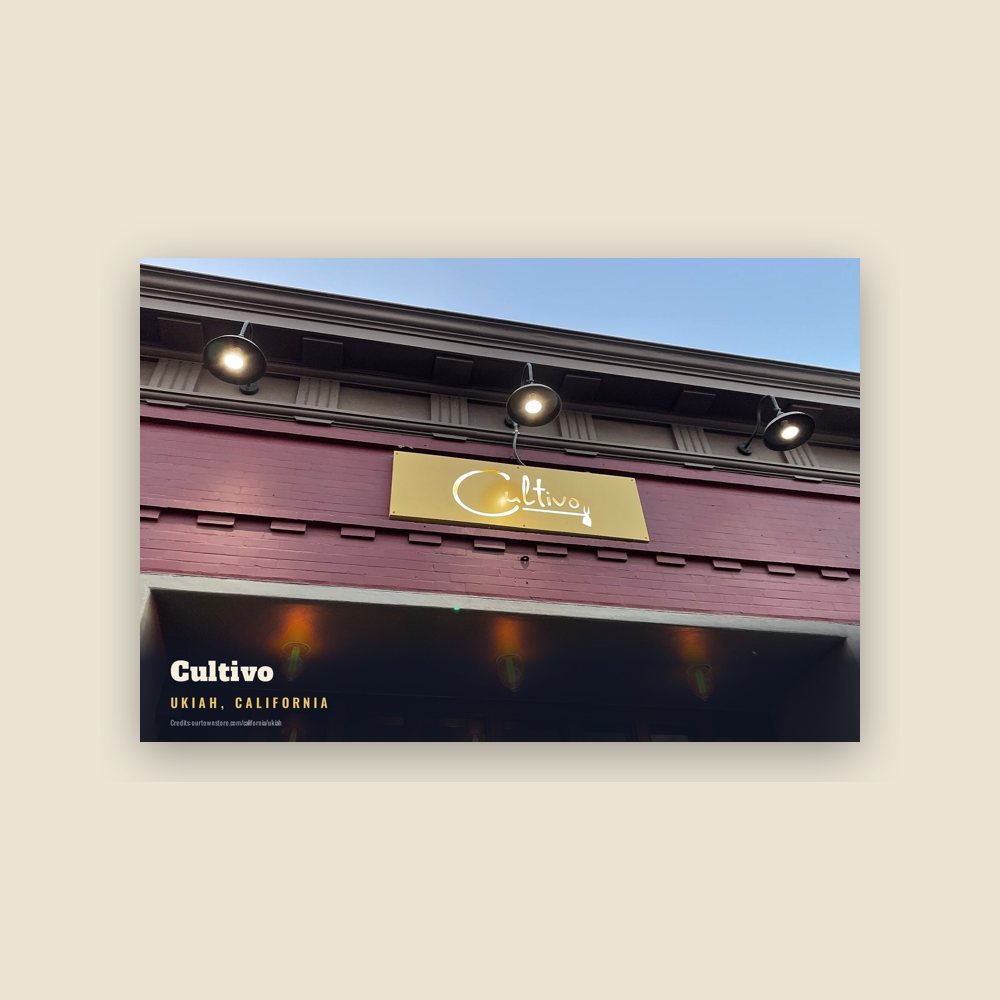
 Cultivo
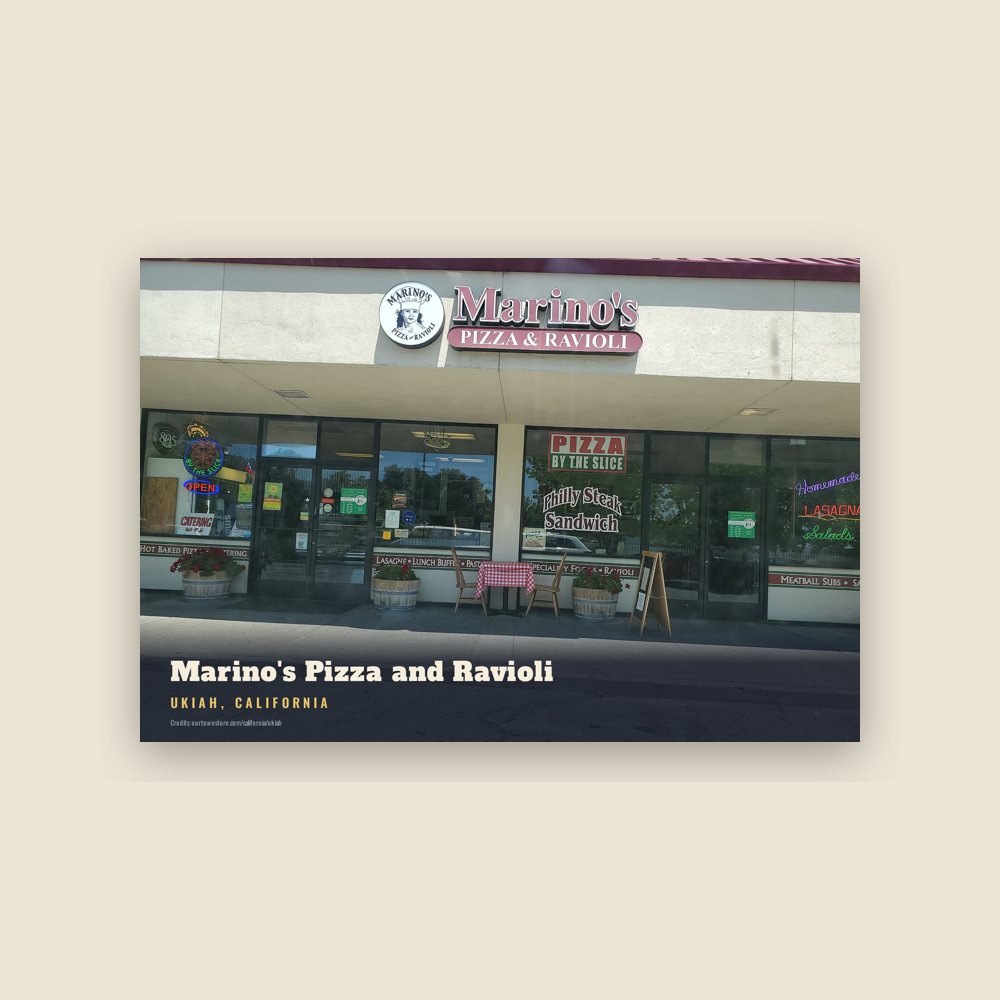
 Marino's Pizza and Ravioli