A short history of Tracy
Until the 1760s, the area that became the city of Tracy was long populated by the Yokuts ethnic group of loosely associated bands of Native Americans and their ancestors. They lived on hunting and gathering game and fish from local rivers and creeks. After encountering the Spanish colonists, the Yokuts suffered from new infectious diseases, which caused social disruption, as did the Spanish efforts to impress them into labor at Mission San José. Mexican and American explorers later arrived, pushing the Yokuts out. The Yokuts people remain, living in small groups with about 2,600 people identifying as Yokut. Along with them, another language group of Native Americans found near Tracy are referred to as the Mono people, numbering around 1,800.
Tracy is a railroad town that came from the mid-19th century construction, mainly by Chinese laborers, of Central Pacific Railroad rail lines running from Sacramento through Stockton to the San Francisco Bay Area, beginning 1868 and ending September 1878 with the opening of a new branch and junction. A number of small communities sprang up along these lines at designated station sites, including one at the junction named for railroad director J. J. Tracy.
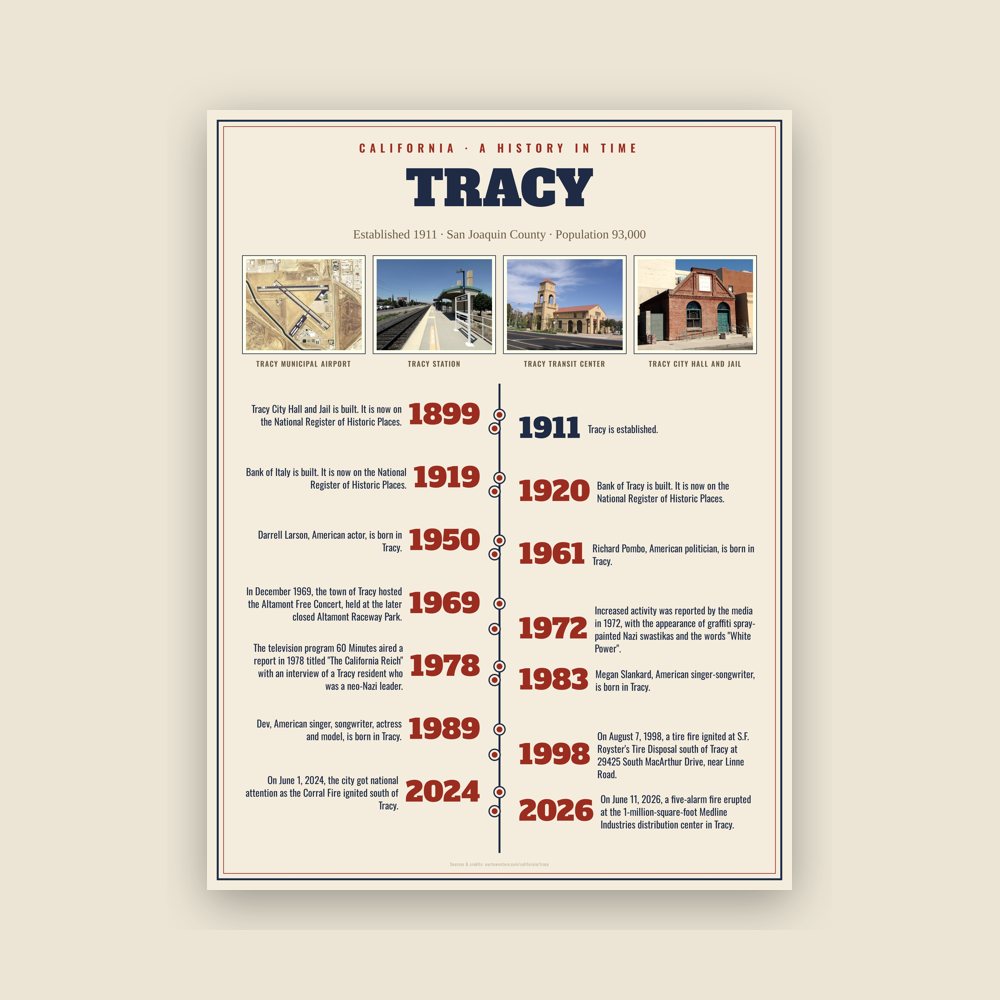
Incorporated in 1911, Tracy grew rapidly and prospered as the center of an agricultural area, even when larger railroad operations began to decline in the 1950s. Competition with trucking and automobiles resulted in widespread railroad restructuring. Tracy is part of the San Jose-San Francisco-Oakland, CA Combined Statistical Area, an extension of the Bay Area.
In December 1969, the town of Tracy hosted the Altamont Free Concert, held at the later closed Altamont Raceway Park. An estimated 300,000 people gathered at the speedway infield in an event that was plagued by violence among attendees, many of whom were drunk or drugged. Artists featured included the British Rolling Stones and the California bands Santana, Jefferson Airplane, the Flying Burrito Brothers and Crosby, Stills, Nash & Young.
Tracy was the headquarters of a branch of the American Nazi Party. Increased activity was reported by the media in 1972, with the appearance of graffiti spray-painted Nazi swastikas and the words "White Power". A surplus army 2½-ton 6×6 truck with swastika symbols was seen carrying neo-Nazi recruits around town. Members handed out flyers printed with "Join the National Socialist White People’s Party" and a Tracy-based post office box mailing address. The television program 60 Minutes aired a report in 1978 titled "The California Reich" with an interview of a Tracy resident who was a neo-Nazi leader. After about a decade, most of the city's neo-Nazis moved to Oroville, California.
On August 7, 1998, a tire fire ignited at S.F. Royster's Tire Disposal south of Tracy at 29425 South MacArthur Drive, near Linne Road. The tire dump held more than 7 million illegally stored tires and was allowed to burn for over two years before it was extinguished. Allowing the fire to burn was considered to be a better way to avoid groundwater contamination than putting it out. The cleanup of chemicals released by the fire cost $16.2 million. The chemicals were found to have contaminated groundwater in the region.
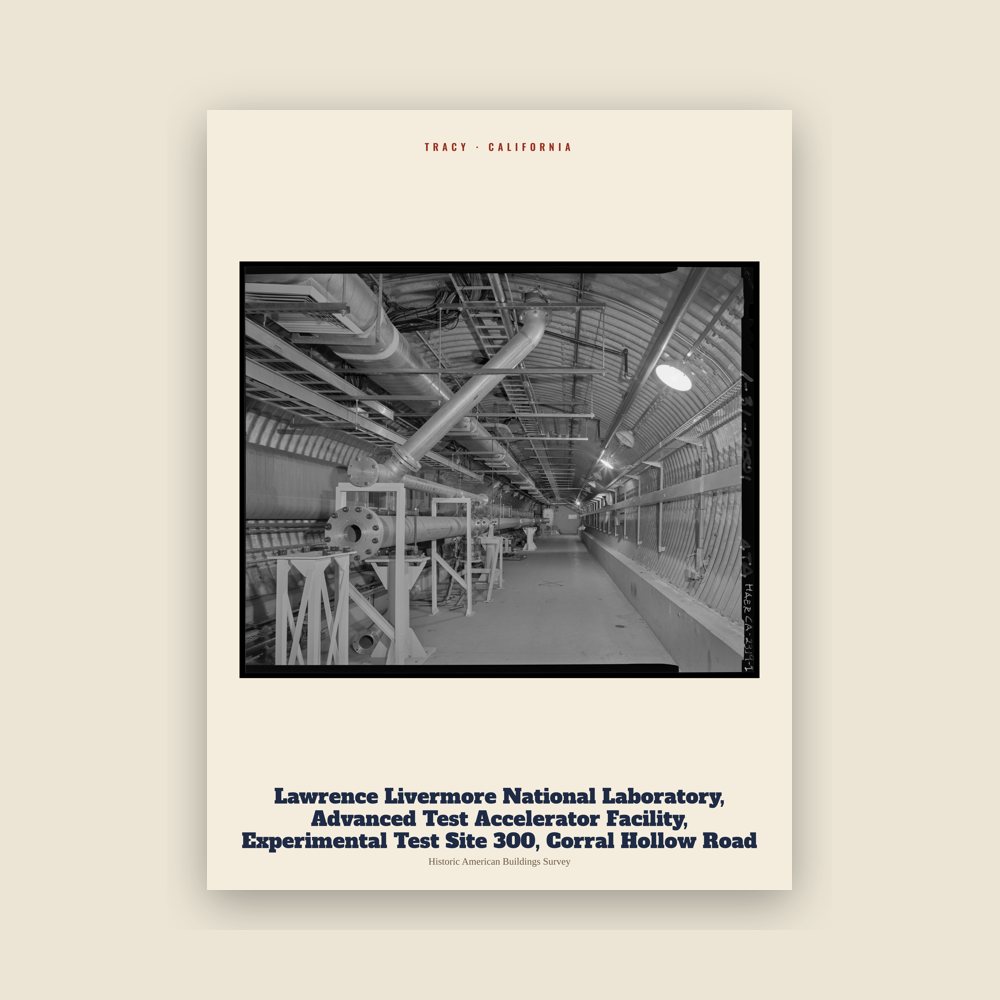
On June 1, 2024, the city got national attention as the Corral Fire ignited south of Tracy. It was the first wildfire of 2024 to burn over 2,000 acres. The fire started at Site 300 of the Lawrence Livermore National Laboratory. The fire grew fast, as on the same day, it went from 30 acres at around 4:30pm, to 4,940 acres at around 7:50pm. By the end of the day, CAL FIRE Santa Clara Unit was assigned to the wildfire.
The next day, June 2, 2024, two firefighters were injured and the fire reached 12,500 acres. It reached peak size at 6:52 pm, standing at 14,168 acres. Two-hundred households were evacuated. On June 3, 2024, with the fire still at peak size, CAL FIRE assigned 45 engines, 15 water tenders, 16 dozers, 14 hand crews, and 40 other vehicles, totaling 475 personnel. By that evening, one house was destroyed in a small neighborhood, just south of Interstate 580 and State Route 132.
On June 6, 2024, the fire was declared 100% contained. In the chaos of those last five days, two firefighters were injured, one structure was destroyed, and costed an estimated $3.5 million (2024 USD) to suppress.
On June 11, 2026, a five-alarm fire erupted at the 1-million-square-foot Medline Industries distribution center in Tracy. The blaze completely destroyed the facility, creating thick plumes of black smoke that were visible across the region, which drifted as far south as the California central coast, and caused charred debris to fall over nearby neighborhoods. The cause of the fire remains under investigation.
Adapted (trimmed) from the Wikipedia article Tracy, California, revision 1381428246 by its contributors, licensed CC BY-SA 4.0.
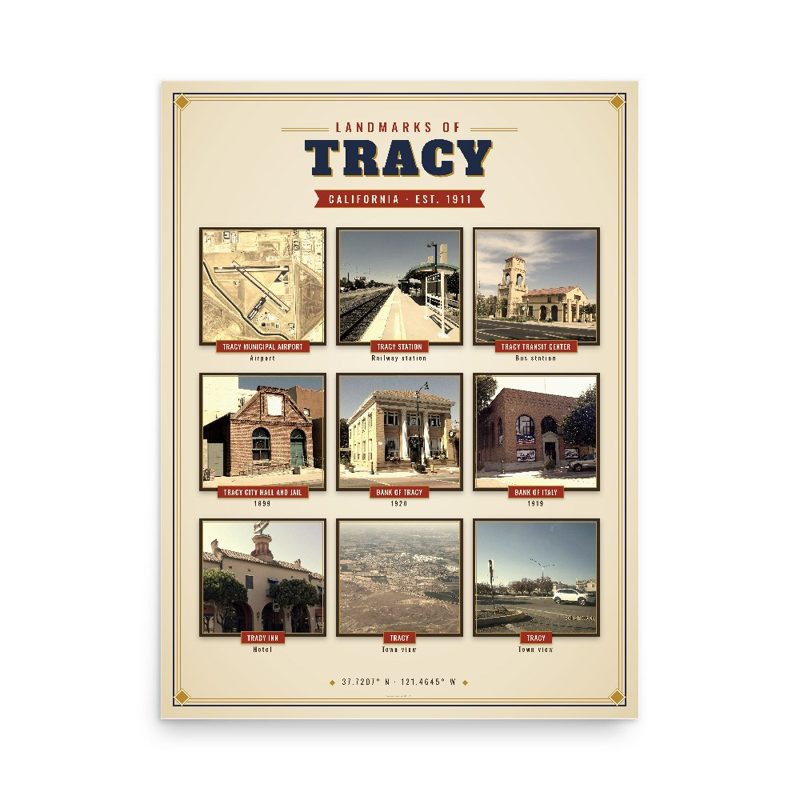
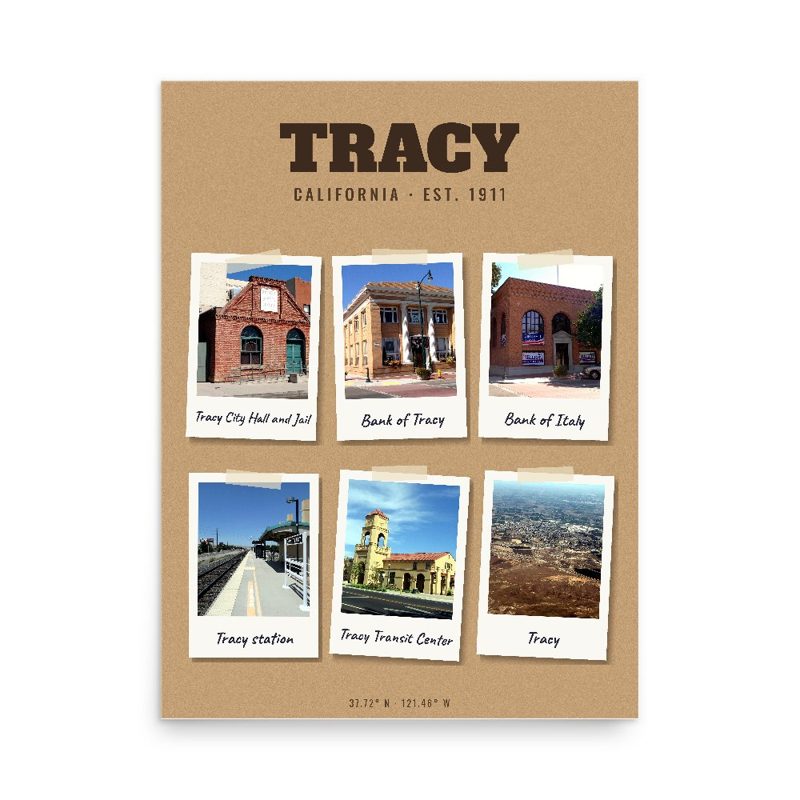
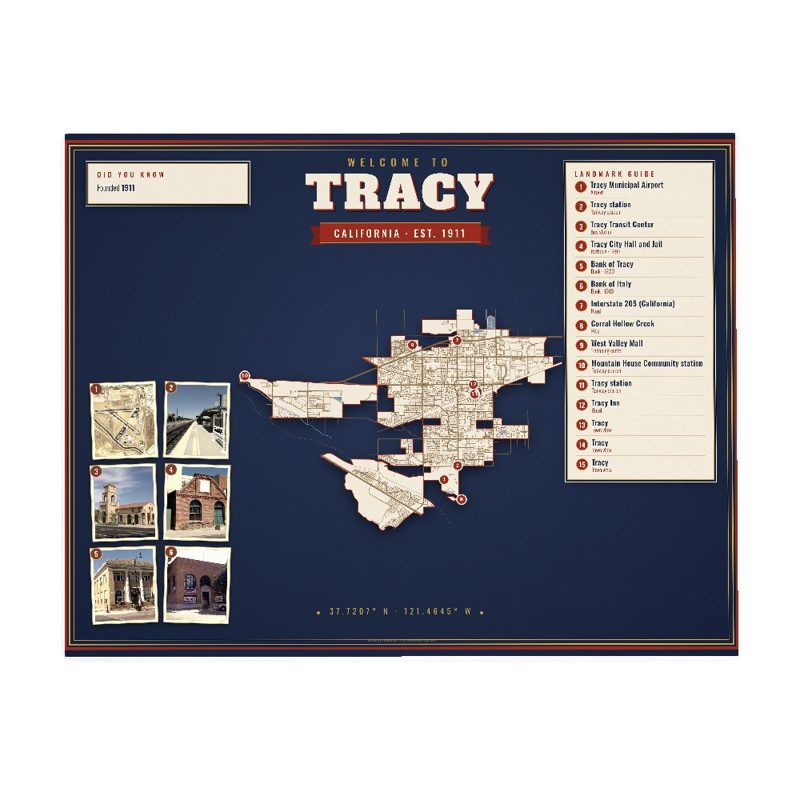











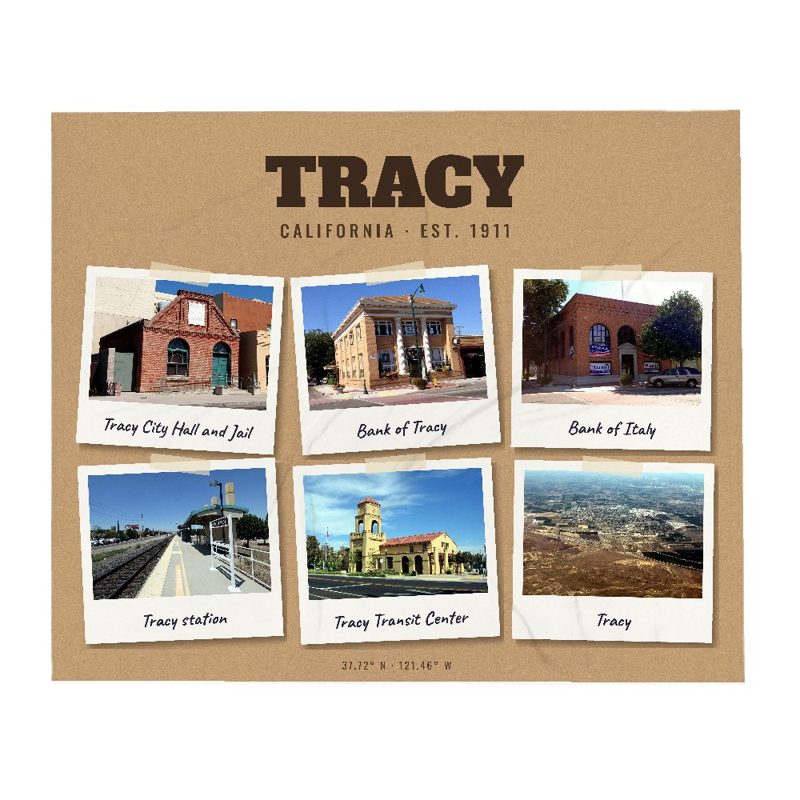
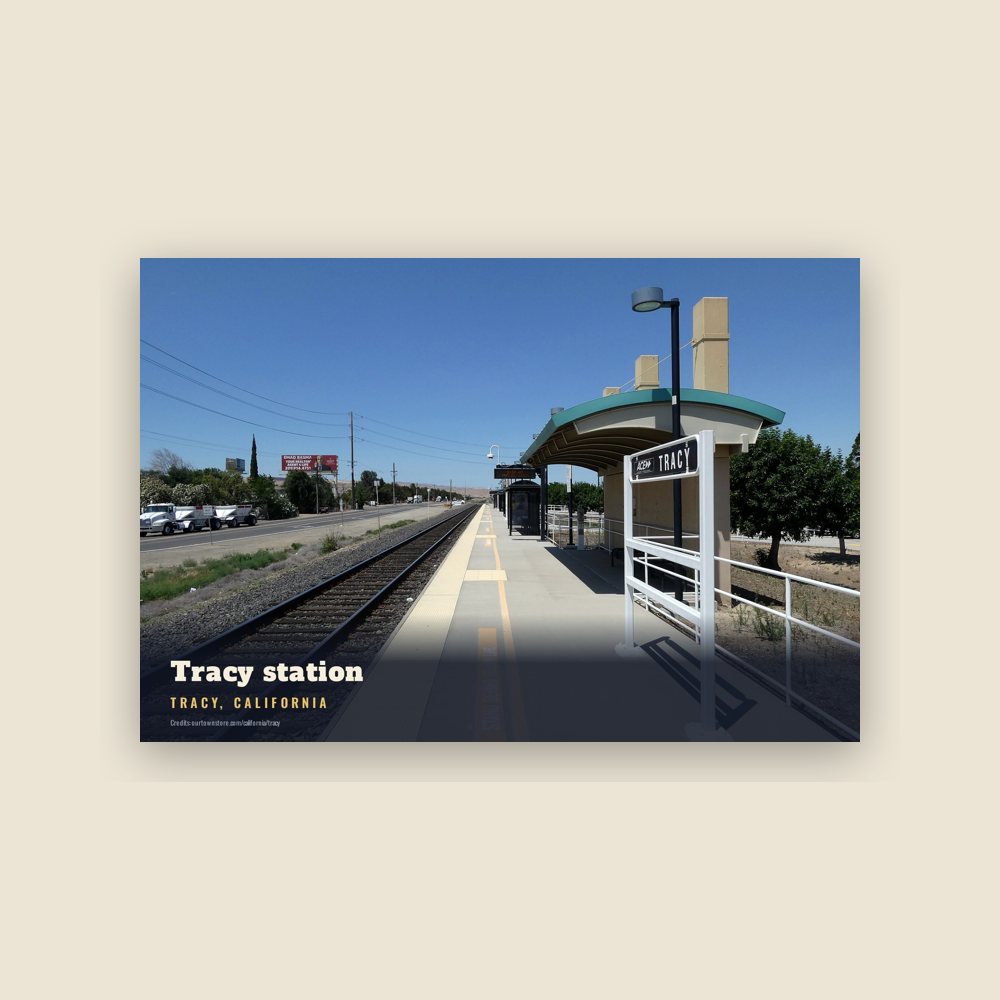
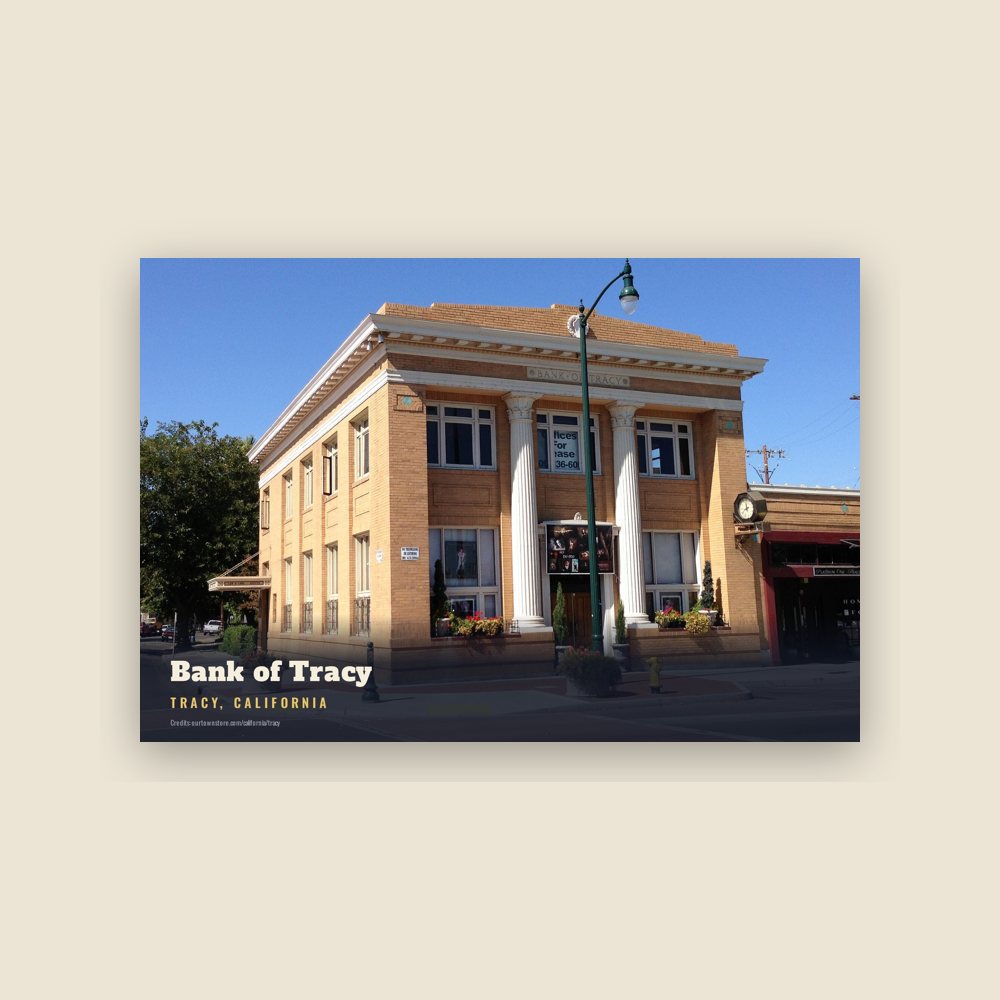
 Tracy station
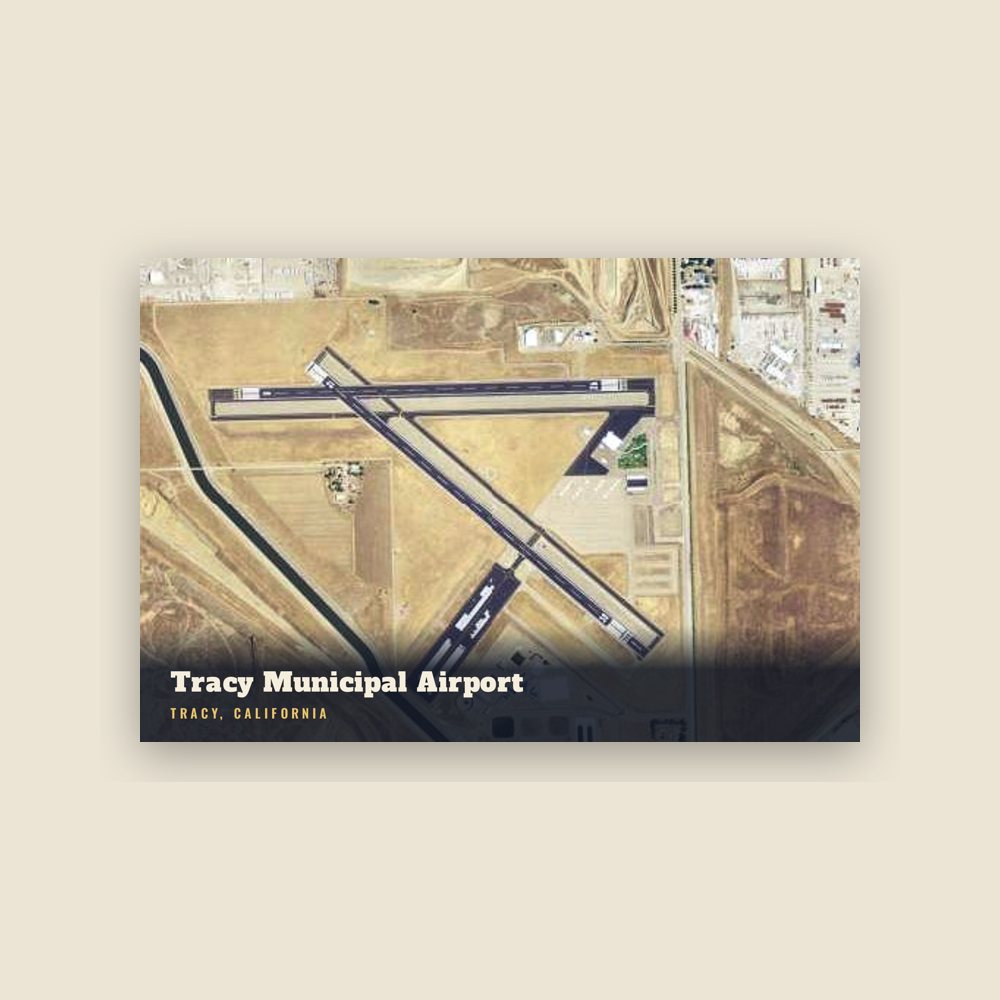
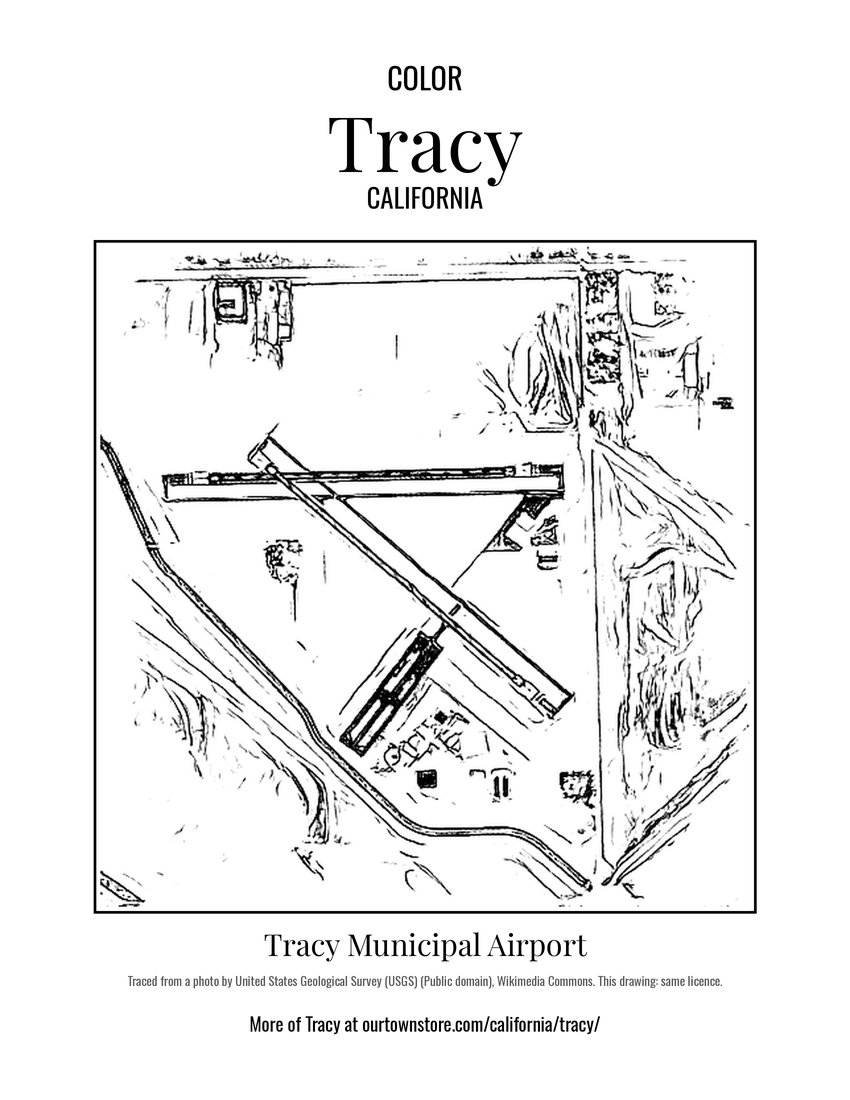 Tracy Municipal Airport
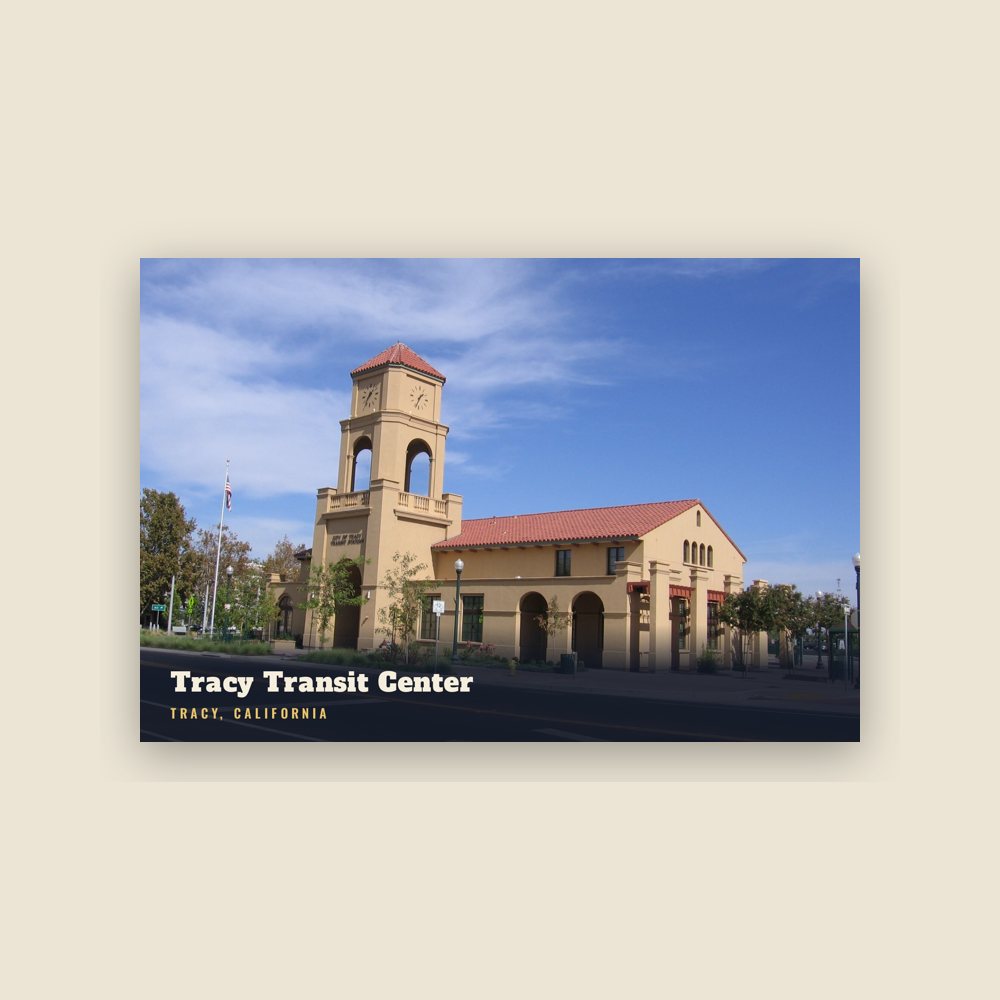
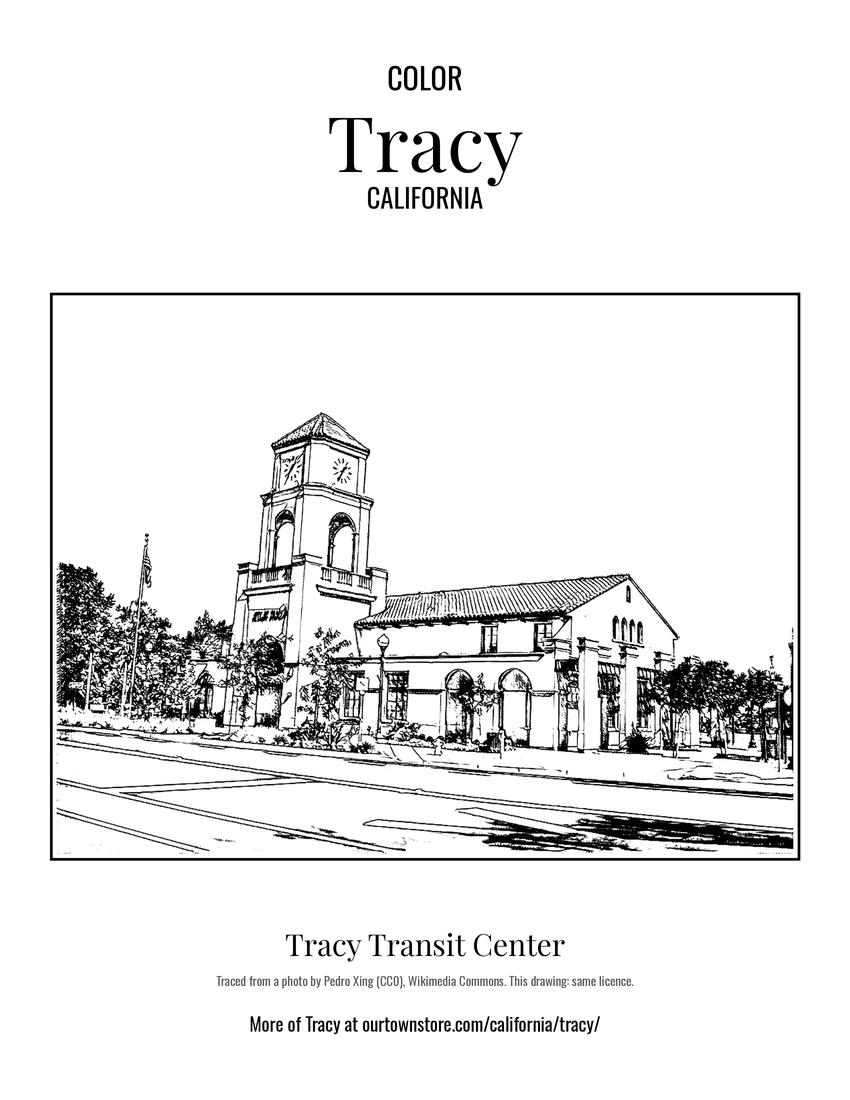 Tracy Transit Center
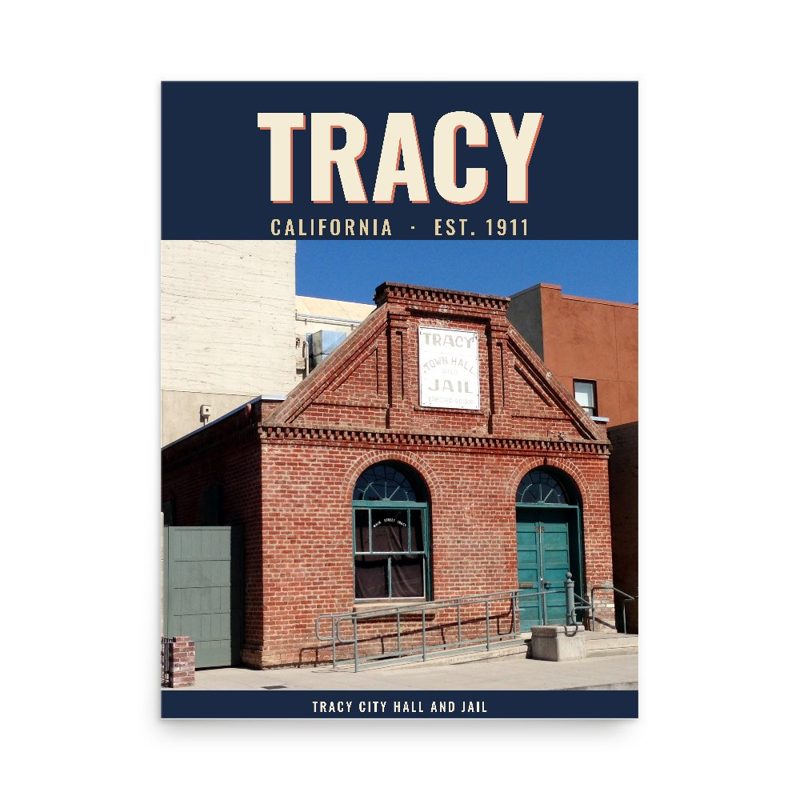
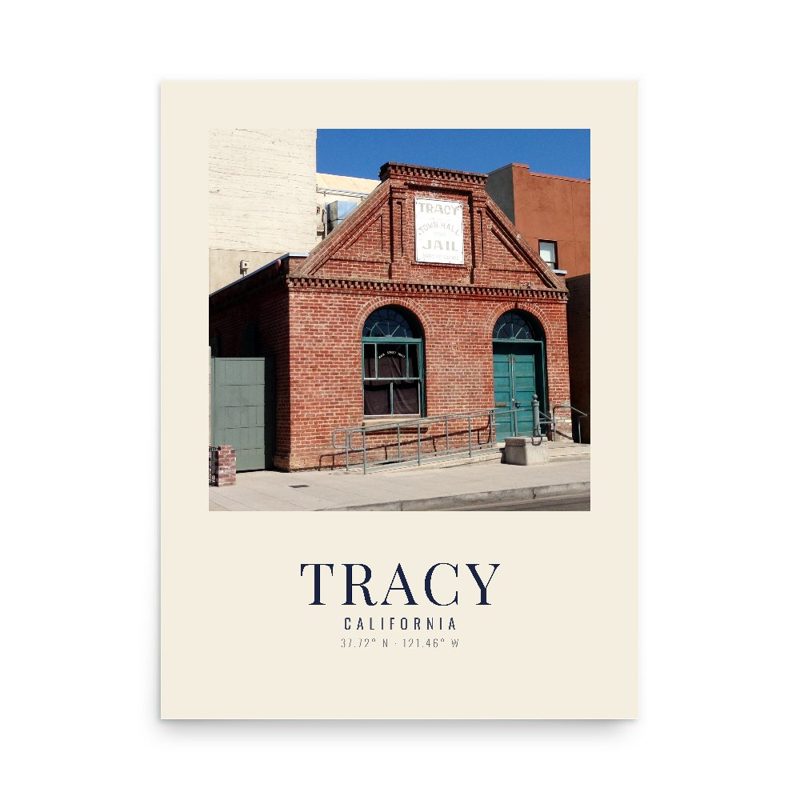
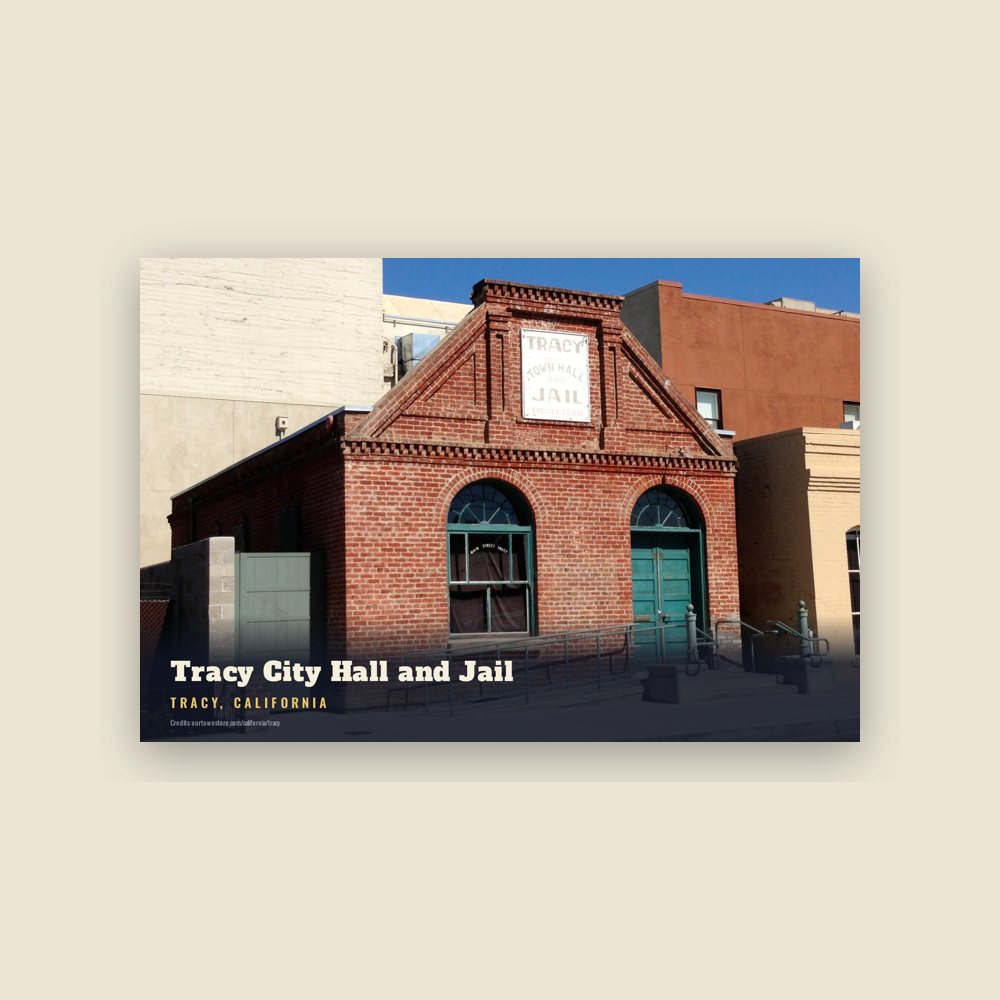
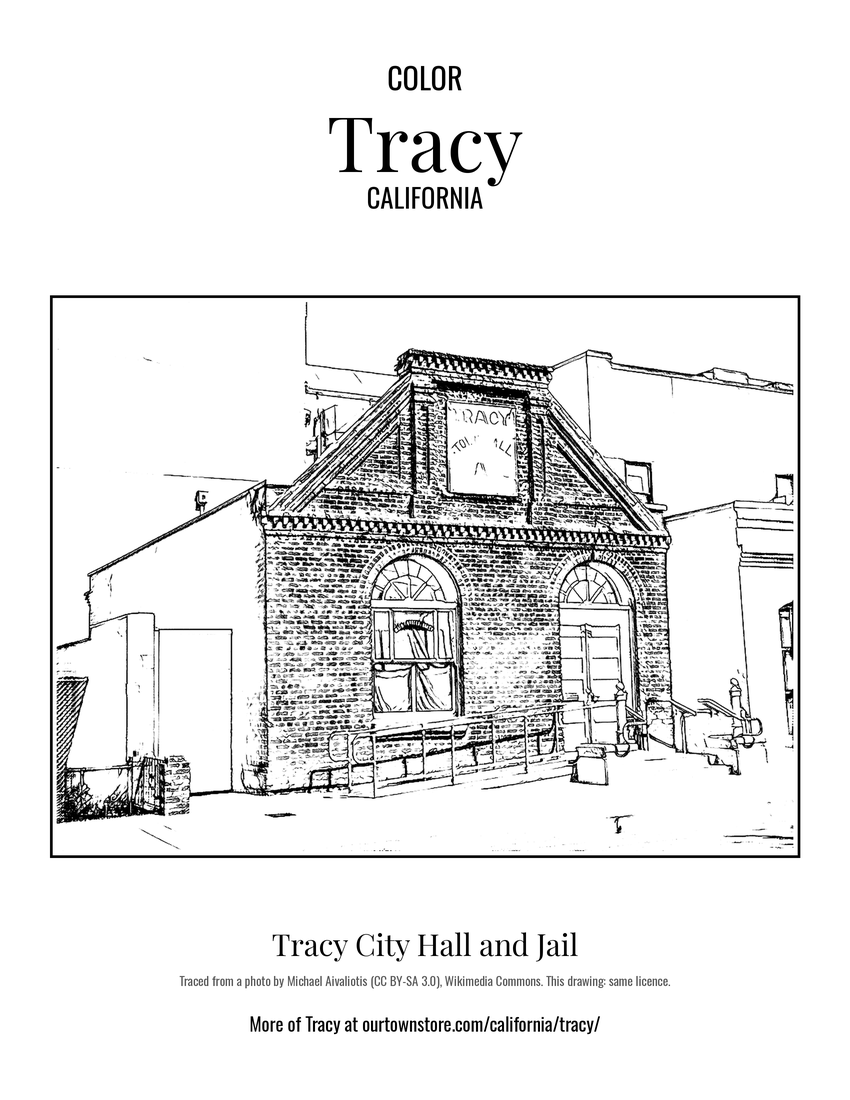 Tracy City Hall and Jail