A short history of Lodi
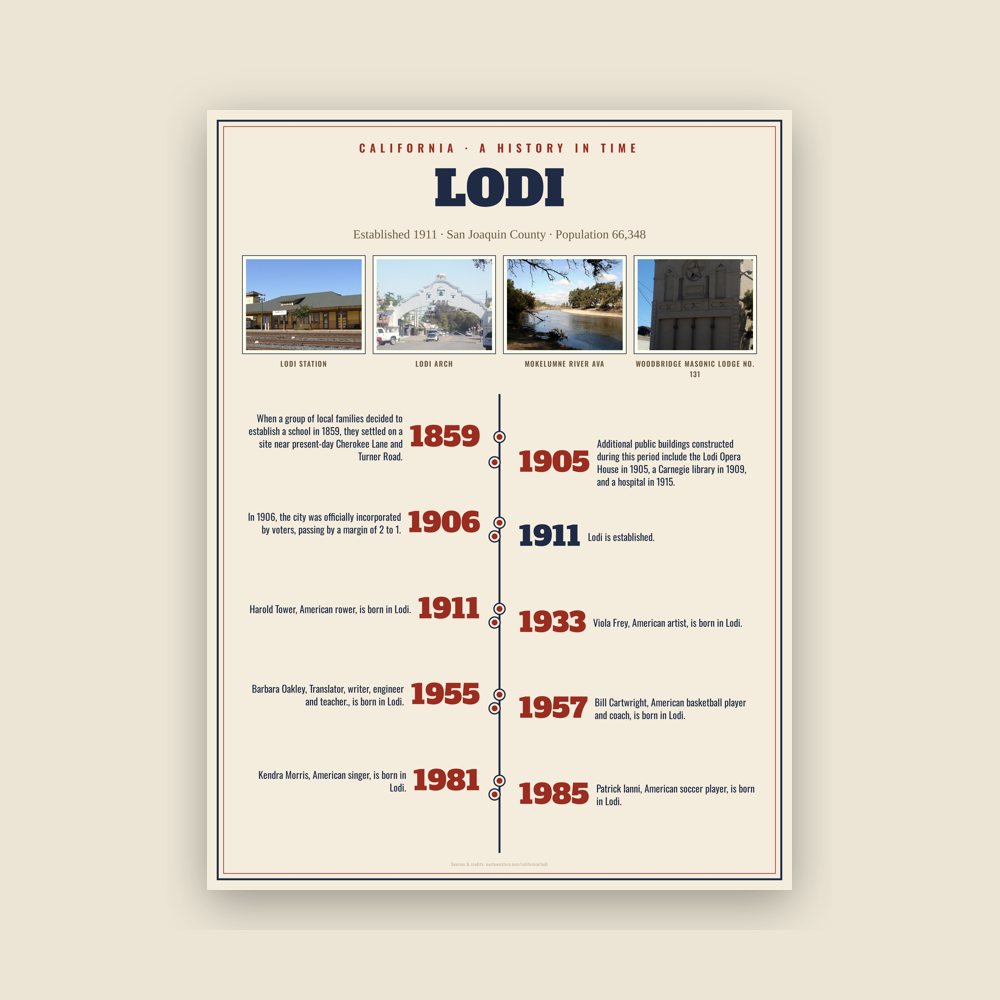
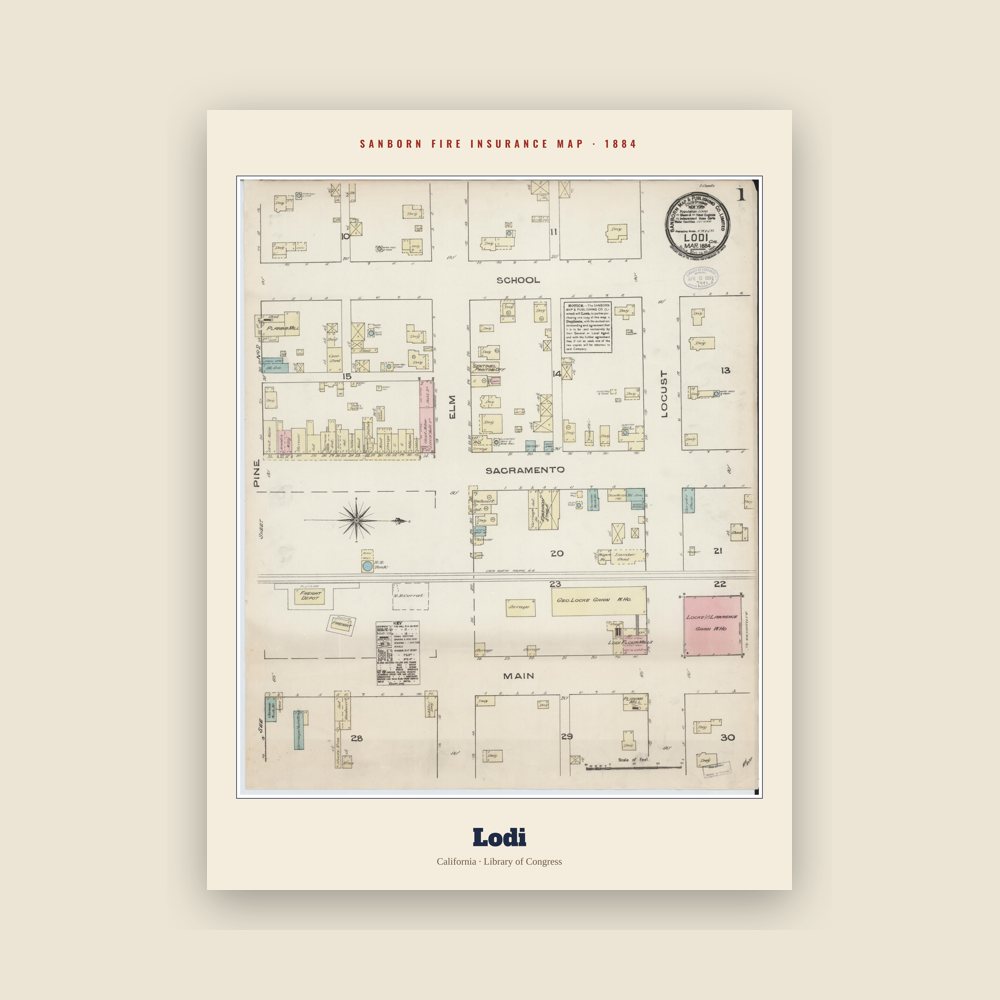
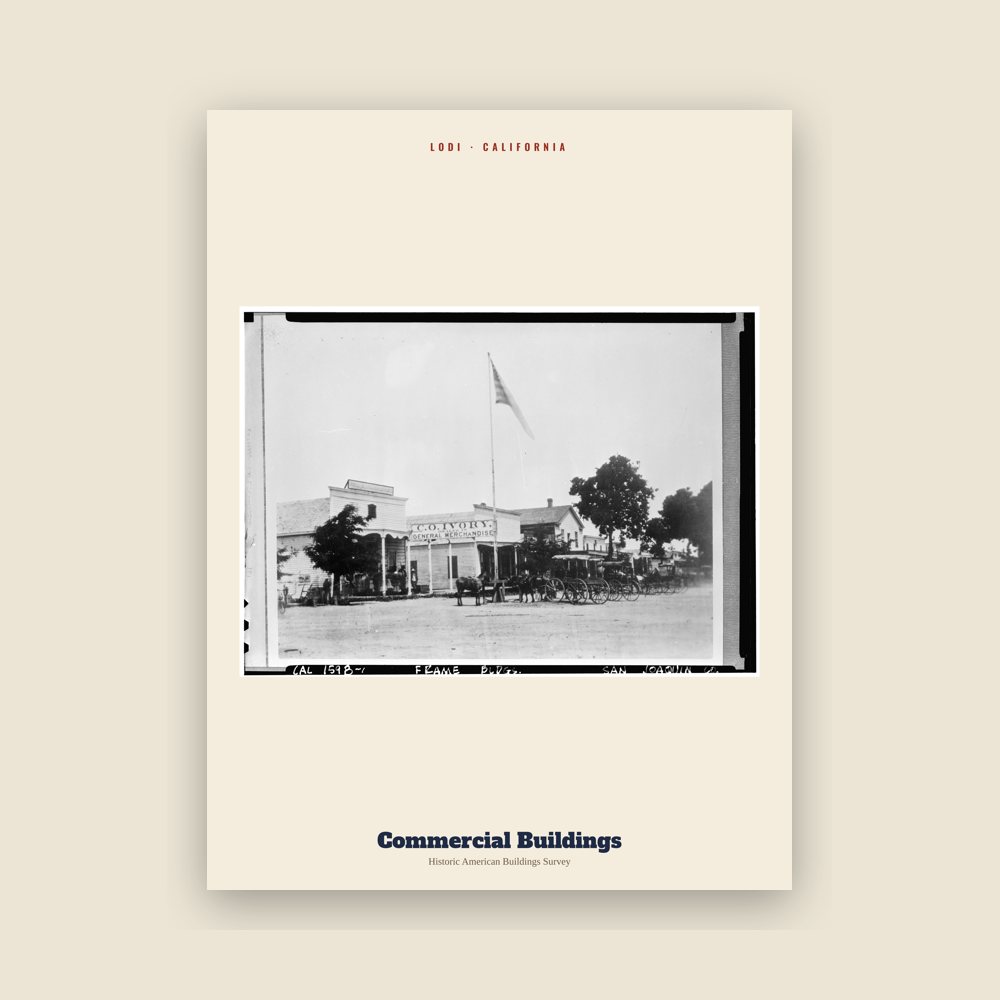
When a group of local families decided to establish a school in 1859, they settled on a site near present-day Cherokee Lane and Turner Road. In 1869, the Central Pacific Railroad was in the process of creating a new route, and settlers Ezekiel Lawrence, Reuben Wardrobe, A. C. Ayers, and John Magley offered a townsite of 160 acres (0.65 km2) to the railroad as an incentive to build a station there. The railroad received a "railroad reserve" of 12 acres (49,000 m2) in the middle of town, and surveyors began laying out streets in the area between Washington to Church and Locust to Walnut. Settlers flocked from nearby Woodbridge, Liberty City, and Galt including town founders John M. Burt and Dan Crist.
Initially called Mokelumne and Mokelumne Station after the nearby Mokelumne River, confusion with other nearby towns prompted a name change, which was officially endorsed in Sacramento by an assembly bill. Several stories have been offered about the origins of the town's name change. One refers to a locally stabled trotting horse that had set a four-mile (6 km) record, but as the horse reached the peak of its fame in 1869, it is unlikely that its notoriety would still have been evident in 1873. Alternatively, Lodi is a city in northern Italy where Napoleon defeated the Austrians in 1796 and won his first military victory. More than likely, some of the earliest settler families were from one of the places that was once called Lodi, Illinois, and chose to use the same name as their hometown.
In 1906, the city was officially incorporated by voters, passing by a margin of 2 to 1. The fire department was established in 1911, and the city purchased the Bay City Gas and Water Works in 1919. Additional public buildings constructed during this period include the Lodi Opera House in 1905, a Carnegie library in 1909, and a hospital in 1915.
Adapted (trimmed) from the Wikipedia article Lodi, California, revision 1381214724 by its contributors, licensed CC BY-SA 4.0.
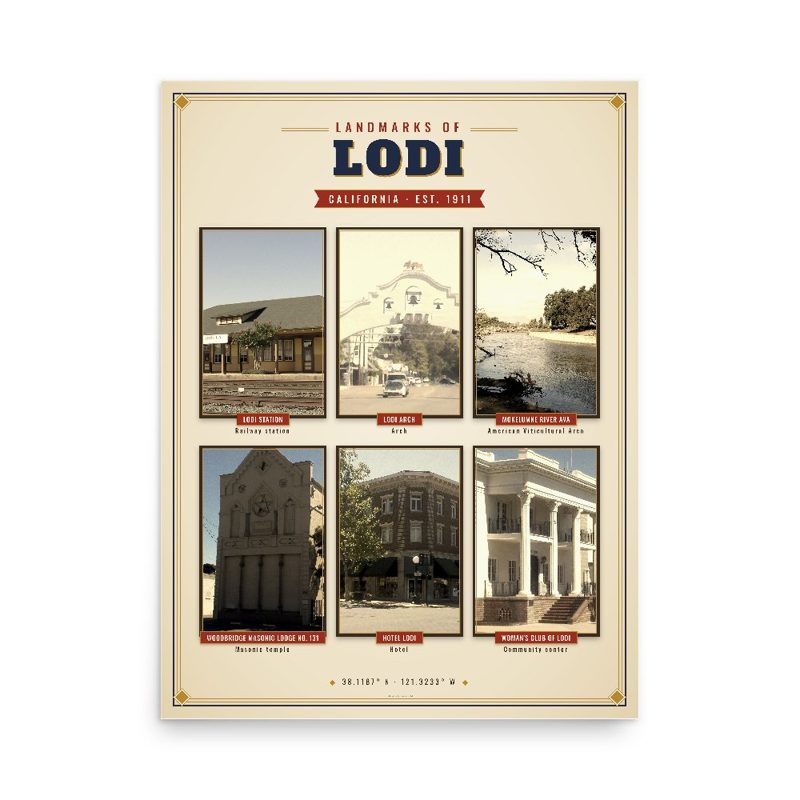
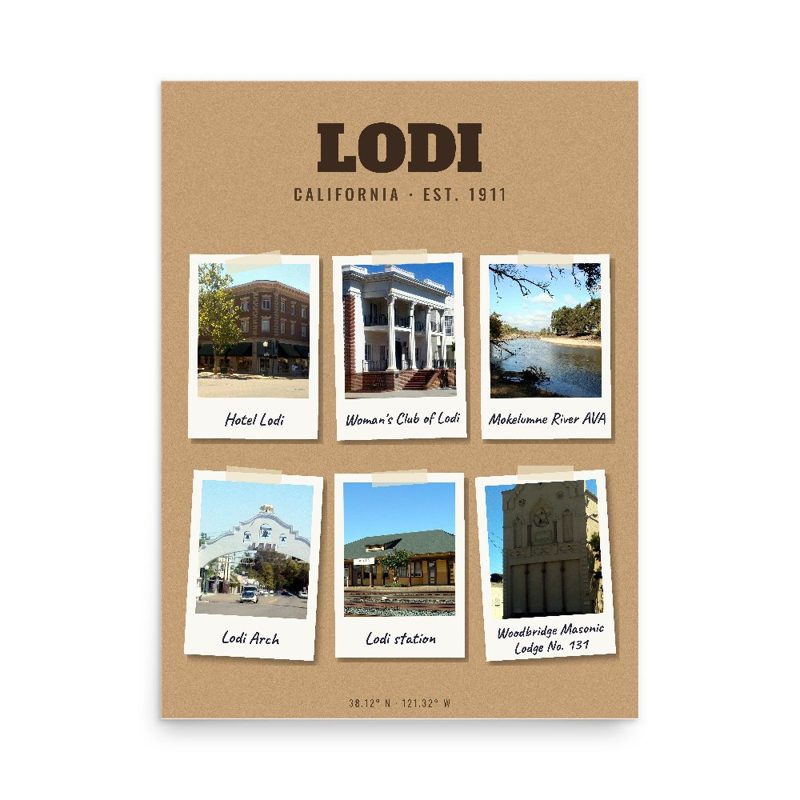
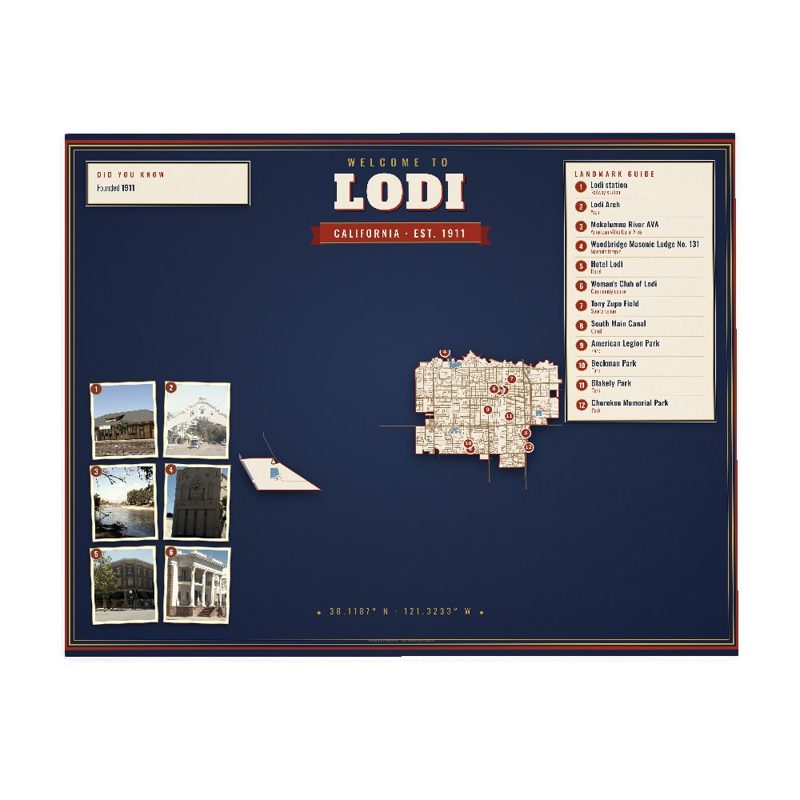











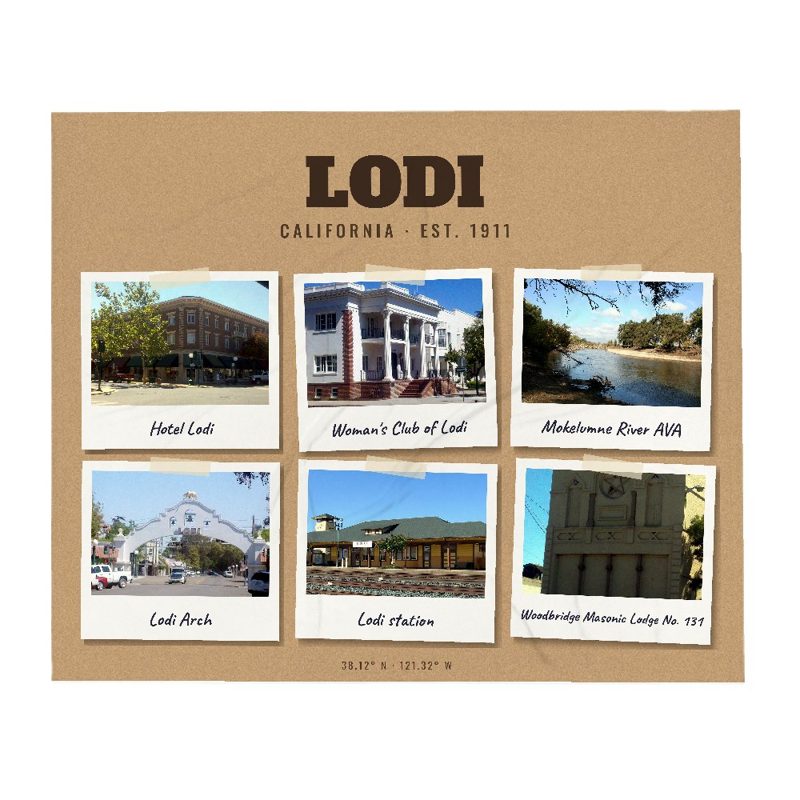
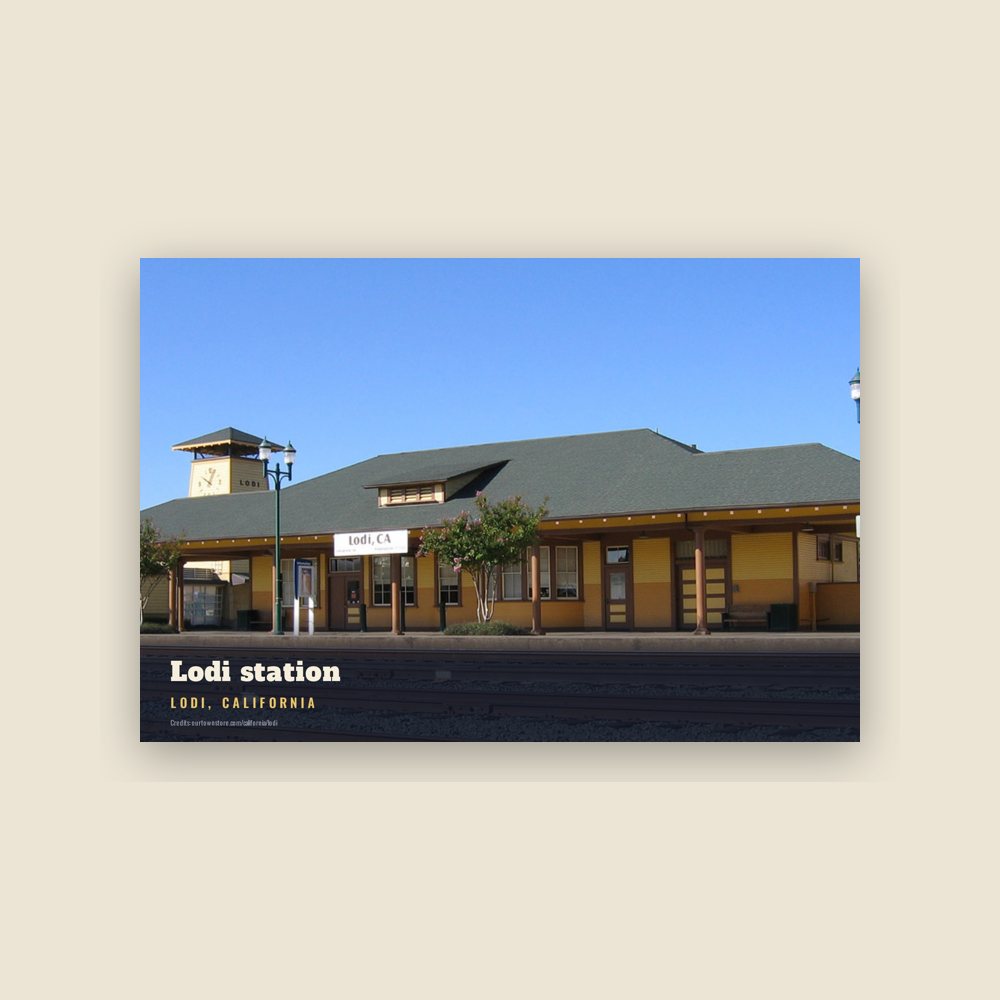
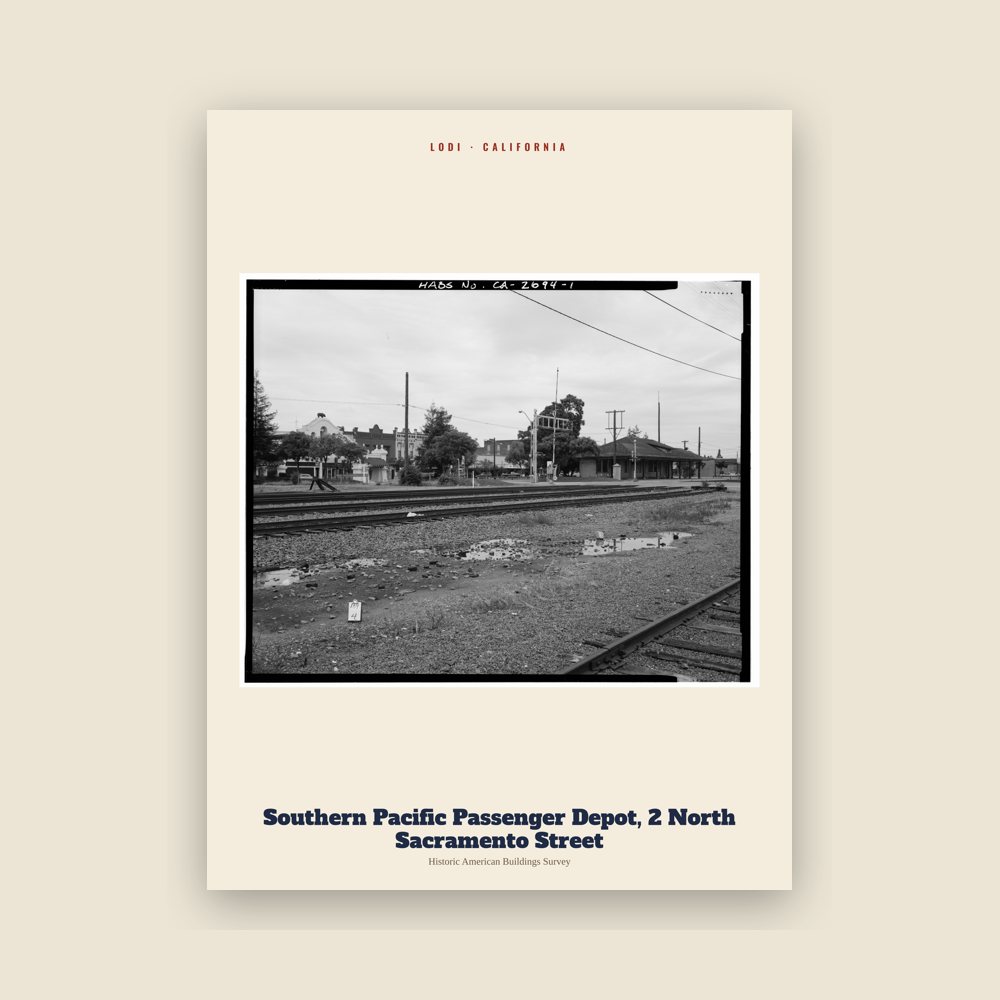
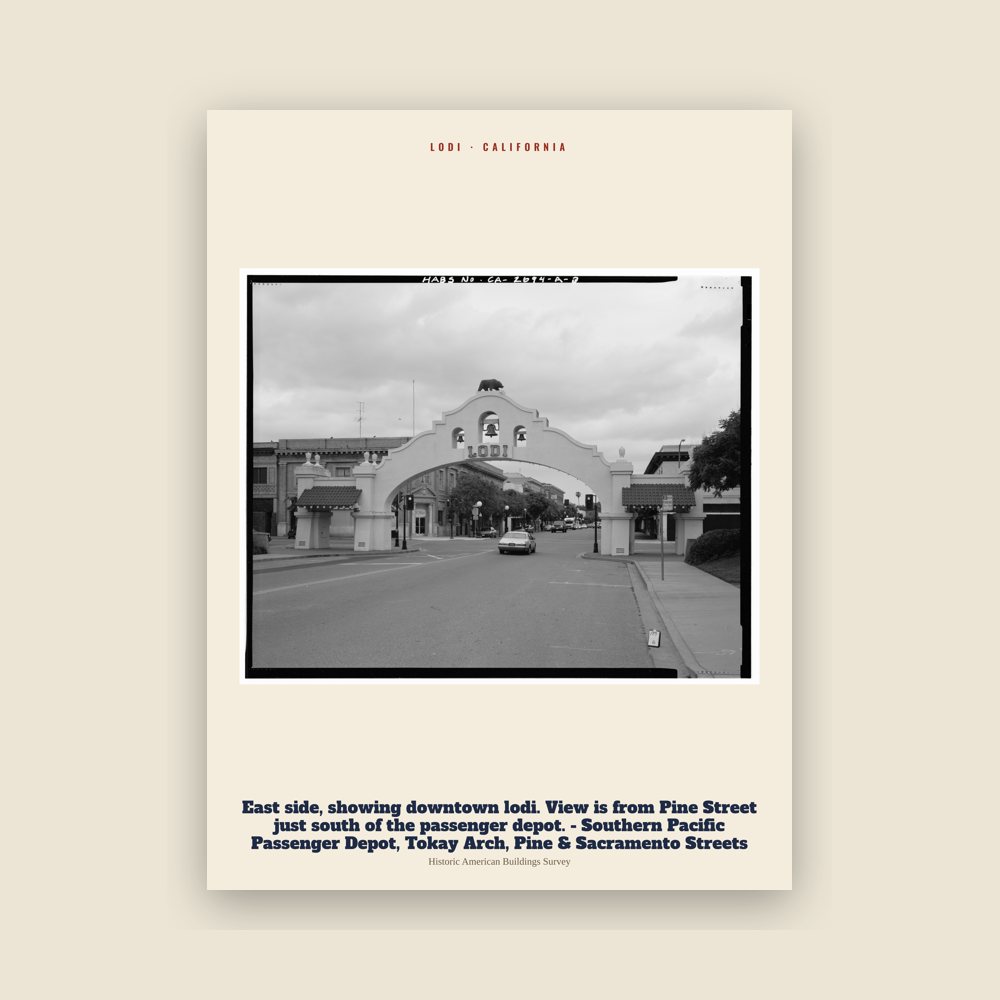
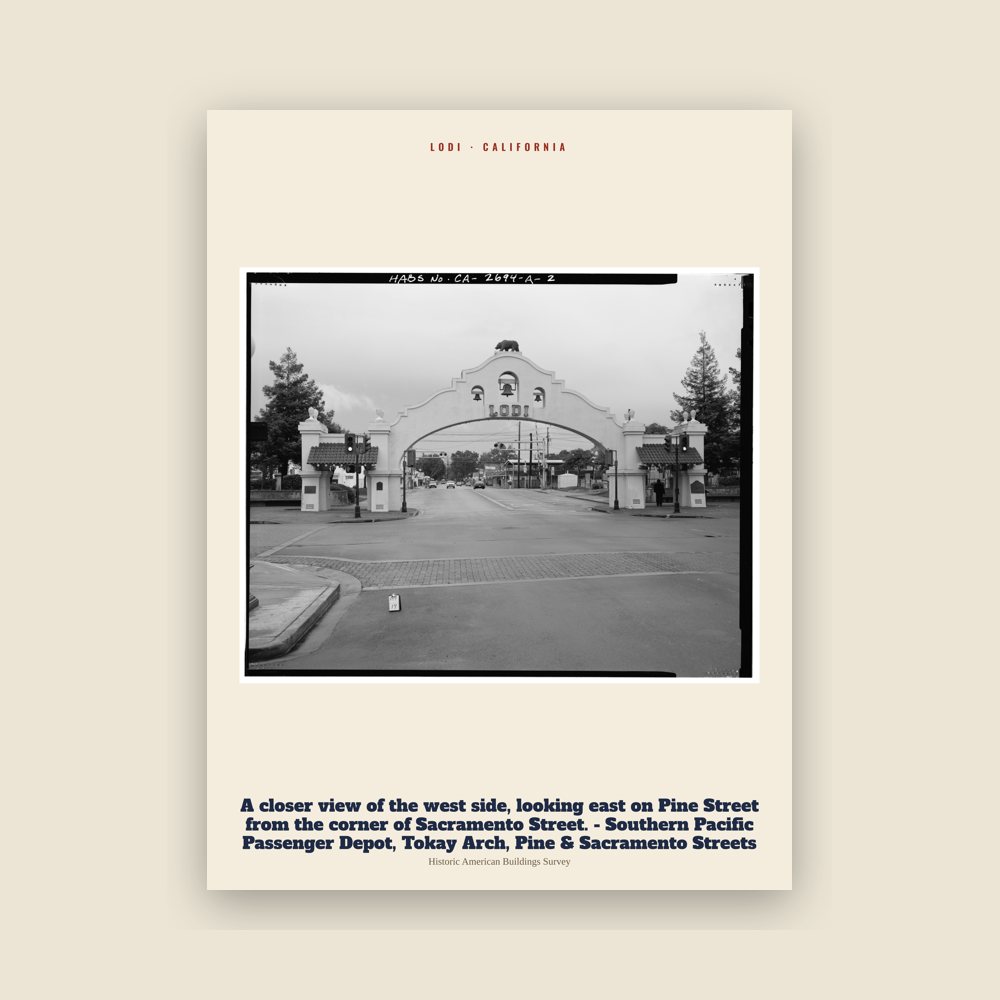
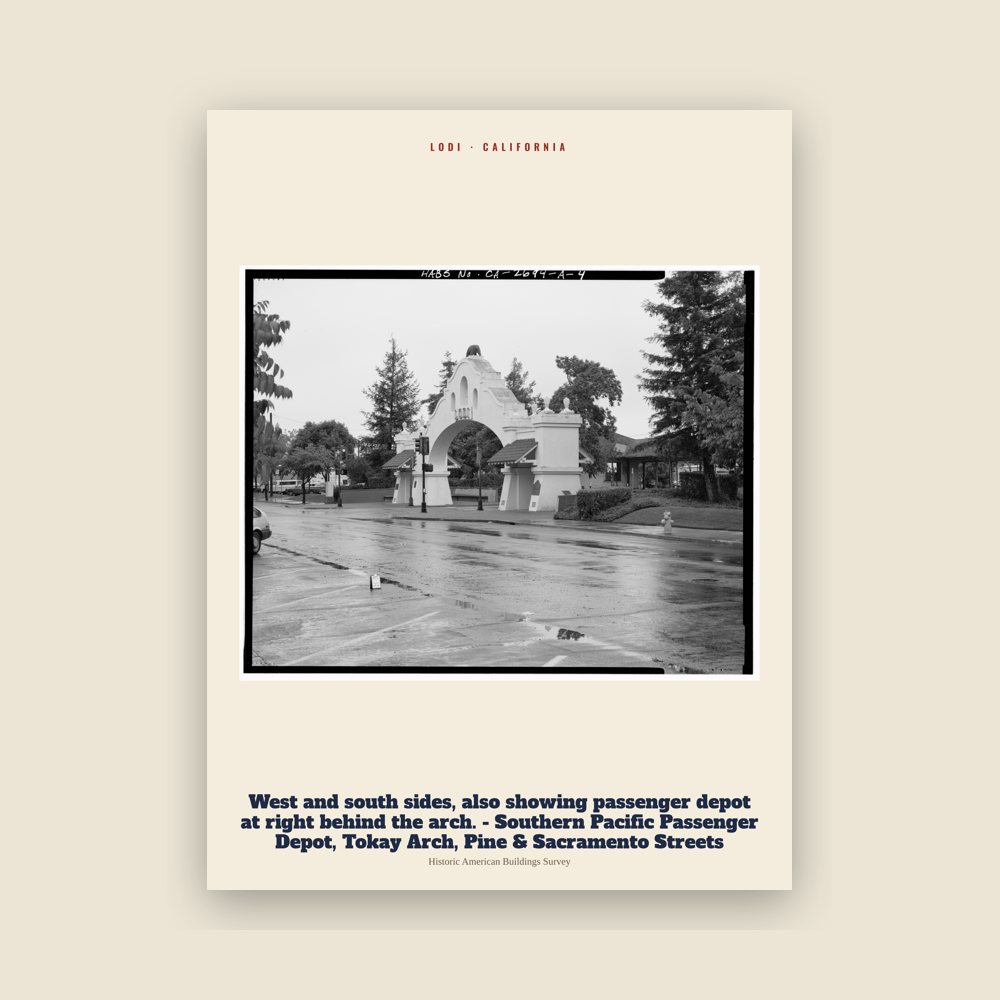
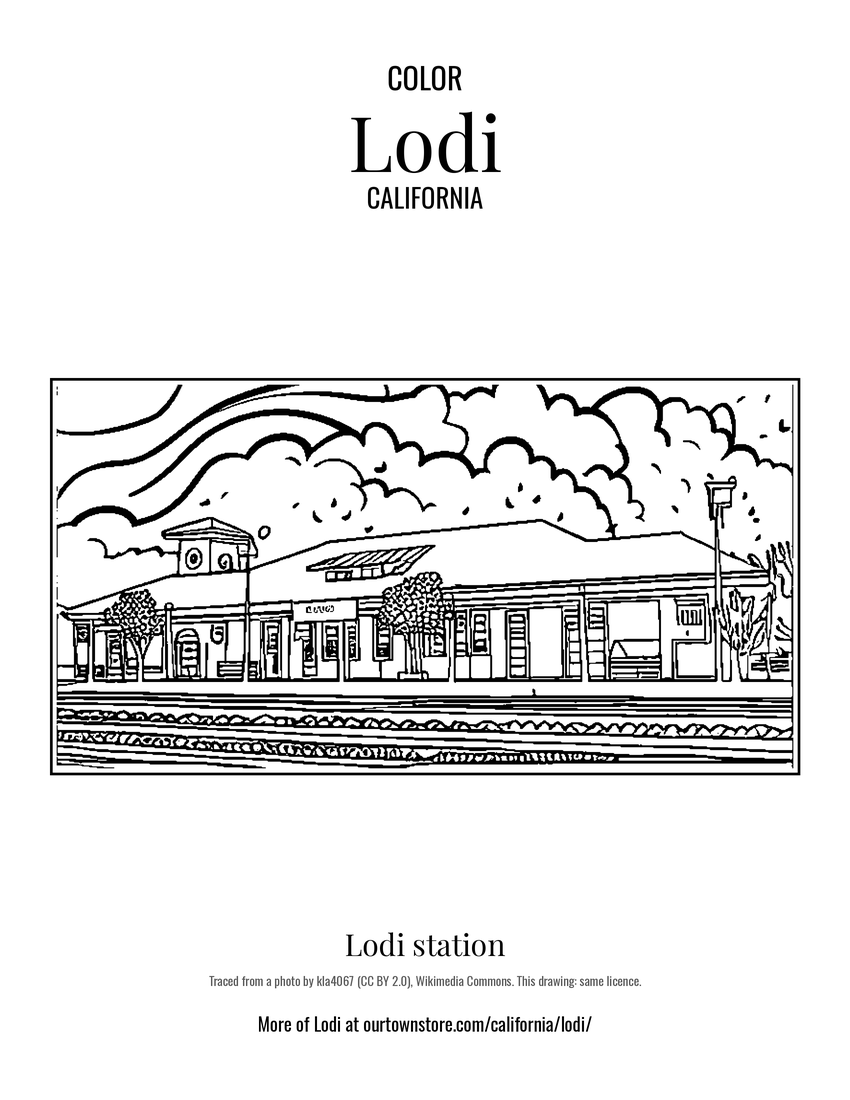 Lodi station
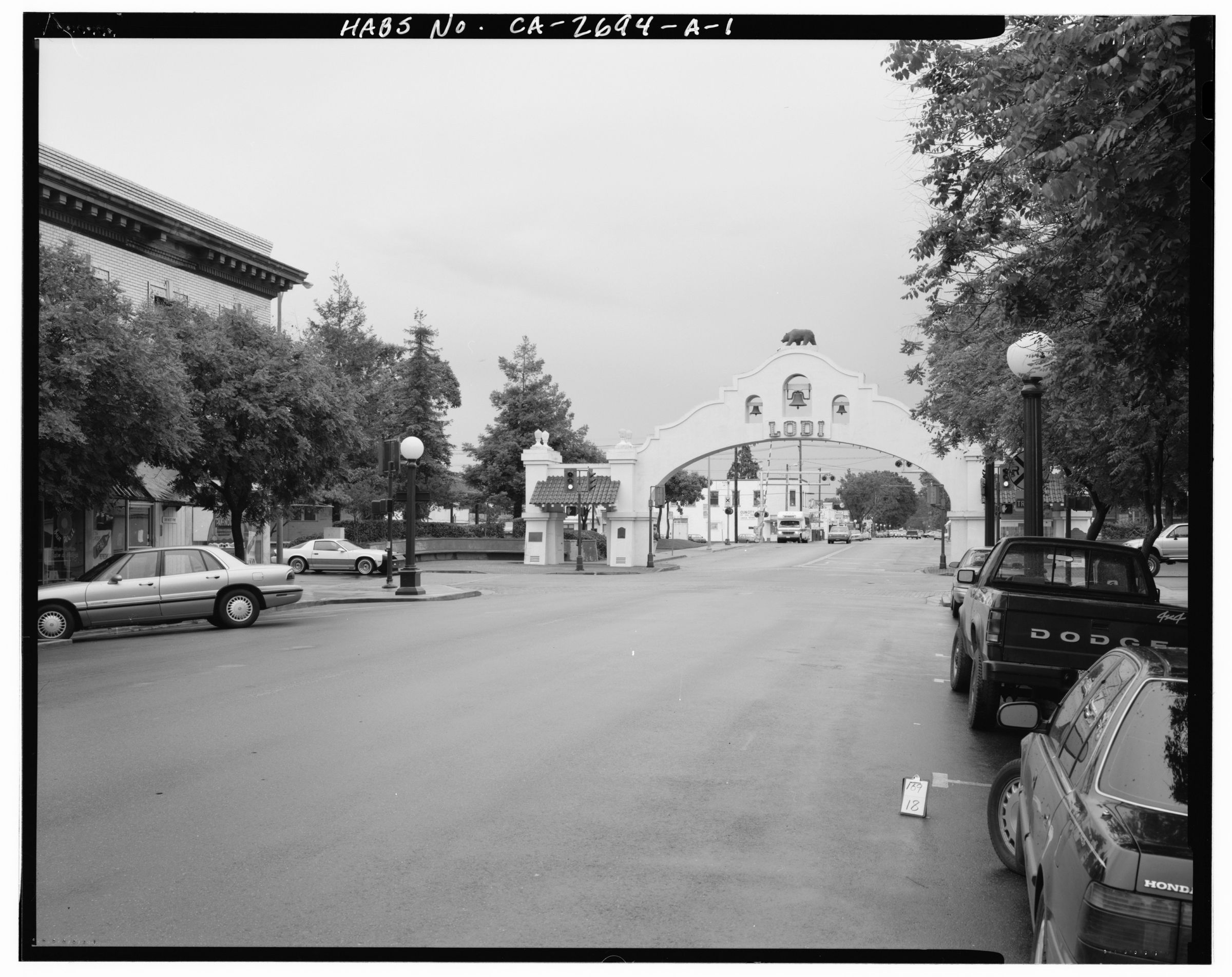
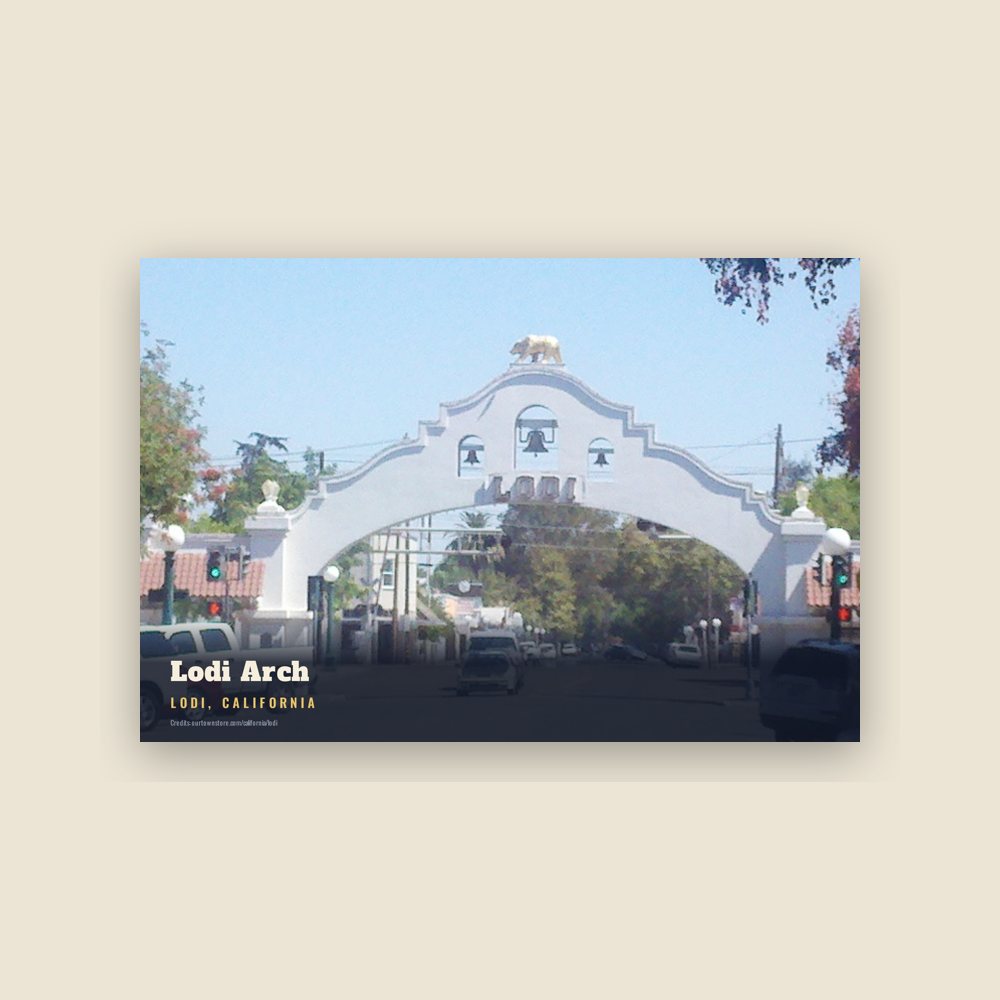
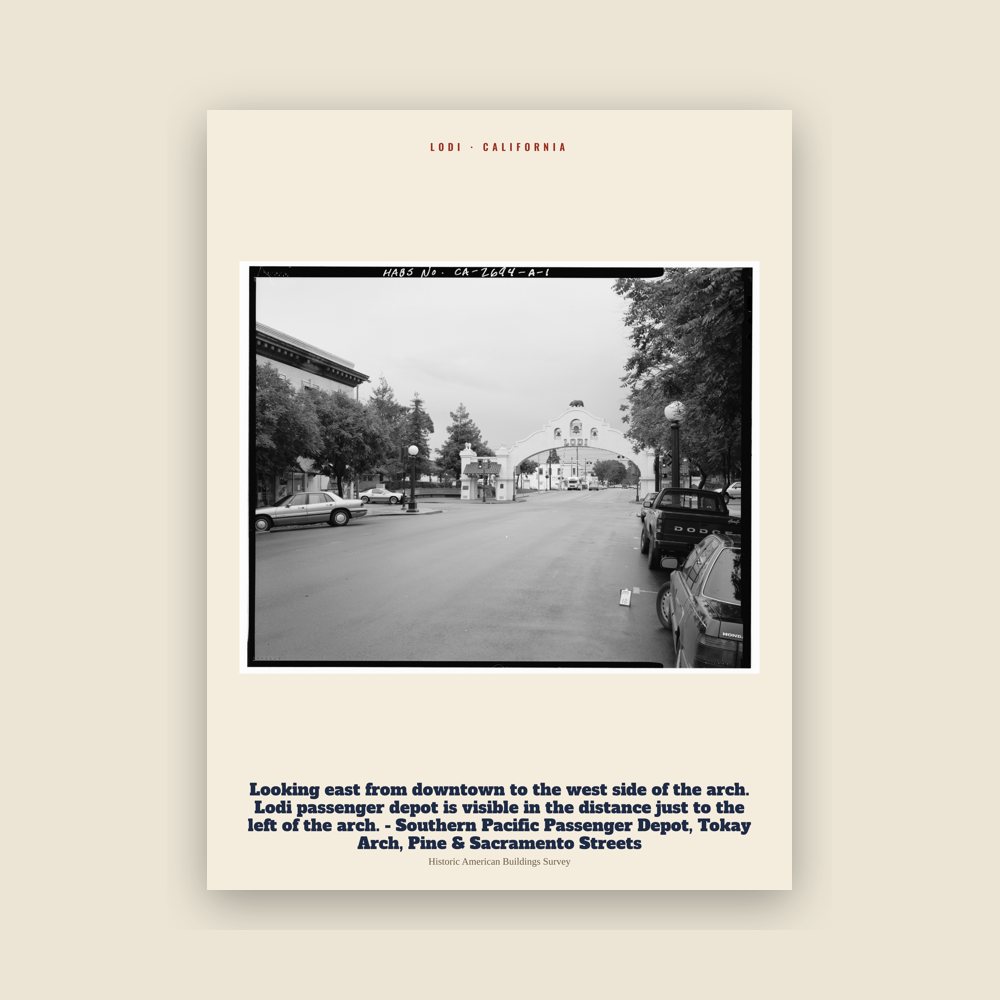
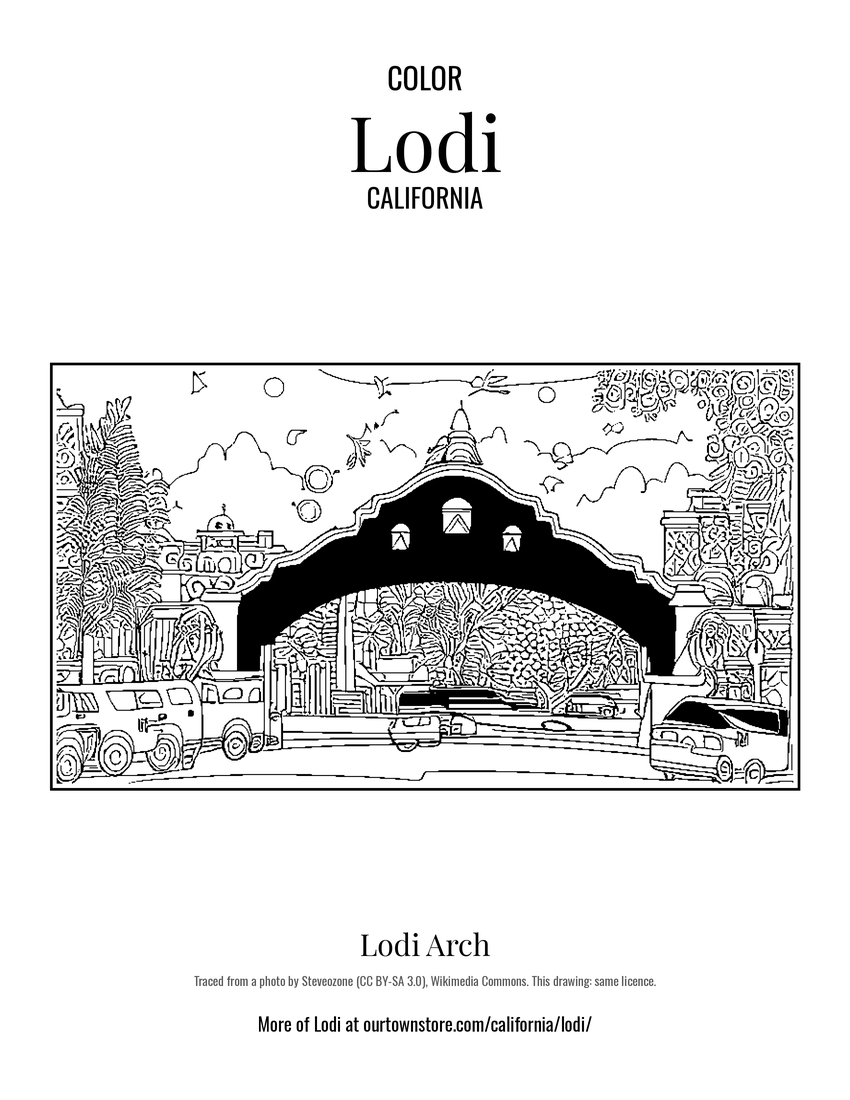 Lodi Arch
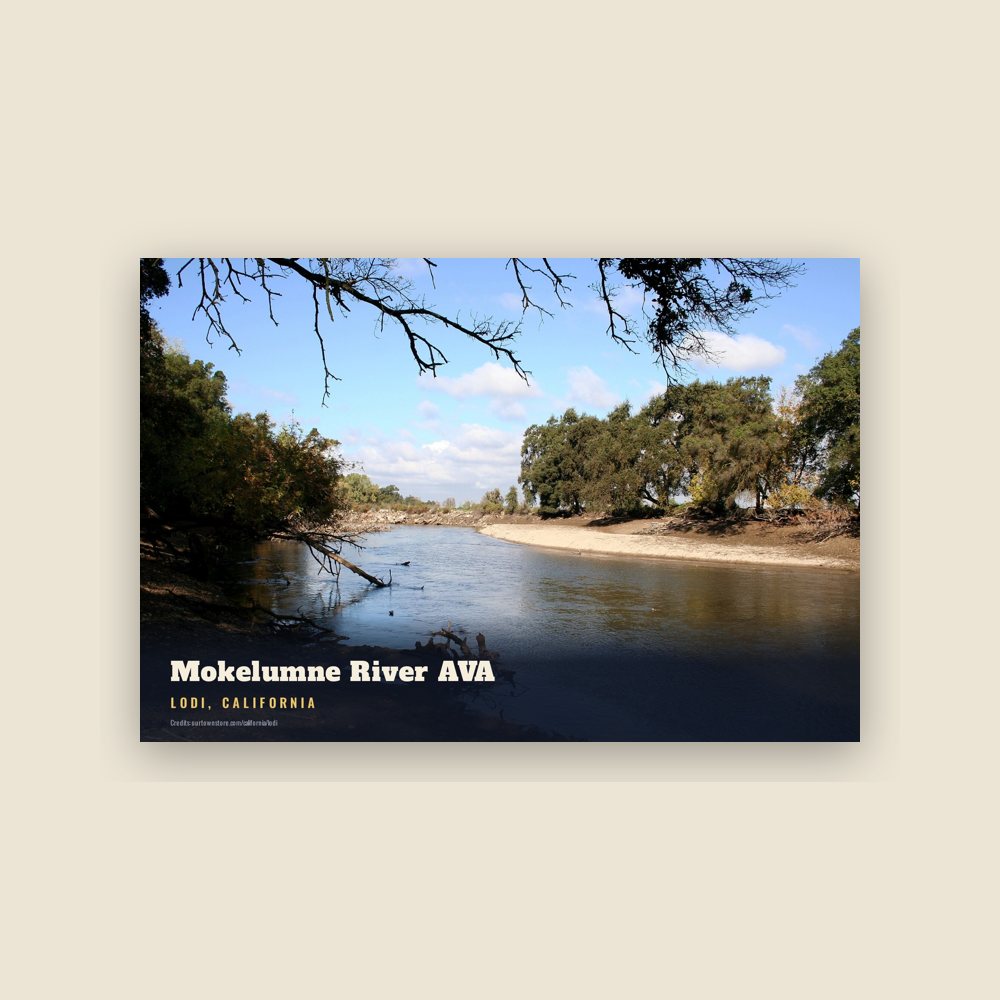
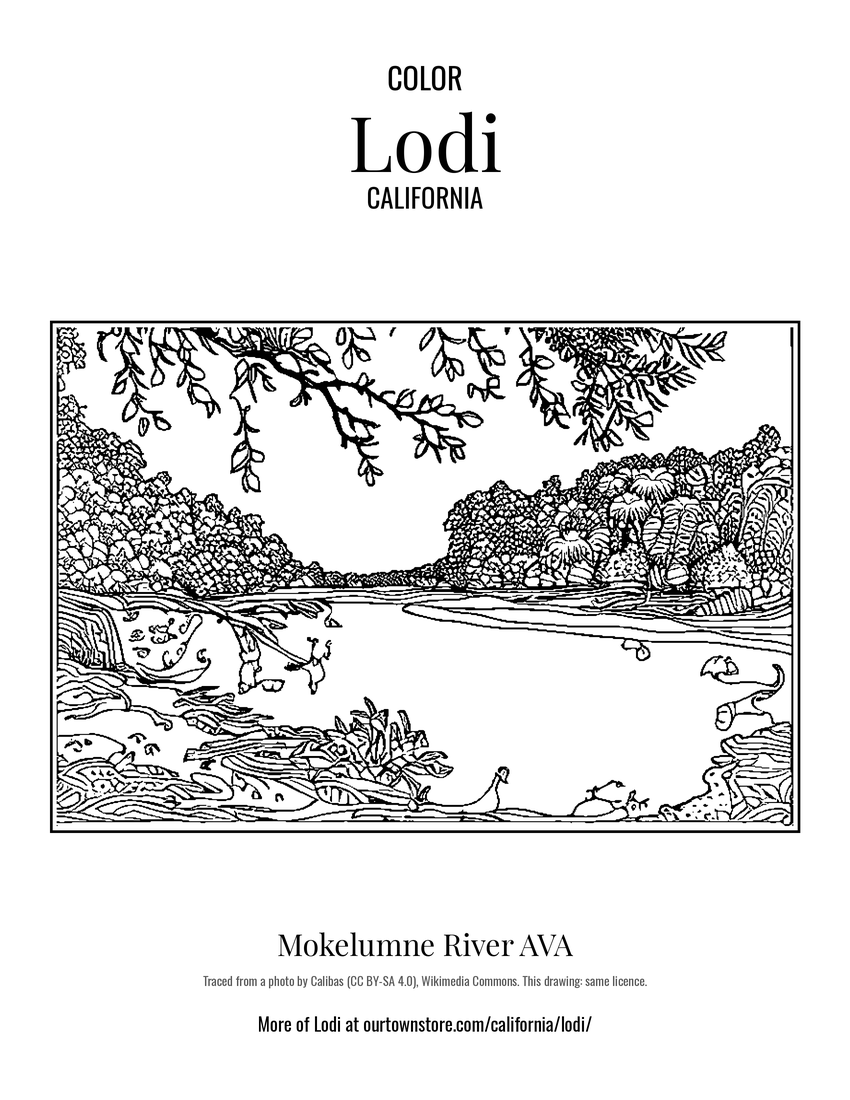 Mokelumne River AVA
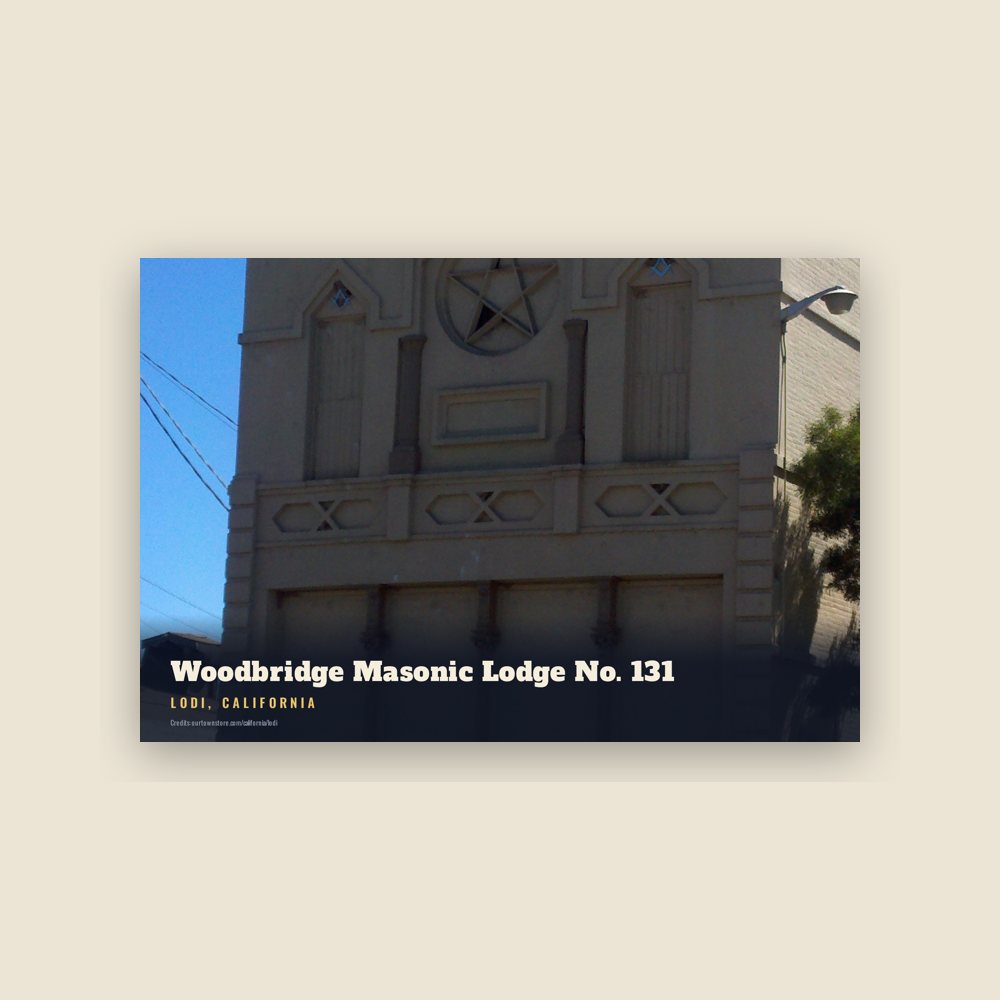
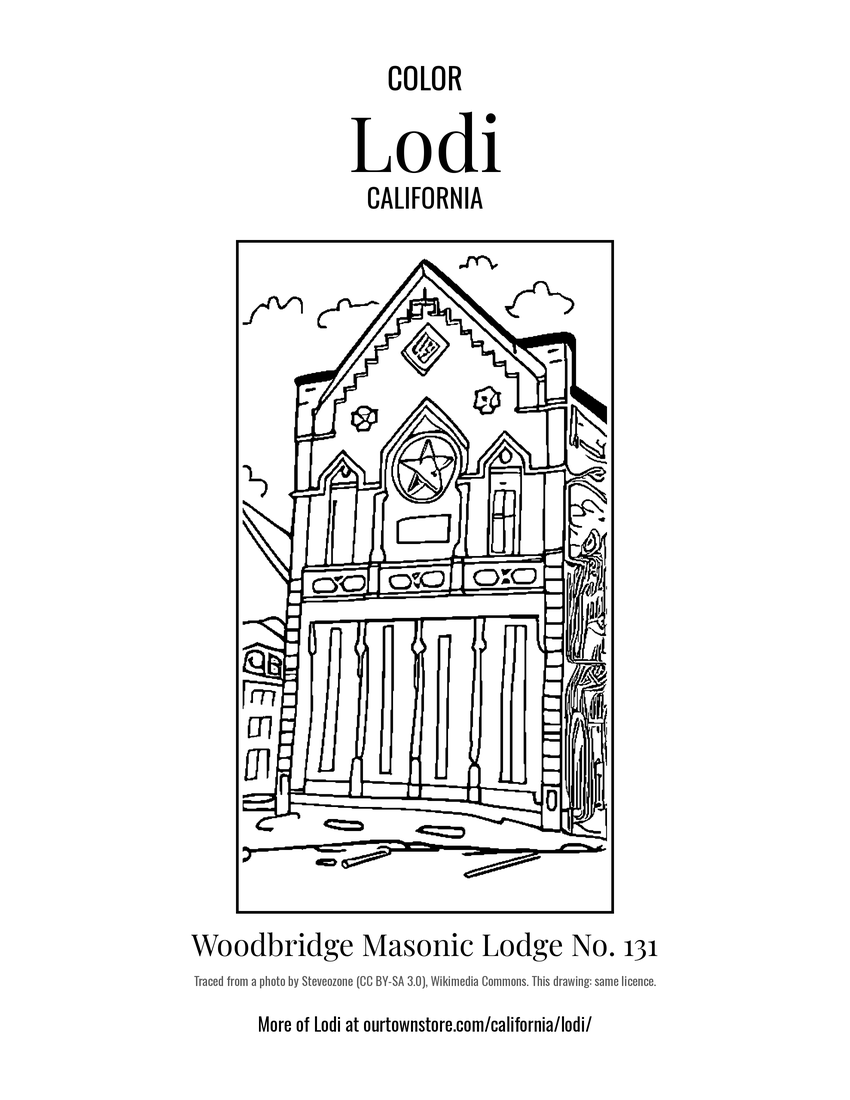 Woodbridge Masonic Lodge No. 131