Santa Clara County, California
Street maps, historic prints and keepsakes for 14 Santa Clara County towns.
The largest by population is Sunnyvale (155,805).
| Town | Population |
|---|---|
| Campbell | 43,959 |
| Cupertino | 60,381 |
| Gilroy | 59,520 |
| Los Altos | 31,625 |
| Los Altos Hills | 8,489 |
| Los Gatos | 33,529 |
| Milpitas | 80,273 |
| Monte Sereno | 3,479 |
| Morgan Hill | 45,483 |
| Mountain View | 82,376 |
| Palo Alto | 68,572 |
| Santa Clara | 127,647 |
| Saratoga | 31,051 |
| Sunnyvale | 155,805 |
About these towns
Campbell: About a third of present-day Campbell was part of the 1839 Alta California Rancho Rinconada de Los Gatos land grant. The northern extent of the grant land was along present-day Rincon Avenue, and across the north end of John D.
Cupertino: In the 19th century, Cupertino was a small rural village at the crossroads of Stevens Creek Road and Saratoga-Mountain View Road (also known locally as Highway 9; later Saratoga–Sunnyvale Road, and then renamed to De Anza Boulevard within Cupertino city limits).
Gilroy: Spanish explorers led by Juan Bautista de Anza first passed through the Santa Clara Valley area in 1776. More than 20 years later, Spanish missionaries established Mission San Juan Bautista in 1797 near the Pajaro River.
Los Altos: The area was initially called the Fremont Judicial Township, which was formed in 1853. Fremont Judicial Township was later unofficially called "Banks and Braes".
Los Altos Hills: The area of Los Altos Hills consisted of two large Spanish–Mexican land grants: Rancho San Antonio de Padua and Rancho La Purísima Concepción.
Los Gatos: The first inhabitants of the area that is now Los Gatos were the Ohlone Native Americans. At the time the first settlers arrived in the area, it was estimated that approximately 5,000 indigenous people were living in the Valley, and noted that the relationship between the settlers and natives was very good.
Milpitas: Milpitas was first inhabited by Tamien people, a subgroup of the Ohlone people who had resided in the San Francisco Bay Area for thousands of years.
Monte Sereno: The Monte Sereno area was part of the 1839 Alta California land grant of Rancho Rinconada de Los Gatos. The city incorporated on May 14, 1957, to protect its semi-rural atmosphere.
Morgan Hill: Prior to the arrival of Spanish colonists, Santa Clara Valley had been inhabited by the Tamien nation of Ohlone people for more than 6,000 years.
Mountain View: The fertile land between the Santa Cruz Mountains and the shores of the southern San Francisco Bay once supported multiple villages of the indigenous Ohlone people.
Palo Alto: Before the arrival of Europeans, the Ohlone lived on the San Francisco peninsula; in particular, the Puichon Ohlone lived in the Palo Alto area.
Santa Clara: For the next century, the economy centered on agriculture since orchards and vegetables were thriving in the fertile soil. By the beginning of the 20th century, the population had reached 5,000 and stayed about the same for many years.
Saratoga: The area comprising Saratoga was earlier inhabited by the Ohlone Native Americans. In 1847, European settlers created a settlement at what is now Saratoga when William Campbell (father of Benjamin Campbell, the founder of nearby Campbell, California), constructed a sawmill about 2.5 miles (4.0 km) southeast of the present downtown area.
Sunnyvale: The Santa Clara Valley was heavily populated by the indigenous Ohlone people when the Spanish first arrived in the 1770s. After the Spaniards arrived, smallpox, measles, and other Old World diseases greatly reduced the Ohlone population.
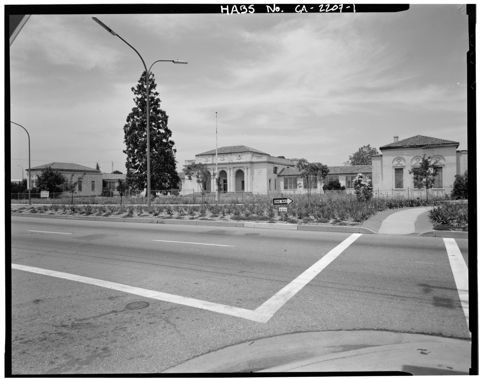 CampbellCalifornia
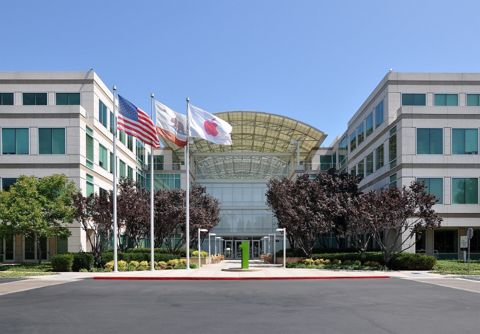 CupertinoCalifornia
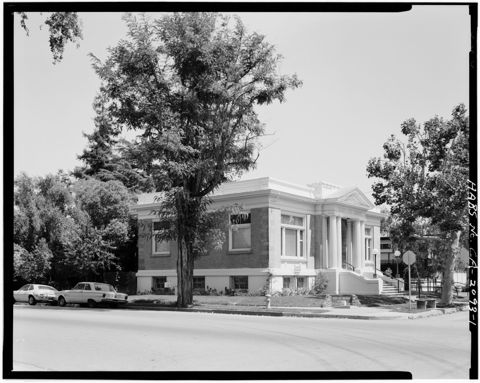 GilroyCalifornia
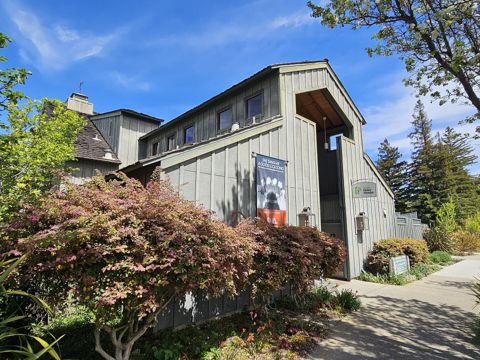 Los AltosCalifornia
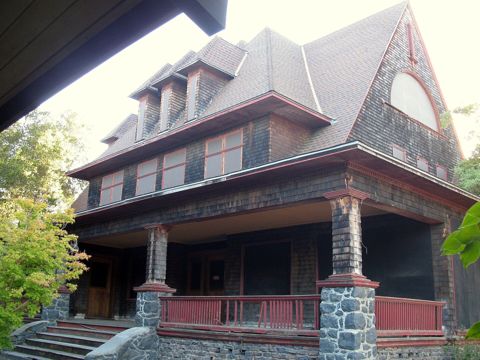 Los Altos HillsCalifornia
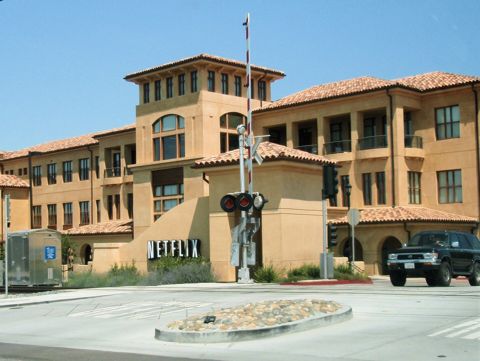 Los GatosCalifornia
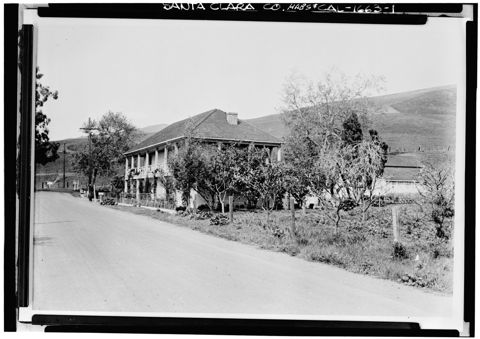 MilpitasCalifornia
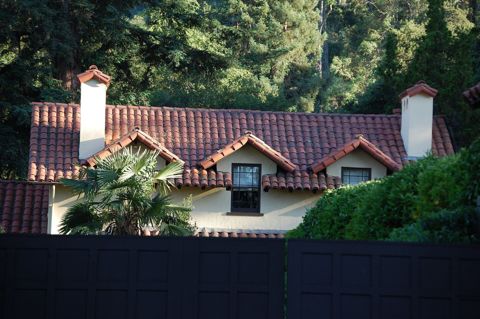 Monte SerenoCalifornia
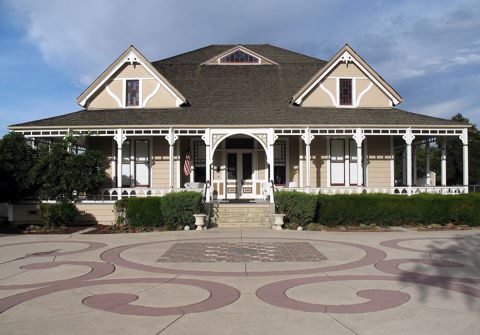 Morgan HillCalifornia
 Mountain ViewCalifornia
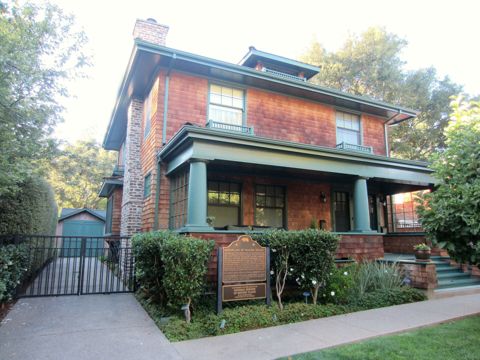 Palo AltoCalifornia
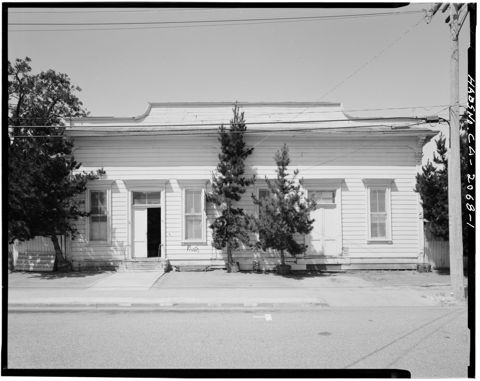 Santa ClaraCalifornia
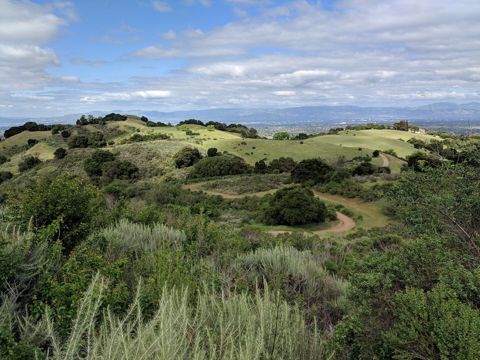 SaratogaCalifornia
 SunnyvaleCalifornia
Founding years, populations and town notes come from each town's Wikipedia and Wikidata entries. All California towns.