Alameda County, California
Street maps, historic prints and keepsakes for 13 Alameda County towns.
The largest by population is Oakland (440,646).
| Town | Population |
|---|---|
| Alameda | 78,280 |
| Albany | 20,271 |
| Berkeley | 124,321 |
| Dublin | 72,589 |
| Emeryville | 12,905 |
| Fremont | 230,504 |
| Hayward | 162,954 |
| Livermore | 87,955 |
| Newark | 47,529 |
| Oakland | 440,646 |
| Piedmont | 11,270 |
| Pleasanton | 79,871 |
| San Leandro | 91,008 |
About these towns
Alameda: Alameda originally occupied a peninsula connected to Oakland. The area was low-lying and marshy, while higher ground was part of one of the largest coastal oak forests in the world.
Albany: In 1908, a group of local women protested the dumping of Berkeley garbage in their community. Armed with two shotguns and a twenty-two-caliber rifle, they confronted the drivers of the wagons near what is now the corner of San Pablo Avenue and Buchanan Street.
Berkeley: The site of today's City of Berkeley was the territory of the Chochenyo/Huchiun Ohlone people when the first Europeans arrived. Evidence of their existence in the area include pits in rock formations, which they used to grind acorns, wildflower seeds, grass seeds, and many different foods, including squirrel fat, and a shellmound, now mostly leveled and covered up, along the…
Dublin: In 1835, José María Amador was granted 16,500 acres for his service as a Mexican soldier and in Mission San Jose, where he was an administrator in the valley now named Amador Valley after him.
Emeryville: Before the colonization of the area by Spain in 1776, this area was long the site of indigenous settlements. The historic Ohlone Native Americans encountered the Spaniards and later European colonists.
Fremont: The recorded history of the Fremont area began on June 6, 1797, when Mission San José was founded by the Spaniard Father Fermín de Lasuén.
Hayward: In the 19th century, the land that is now Hayward became part of Rancho San Lorenzo, a Spanish land grant to Guillermo Castro, in 1841.
Livermore: The valley and upland areas where contemporary Livermore is located were home to Chochenyo-speaking peoples. As a group, these people are considered Ohlone Costanoan, with distinct cultural affiliations from the neighboring Bay Miwok to the north and Valley Yokuts to the east.
Newark: Before it was settled by Europeans, Newark was home to the Ohlone Native American Peoples. The first European settlement in the area was by the Spanish missionaries of Mission San José, whose territory covered much of the present-day cities of Newark, Fremont, and Union City.
Oakland: The earliest known inhabitants of the area were the Huchiun natives, who lived there for thousands of years. The Huchiun belonged to a linguistic grouping later called the Ohlone (a Miwok word meaning "western people").
Piedmont: Residents initially sought incorporation in 1907. Two elections were held among the citizens of Piedmont in 1907, both of which narrowly upheld the decision for Piedmont to become a separate city, rather than become a neighborhood within the city of Oakland.
Pleasanton: The Amador-Livermore Valley, where Pleasanton is located, was home to tribes in the Ohlone language group, mainly speaking Chochenyo. As of the 1770s seven tribes were present in the valley: the Causen, Pelnen, Seunen, Ssaoan, Ssouyen, Taunan, and Yulien.
San Leandro: The Spanish settlers called these natives Costeños, or 'coast people,' and the English-speaking settlers called them Costanoans. San Leandro was first visited by Europeans on March 20, 1772, by Spanish soldier Captain Pedro Fages and the Spanish Catholic priest Father Crespi.
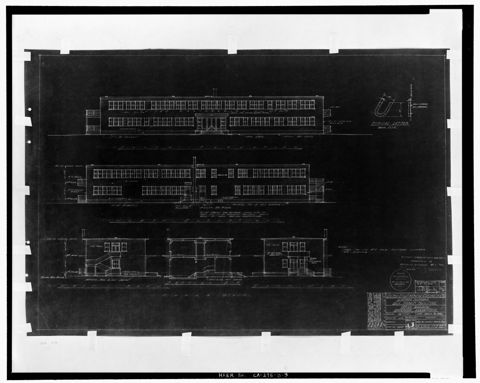 AlamedaCalifornia
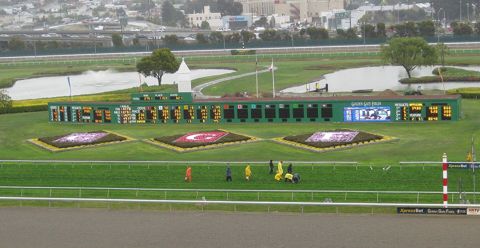 AlbanyCalifornia
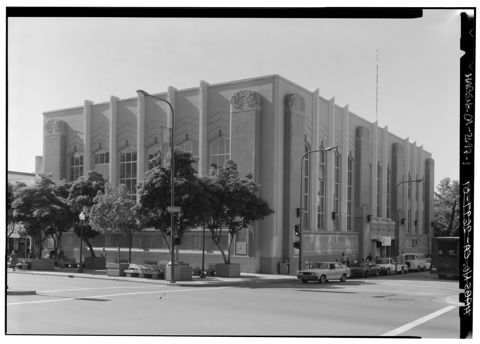 BerkeleyCalifornia
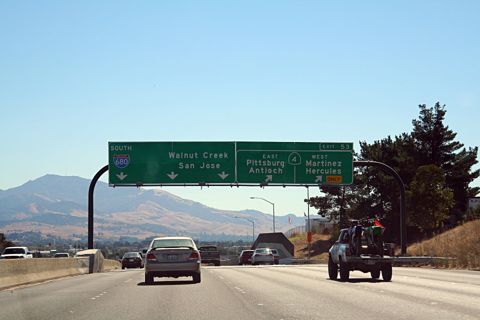 DublinCalifornia
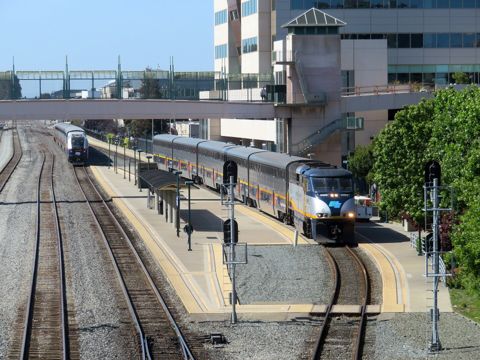 EmeryvilleCalifornia
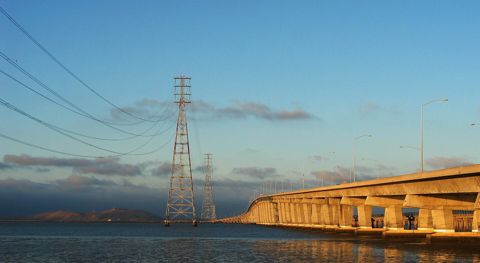 FremontCalifornia
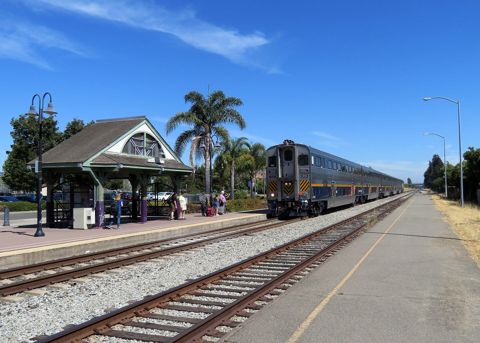 HaywardCalifornia
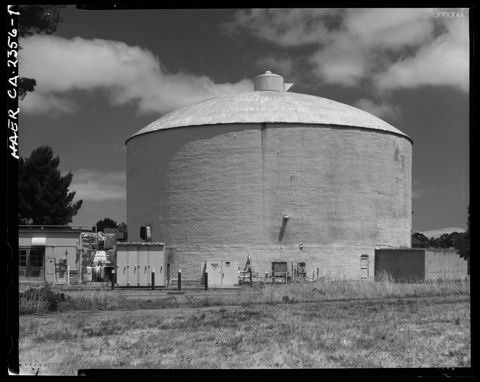 LivermoreCalifornia
 NewarkCalifornia
 OaklandCalifornia
 PiedmontCalifornia
 PleasantonCalifornia
 San LeandroCalifornia
Founding years, populations and town notes come from each town's Wikipedia and Wikidata entries. All California towns.