The area around Bishop was inhabited in late prehistoric times by the Eastern Mono (also called Owens Valley Paiute). The Eastern Mono speak a dialect of the Mono language, which is also Numic but is more closely related to Northern Paiute. The Mono people were predominantly sedentary and settled in fixed settlements along rivers or springs which were fed by snowmelt from the eastern slopes of the Sierra Nevada. The Eastern Mono spent part of the year foraging across the Owens Valley. The more intensive arable farming by means of partly artificial irrigation enabled them to build up food reserves and feed larger groups. The Eastern Mono presently live in and near Bishop. In 1912, the Eastern Mono reservation was established at 67,000 acres (270 km2), but in 1932, Herbert Hoover revoked the reservation and restricted the Bishop Paiute Tribe to 875 acres (3.54 km2) next to the town of Bishop, in order to grant water rights to the Los Angeles Aqueduct.
Read the full history
First American settlers
The first American explorers in the Owens Valley of Eastern California included the mountain men Jedediah Smith in 1833 and Joseph Walker in 1834. This remote area of California had never been explored by the Spanish although it appeared as Mexican territory on early maps.
Explorer John C. Fremont was an early US Army visitor to the region. Officially sanctioned by the federal government, his 1845 mapping party to the Eastern Sierra included the scout Kit Carson, for whom the capital of Nevada, Carson City, was named. Also in the party were Ed Kern for whom Kern County, California was named and Richard Owens, for whom Owens Lake and Owens Valley were named.
The city of Bishop was established due to the need for beef in Aurora, Nevada, a mining camp eighty miles to the north. Aurora was believed to be on the California side of the border at that time and was the county seat of Mono County. In 1861 cattlemen drove herds of cattle three hundred miles from the San Joaquin Valley of California through the southern Sierra at Walker Pass, up the Owens Valley, and then through Adobe Meadows to Aurora.
To avoid the long journey from the other side of the mountains, a few cattlemen decided to settle in the valley. Driving about 600 head of cattle and 50 horses, Samuel Addison Bishop, his wife, and several hired hands arrived in the Owens Valley on August 22, 1861, from Fort Tejon in the Tehachapi Mountains. Along with Henry Vansickle, Charles Putnam, Allen Van Fleet, and the McGee brothers, Bishop was one of the first white settlers in the valley. The town was named after Samuel Bishop.
Sheepmen soon followed the cattlemen and initially struggled due to a lack of forage for their stock in the area. Remnants of the early settlers' stone corrals and fences still exist north of Bishop along Highway 395 in Round Valley, California. Samuel Bishop set up a market to sell beef to the miners and business owners in Aurora. One of the residents of Aurora at that time was a young Samuel Clemens, who later gained fame as author Mark Twain. By 1862, a frontier settlement known as Bishop Creek was established two miles east of the San Francis Ranch. The only remnant of Samuel Bishop's ranch is a monument placed near the original site at the corner of Highway 168 West and Red Hill Road, two miles west of downtown Bishop.
In 1866, the County of Inyo was established from part of Tulare County. The Eastern High Sierra/Owens Valley region was the westernmost populated frontier of the U.S. at that time. In 1871, Daniel Bruhn was one of 41 wranglers herding nearly 3,000 wild Spanish mustangs from Stockton, California to Texas. Some descendants of those mustangs still roam on the California/Nevada border just north of Bishop.
Water conflicts of the Owens Valley
As Los Angeles expanded during the late 19th century, it began outgrowing its water supply. Fred Eaton, mayor of Los Angeles, promoted a plan to take water from Owens Valley, where Bishop lies, to Los Angeles via an aqueduct. Between 1905 and 1907, most of the land in the Owens Valley was purchased from farmers and ranchers at bargain prices by Eaton, ostensibly for a his own use. The real goal was to send Owens Valley water south to Los Angeles. In 1907, Eaton traveled to Washington to meet with advisers of Theodore Roosevelt to convince them that the water of the Owens River would do more good flowing through faucets in Los Angeles than it would if used on Owens Valley fields and orchards. Despite a political fight with Congressman Sylvester Smith, who represented the area around Bishop, Roosevelt decided in favor of the aqueduct.
The aqueduct was built from 1907 to 1913 under the supervision of William Mullholland. The aqueduct is 223 miles (359 km) long, used no pumping stations; only gravity siphons. From the 1910s to 1930s, the Los Angeles Department of Water and Power purchased much of the valley for water rights and control. The result was a substantial change to the Owens Valley culture and environment. The economy of Bishop suffered when farmers, ranchers and land owners sold much of their property. By 1928, Los Angeles owned 90 percent of the land and subsequent water rights in Owens Valley rendering all agriculture, economic and development interests in the region effectively dead. With the diversion of water to Los Angeles, the Owens Lake and lower Owens River dried up, forcing many valley residents to leave the area. For a number of years, Owens Valley residents expressed much animosity toward the city of Los Angeles; for example, in Dry Ditches, a book of poems published in 1934 by the Parcher family of Bishop. Jack Foley, a Bishop resident and sound effects specialist, mitigated the economic loss by persuading several Los Angeles studio bosses that the town of Bishop would be ideal as a location to shoot westerns.
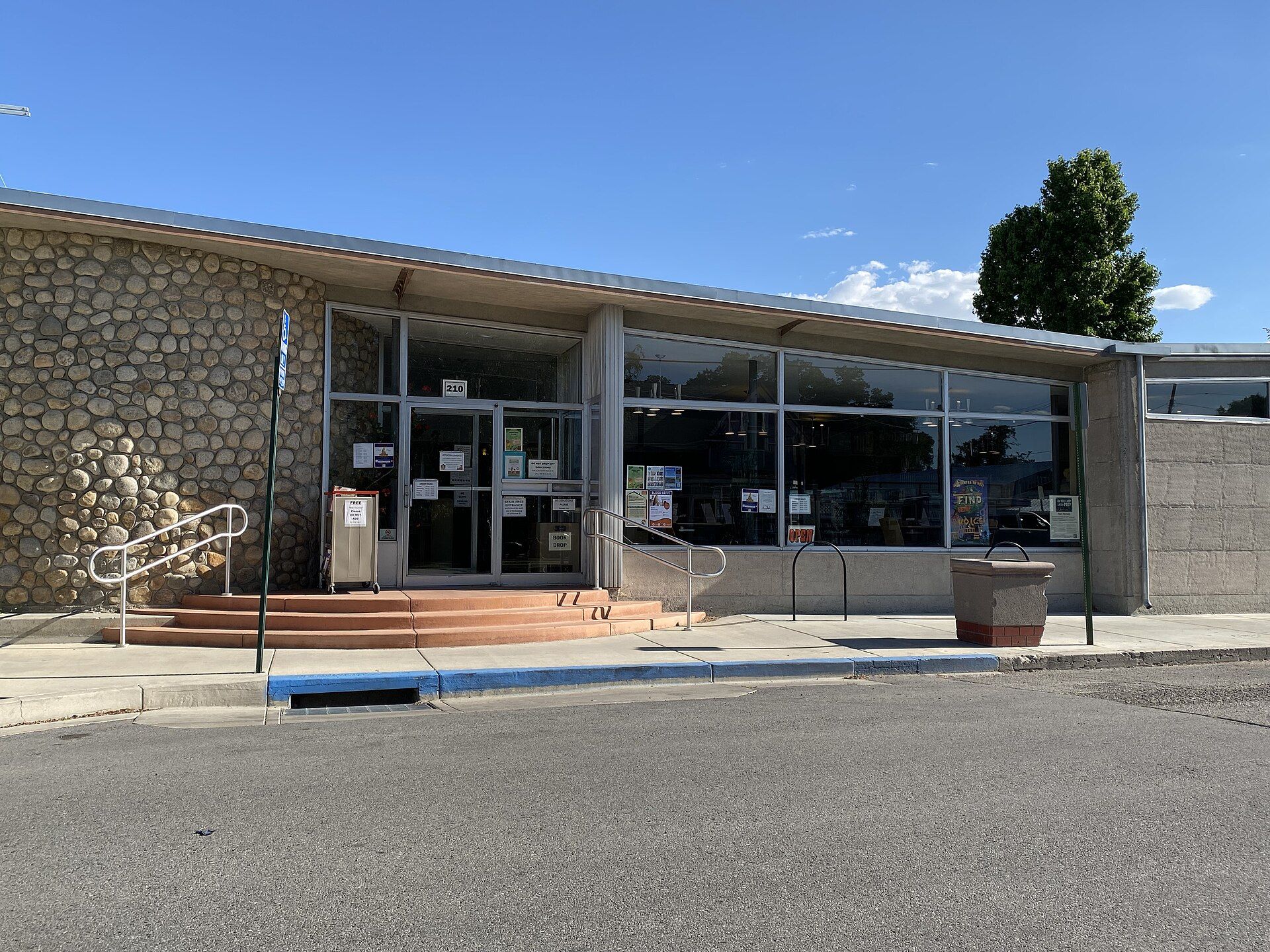
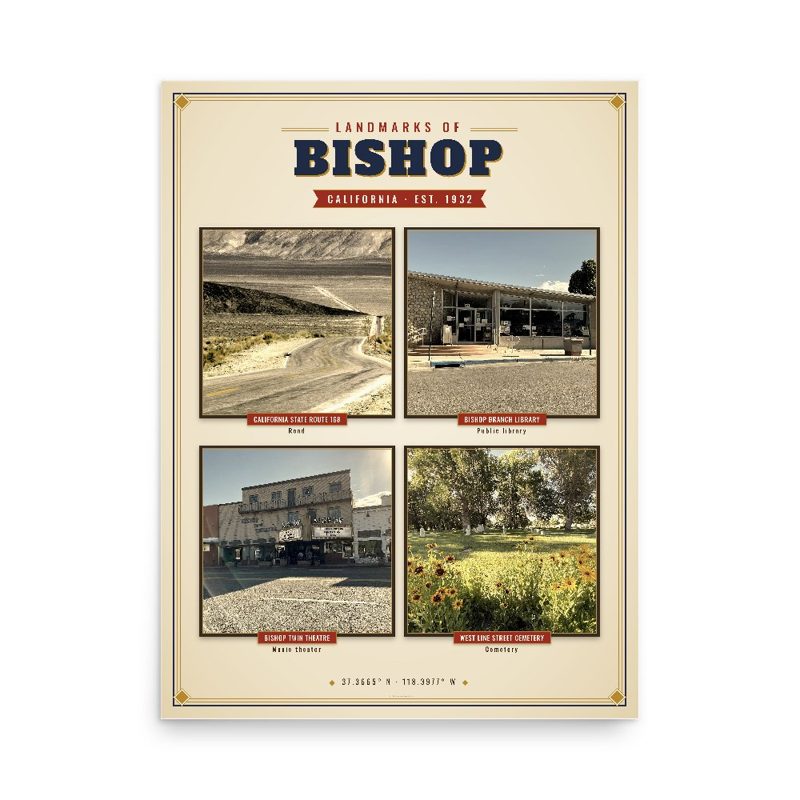
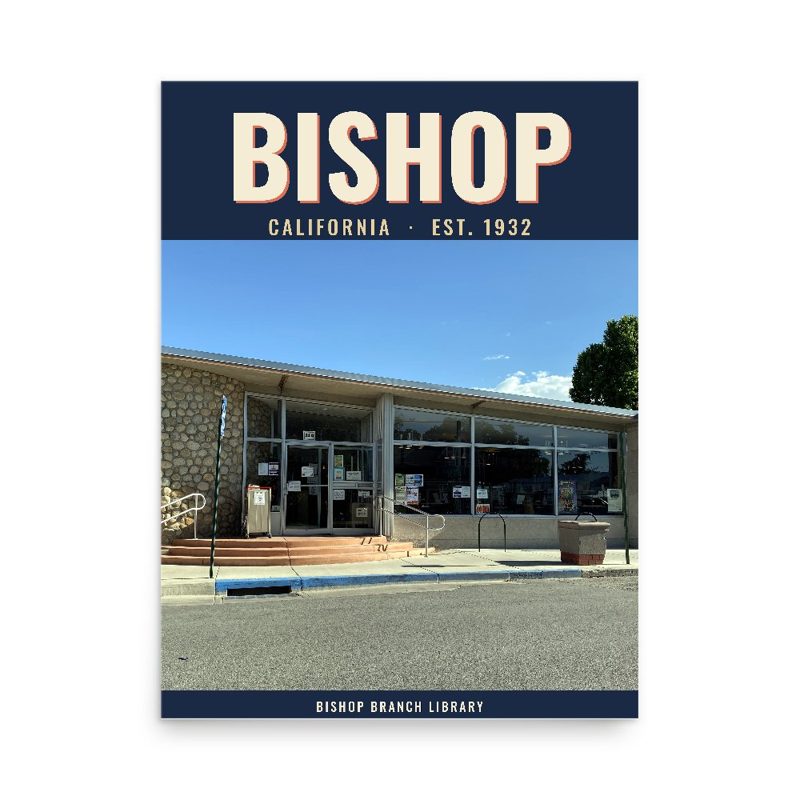
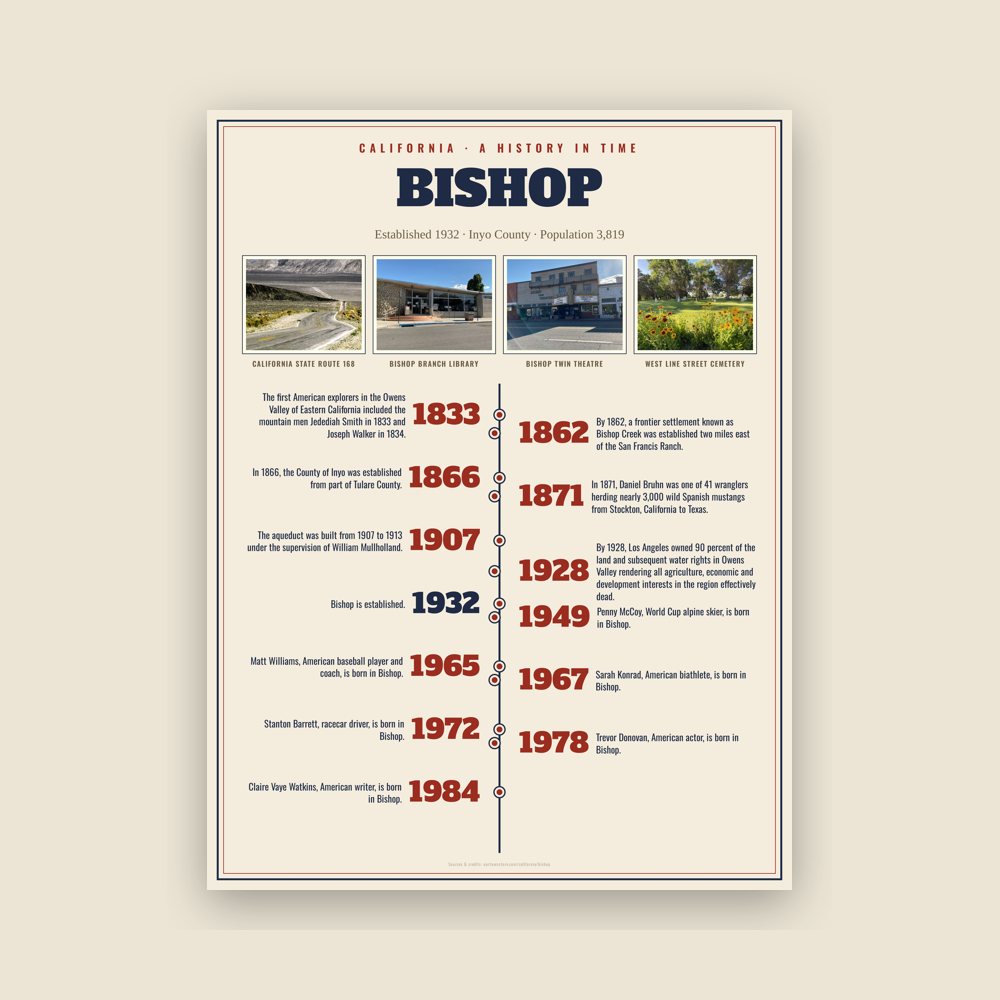
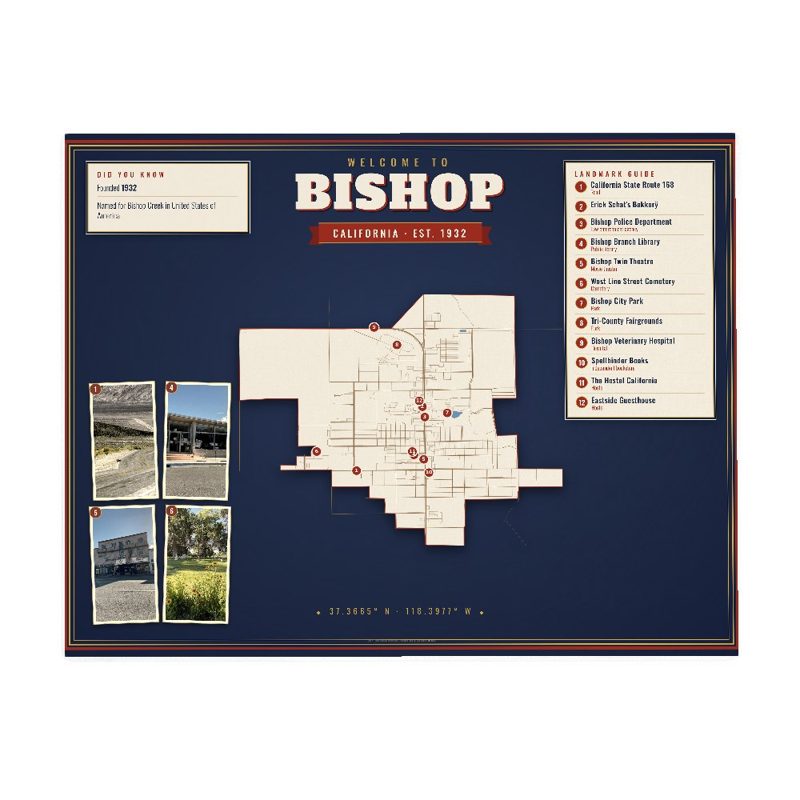
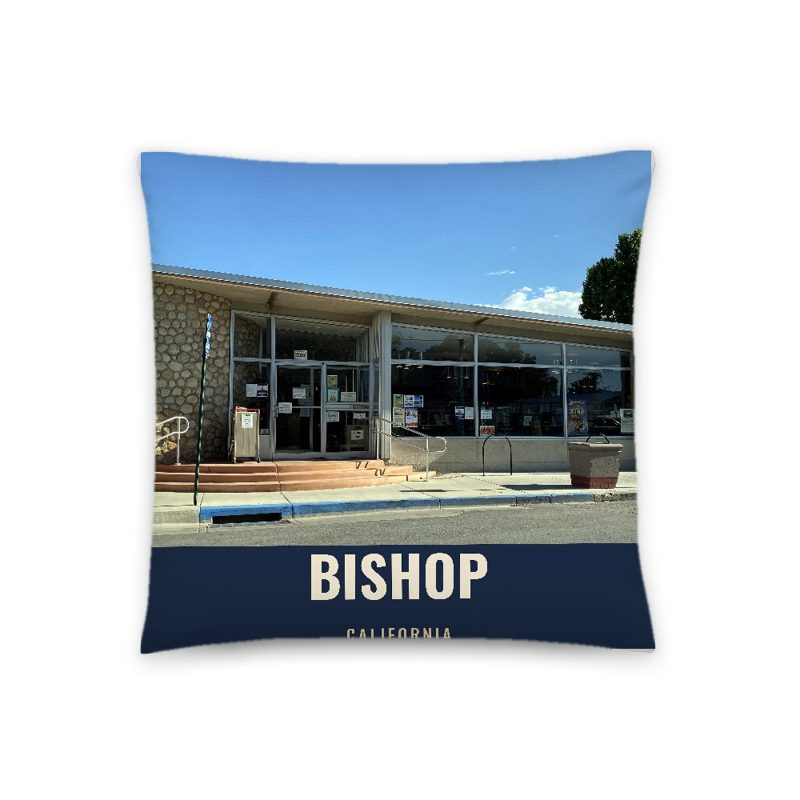
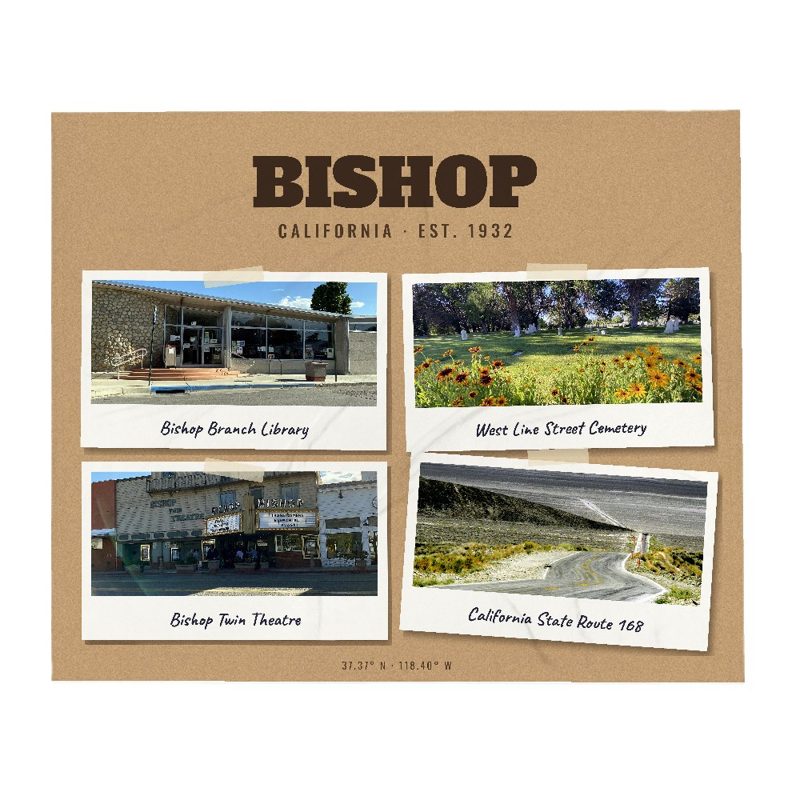
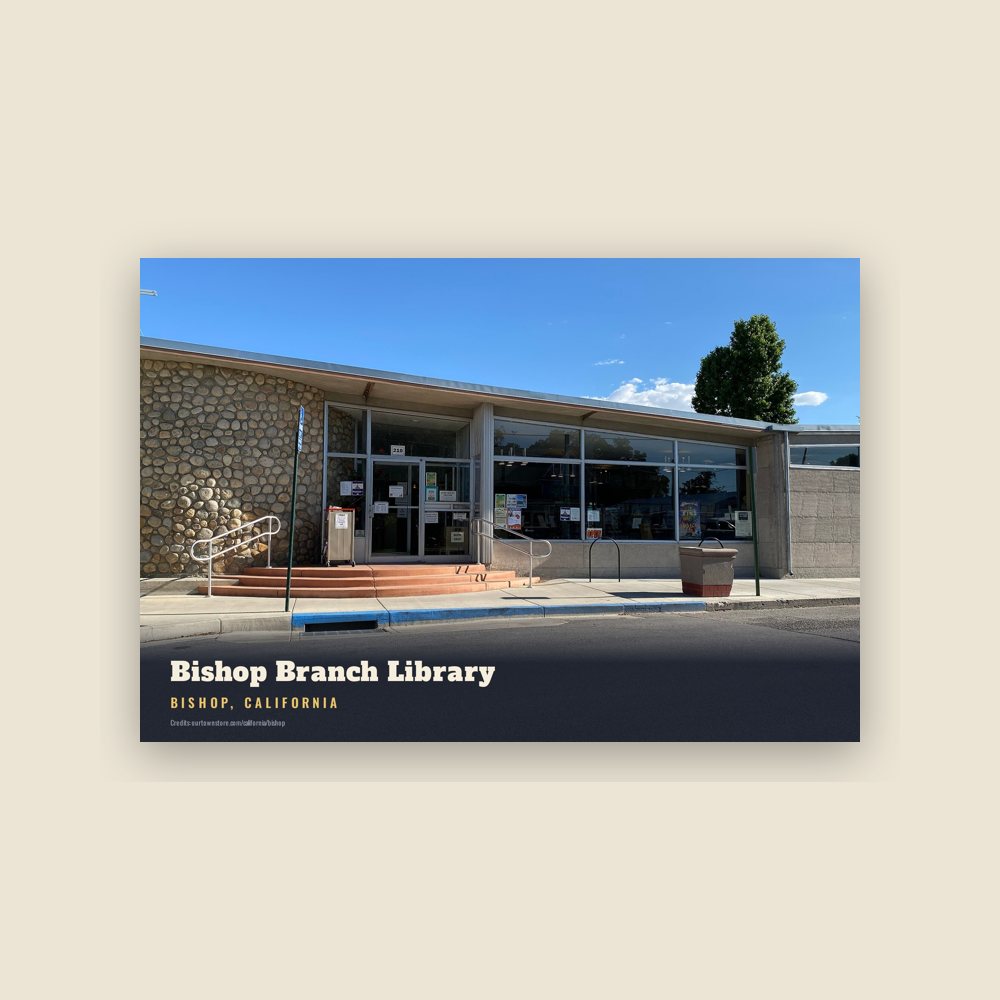
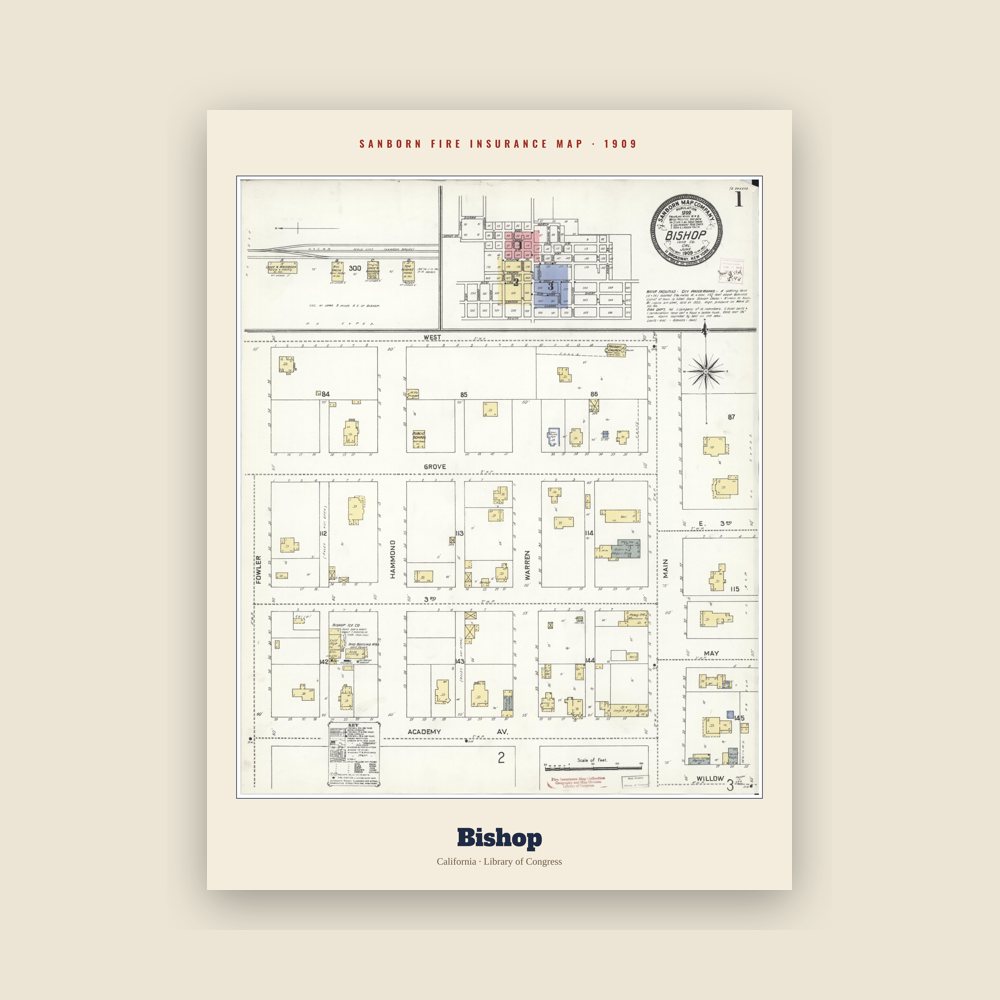
 Bishop Branch Library
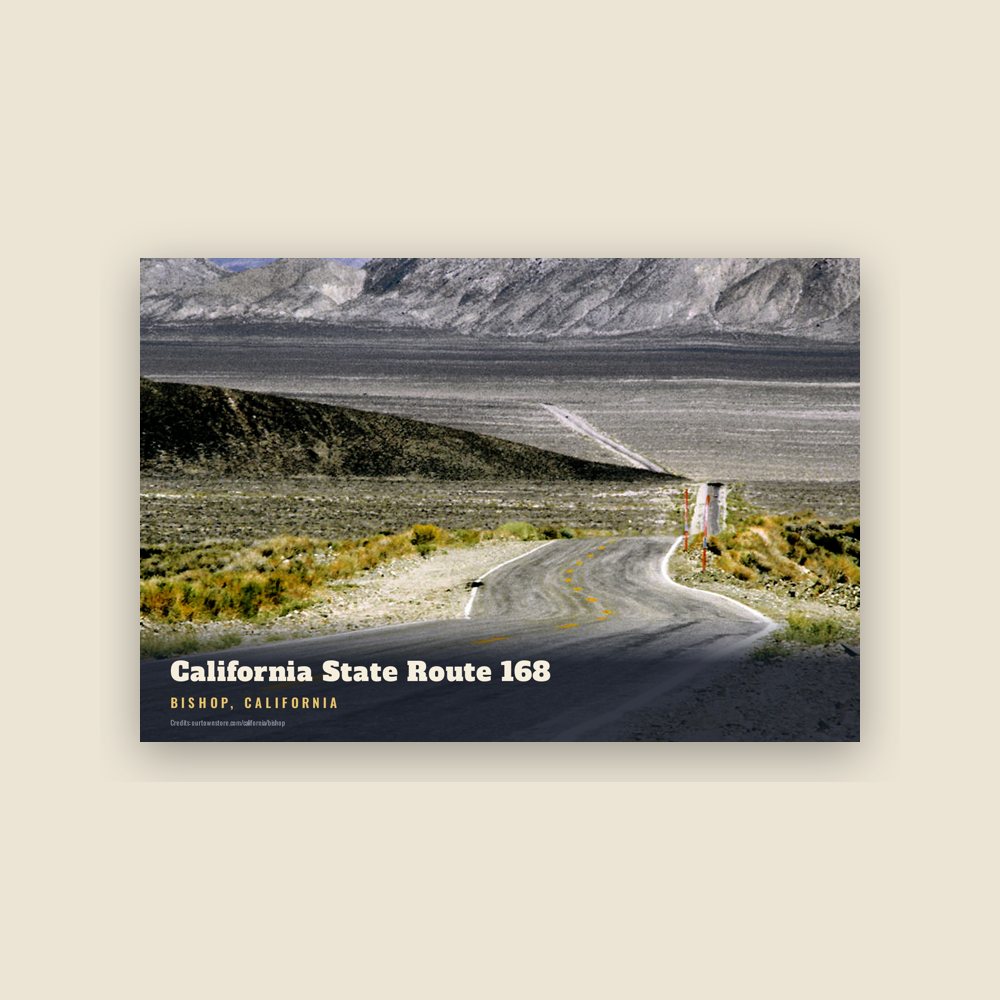
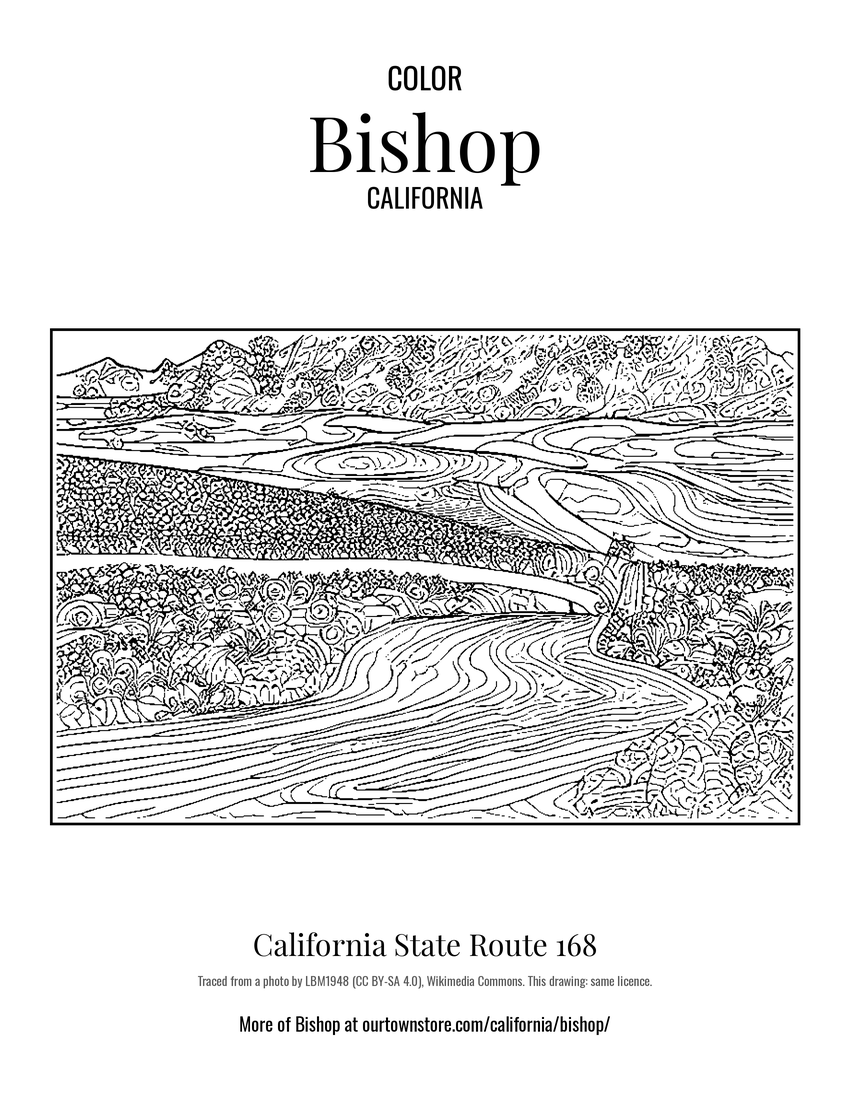 California State Route 168
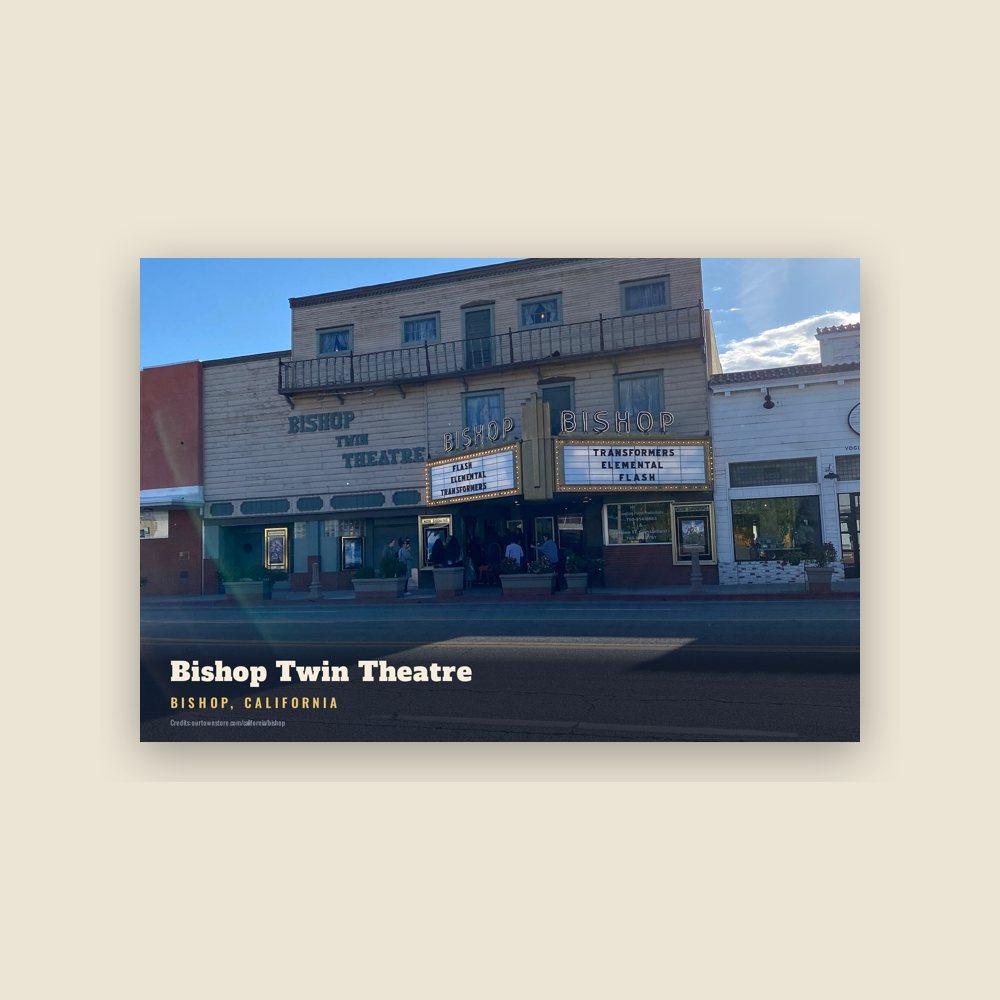
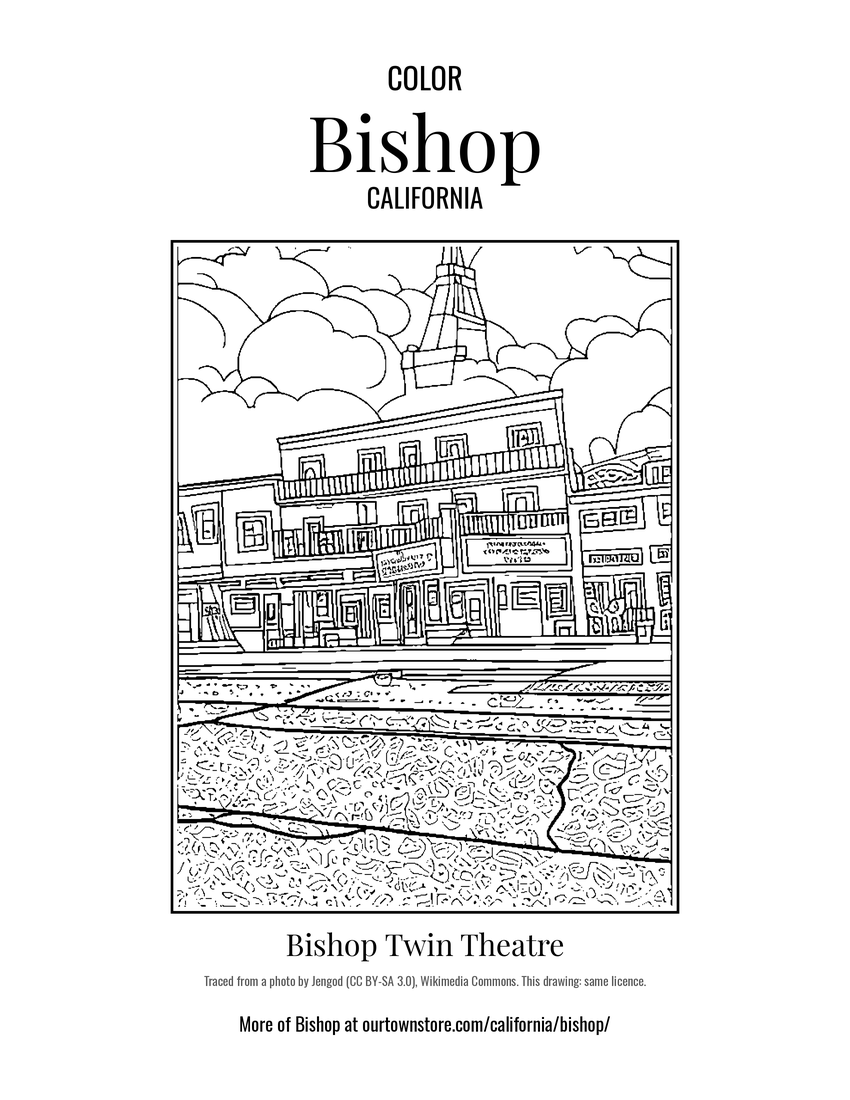 Bishop Twin Theatre
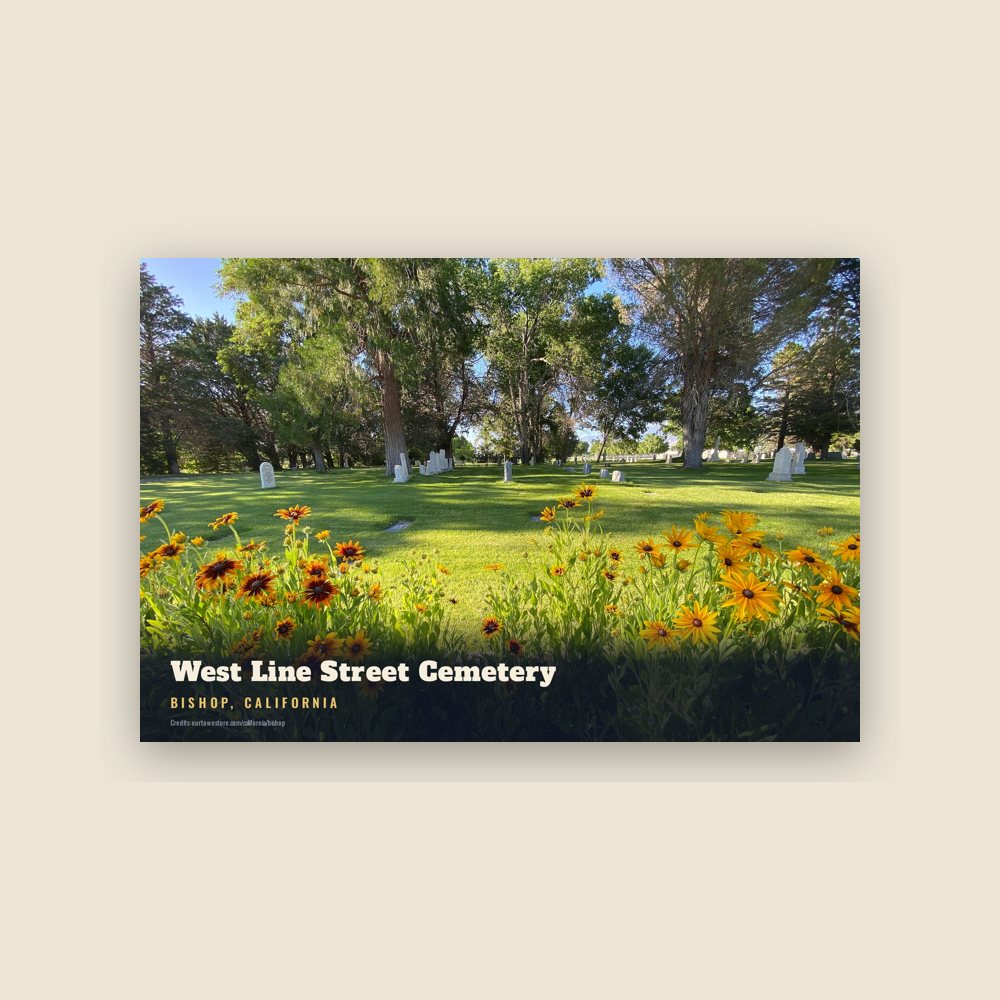
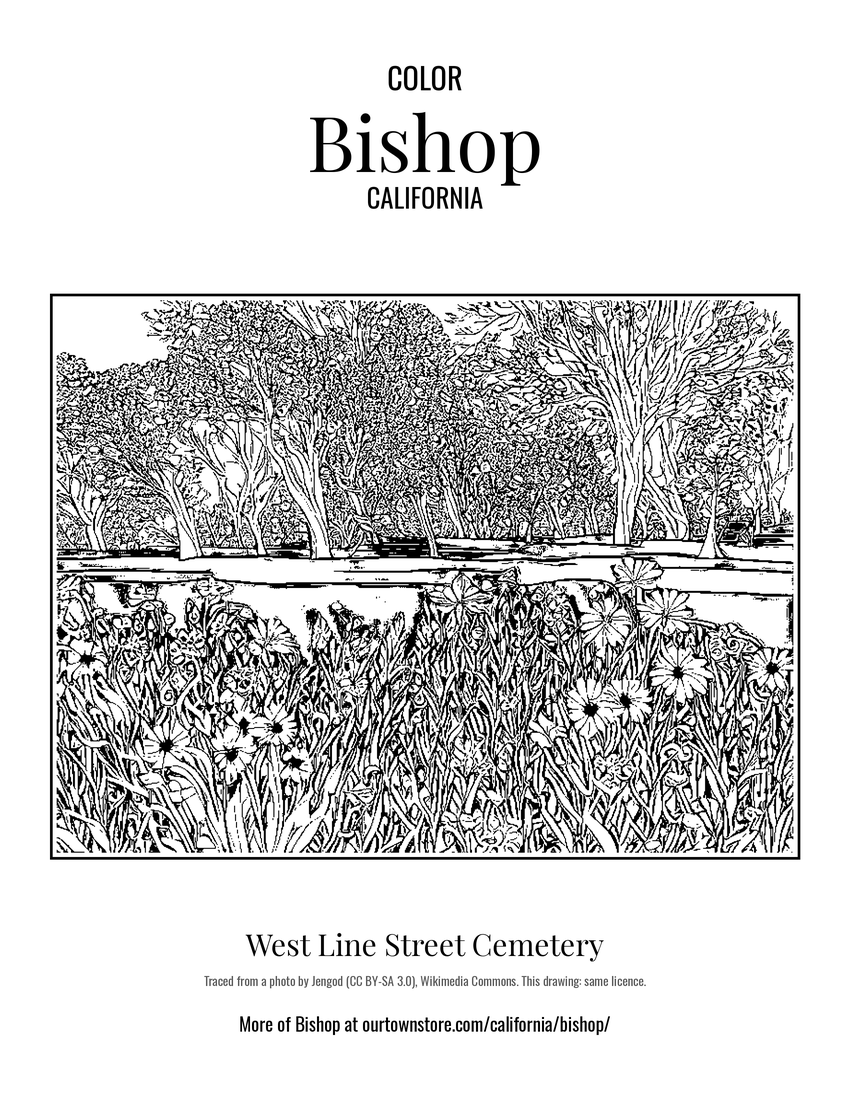 West Line Street Cemetery