A short history of Lake Village
According to legend, the remains of Spanish explorer Hernando de Soto might be buried under Lake Chicot. His expedition visited Guachoya, a native village along the edge of the lake, which is recorded as the site of his death (see list of sites and peoples visited by the Hernando de Soto Expedition).
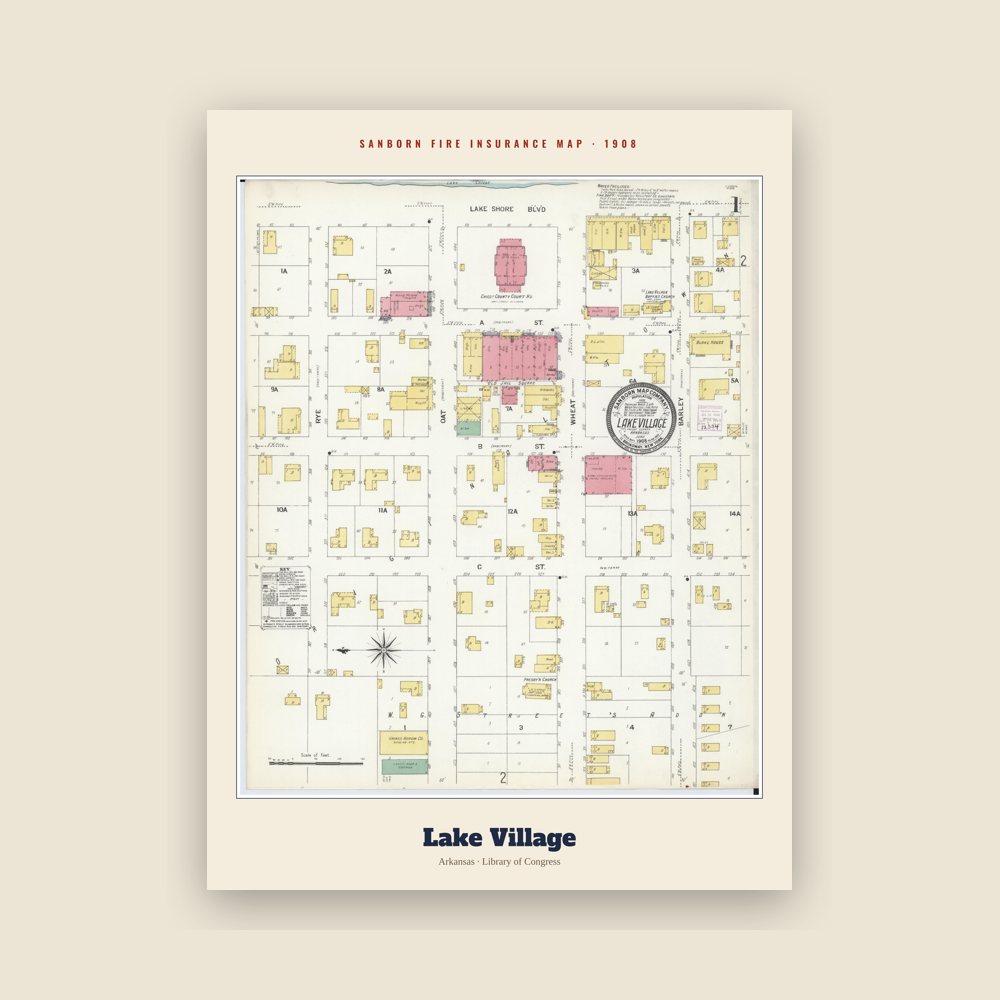
Lake Village was later founded at this location by European-American colonists. The area was developed for cotton plantations, and the county seat was the center of government and county trading. The antebellum years were when the county generated its greatest wealth, at least for planters.
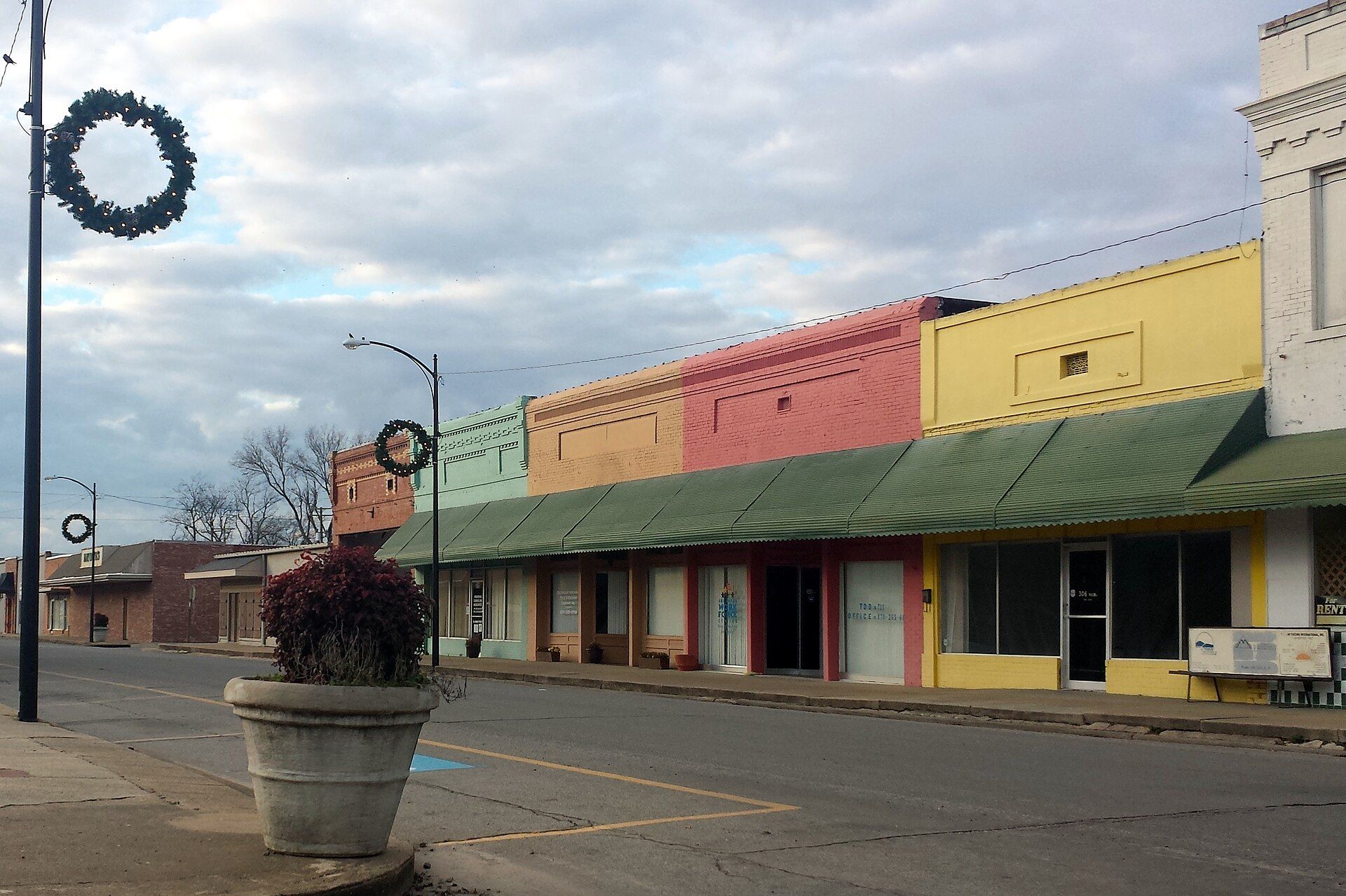
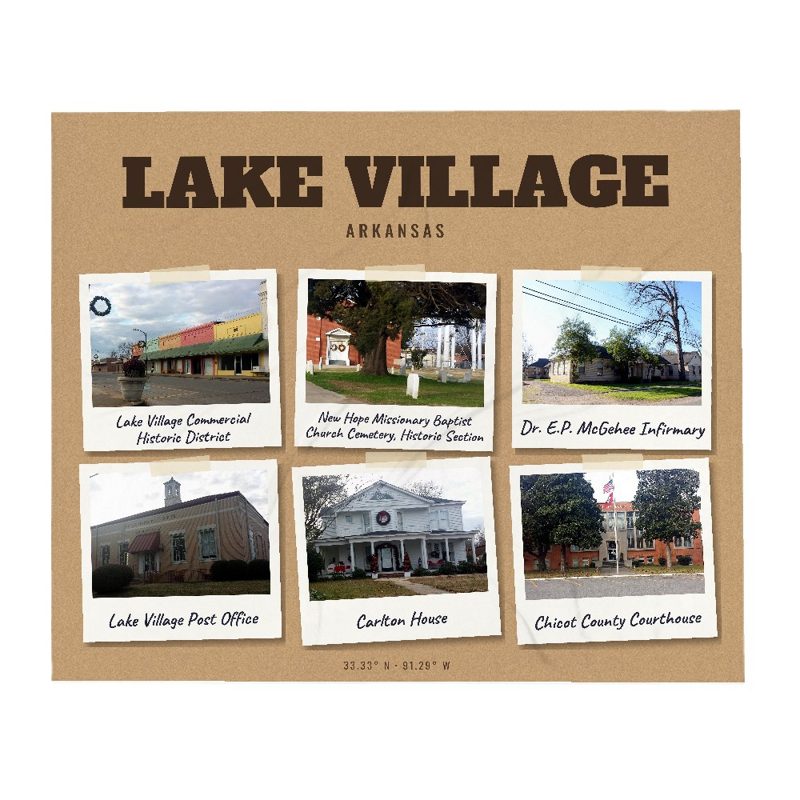
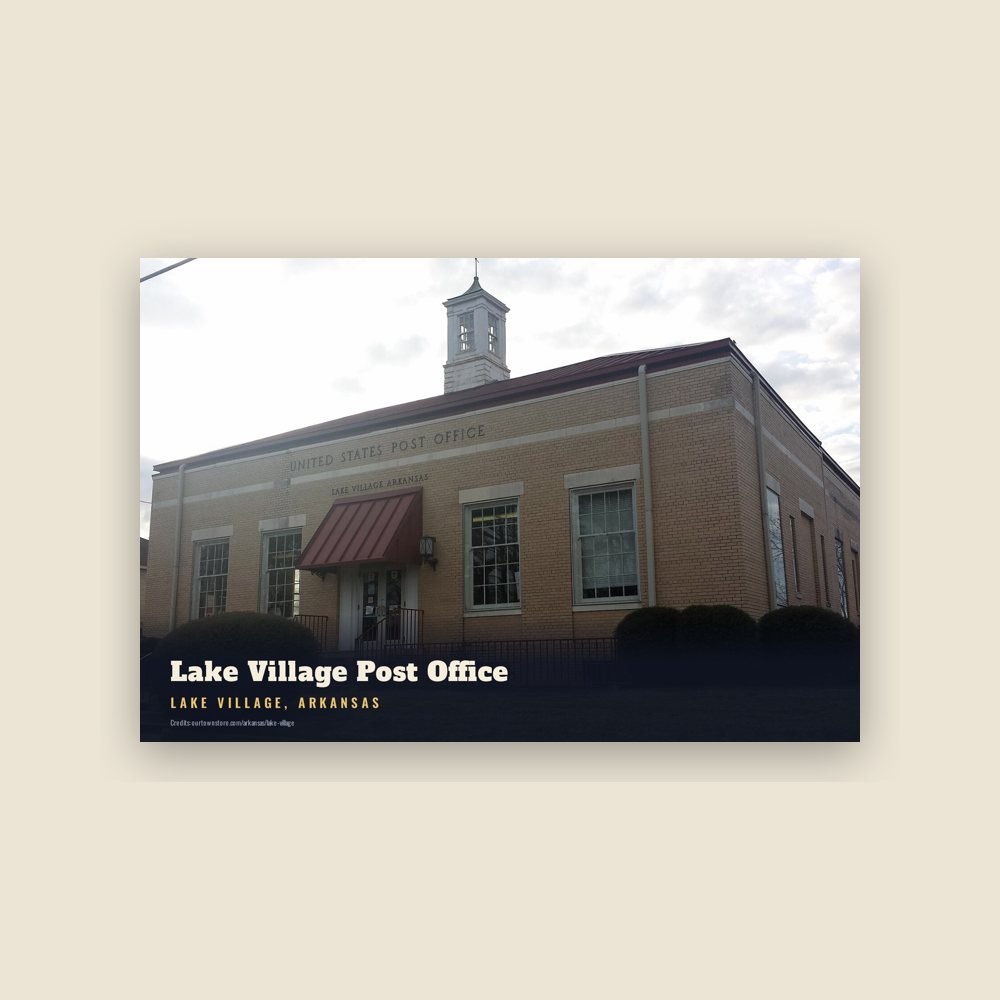
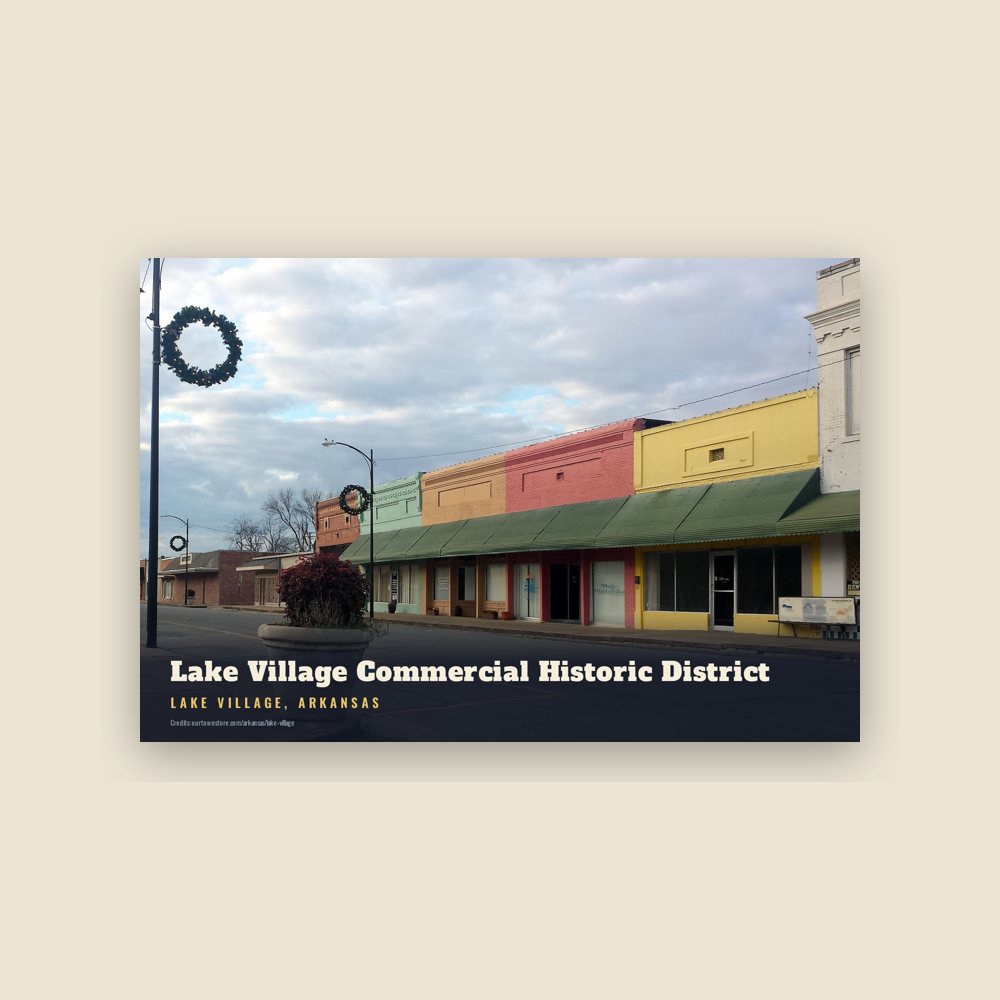
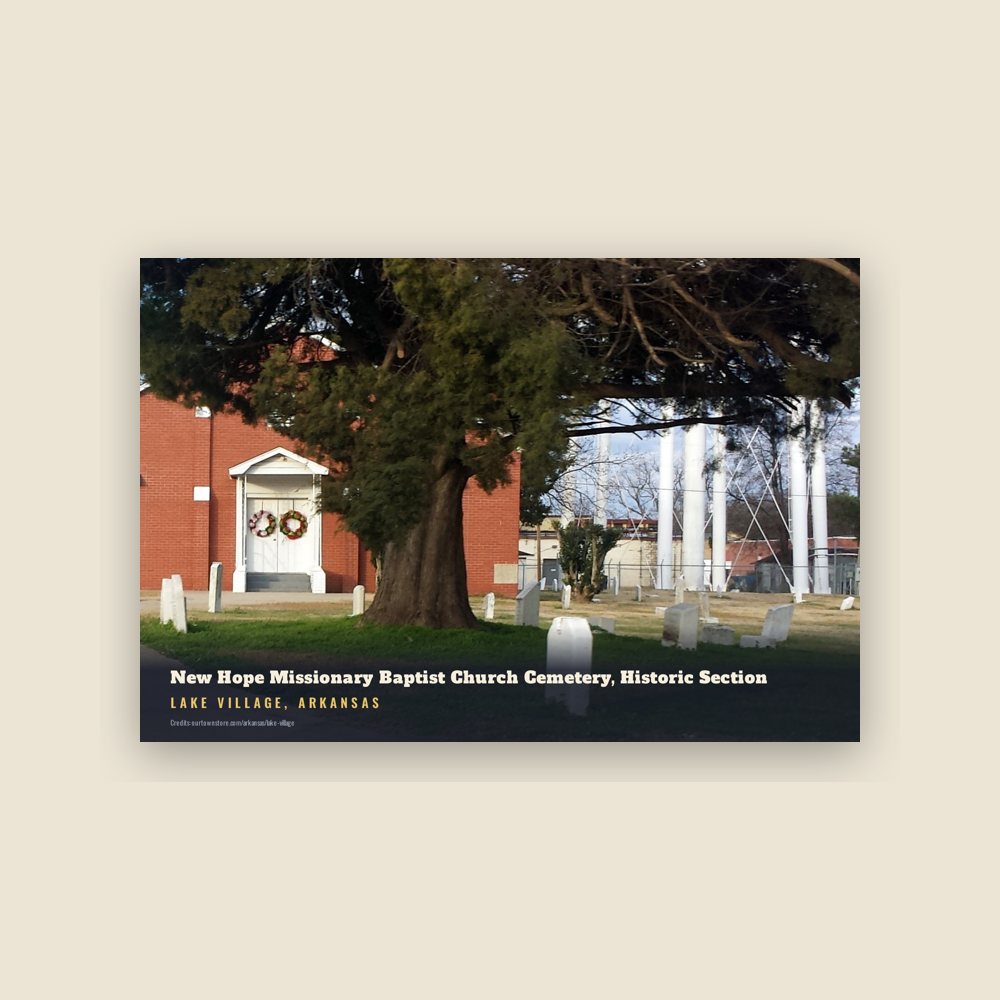
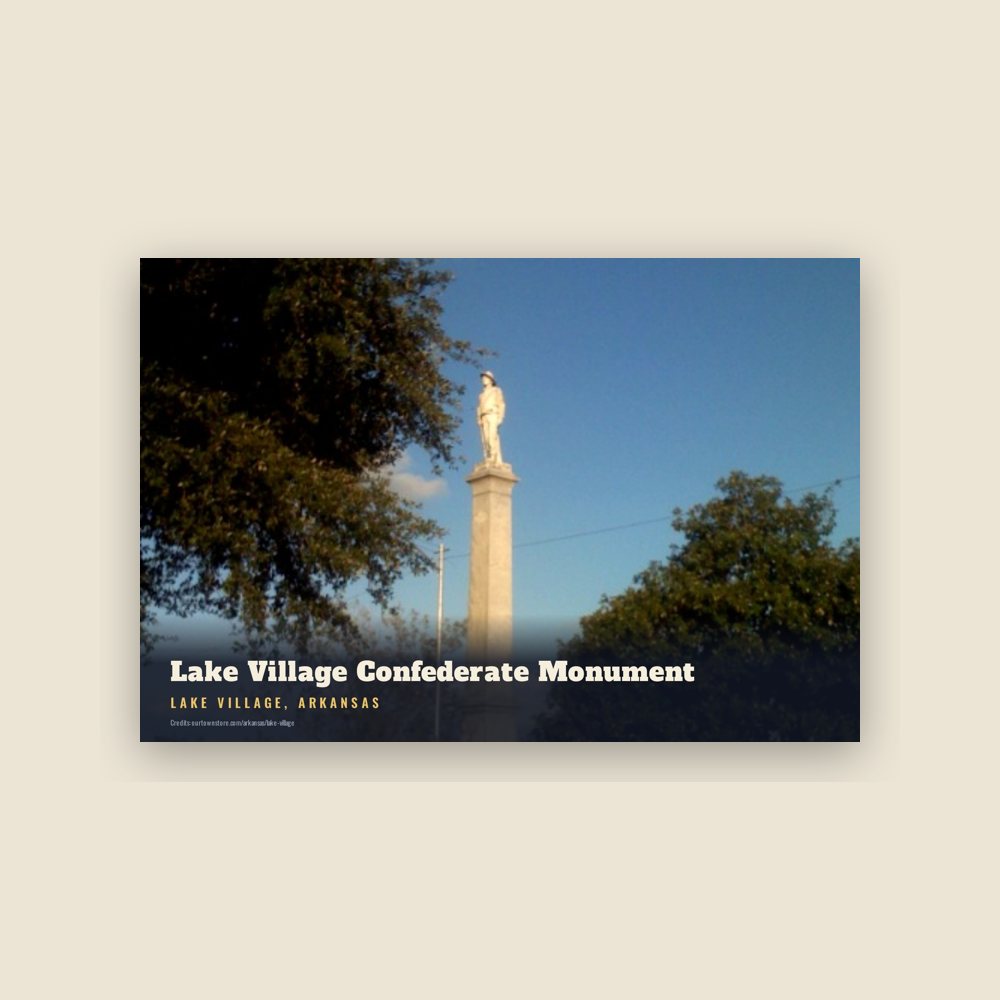
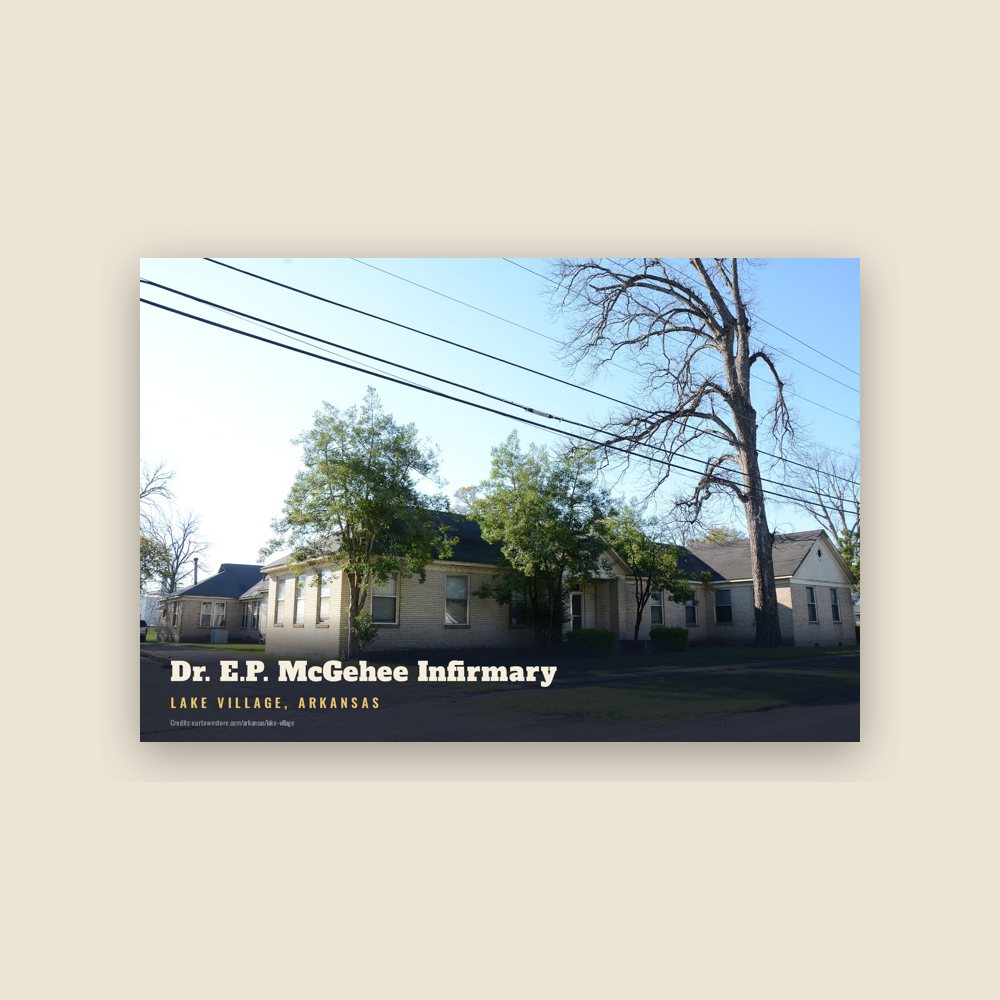
Lake Village has nine properties listed on the National Register of Historic Places: Carlton House, Chicot County Courthouse, Sam Epstein House, Gregory Dipping Vat, Lake Village Confederate Monument, Lake Village Post Office, Dr. E.P. McGehee Infirmary, New Hope Missionary Baptist Church Cemetery (Historic Section), and the John Tushek Building. In addition, the Lake Village Commercial Historic District is listed, as is the nearby Lakeport Plantation. The antebellum mansion of the latter is the only one in the state that is located near the Mississippi River.
Adapted (trimmed) from the Wikipedia article Lake Village, Arkansas, revision 1379458157 by its contributors, licensed CC BY-SA 4.0.

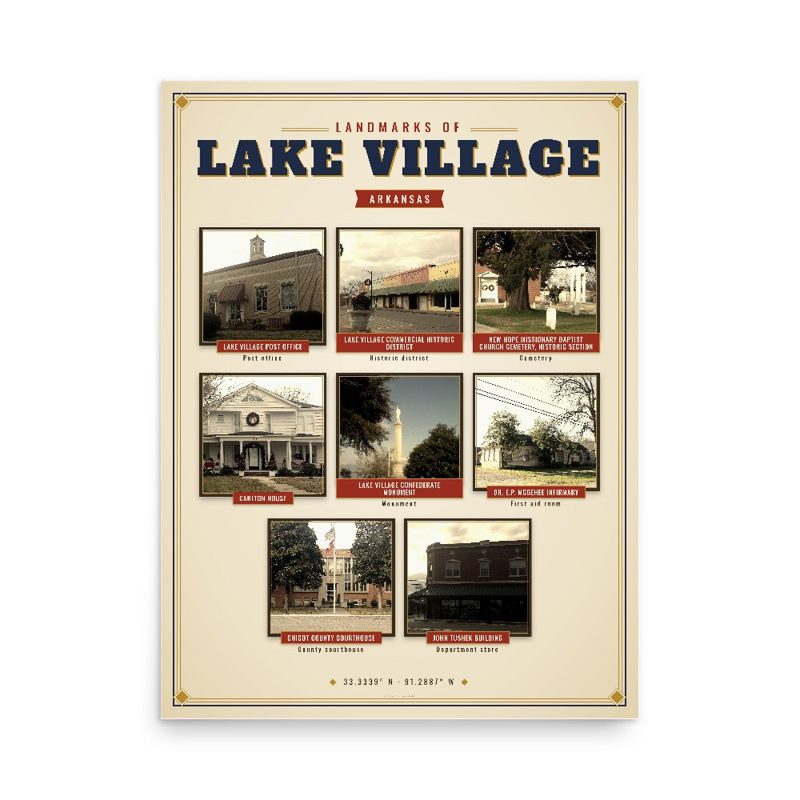



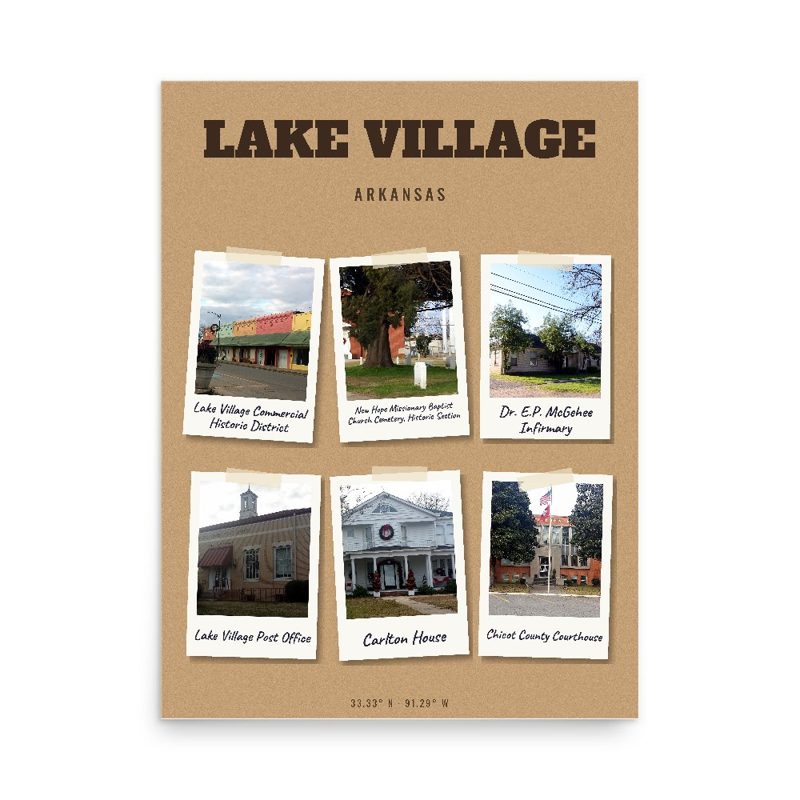
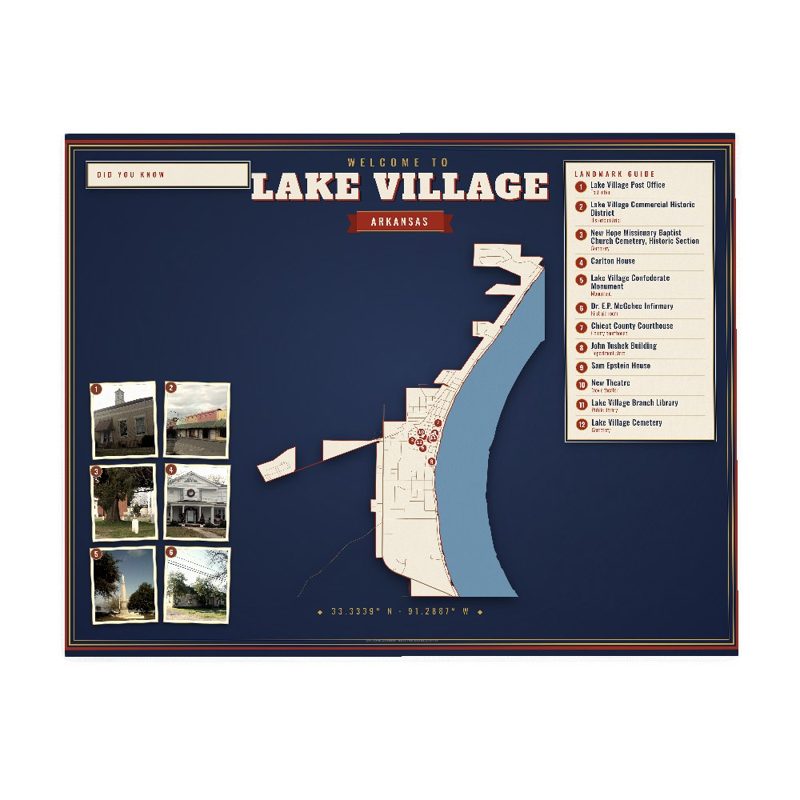















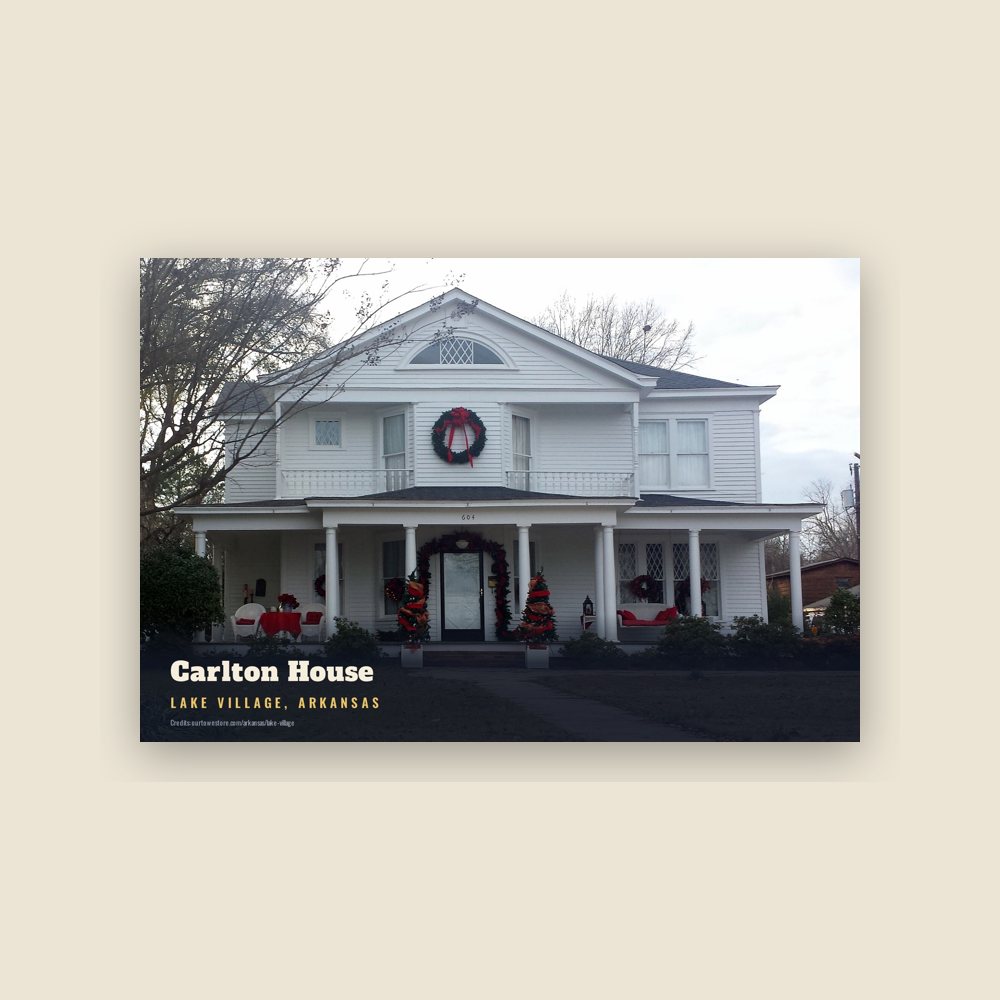
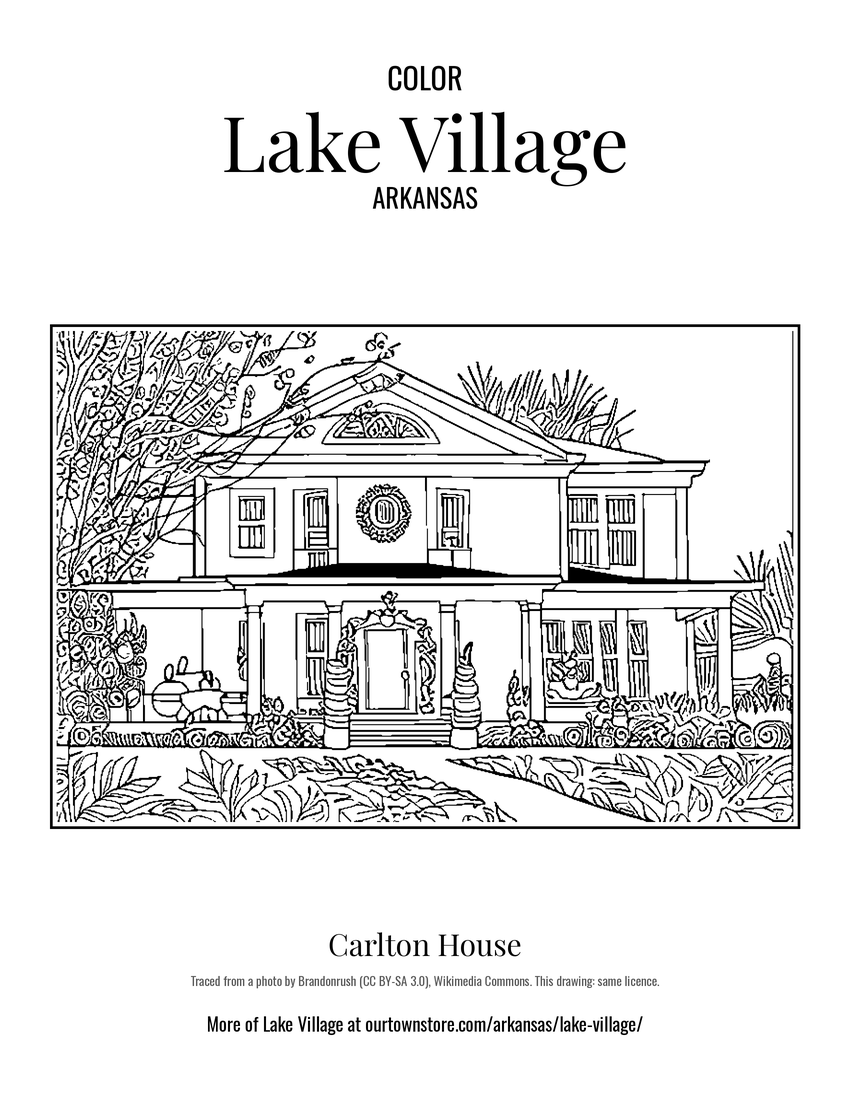 Carlton House
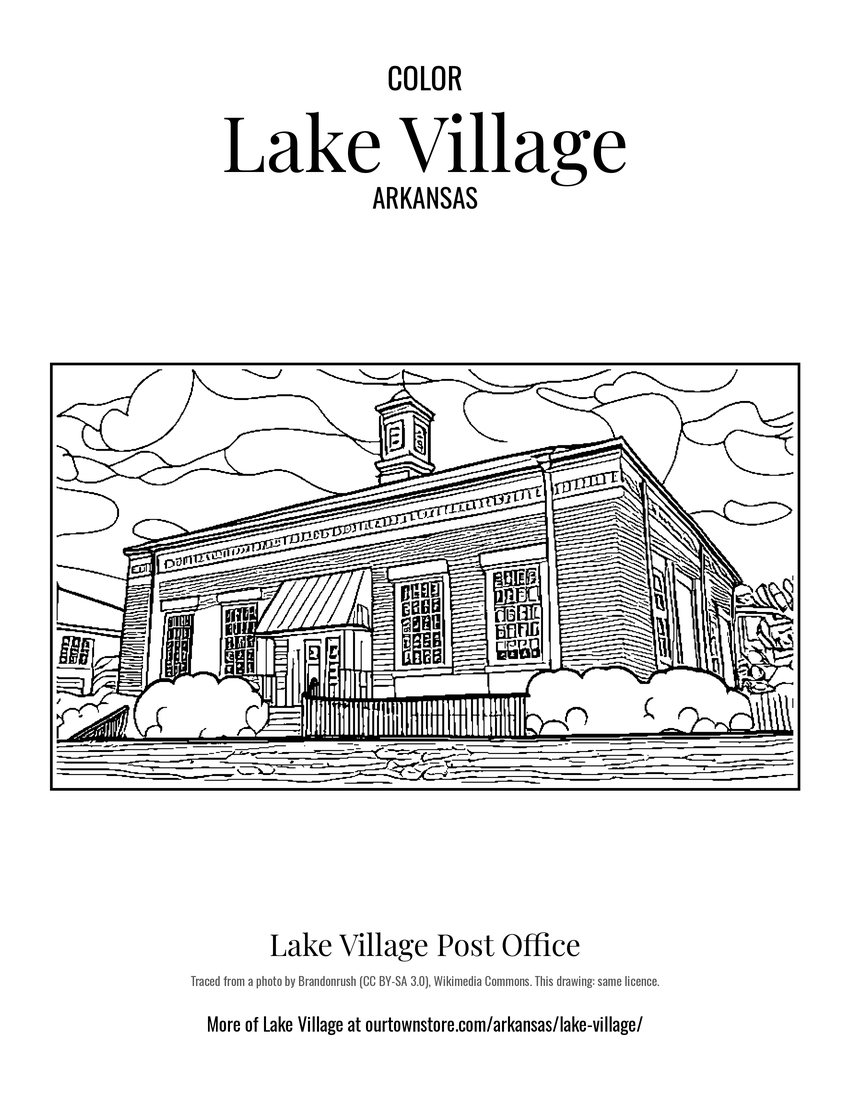 Lake Village Post Office
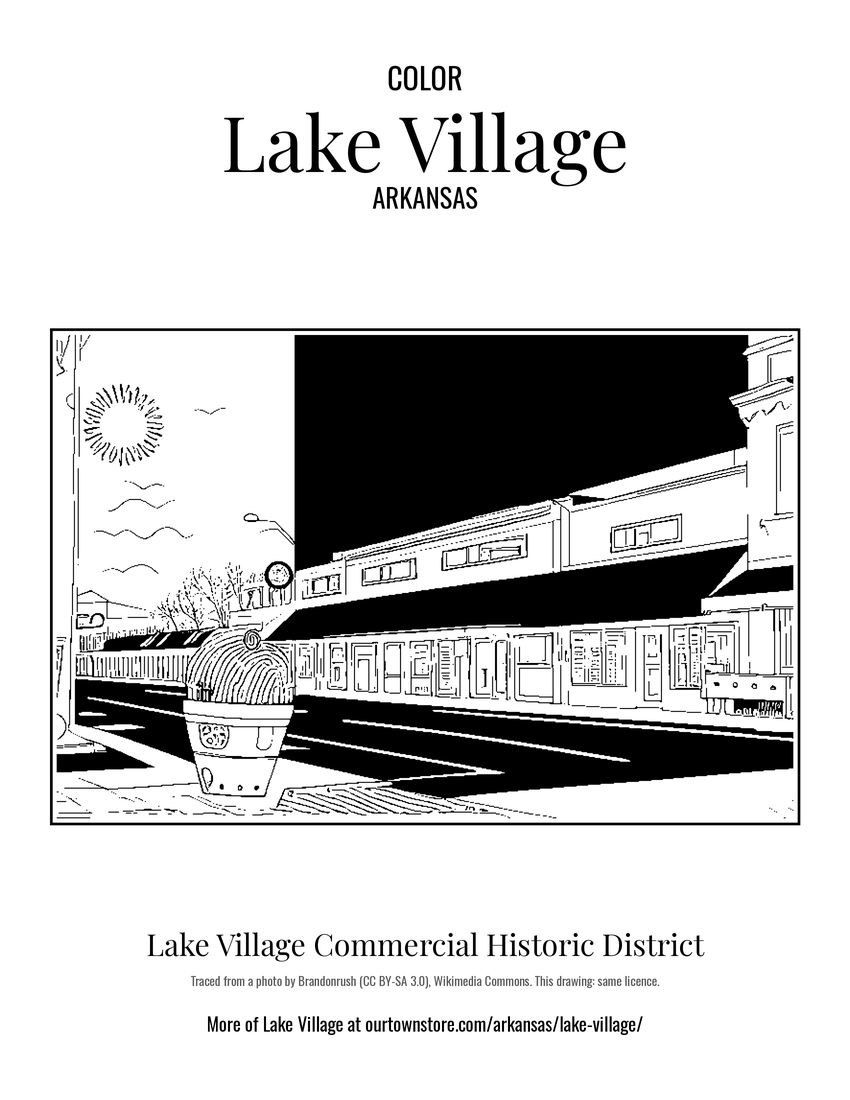 Lake Village Commercial Historic District
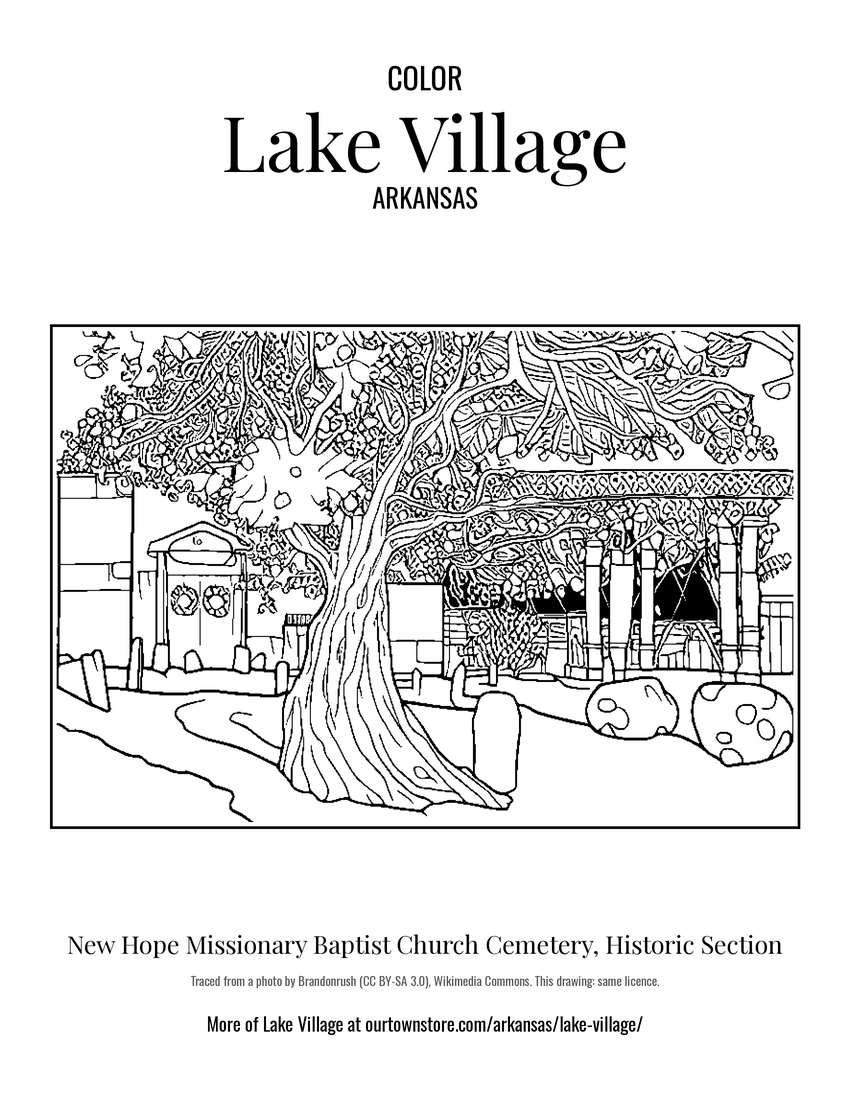 New Hope Missionary Baptist Church Cemetery, Historic Section