A short history of Fayetteville
Settlement through Antebellum period
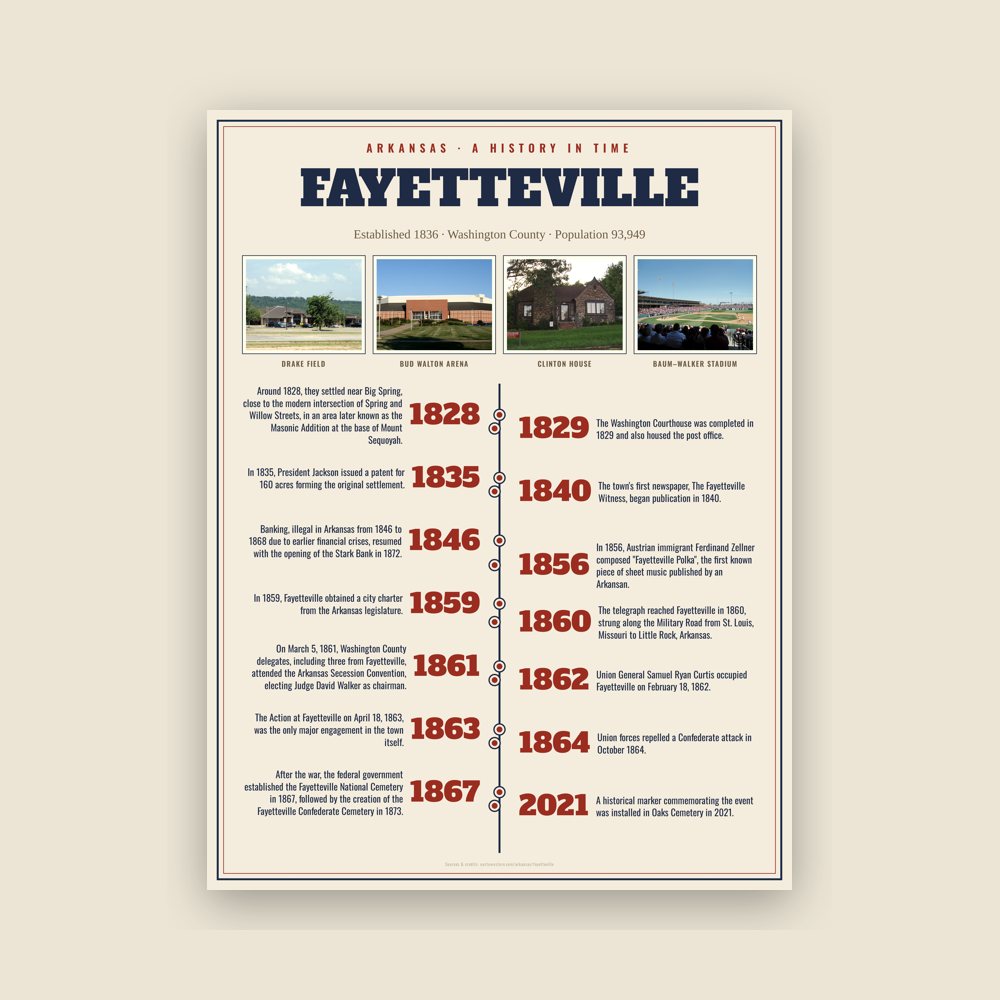
Following the Louisiana Purchase, the first permanent settlers in what became Fayetteville were George McGarrah and his sons James, John, and William. Around 1828, they settled near Big Spring, close to the modern intersection of Spring and Willow Streets, in an area later known as the Masonic Addition at the base of Mount Sequoyah. That same year, Washington County was created from Lovely County, which had existed for only one year, and the settlement of Washington Courthouse was selected as the county seat. The Washington Courthouse was completed in 1829 and also housed the post office.
Later in 1829, Postmaster General William T. Barry ordered the name changed to Fayetteville to avoid confusion with Washington in Hempstead County. Two commissioners responsible for locating the county seat were from Fayetteville, Tennessee, itself named after Fayetteville, North Carolina, which had been named in honor of General Lafayette for his role in the American Revolutionary War.
James Leeper, a Revolutionary War veteran, was the second settler. His son Matthew Leeper later served as receiver of the federal Land Office, appointed by President Andrew Jackson. The Leeper family owned extensive land holdings south of Mount Sequoyah to the White River. Through marriage, the Leeper and Washington families became closely linked to David Walker, later Chief Justice of the Arkansas Supreme Court, who in 1832 built a double log cabin on what became Center Street.
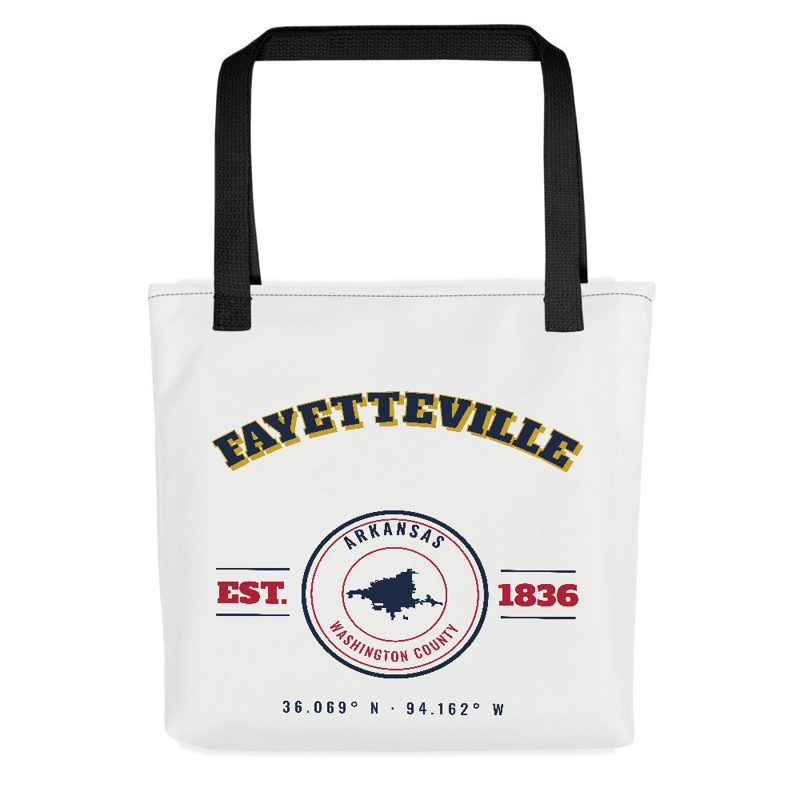
In 1835, President Jackson issued a patent for 160 acres forming the original settlement. Fayetteville was incorporated as a town on November 3, 1836. P. V. Rhea served as president of the town trustees. That same year, the Fayetteville Female Academy was incorporated, becoming the second school chartered in Arkansas. The town's first newspaper, The Fayetteville Witness, began publication in 1840.
Archibald Yell built an estate known as Waxhaw on the outskirts of town in the early 1830s, naming it after his childhood home region in the Carolinas. Yell later became the second governor of Arkansas and served as a U.S. representative. When Arkansas achieved statehood in 1836, Fayetteville and Washington County continued to develop as a regional political and educational center.
John Nye opened the first store in Fayetteville in a building constructed by James Holmsley. Early hotels included the Burnside House and the Onstott House. In 1856, Austrian immigrant Ferdinand Zellner composed "Fayetteville Polka", the first known piece of sheet music published by an Arkansan. On July 7, 1856, two enslaved men acquitted of murdering enslaver James Boone were lynched by a mob. A historical marker commemorating the event was installed in Oaks Cemetery in 2021.
In 1859, Fayetteville obtained a city charter from the Arkansas legislature. J. W. Walker became the first mayor under this charter. The telegraph reached Fayetteville in 1860, strung along the Military Road from St. Louis, Missouri to Little Rock, Arkansas.
Read the full history
Civil War and Reconstruction
On March 5, 1861, Washington County delegates, including three from Fayetteville, attended the Arkansas Secession Convention, electing Judge David Walker as chairman. The convention initially voted against secession on March 16. After the attack on Fort Sumter, the convention reconvened on May 6, 1861, and voted to secede.
Union General Samuel Ryan Curtis occupied Fayetteville on February 18, 1862. Confederate forces retreating south destroyed their arsenal and much of the town to prevent its capture. Fayetteville was subsequently occupied intermittently by both Union and Confederate forces.
The Battle of Pea Ridge occurred northeast of Fayetteville in March 1862. Wounded soldiers from the Battle of Prairie Grove were treated in the town in December 1862. The Action at Fayetteville on April 18, 1863, was the only major engagement in the town itself. Confederate General William L. Cabell attempted to retake Fayetteville from Union forces under Colonel Marcus LaRue Harrison, whose headquarters were located in the former home of Judge Jonas Tebbetts at College Avenue and Dickson Street. The Union forces successfully repelled the attack.
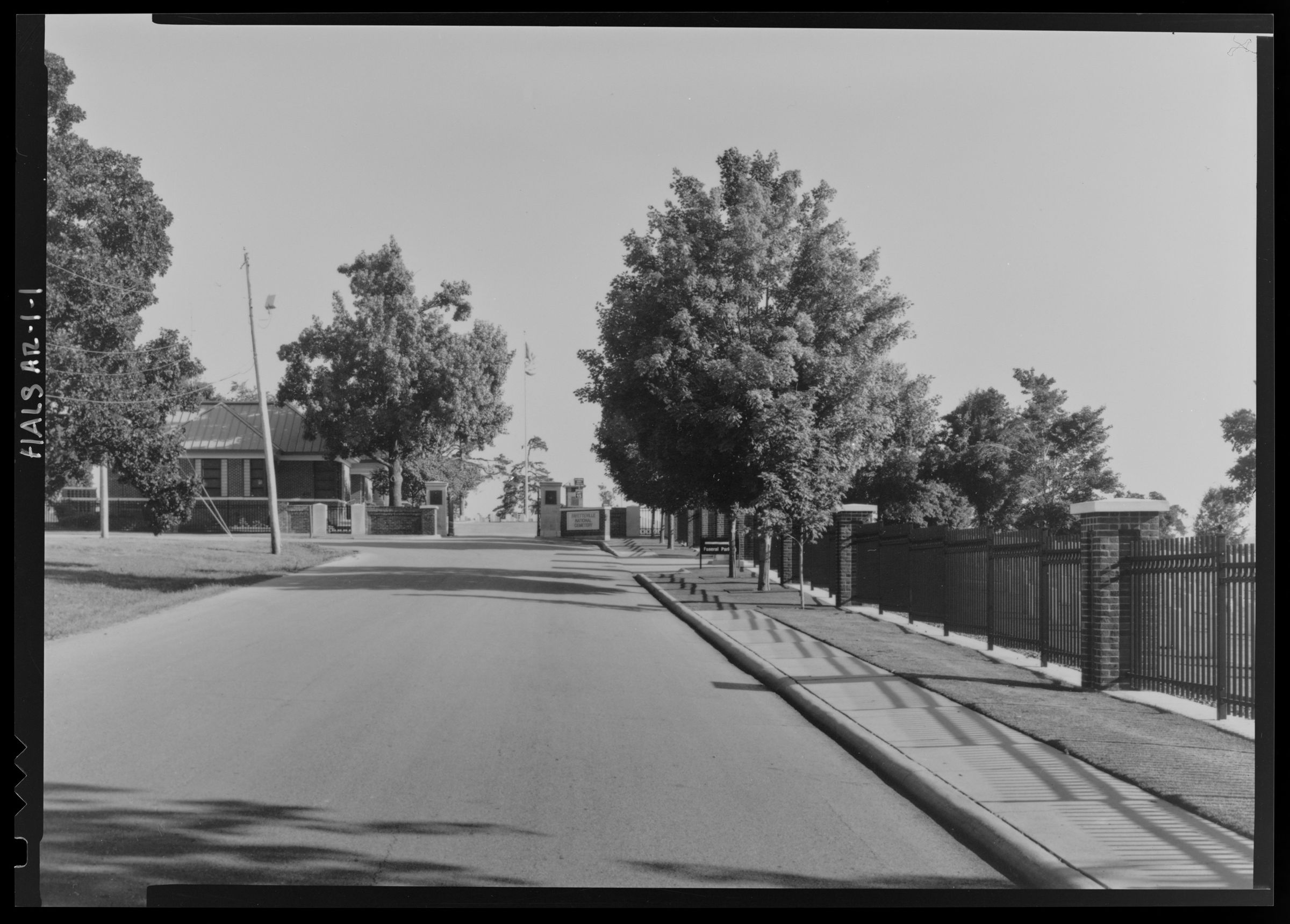
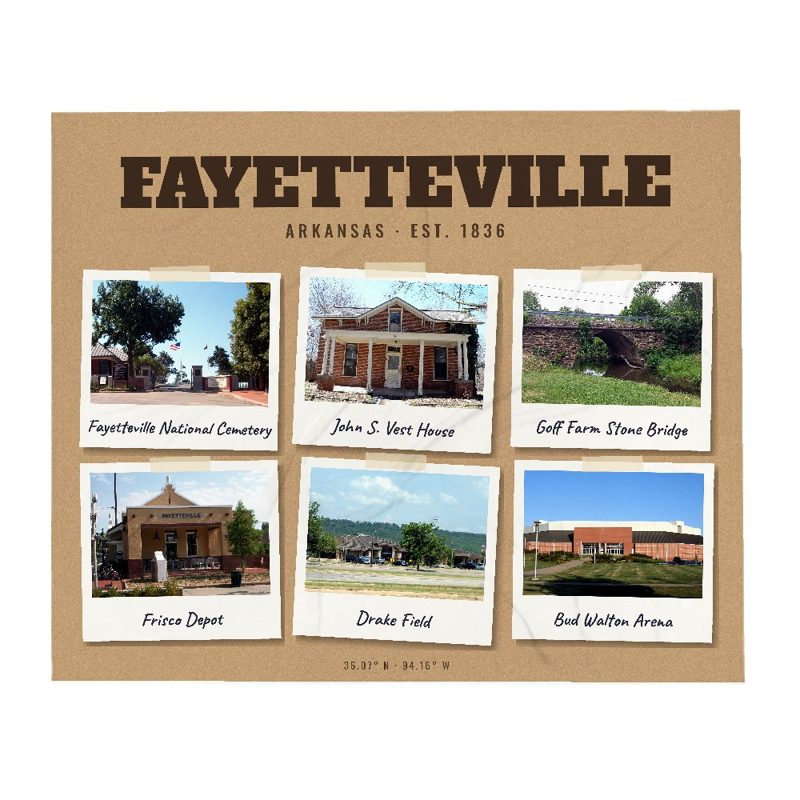
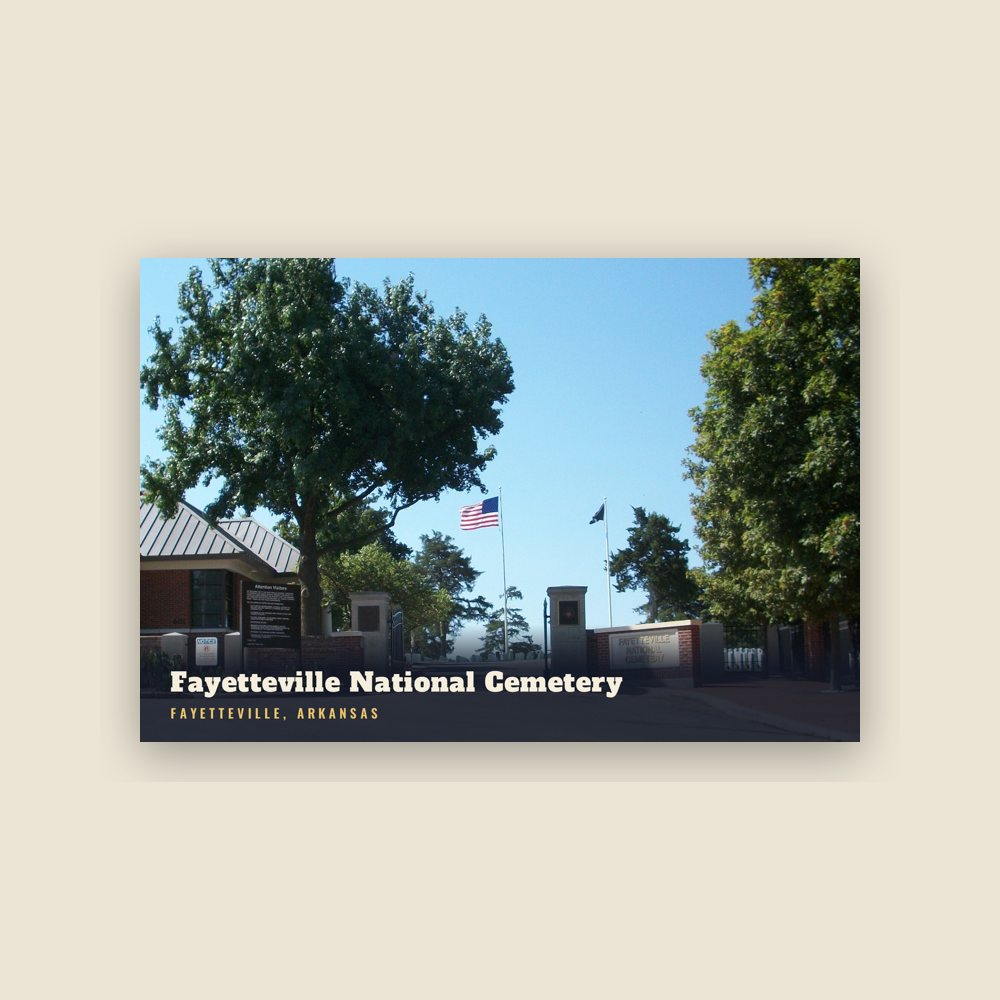
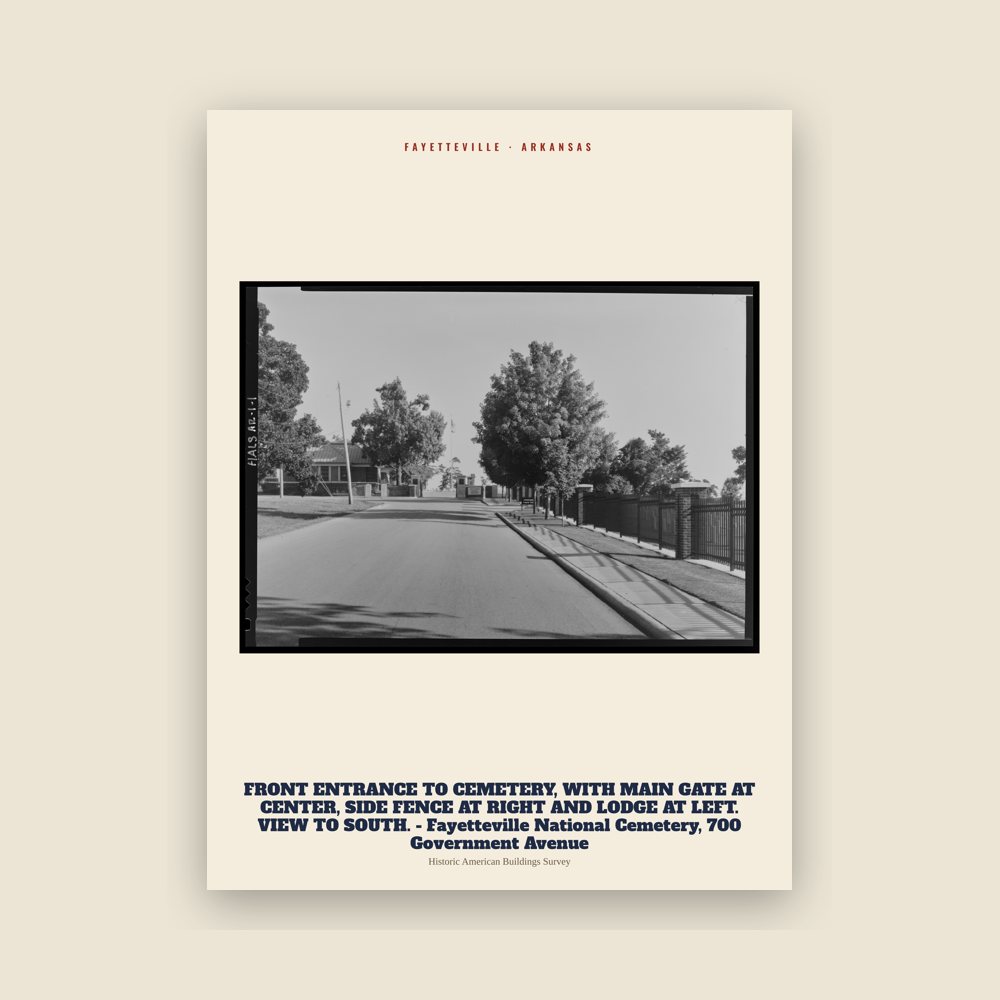
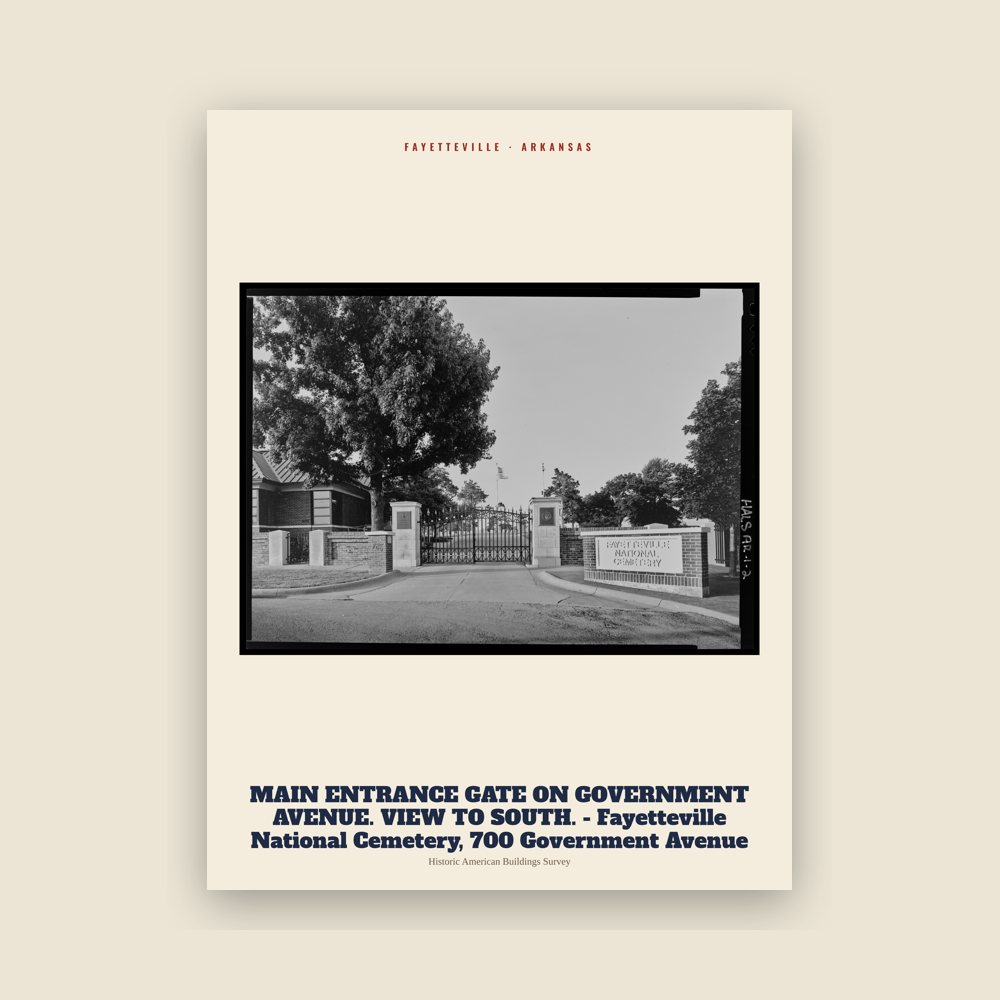
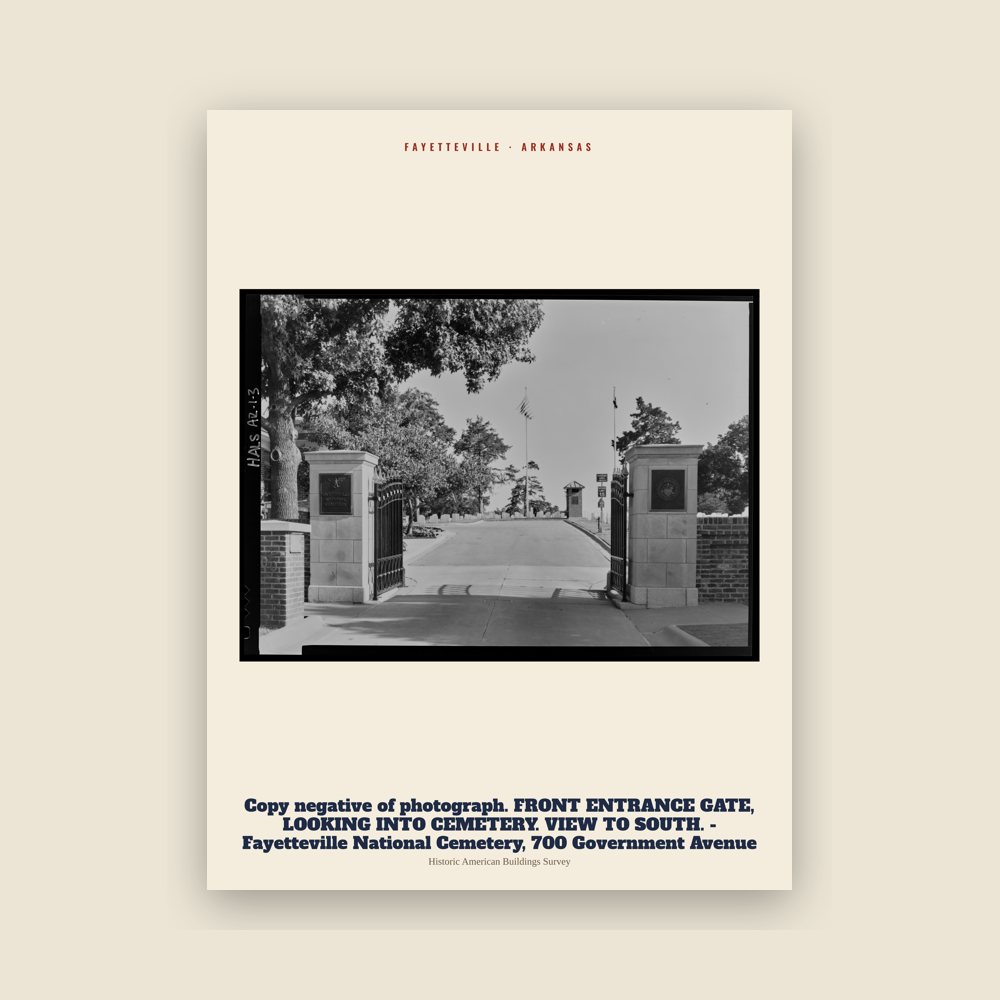
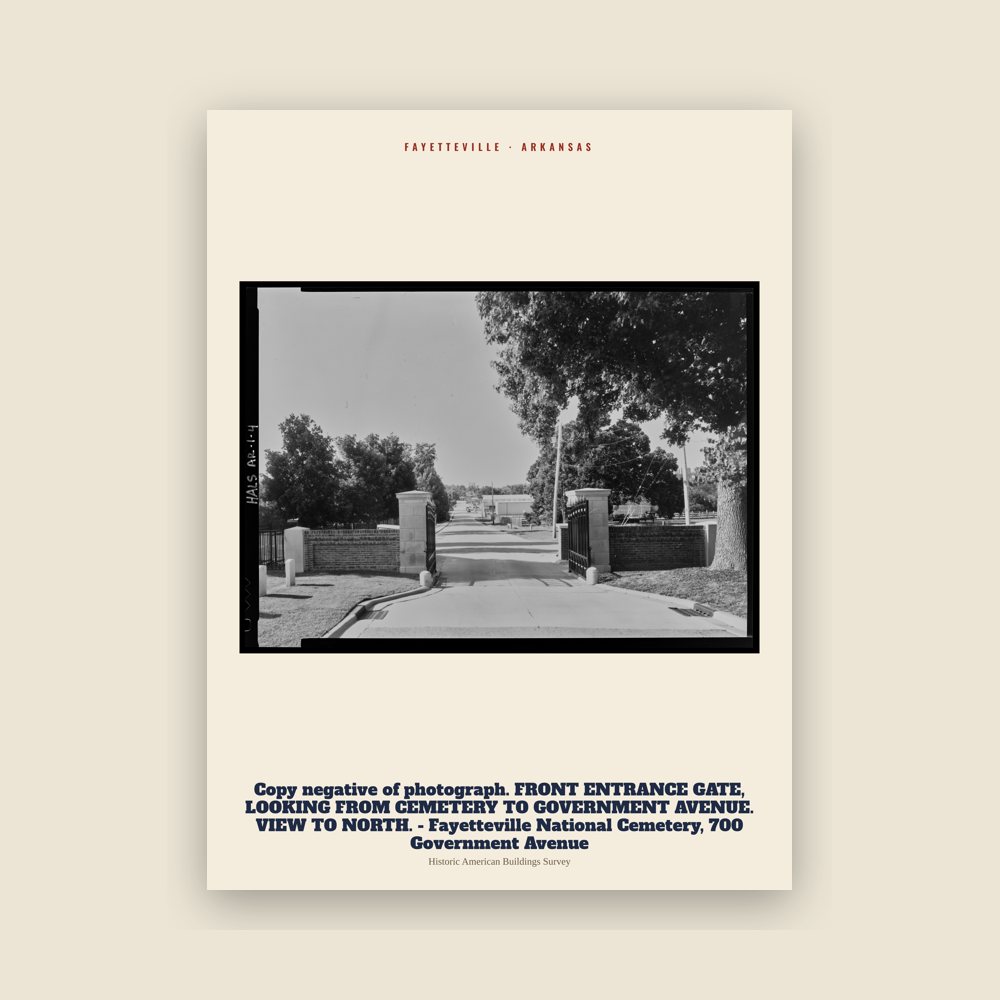
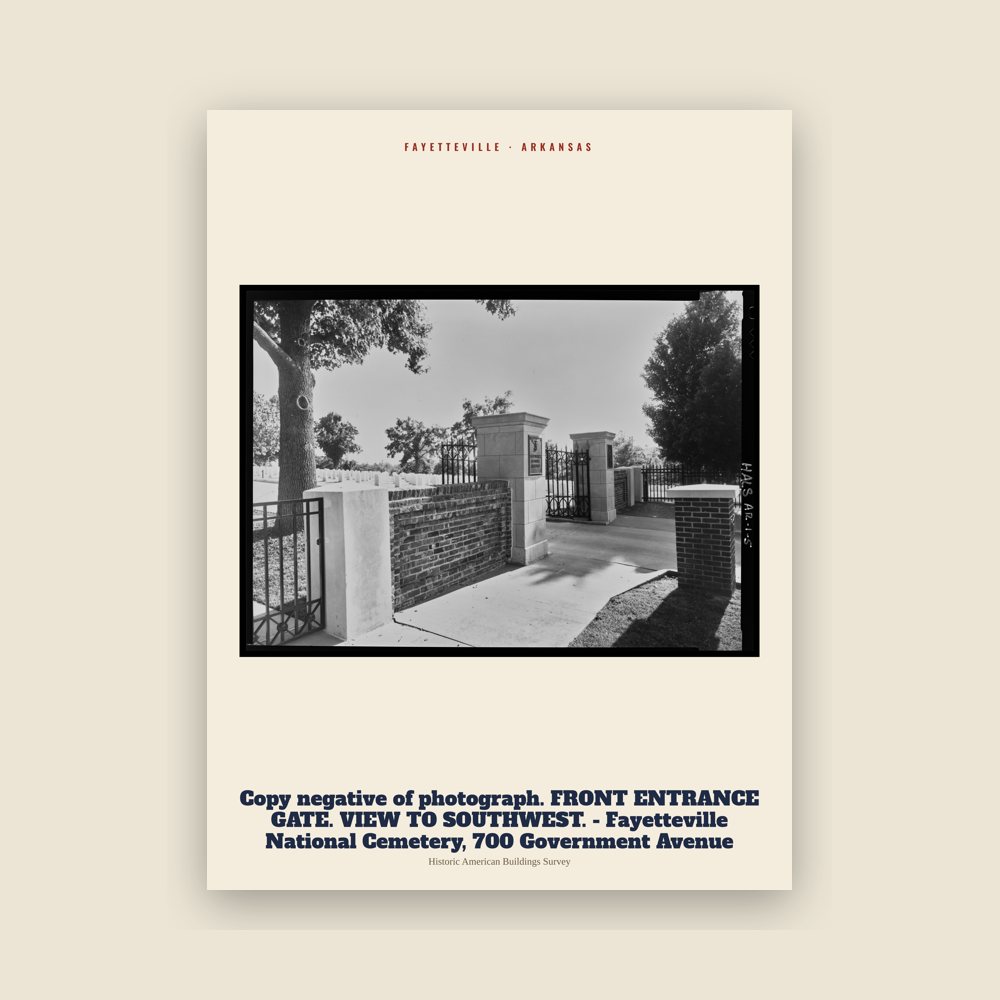
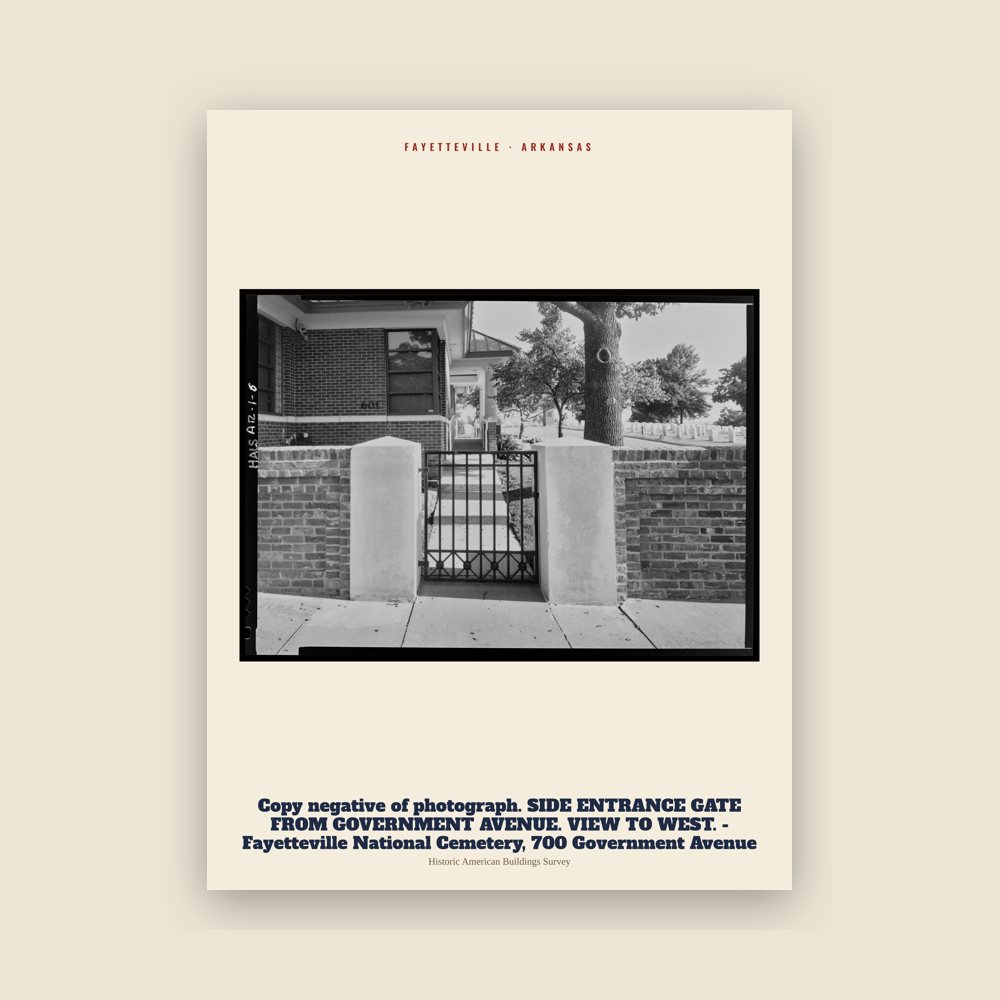
During the war, the municipal government was suspended. Fayetteville was occupied for extended periods by Union troops, including the First Arkansas Union Cavalry, composed largely of men from northwest Arkansas. Union forces repelled a Confederate attack in October 1864. After the war, the federal government established the Fayetteville National Cemetery in 1867, followed by the creation of the Fayetteville Confederate Cemetery in 1873.
Local government was restored in 1867, with M. L. Harrison elected mayor. Dissatisfaction with the 1859 charter led to its dissolution, and on August 24, 1870, a new municipal government was established under general state law.
Post-Reconstruction through the Gilded Age
Newspapers expanded during Reconstruction. The Arkansan was founded in 1859, and the Fayetteville Weekly Democrat began publication in 1868, later becoming the Northwest Arkansas Times. The Fayetteville School District was established on March 20, 1871, as Arkansas's first independent school district.
Banking, illegal in Arkansas from 1846 to 1868 due to earlier financial crises, resumed with the opening of the Stark Bank in 1872. It became the William McIlroy Bank in 1876 and survives as Arvest Bank.
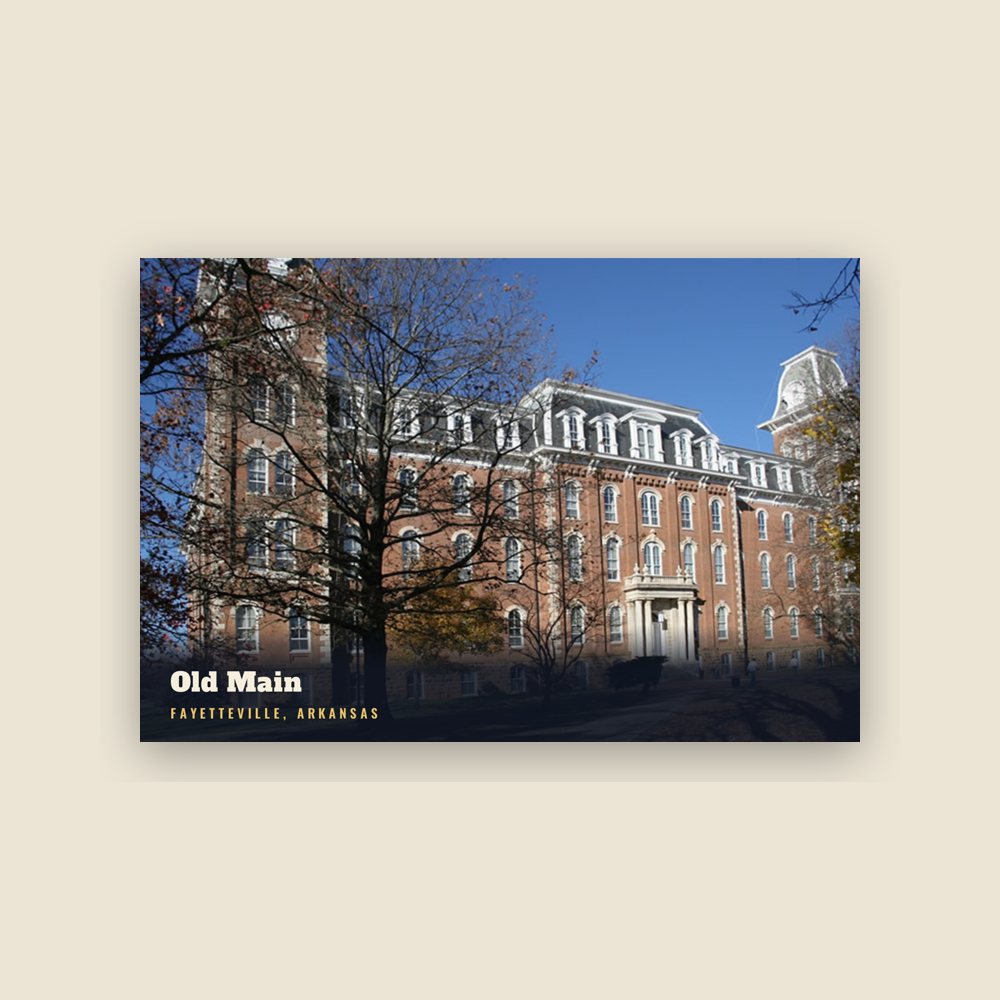
The Morrill Act enabled the founding of Arkansas Industrial University in Fayetteville, which opened on January 22, 1872. In 1899, it was renamed the University of Arkansas. Railroads, including the St. Louis and San Francisco Railway, became central to Fayetteville's economic growth, facilitating the shipment of timber, agricultural products, and manufactured goods.
Early Twentieth Century
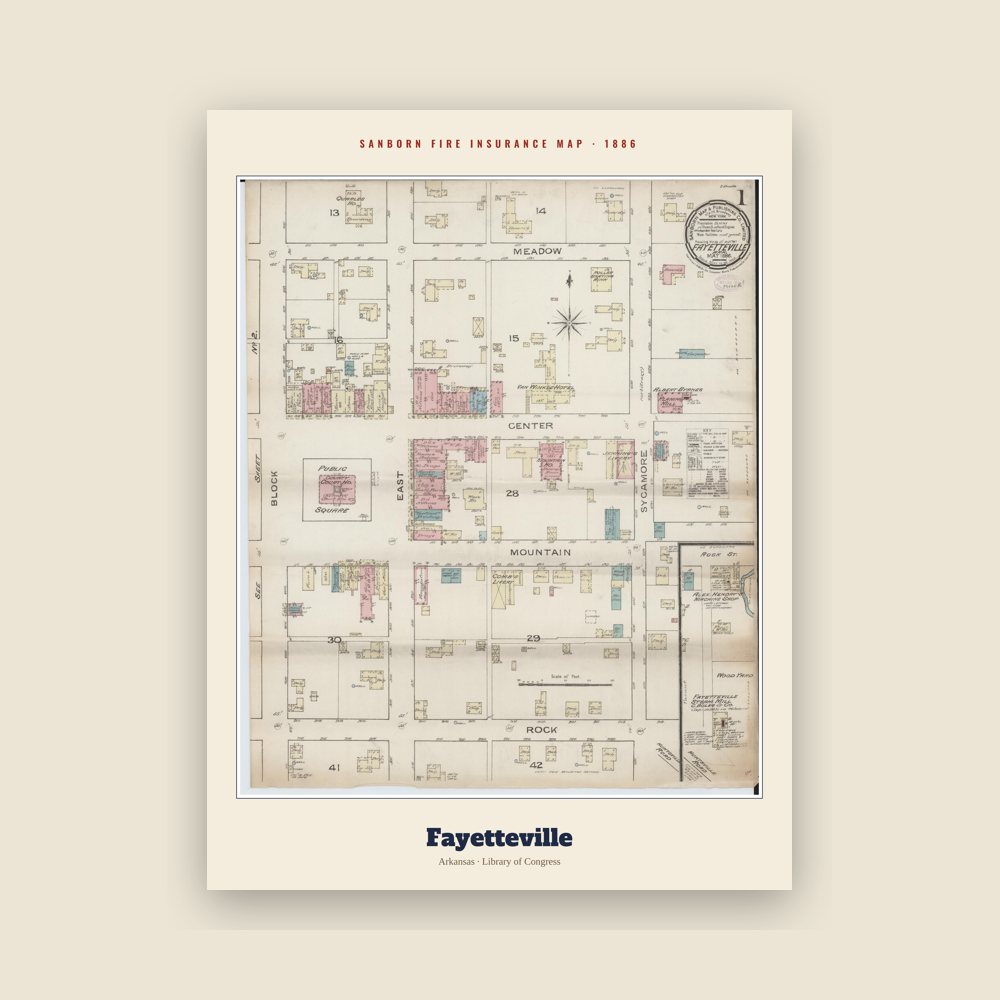
By the early twentieth century, Fayetteville experienced improvements in transportation, communications, and infrastructure. The first telephone exchange opened in 1886. Radio broadcasting began in 1924 from the university under the call sign KFMQ, later KUOA.
Automobiles gradually replaced rail and horse-drawn transport. Street paving began in 1917. Fayetteville contributed personnel to the Spanish-American War, the Mexican border conflict, and World War I. During the war, the University of Arkansas served as a training site for military units.
World War II and post-war
A permanent airport was established in 1929 and used for pilot training during World War II. Poultry production became the dominant agricultural industry by the mid-twentieth century. Fayetteville emerged as a regional cultural center, aided by university growth and venues such as the Rockwood Club.
In 1954, following Brown v. Board of Education, Fayetteville became one of the first cities in the South to integrate its public schools, shortly after Charleston, Arkansas.
Modern Era
From the late twentieth century onward, Fayetteville diversified its economy through industrial development, finance, education, and services. In 1990, a new Washington County Courthouse was completed. The city continued to expand educational and civic institutions while maintaining its role as a cultural and economic hub of northwest Arkansas.
In 2014, the Fayetteville City Council adopted a civil rights ordinance addressing discrimination based on sexual orientation. The ordinance was repealed by voters later that year. A revised ordinance with broader religious exemptions was approved by voters on September 8, 2015.
Adapted (trimmed) from the Wikipedia article Fayetteville, Arkansas, revision 1378684948 by its contributors, licensed CC BY-SA 4.0.

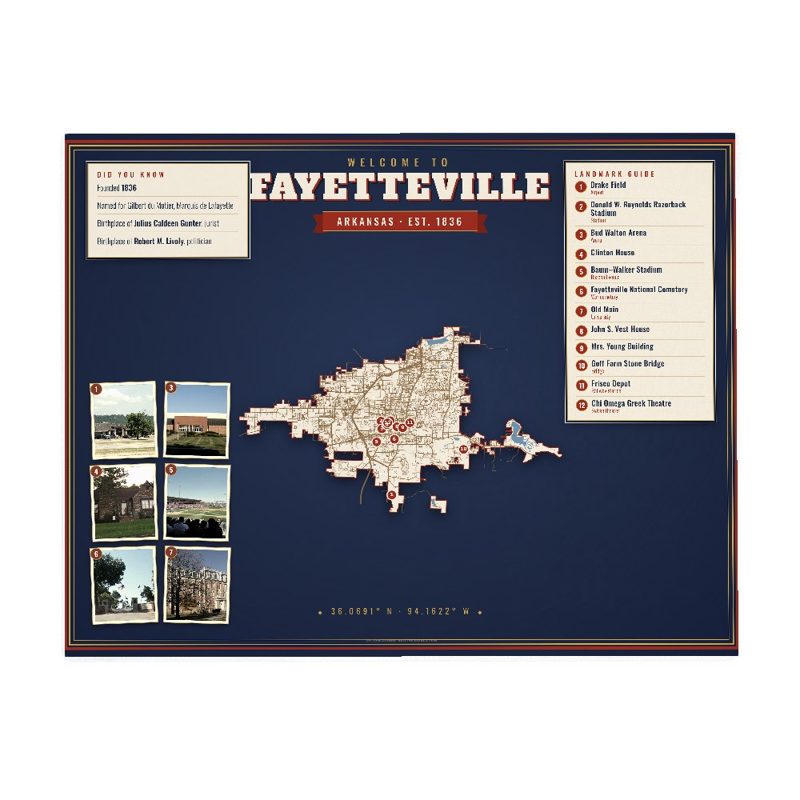












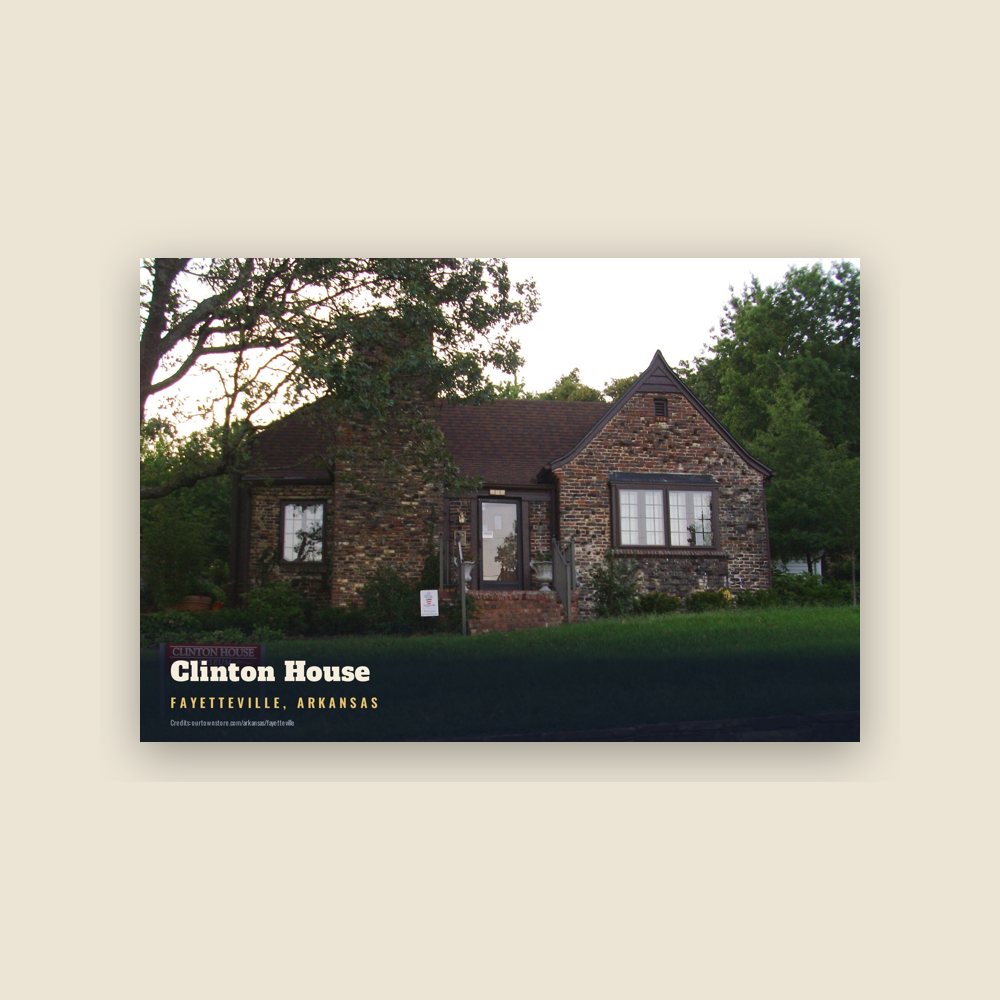
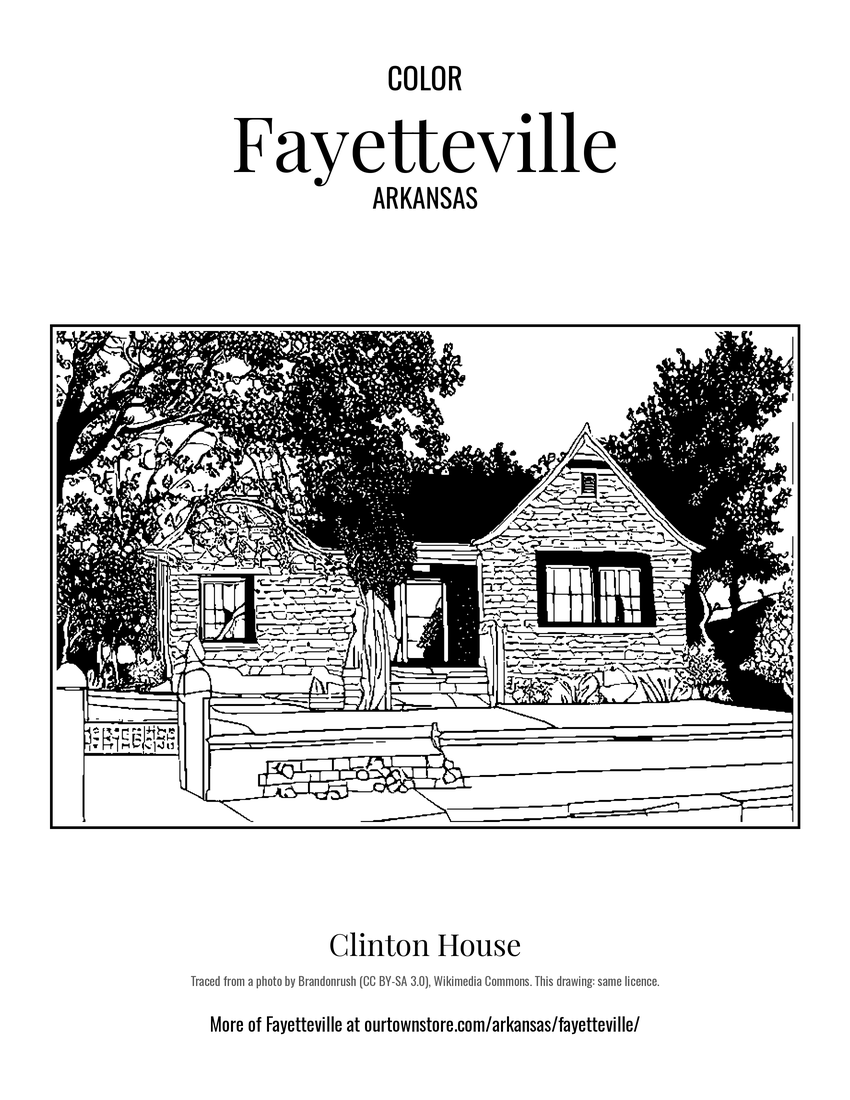 Clinton House
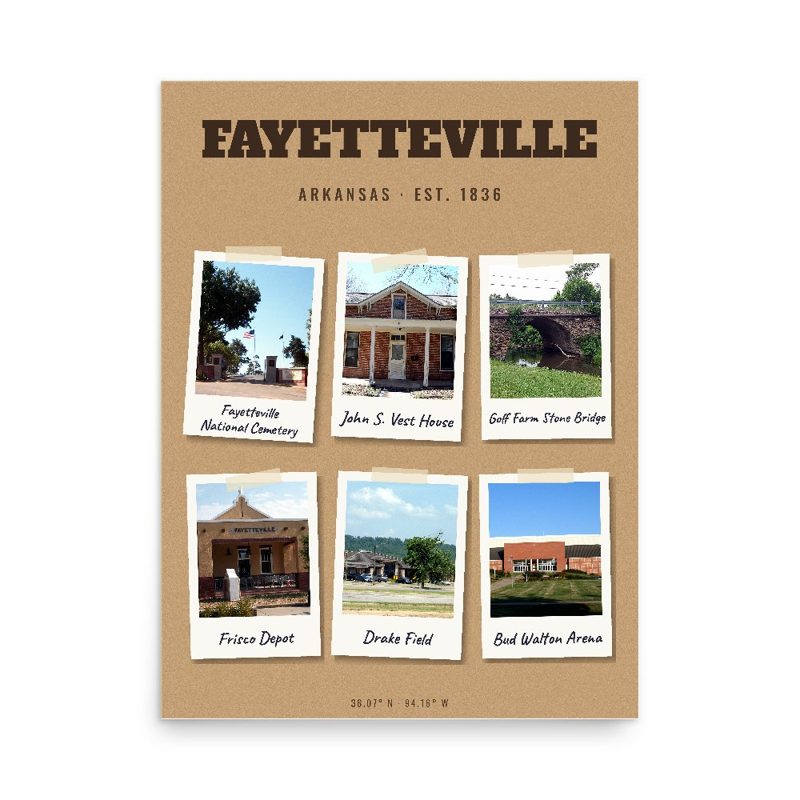
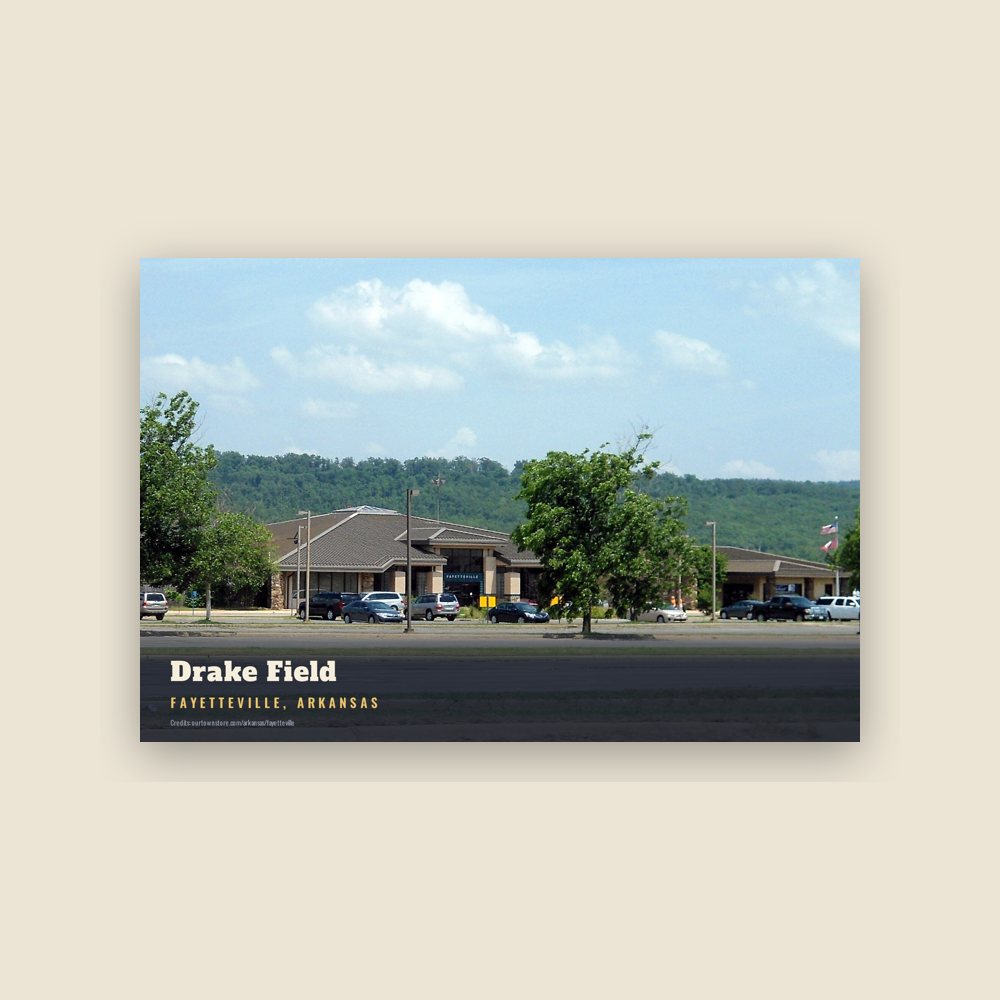
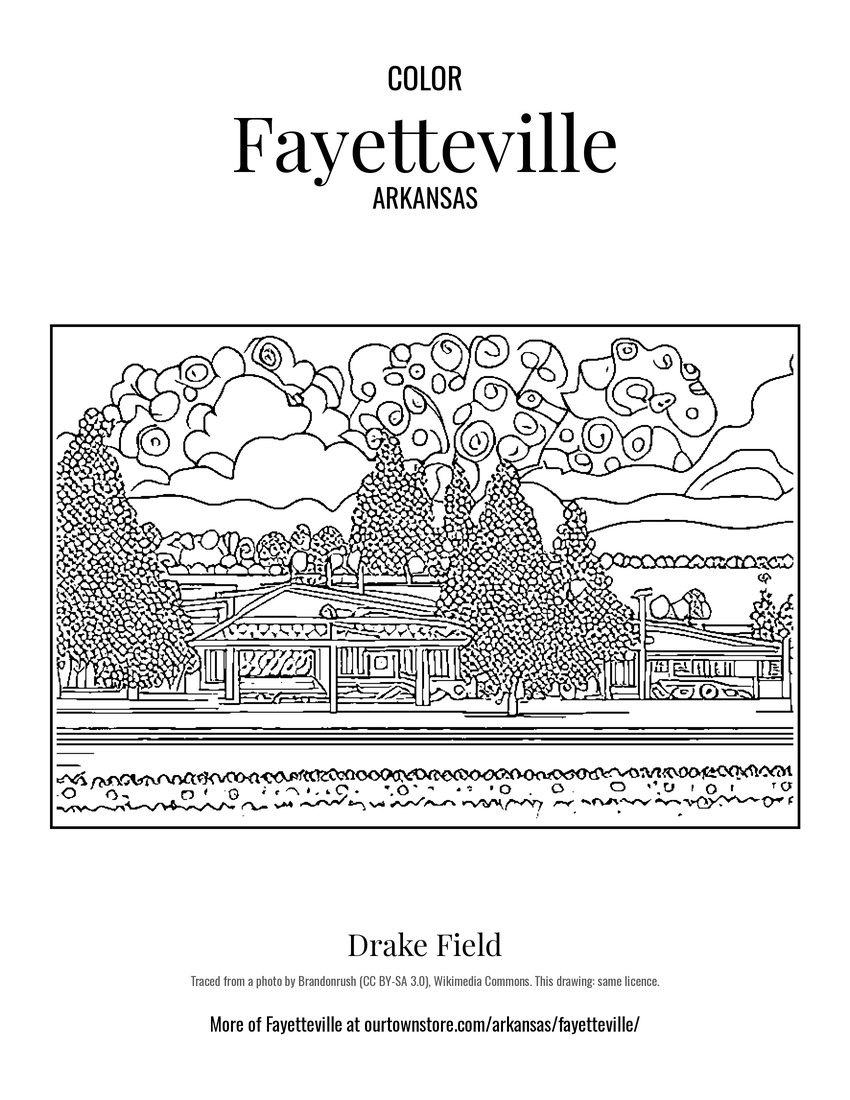 Drake Field
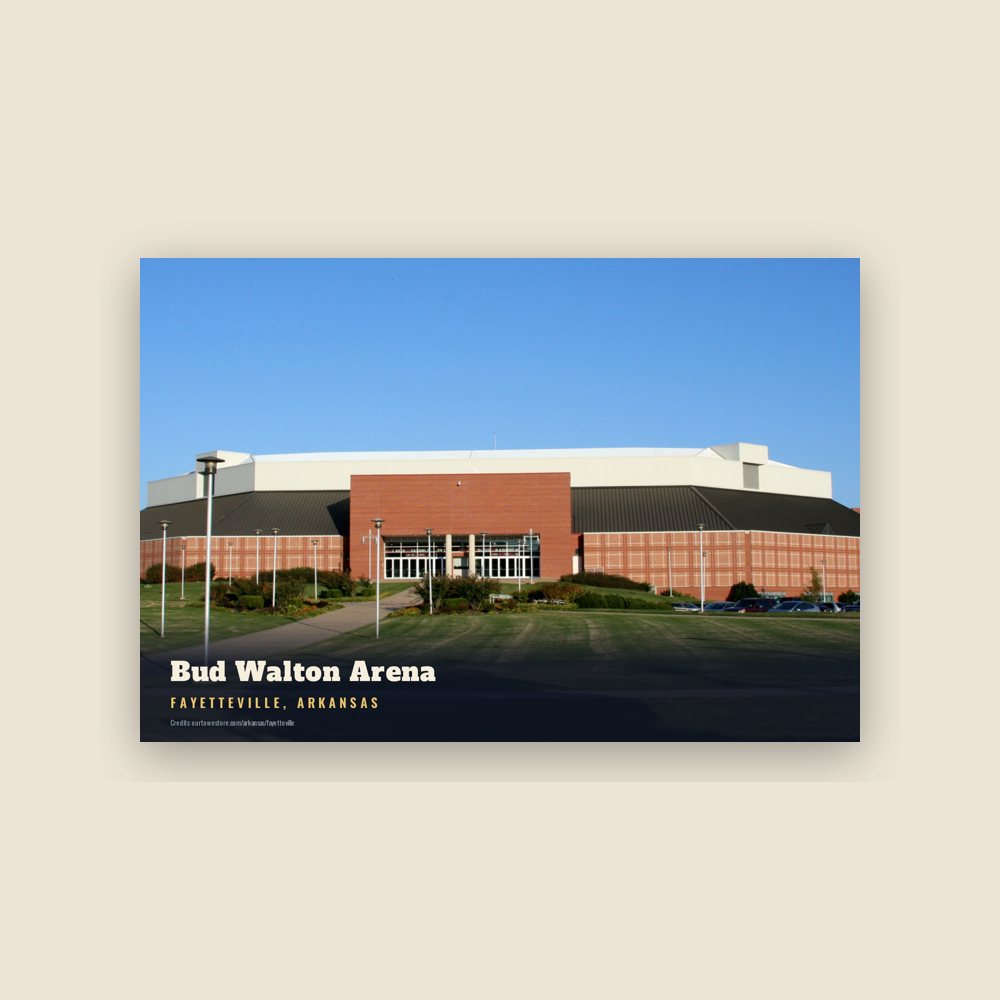
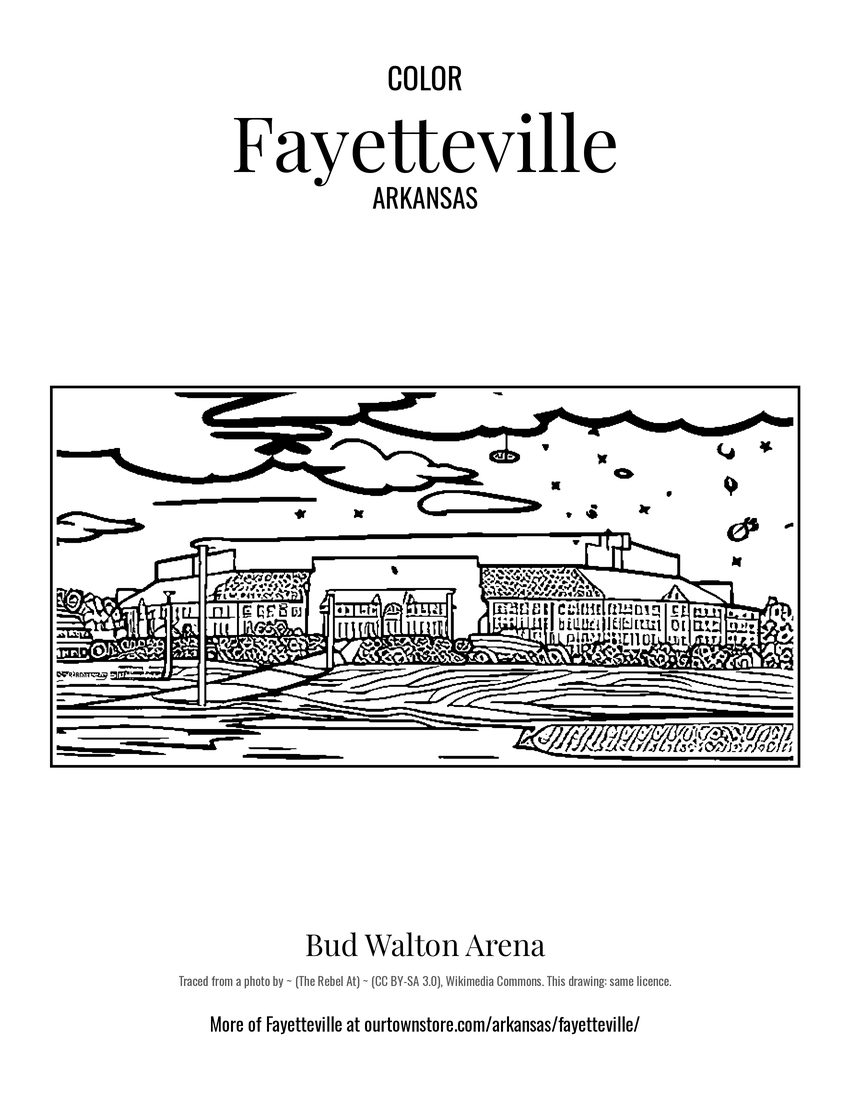 Bud Walton Arena
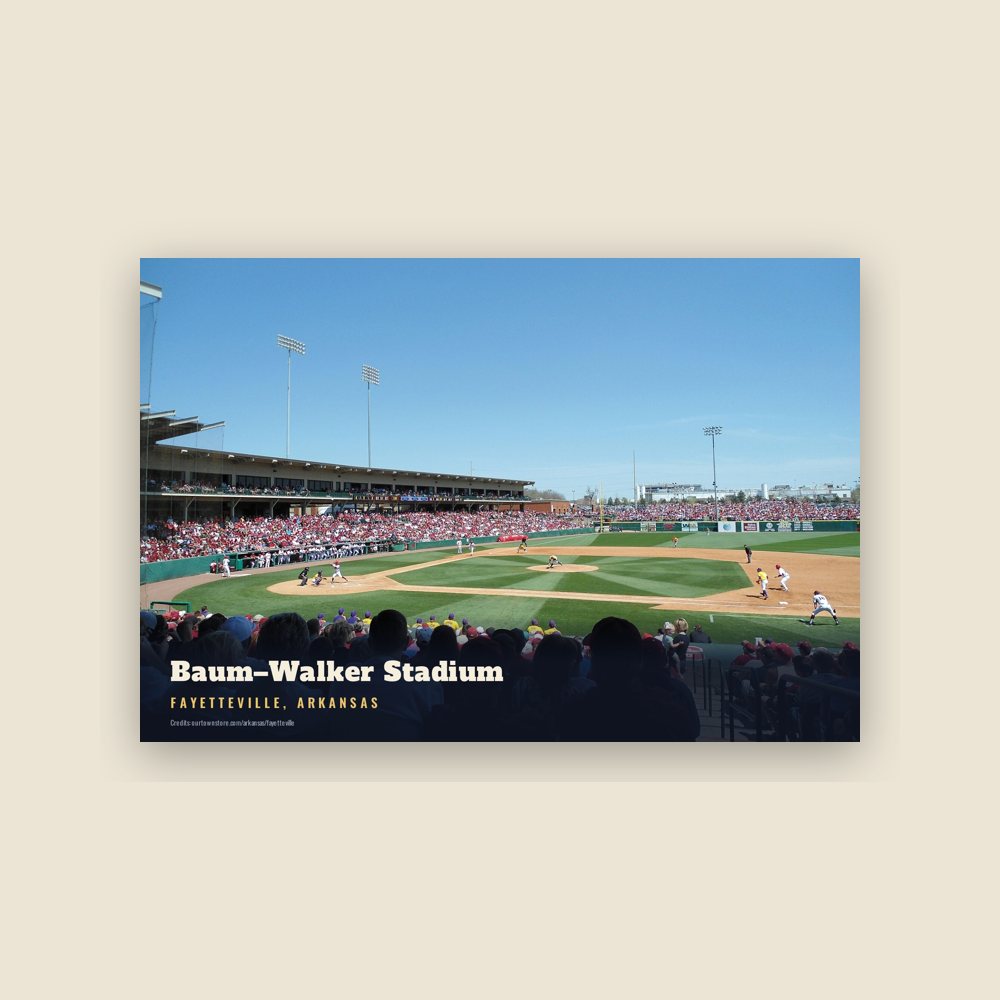
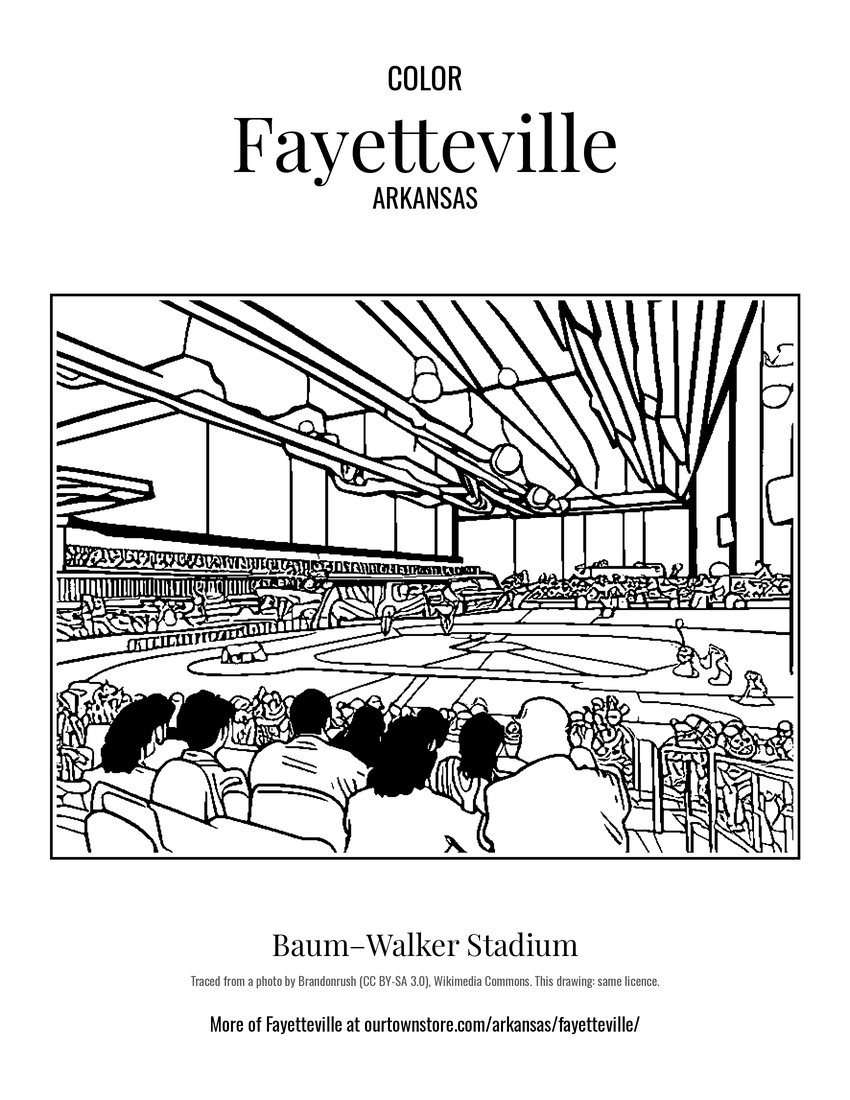 Baum–Walker Stadium