A short history of Clarksville
The community began as settlers arrived to the Arkansas Territory. After the Osage tribe was relocated by treaty, Cherokee settlers came to Arkansas by 1800 and primarily lived along the Arkansas River. A federal Indian trading factory under Matthew Lyon was established at Spadra in 1818, now at the west end of Lake Dardanelle on the Arkansas River, a Clarksville location now occupied by Spadra Marina. A historical marker, dedicated in 1984, sits on Spadra Bluff, near the original river town of Spadra. The area was reserved for the Cherokee, so most early settlers of Johnson County did not move into the area until after 1828, the year the Cherokee gave up their land.
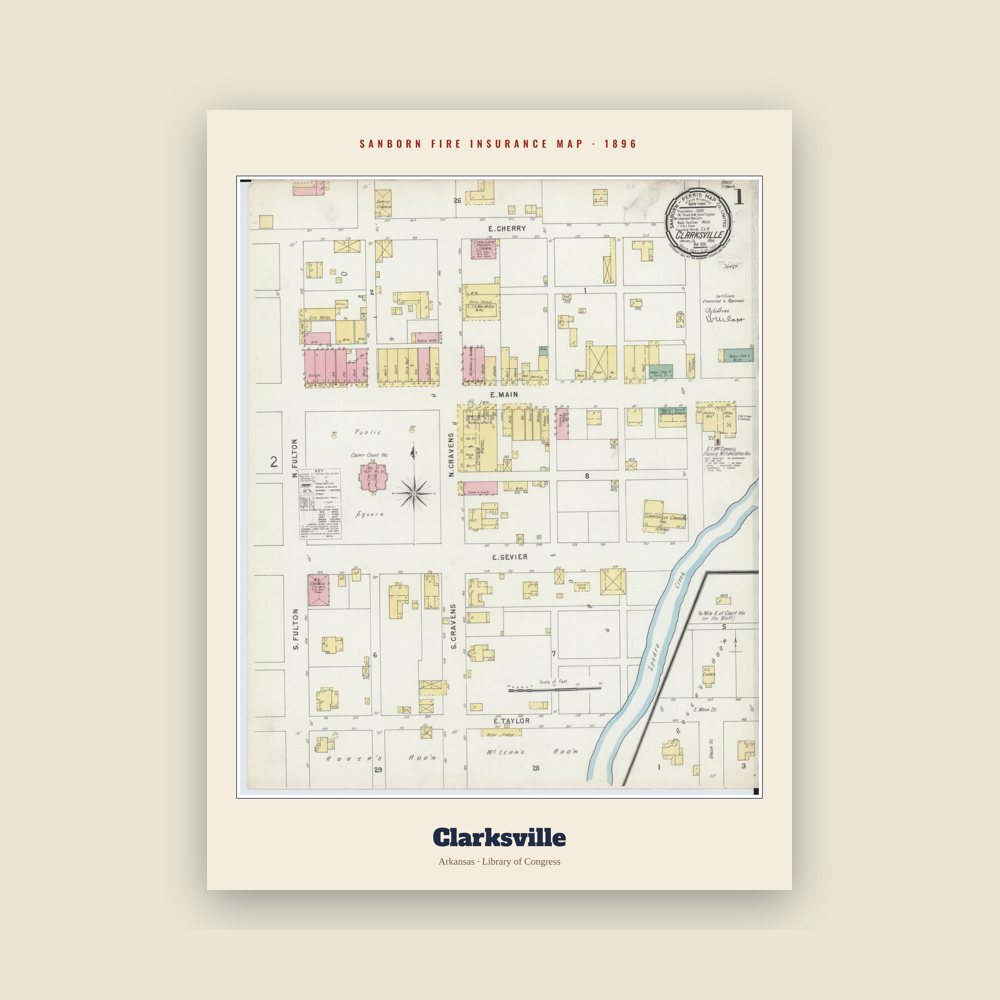
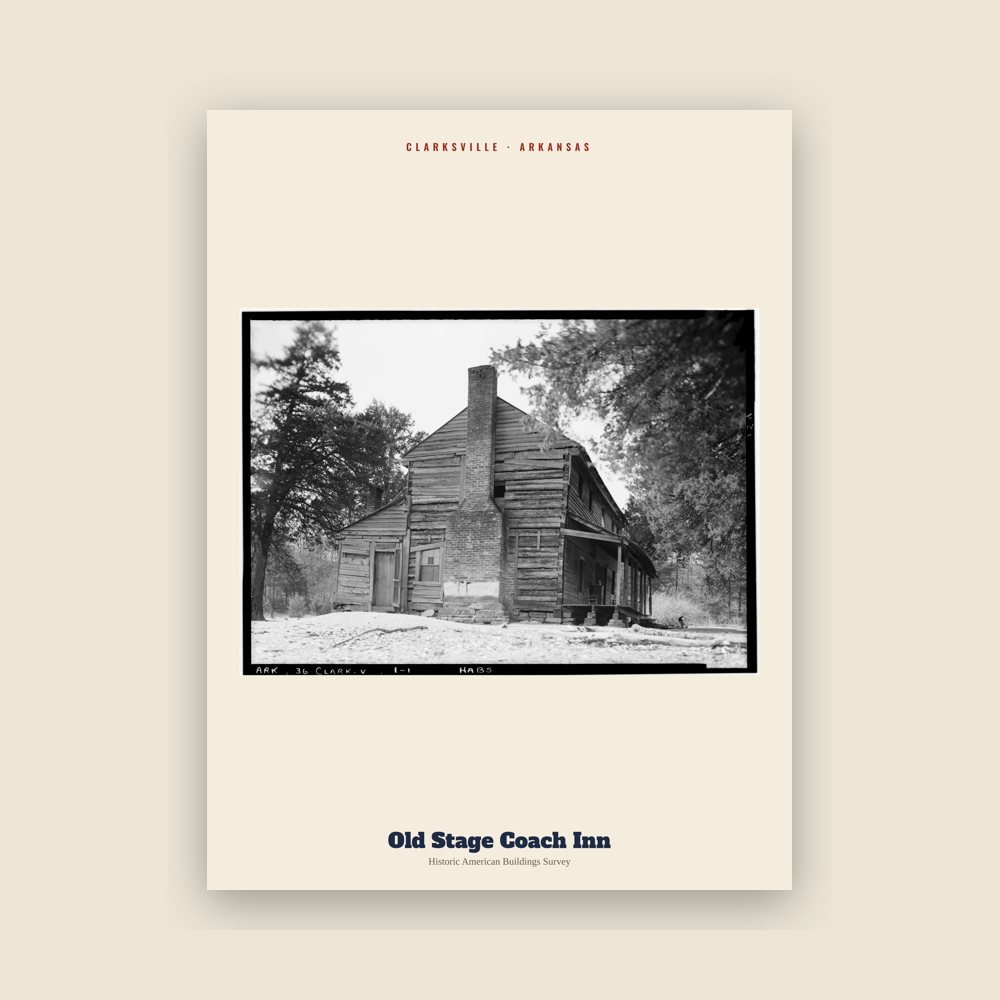
Spadra was the first county seat of Johnson County, convenient to steamboat lines. However, when stagecoach and train transportation became more common, land routes from Little Rock to Fort Smith were directed along higher elevations through Clarksville. As Clarksville grew, it became the de facto location for the county seat circa 1833, probably due to severe flooding at Spadra. Clarksville was established by survey in November 1836 after Johnson County was formed from part of Pope County. The first court session was held in 1837 in a private building.
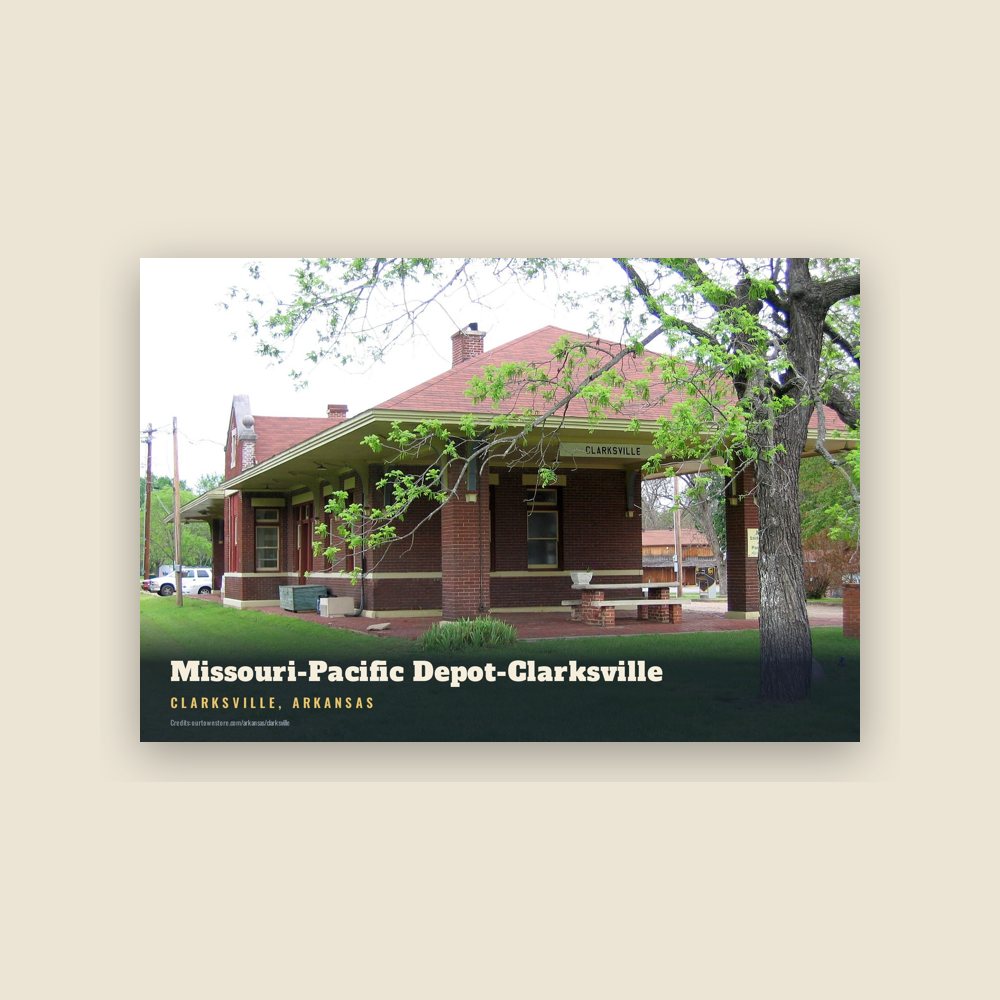
By July 1853 the Little Rock and Fort Smith Railroad opted to go through Clarksville instead of Spadra, due to financial incentives provided by the county commissioners based in Clarksville. Almost twenty miles of track toward Spadra were removed during the realignment. Regular rail service began following the Civil War, aiding in Clarksville's growth, while the hamlet of New Spadra began beside the new tracks. Fewer settlers arrived by river transportation so Spadra was less useful, so its major buildings deteriorated or were moved, while Clarksville became the destination of many new settlers arriving by train.
Adapted (trimmed) from the Wikipedia article Clarksville, Arkansas, revision 1377156361 by its contributors, licensed CC BY-SA 4.0.
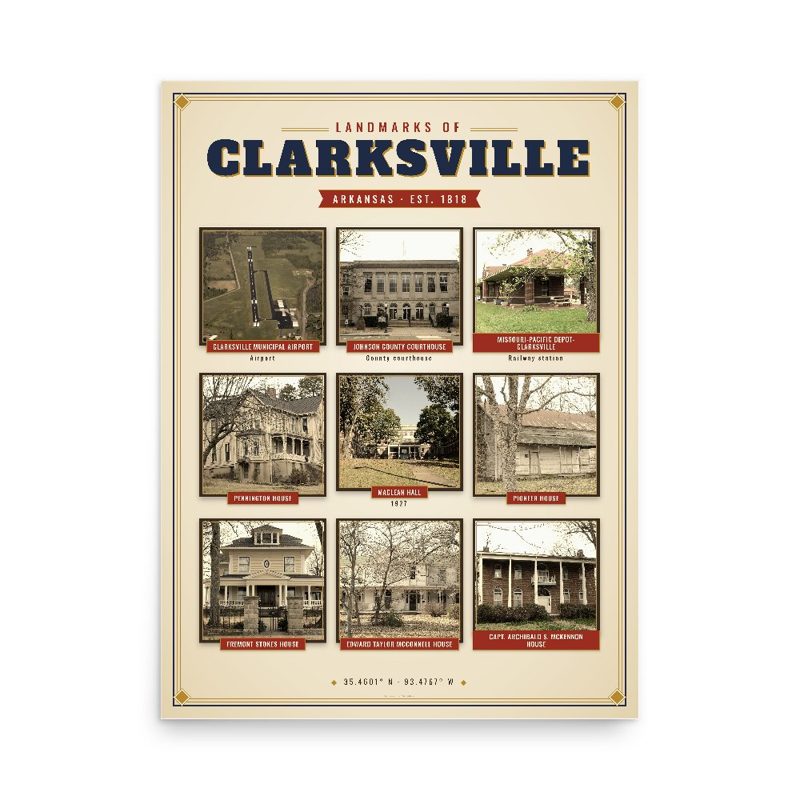

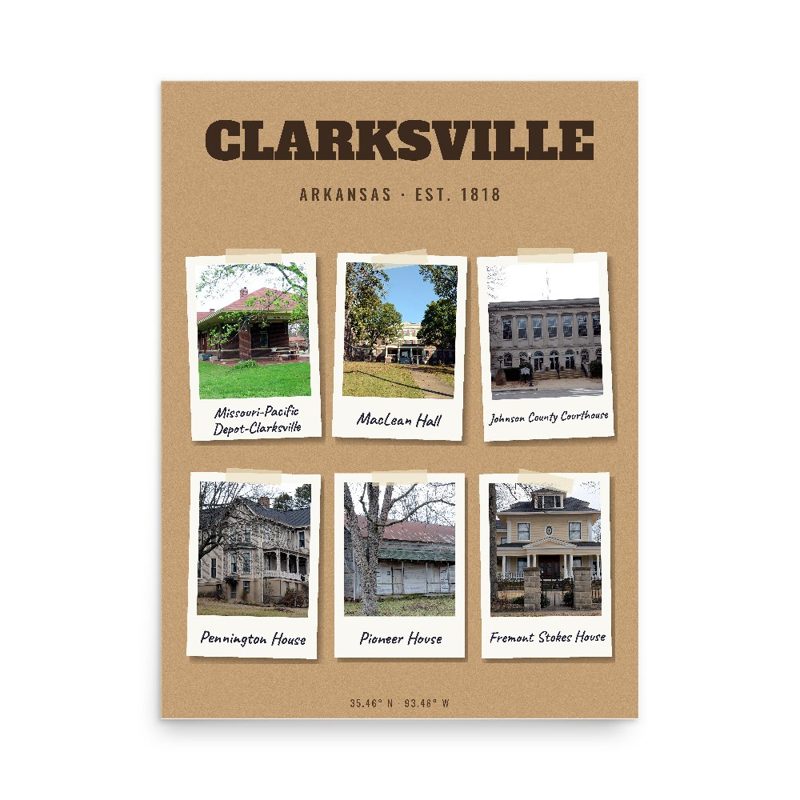
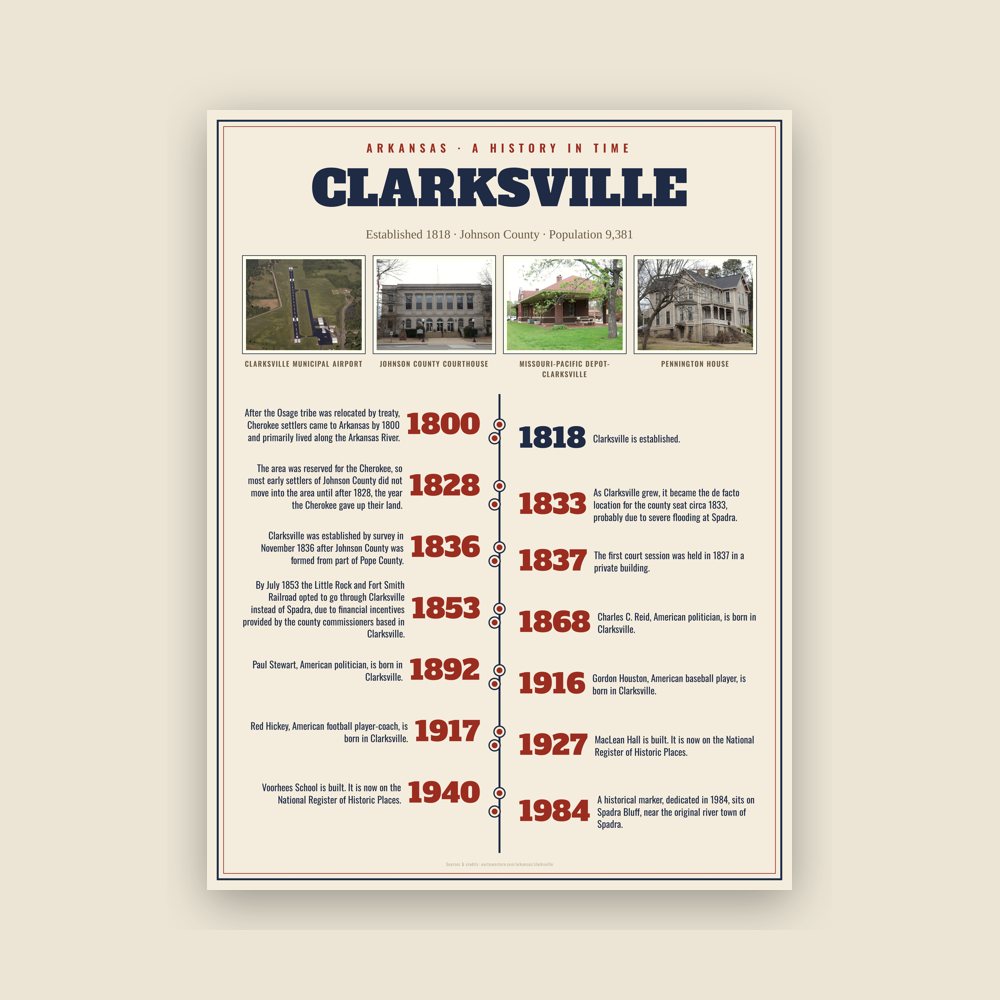
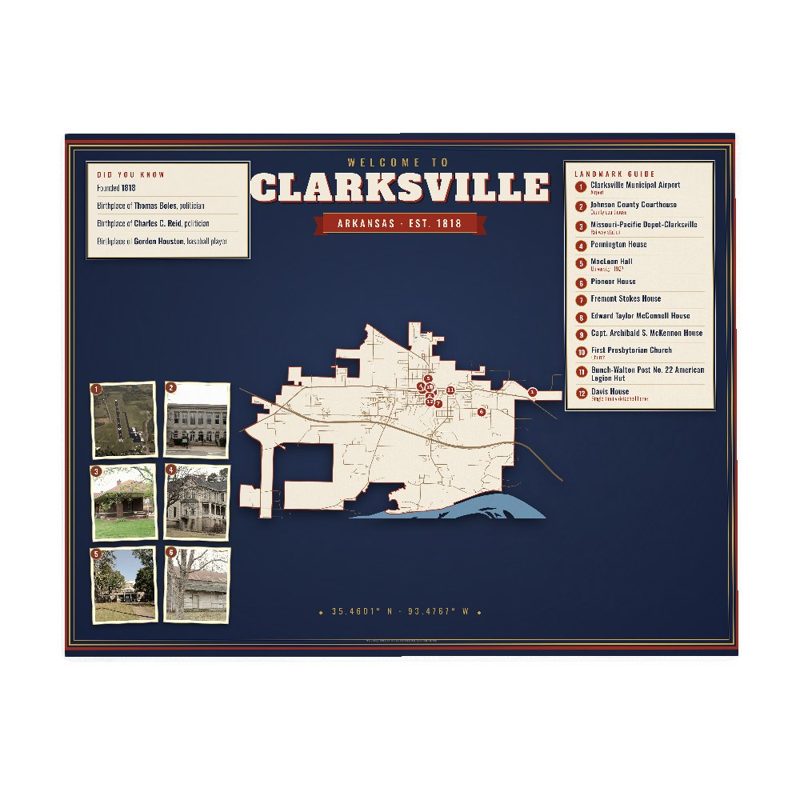







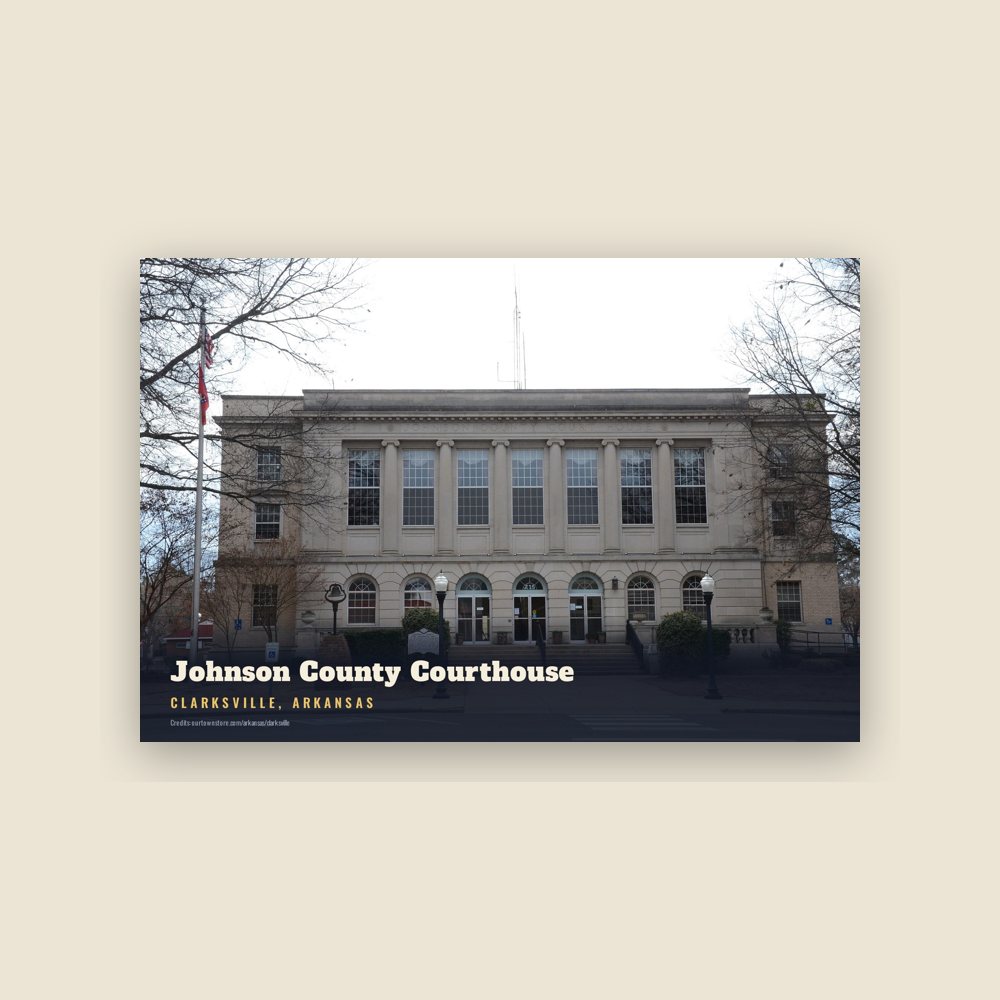
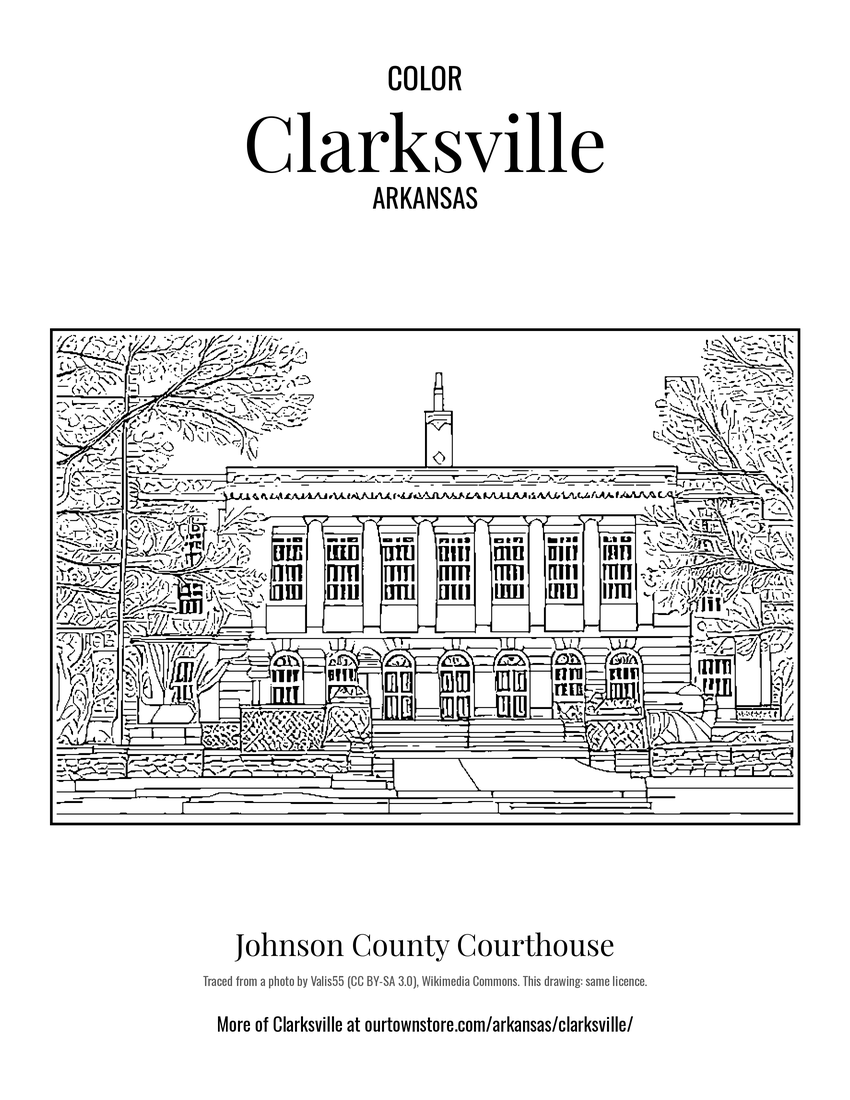 Johnson County Courthouse
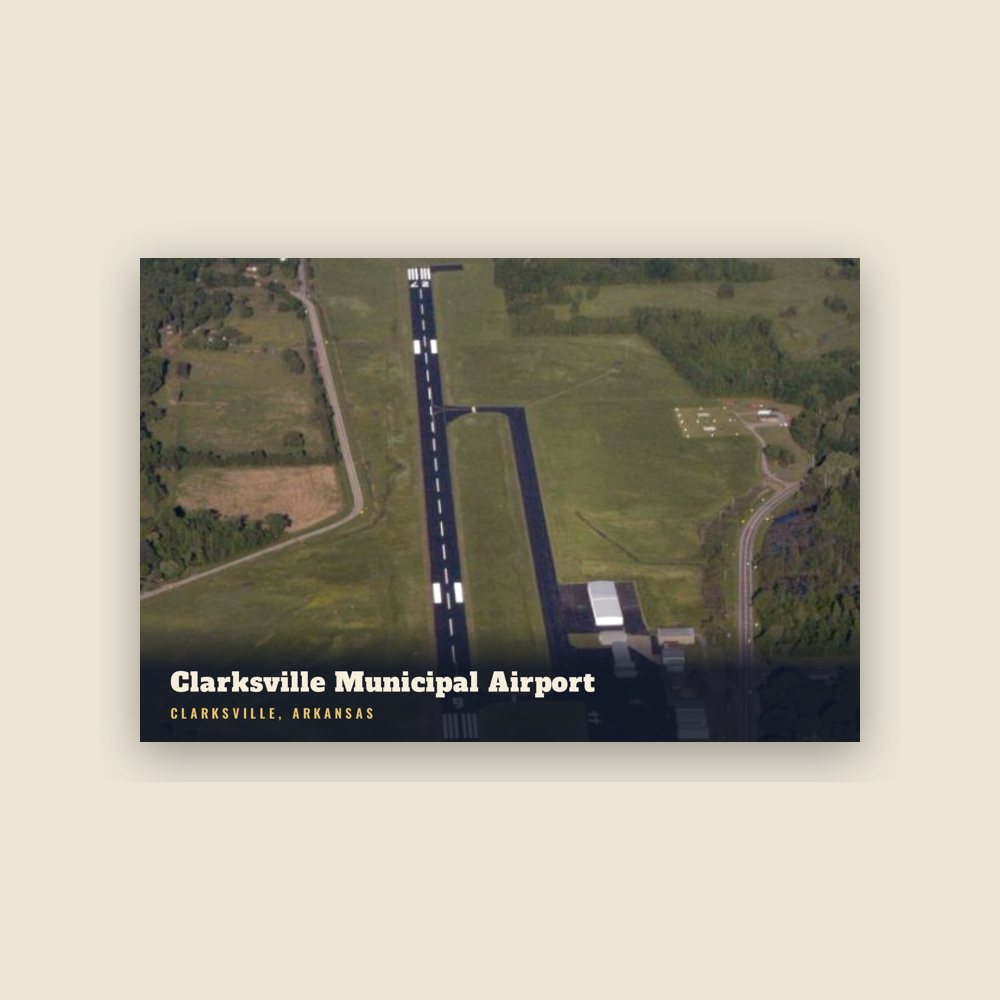
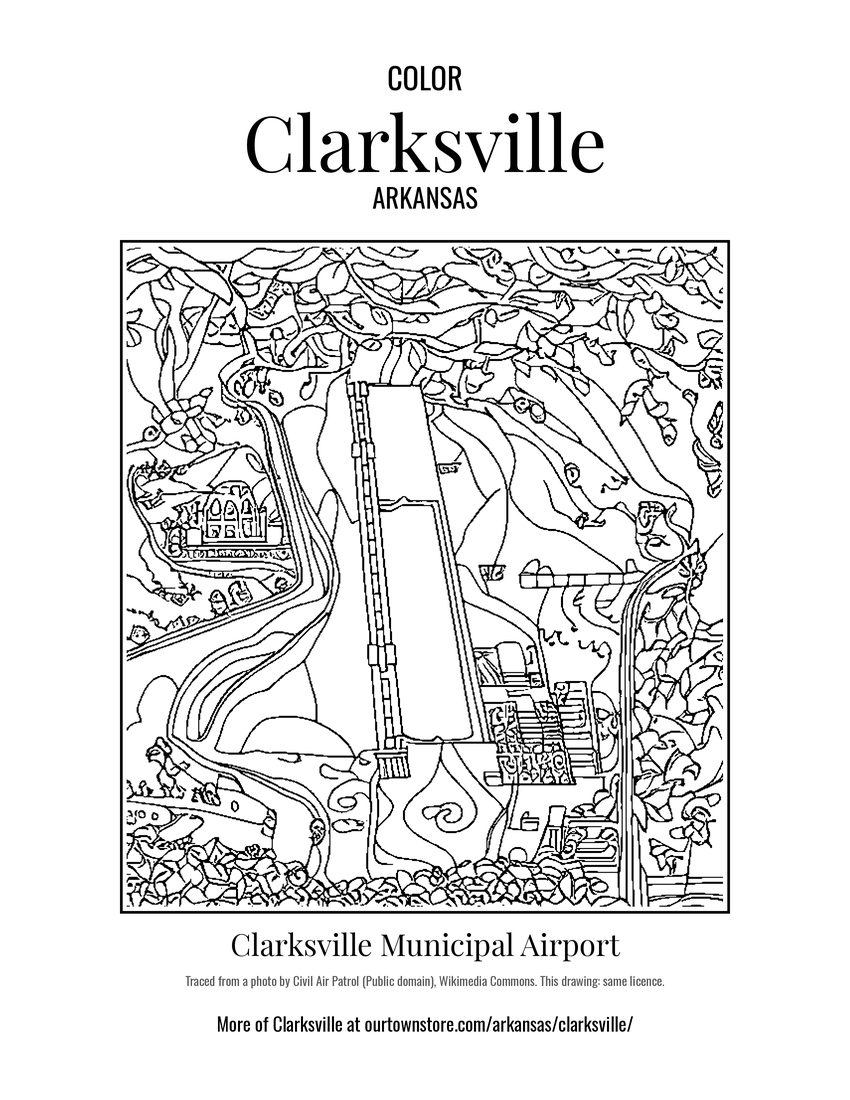 Clarksville Municipal Airport
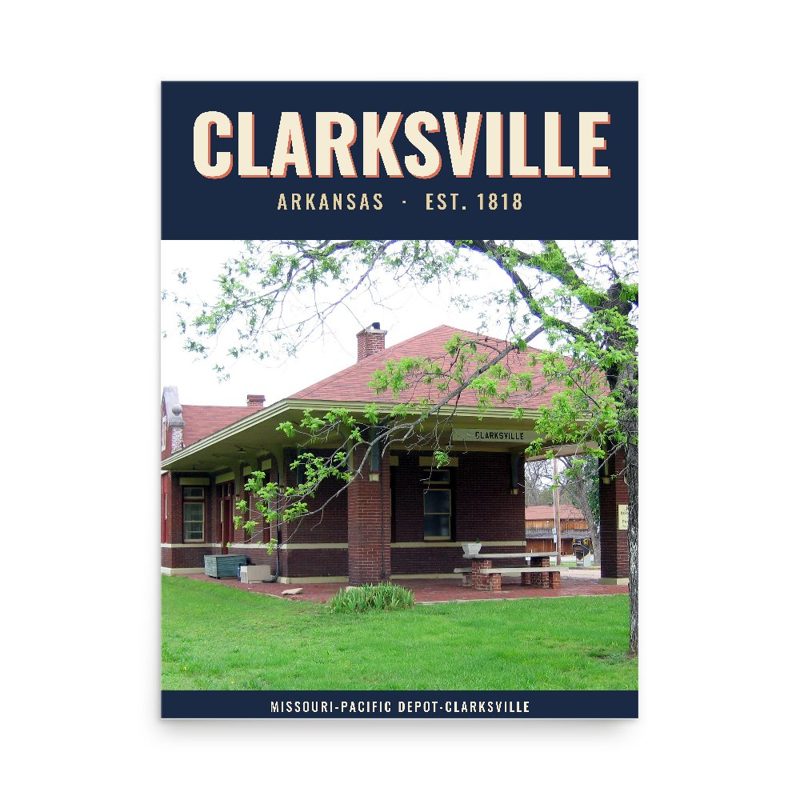
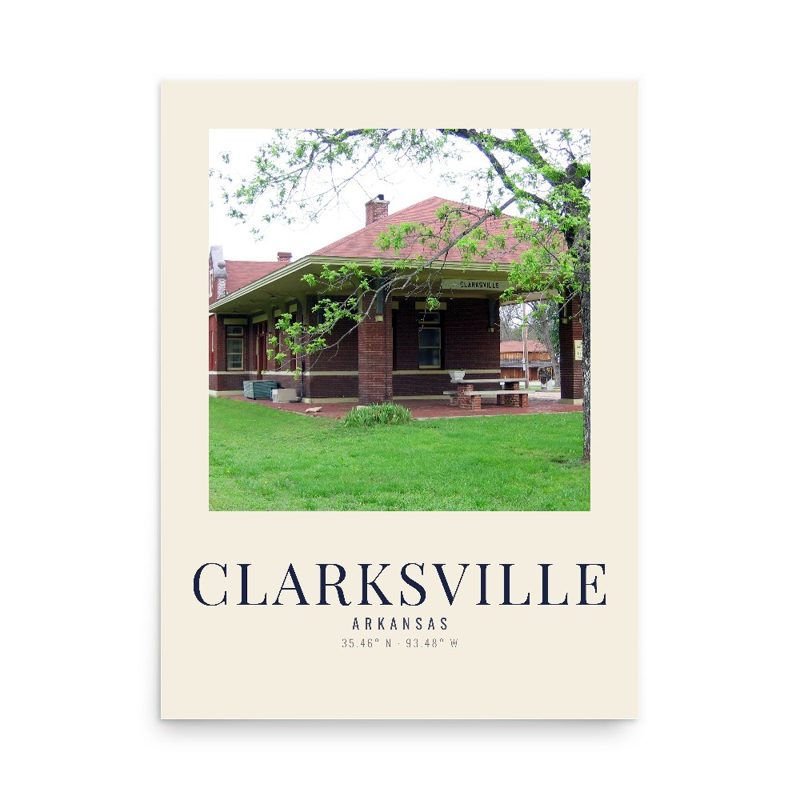
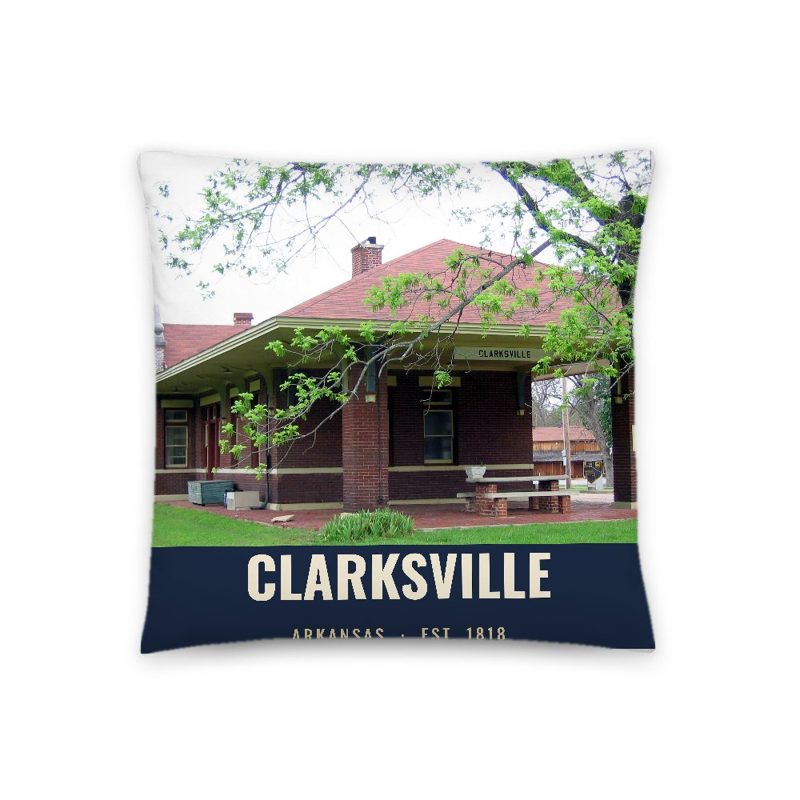
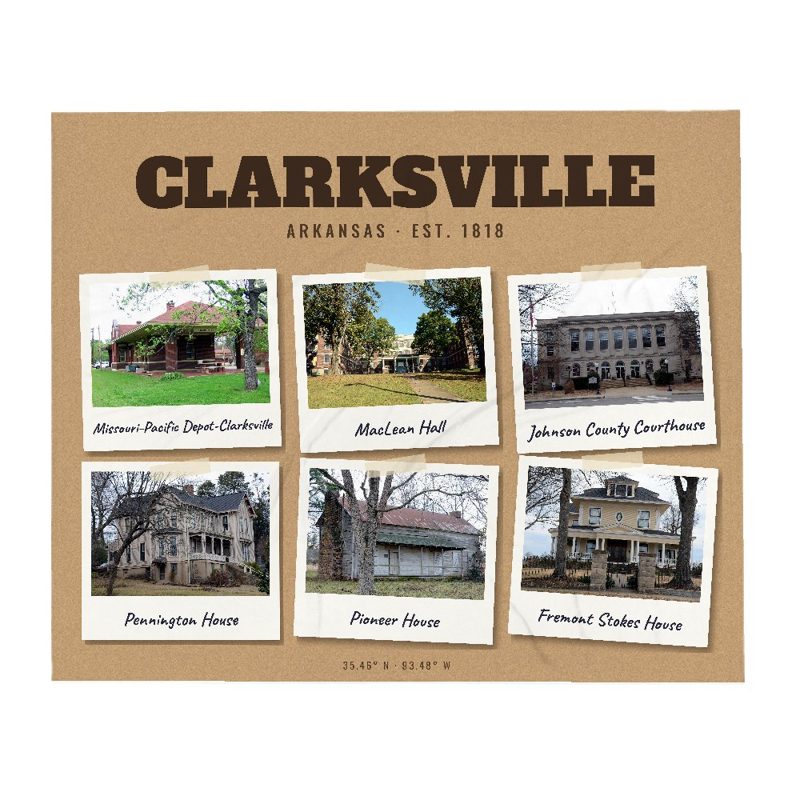
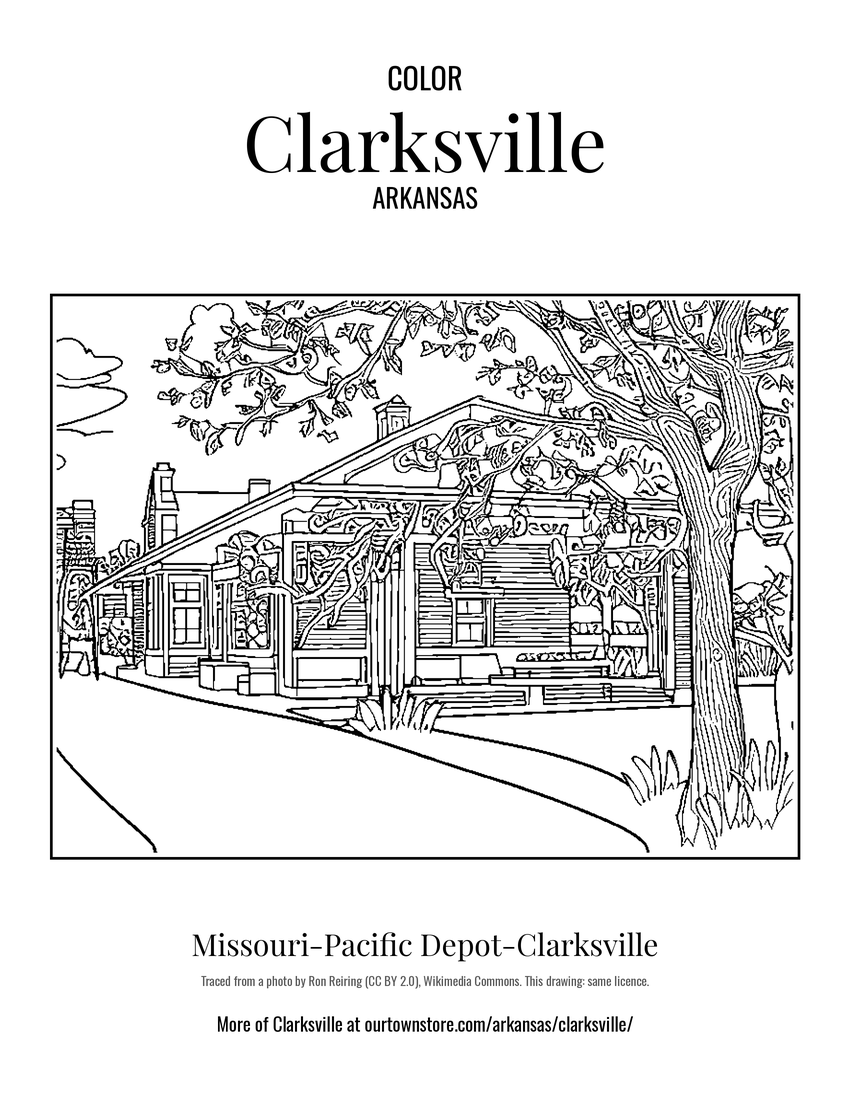 Missouri-Pacific Depot-Clarksville
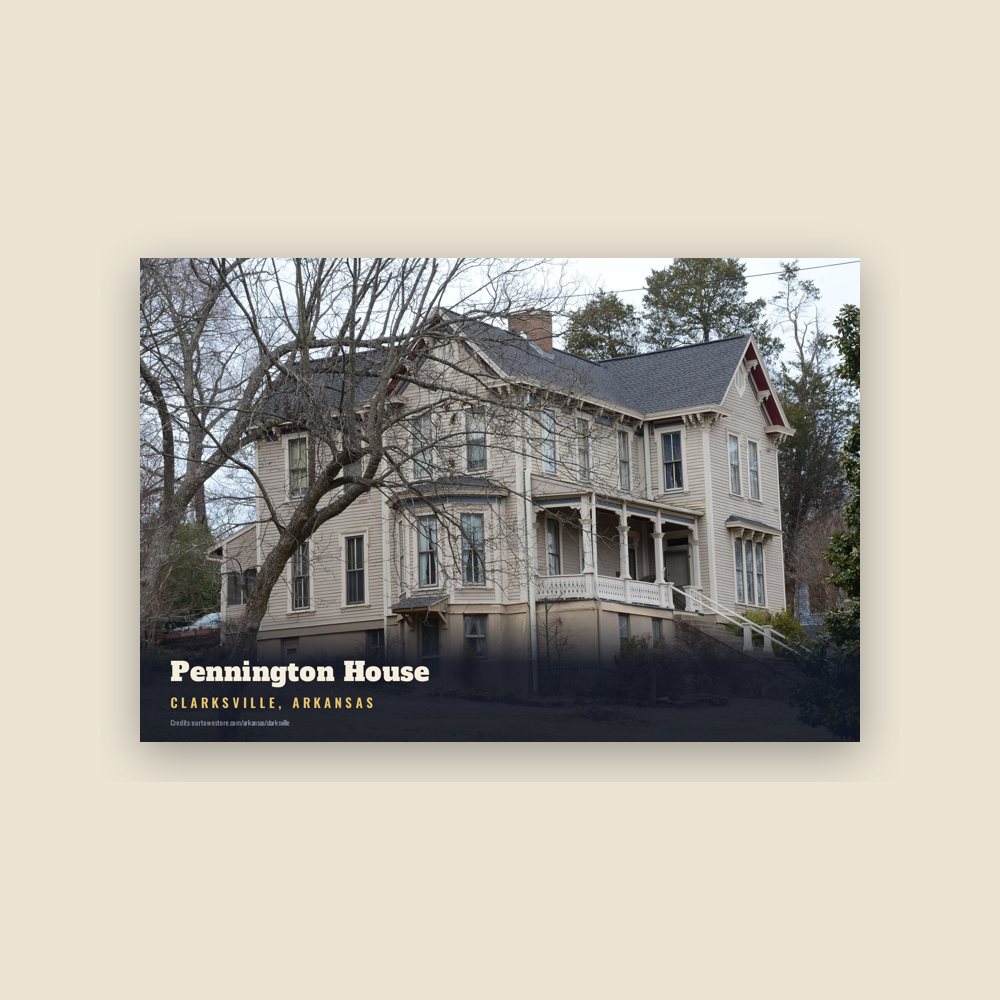
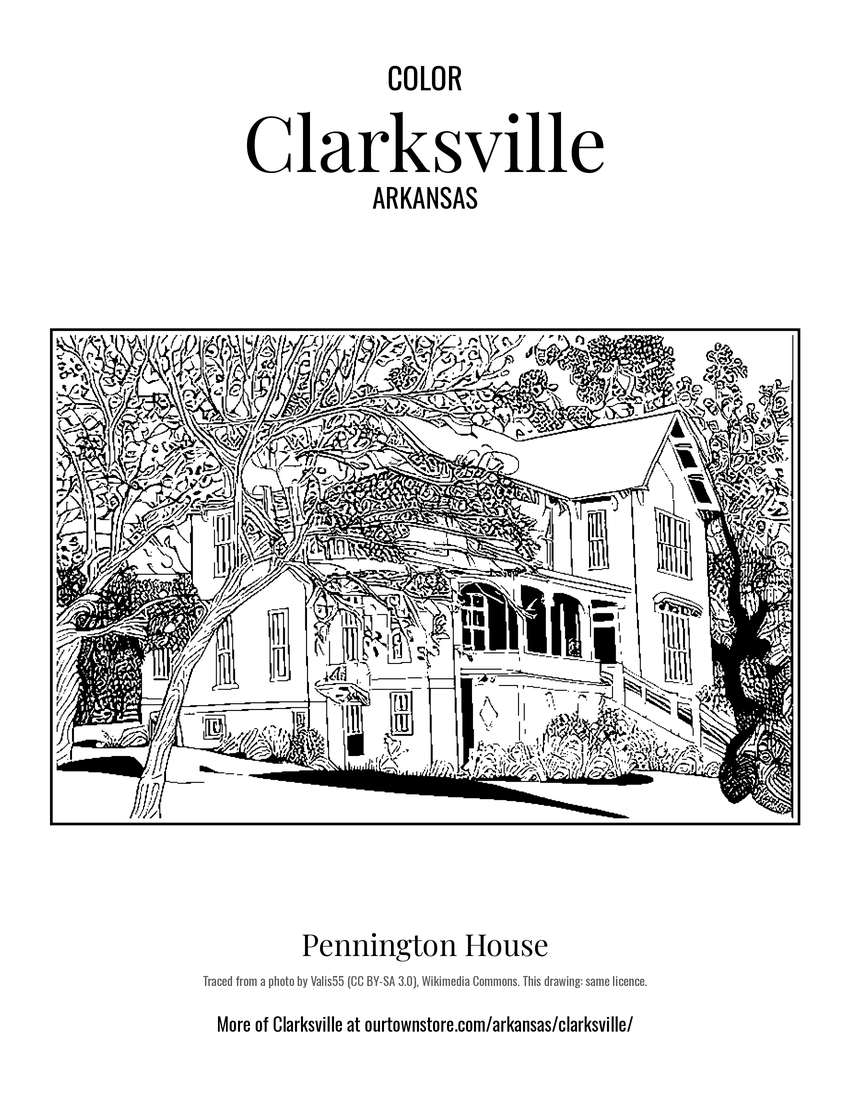 Pennington House