Since 1973
A short history of Payson
Prior to the arrival of European-American settlers, the area was known as Te-go-suk—or Place of the Yellow Water—by the Dilzhe'e Apache. The area was also historically inhabited by the Yavapai and other Oasisamerican peoples, including the Hohokam, Mogollon, Salado, and Sinagua cultures.
In 1882, considered to be the founding year of Payson, area settlers—led by Henry Sidles, John and Lucy Hise, and James Callaghan—established a logging, mining, and ranching hamlet called "Union Park." The settlement was also known as "Green Valley."
That same year, the Battle of Big Dry Wash—fought between troops of the United States Army's 3rd Cavalry Regiment, 6th Cavalry Regiment, and members of the White Mountain Apache Tribe—took place just north of town on the Mogollon Rim. The battle occurred within the greater context of the Apache Wars.
On March 3, 1884, a post office was built in Union Park with the help of Illinois Representative Levi Joseph Payson. In honor of the representative's help, the town's name was changed to "Payson".
Payson held its first rodeo in 1884. The town declares the competition to be the world's oldest and continuous rodeo as it has been held every year since.
In 1918, author Zane Grey made his first trip to the area surrounding Payson. He would visit with regularity through 1929, and he purchased two plots of land near Tonto Creek, including 120 acres (49 ha) from Sampson Elam Boles under Myrtle Point. Grey wrote numerous books about the area, and he also filmed movies in the area, such as To the Last Man. A replica of his cabin is located in Green Valley park.
During Prohibition, the manufacture, sale, and distribution of liquor was plentiful in Payson. These transactions took place on historic Bootleg Alley. "Payson Dew", brewed across 30 to 40 stills in the Payson area, was coveted from as far away as Los Angeles. The drink helped to reinvigorate Payson's economy.
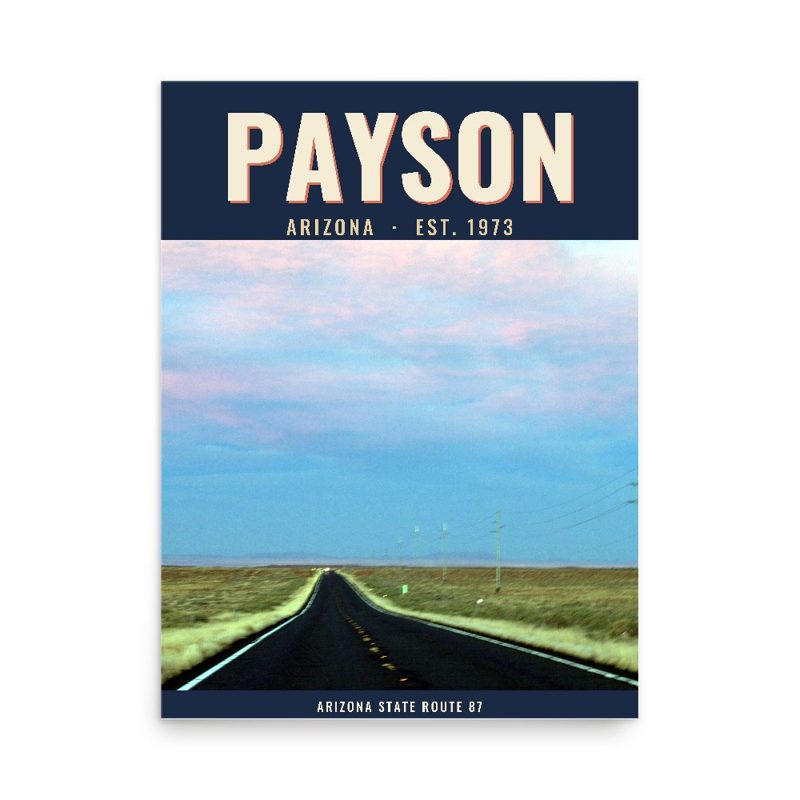
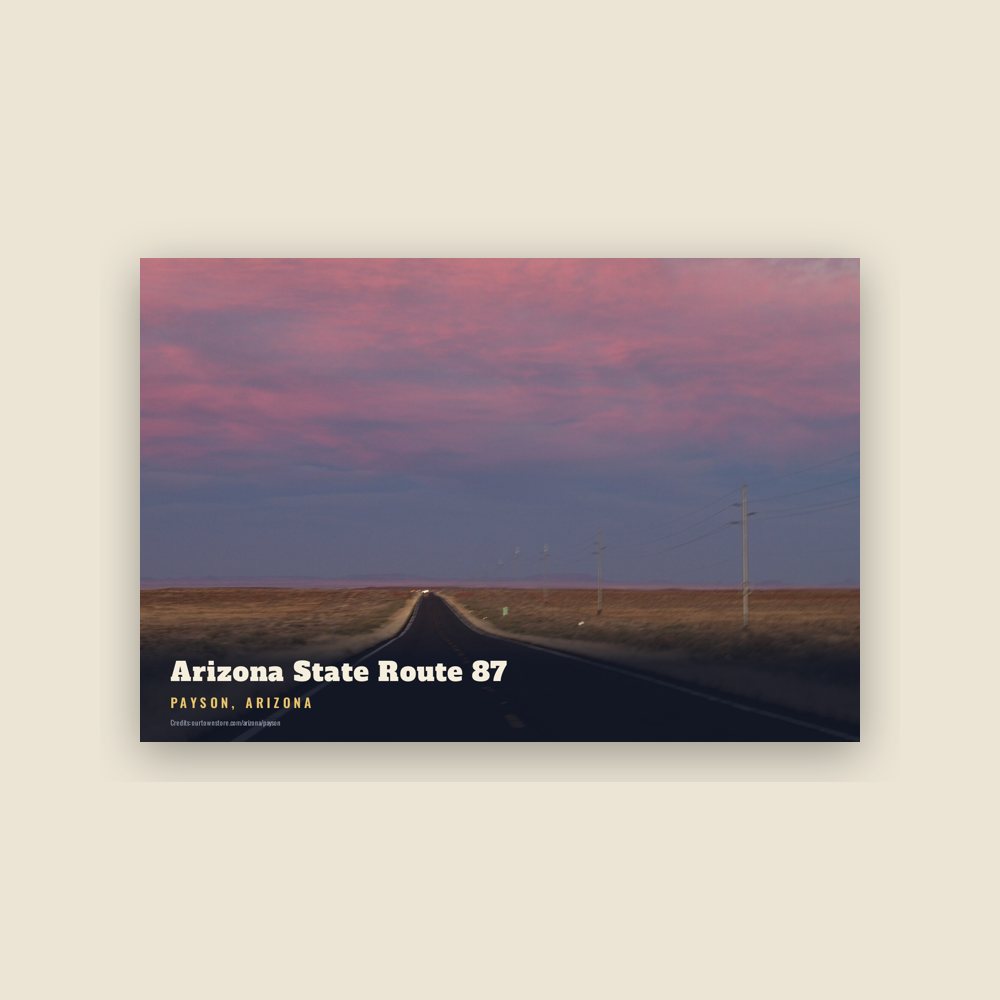
During the 1930s, an effort was initiated to better connect Payson to the outside world through the construction of roads and highways. At that time, the town was very isolated—with a trip from Phoenix to Payson taking eight to twelve hours. Throughout the 1950s, work progressed on a paved road from Phoenix to Payson, and the road was completed in 1958. The highway, State Route 87 (also known as the "Beeline Highway"), was later expanded to four lanes.
Read the full history
Ellison Creek and East Verde River flooding
On July 15, 2017, heavy rains from upstream of the creek and river caused the waterways to swell, subsequently leading to downstream flooding. This flash flood crucially affected the popular Water Wheel swimming hole where 10 people were killed and 4 others were injured.
Adapted (trimmed) from the Wikipedia article Payson, Arizona, revision 1377069749 by its contributors, licensed CC BY-SA 4.0.
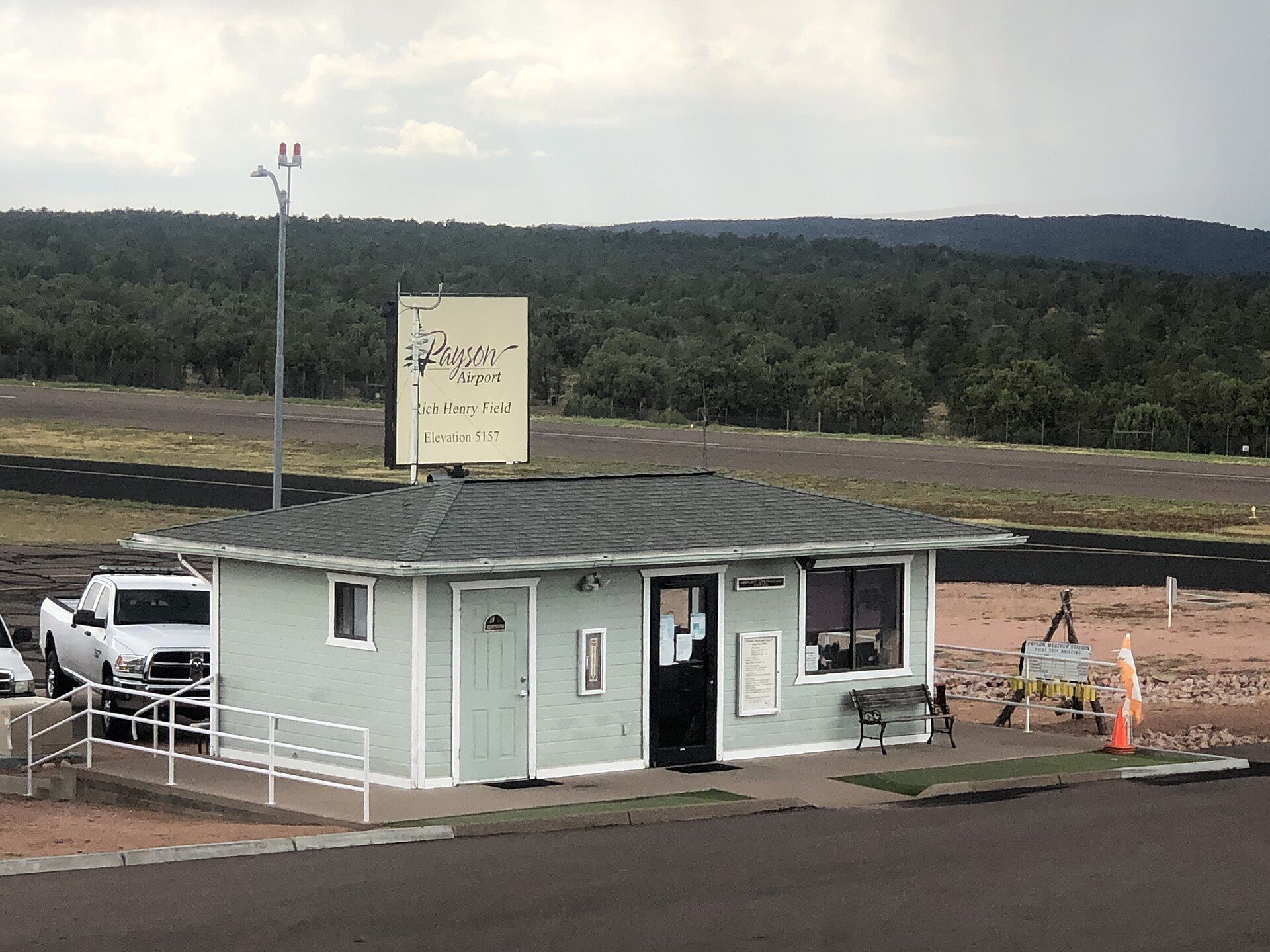




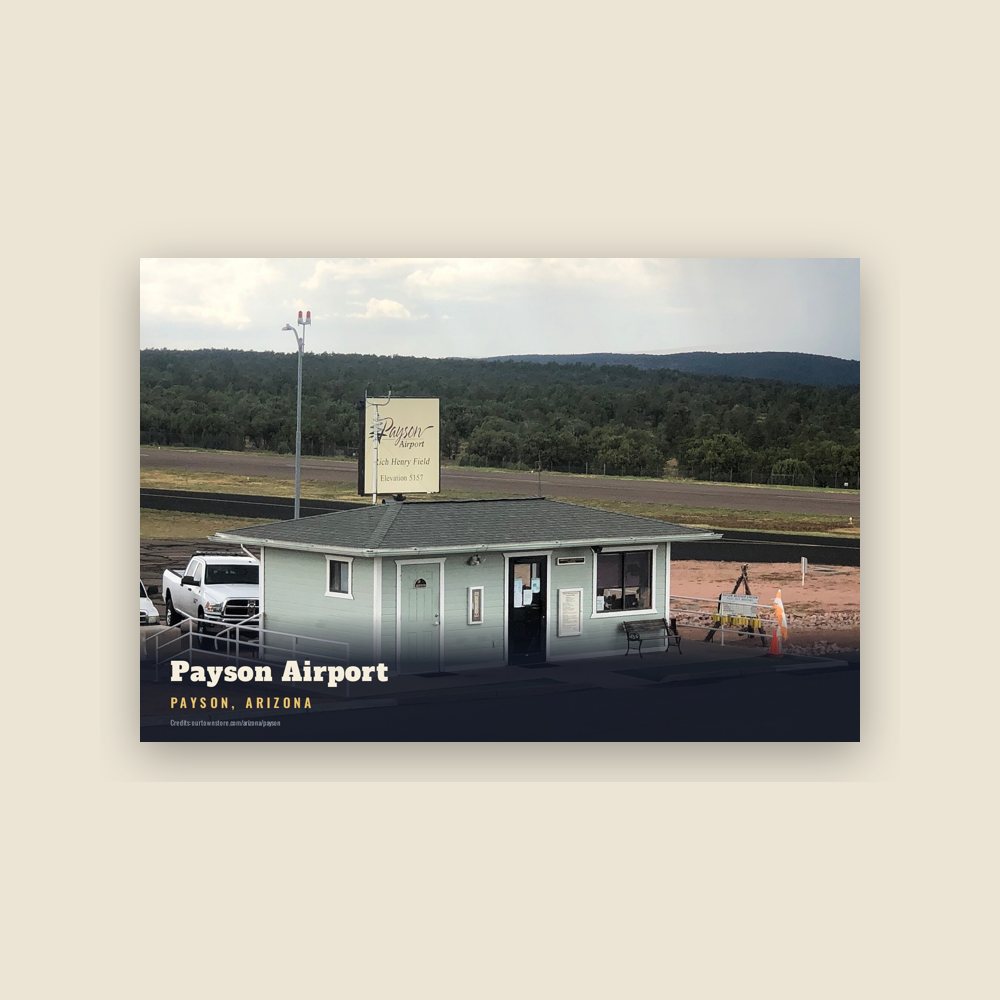
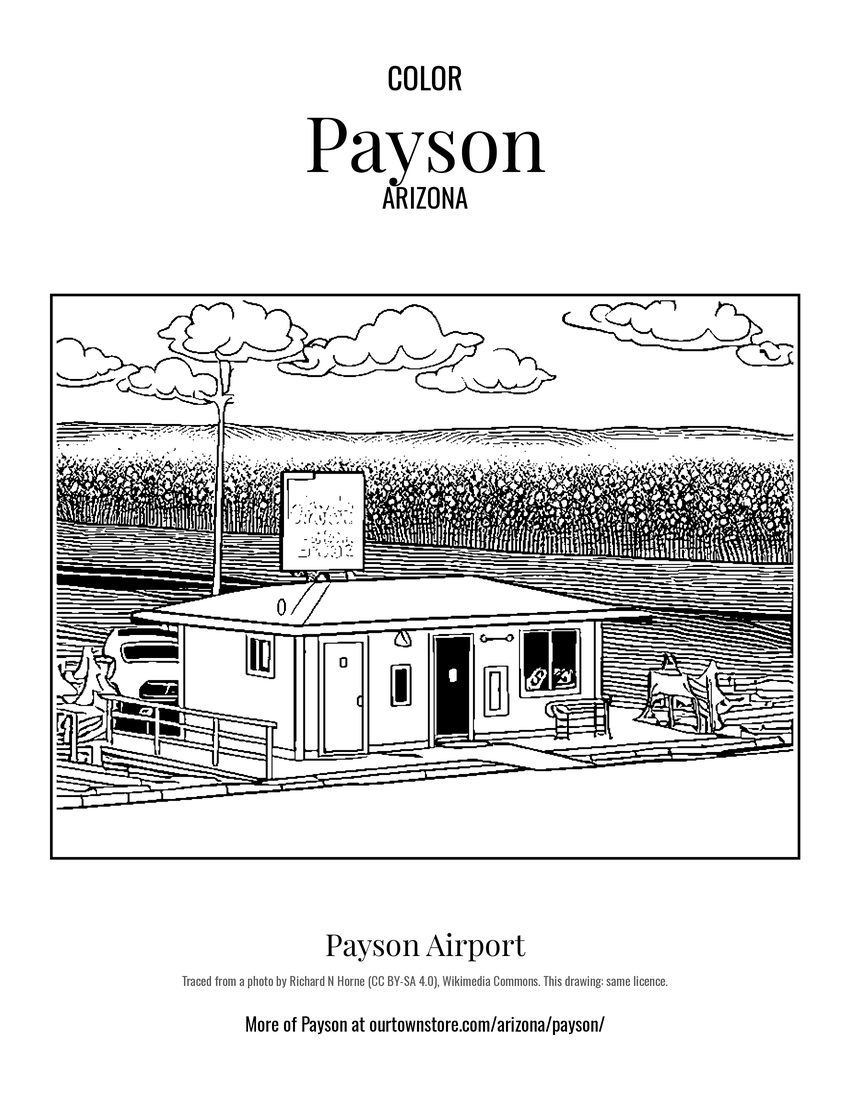 Payson Airport
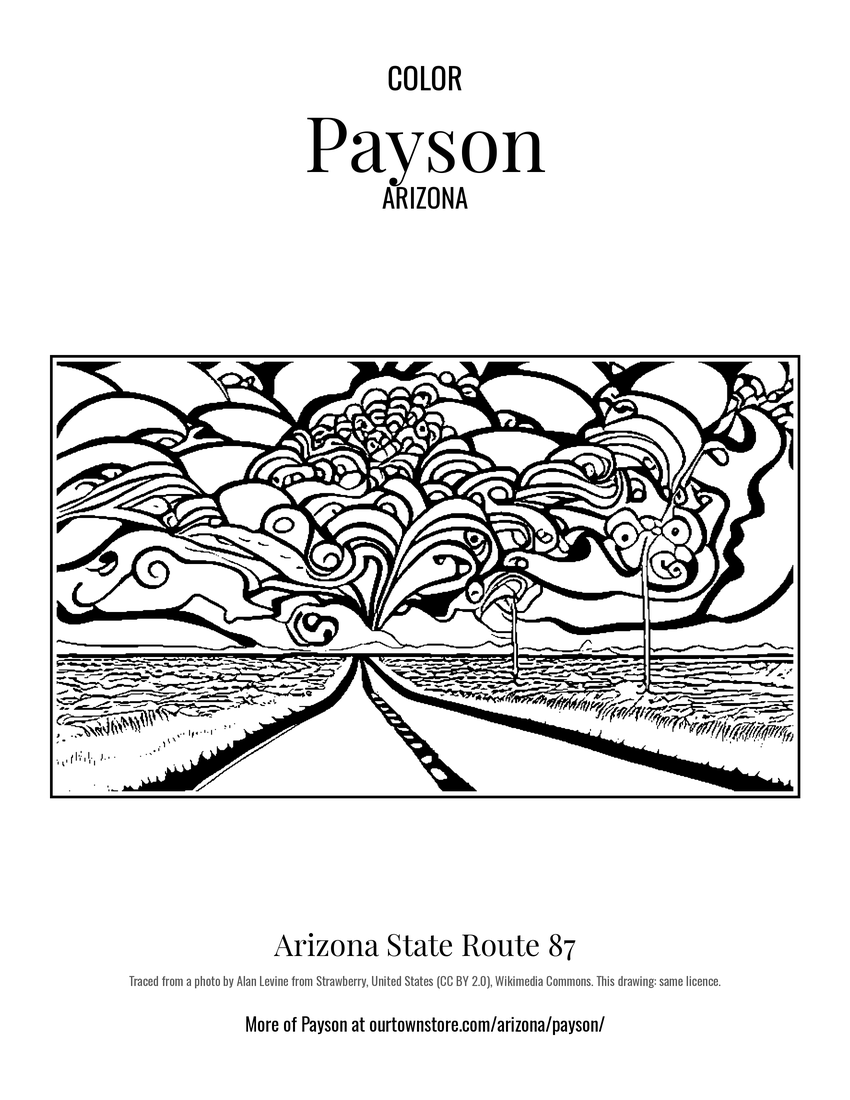 Arizona State Route 87
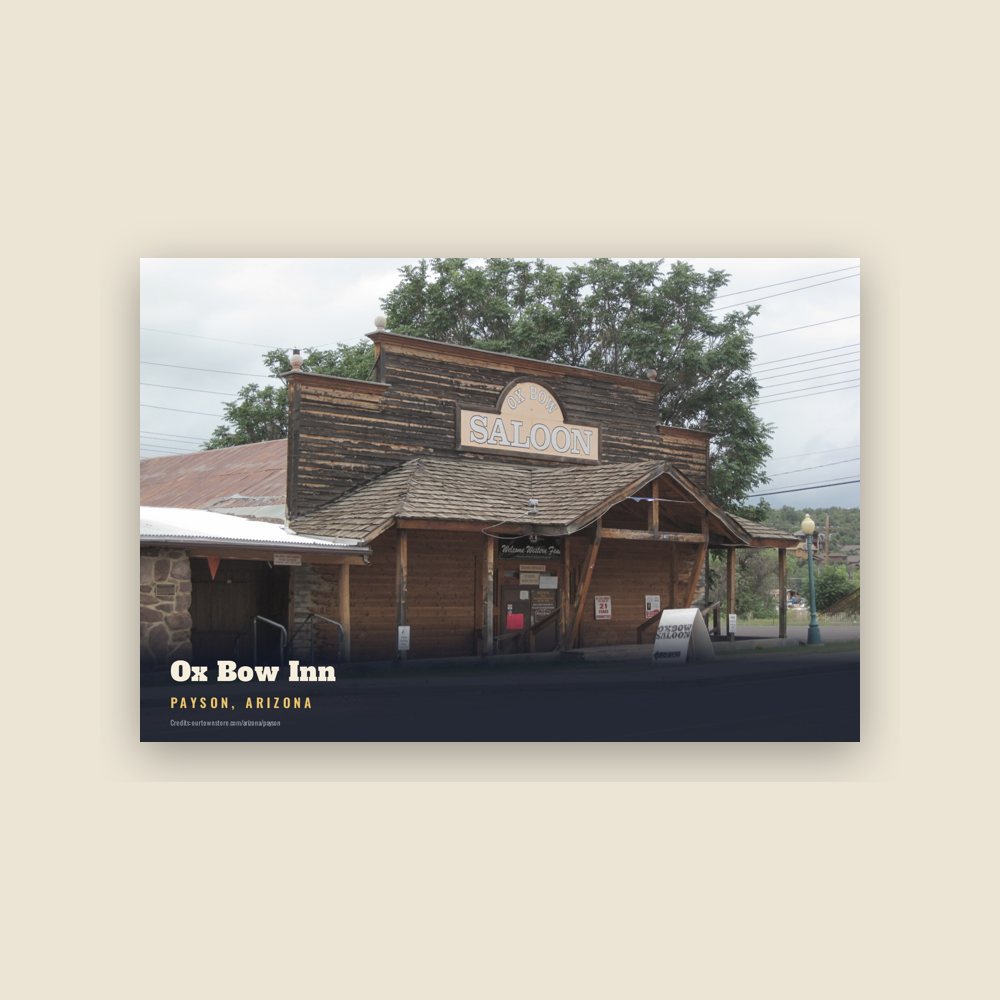
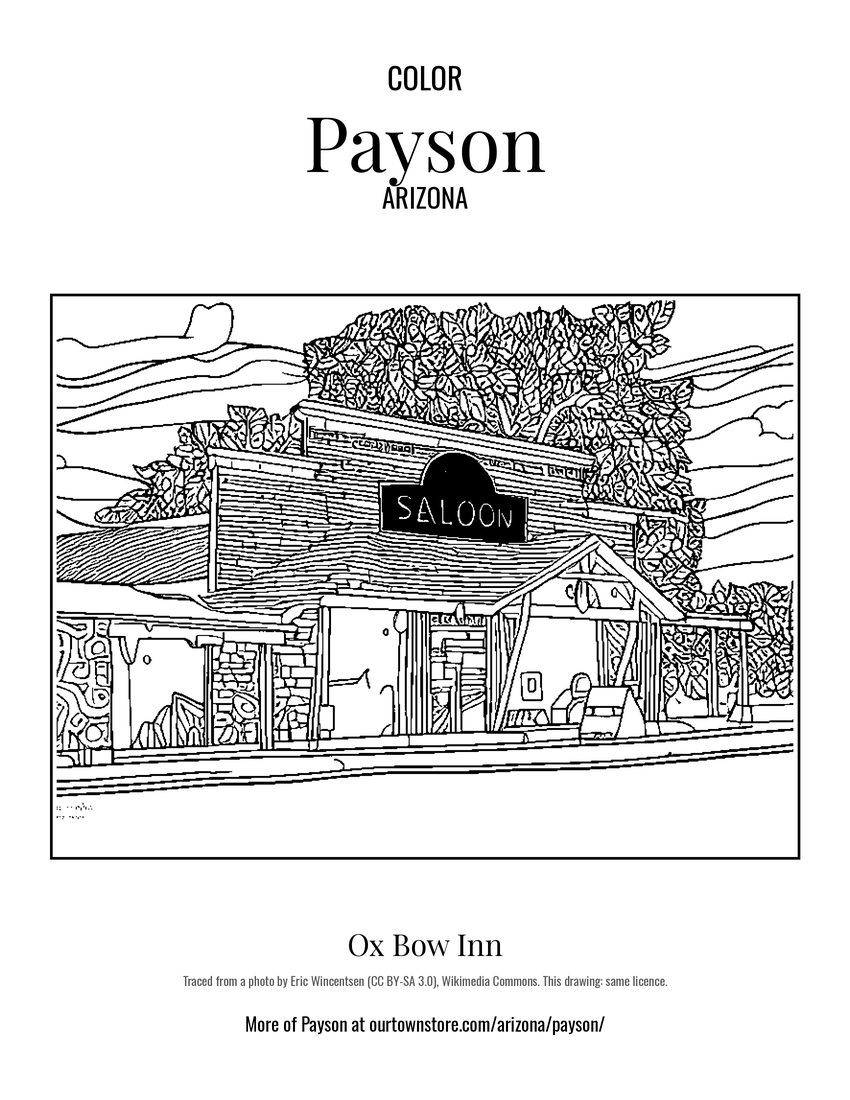 Ox Bow Inn