A short history of Mesa
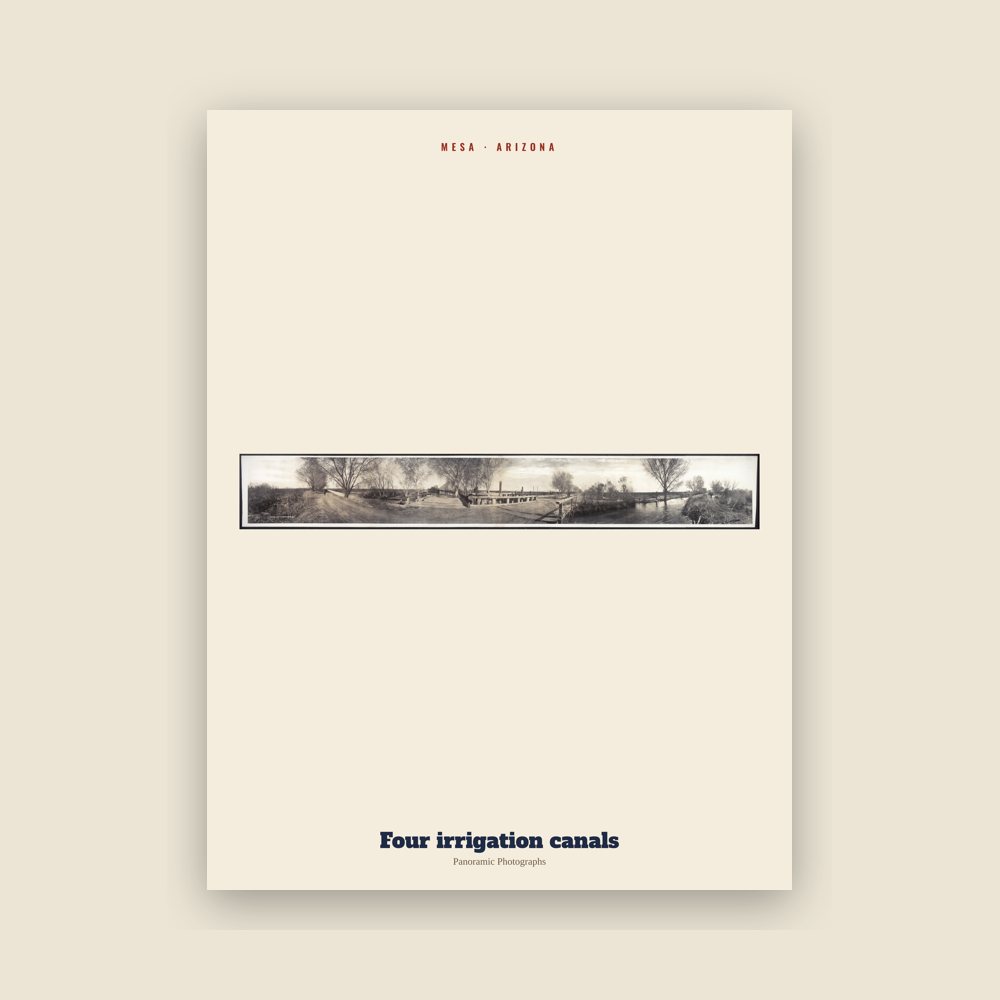
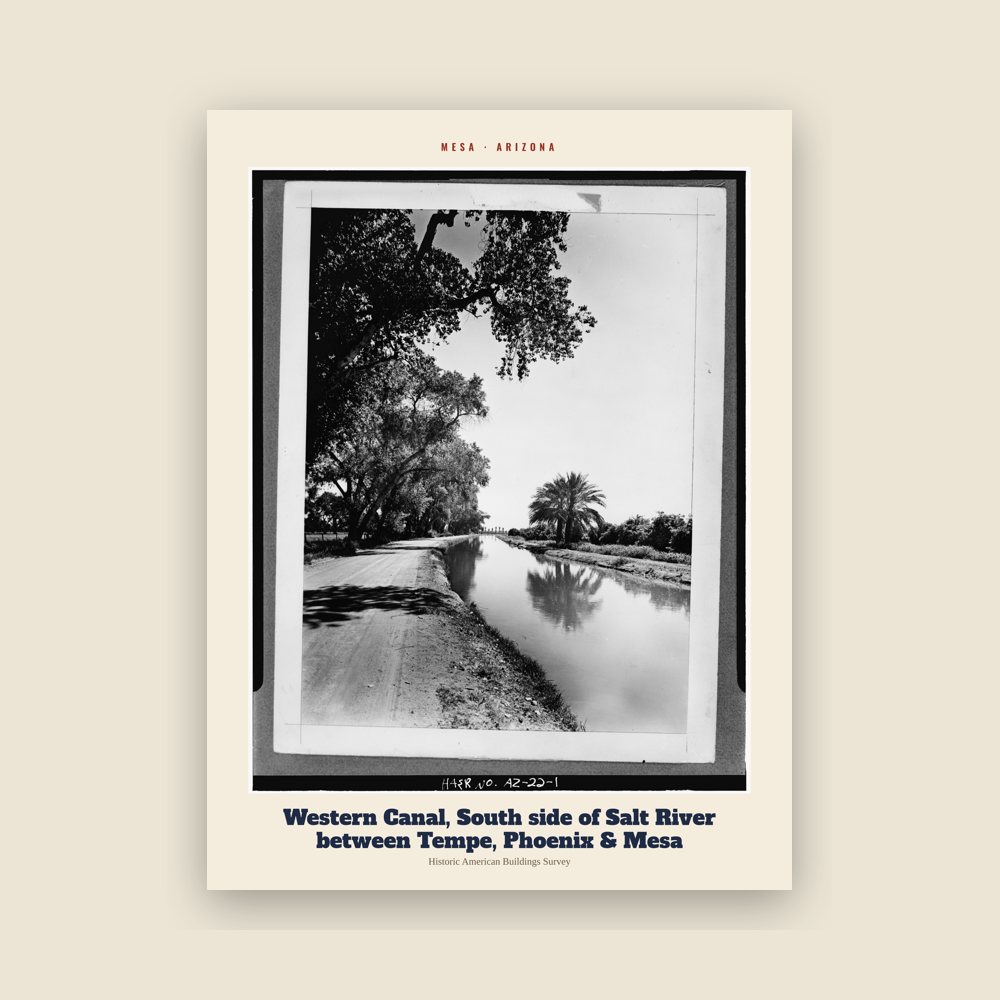
The history of Mesa dates back at least 2,000 years to the arrival of the Hohokam culture. The Hohokam built the original canal system. The canals were the largest and most sophisticated in the prehistoric New World. Some were up to 90 feet (27 m) wide and 10 feet (3.0 m) deep at their head gates, extending for as far as 16 miles (26 km) across the desert. By 1100 CE, water could be delivered to an area over 110,000 acres (450 km2), transforming the Sonoran Desert into an agricultural oasis. By 1450, the Hohokam had constructed hundreds of miles of canals, many of which are still in use.
After the disappearance of the Hohokam and before the arrival of the early settlers, little is known; explorers did not venture into this area. By the late 19th century near present-day Mesa, U.S. Army troops relocated the Apache, opening the way for settlement.
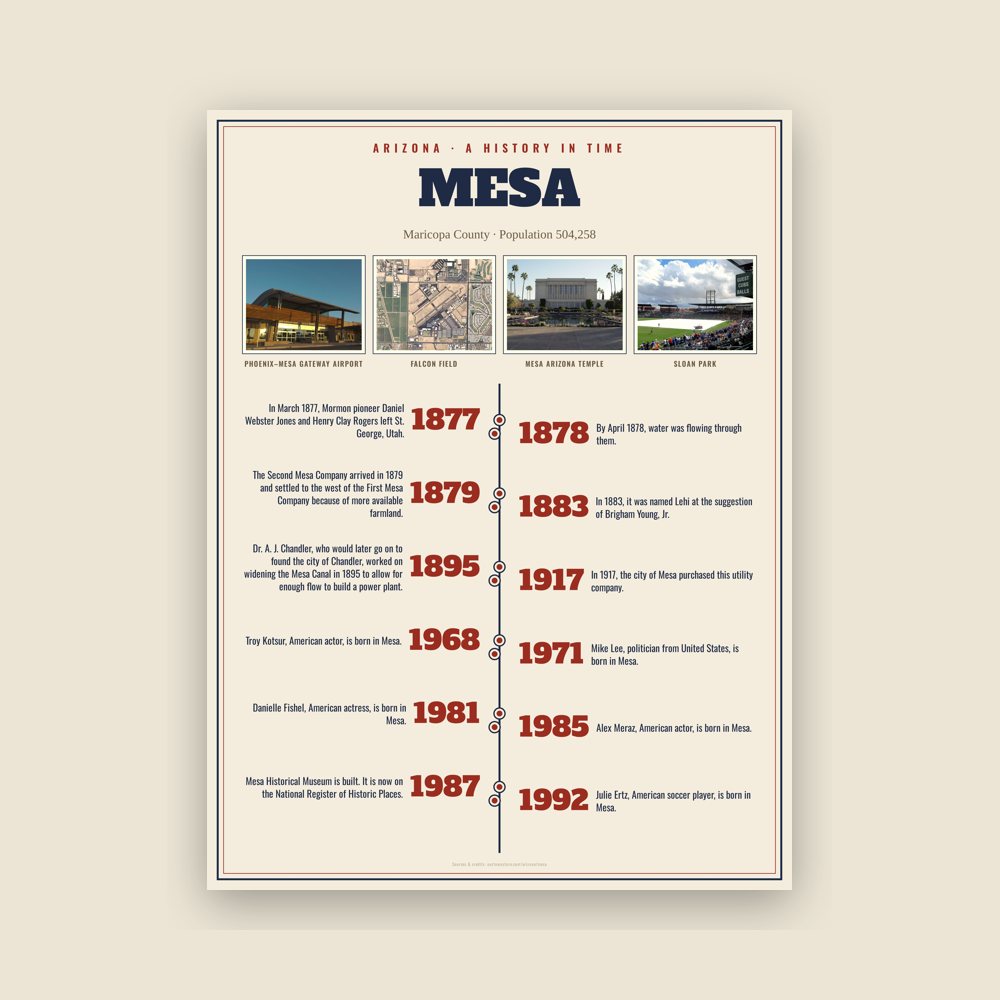
In March 1877, Mormon pioneer Daniel Webster Jones and Henry Clay Rogers left St. George, Utah. Jones had been asked by Mormon officials to direct a party of people in establishing a settlement in Arizona. They traveled south and settled on the north side of the present Mesa area. This settlement was initially known as Fort Utah and later as Jonesville. It was located near Lehi Road. In 1883, it was named Lehi at the suggestion of Brigham Young, Jr.
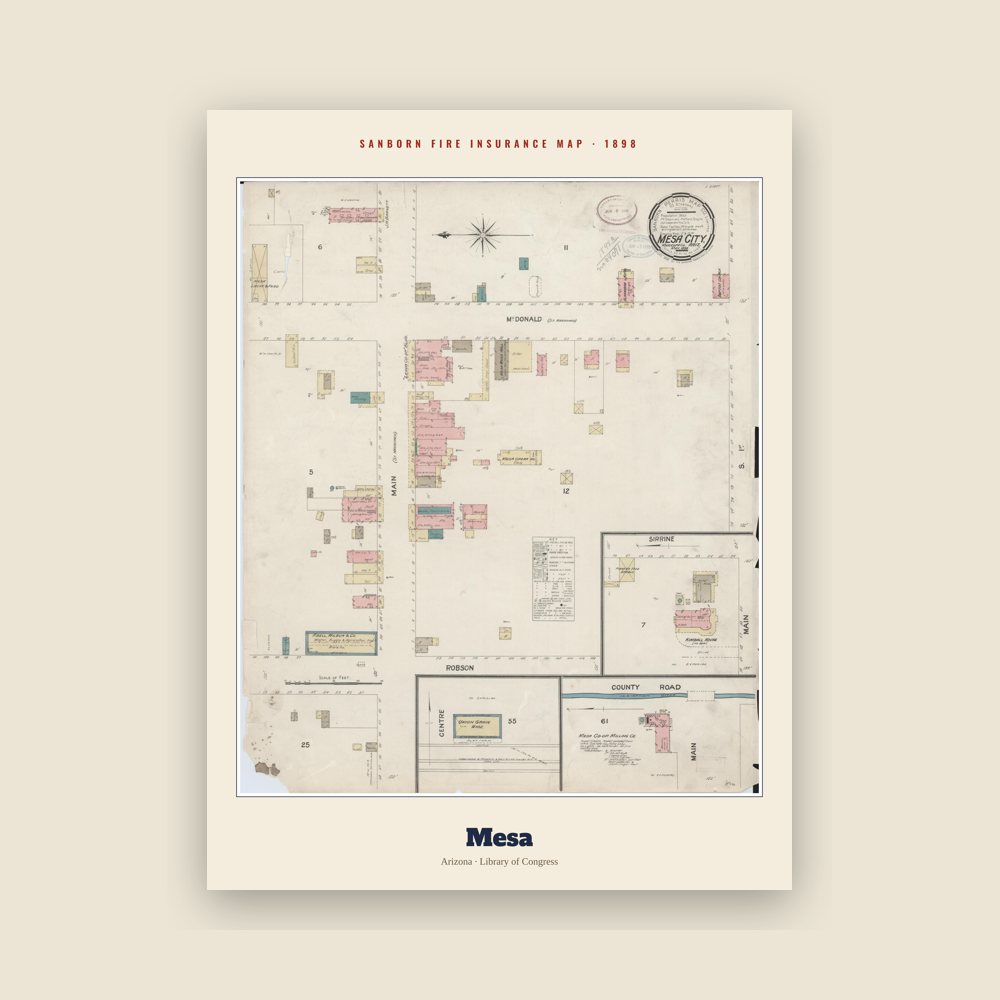
About this same time, another group dubbed the First Mesa Company arrived from Utah and Idaho. Their leaders were Francis Martin Pomeroy, Charles Crismon, George Warren Sirrine and Charles I. Robson. Rather than accepting an invitation to settle at Jones's Lehi settlement, they moved up onto the mesa that serves as the city's namesake. They dug irrigation canals and used some of the original Hohokam canals. By April 1878, water was flowing through them. The Second Mesa Company arrived in 1879 and settled to the west of the First Mesa Company because of more available farmland. This settlement was originally called Alma and later Stringtown. It was located near Alma School Road.
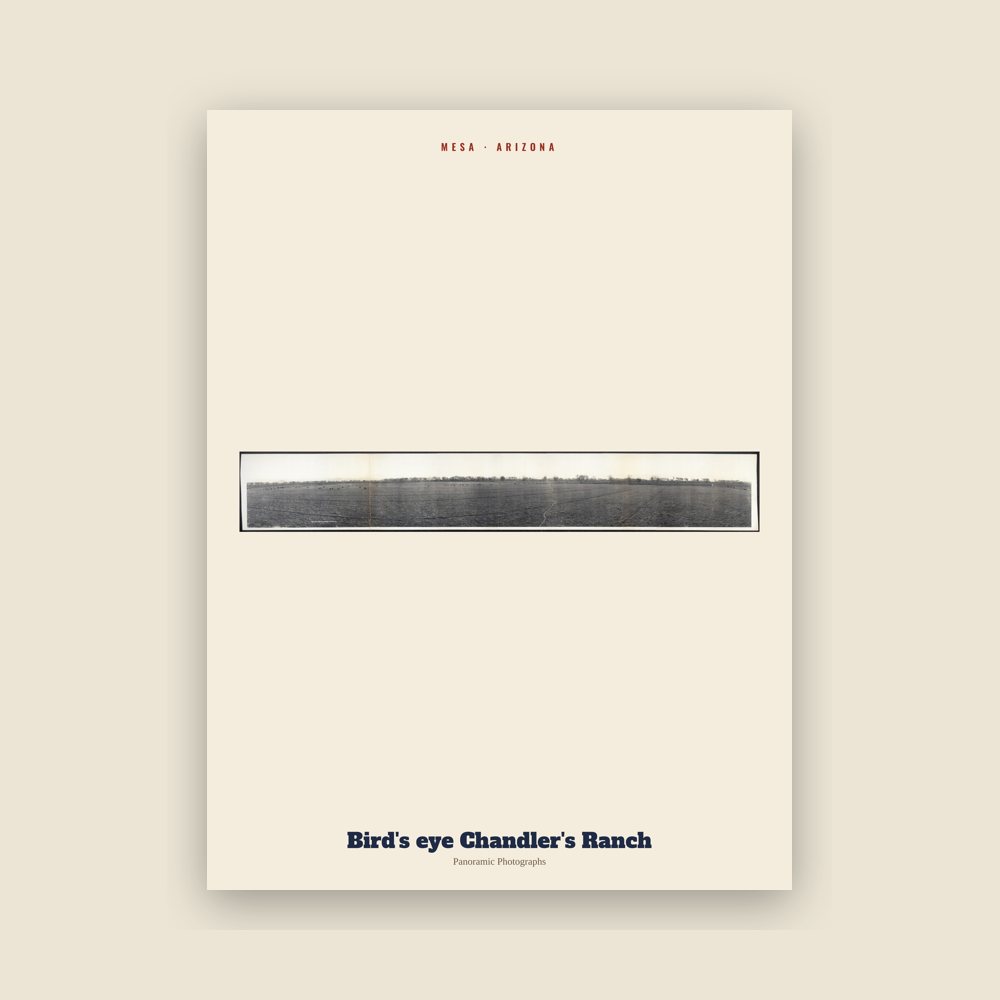
On July 17, 1878, Mesa City was registered as a 1-square-mile (2.6 km2) townsite. The first school was built in 1879. In 1883, Mesa City was incorporated with a population of 300 people. Dr. A. J. Chandler, who would later go on to found the city of Chandler, worked on widening the Mesa Canal in 1895 to allow for enough flow to build a power plant. In 1917, the city of Mesa purchased this utility company. The revenues from the company provided enough for capital expenditures until the 1960s. During the Great Depression, WPA funds provided paved streets, a new hospital, a new town hall and a library.
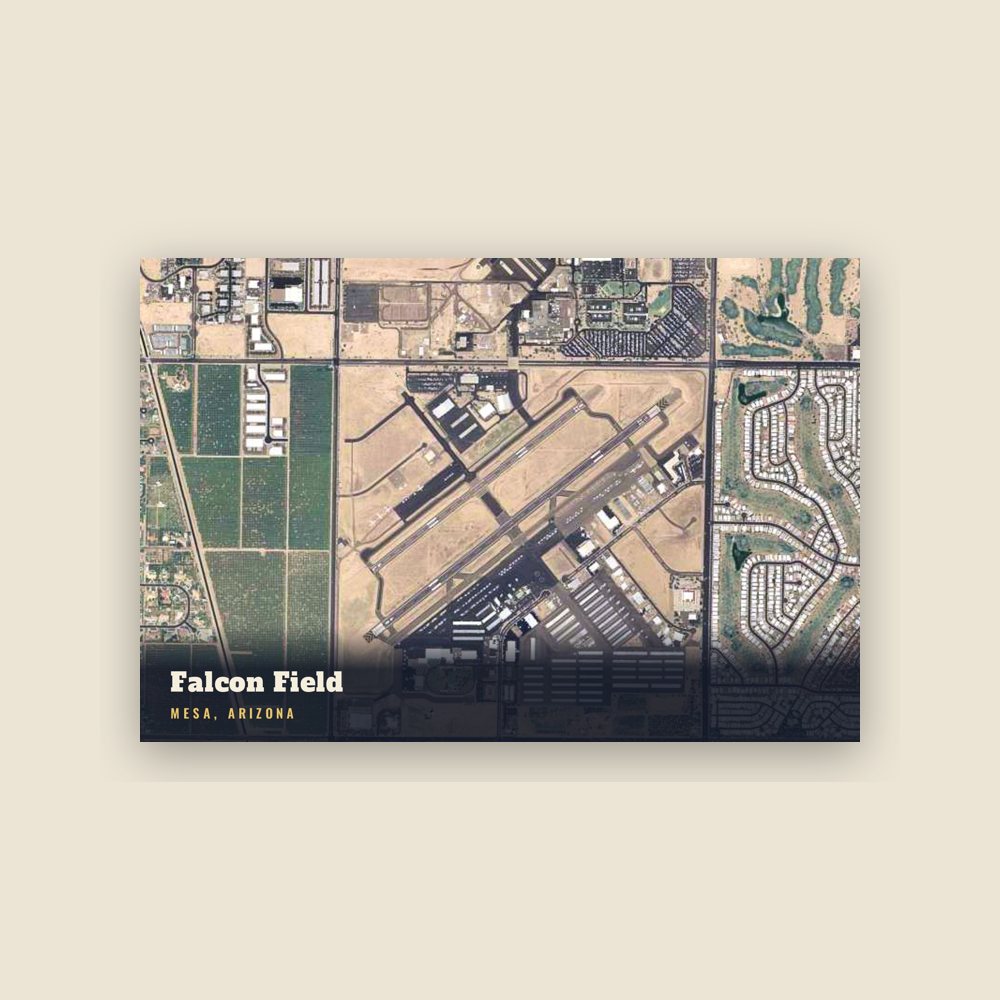
After the founding of the city, the elected official that most impacted the municipality was George Nicholas Goodman. He was mayor five different times during three different decades (1938–1942, 1946–1948, 1952–1956) (see: List of mayors of Mesa, Arizona). As mayor, he was directly involved in the process of acquiring land for both Falcon Field and Williams Field.
With the opening of Falcon Field and Williams Field in the early 1940s, more military personnel began to move into the Mesa area. With the advent of air conditioning and the rise of tourism, population growth exploded in Mesa as well as the rest of the Phoenix area. Industry—especially early aerospace companies—grew in the 1950s and 1960s. As late as 1960, half of the residents of Mesa made a living with agriculture, but that number declined substantially as Mesa's suburban growth continued on track with the rest of the Phoenix metro area.
Adapted (trimmed) from the Wikipedia article Mesa, Arizona, revision 1382302740 by its contributors, licensed CC BY-SA 4.0.

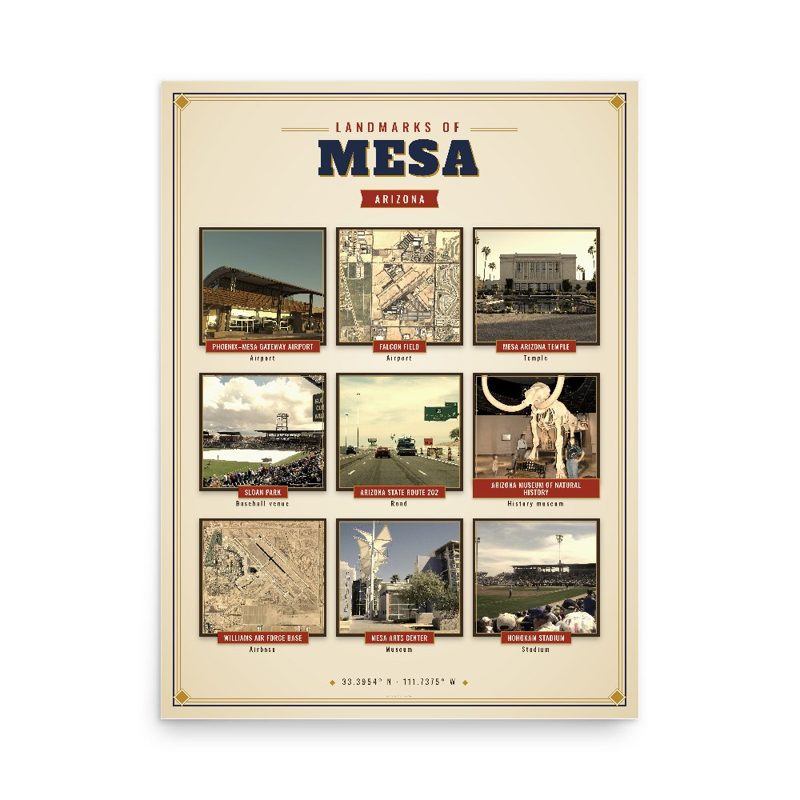
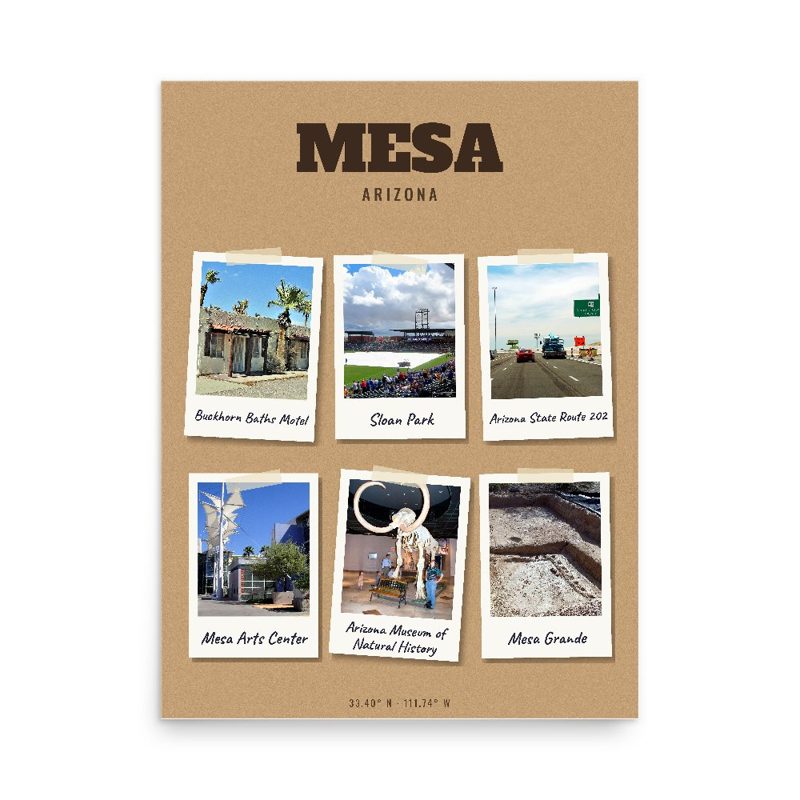
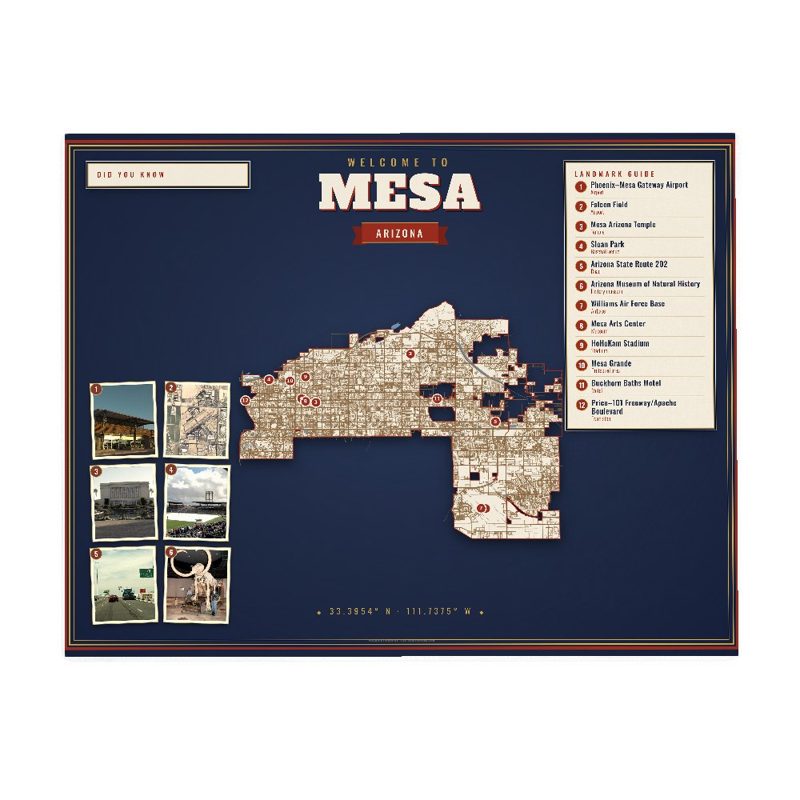





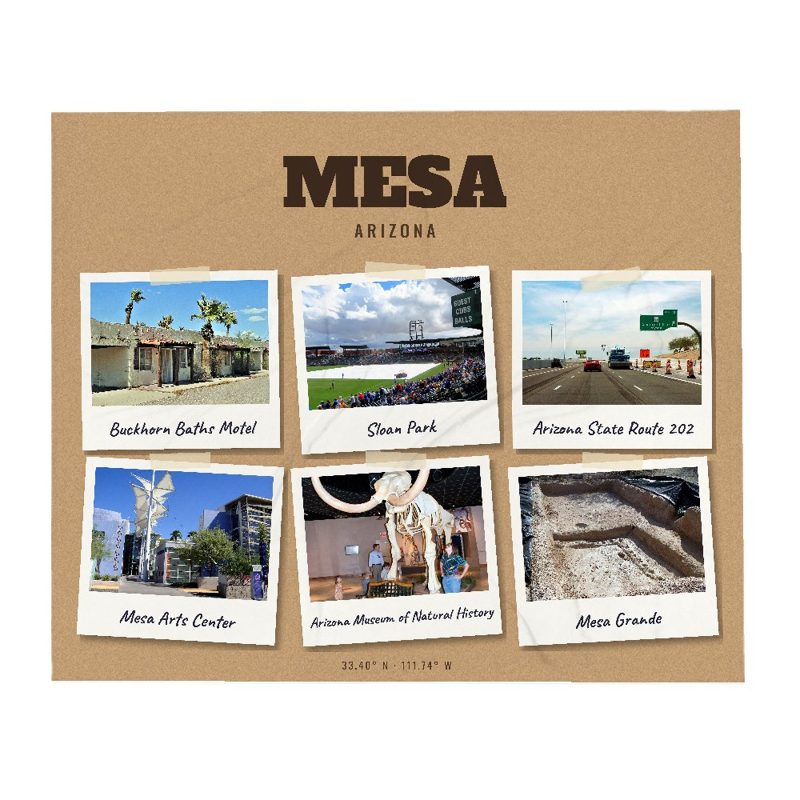
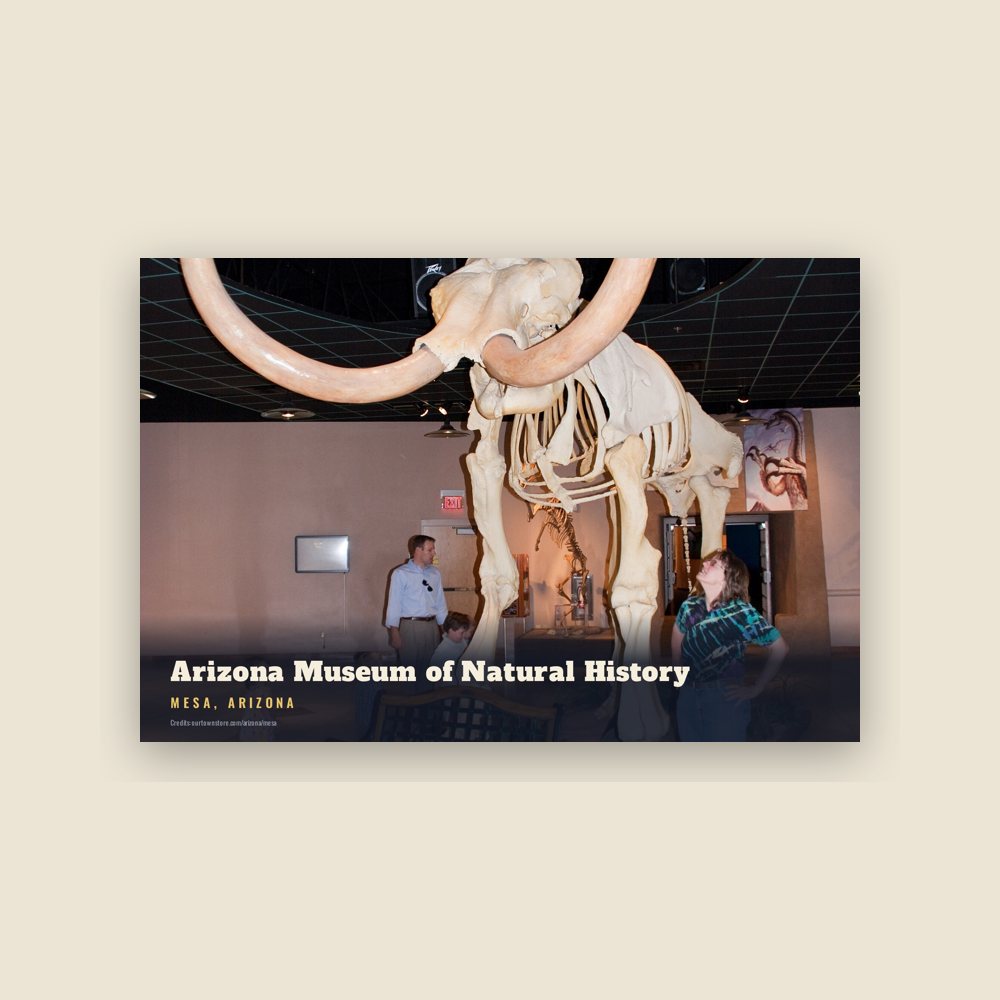
 Arizona Museum of Natural History
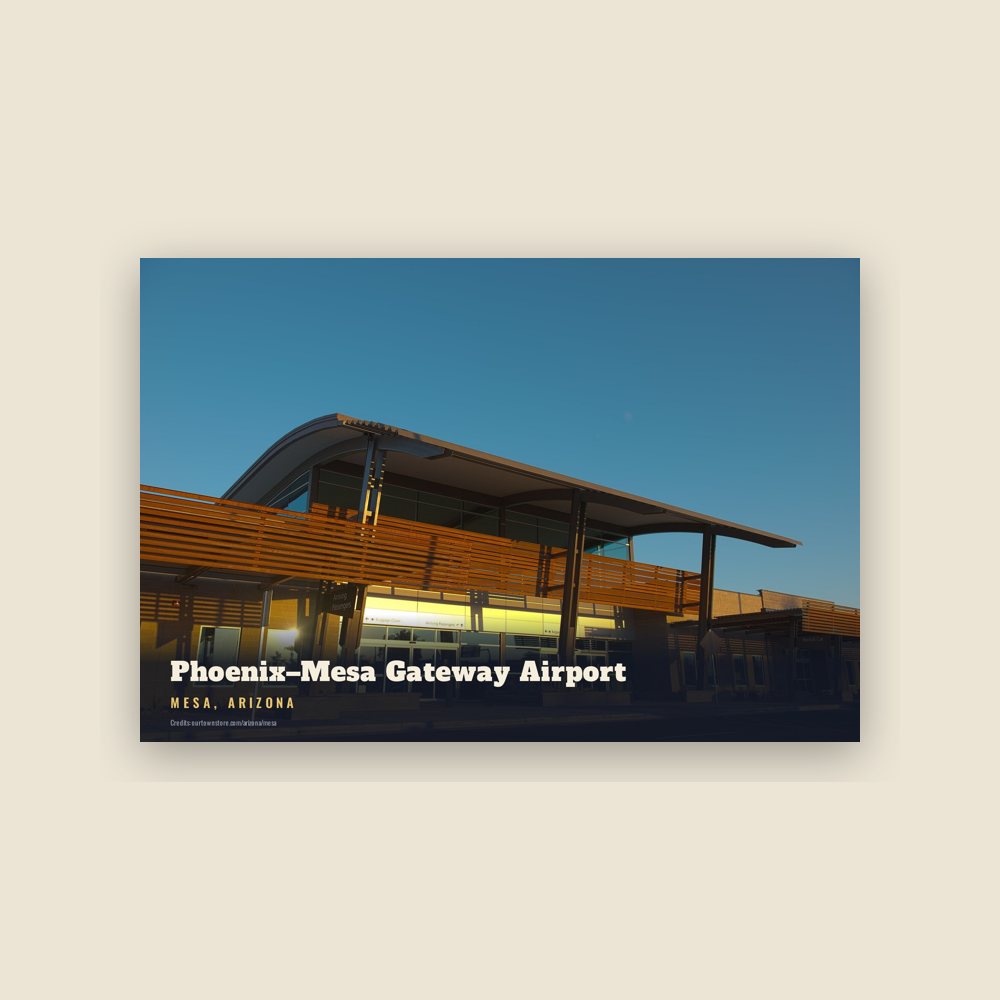
 Phoenix–Mesa Gateway Airport
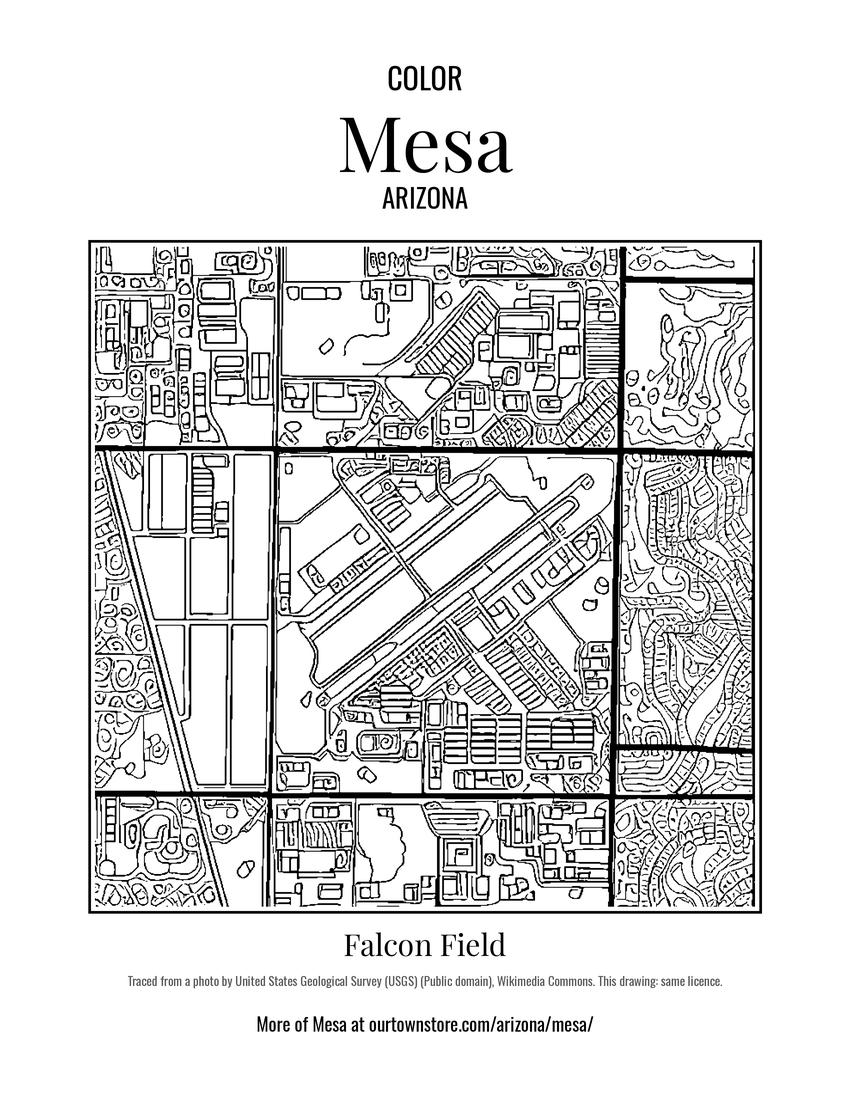 Falcon Field
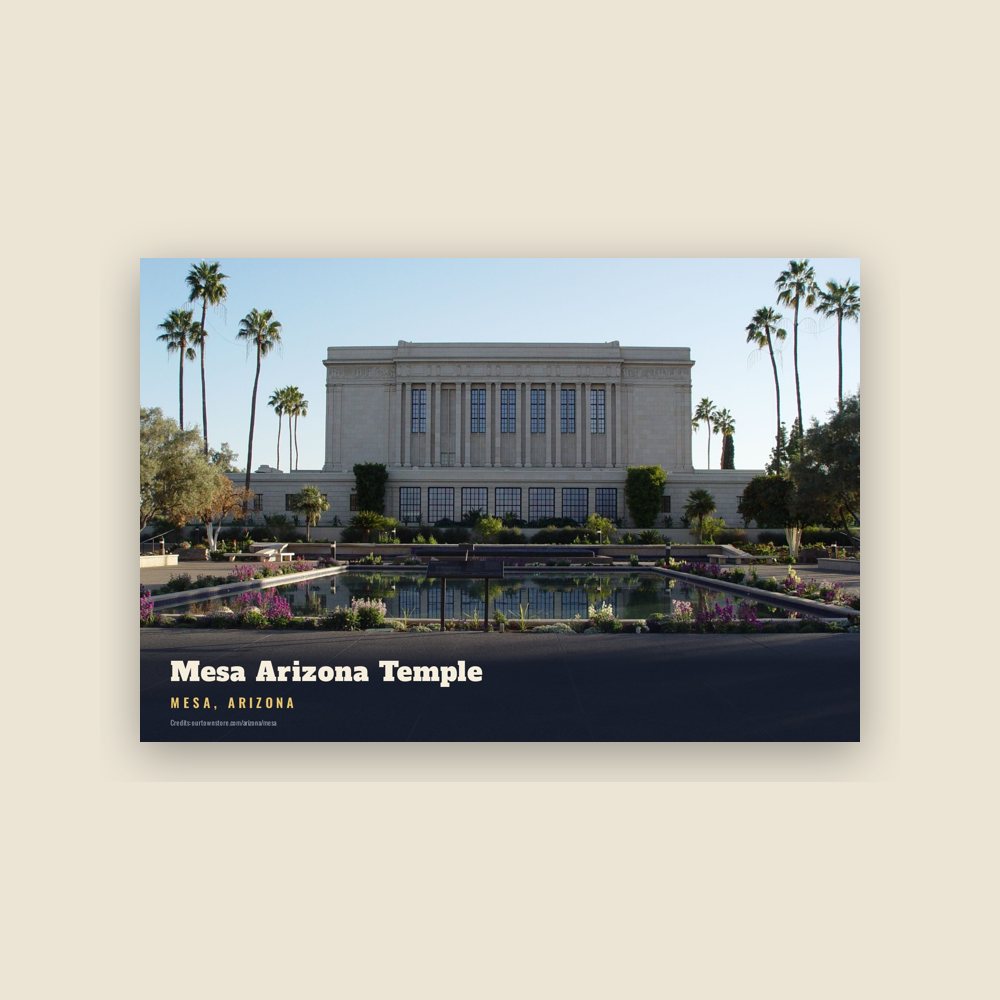
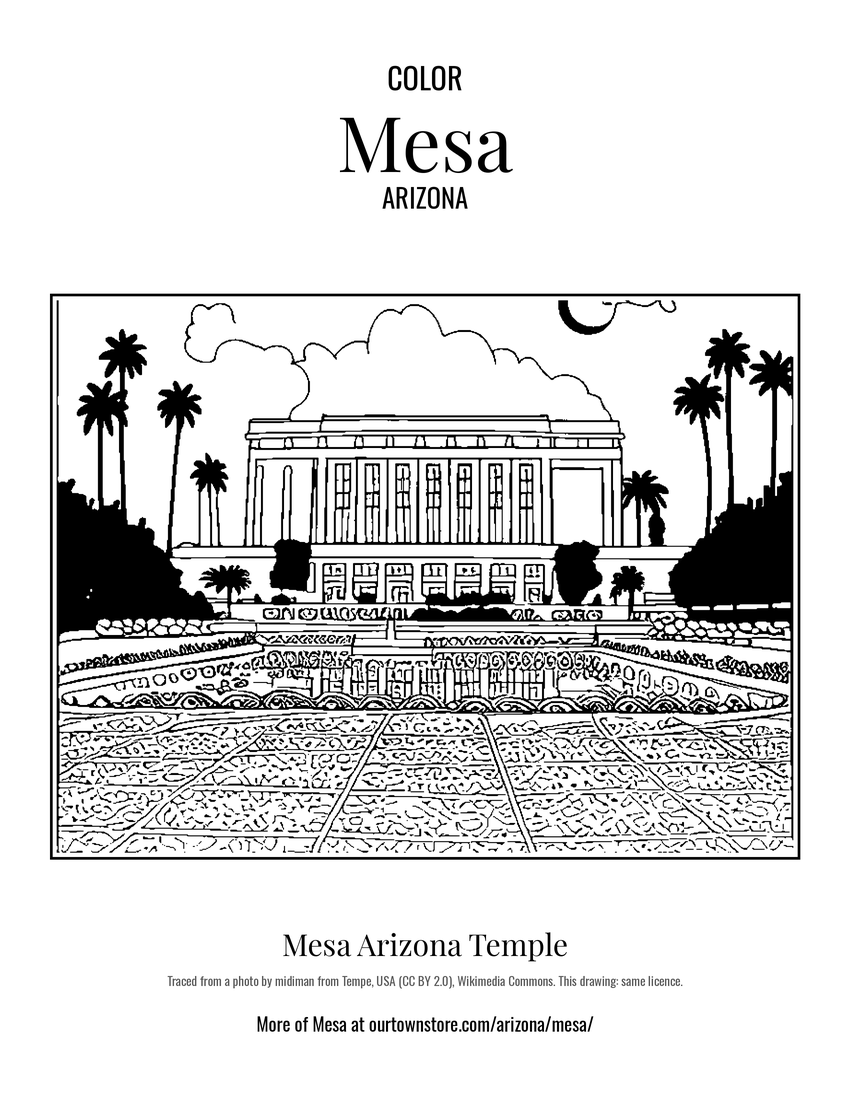 Mesa Arizona Temple