A short history of Unalaska
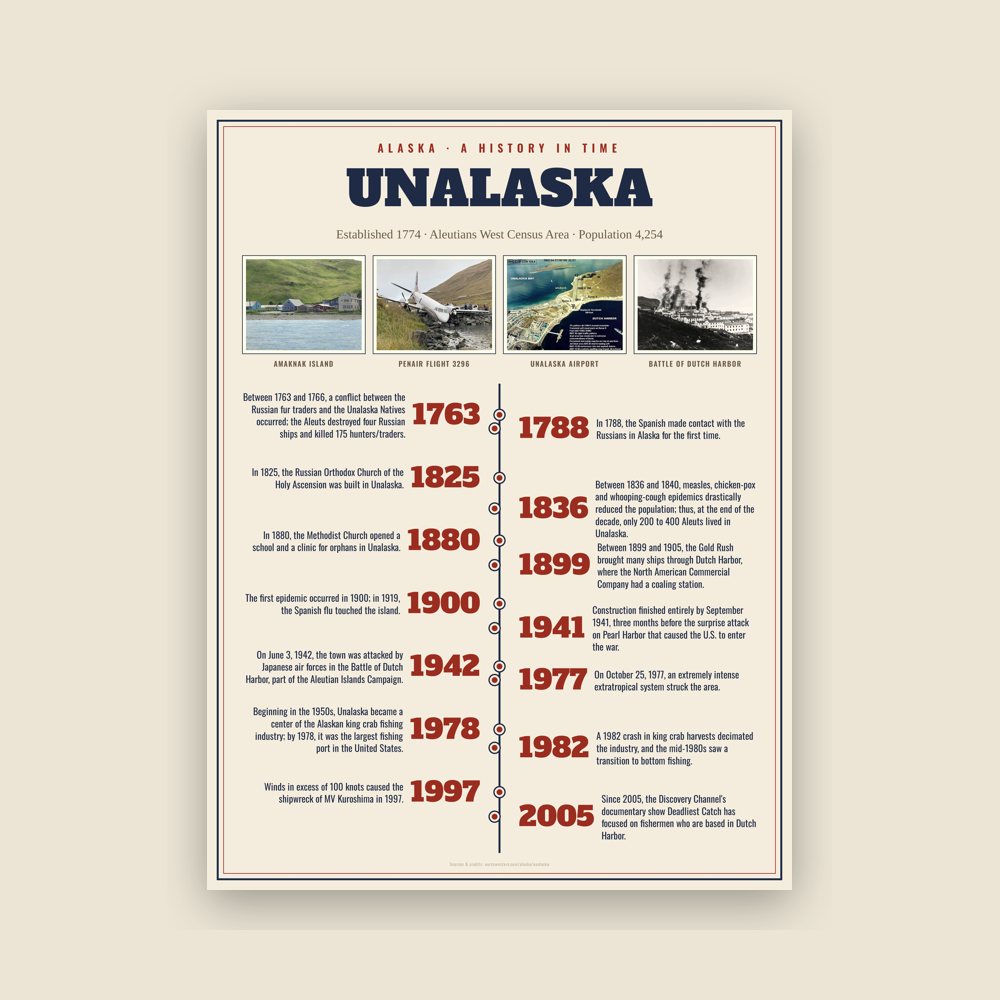
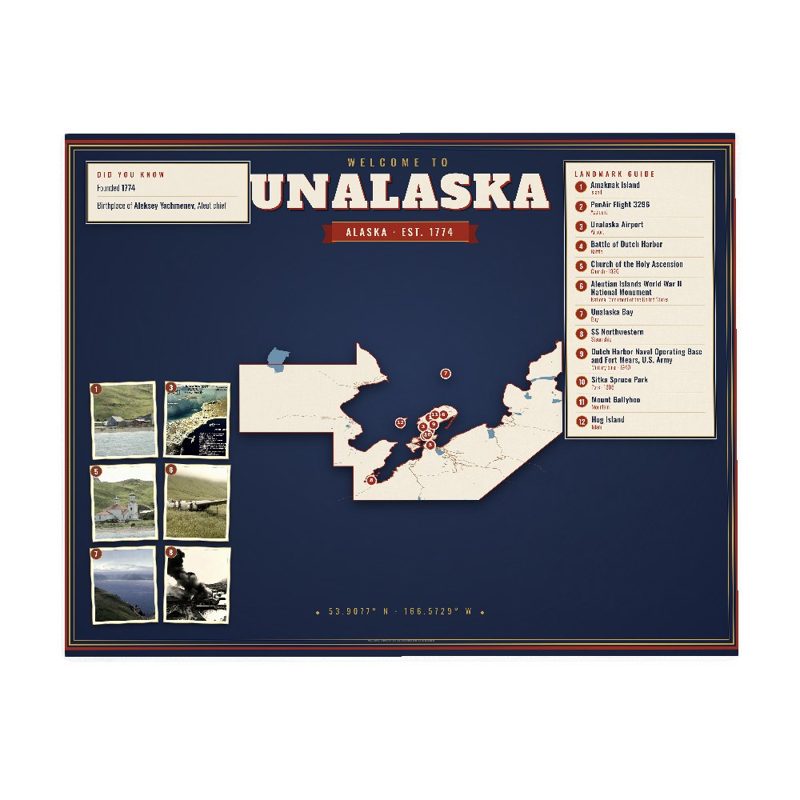
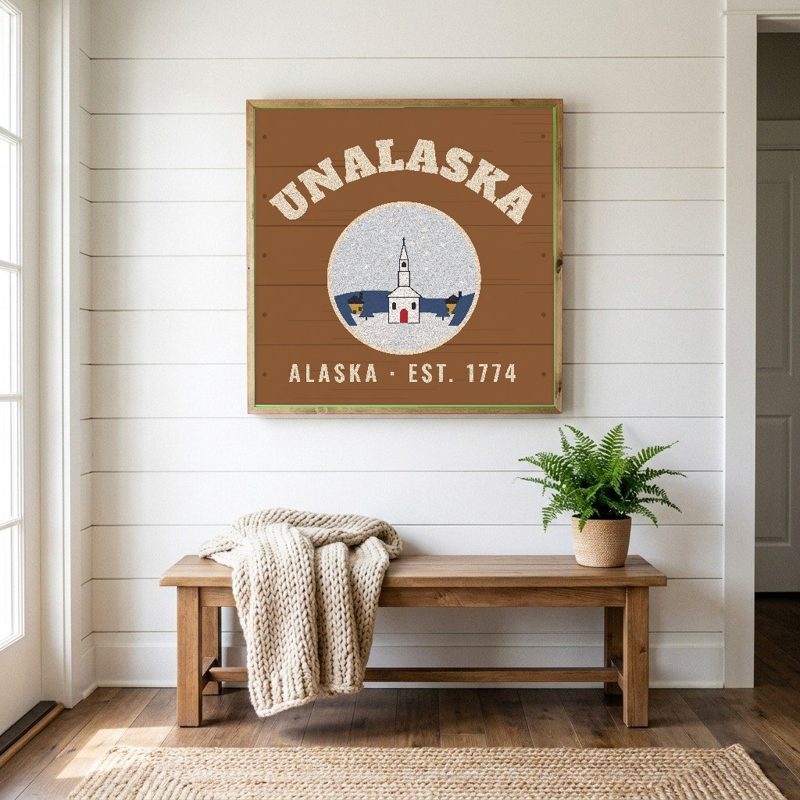
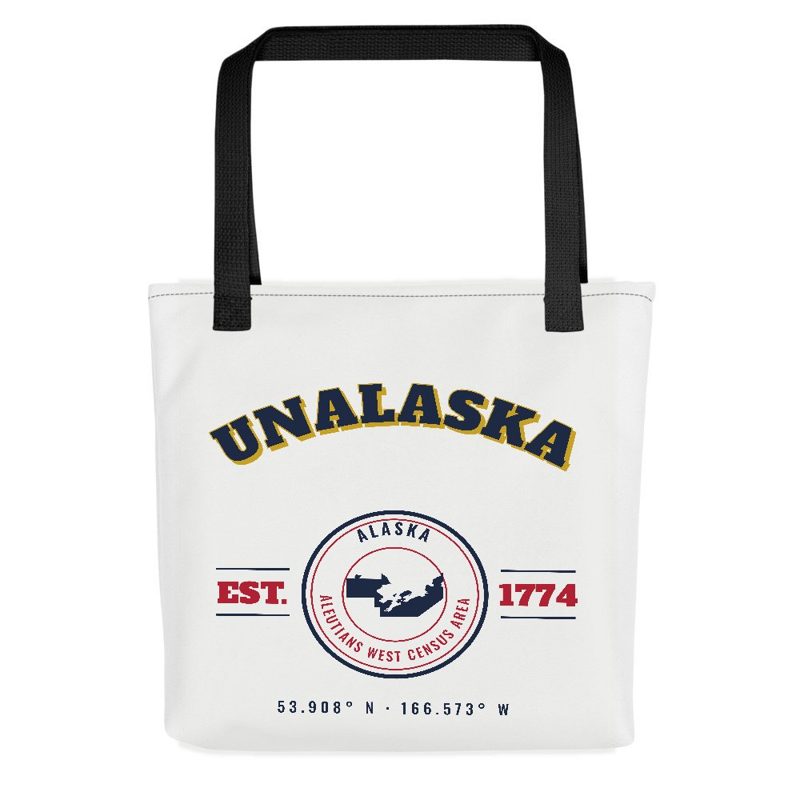
Unalaska and Amaknak islands contained 24 settlements with more than 1,000 Aleut inhabitants in 1759, when the first Russian group under Stepan Glotov came and started trading for three years on Umnak and Unalaska. Between 1763 and 1766, a conflict between the Russian fur traders and the Unalaska Natives occurred; the Aleuts destroyed four Russian ships and killed 175 hunters/traders. In the 1760s, Unalaska was temporarily used as a Russian fur trading post. The post was permanently established in 1774, and was eventually incorporated into the Russian-American Company. It was there that Captain James Cook encountered the navigator Gerasim Izmailov in 1778.
In 1788, the Spanish made contact with the Russians in Alaska for the first time. An expedition by Esteban José Martínez and Gonzalo López de Haro visited several Russian settlements. Their westernmost visit was to Unalaska. On August 5, 1788, they claimed Unalaska for Spain, calling it Puerto de Dona Marie Luisa Teresa.
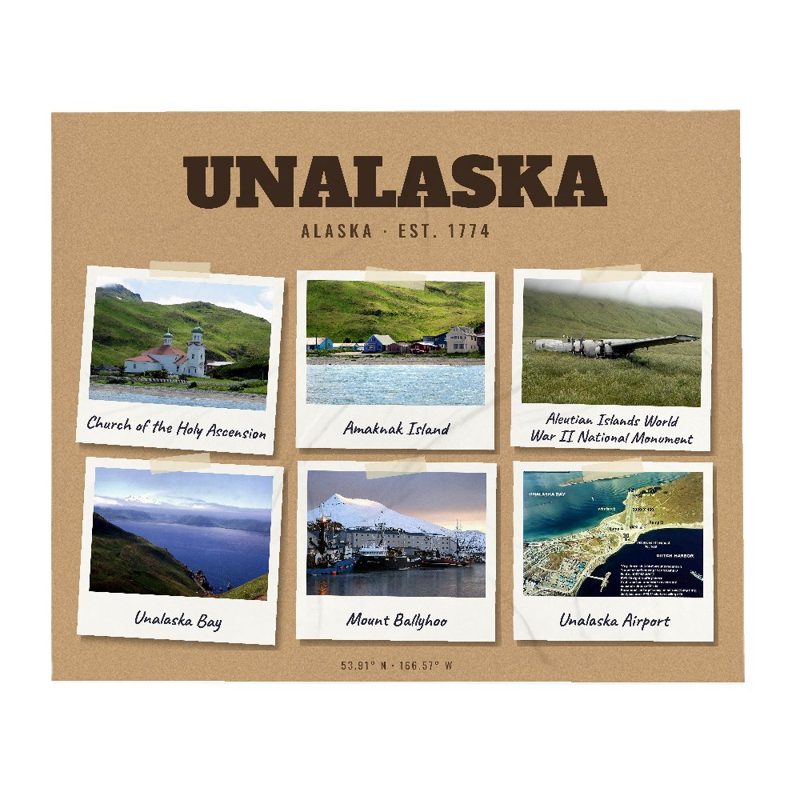
In 1825, the Russian Orthodox Church of the Holy Ascension was built in Unalaska. The founding priest, Ivan Veniaminov, later canonized as Saint Innocent of Alaska, composed the first Aleut writing system with local assistance, and translated scripture into Aleut. Between 1836 and 1840, measles, chicken-pox and whooping-cough epidemics drastically reduced the population; thus, at the end of the decade, only 200 to 400 Aleuts lived in Unalaska.
In 1880, the Methodist Church opened a school and a clinic for orphans in Unalaska. Between 1899 and 1905, the Gold Rush brought many ships through Dutch Harbor, where the North American Commercial Company had a coaling station.
During the first half of the century, the island was touched by numerous epidemics. The first epidemic occurred in 1900; in 1919, the Spanish flu touched the island. These epidemics contributed to a dramatic decrease of the population in Unalaska.
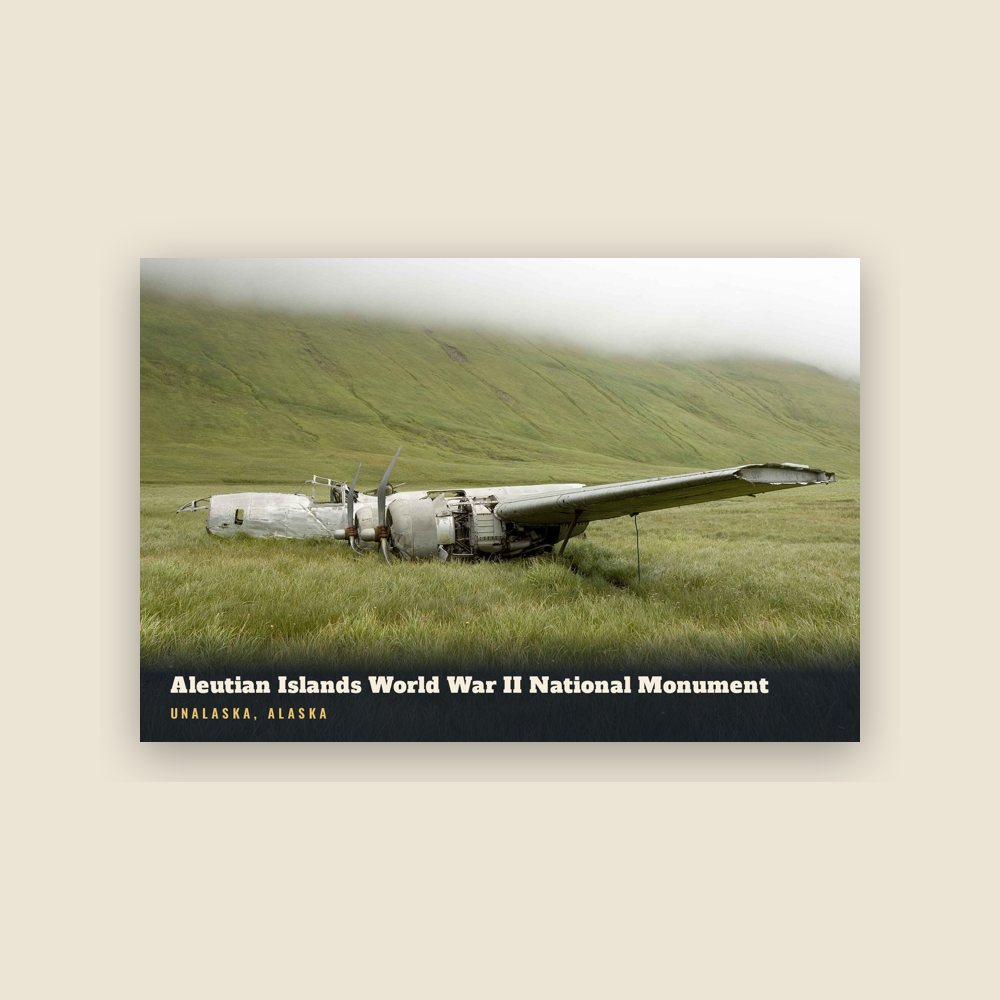
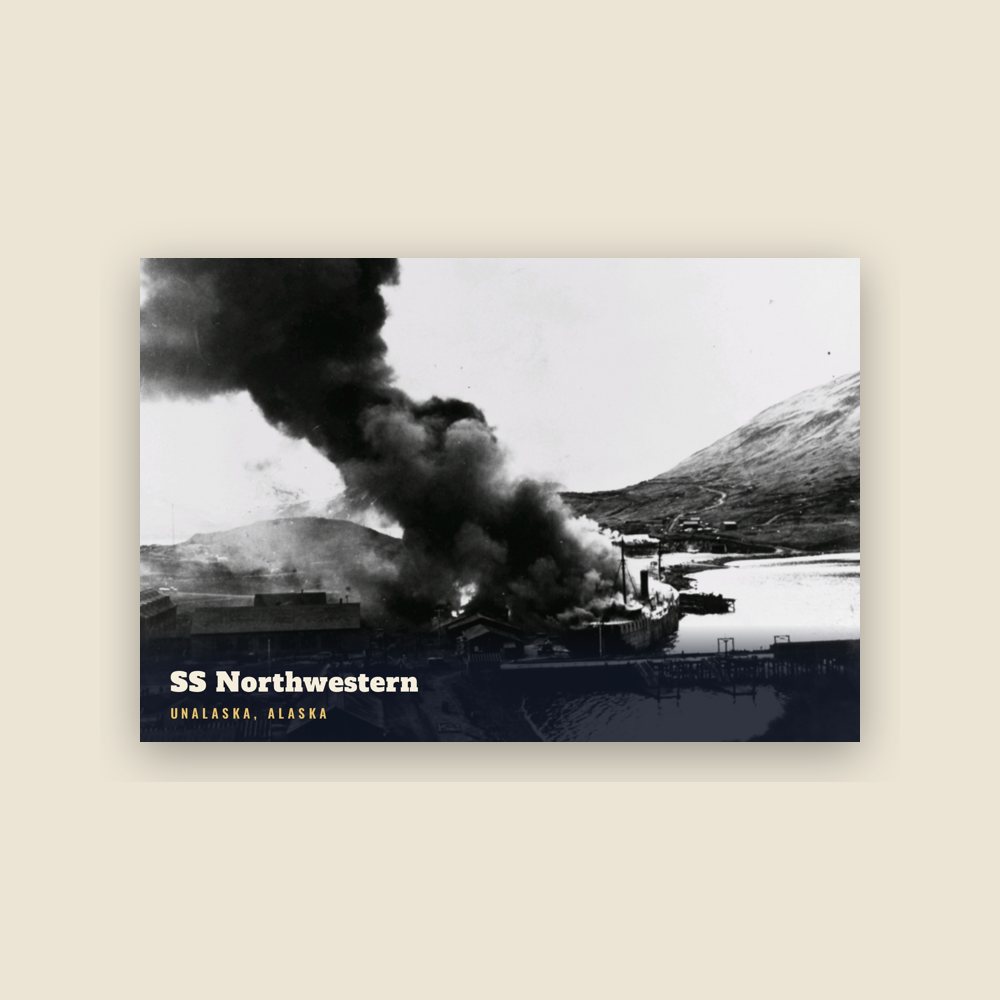
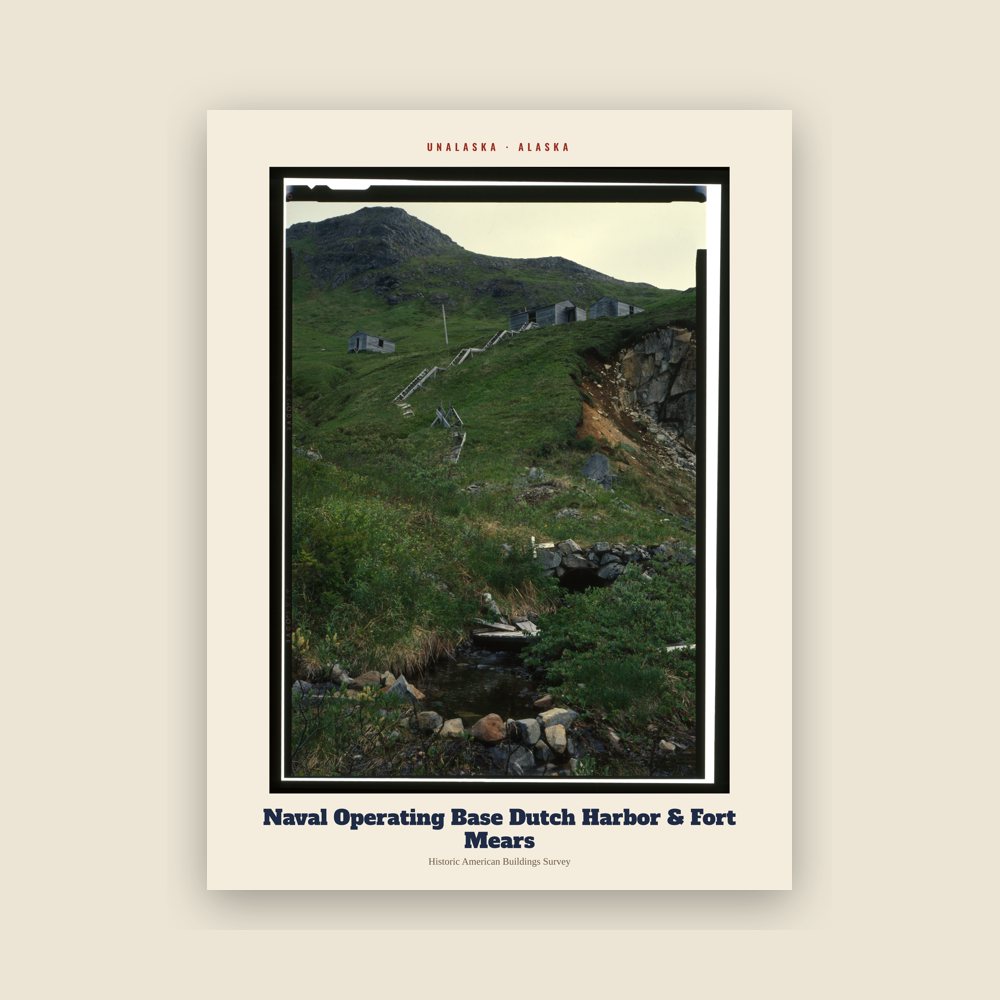
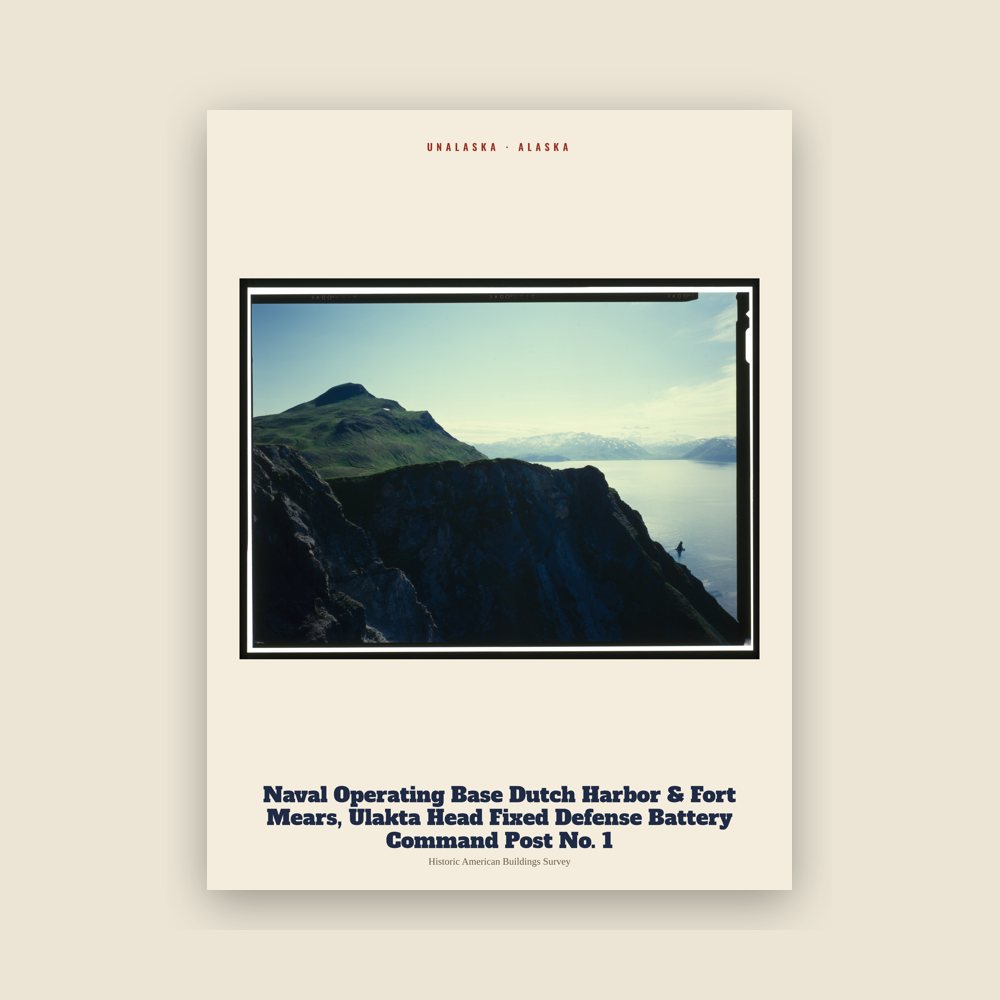
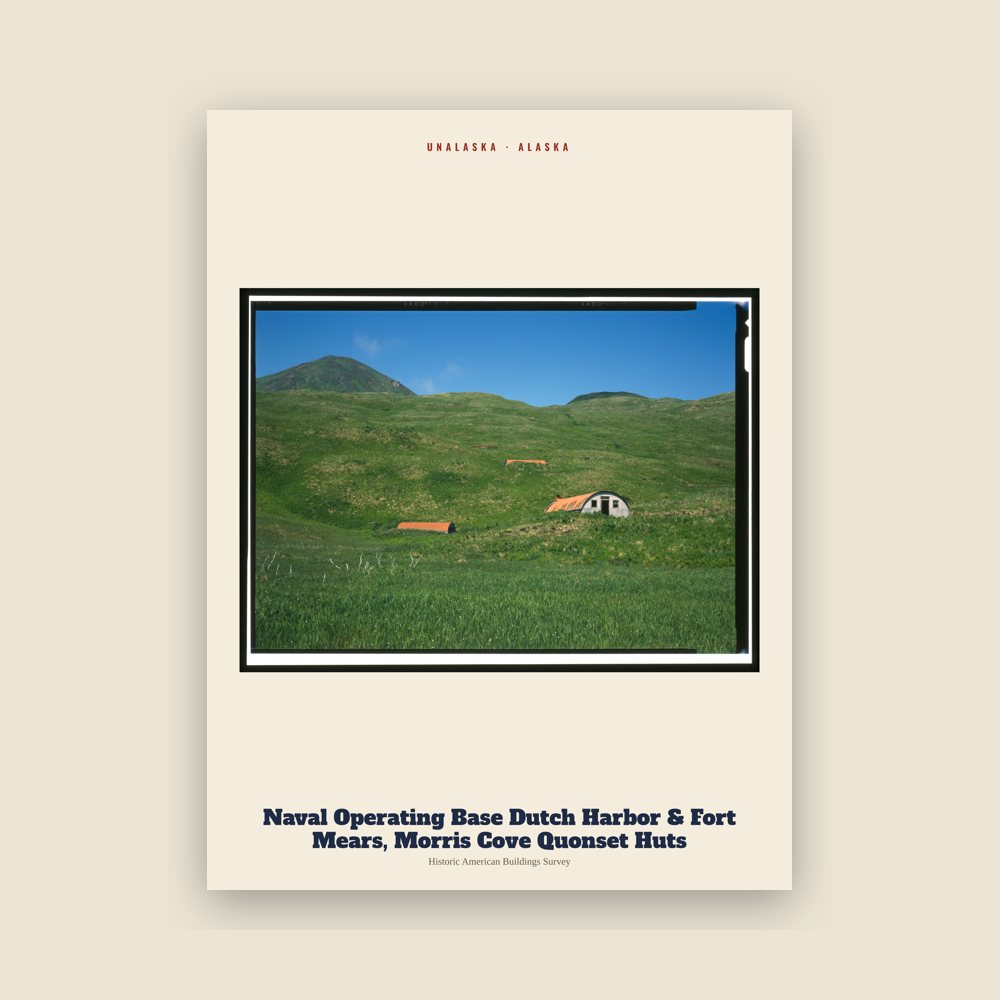
Fearing the threat from Imperial Japan during World War II, the neutral United States began fortifying Dutch Harbor in 1940, resulting in the construction of the Dutch Harbor Naval Operating Base and Fort Mears. Construction finished entirely by September 1941, three months before the surprise attack on Pearl Harbor that caused the U.S. to enter the war. On June 3, 1942, the town was attacked by Japanese air forces in the Battle of Dutch Harbor, part of the Aleutian Islands Campaign. After the attack and the Japanese occupations of Kiska and Attu, almost all of the native residents of Amaknak Island were evacuated. Many were held under poor conditions in camps in Southeast Alaska for the duration of the war; a substantial number of the internees died during the imprisonment.
Beginning in the 1950s, Unalaska became a center of the Alaskan king crab fishing industry; by 1978, it was the largest fishing port in the United States. A 1982 crash in king crab harvests decimated the industry, and the mid-1980s saw a transition to bottom fishing.
On October 25, 1977, an extremely intense extratropical system struck the area. A pressure of 926 millibars (27.35 inHg) was recorded at Dutch Harbor, which was the lowest non-tropical pressure ever recorded in the United States until December 31, 2020, when another system struck the islands with a pressure of 924.8 millibars (27.31 inHg). Winds in excess of 100 knots caused the shipwreck of MV Kuroshima in 1997.
Read the full history
Recent history
The city has struggled with problems like alcoholism and unemployment in the past; while these problems still persist, the situation has improved in recent years. One example is the Elbow Room, a bar which locally, and later abroad, became infamous for its raucousness. It was closed in 2005.
Since 2005, the Discovery Channel's documentary show Deadliest Catch has focused on fishermen who are based in Dutch Harbor.
Adapted (trimmed) from the Wikipedia article Unalaska, Alaska, revision 1379472553 by its contributors, licensed CC BY-SA 4.0.
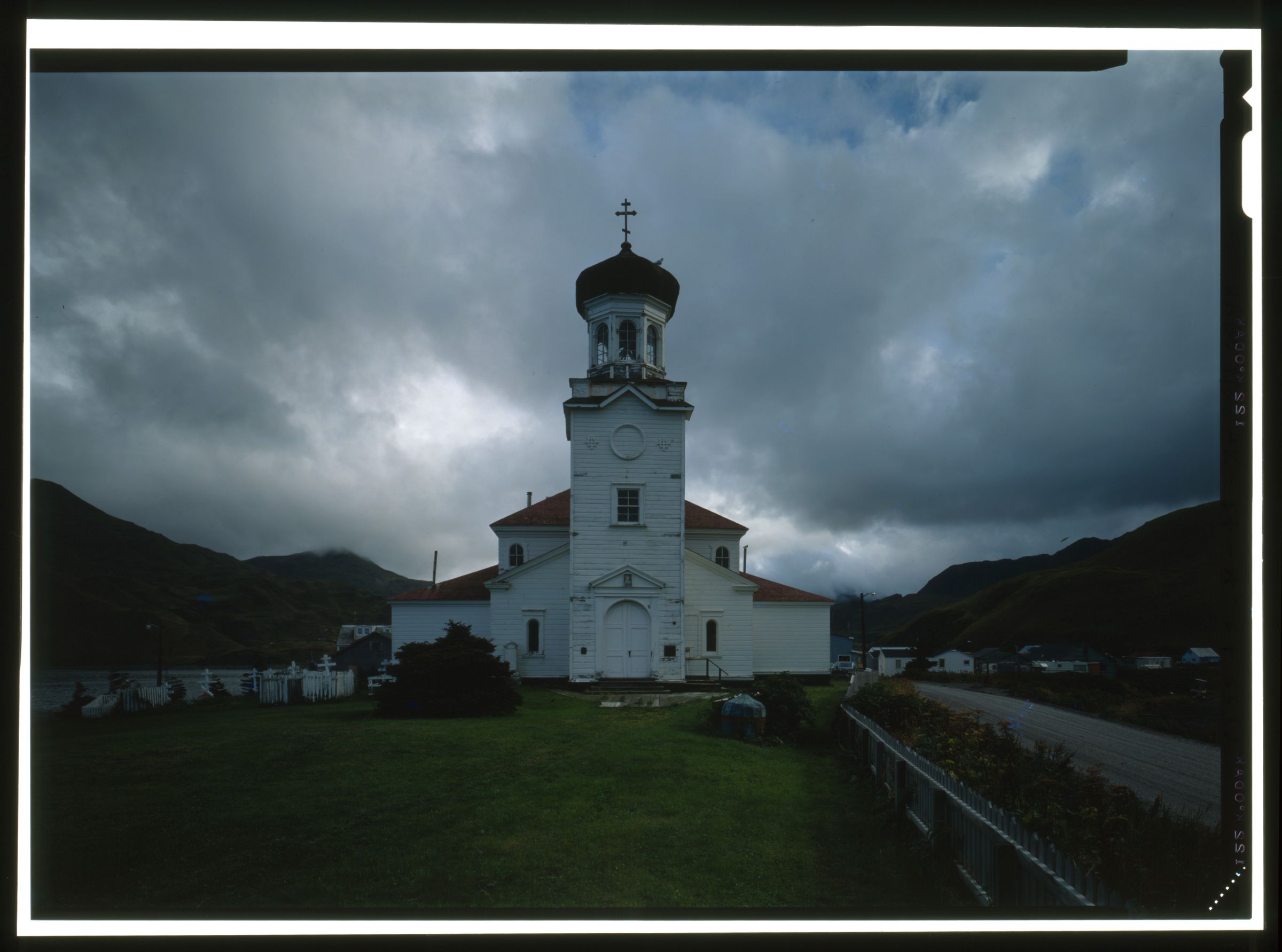
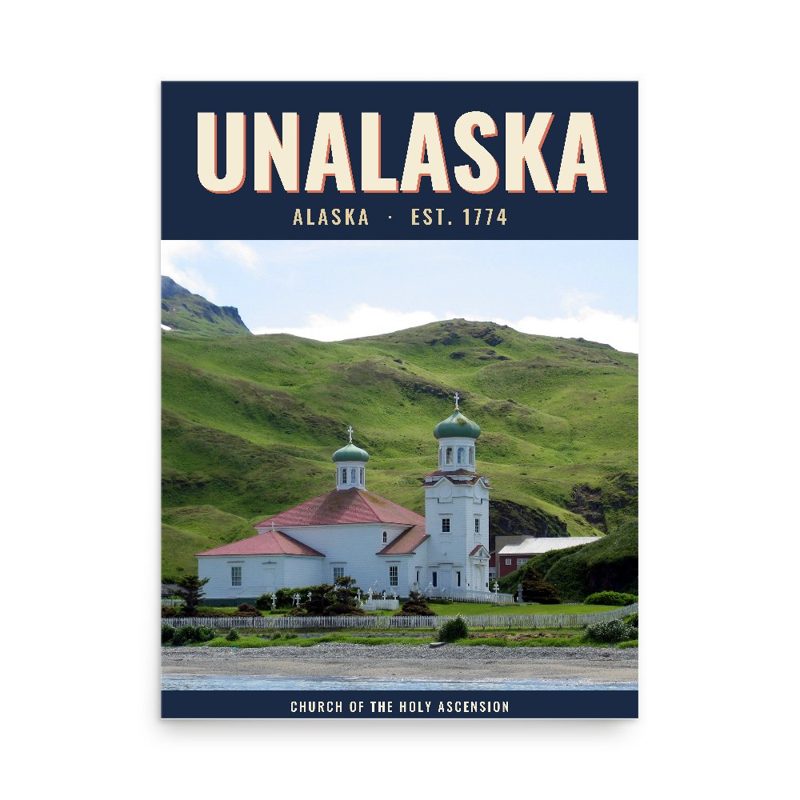
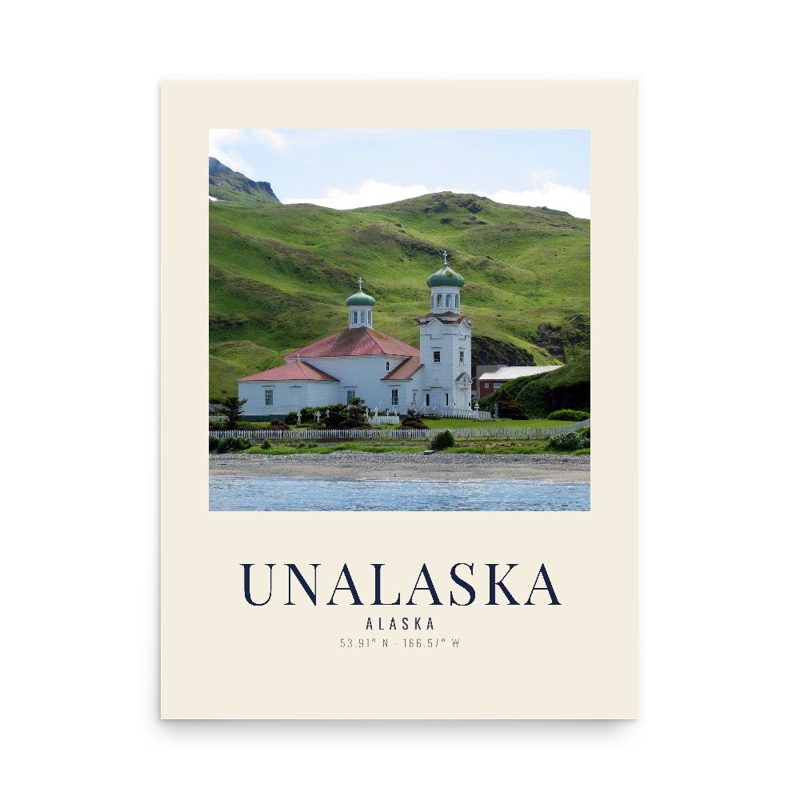
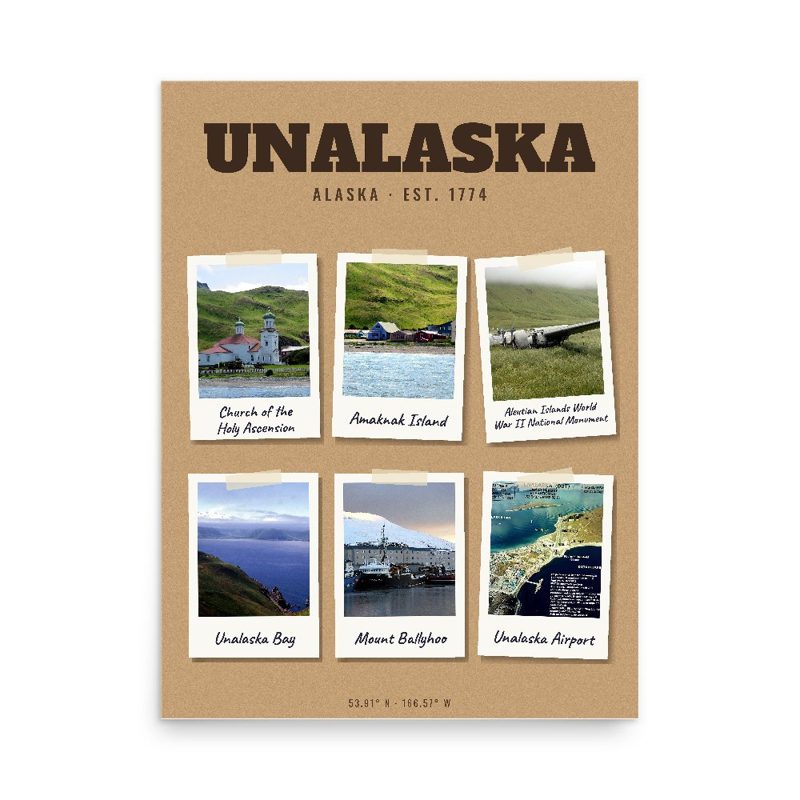







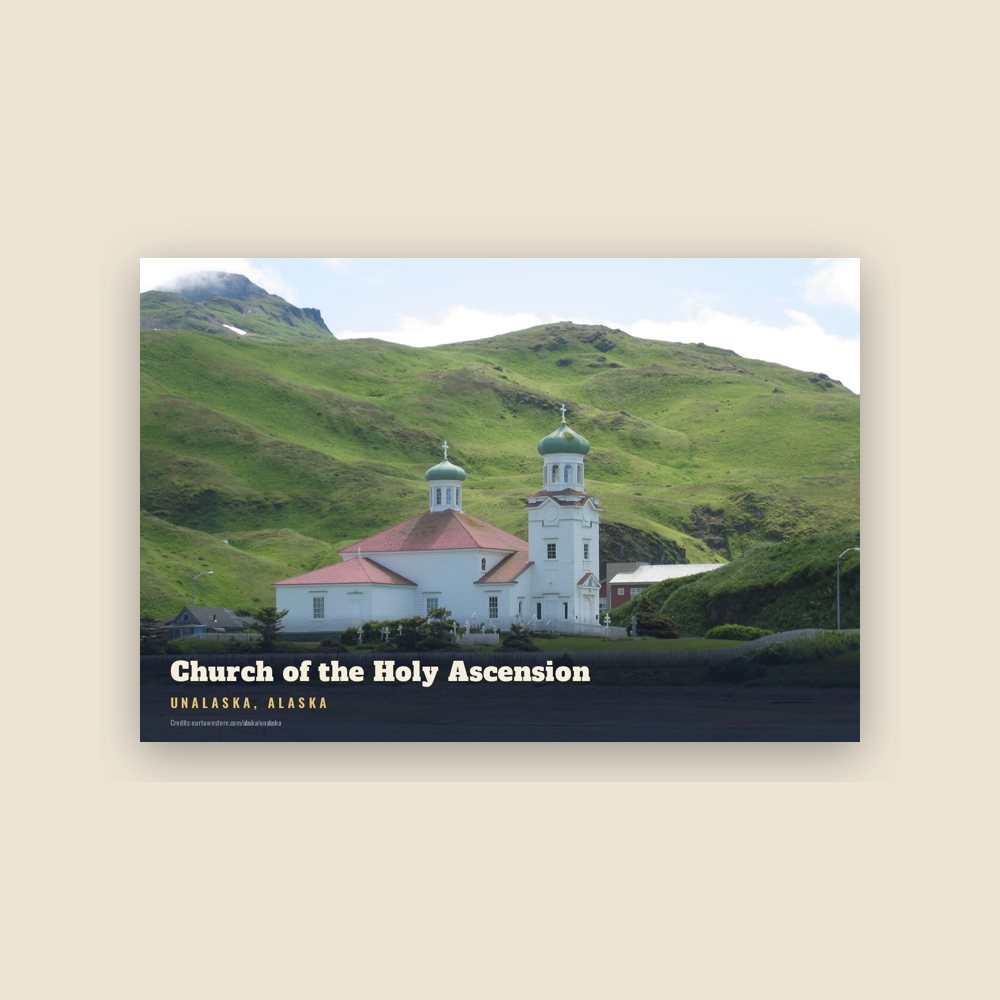
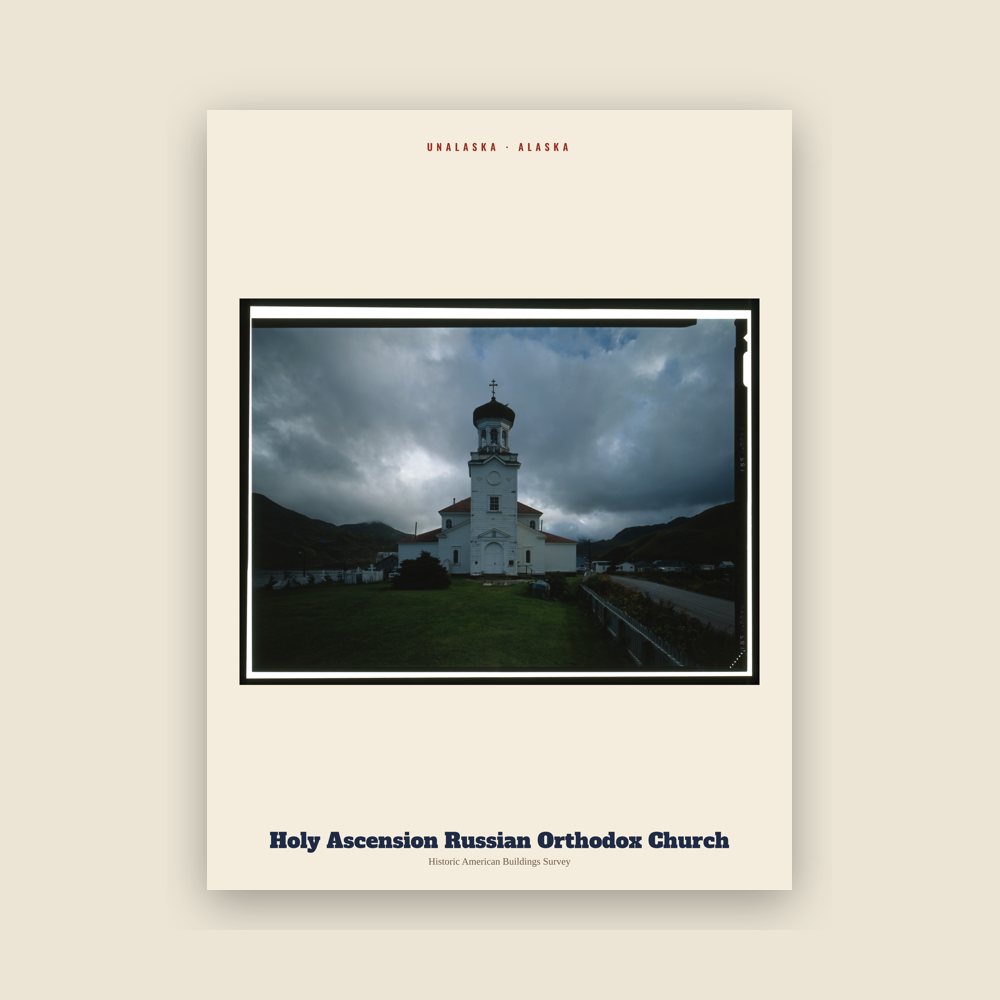
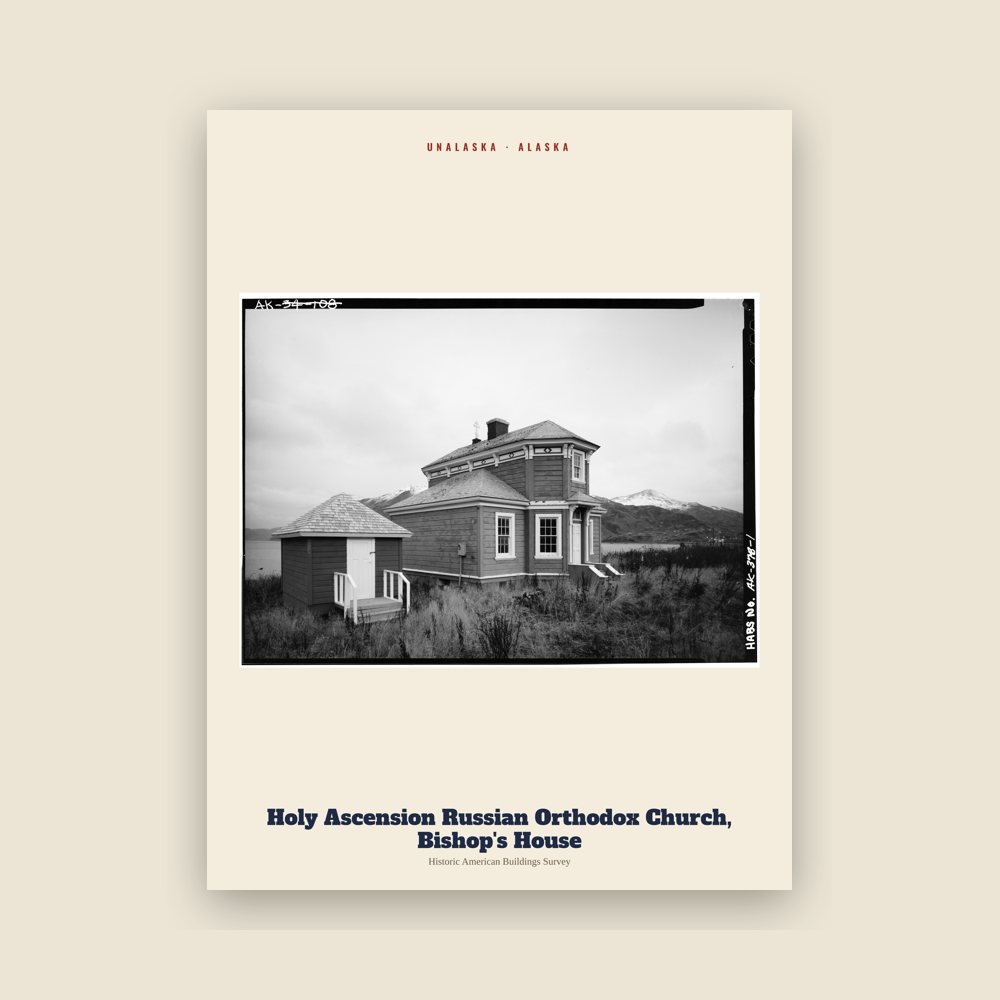
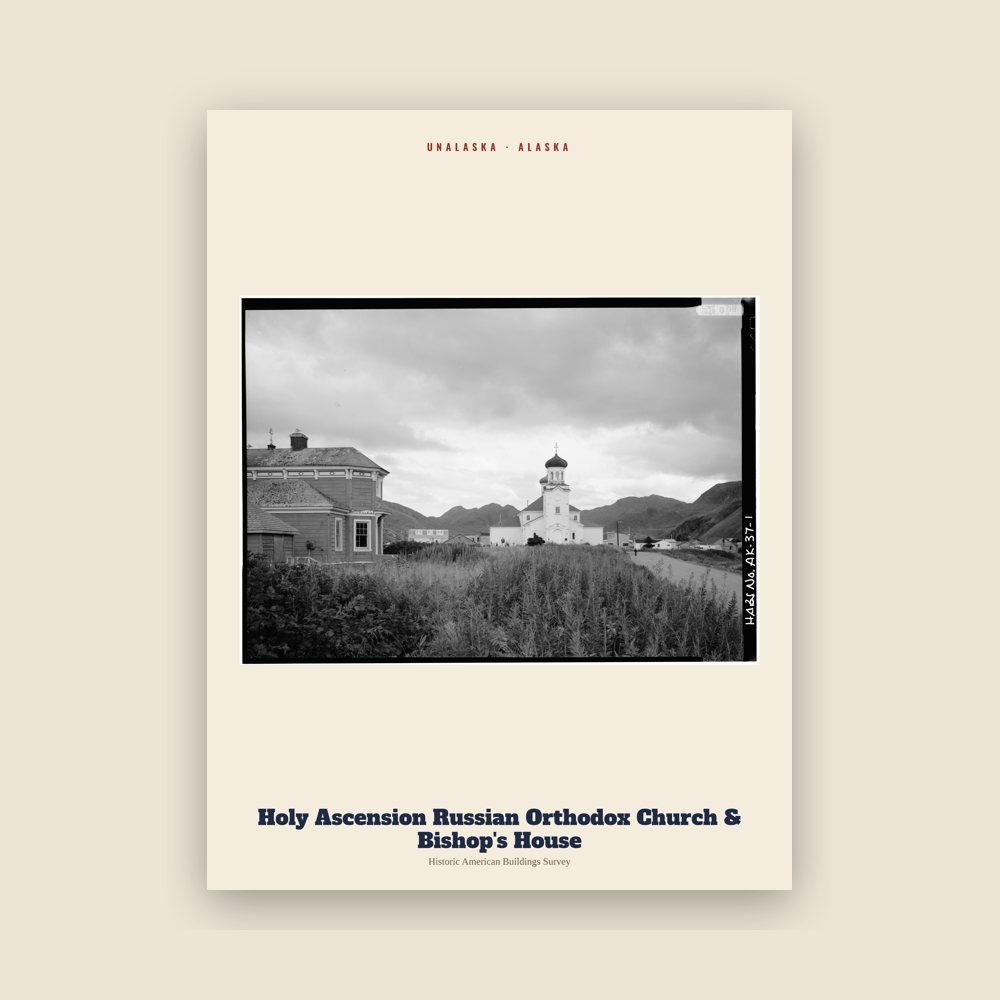
 Church of the Holy Ascension
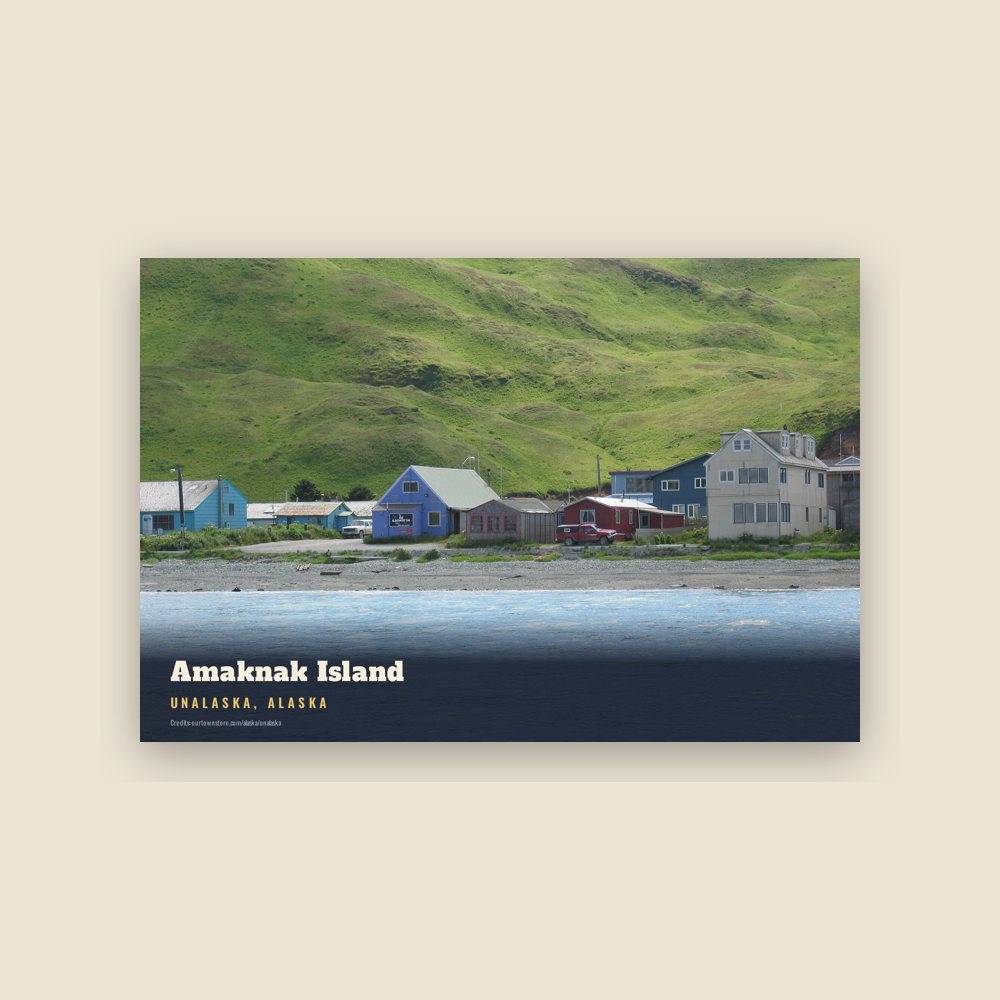
 Amaknak Island
 PenAir Flight 3296
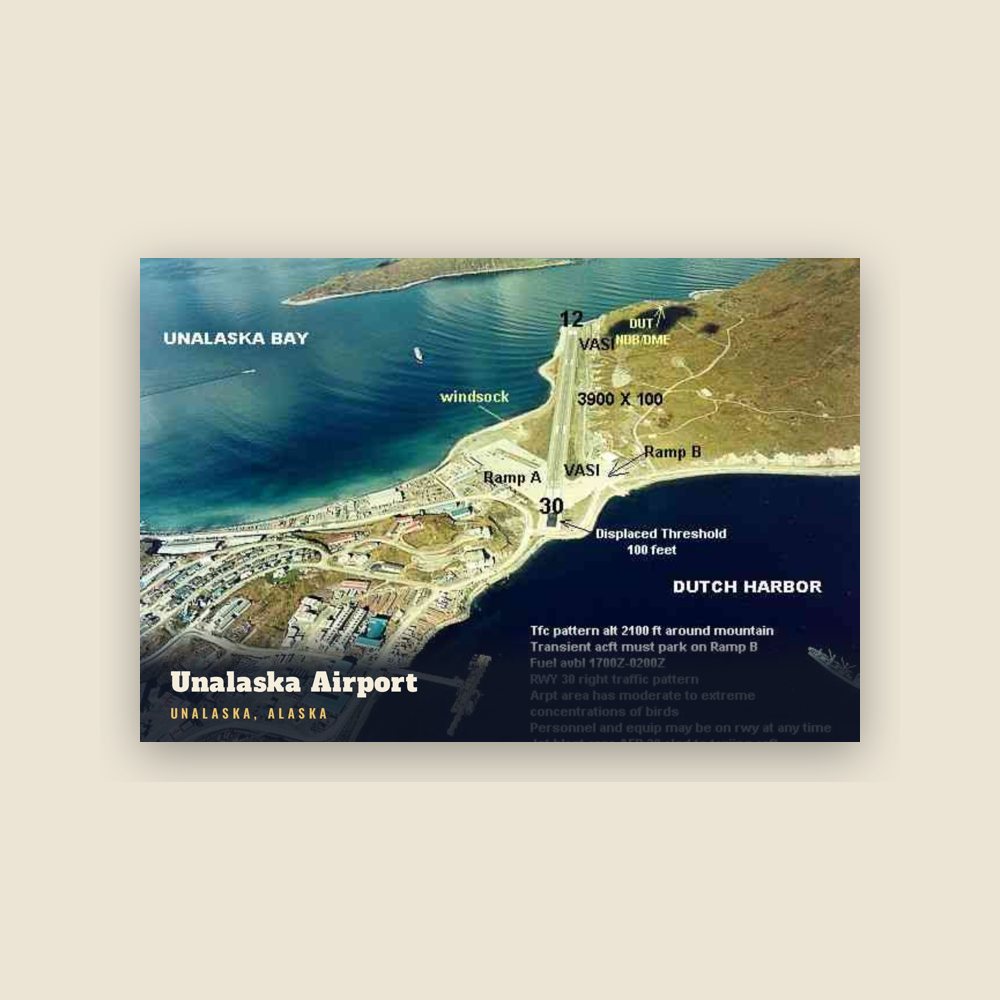
 Unalaska Airport