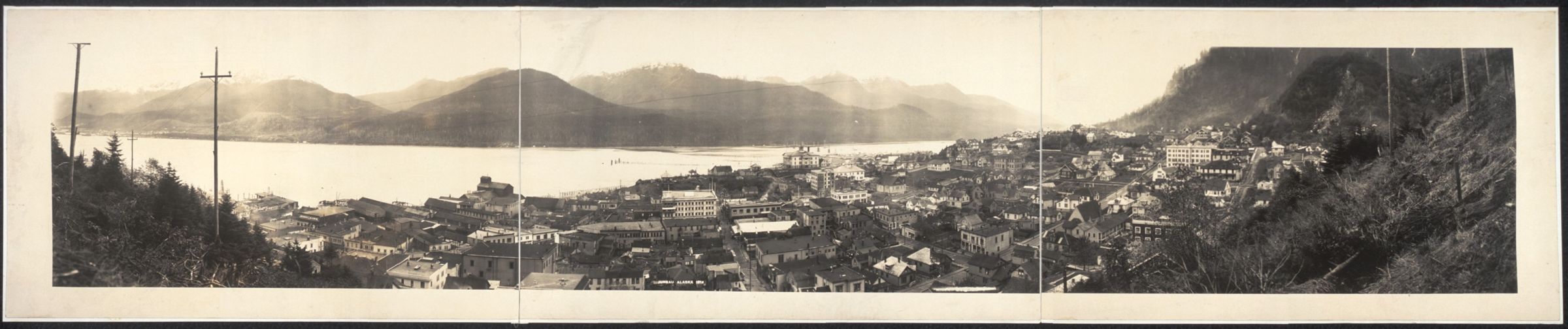
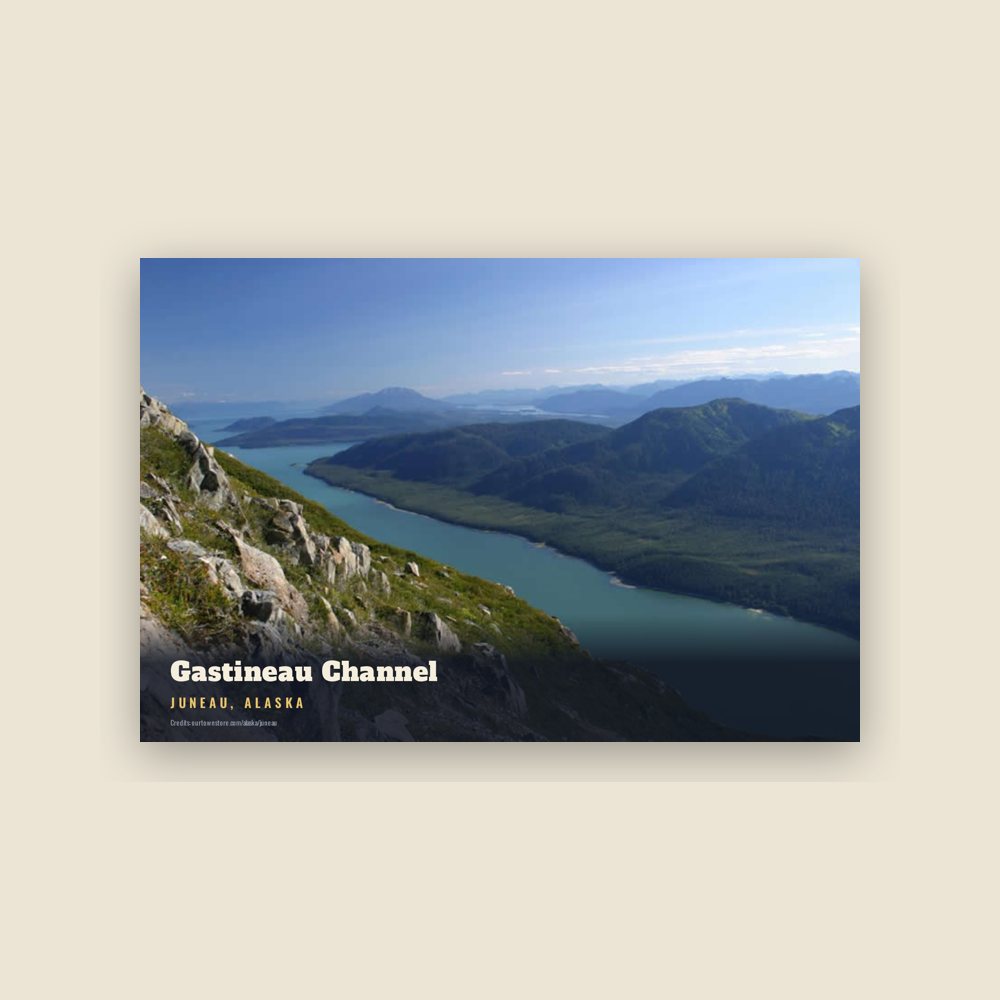
The Gastineau Channel was a fishing place for the Auke (A'akw Kwáan) and Taku tribes, who had inhabited the surrounding area for thousands of years. The A'akw Kwáan had a village and a burying ground here. In the 21st century, it is known as Indian Point. They annually harvested herring during the spawning season.
Since the late 20th century, the A'akw Kwáan, together with the Sealaska Heritage Institute, have resisted European-American development of Indian Point, including proposals by the National Park Service and the National Oceanic and Atmospheric Administration (NOAA). They consider it to be sacred territory, both because of the burying ground and the importance of the point in their traditions of gathering sustenance from the sea. They continue to gather clams, gumboot chitons, grass, and sea urchins, as well as tree bark for medicinal uses.
The city and state supported the Sealaska Heritage Institute in documenting the 78 acres (32 ha) site, and in August 2016, it was listed on the National Register of Historic Places. "It is the first traditional cultural property in Southeast Alaska to be placed on the register." Descendants of the indigenous people include the Tlingit. Native cultures have rich artistic traditions expressed in carving, weaving, singing, dancing, and through oral lore. Juneau is a social center for the Tlingit, Haida, and Tsimshian of Southeast Alaska.
Read the full history
European encounters
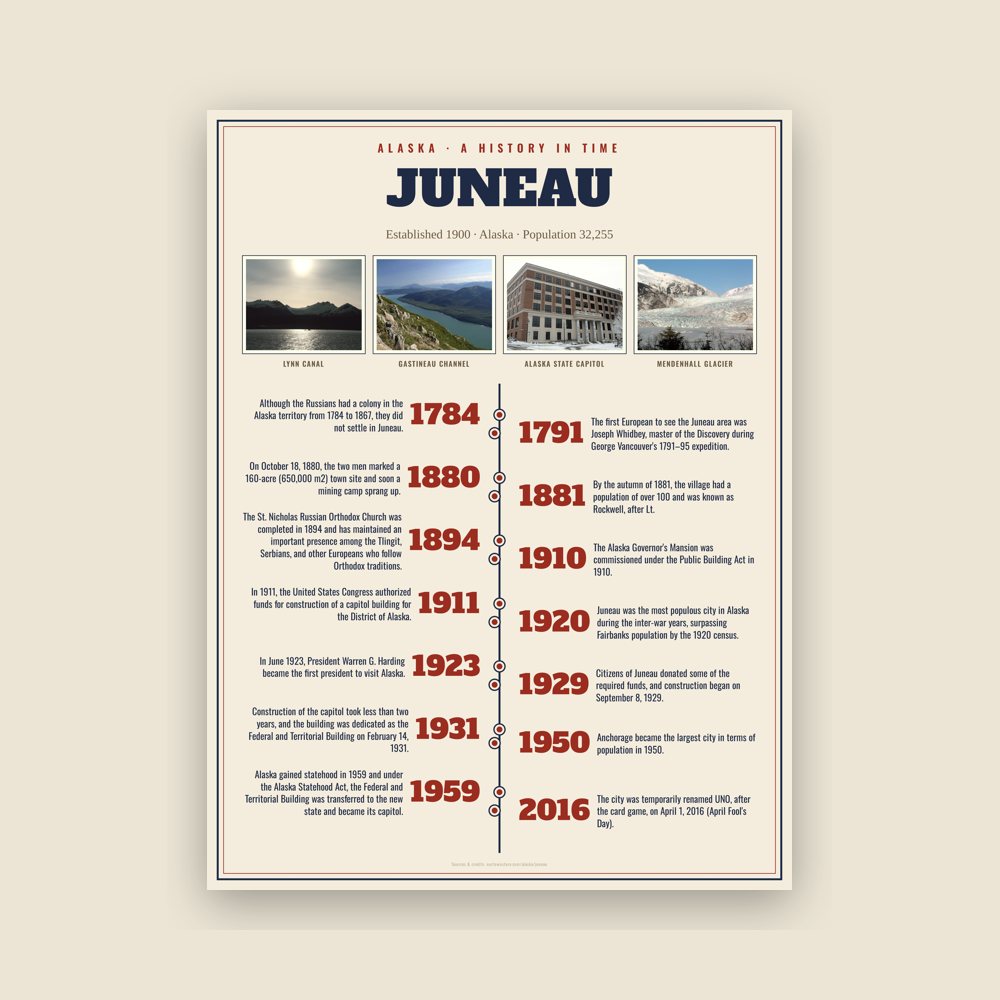
Although the Russians had a colony in the Alaska territory from 1784 to 1867, they did not settle in Juneau. They conducted extensive fur trading with Alaskan Natives of the Aleutian Islands and Kodiak.
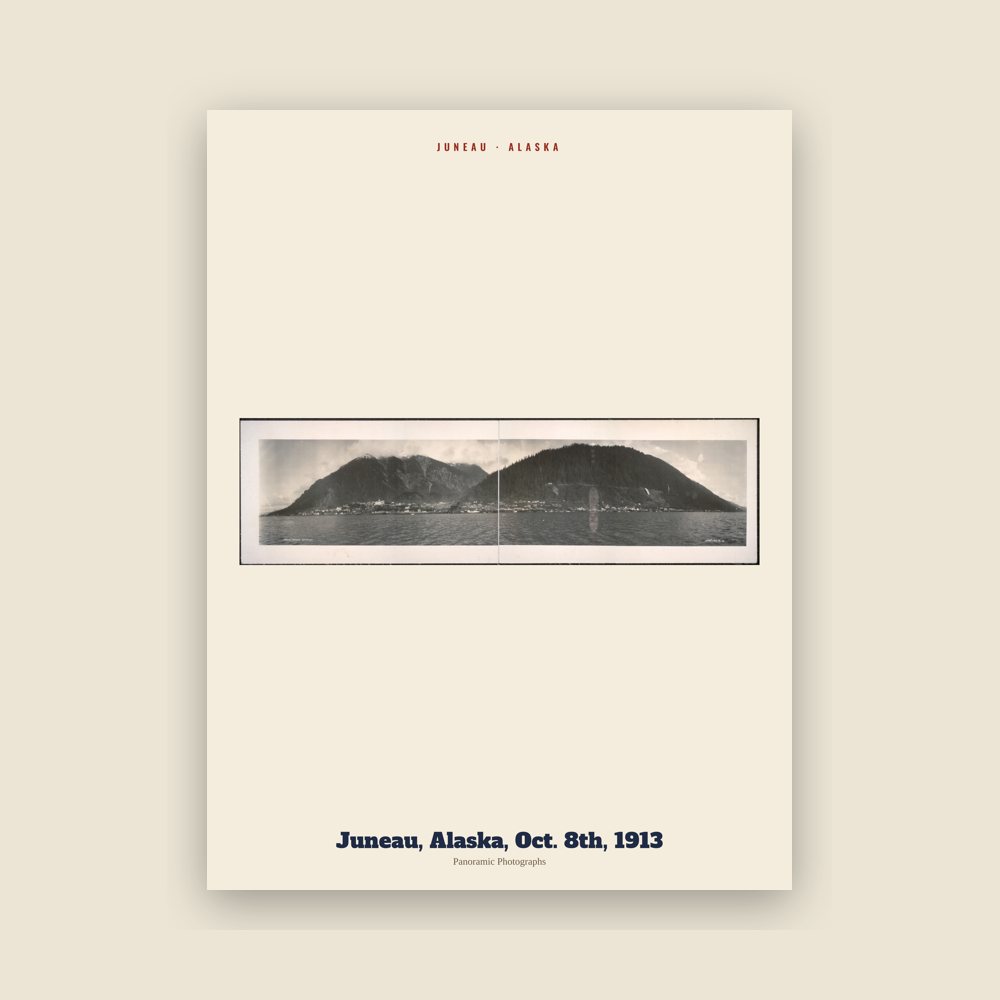
The first European to see the Juneau area was Joseph Whidbey, master of the Discovery during George Vancouver's 1791–95 expedition. He and his party explored the region in July–August 1794. Early in August he viewed the length of Gastineau Channel from the south, noting a small island in mid-channel. He later recorded seeing the channel again, this time from the west. He said it was unnavigable, being filled with ice.
Mining era and naming
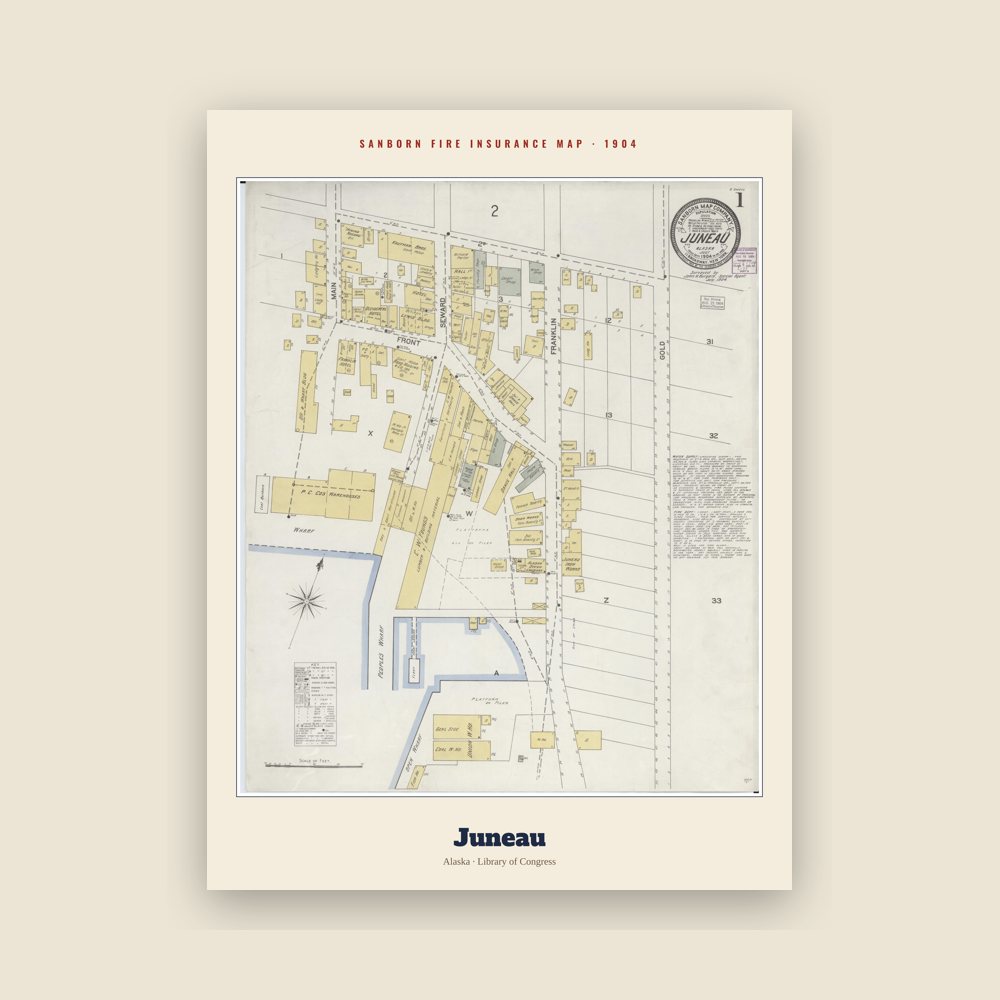
After the California gold rush, miners migrated up the Pacific Coast and explored the West, seeking other gold deposits. In 1880, Sitka mining engineer George Pilz offered a reward to any local native in Alaska who could lead him to gold-bearing ore. A local native arrived with some ore, and several prospectors were sent to investigate. On their first trip to Gold Creek, they found deposits of little interest. However, Pilz sent Joe Juneau (the cousin of Milwaukee co-founder Solomon Juneau) and Richard Harris back to the Gastineau Channel, directing them to go to Snow Slide Gulch (the head of Gold Creek). According to the Rev. Samuel Young, in his book Alaska Days with John Muir, Juneau and Harris decided to explore their party's campsite at the creek head in the summer of 1879. They found nuggets "as large as peas and beans" there, in Harris' words.
On October 18, 1880, the two men marked a 160-acre (650,000 m2) town site and soon a mining camp sprang up. Many miners arrived within a year and the camp became a village, albeit made up mostly of tents and shacks rather than buildings. It was the first European American settlement founded in the territory after the United States purchased Alaska. By the autumn of 1881, the village had a population of over 100 and was known as Rockwell, after Lt. Com. Charles Rockwell; later it was known as Harrisburg after prospector Richard Harris. On December 14, 1881, it was decided at a miners' meeting of 72 persons to name the settlement Juneau, after prospector Joe Juneau.
Establishment of Russian Orthodox Church
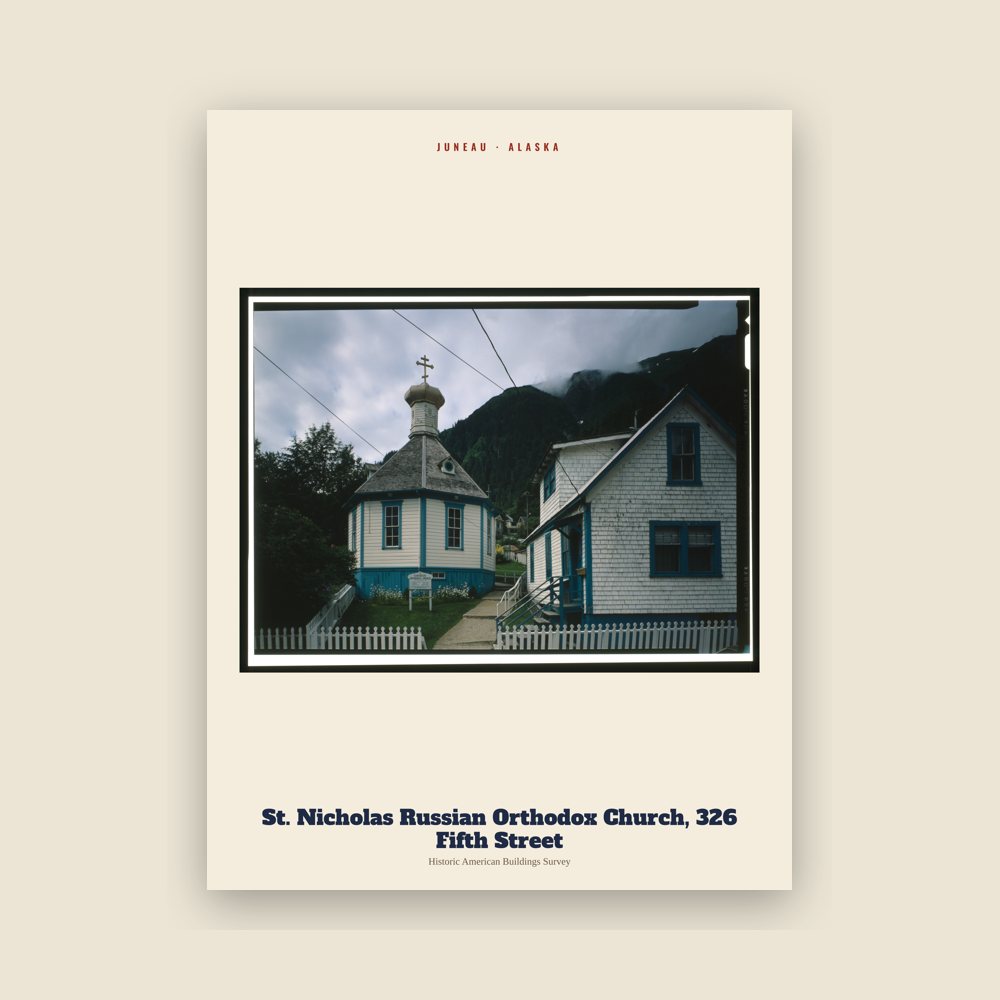
Likely due to the pressure of European encroachment, some Tlingit appealed to the Russian Orthodox Church. It held services in northern Tlingit settlements in local languages as early as 1800 and 1824. One of its priests translated scripture and liturgy into the Tlingit language during the 1830s and 1840s. The Tlingit arranged for an Orthodox priest to come to their Juneau settlement. In 1890, about 700 people converted after chief Yees Gaanaalx and his wife of Auke Bay joined the church. The Orthodox Church Missionary Society supported the Tlingit in furnishing and constructing a church for the large congregation.
The St. Nicholas Russian Orthodox Church was completed in 1894 and has maintained an important presence among the Tlingit, Serbians, and other Europeans who follow Orthodox traditions. The iconostasis has six large panels which were sent from Russia.
Development of mining
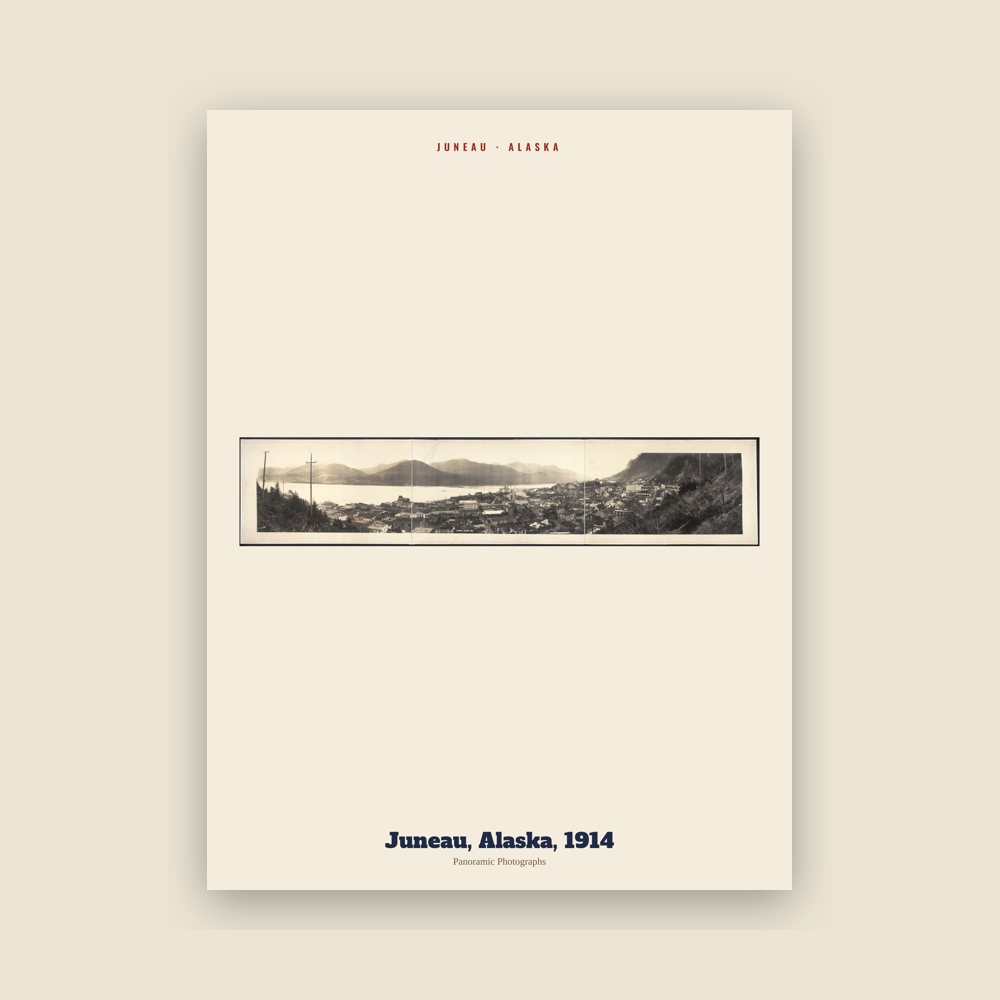
Prospector and placer miner John Lemon operated at the time in what is today the Lemon Creek area. The neighborhood which developed there was given his name by early settlers. Several other landmarks in Juneau have also been named for him. Major mining operations in the Juneau mining district prior to World War II included the Treadwell Mine, the Alaska-Juneau Mine, and the Alaska-Gastineau Mine.
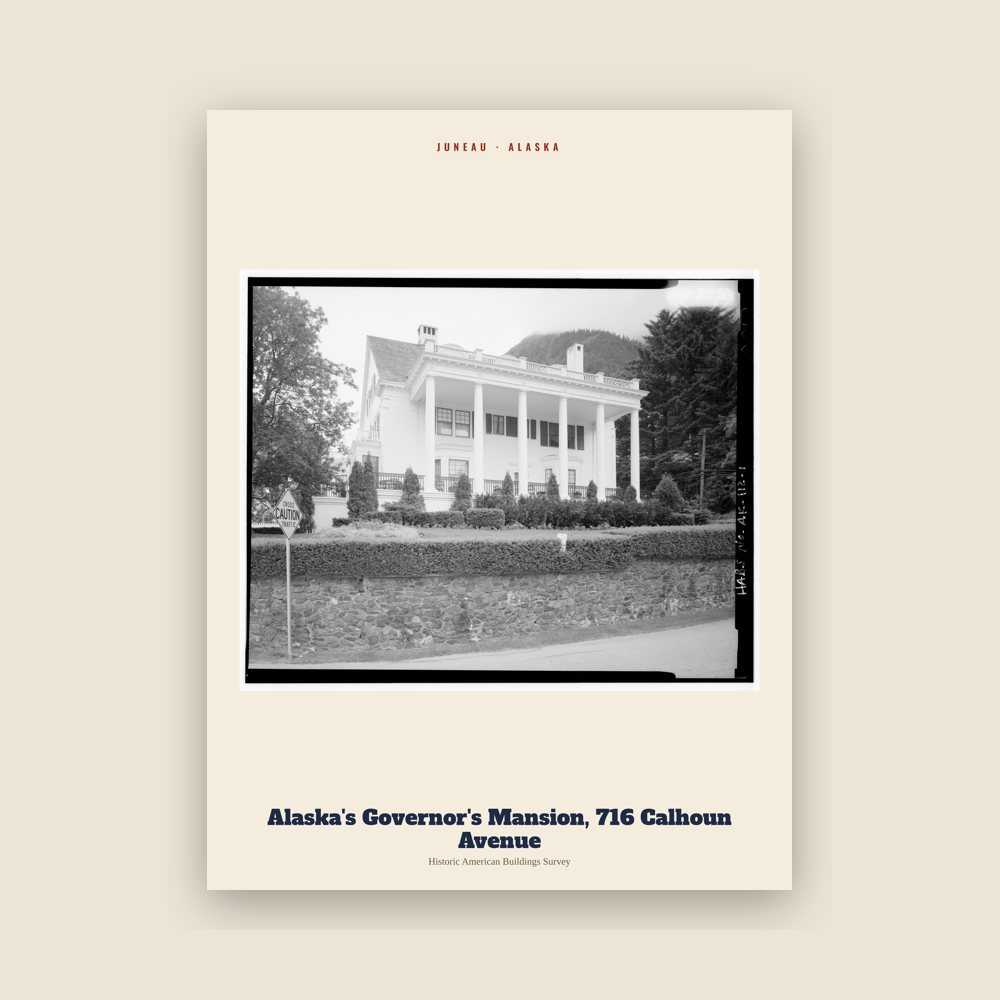
By 1906, after the decline of whaling and the fur trade, Sitka which was the original capital of Alaska, had become less important and the territorial legislature moved the seat of government to Juneau in accordance with a 1900 federal law. Juneau was the most populous city in Alaska during the inter-war years, surpassing Fairbanks population by the 1920 census. Anchorage became the largest city in terms of population in 1950.
Selection as capital
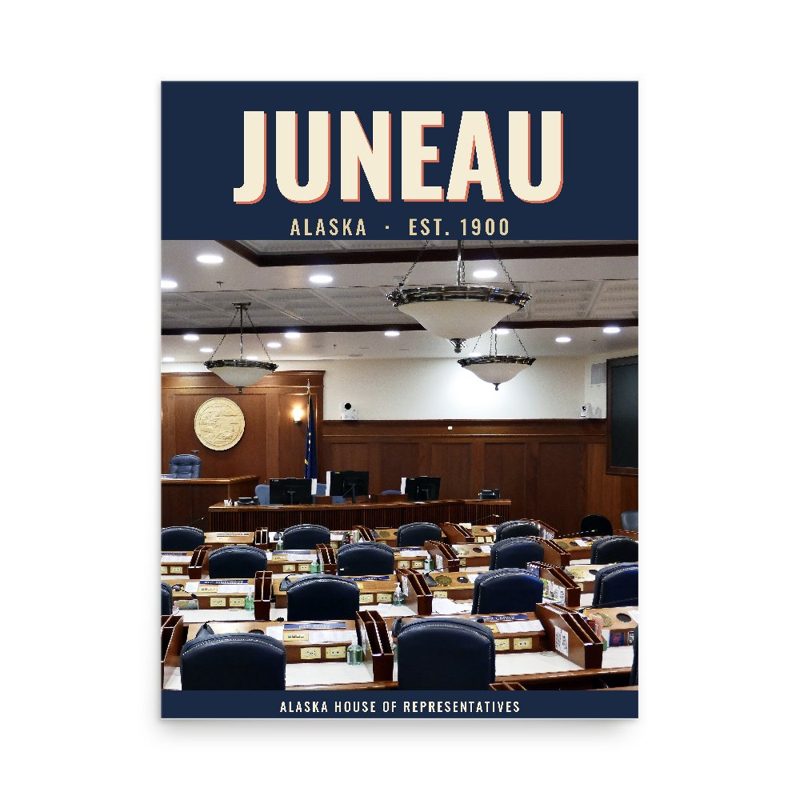
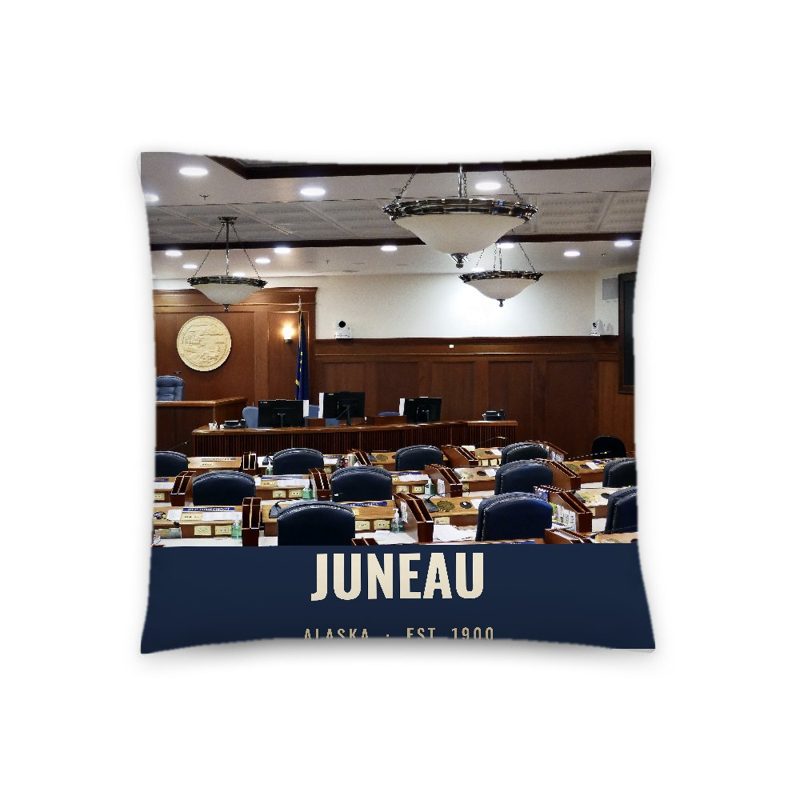
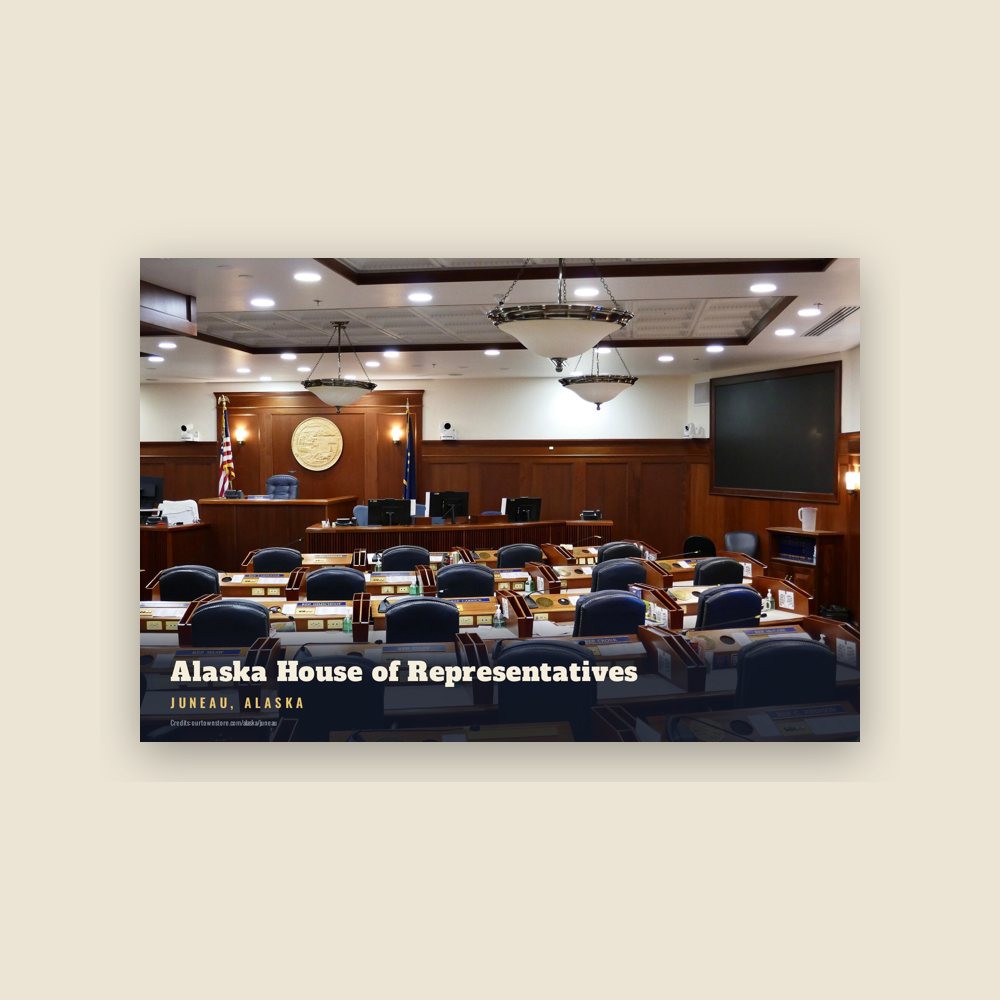
In 1911, the United States Congress authorized funds for construction of a capitol building for the District of Alaska. World War I delayed construction and there were difficulties purchasing the necessary land. Citizens of Juneau donated some of the required funds, and construction began on September 8, 1929. Construction of the capitol took less than two years, and the building was dedicated as the Federal and Territorial Building on February 14, 1931. It was designed by Treasury Department architects in the Art Deco architectural style. The building was originally used by the federal government to house the federal courthouse and the post office for the territory. Alaska gained statehood in 1959 and under the Alaska Statehood Act, the Federal and Territorial Building was transferred to the new state and became its capitol.
During World War II, more than 50 Japanese citizens and Japanese Americans residing in Juneau were sent to the internment camps inland as a result of Executive Order 9066, which authorized the forced removal of all ethnic Japanese away from their homes and businesses on the West Coast of the United States. The removal of Juneau's Japanese community during the war is memorialized by the Empty Chair Memorial, which was dedicated in July 2014 in the city's Capital School Park neighborhood.
Robert Atwood, who was then the publisher of the Anchorage Times and an Anchorage "booster", was an early leader in efforts to move the capital to Fairbanks, which many in both cities resisted. Some supporters of a move wanted a new capital to be at least 30 miles (48 km) away from Anchorage and Fairbanks, to prevent either city from having undue influence. Juneau has continued as the capital. In the 1970s, voters passed a plan to move the capital to Willow, a town 70 miles (110 km) north of Anchorage. But pro-Juneau people there and in Fairbanks persuaded voters also to approve a measure (the FRANK Initiative) requiring voter approval of all bondable construction costs before building could begin. Alaskans later voted against spending the estimated $900 million. A 1984 "ultimate" capital-move vote also failed, as did a 1996 vote.
After Alaska achieved statehood in 1959, Juneau's population increased as well as the growth of state government. After construction of the Alaska Pipeline in 1977, the state budget was flush with oil revenues, and it expanded state spending programs. The population growth in Juneau slowed considerably after 1990.
21st century
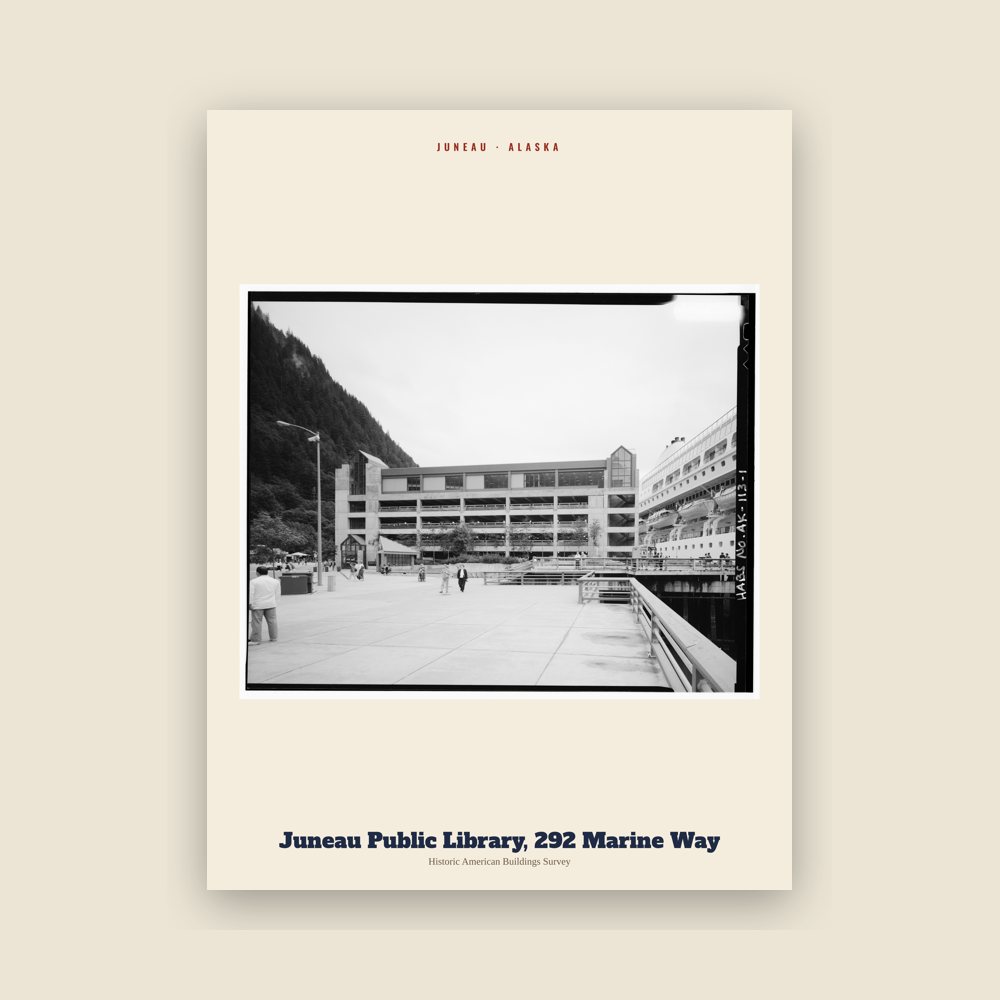
In 2005, the state demographer projected slow growth in the borough for the next twenty years. Cruise ship tourism has expanded rapidly, from approximately 230,000 passengers in 1990 to nearly 1,700,000 in 2025, as cruise lines have built more and larger ships. They sail to Juneau seven days a week over a longer season than before, but the cruising tourism is still primarily a summer industry. It provides few year-round jobs but stimulates summer employment in the city. In 2010, the city was recognized as part of the "Playful City USA" initiative by KaBOOM!, created to honor cities that ensure their children have great places to play.
The city was temporarily renamed UNO, after the card game, on April 1, 2016 (April Fool's Day). The event was a promotion with Mattel to draw "attention to new wild cards in [the] game". For Juneau's cooperation, Mattel donated $15,000 "to the Juneau Community Foundation in honor of the late Mayor Greg Fisk."
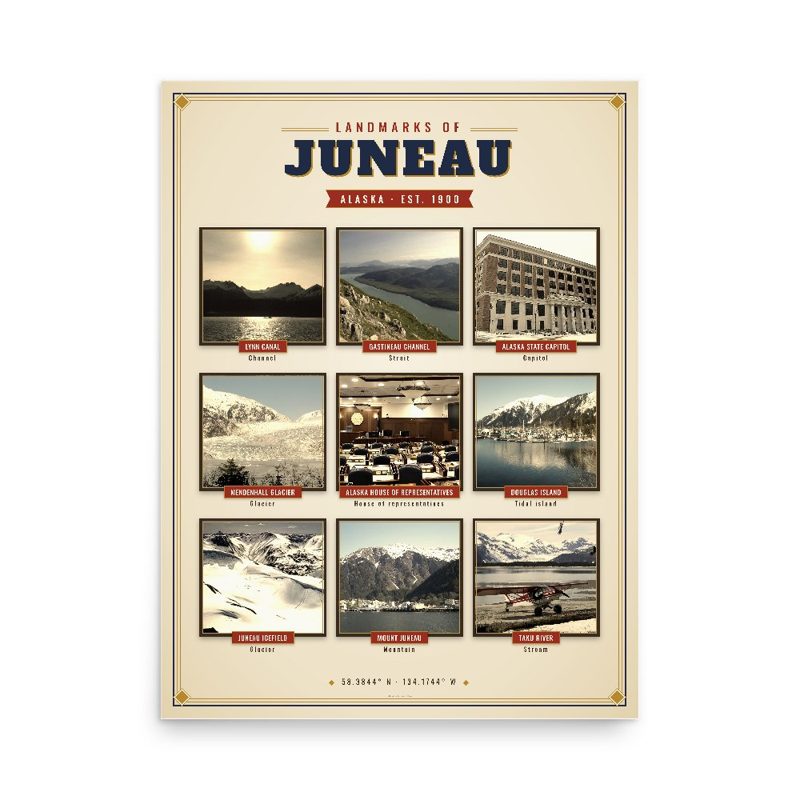
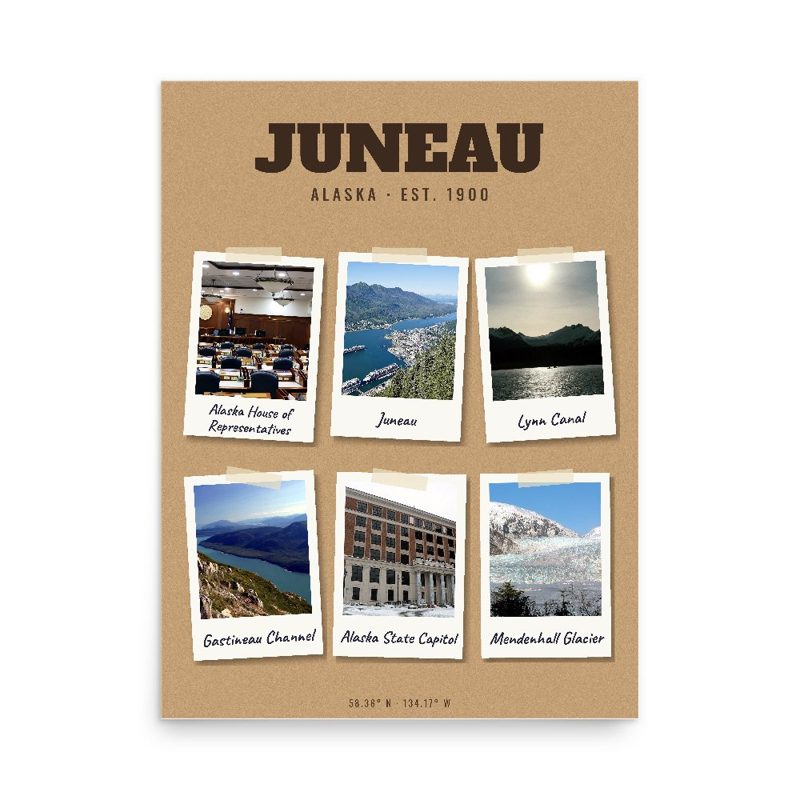
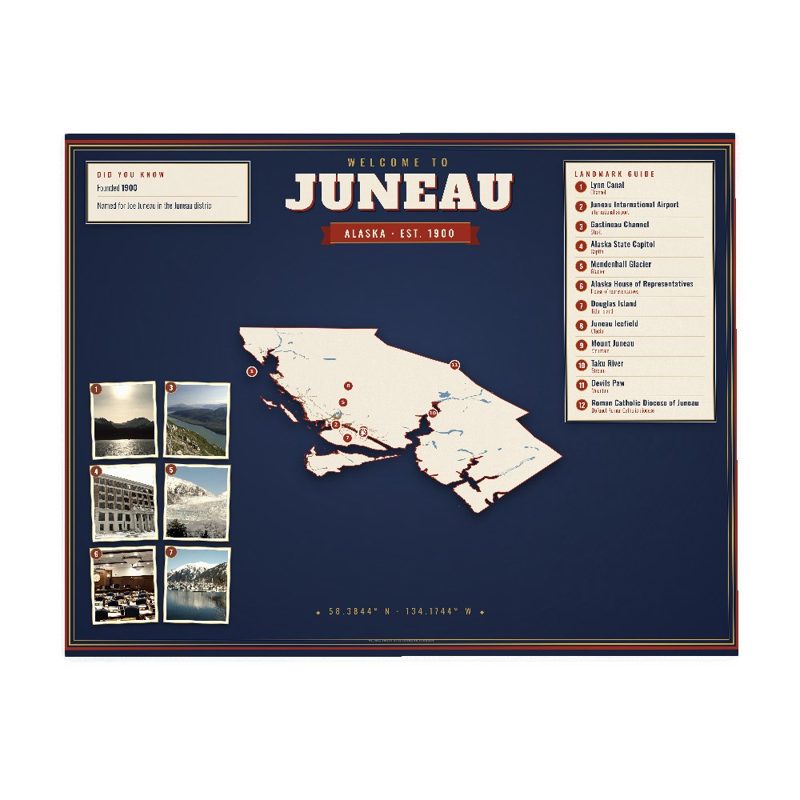


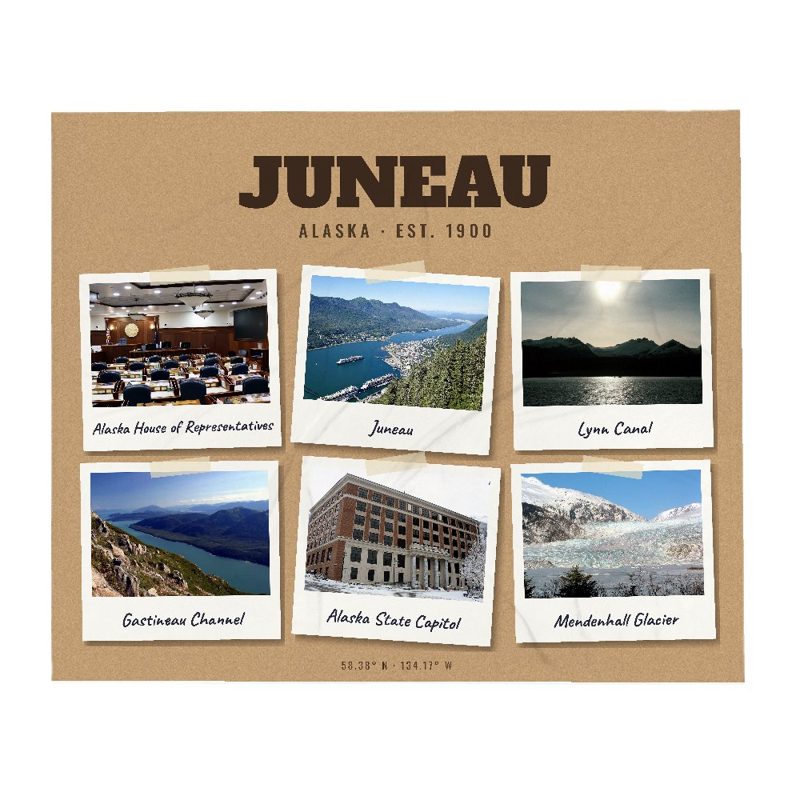
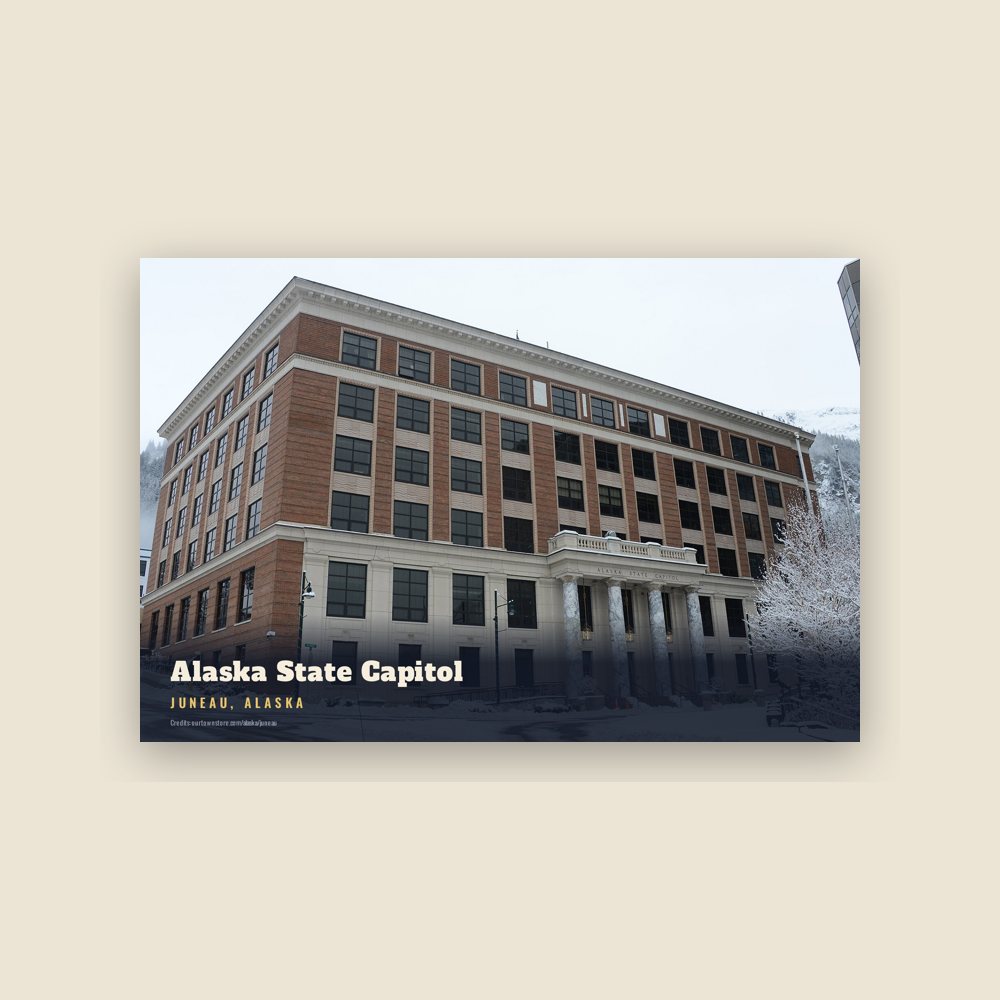
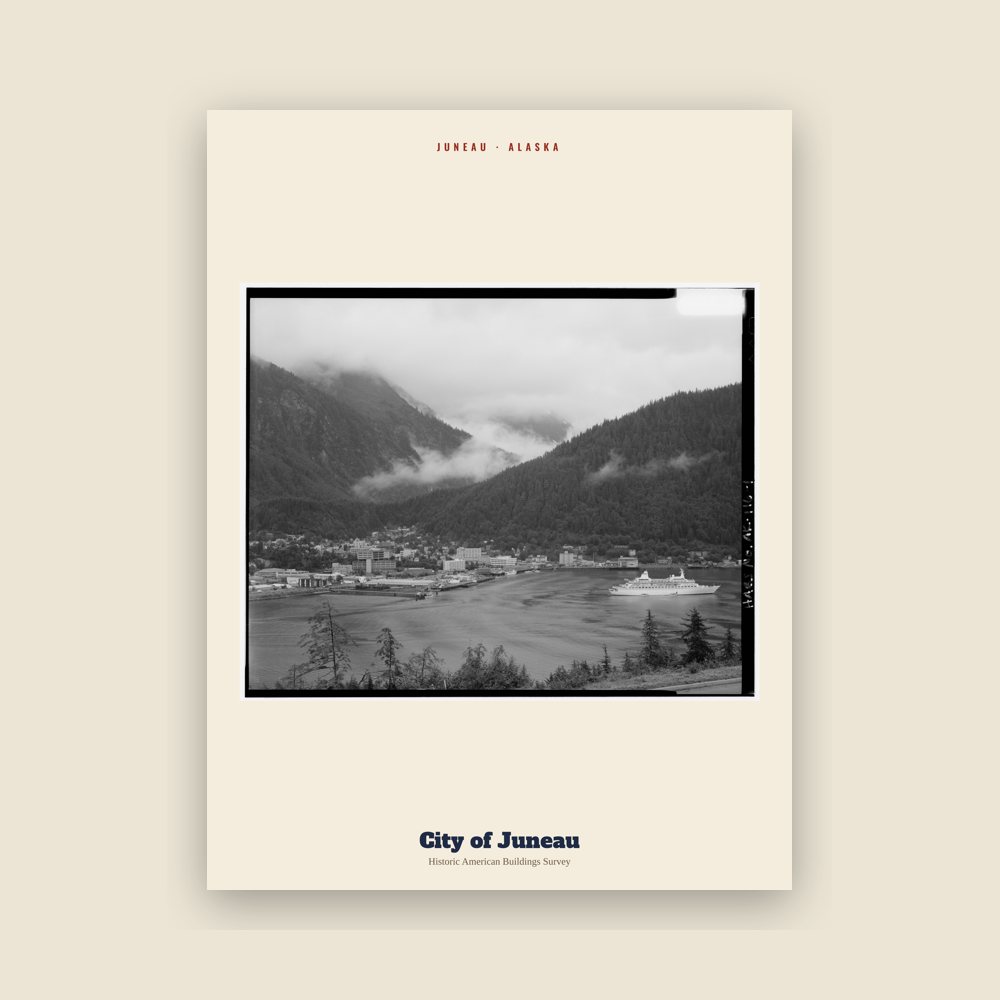
 Alaska State Capitol
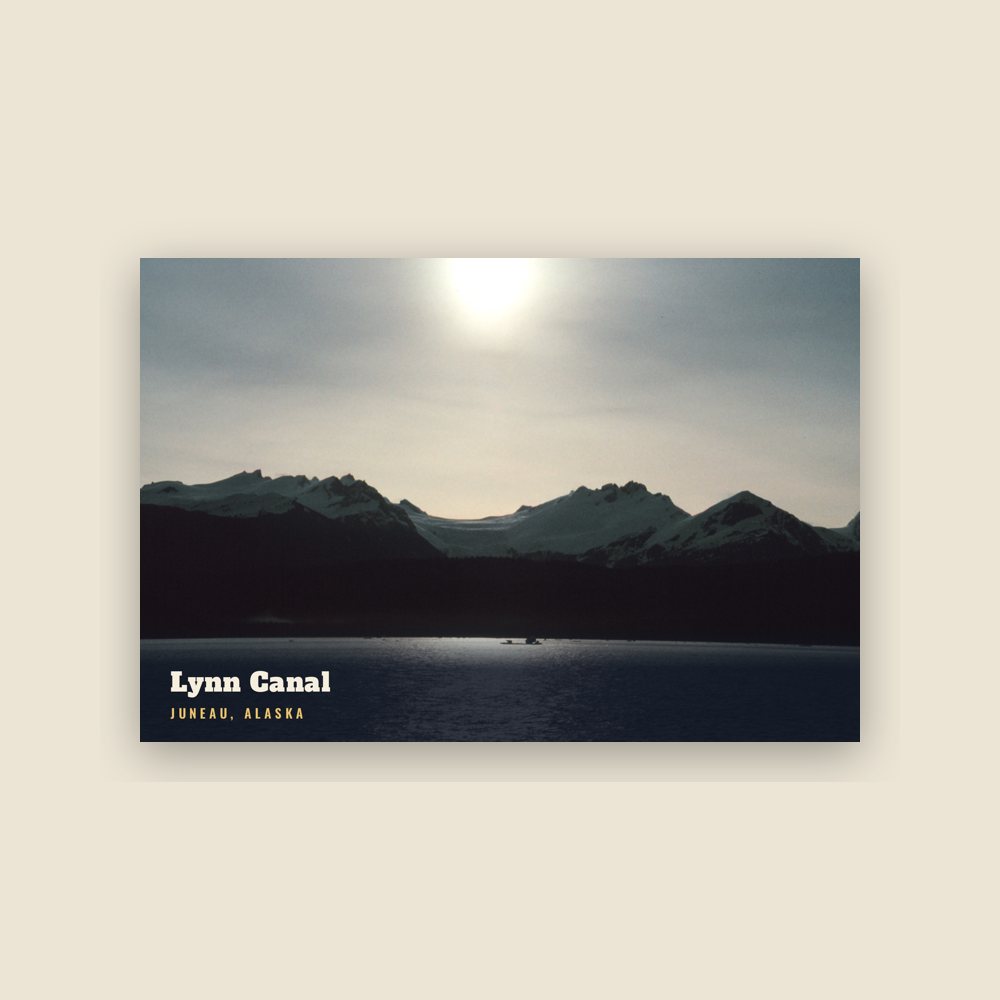
 Lynn Canal
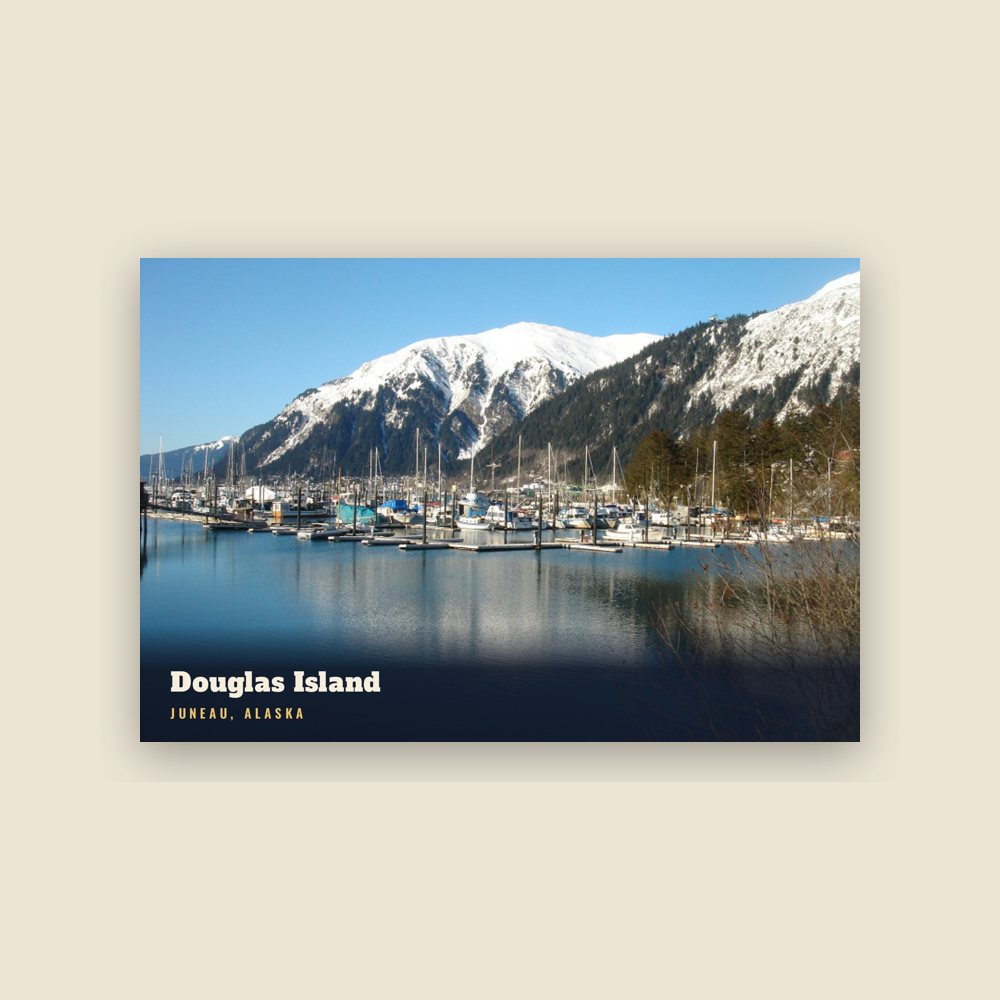
 Gastineau Channel
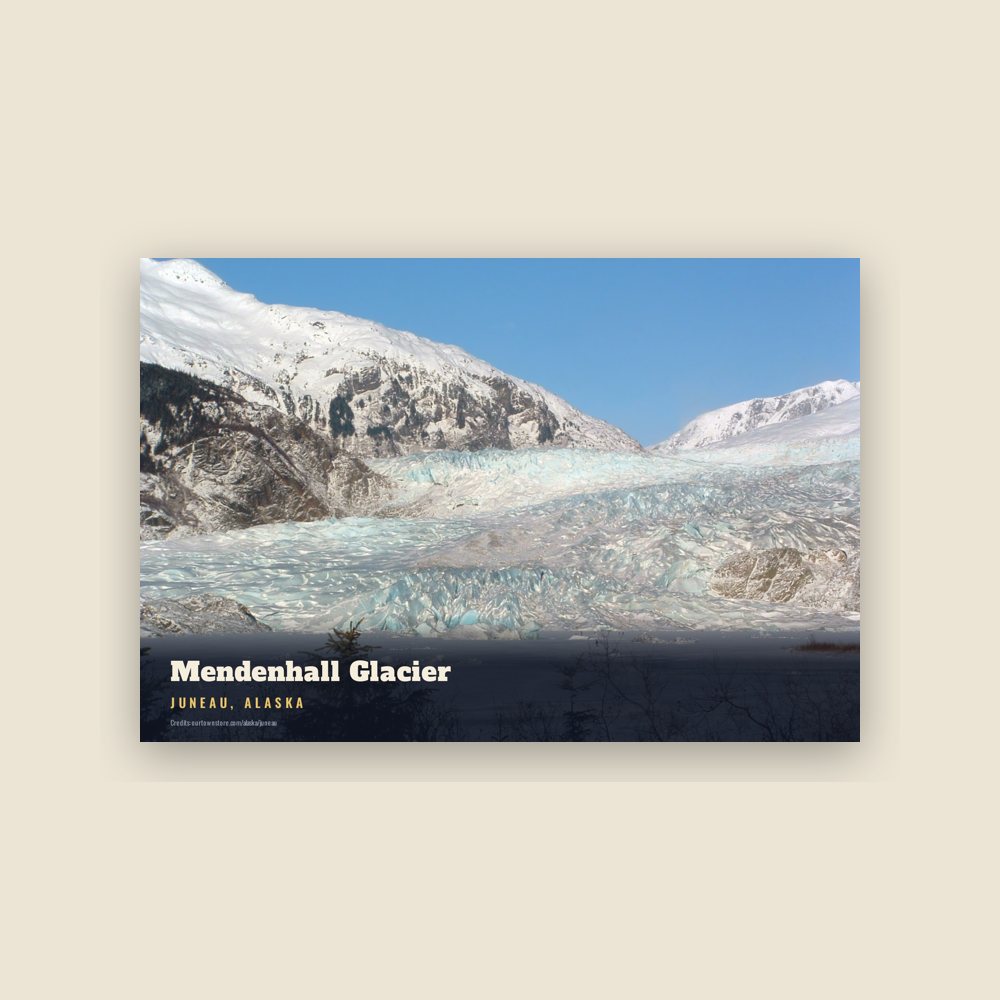
 Mendenhall Glacier