A short history of Homer
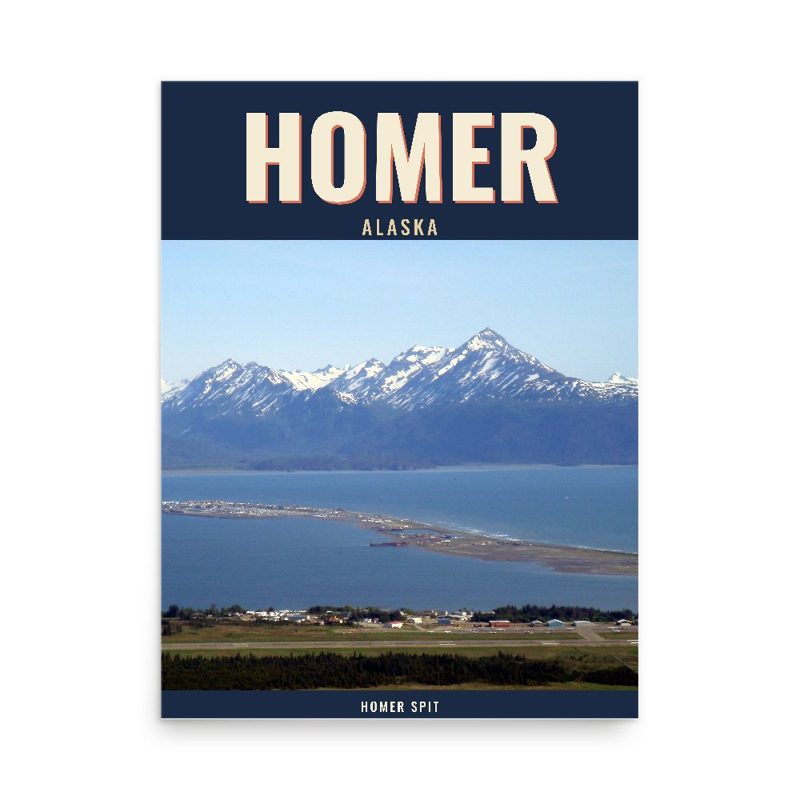
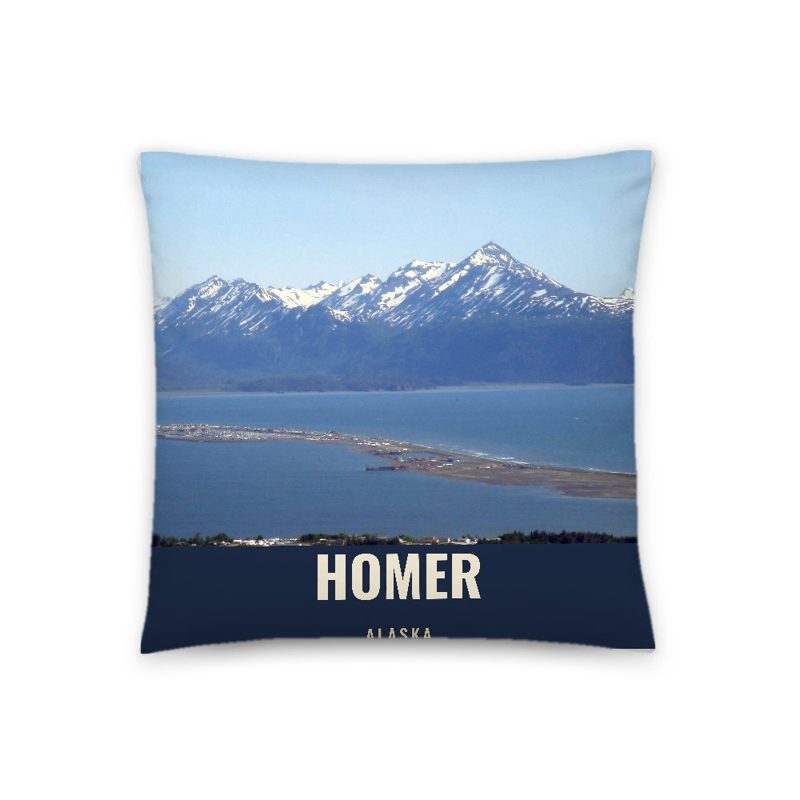
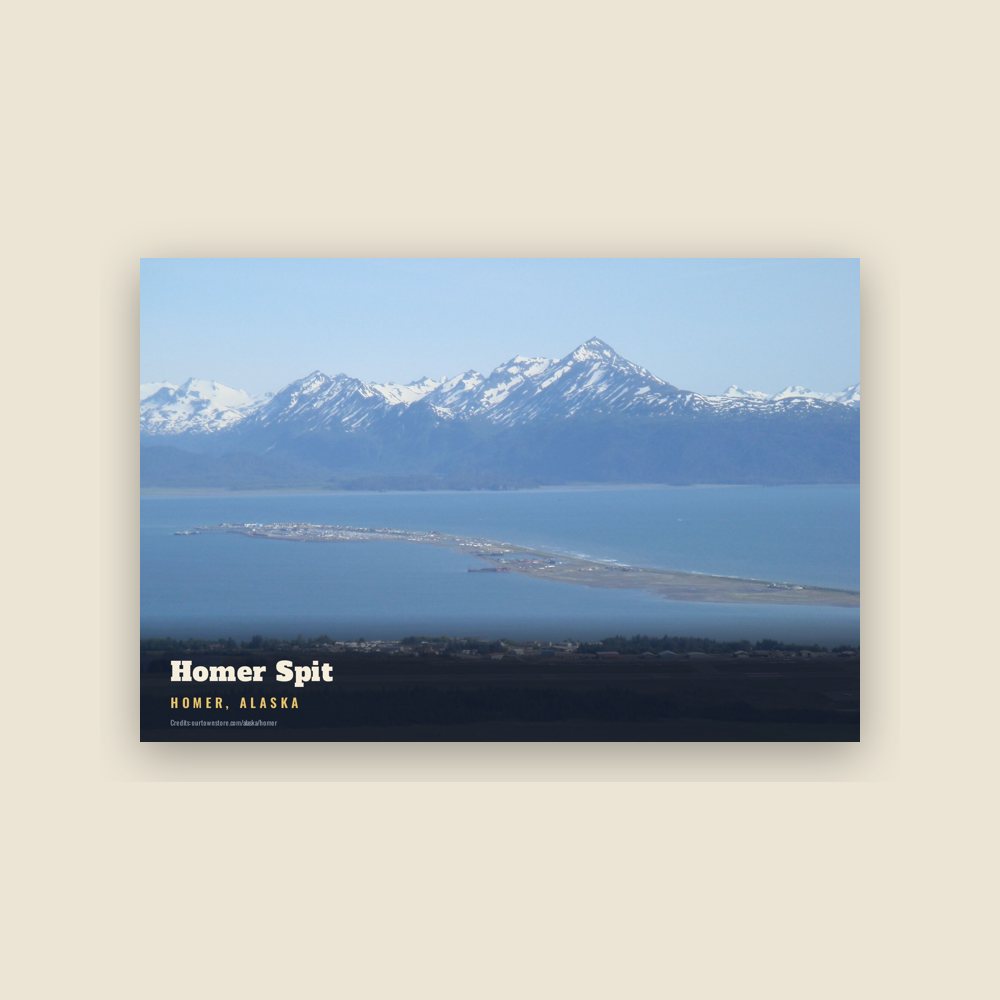
Tiller digs indicate that early Alutiiq people probably camped in the Homer area, including on the Homer Spit, although their villages were on the far side of Kachemak Bay. The area has been inhabited by humans for around 8,000 years.
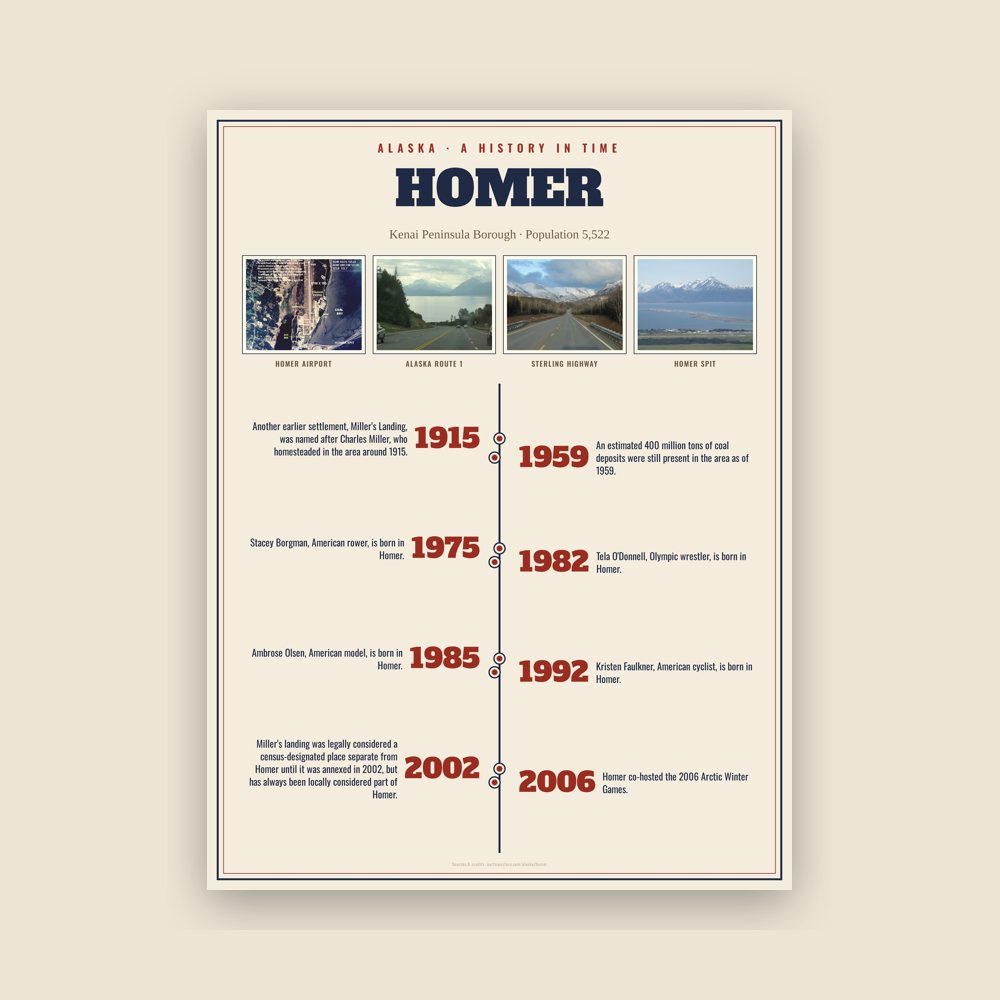
Coal was discovered in the area in the 1890s. The Cook Inlet Coal Fields Company built a town, dock, coal mine, and railroad at Homer. Coal mining in the area continued and was the main pillar of the economy until World War II. An estimated 400 million tons of coal deposits were still present in the area as of 1959.
Homer was named for Homer Pennock, a gold mining company promoter, who arrived in 1896 on the Homer Spit and built living quarters for his crew of 50 men and one woman. However, gold mining was never profitable in the area.
Another earlier settlement, Miller's Landing, was named after Charles Miller, who homesteaded in the area around 1915. According to local historian Janet Klein, he was an employee of the Alaska Railroad and had wintered company horses on the beach grasses on the Homer Spit. He built a landing site in a small bight in Kachemak Bay, where supply barges from Seldovia could land and offload their cargos. Miller's landing was legally considered a census-designated place separate from Homer until it was annexed in 2002, but has always been locally considered part of Homer.
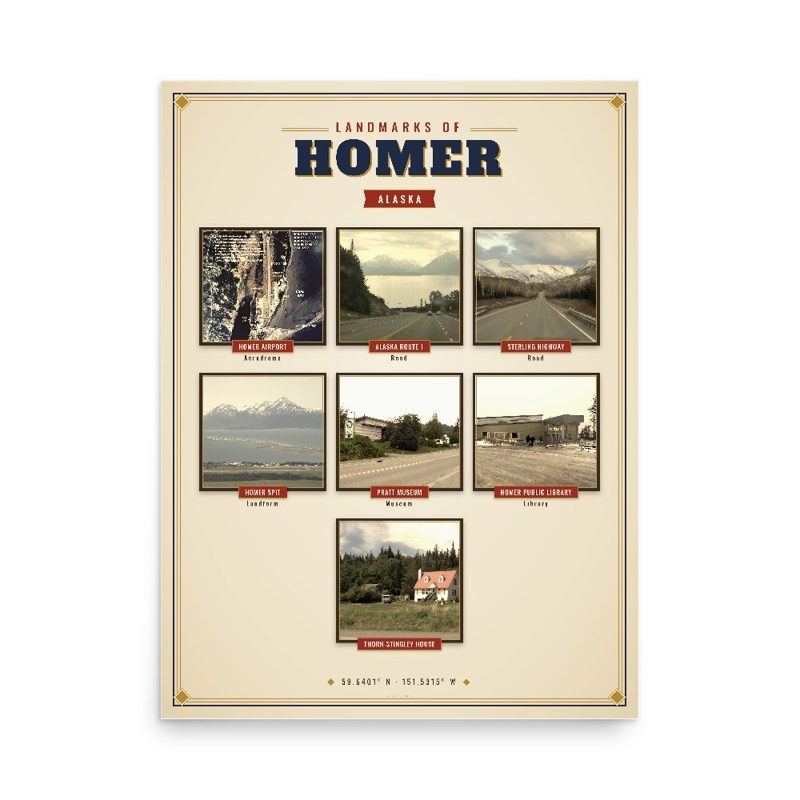
Commercial fishing became an important economic activity in the early 1900s, and today halibut and salmon sport fishing, along with tourism and commercial fishing, are the dominant industries. Homer co-hosted the 2006 Arctic Winter Games. The Alaska Maritime National Wildlife Refuge and the Kachemak Bay Research Reserve co-host a visitor center with interpretive displays known as the Alaska Islands and Ocean Visitor Center, and a cultural and historical museum there is called the Pratt Museum.
Adapted (trimmed) from the Wikipedia article Homer, Alaska, revision 1377382597 by its contributors, licensed CC BY-SA 4.0.

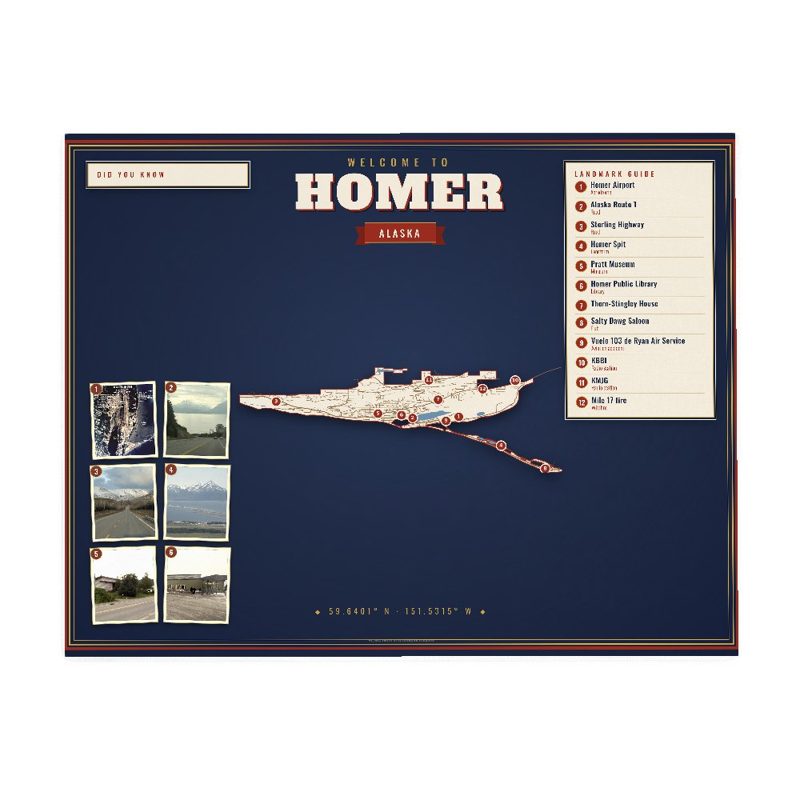












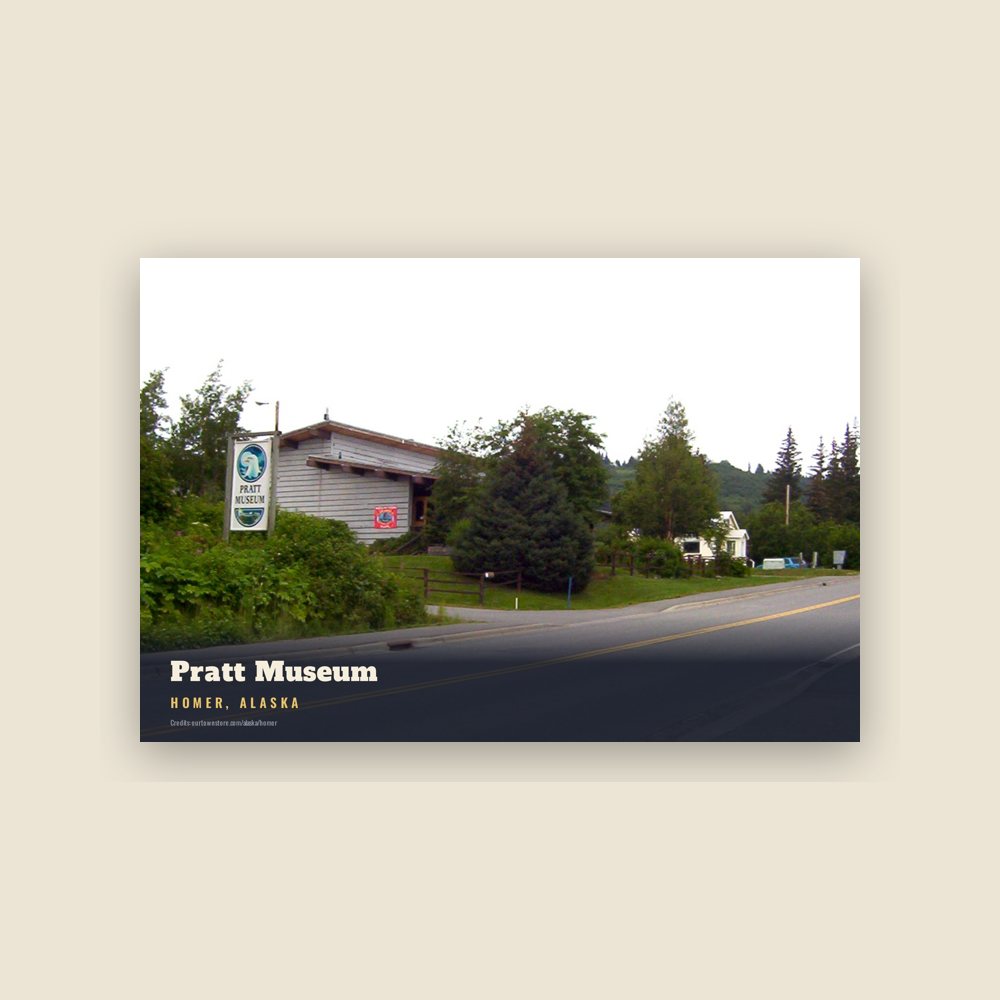

 Pratt Museum
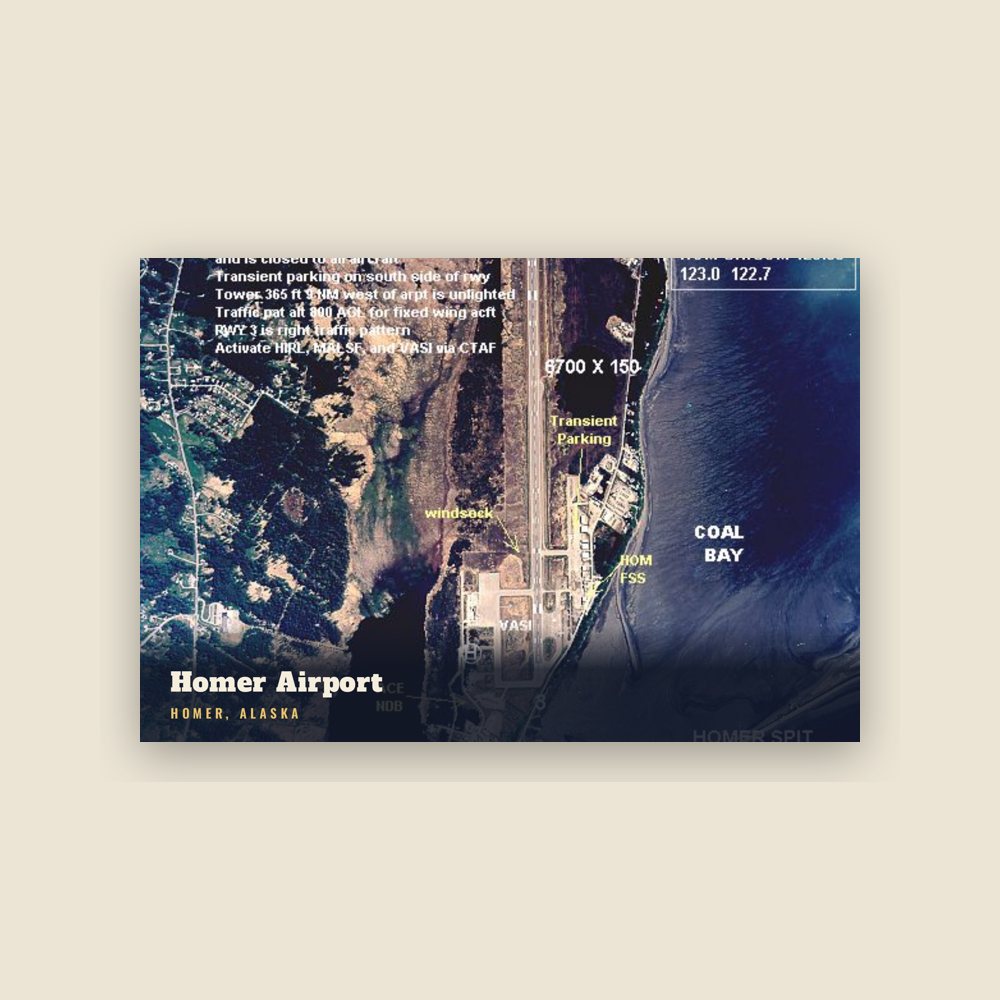
 Homer Airport
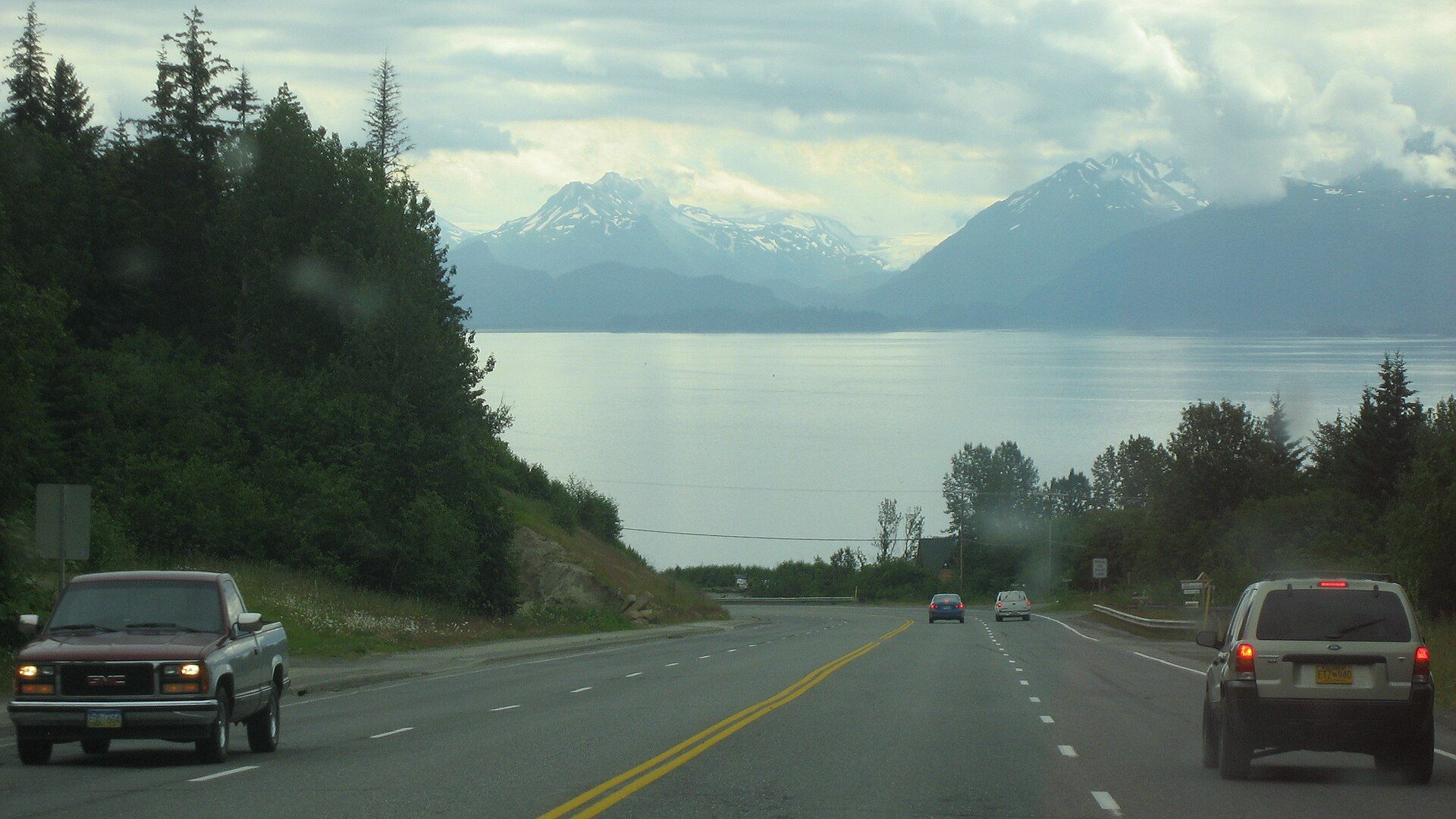
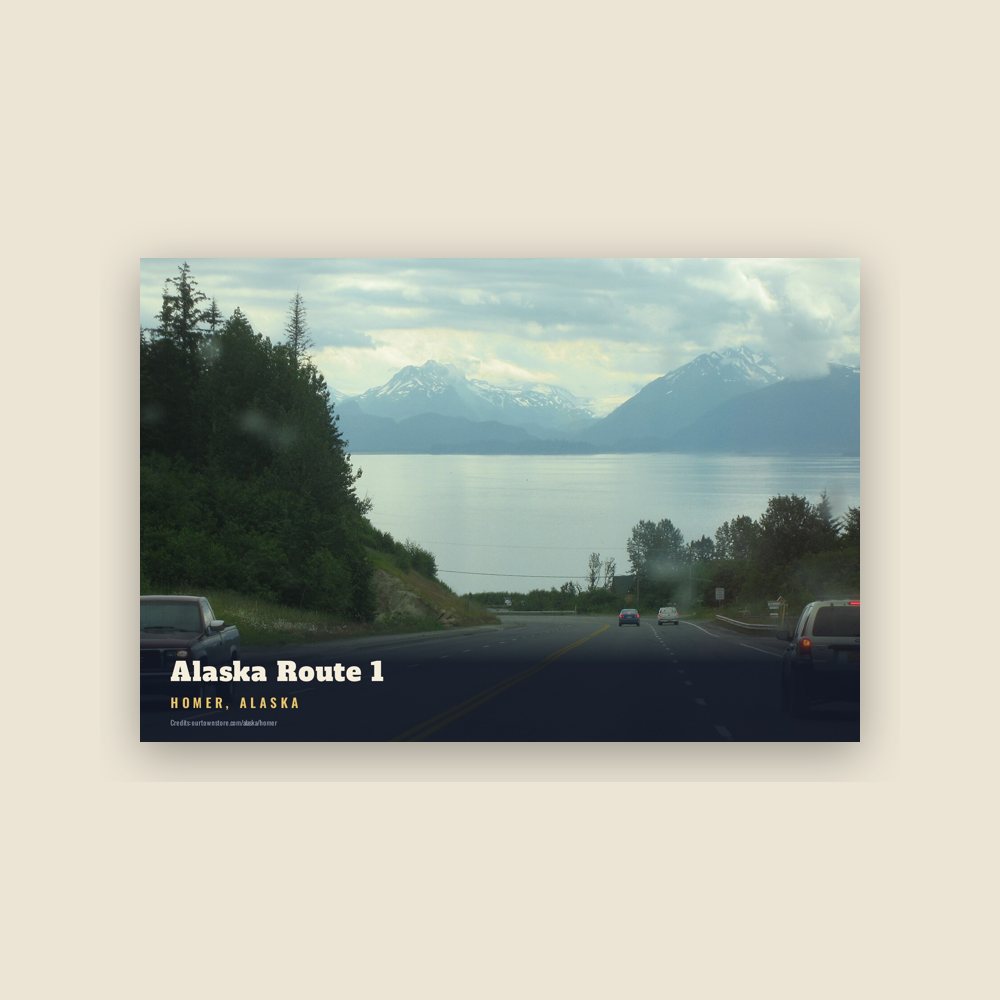
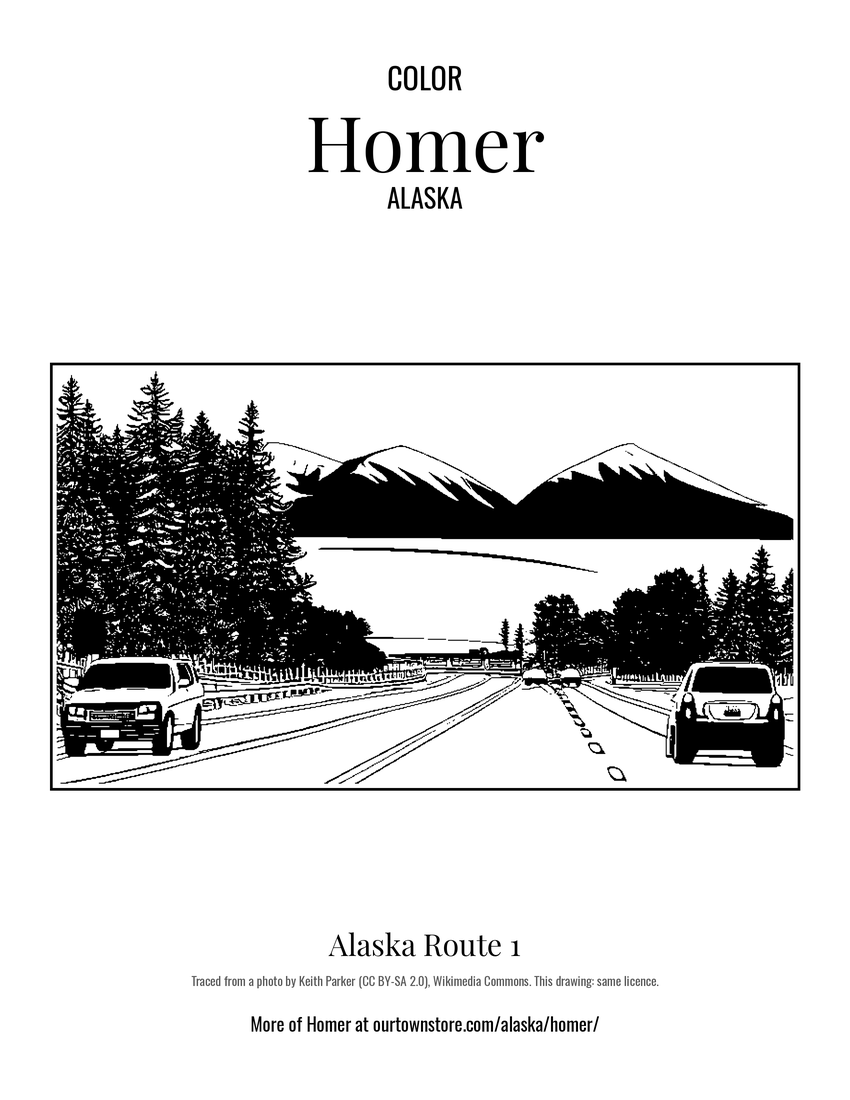 Alaska Route 1
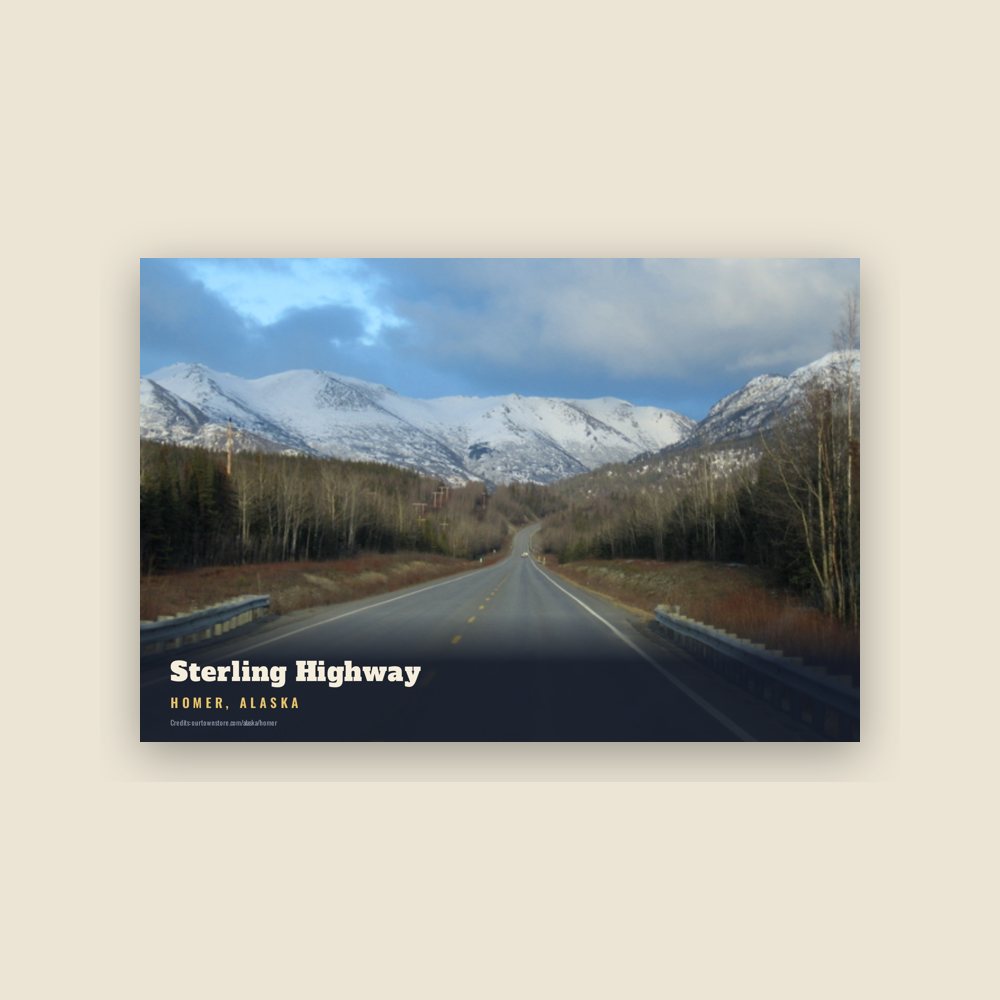
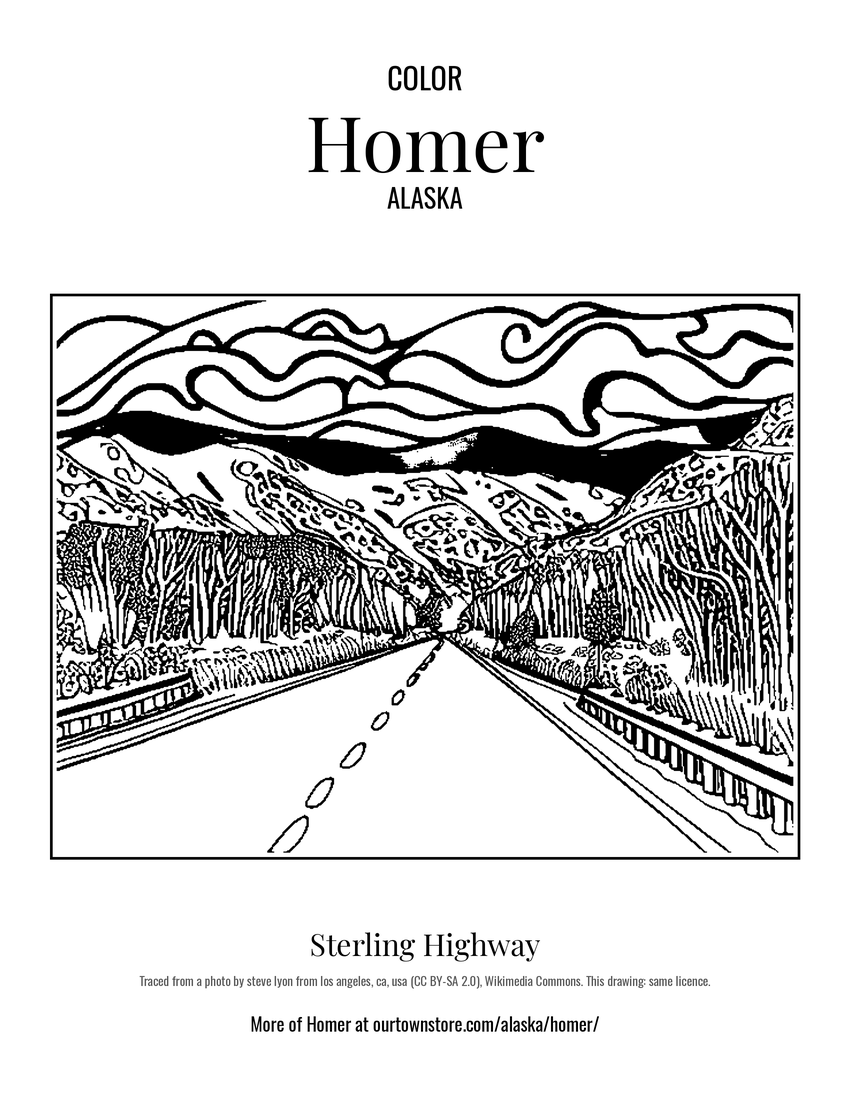 Sterling Highway