A short history of Eagle
For thousands of years prior to Europeans arriving in Alaska, the Eagle area was home to many indigenous peoples, including the Han.
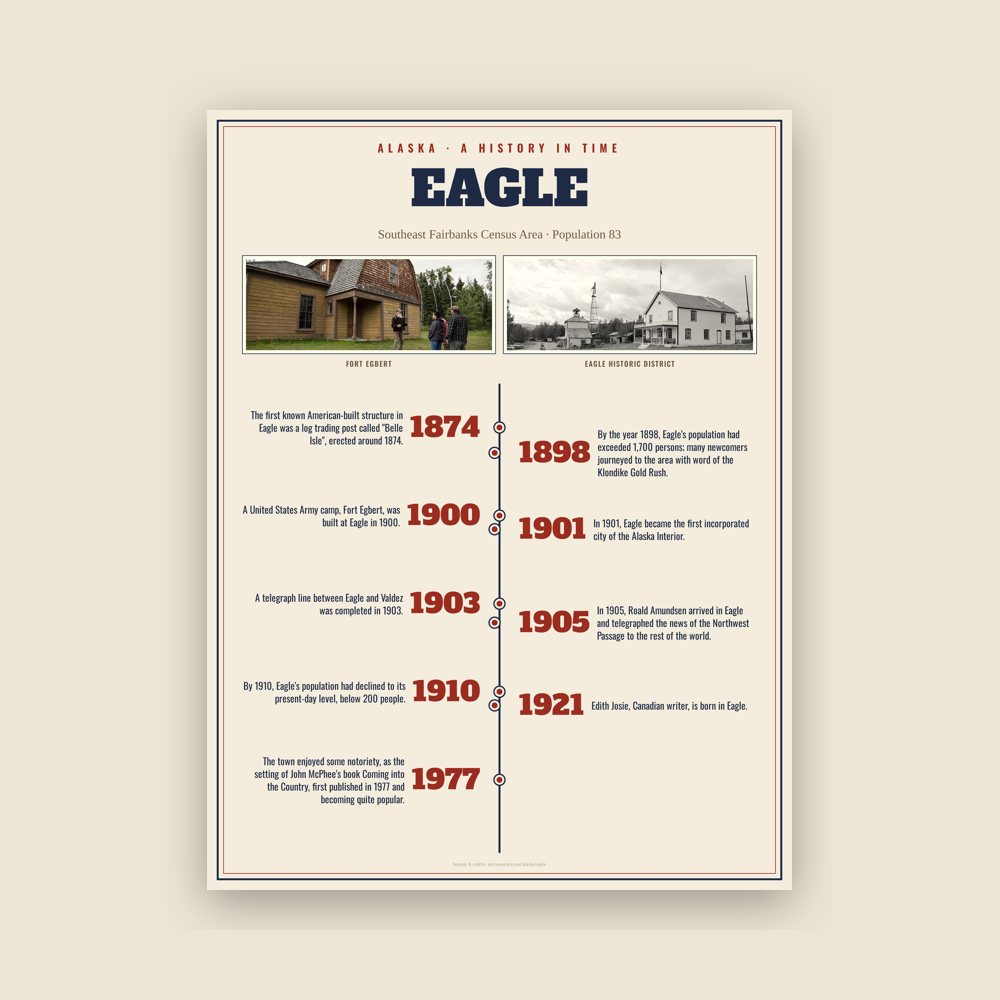
The first known American-built structure in Eagle was a log trading post called "Belle Isle", erected around 1874. Subsequently, in the late 1800s, Eagle became a supply and trading center for miners working the upper Yukon River and its tributaries. By the year 1898, Eagle's population had exceeded 1,700 persons; many newcomers journeyed to the area with word of the Klondike Gold Rush.
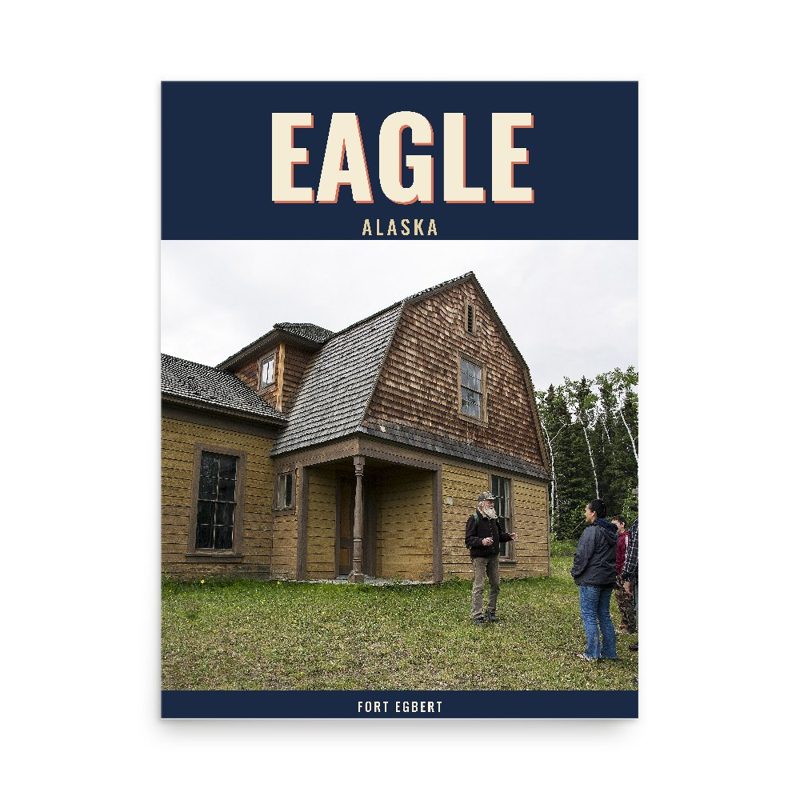
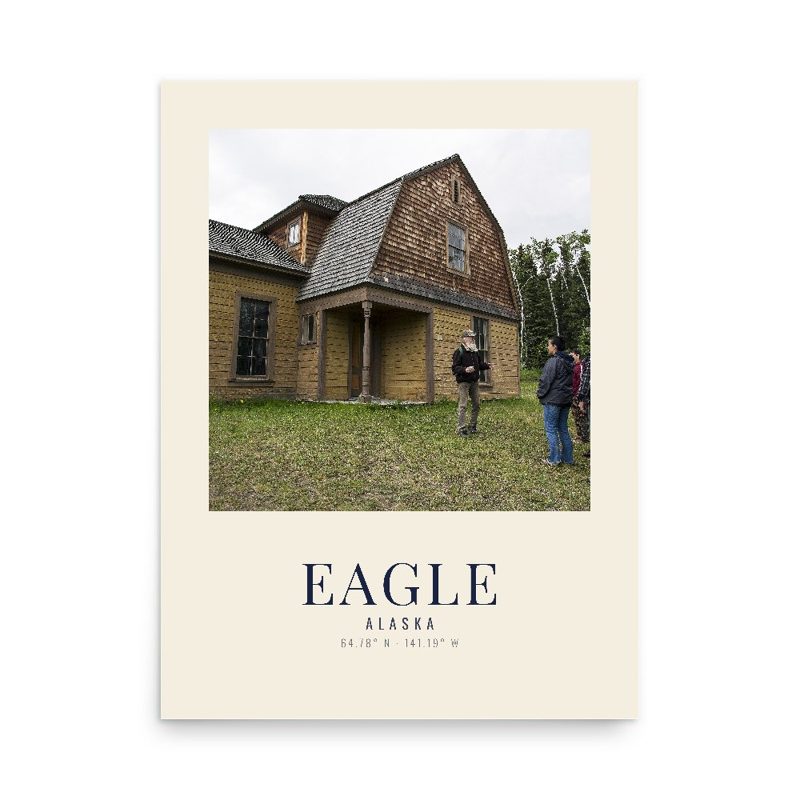
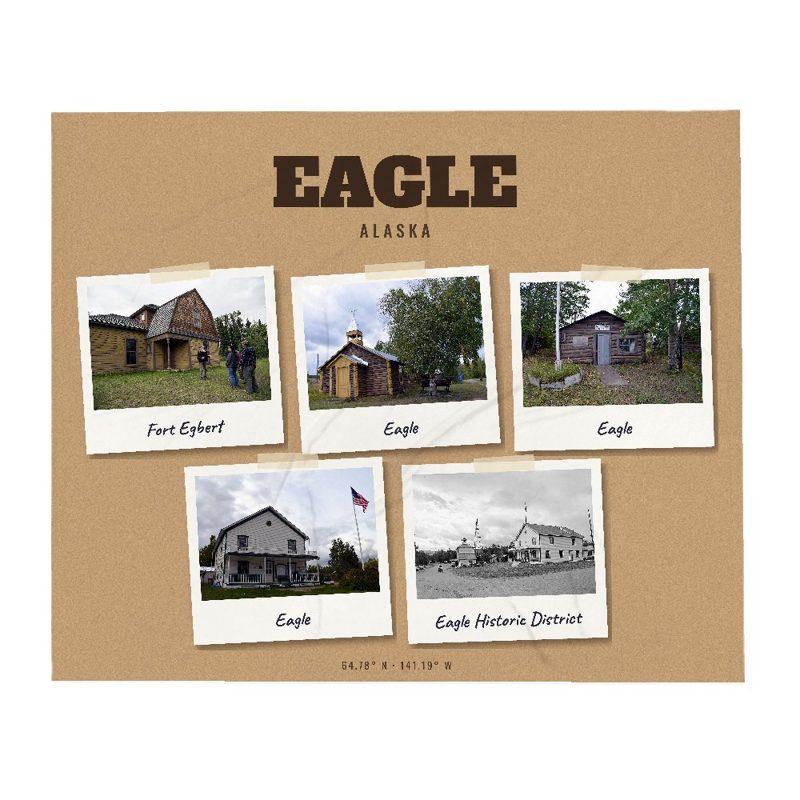
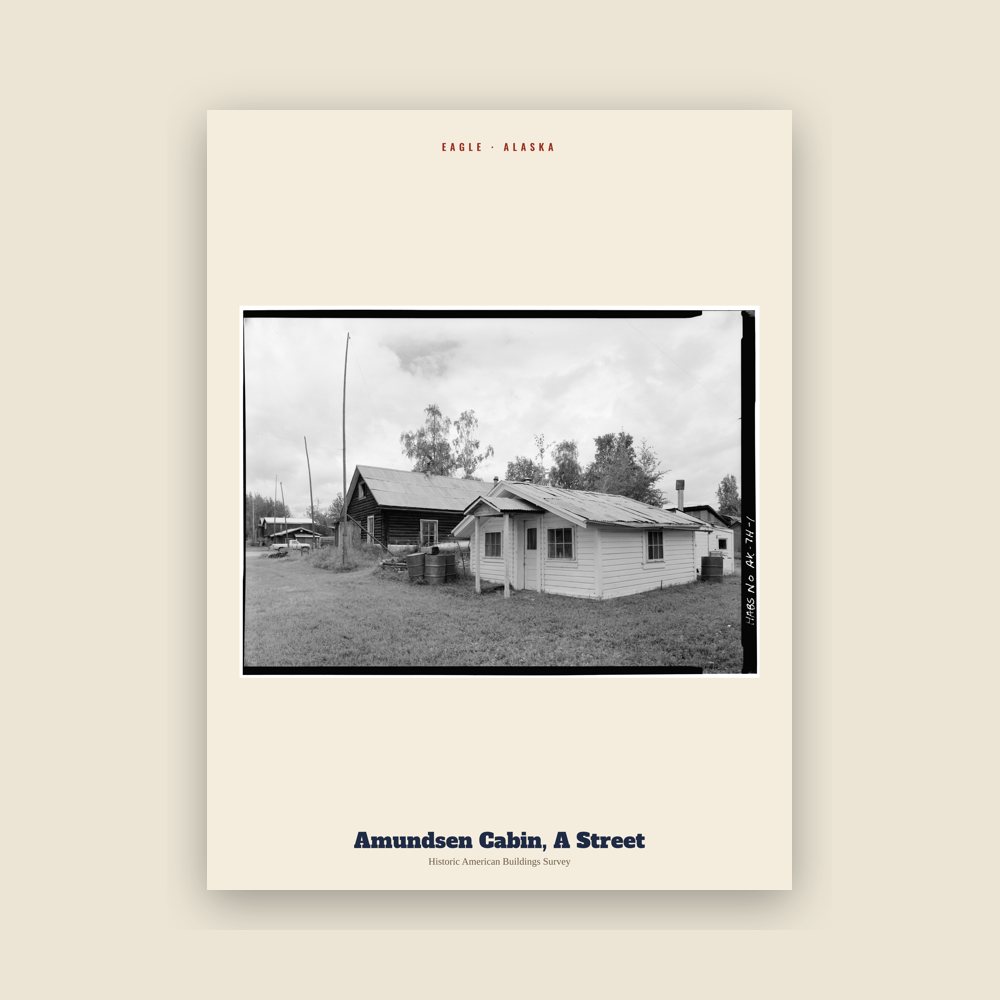
In 1901, Eagle became the first incorporated city of the Alaska Interior. It was named for the many eagles that nested on nearby Eagle Bluff. A United States Army camp, Fort Egbert, was built at Eagle in 1900. A telegraph line between Eagle and Valdez was completed in 1903. In 1905, Roald Amundsen arrived in Eagle and telegraphed the news of the Northwest Passage to the rest of the world.
The ensuing gold rushes in Nome and Fairbanks eventually lured people away from Eagle. In 1903, Judge James Wickersham moved the Third Division court from Eagle to Fairbanks. By 1910, Eagle's population had declined to its present-day level, below 200 people. Fort Egbert was abandoned in 1911.
Present-day Eagle is home to (mostly) people of European descent; nearby Eagle Village has a small population that is about 50 percent Han.
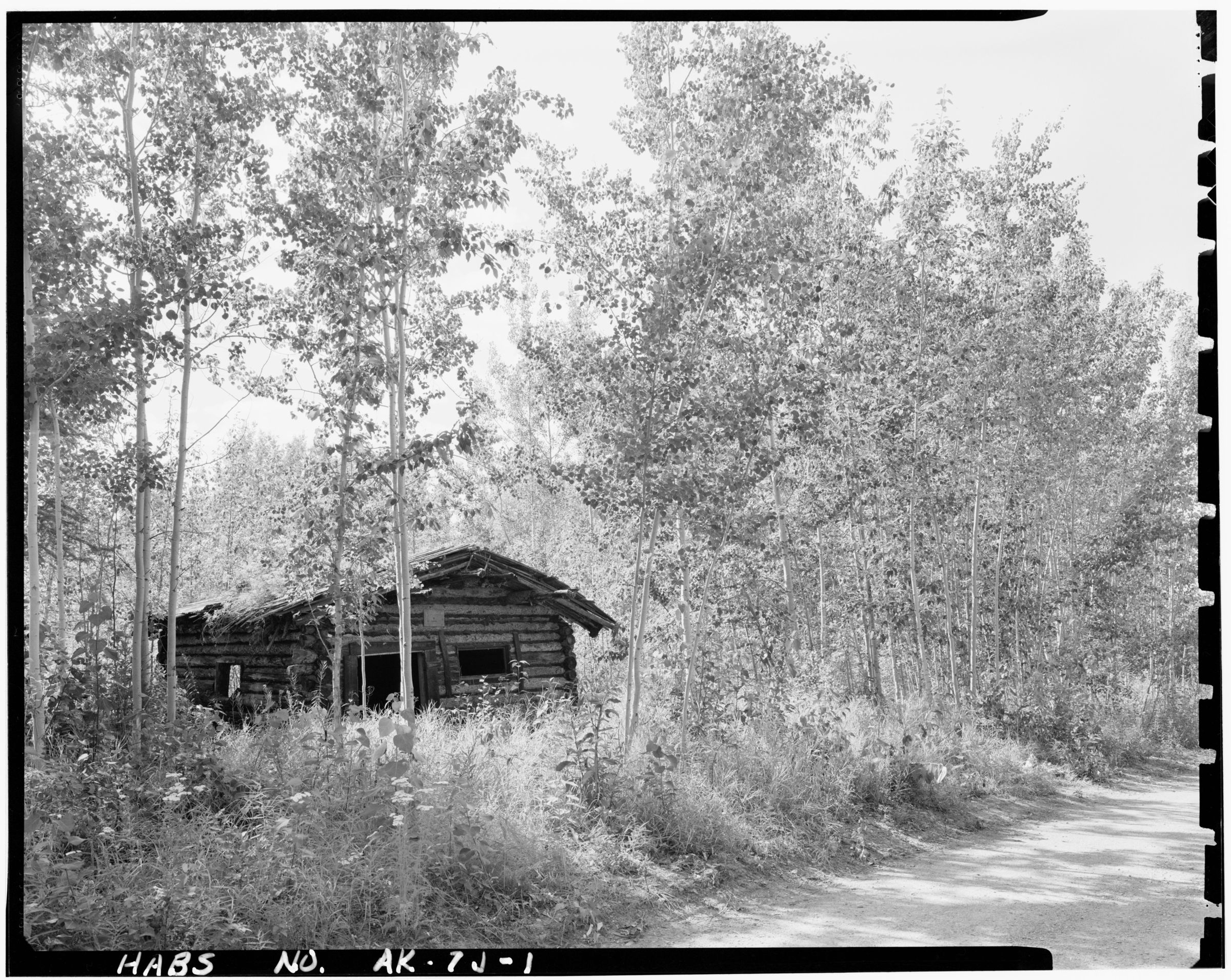
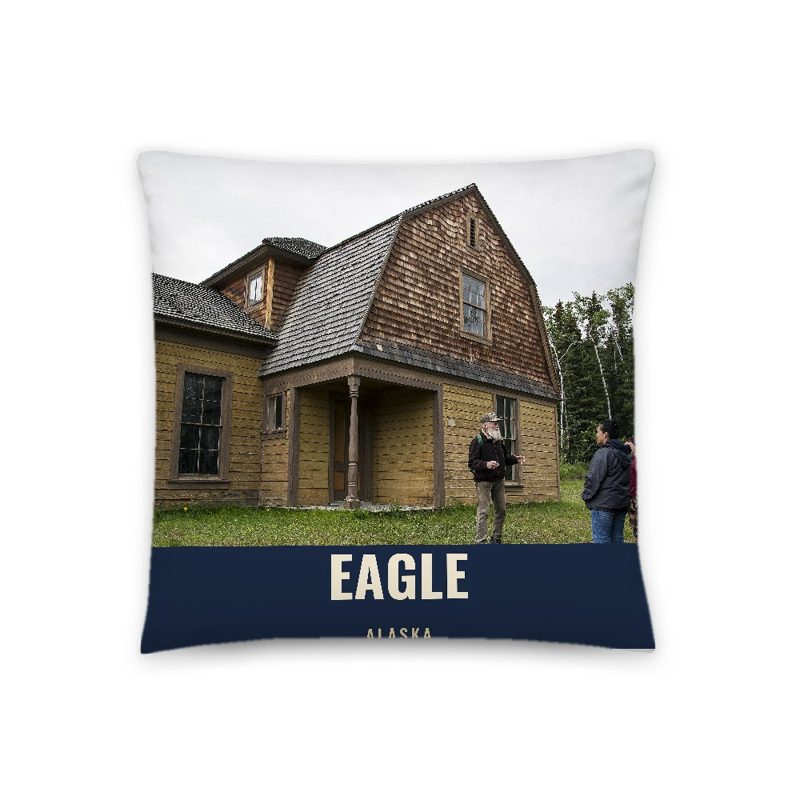
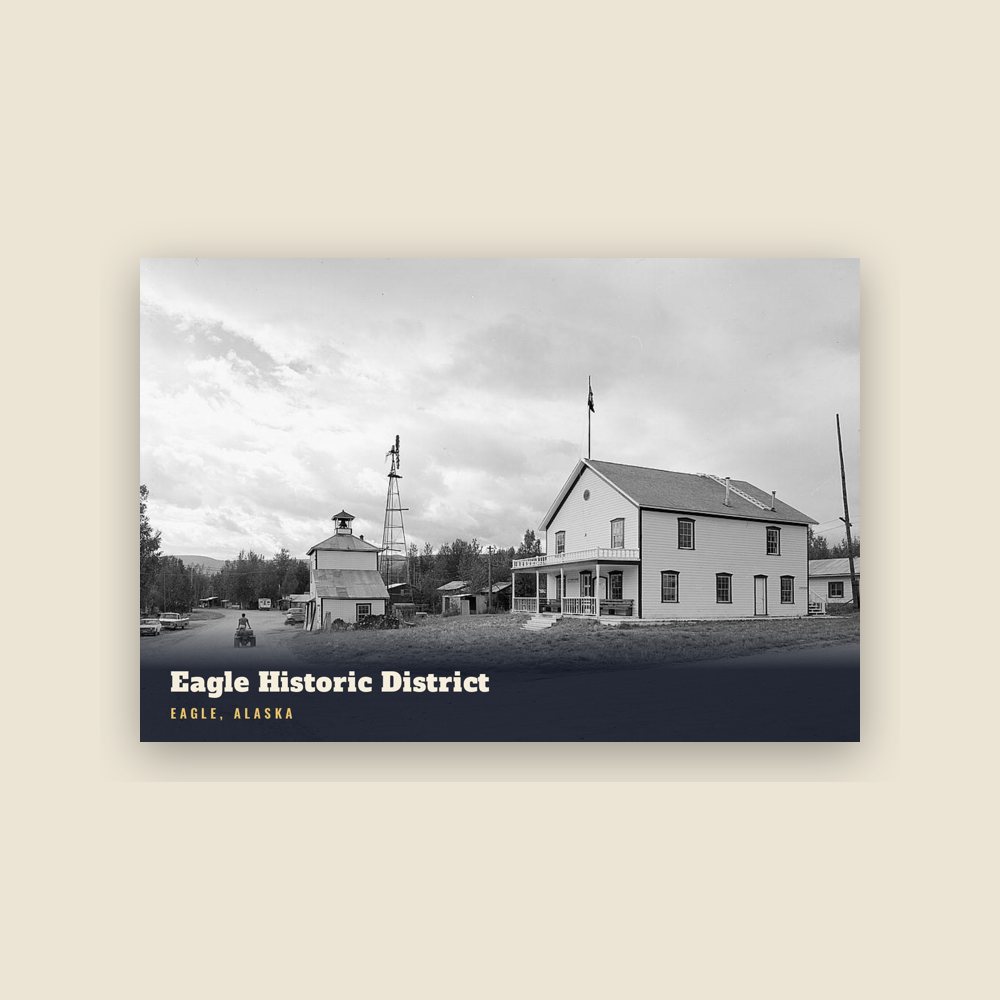
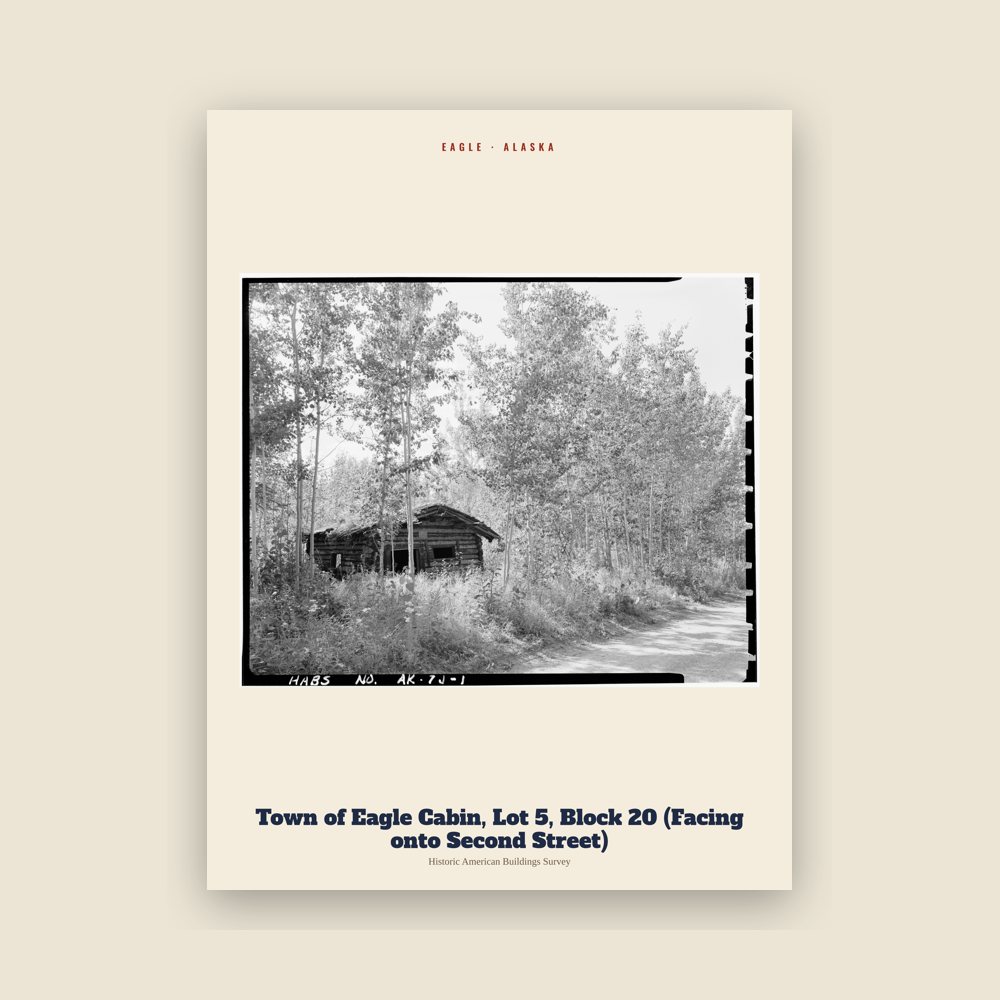
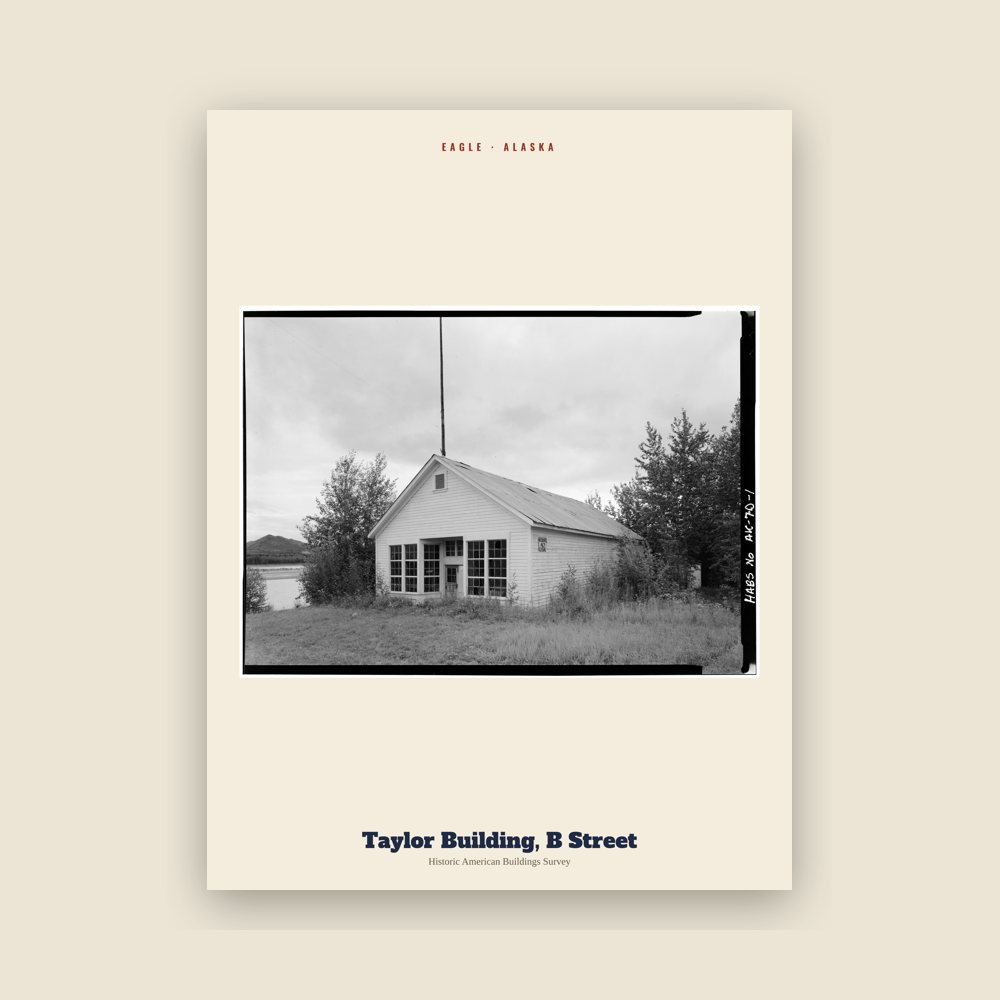
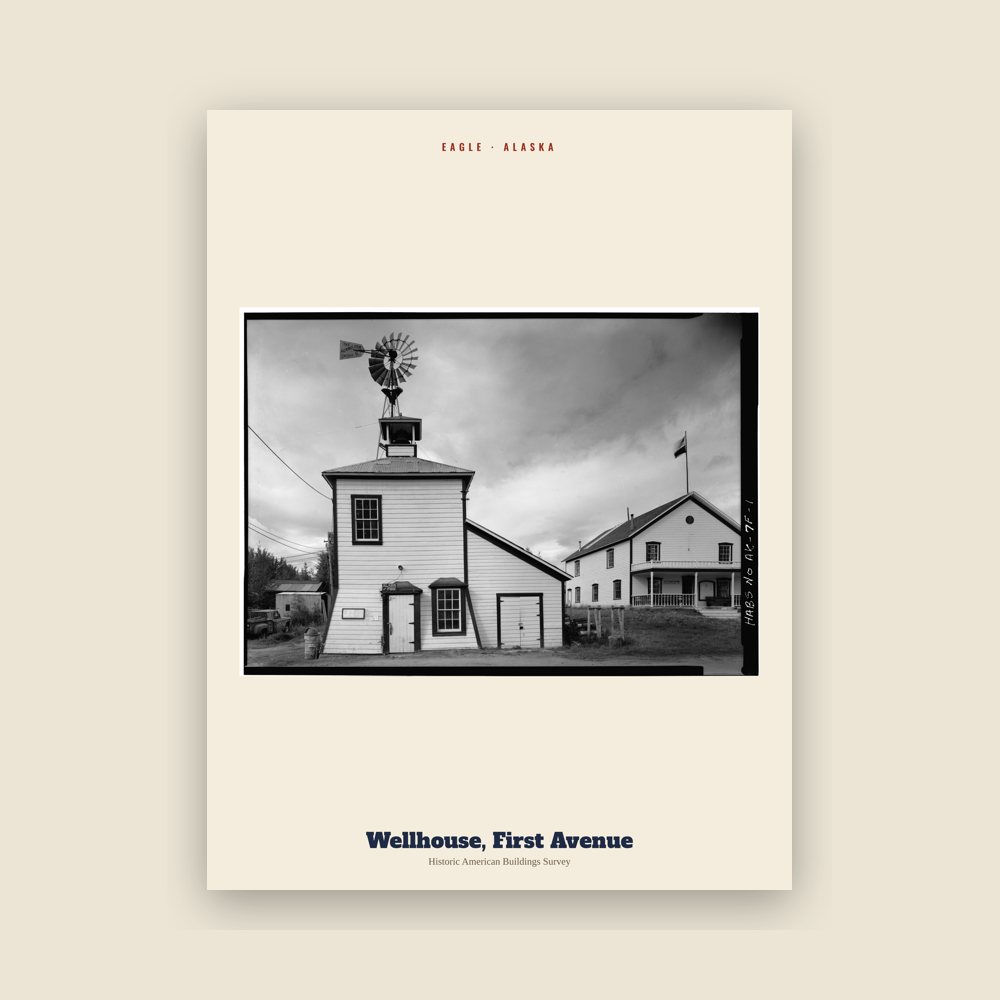
The town enjoyed some notoriety, as the setting of John McPhee's book Coming into the Country, first published in 1977 and becoming quite popular. Many of the buildings from the Gold Rush years are preserved as part of the Eagle Historic District, a National Historic Landmark district.
Adapted (trimmed) from the Wikipedia article Eagle, Alaska, revision 1380287468 by its contributors, licensed CC BY-SA 4.0.
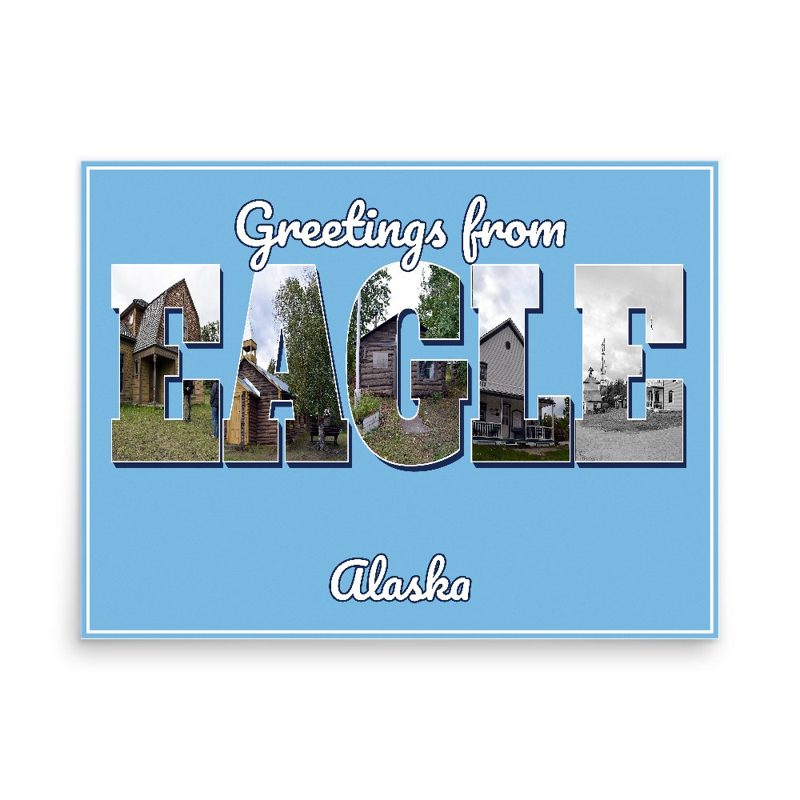
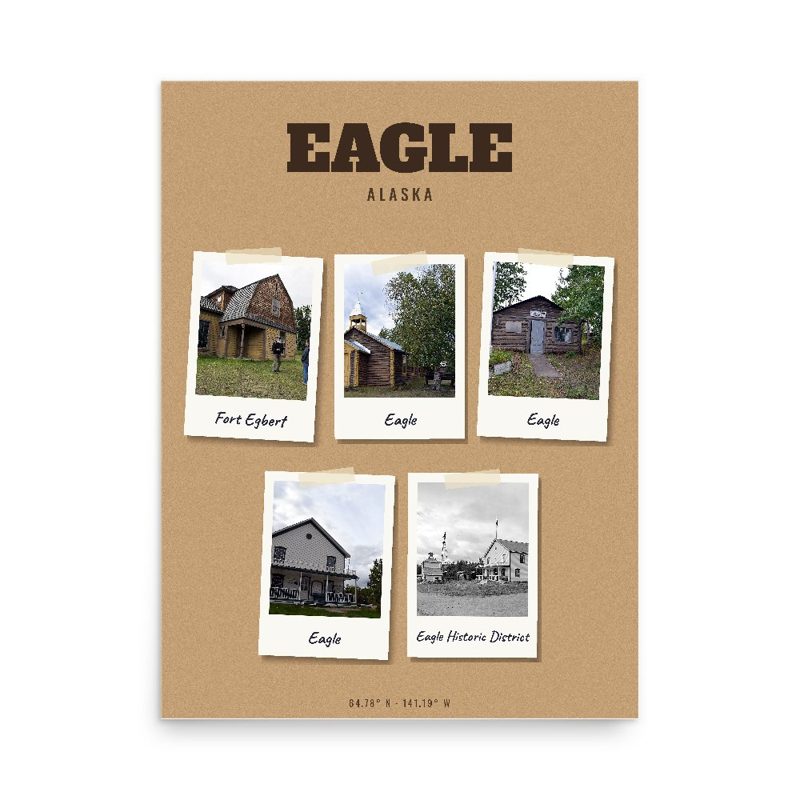
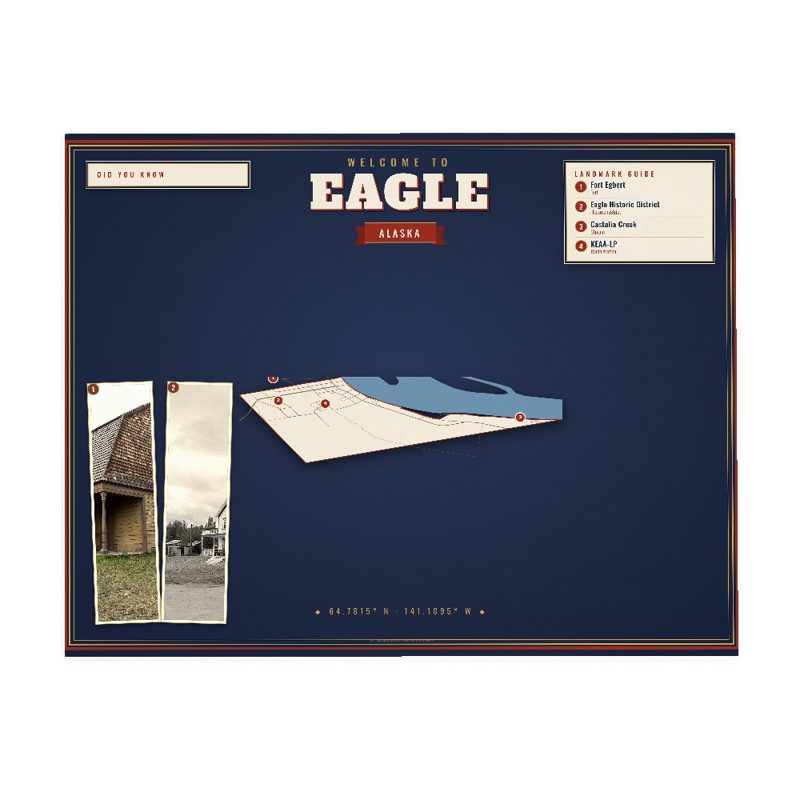









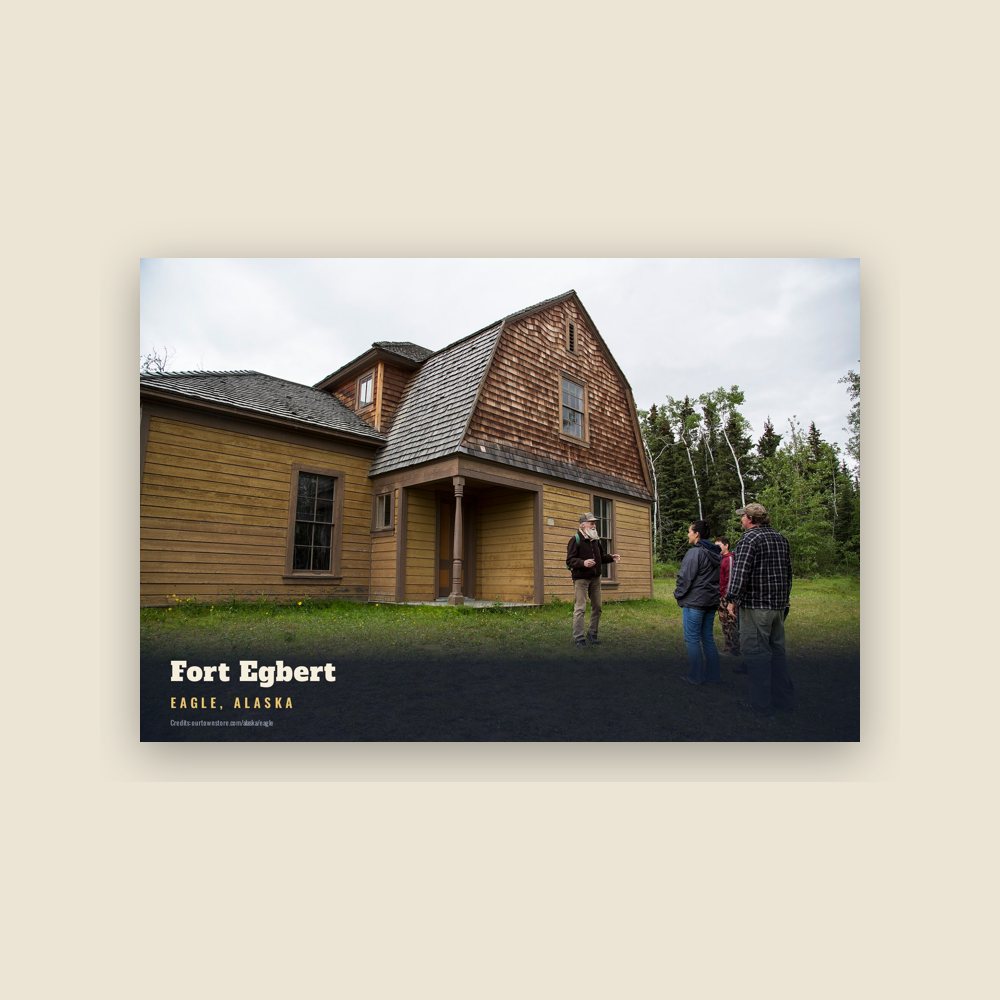
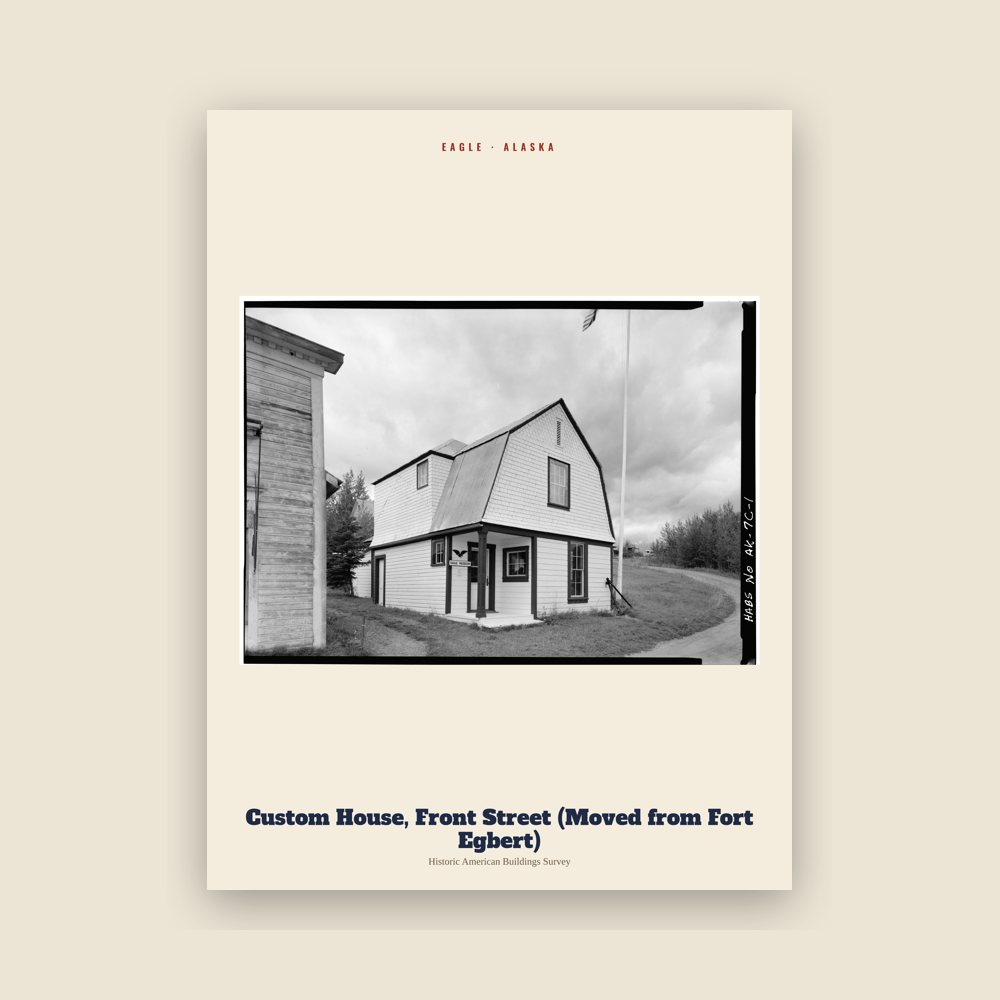
 Fort Egbert
 Eagle Historic District
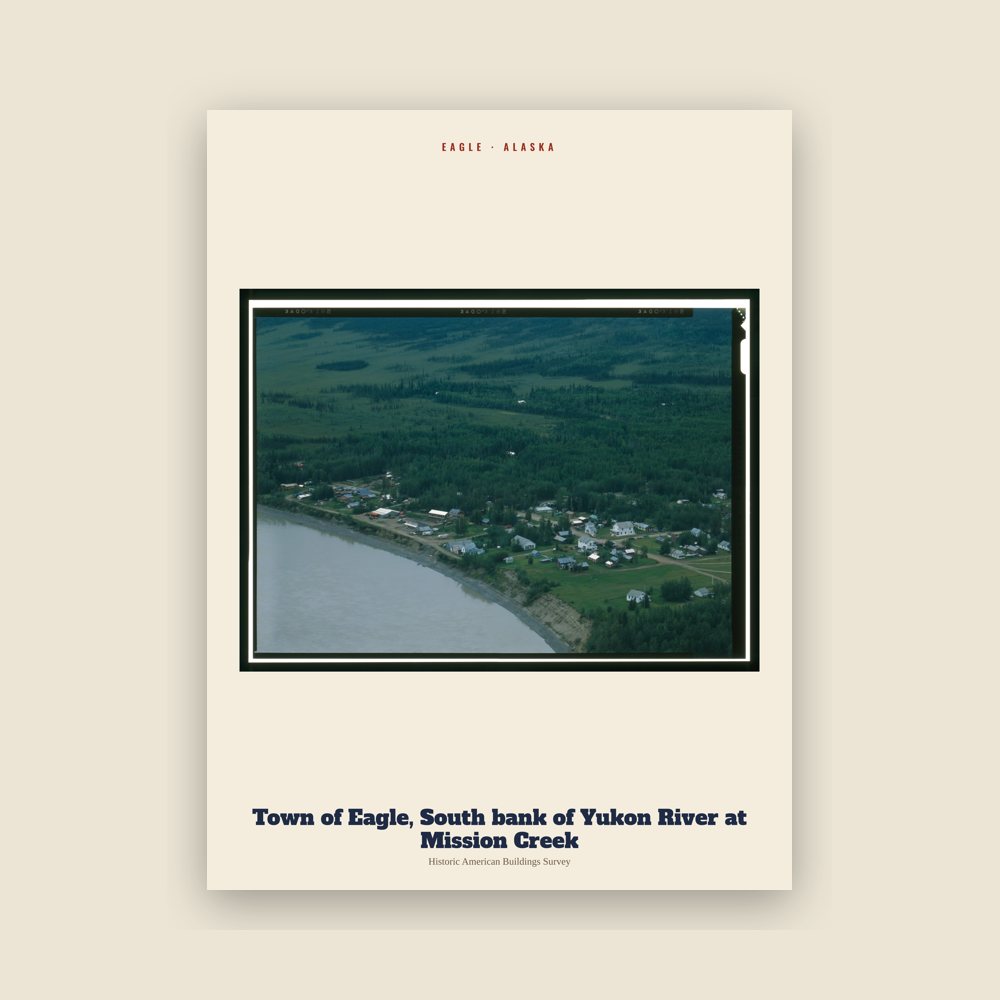
 A view of Eagle
 A view of Eagle