A short history of Cordova
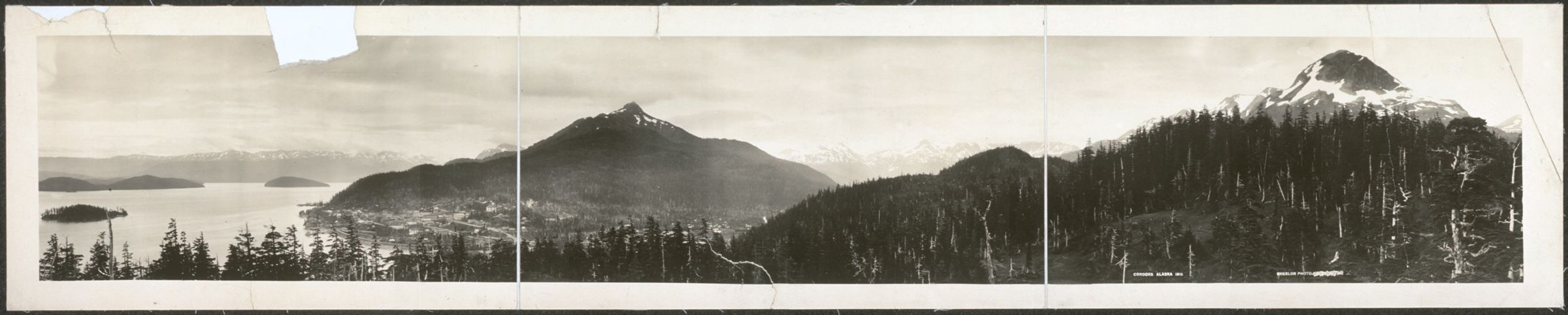
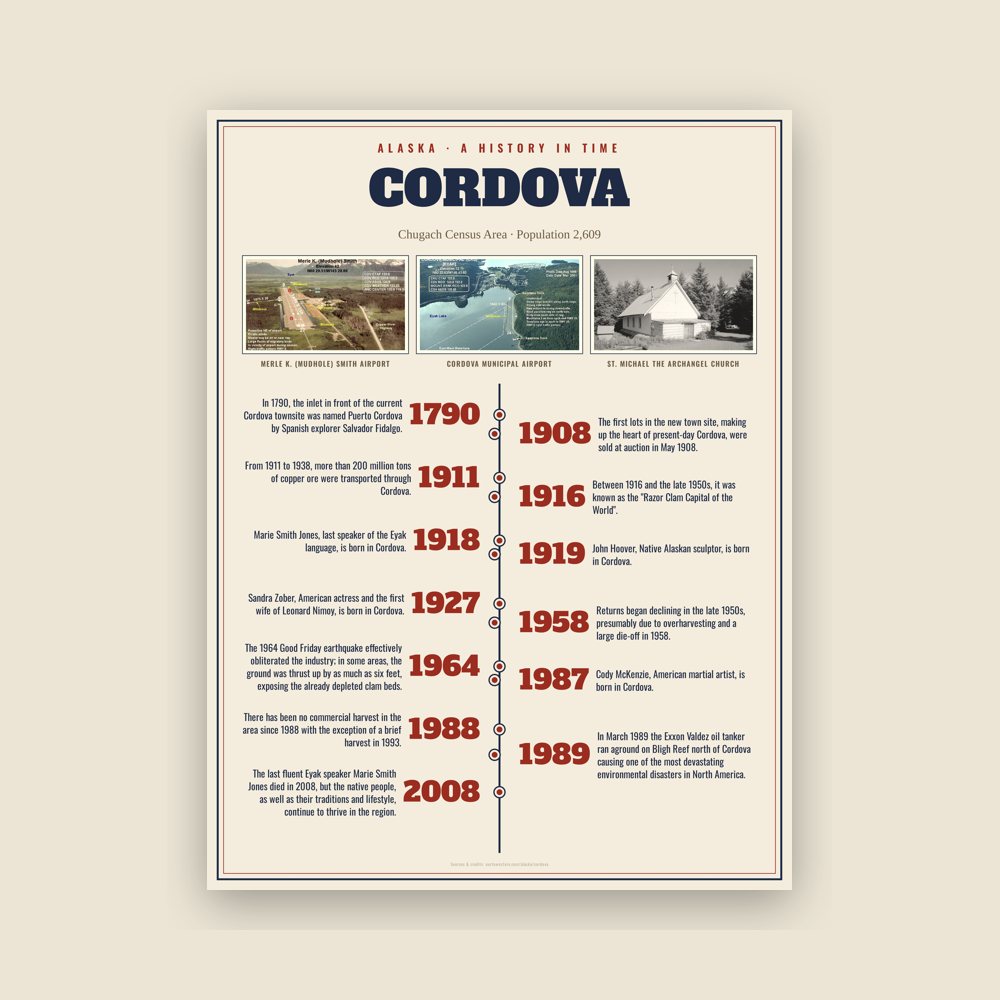
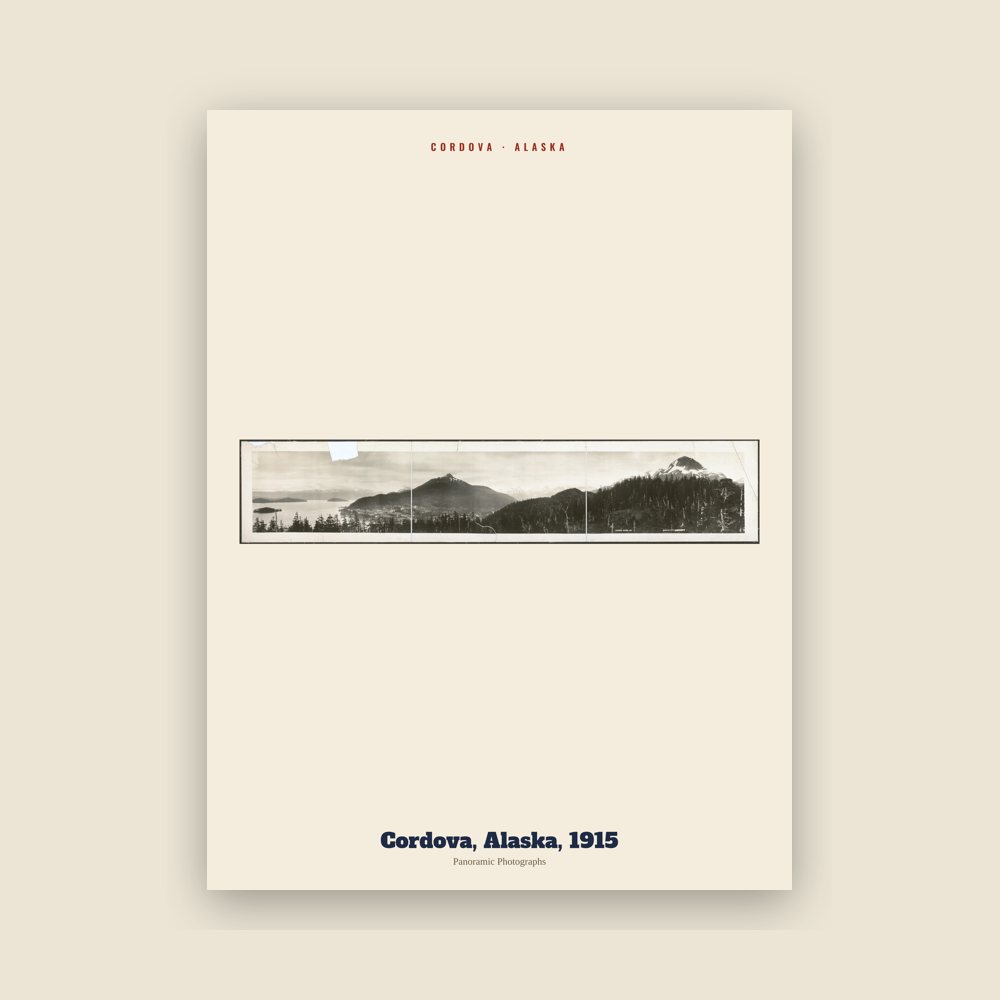
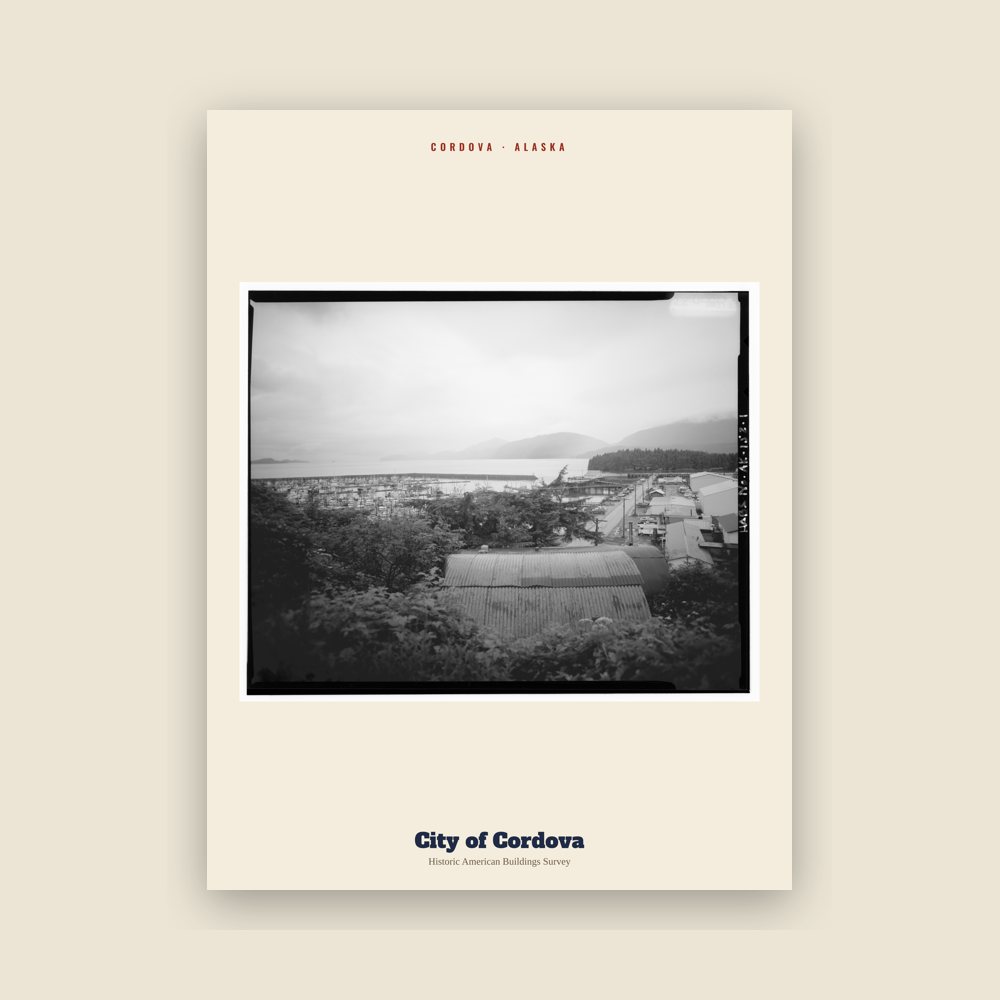
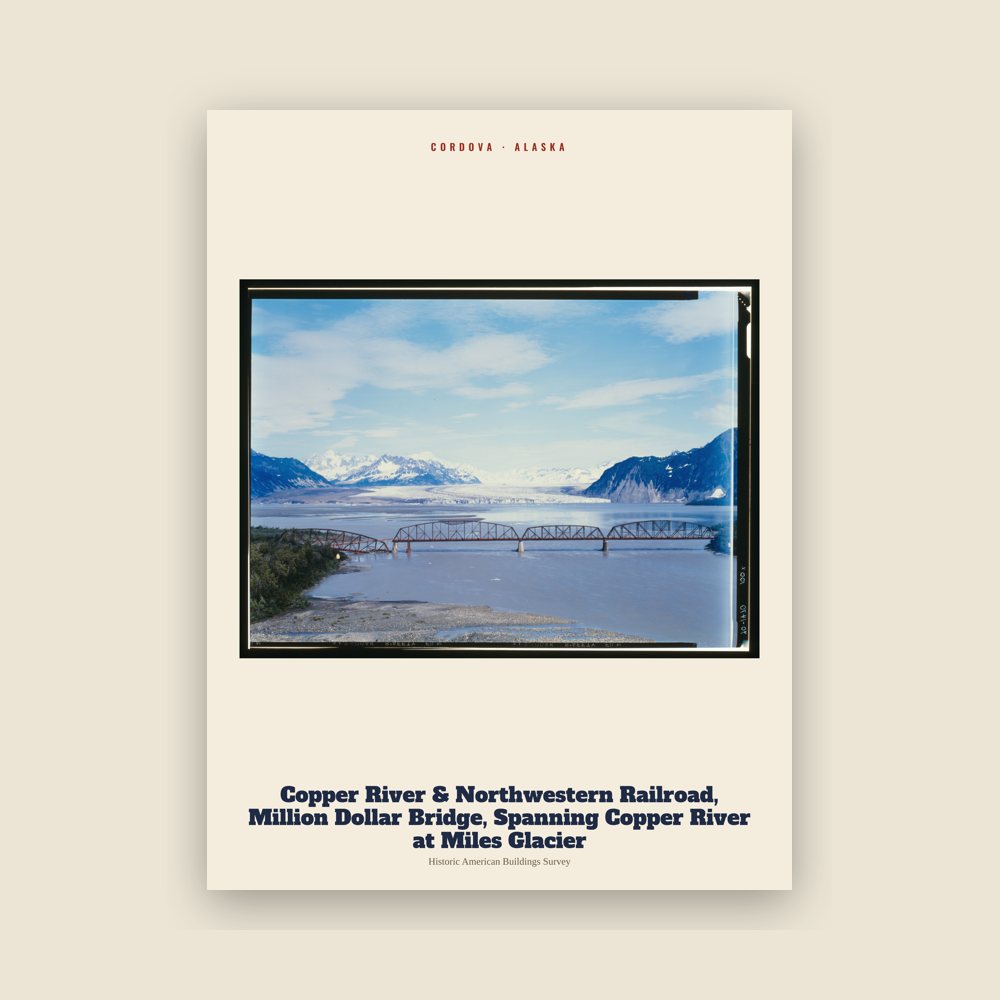
In 1790, the inlet in front of the current Cordova townsite was named Puerto Cordova by Spanish explorer Salvador Fidalgo. The city of Cordova was named after it, although the inlet itself was later renamed the Orca Inlet. Cordova proper was founded as a result of the discovery of high-grade copper ore at Kennecott, north of Cordova. A group of surveyors from Valdez laid out a town site and Michael James Heney purchased half the land for the terminus of the Copper River and Northwestern Railway after determining that the neighboring town of Katalla was a poor harbor. Heney and his crew held a brief ceremony to organize the town on March 26, 1906. A week later, crews arrived to begin work on the railroad. The first lots in the new town site, making up the heart of present-day Cordova, were sold at auction in May 1908. As the railroad grew, so did the town. Eventually schools, businesses, a hospital, and utilities were established. After the railroad was completed, Cordova became the transportation hub for the ore coming out of Kennecott. From 1911 to 1938, more than 200 million tons of copper ore were transported through Cordova.
In 1913, Rex Beach's The Iron Trail: An Alaskan Romance, a bestselling novel set against the construction of the Copper River and Northwestern Railway, made Cordova one of the territory's most famous place names.
On July 17, 1923, less than three weeks before his death in San Francisco, President Warren G. Harding and a large Presidential party aboard the U.S.S. Henderson visited Cordova as part of his "Voyage of Understanding" tour of Alaska. According to his biographer Francis Russell, the town was "ablaze with flags for the great occssion, even though the President and (his wife) had to ride through the waving streets in the only available transportation−an Army truck."
The area around Cordova was historically home to the Eyak, with a population of Chugach to the west, and occasional visits from Ahtna and Tlingit people for trade or battle. The last fluent Eyak speaker Marie Smith Jones died in 2008, but the native people, as well as their traditions and lifestyle, continue to thrive in the region.
Cordova was also once the home of a booming razor clam industry. Between 1916 and the late 1950s, it was known as the "Razor Clam Capital of the World". Commercial harvest in the area reached as high as 3.5 million pounds. Returns began declining in the late 1950s, presumably due to overharvesting and a large die-off in 1958. The 1964 Good Friday earthquake effectively obliterated the industry; in some areas, the ground was thrust up by as much as six feet, exposing the already depleted clam beds. There has been no commercial harvest in the area since 1988 with the exception of a brief harvest in 1993.
In March 1989 the Exxon Valdez oil tanker ran aground on Bligh Reef north of Cordova causing one of the most devastating environmental disasters in North America. The Exxon Valdez oil spill severely affected the area's salmon and herring populations leading to a recession of the local fishing-reliant economy as well as a disruption to the area's ecology. After many years of litigation, 450 million dollars were awarded for compensatory and punitive damages.
Adapted (trimmed) from the Wikipedia article Cordova, Alaska, revision 1378545255 by its contributors, licensed CC BY-SA 4.0.
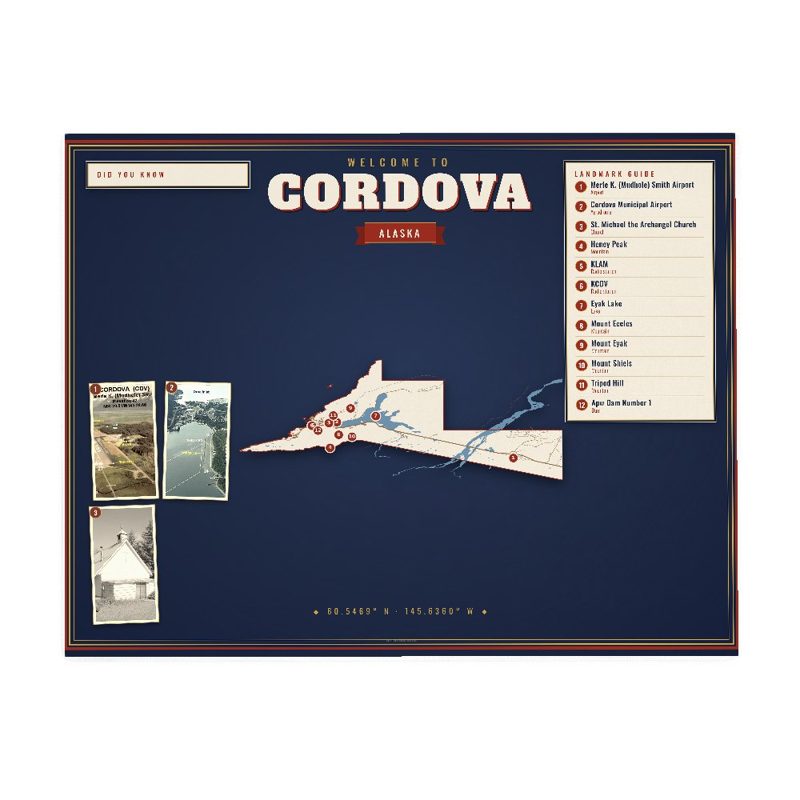
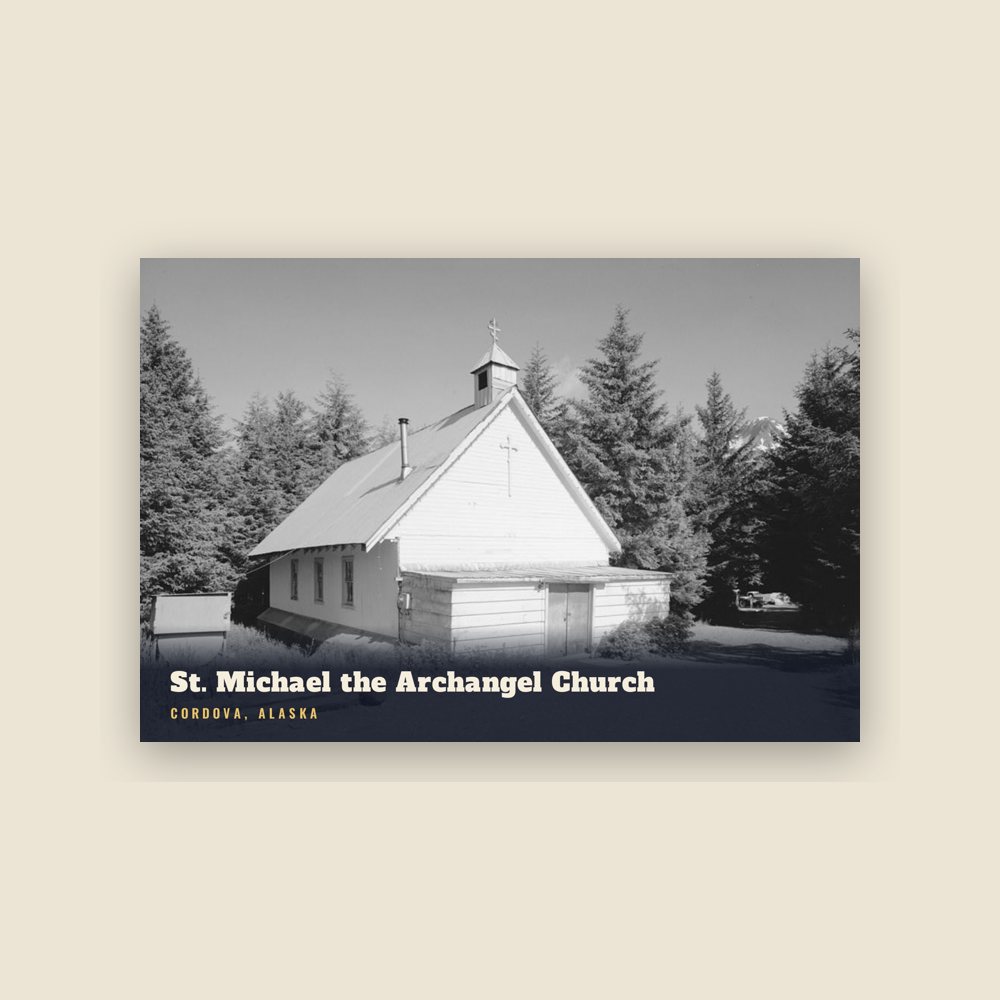
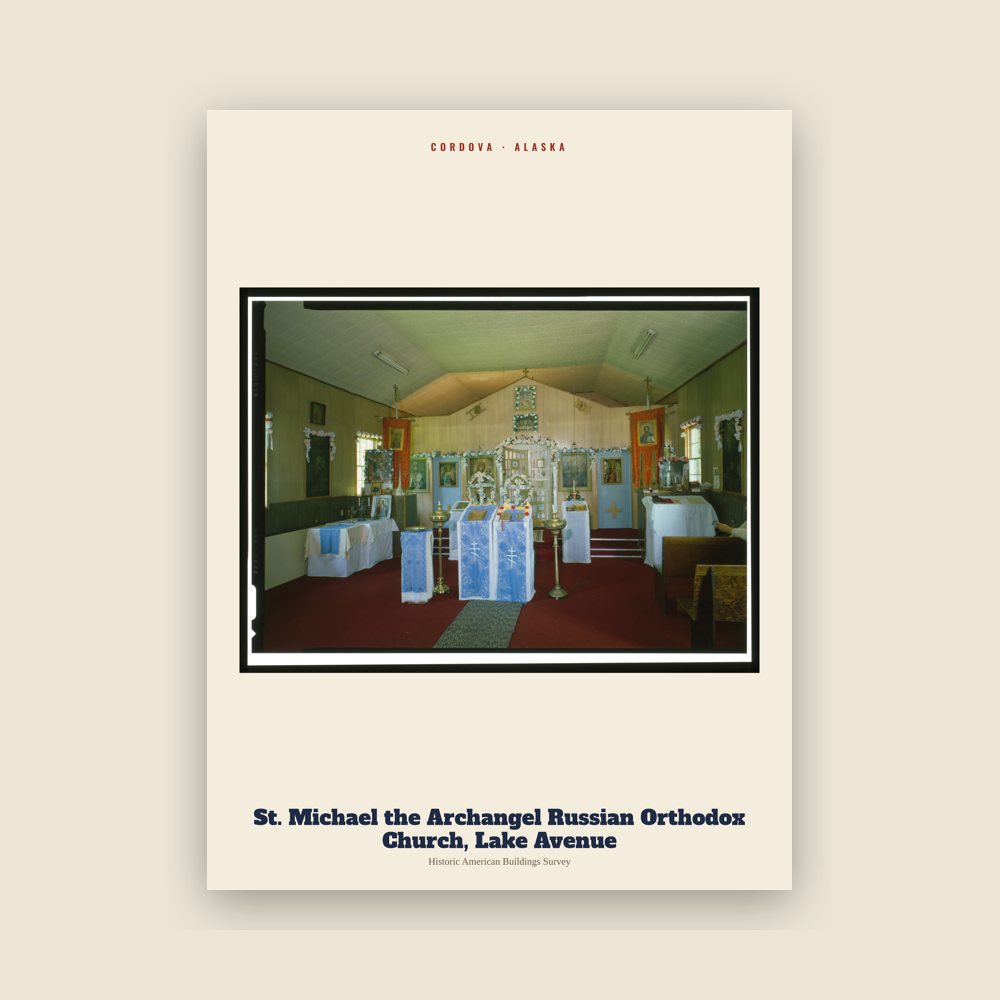
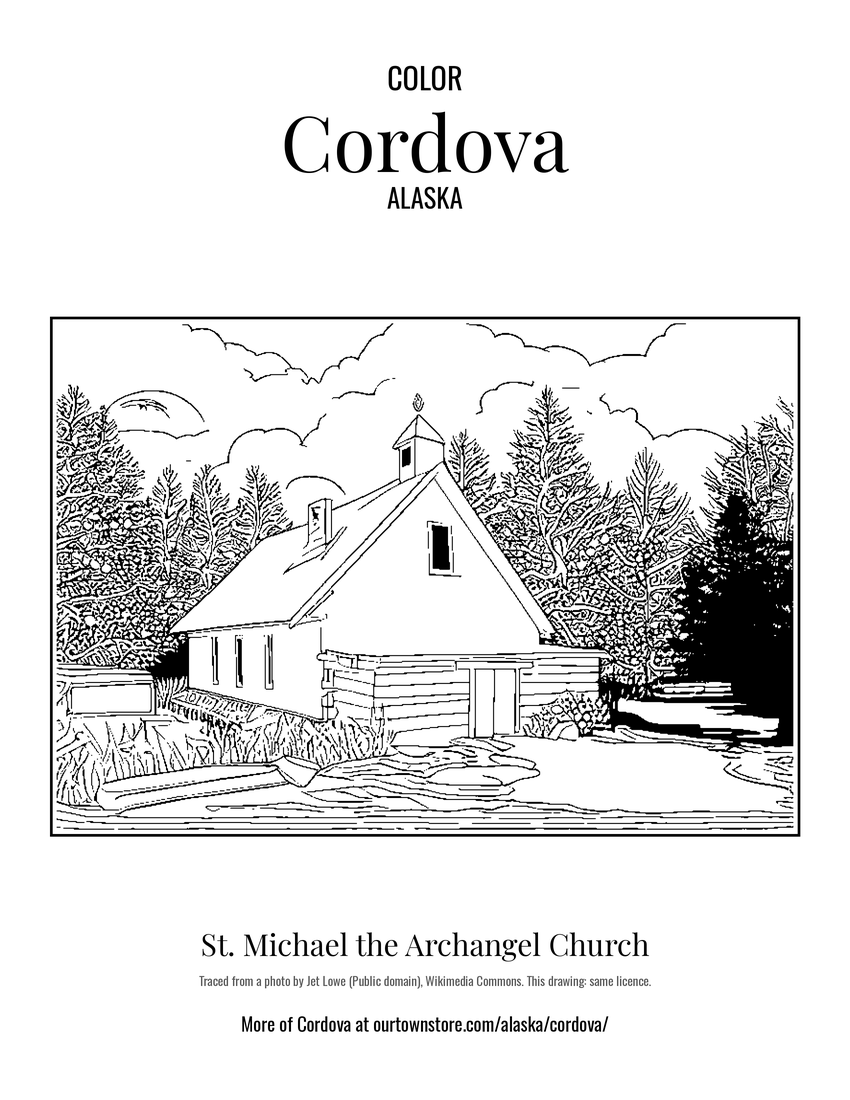 St. Michael the Archangel Church
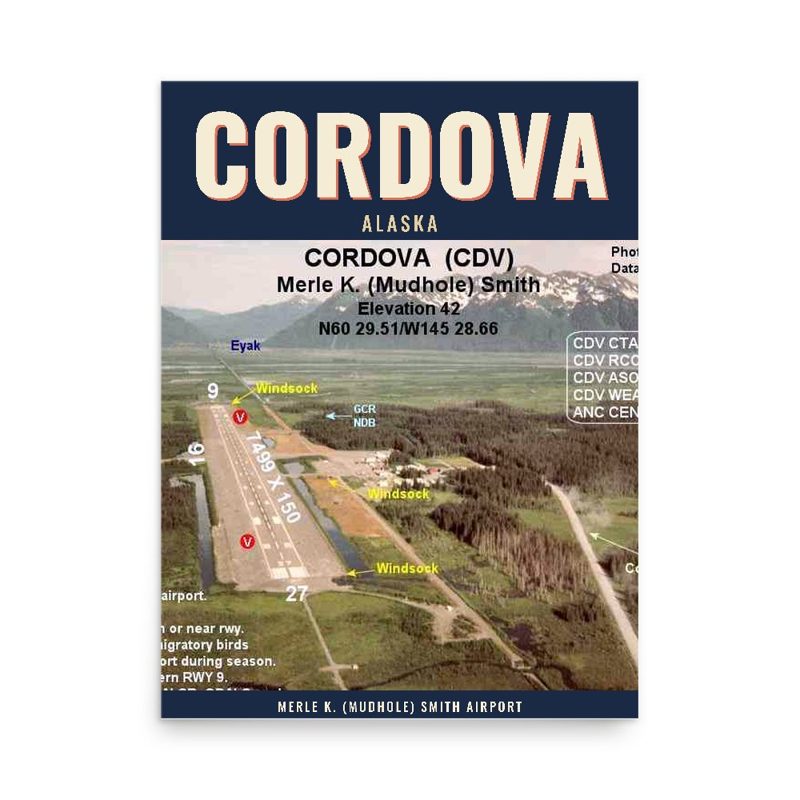
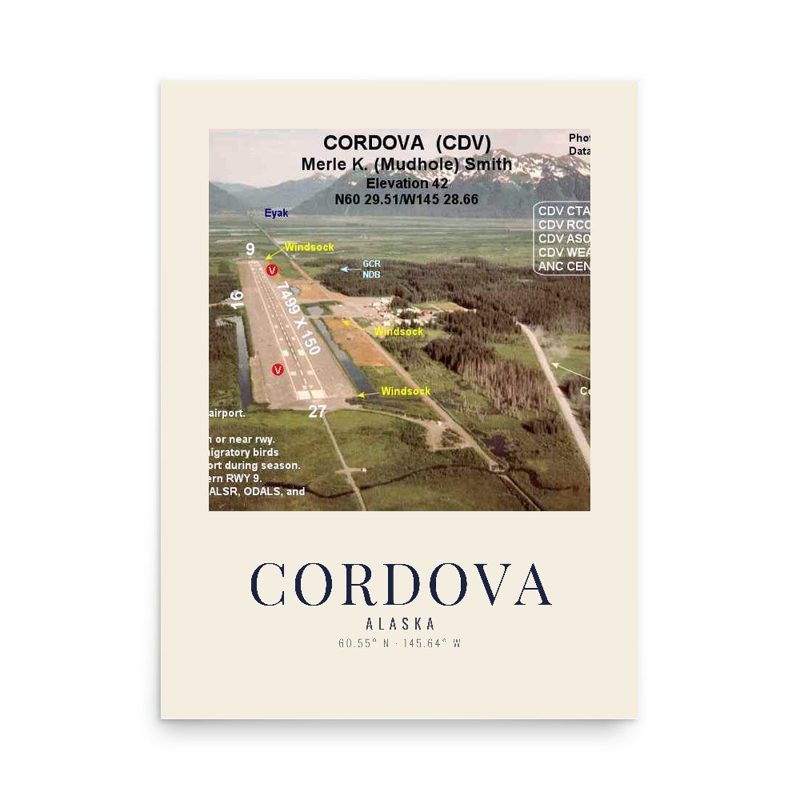
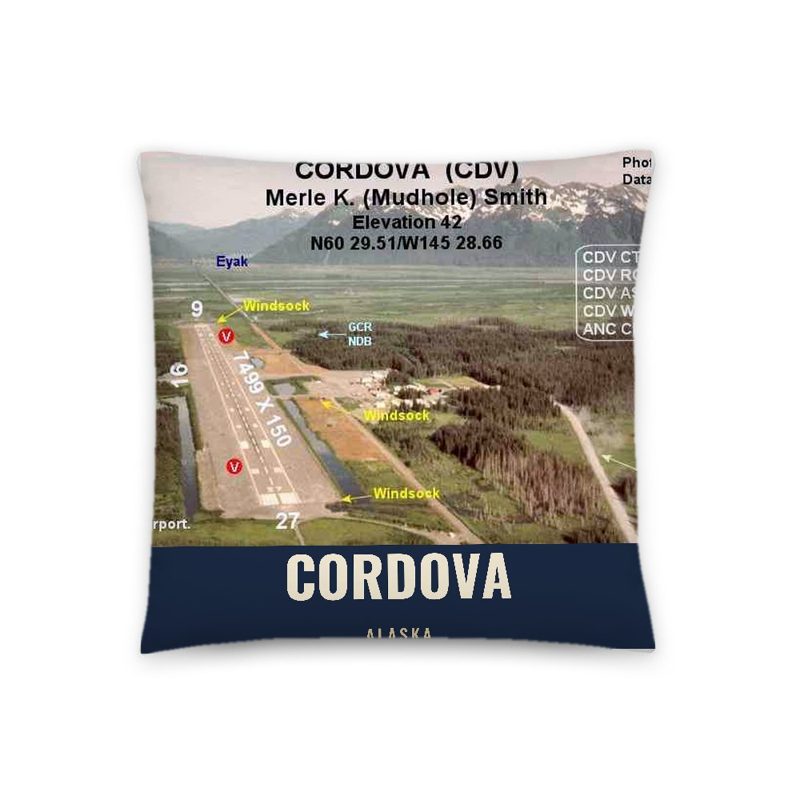
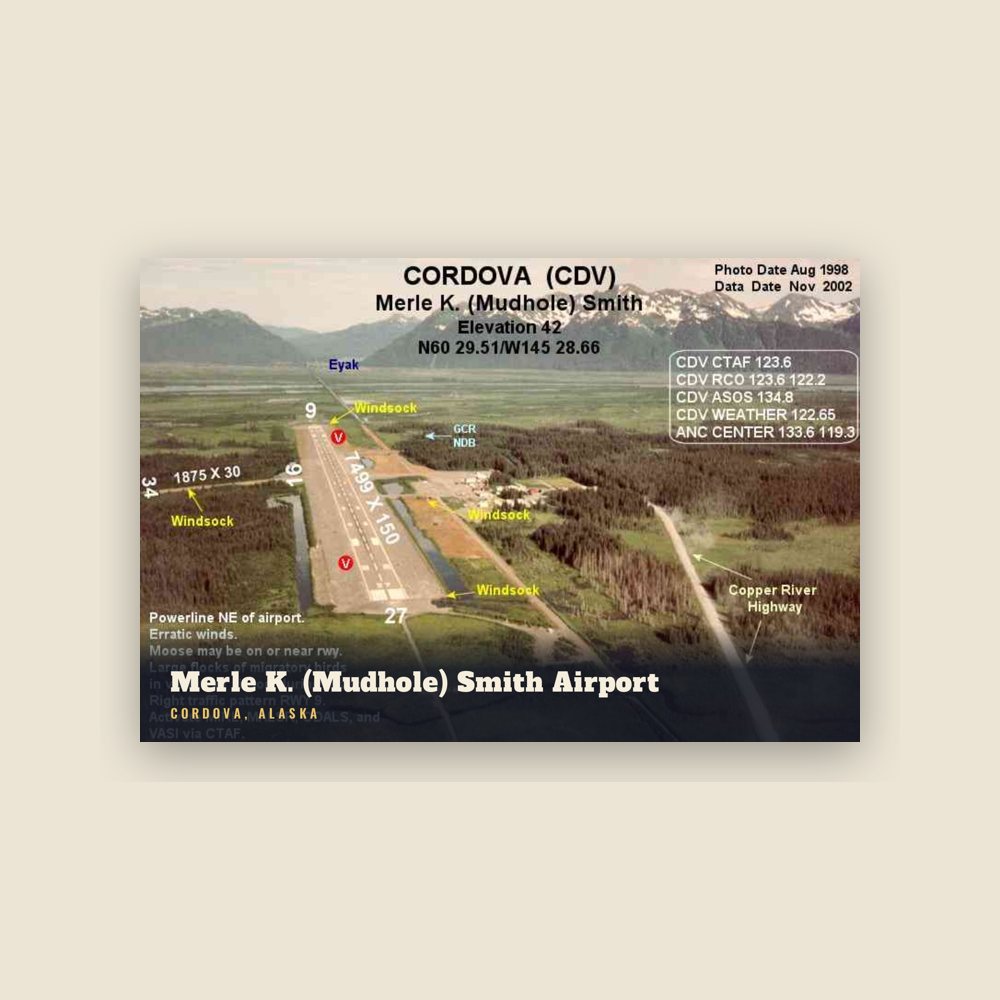
 Merle K. (Mudhole) Smith Airport
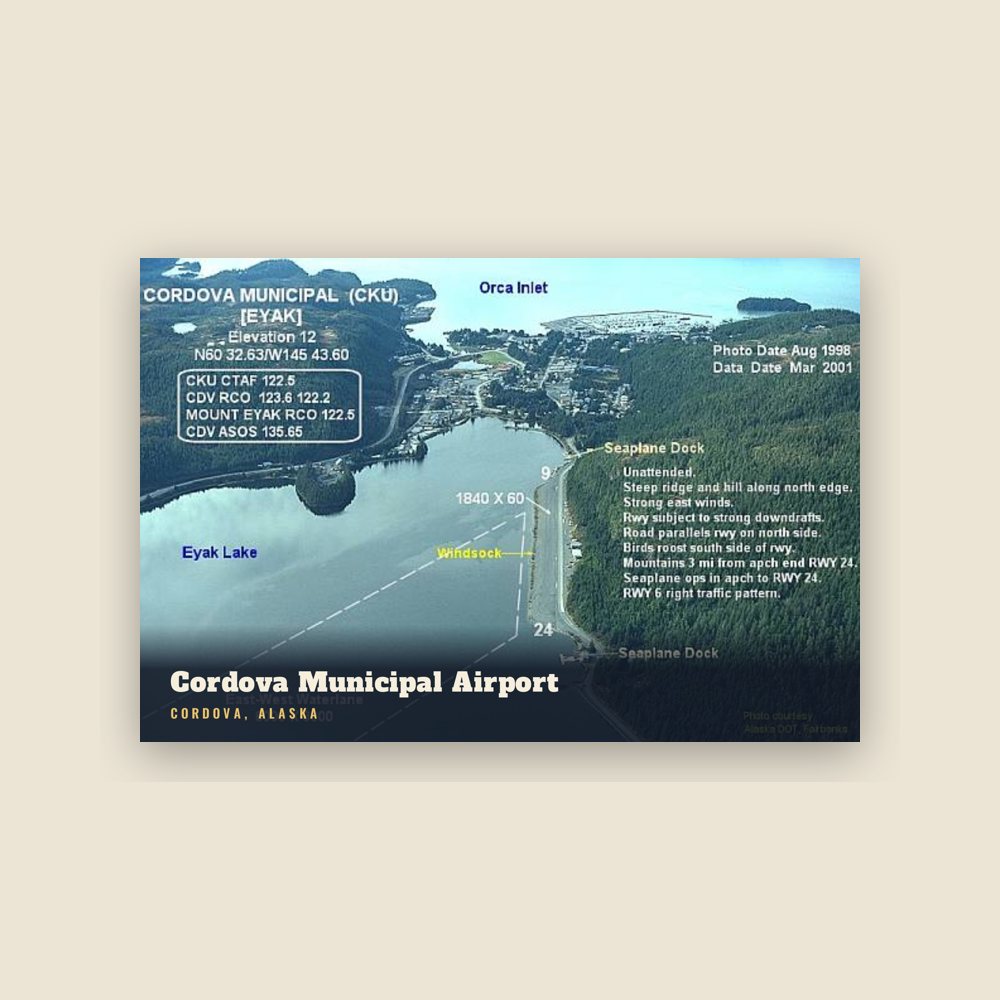
 Cordova Municipal Airport