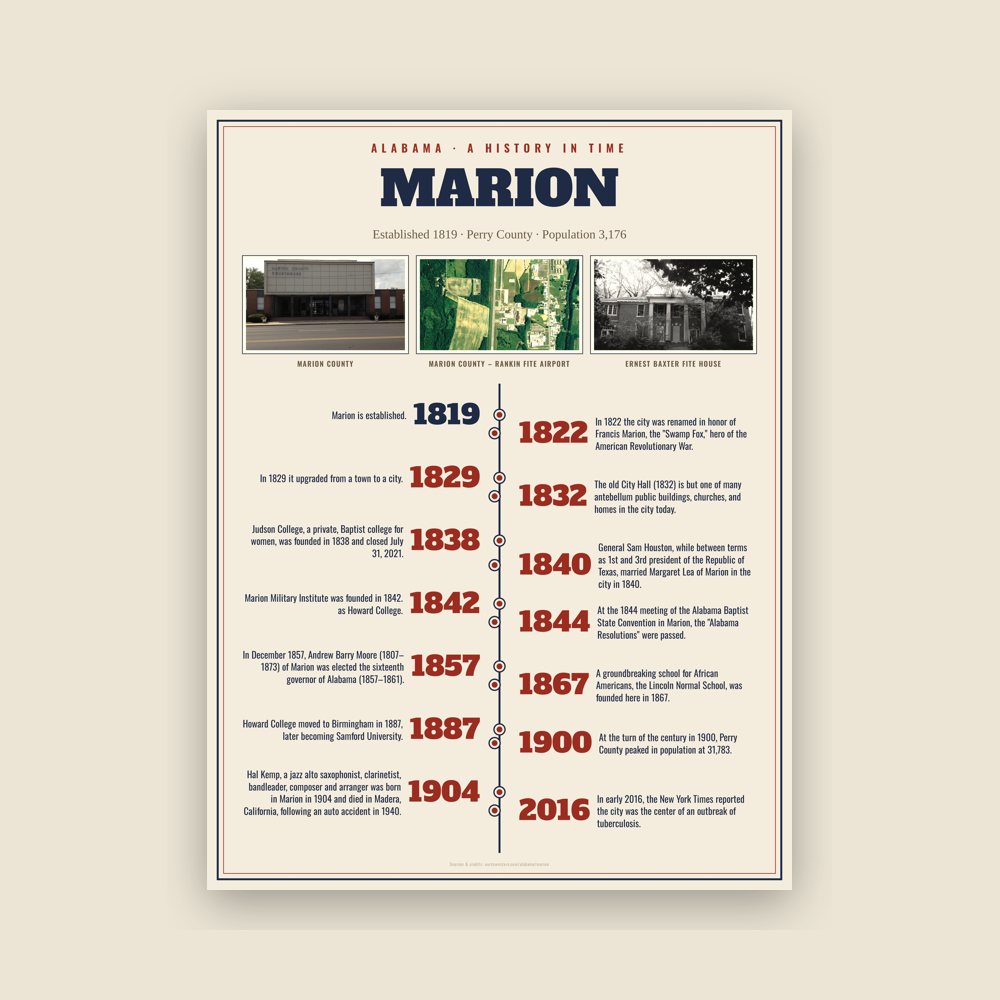
Formerly the territory of the Creek Indians, Marion was founded shortly after 1819 as Muckle Ridge. In 1822 the city was renamed in honor of Francis Marion, the "Swamp Fox," hero of the American Revolutionary War. Marion incorporated as a town the same year and later became Perry County's second county seat as the hamlet of Perry Ridge was deemed unsuitable. In 1829 it upgraded from a town to a city. The old City Hall (1832) is but one of many antebellum public buildings, churches, and homes in the city today.
General Sam Houston, while between terms as 1st and 3rd president of the Republic of Texas, married Margaret Lea of Marion in the city in 1840.
At the 1844 meeting of the Alabama Baptist State Convention in Marion, the "Alabama Resolutions" were passed. This was one of the factors that led to the 1845 formation of the Southern Baptist Convention in Augusta, Georgia.
Read the full history
Founding of colleges
Judson College, a private, Baptist college for women, was founded in 1838 and closed July 31, 2021. Marion Military Institute was founded in 1842. as Howard College. Howard College moved to Birmingham in 1887, later becoming Samford University. The then President of Howard College, Colonel J. T. Murfee, LL.D., and a handful of faculty and students decided to remain in Marion, Alabama and immediately reorganized and founded Marion Military Institute, a military preparatory high school and college. It was modeled after Murfee's alma mater - Virginia Military Institute. Although built as a military college, H. O. Murfee, MMI's second president, believed that Marion was destined to become the "American Eton". Under his leadership, MMI achieved national recognition. President William Howard Taft served as President of the board of trustees. Then president of Princeton University, Woodrow Wilson was the guest speaker at the convocation for the class of 1905. However, the plan to pattern the school after Eton College was interrupted by World War I. The military nature of MMI was again emphasized due to the outbreak of the war. In 1916, United States Army ROTC program was first offered at MMI, when the institute was designated as an "Honor Military School with Distinction" by the United States Department of War. Marion Military Institute stands as the only remaining college in Marion, Alabama. A groundbreaking school for African Americans, the Lincoln Normal School, was founded here in 1867. The associated Lincoln Normal University for Teachers moved to Montgomery and became Alabama State University.
Pre-Civil War
In December 1857, Andrew Barry Moore (1807–1873) of Marion was elected the sixteenth governor of Alabama (1857–1861). He served one term, presiding over Alabama's secession from the Union. Assisting in the war effort, Moore was imprisoned a short time after the war and in ill health returned to Marion, where he died eight years later. George Doherty Johnson (May 30, 1832 – December 8, 1910) served as mayor of Marion in 1856, state legislator from 1857 to 1858 and rose to the rank of brigadier general in the Confederate States Army in the American Civil War.
Civil War era
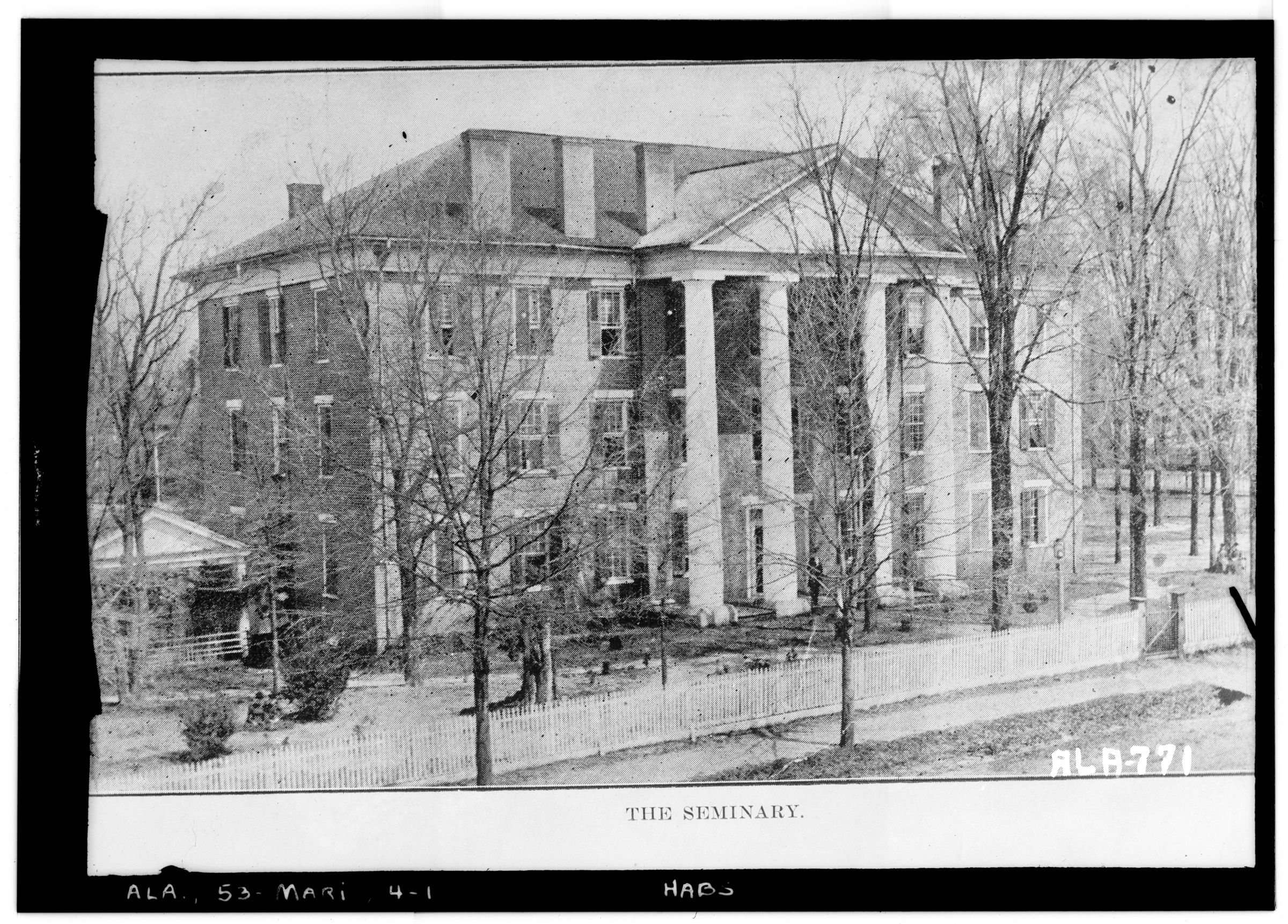
Nicola Marschall (1829–1917), a German-American artist, is generally credited with designing both the first official Confederate flag and the grey Confederate army uniform while a teacher at the old Marion Female Seminary. With the coming Civil War in 1861, Nicola Marschall was approached in February by Mary Clay Lockett, wife of prominent attorney Napoleon Lockett of Marion, and her daughter, Fannie Lockett Moore, daughter-in-law of Alabama Governor Andrew B. Moore of Marion, to design a flag for the new Confederacy. Marschall offered three designs, one of which became the "Stars and Bars," the first official flag of the Confederate States of America (C.S.A.), first raised in Montgomery, Alabama, on March 4, 1861.
Early 20th century
At the turn of the century in 1900, Perry County peaked in population at 31,783. This is three times the population of the county in the 2010 census.
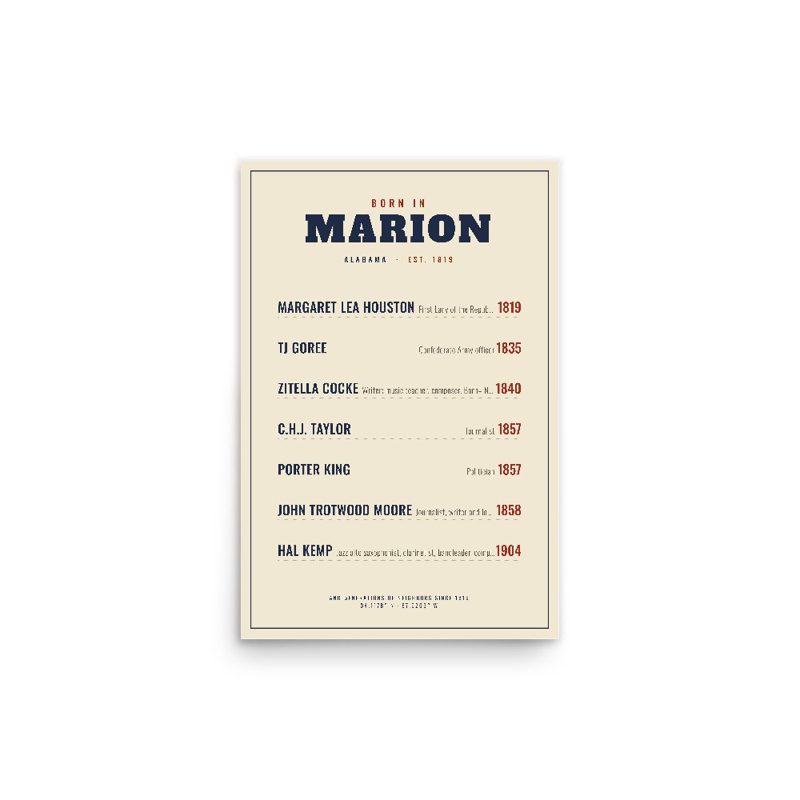
"There's a Small Hotel" and "When I'm With You" both number one hits for two weeks. In 1937, his number one hits were "This Year's Kisses", which was number one for four weeks, and "Where or When", number one for one week. Other noted recordings were "Got a Date With an Angel" and "Three Little Fishies". In 1992, Hal Kemp was inducted into the Big Band and Jazz Hall of Fame.
Coretta Scott King, wife of Reverend Dr. Martin Luther King Jr., was born in Marion in 1927 and spent her childhood there. She graduated from Lincoln Normal School as valedictorian in 1945. The couple got married on the front lawn of her mother's home north of Marion in 1953.
Civil Rights era
A number of significant events occurred in Marion relating to the Civil Rights Movement. In 1958 Jimmy Wilson, a black man, was sentenced to death by a jury in Marion for stealing $1.95 from Estelle Barker. Wilson's case became an international cause célèbre, covered in newspapers worldwide and inspiring over 1000 letters per day to the office of governor Jim Folsom. Finally, after the Alabama Supreme Court upheld Wilson's conviction, at the urging of the Congress of Racial Equality, Secretary of State John Foster Dulles wrote to Folsom explaining the damage that the case was doing to the international reputation of the United States and Folsom quickly granted Wilson clemency.
In 1964, Marion was a center of civil rights protests in Alabama. During a Southern Christian Leadership Conference march on the evening of February 18, 1965, during the height of the Selma Voting Rights Movement, Marion resident Jimmie Lee Jackson was shot and killed by Alabama State Trooper James Bonard Fowler. These events were depicted in the 2014 film Selma. Jackson died on February 26 of an infection stemming from his wounds at nearby Good Samaritan Hospital in Selma. Martin Luther King Jr. preached a sermon at Jackson's funeral on March 3, and Jackson's death is recognized as the catalyst for James Bevel to call and organize the first Selma to Montgomery March on March 7. It was not until 2007 that Fowler was indicted for murder for his role in Jackson's death. In 2010, Fowler pleaded guilty to a lesser charge of manslaughter.
In 2018, the US Department of the Interior granted Beyond 50 Years – a community non-profit group in Marion – a $500,000.00 grant to convert the historic Perry County Jailhouse into a voting rights museum. The historic jailhouse was the location of Reverend James Orange's incarceration, which sparked the 1965 march that resulted in the death of Jimmie Lee Jackson. The jail is currently under renovation for the conversion into a museum, however a grand opening date has not yet been announced.
Recent events
In 2009, Marion made national news when a three-year-old family feud turned into a 150-man riot outside the town's city hall resulting in the arrest of eight people and the hospitalization of two.
In early 2016, the New York Times reported the city was the center of an outbreak of tuberculosis. In 2014–15 twenty people in the area had contracted active cases of the disease and three had died.
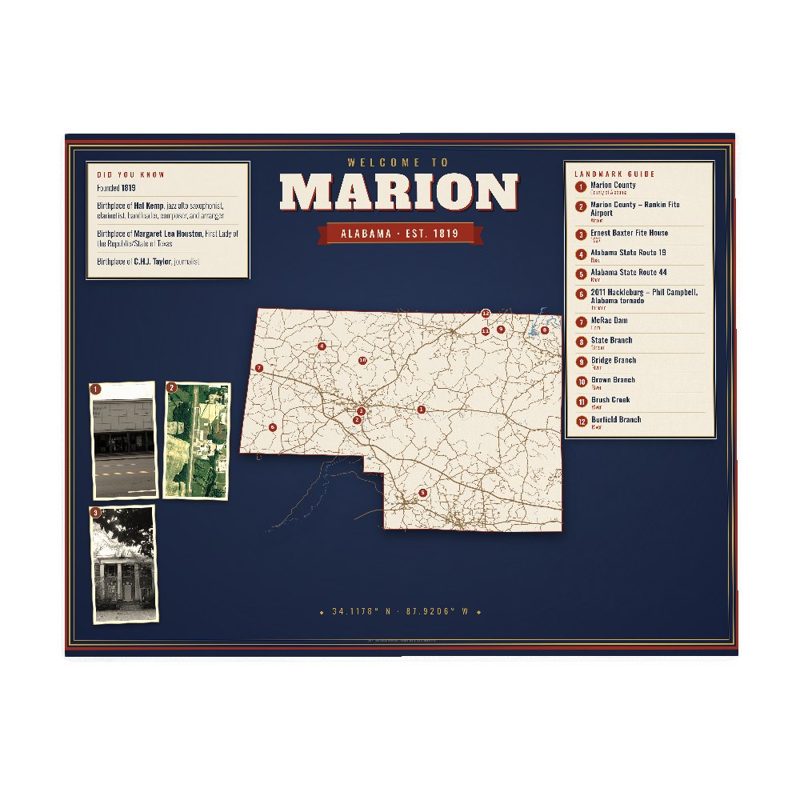






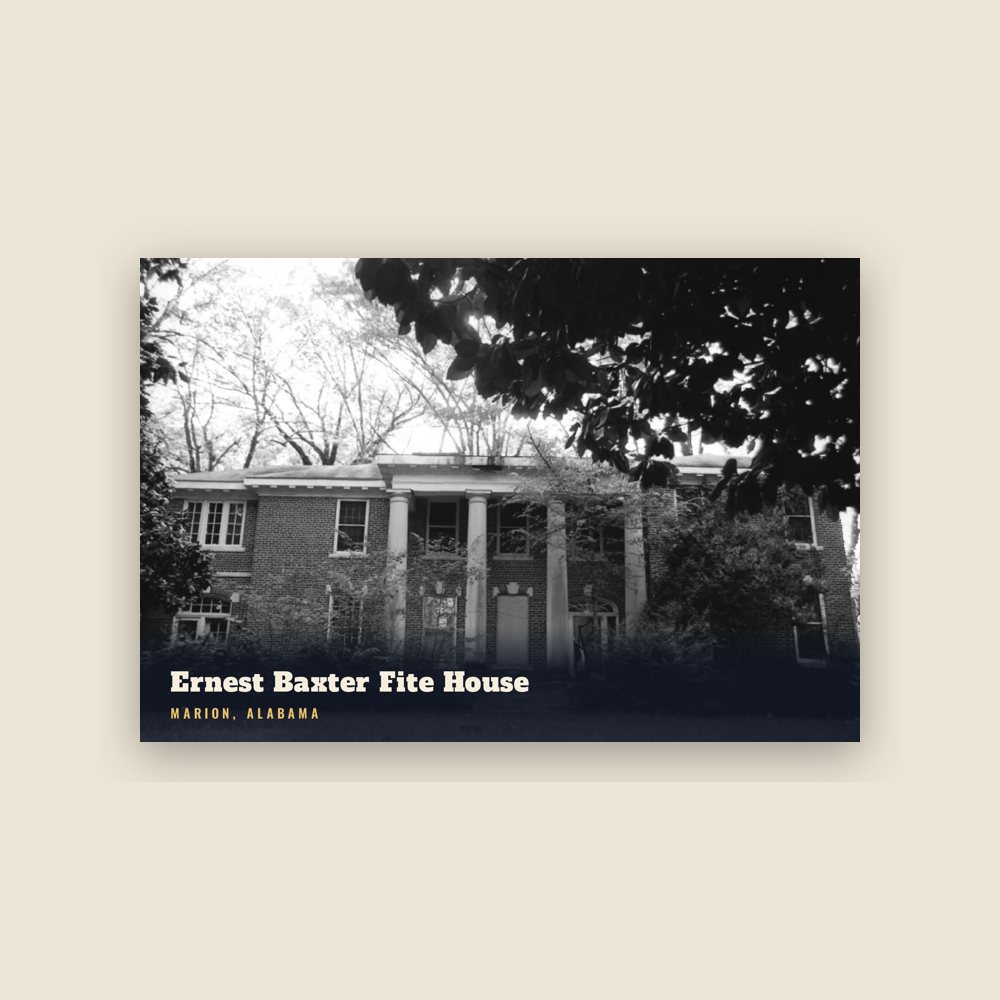
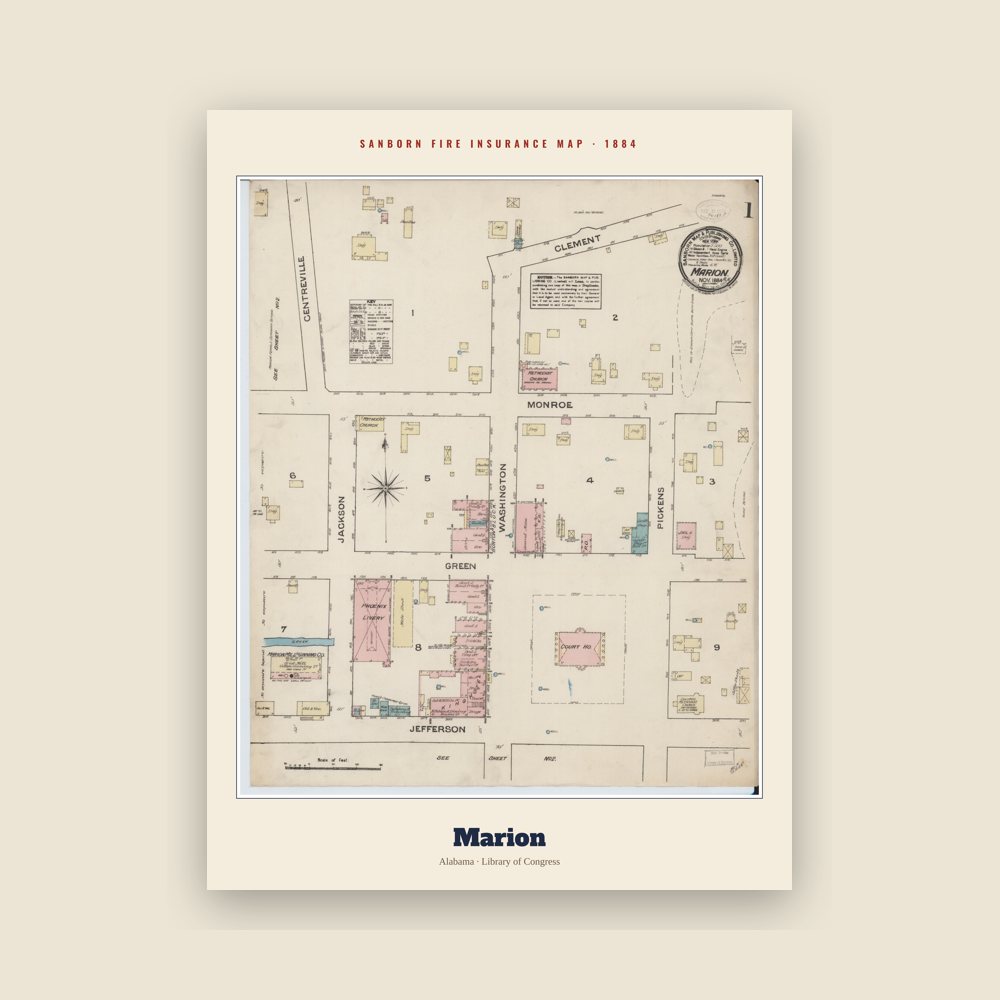
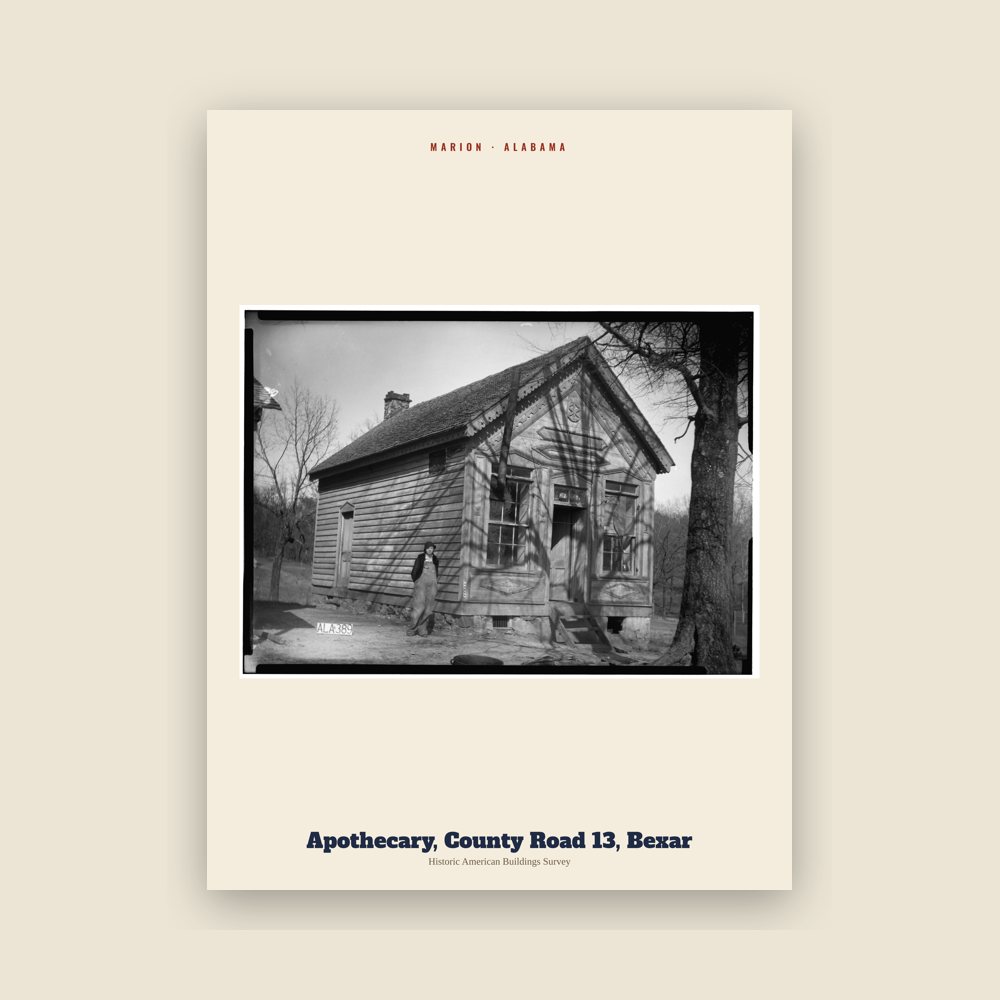
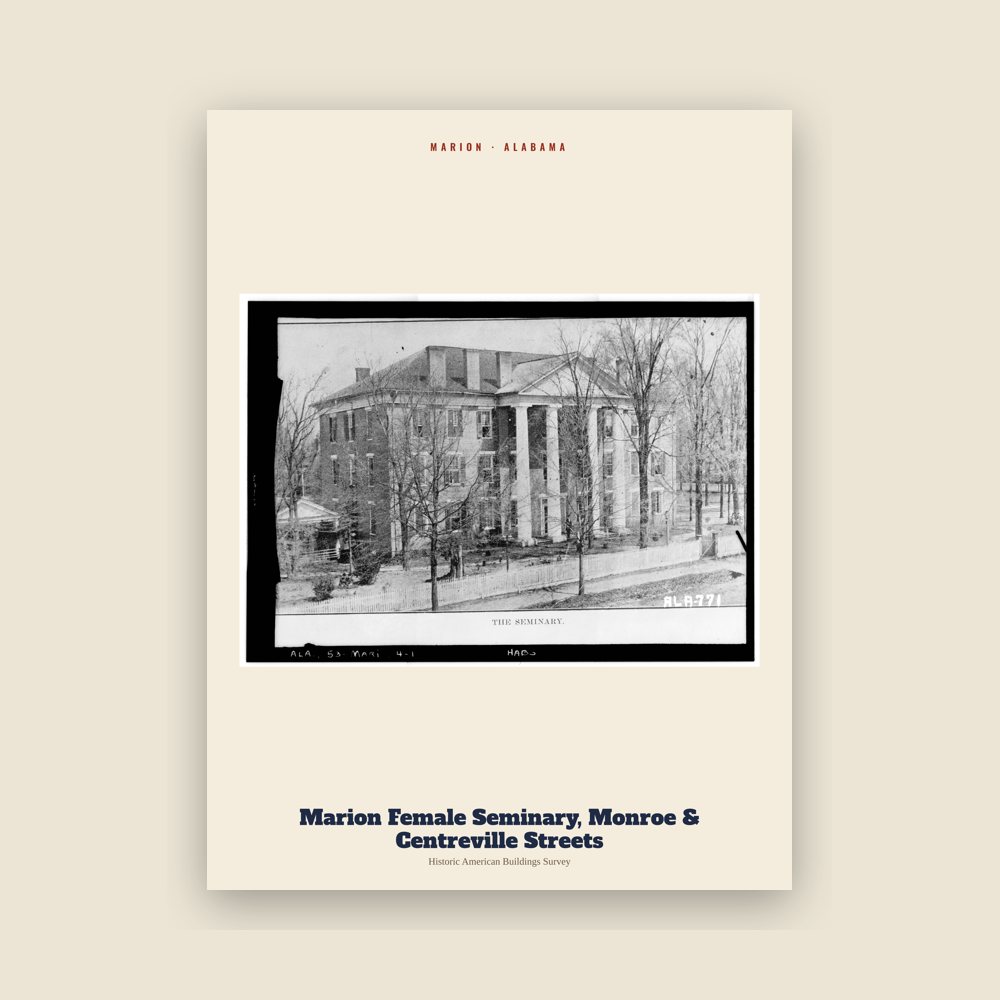
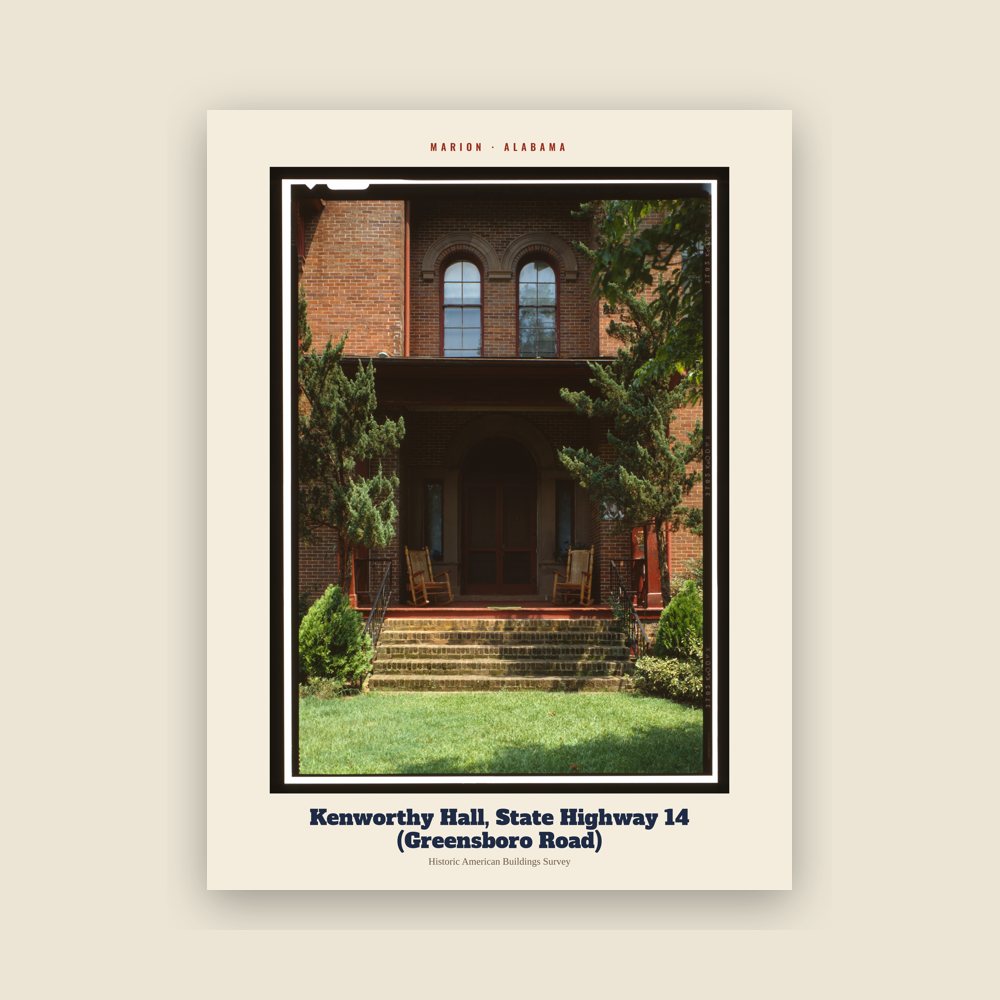
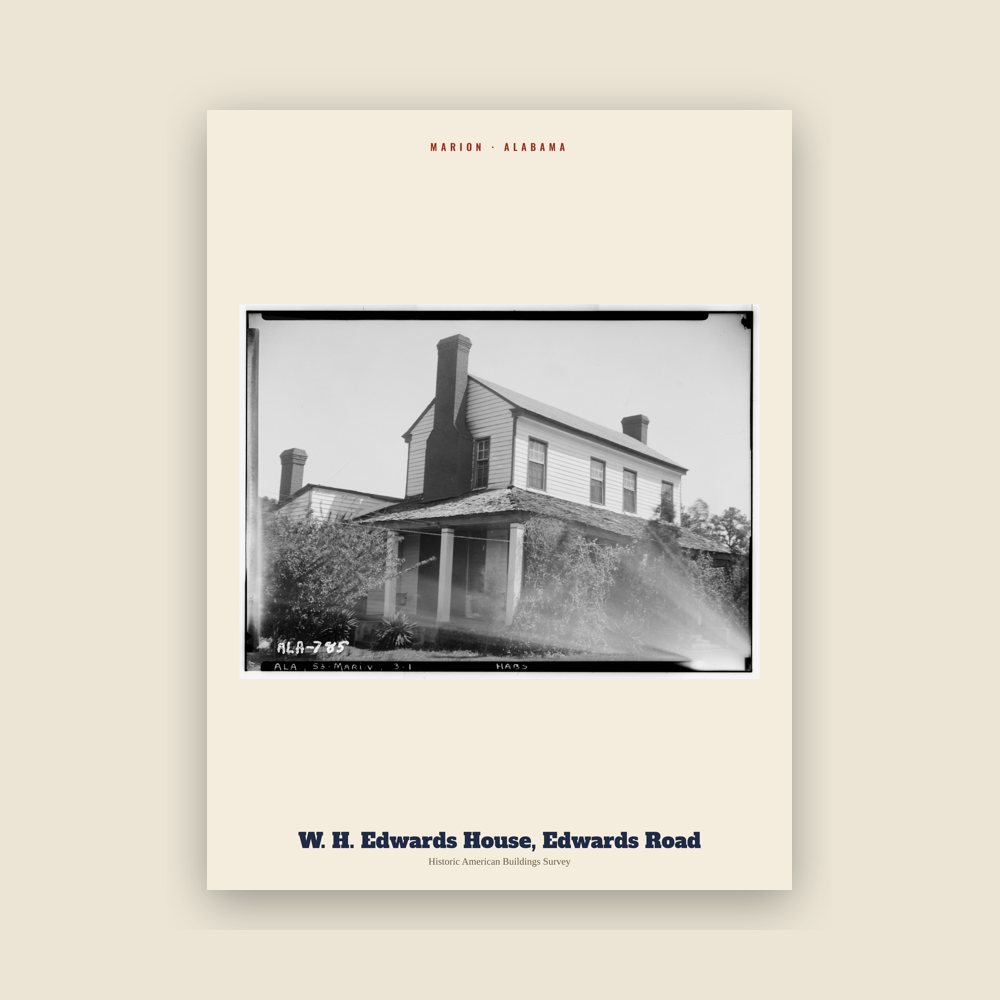
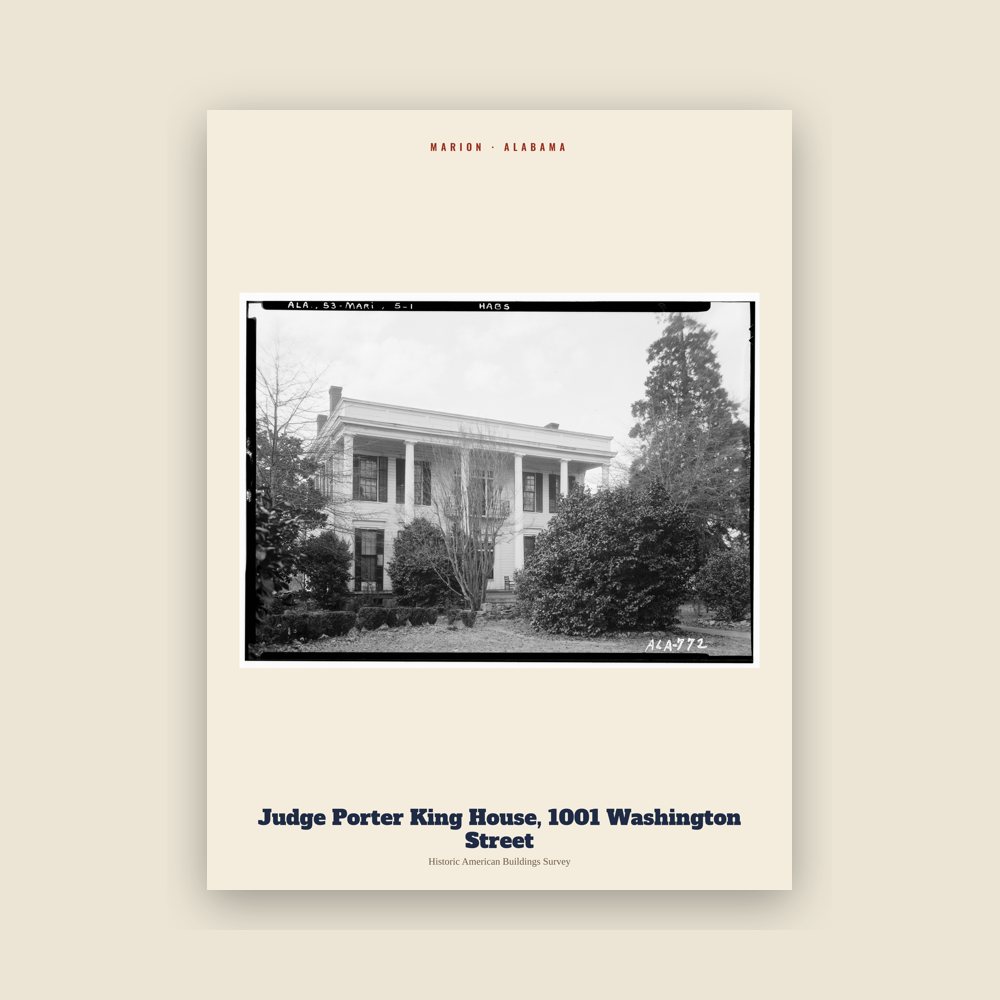
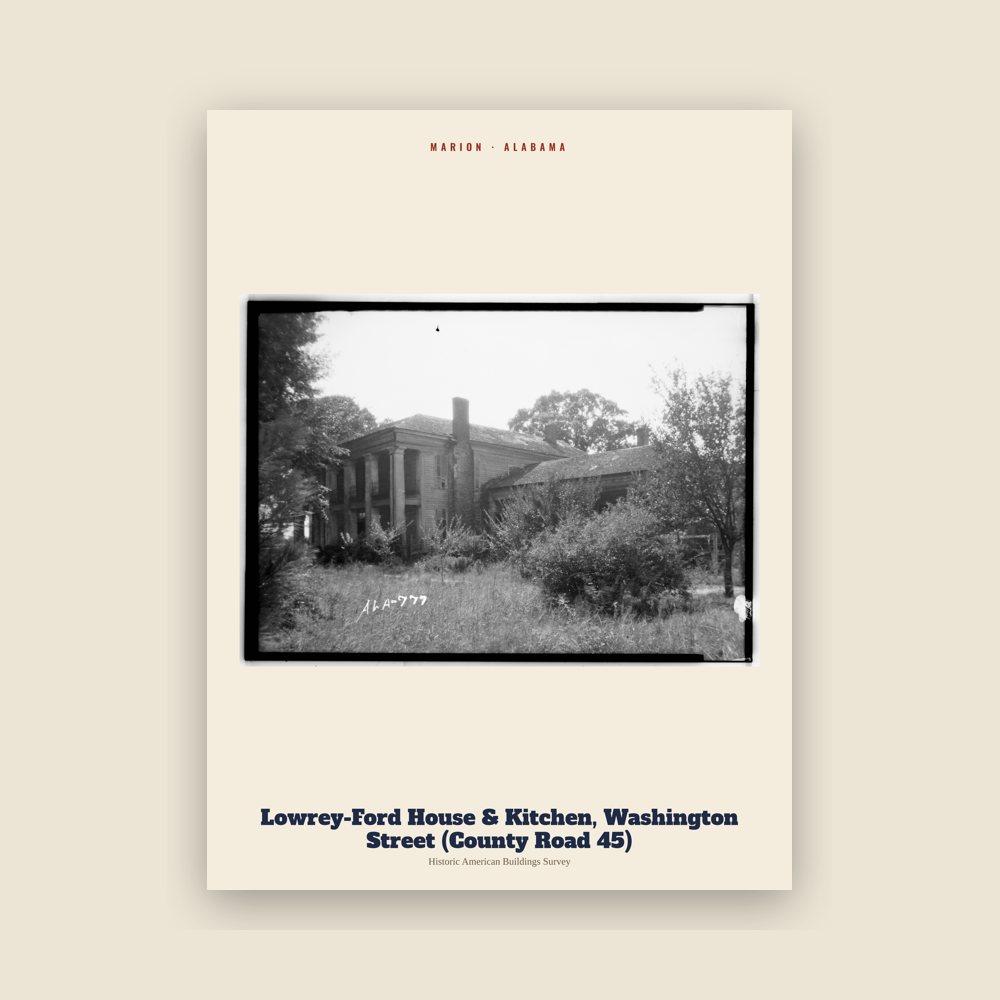
 Ernest Baxter Fite House
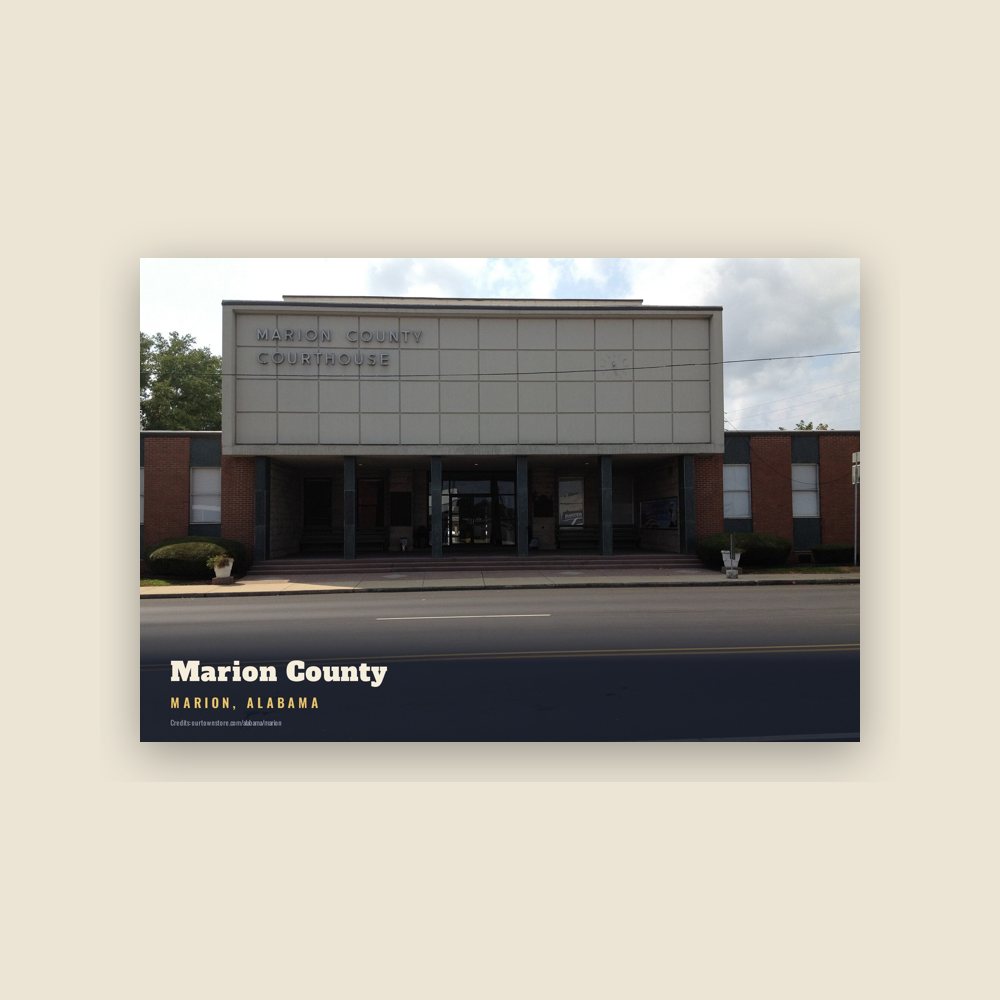
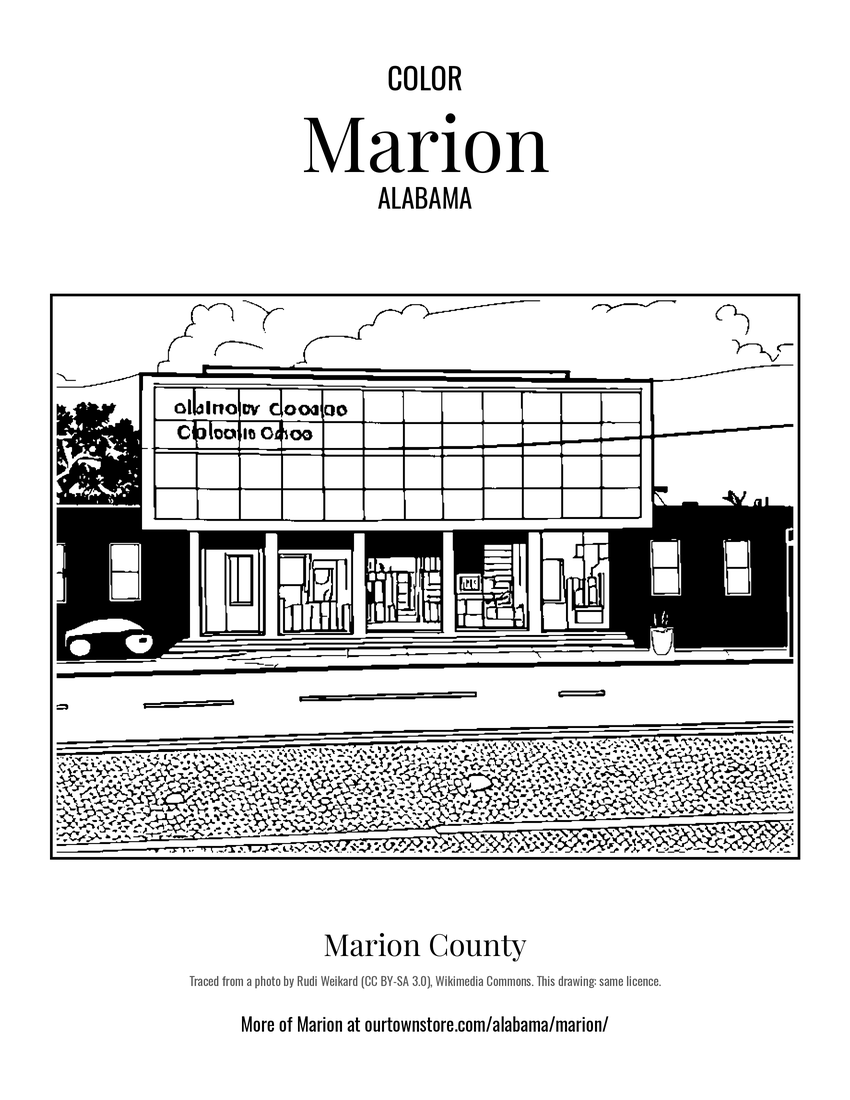 Marion County
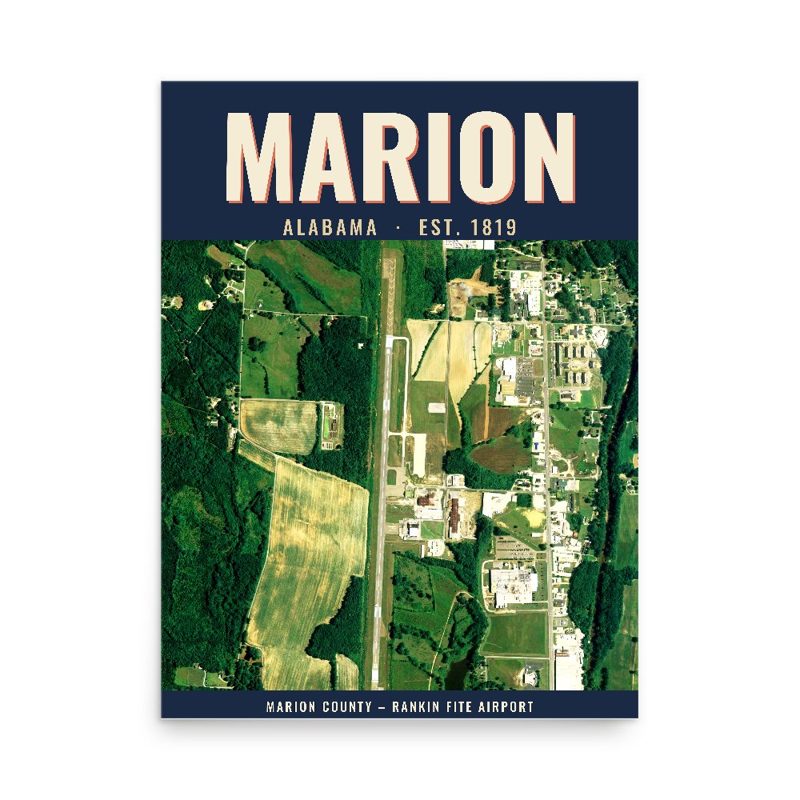
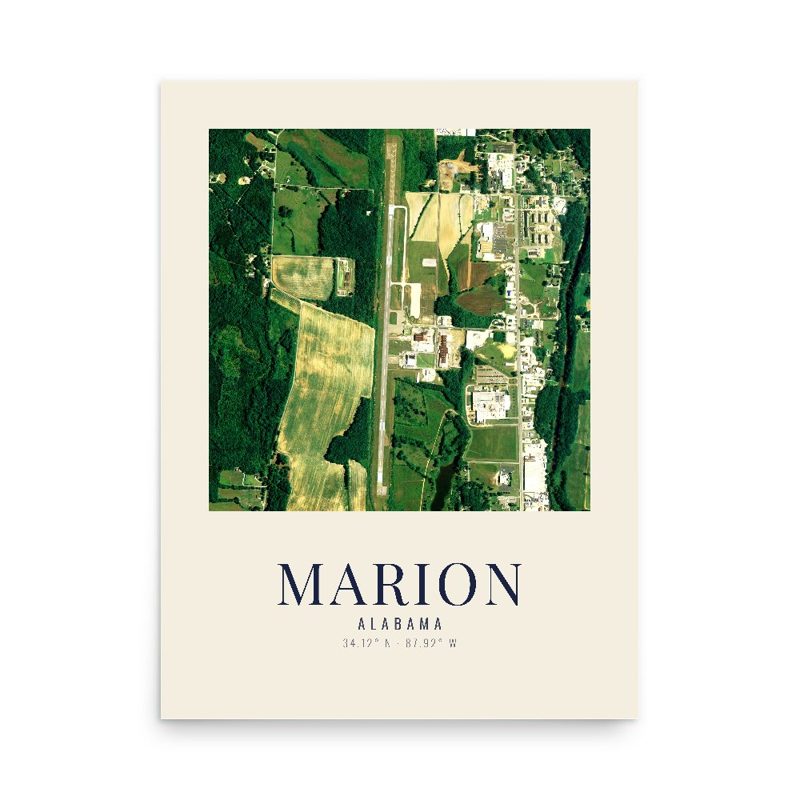
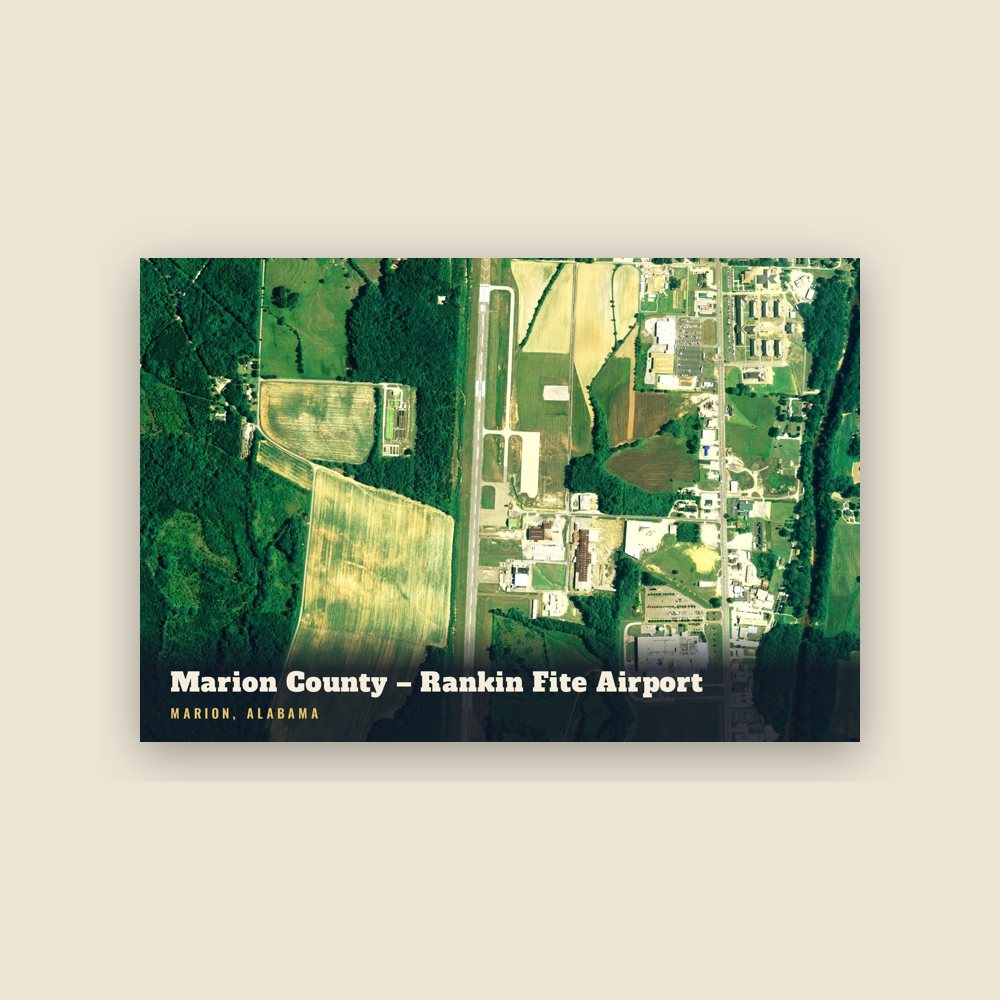
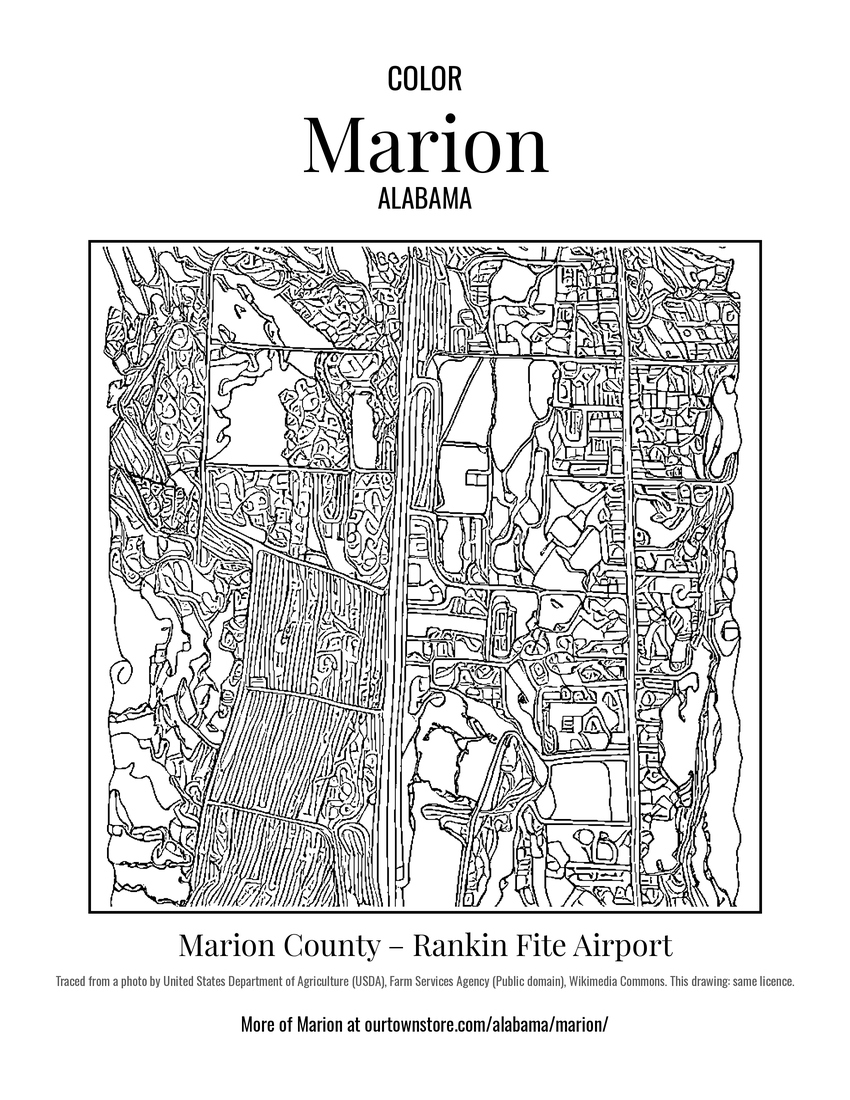 Marion County – Rankin Fite Airport