Franklin is a rural town in Macon County, Alabama, United States. Landmarks include Franklin County, Russellville Municipal Airport and Overton Farm.
- CountyMacon County
- Population590 (2020 U.S. Census)
- Historic places3 on the National Register
Franklin is a rural town in Macon County, Alabama, United States. Landmarks include Franklin County, Russellville Municipal Airport and Overton Farm.
Franklin, Alabama gifts and souvenirs: 38 designs made from Franklin's own map, landmarks and history, from $10 to $99. Printed to order and shipped free in the USA.
| Popular | Price |
|---|---|
| Franklin Hometown Ornament | $23 |
| Franklin Landmarks Photo Poster | from $40 |
| Franklin Vintage Travel Poster | from $40 |
| Franklin Varsity Crewneck | from $57 |
| Franklin Est. Tee | from $33 |
| Franklin Town Line Mug | from $26 |
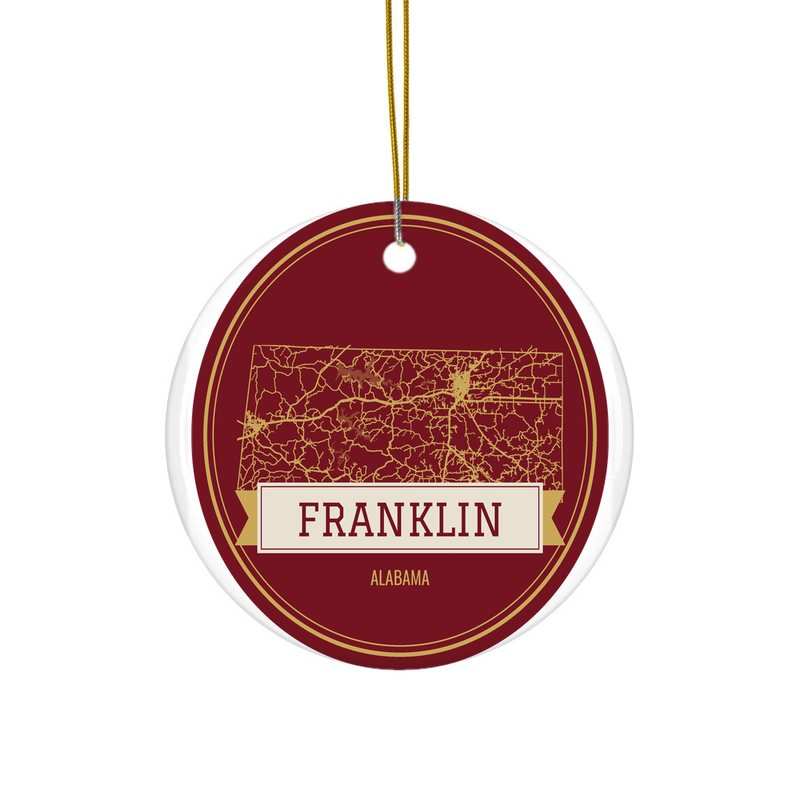
Ceramic keepsake, gold ribbon
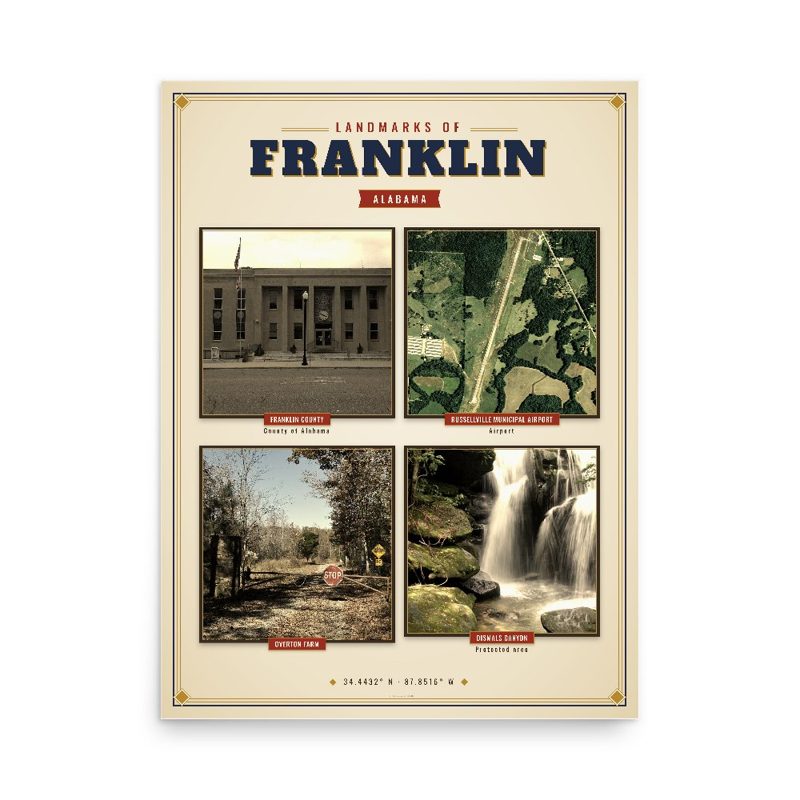
Nine local landmarks, archival matte
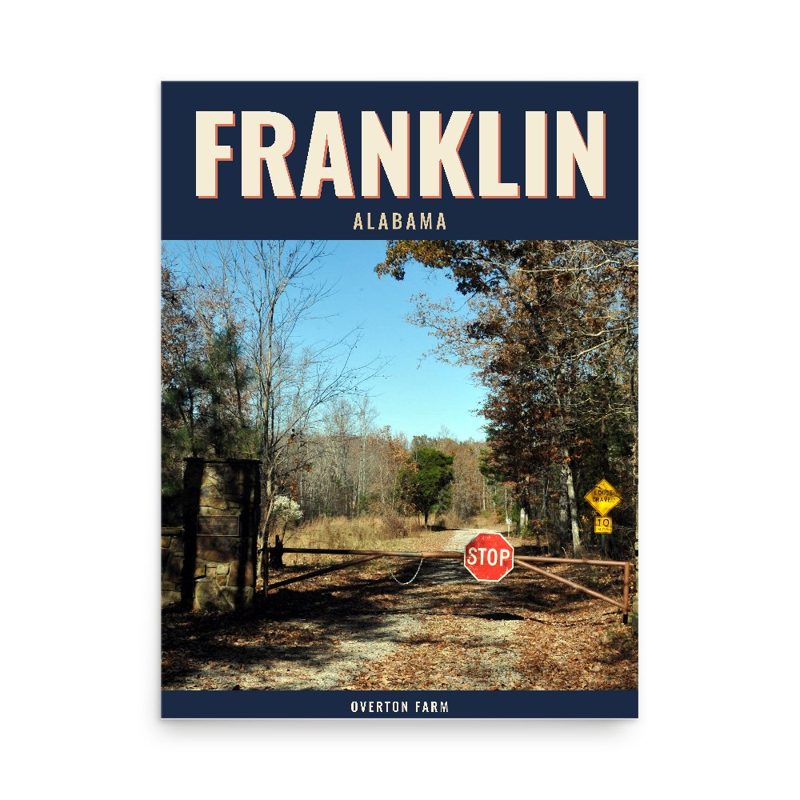
Its landmark photo in a classic travel-poster layout
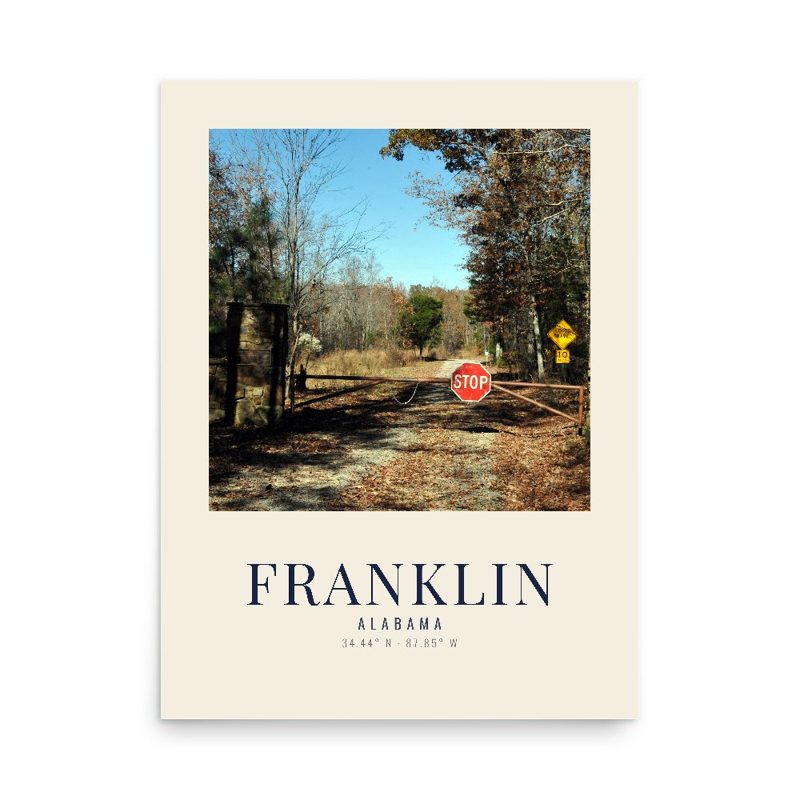
A local landmark photo as a gallery print
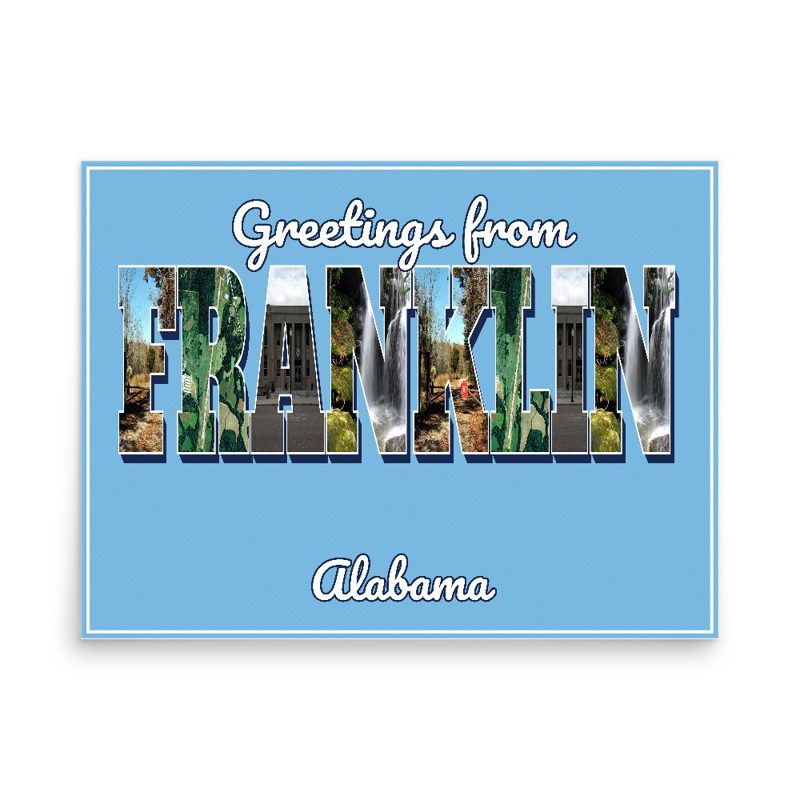
Classic large-letter postcard art, filled with local photos
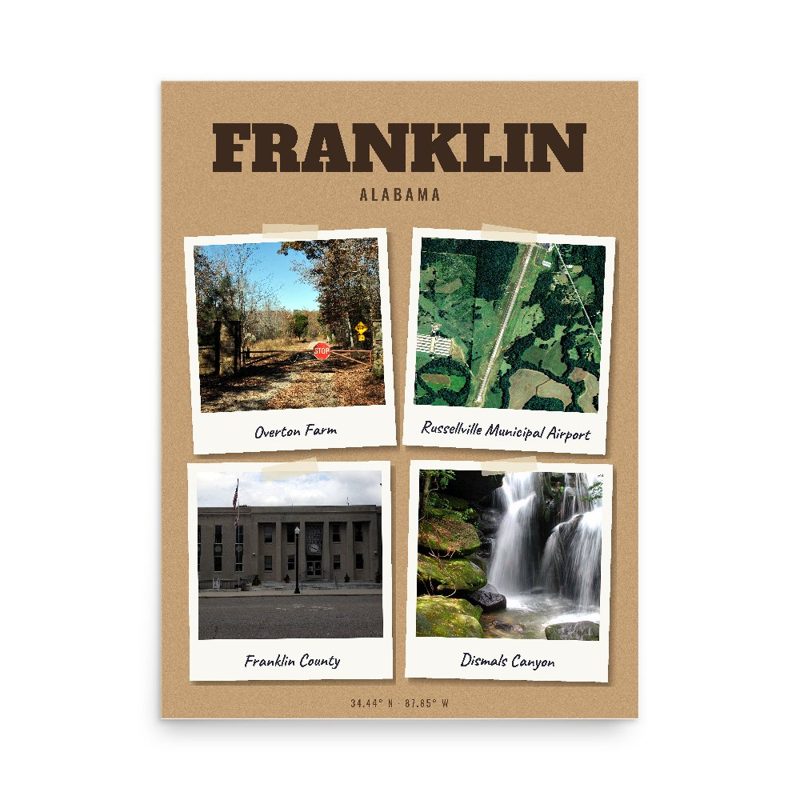
Six local landmarks as instant photos on kraft paper
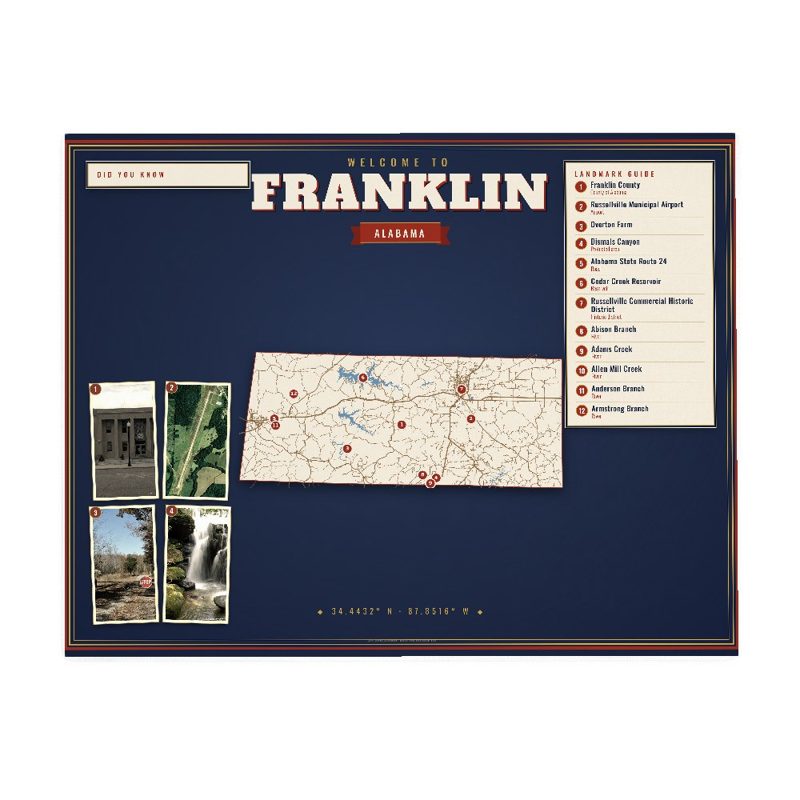
Map of local landmarks, washable fabric
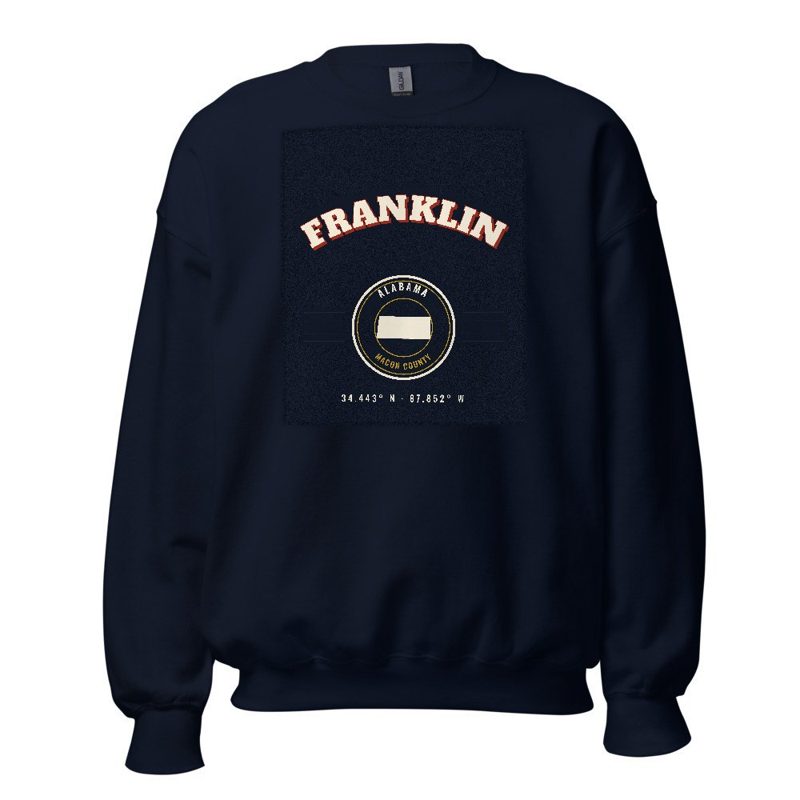
Heavy-blend fleece, street map printed on the back
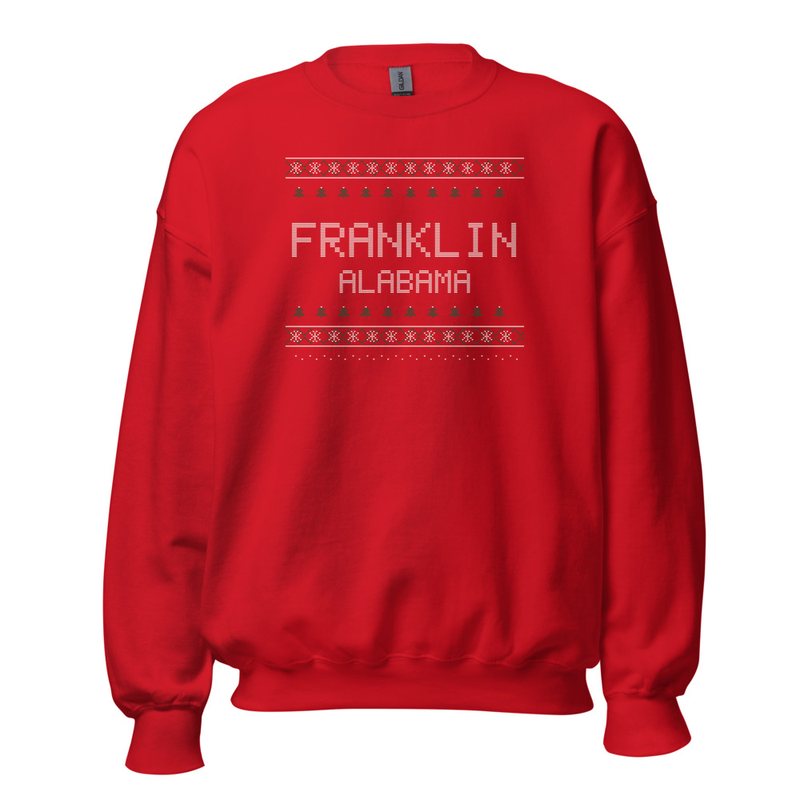
Red heavy-blend crewneck, knit-stitch town print
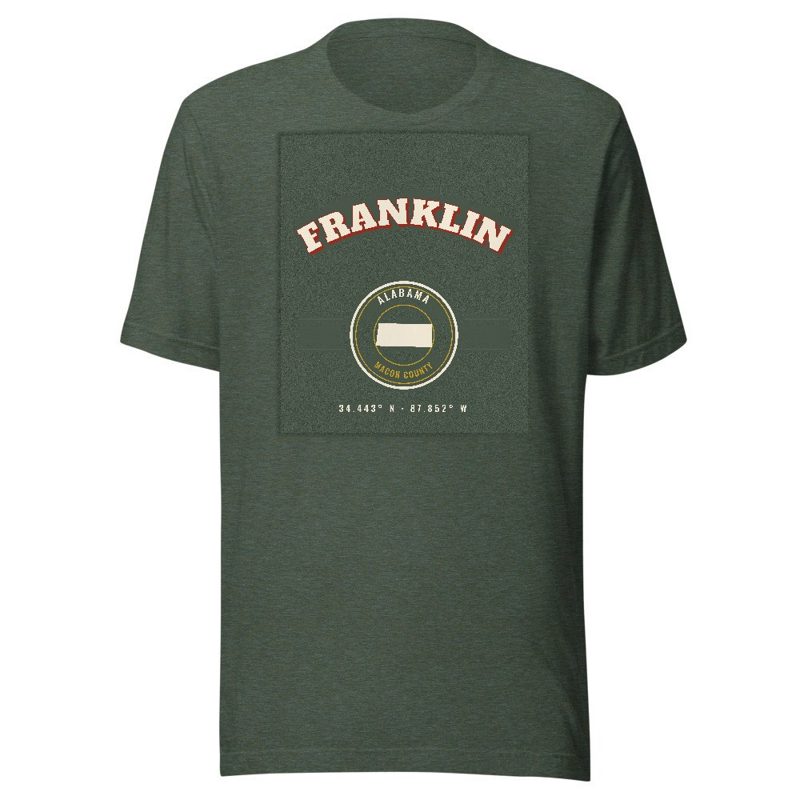
Soft Bella+Canvas jersey
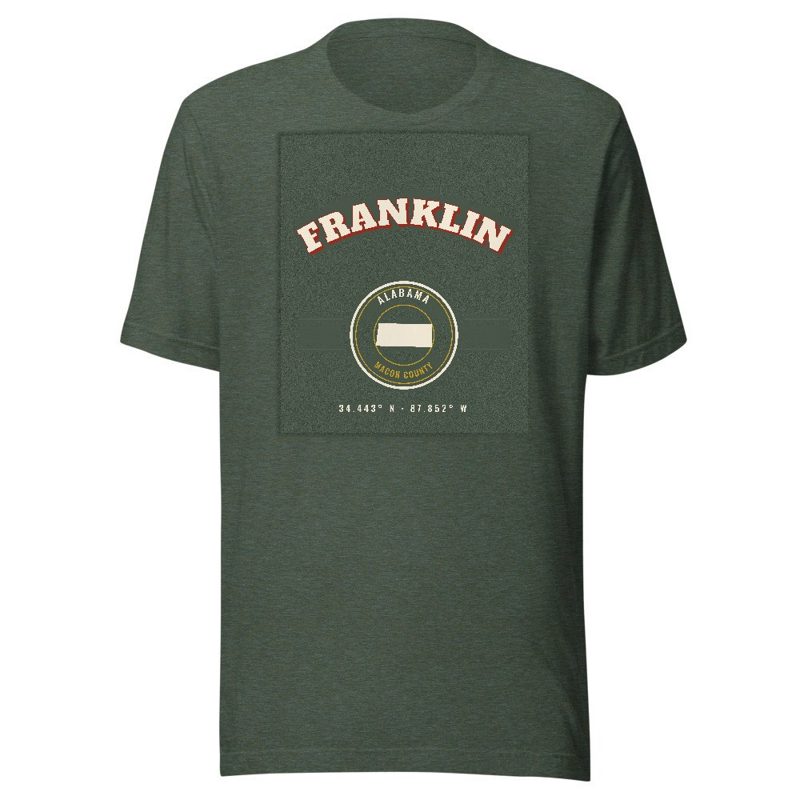
Kids' Bella+Canvas jersey, youth sizes
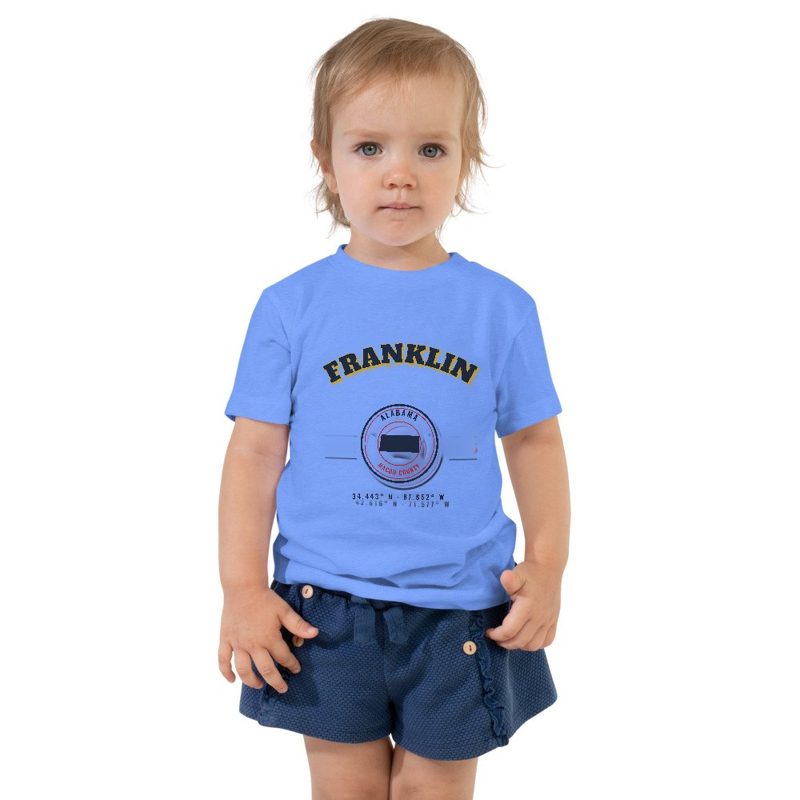
Bella+Canvas toddler jersey
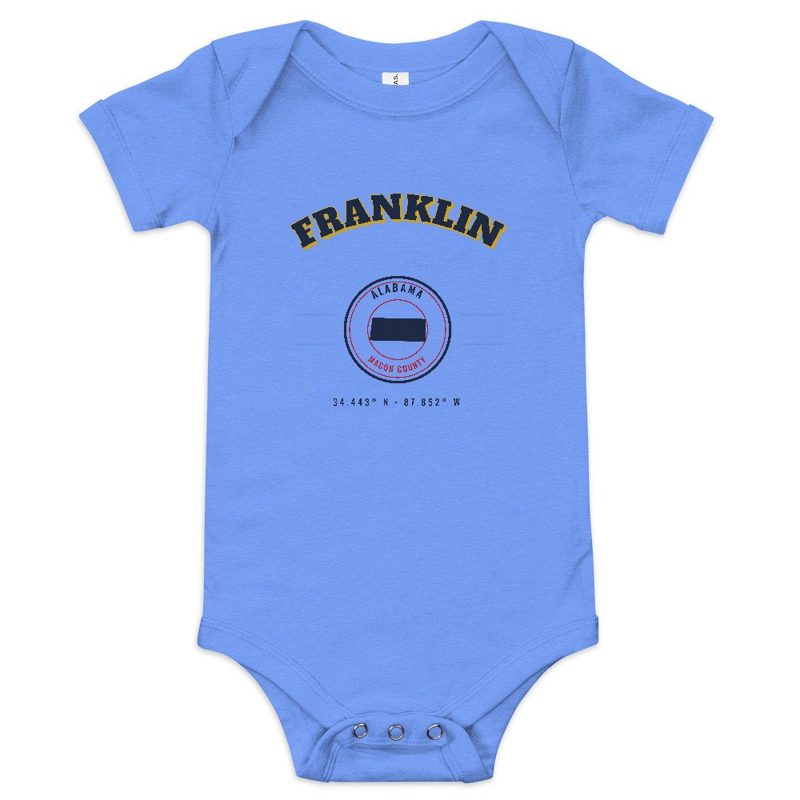
Bella+Canvas baby bodysuit
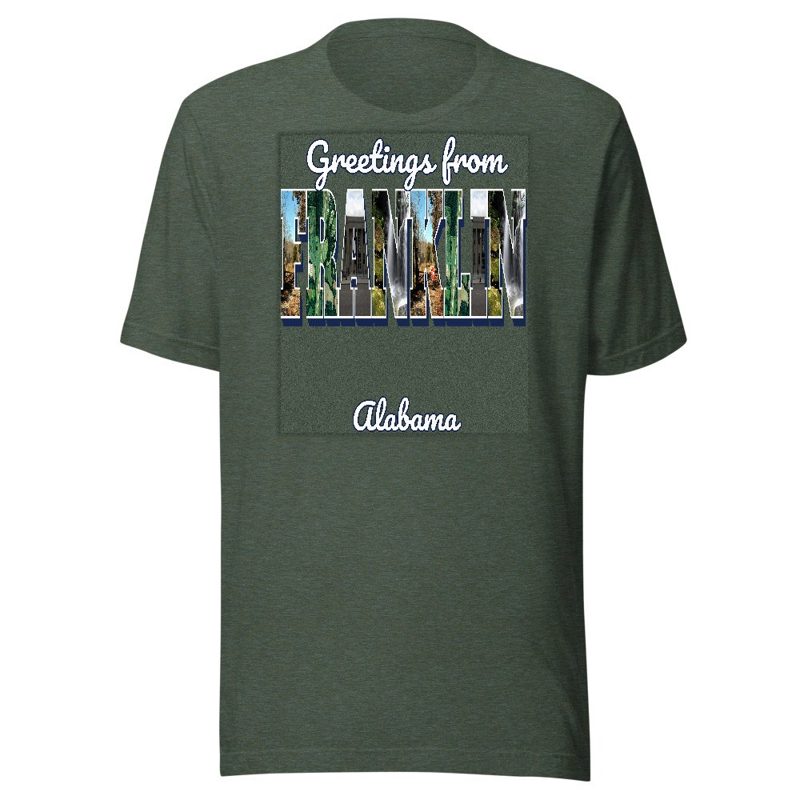
Large-letter postcard art filled with local photos
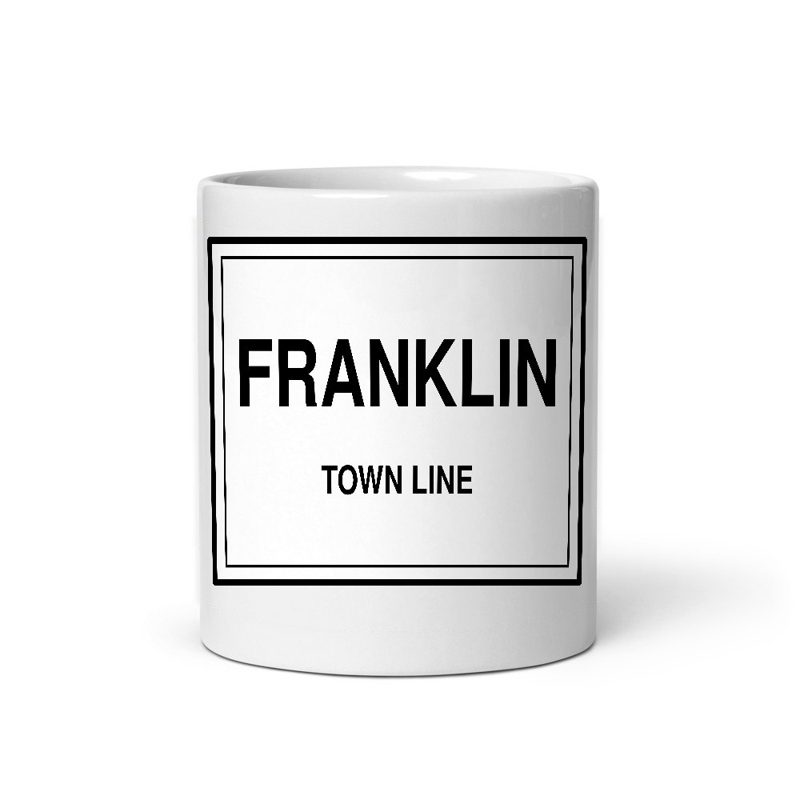
Glossy ceramic, dishwasher safe

Large-letter postcard art filled with local photos, 11 oz ceramic
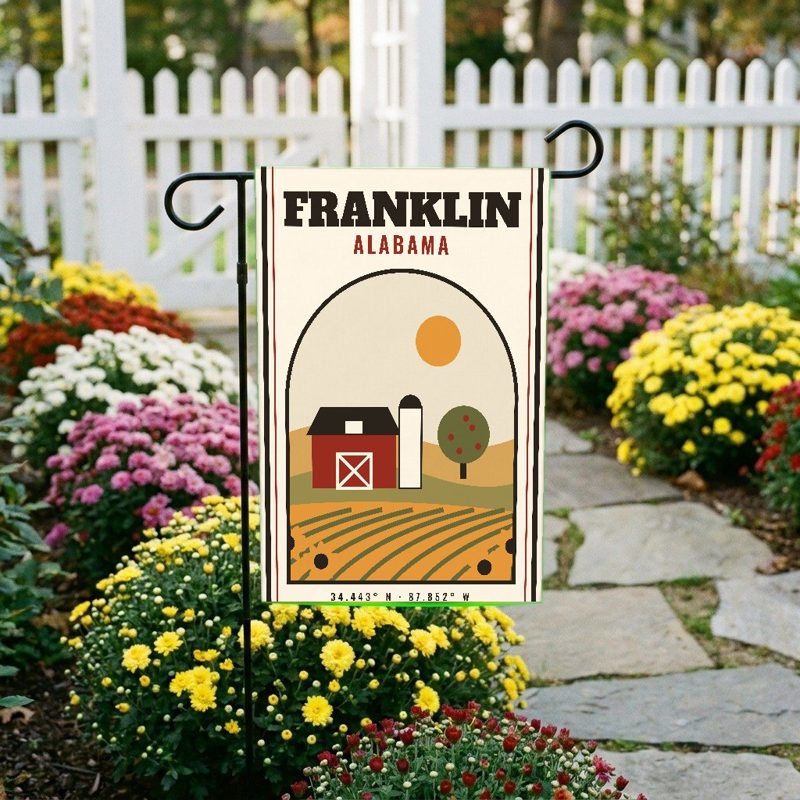
Weatherproof, for the front walk
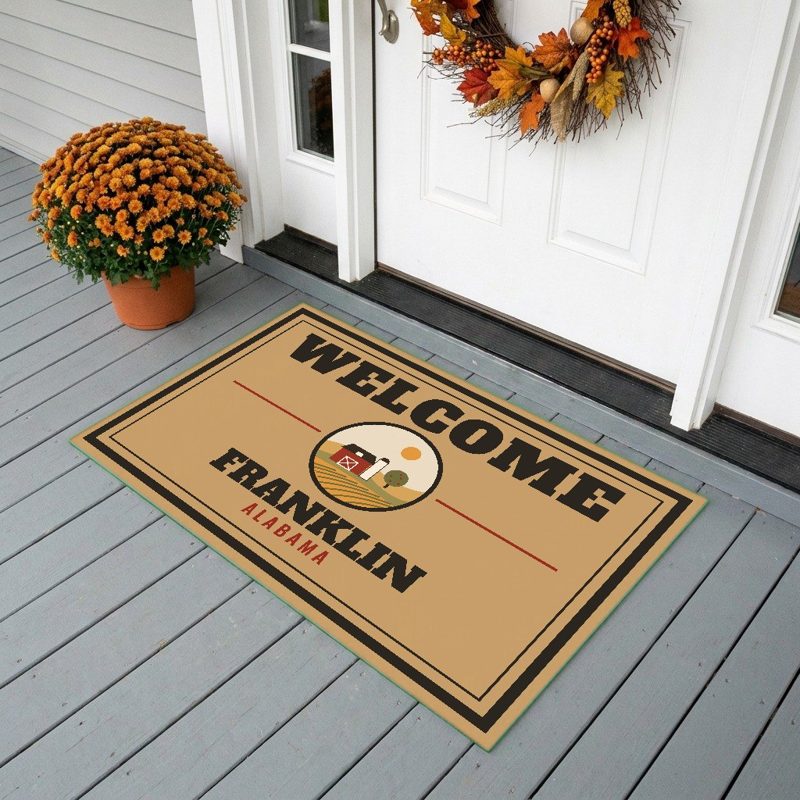
24″×16″, printed coir-look fibers, rubber back
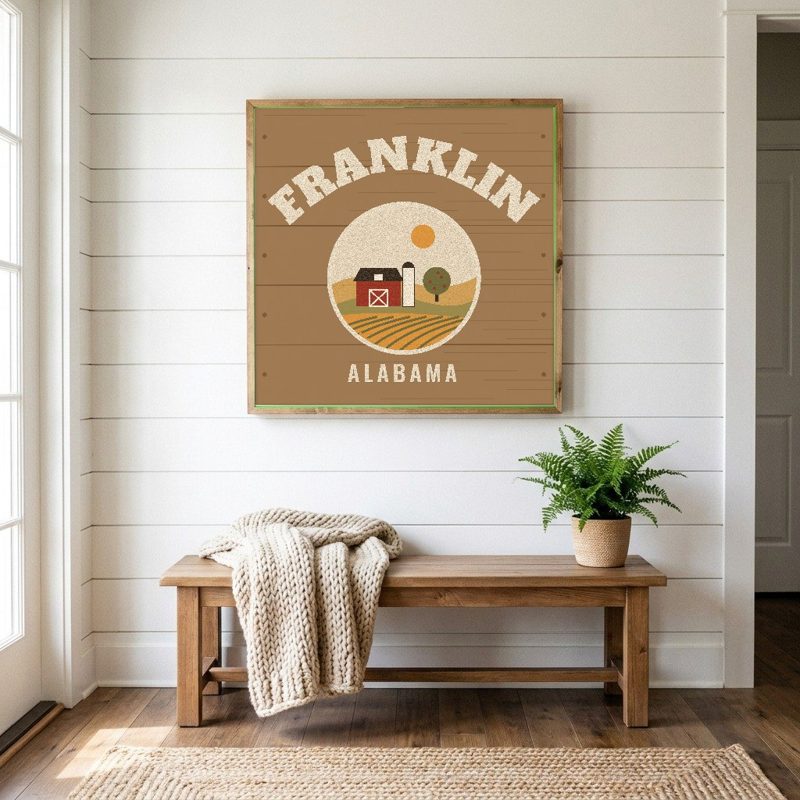
12″×12″ printed wood, ready to hang

Soft-touch, zip cover
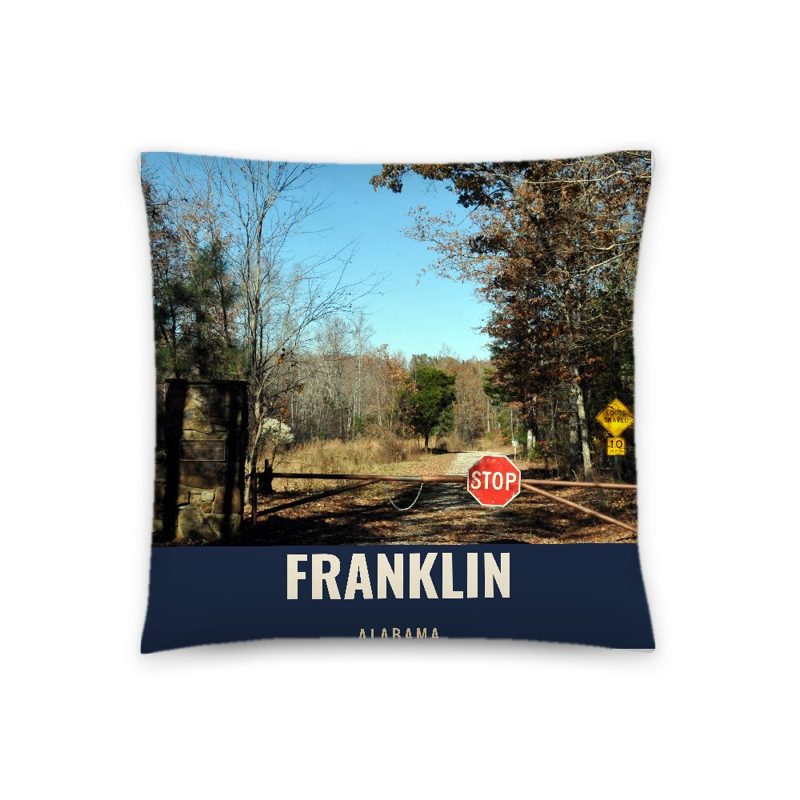
A local landmark photo with the town name, 18″×18″
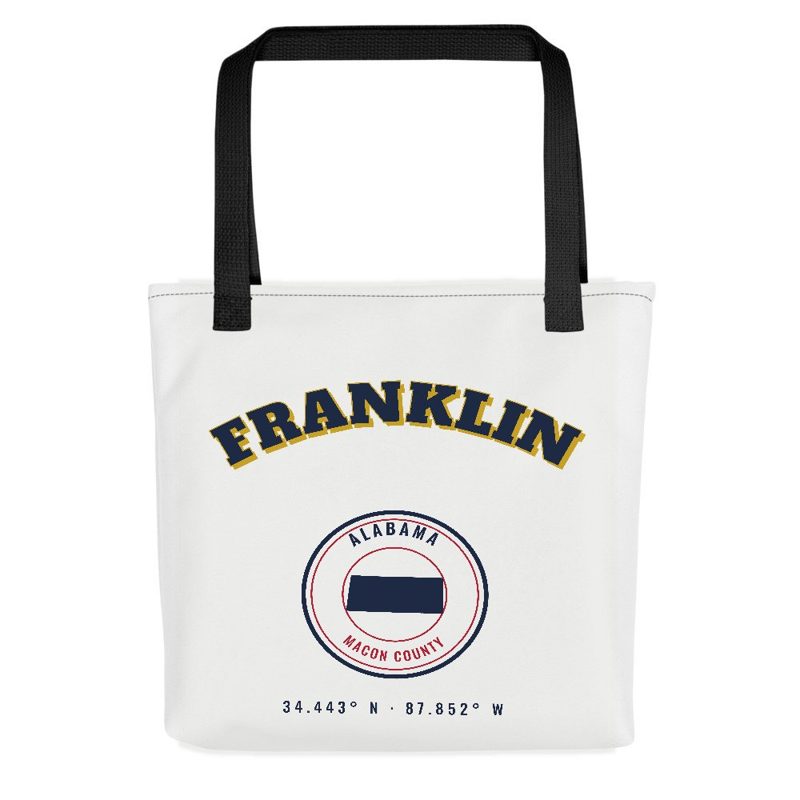
Sturdy all-over-print tote
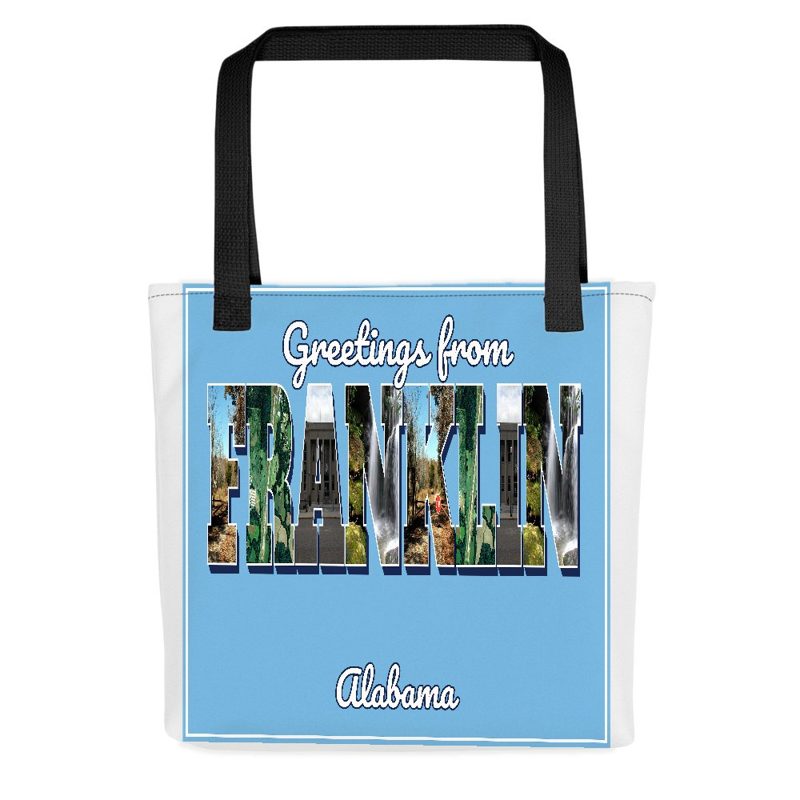
Large-letter postcard art on a sturdy tote

Foam-front trucker, printed (not embroidered) with local photos
Glossy top, cork back
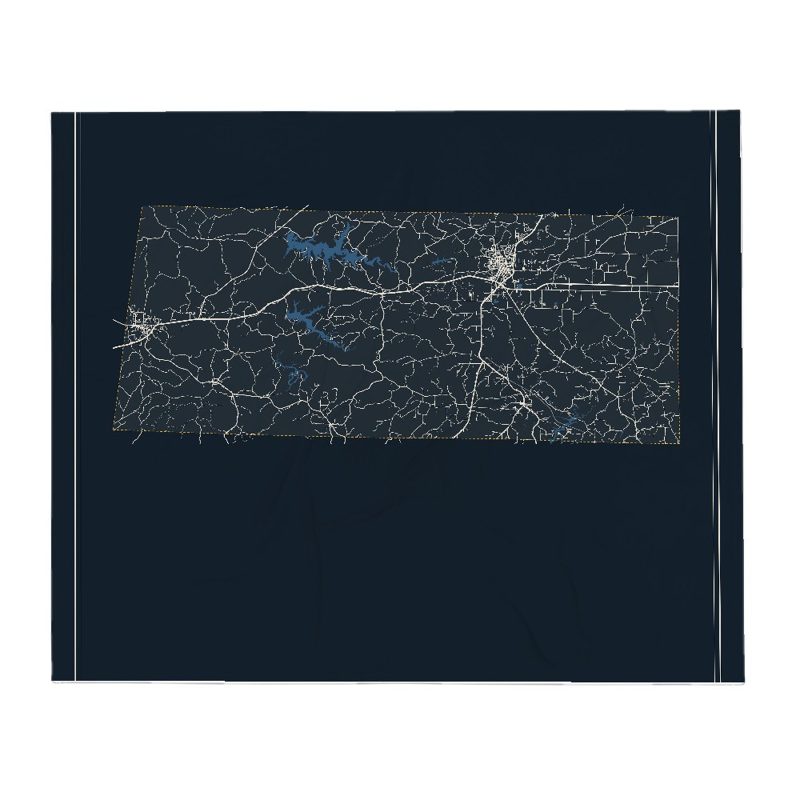
Soft fleece, 50″×60″
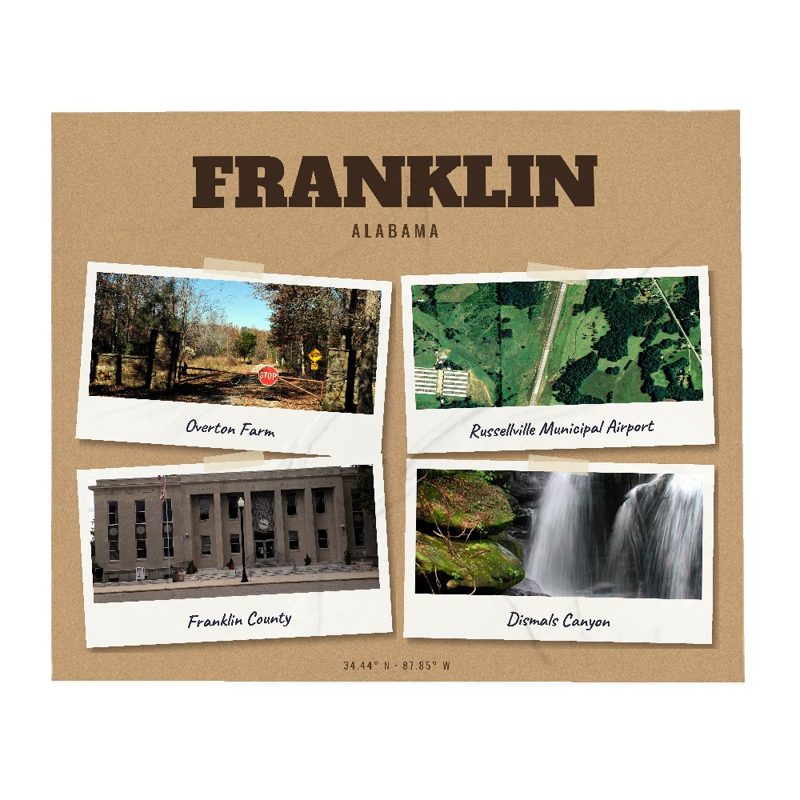
Six local landmarks as instant photos, soft fleece 50″×60″
20 oz, double-wall stainless
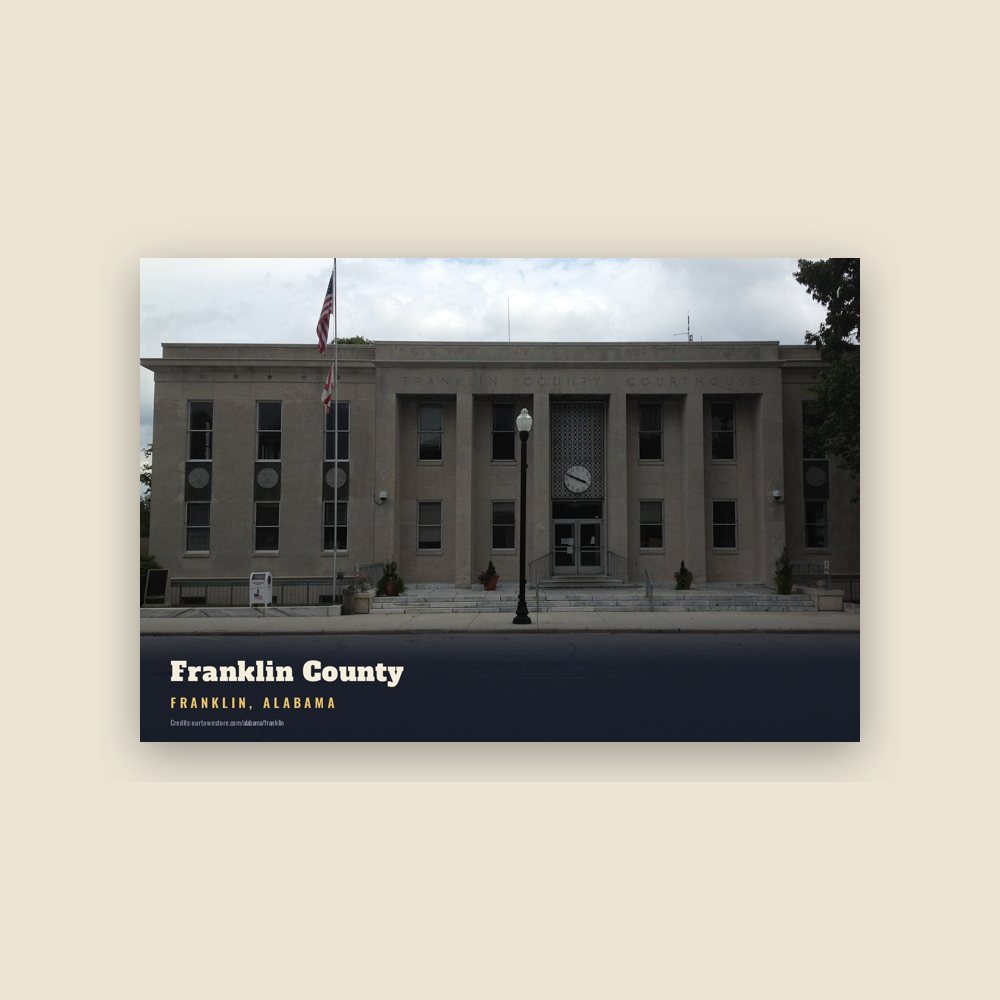
6″×4″ postcard, glossy front
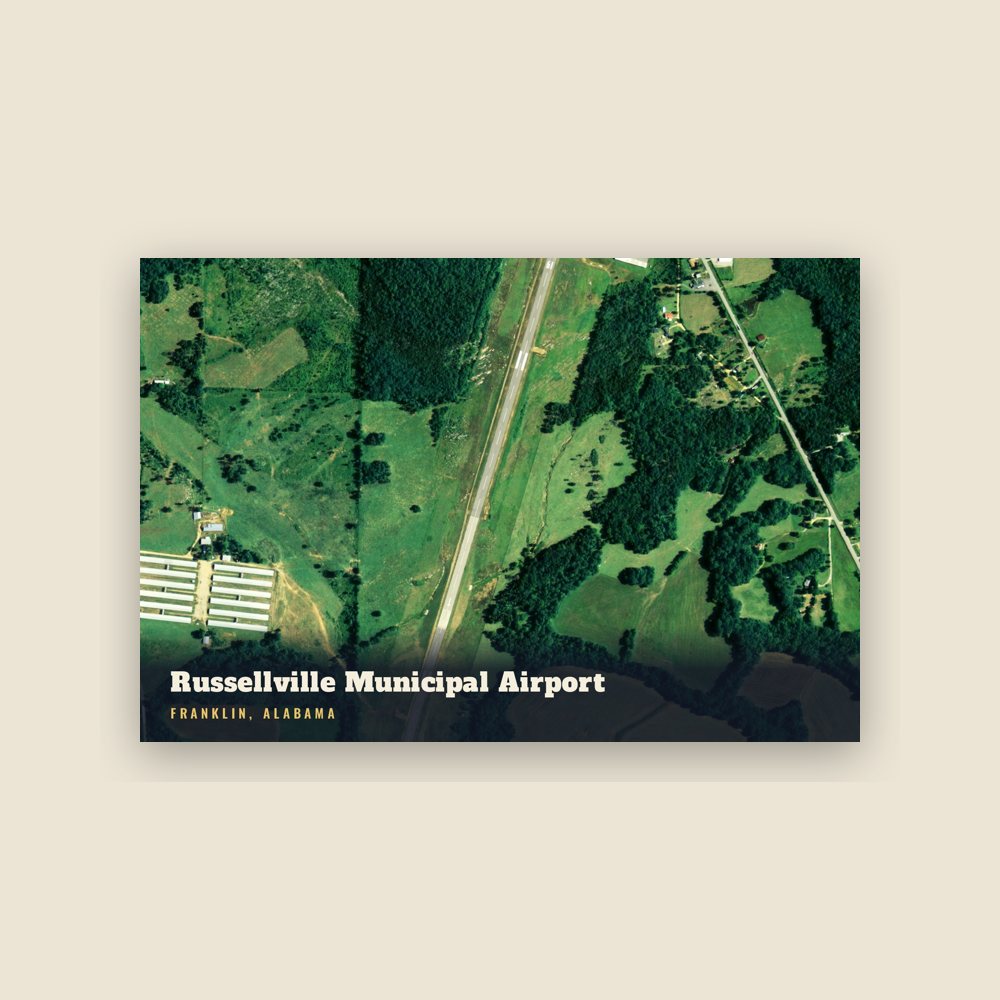
6″×4″ postcard, glossy front
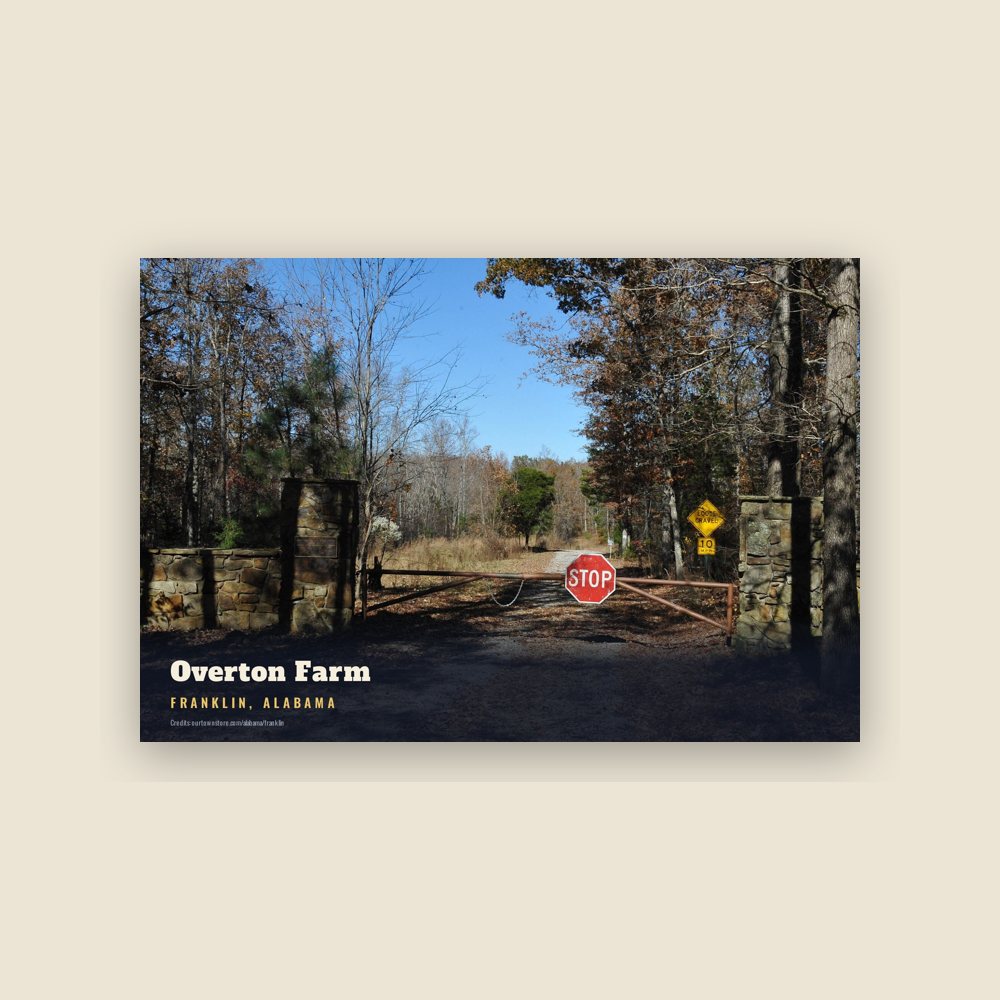
6″×4″ postcard, glossy front
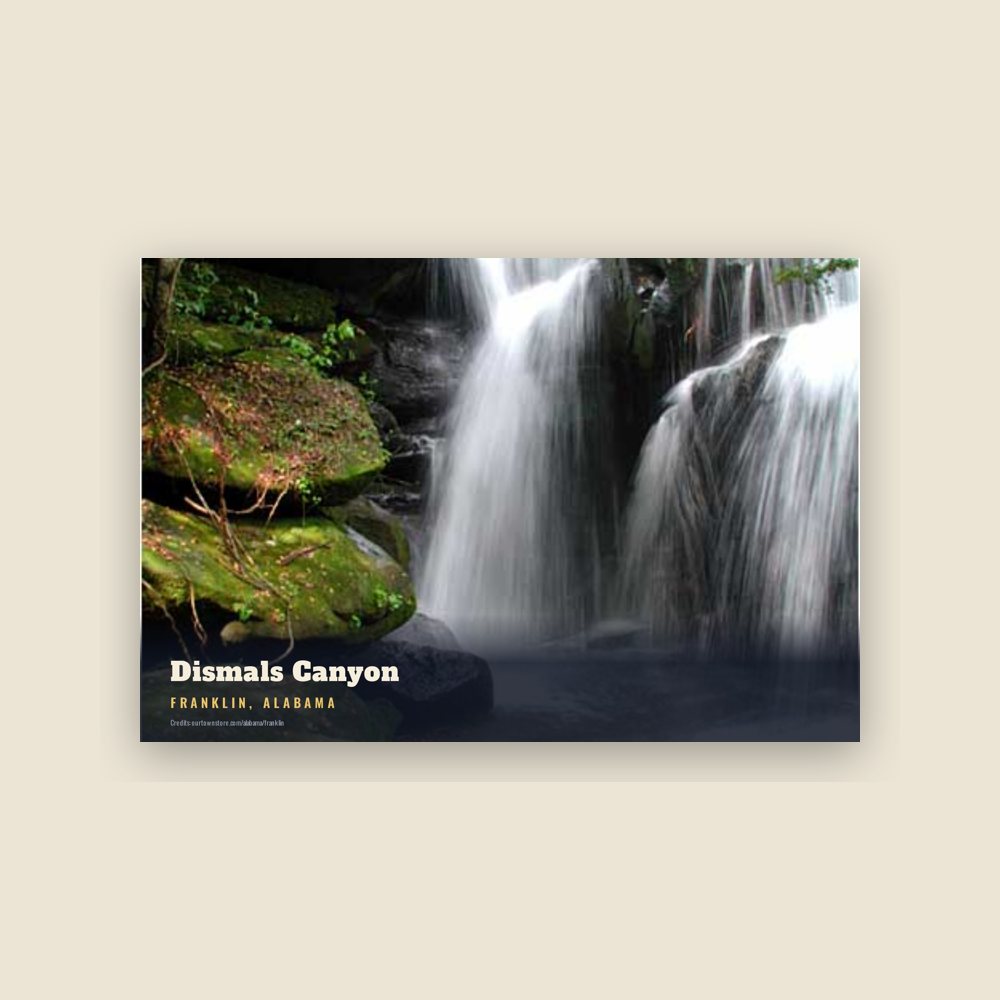
6″×4″ postcard, glossy front
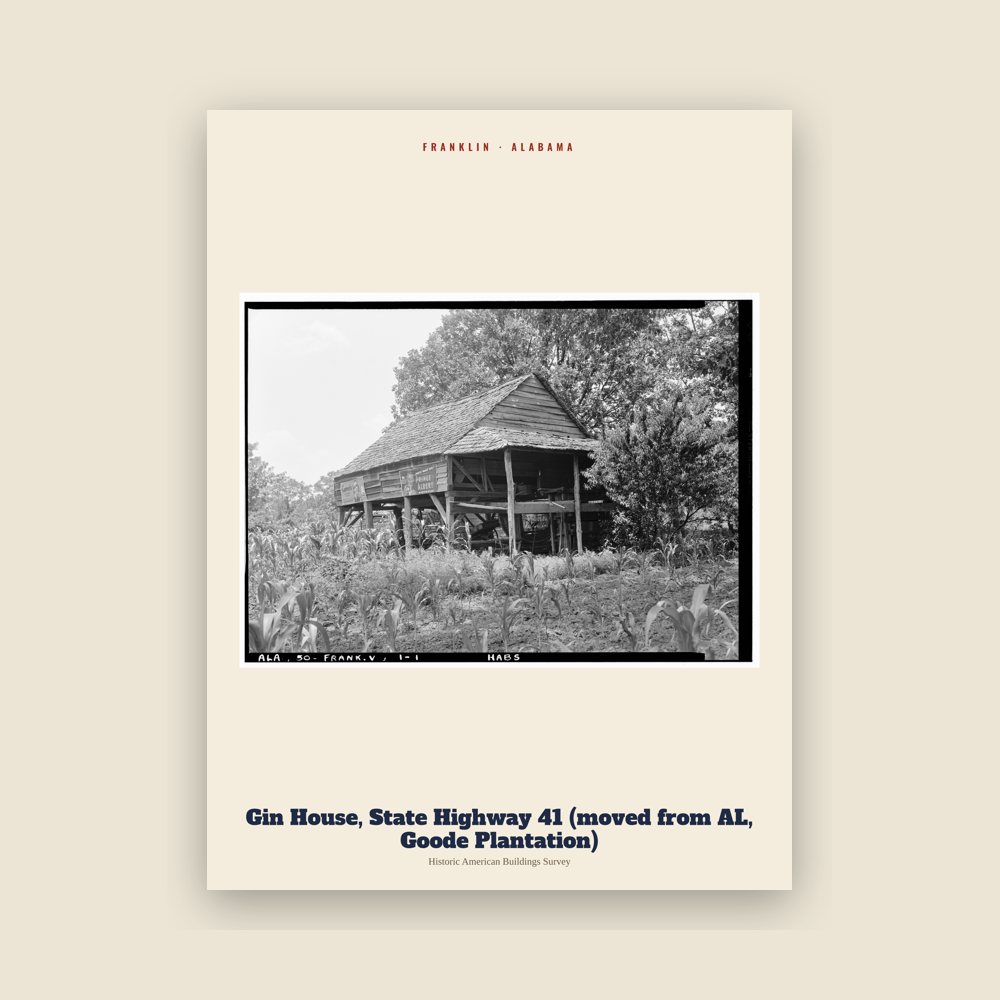
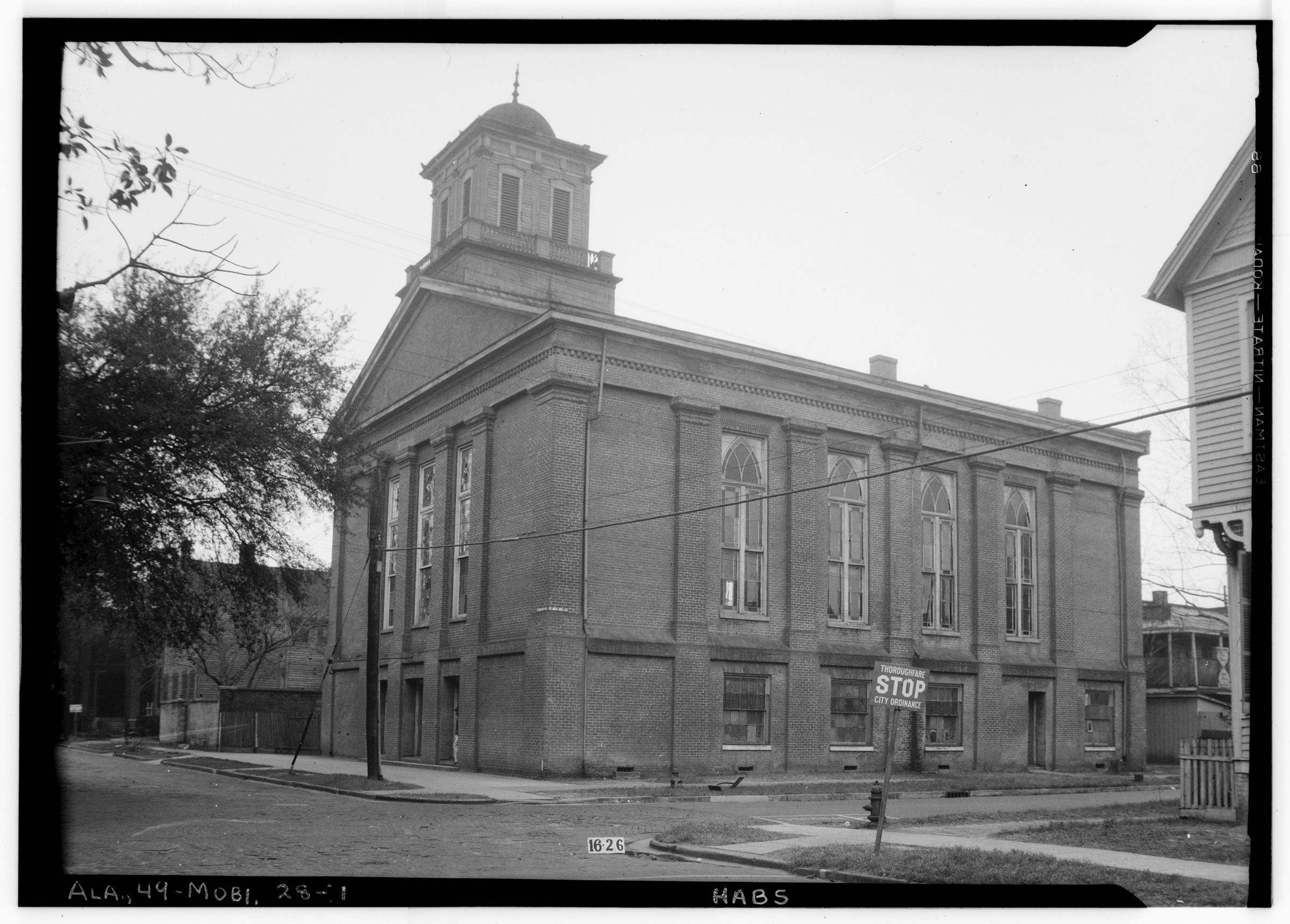
From the Library of Congress collections: a historic survey drawing or photograph of the town
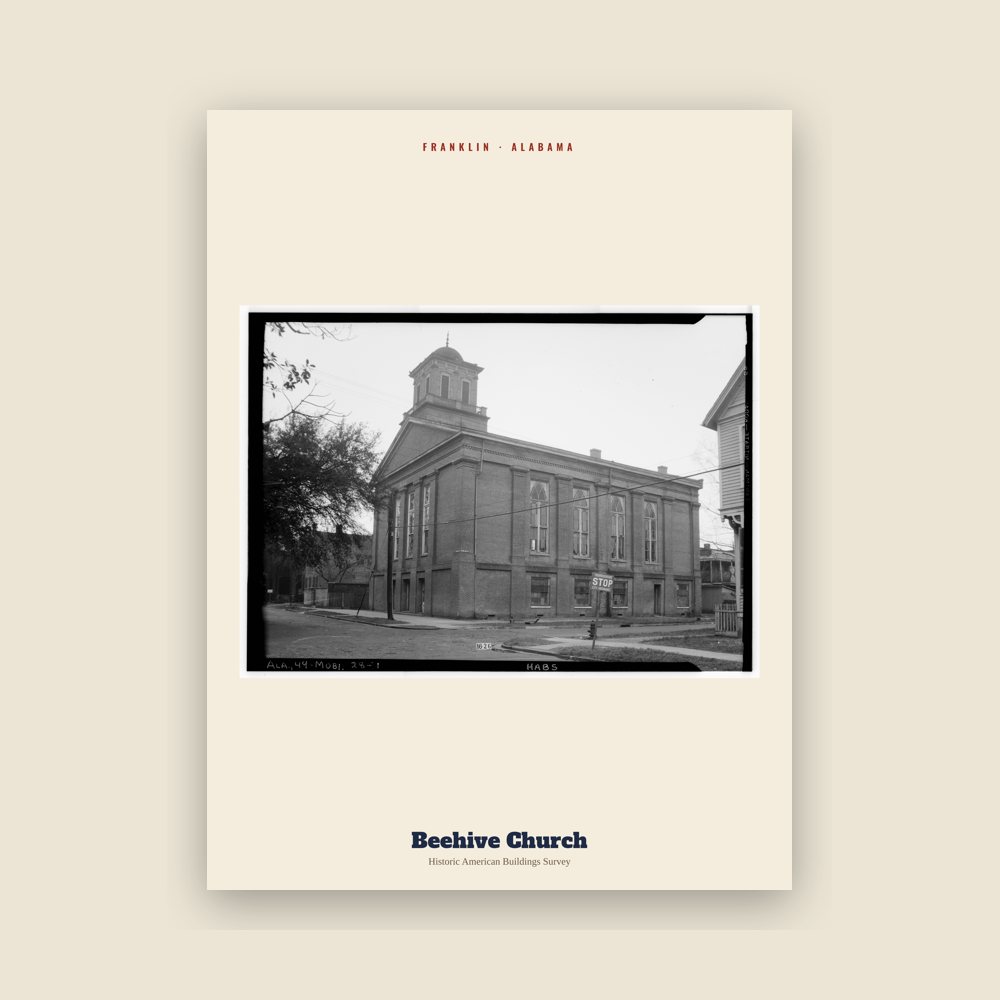
From the Library of Congress collections: a historic survey drawing or photograph of the town
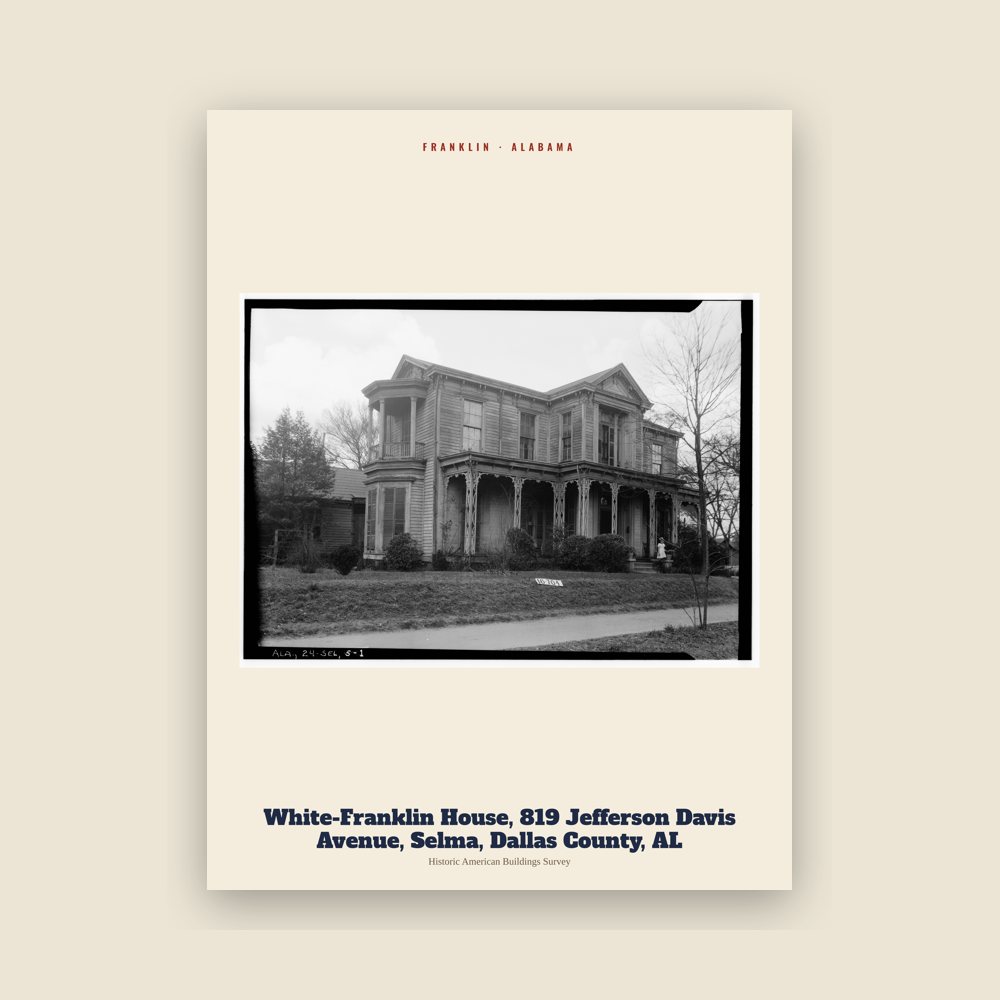
From the Library of Congress collections: a historic survey drawing or photograph of the town
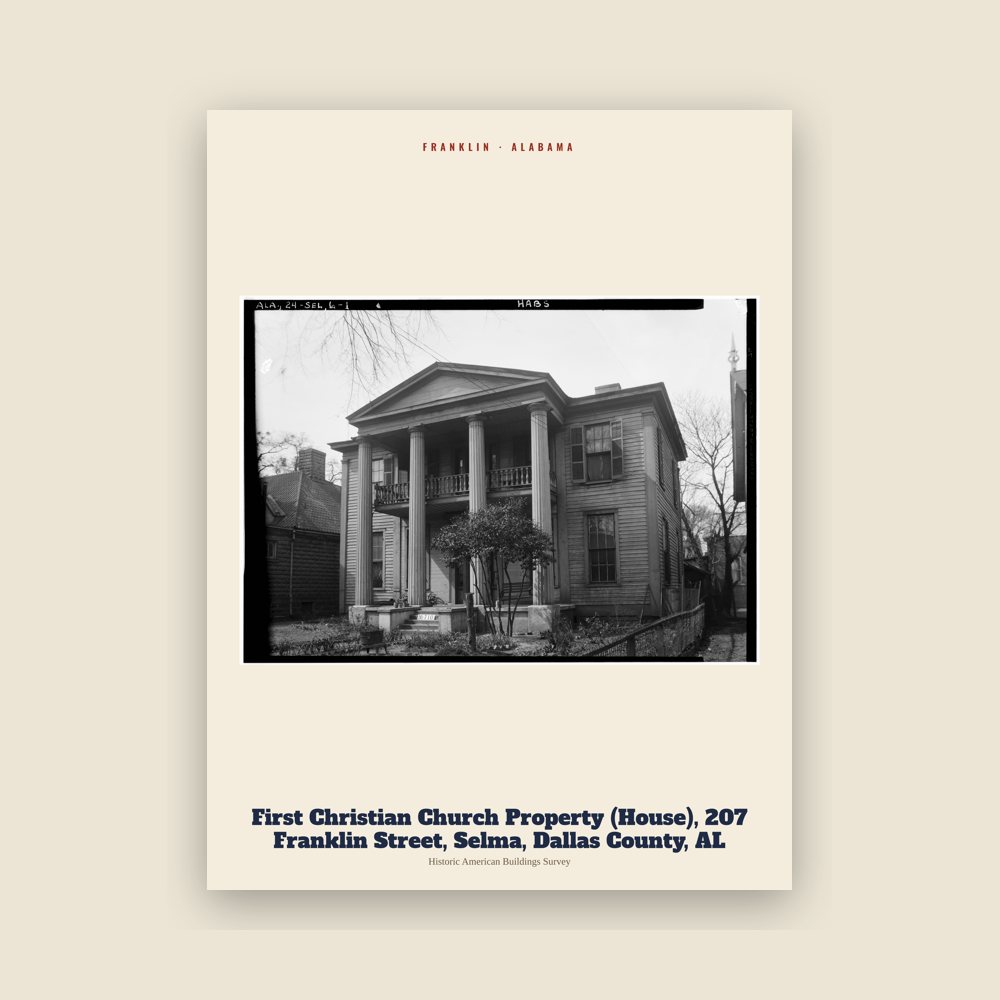
From the Library of Congress collections: a historic survey drawing or photograph of the town
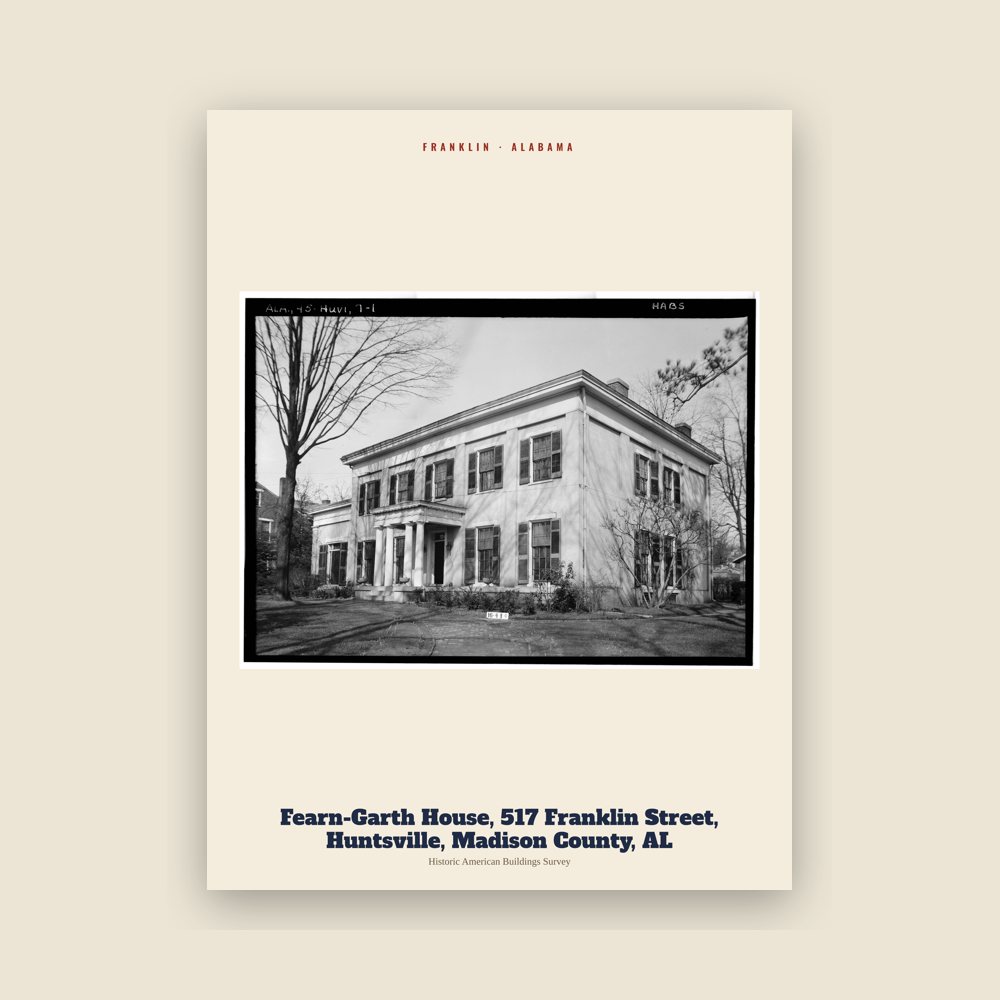
From the Library of Congress collections: a historic survey drawing or photograph of the town
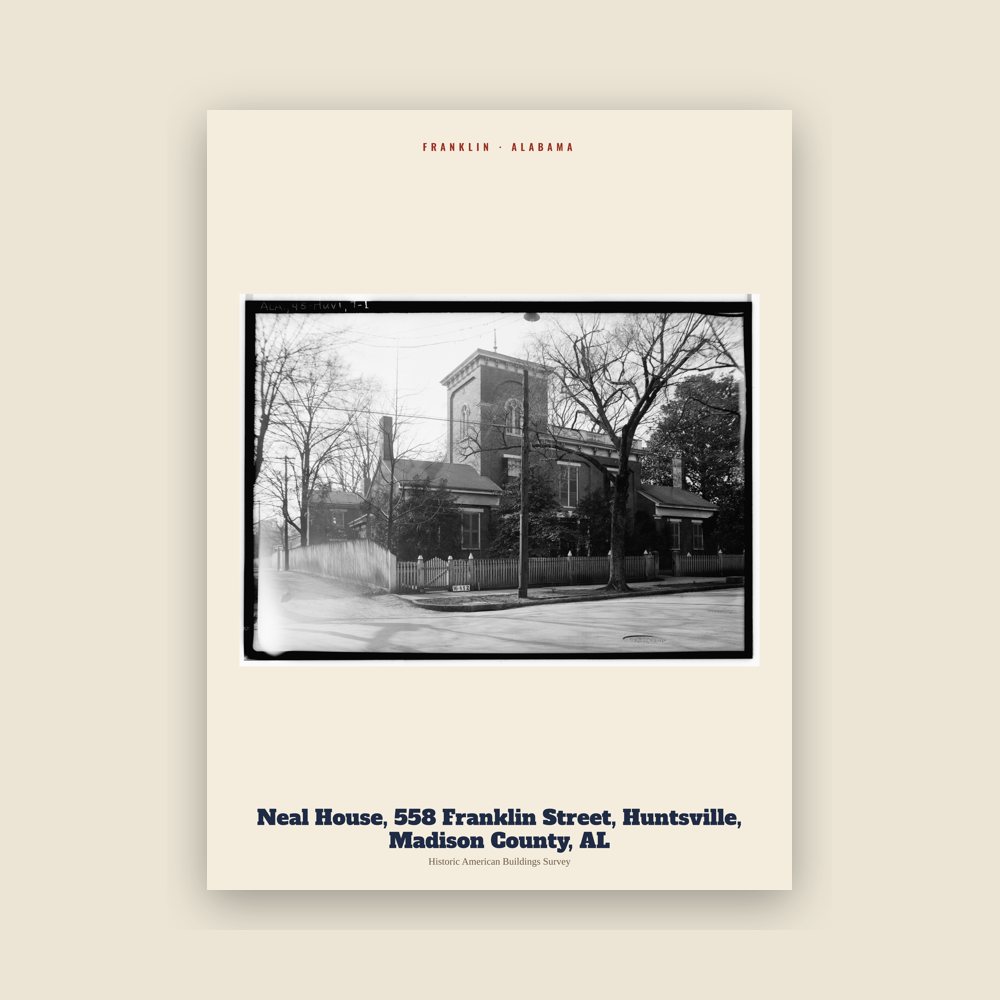
From the Library of Congress collections: a historic survey drawing or photograph of the town
Population 2010: 149 → 2020: 590
From Wikidata (CC0).
The Muscogee (Creek) people had long been cultivating lands in this area, producing crops of maize, squash and beans (the Three Sisters), and tobacco, used primarily for ritual purposes. Osceola (1804-1838), who became well known as a leader of the Seminole people in Florida, was born to a Creek woman at Red Creek, 10 miles from the Tallapoosa River. He was of mixed race but identified as Creek; the people have a matrilineal kinship system.
Franklin has been home to many churches for more than 200 years. In the late 18th and early 19th centuries, a Methodist Missionary Church operated here for the Creek. It had two cemeteries, one for whites and one for the Creek. James McQueen, a Scots trader who lived here and married a Creek woman, was great-grandfather of Osceola. McQueen is buried in the Indian cemetery.
After the Creek were forced to cede their lands, European Americans developed the area for cotton cultivation. They depended on the labor of enslaved African Americans, many of whom were initially transported to this region from the Upper South in the domestic slave trade. Cotton continued as the chief commodity crop after the Civil War.
Residents established Franklin School by the 1890s, teaching grades 1–11 of white students. By the mid-1930s, the upper grades had been moved to another facility, and it held grades 1–6. Northern and southern classrooms were adjoined by a common auditorium. The school's original water source was a spring near the buildings. A well was later dug in the front yard of the school, with a hand pump to get water. Heat was provided by a wood-burning potbelly stove. Each student brought a stick of wood every morning to burn in the stove.
The school closed in 1942, and its 75–80 students transferred to Tuskegee schools. After the school closed, the northern classroom was moved to its current location and converted to a community center. The rest of the school was torn down.
In the mid-20th century, musician Hank Williams Sr. often performed at dances at the community center. Upon Franklin's incorporation in 1977, the town began using the community center building as the town hall. A mile north of Town Hall lay the remnants of what is rumored to be the first school in Macon County.
Harris Barrett School was built in 1903 with handmade bricks made by students of the Tuskegee Normal School (now Tuskegee University), under the direction of Booker T. Washington. In the segregated system of public facilities, the Barrett School was reserved for African-American students, who were mostly descendants of freedmen in this rural area. Both the Barrett School and the Tuskegee Institute played a major role in education in the Franklin community. They operated an experimental farm on the west side of Baldwin Farm Road. Booker T. Washington and George Washington Carver were both active in farming in Franklin, and assisted farmers both black and white. Harris Barrett School was restored and is operated as a historic museum; it is located at the corner of Co. Rd. 27 and 36.
Adapted (trimmed) from the Wikipedia article Franklin, Alabama, revision 1377349713 by its contributors, licensed CC BY-SA 4.0.
We share a part of every Franklin sale with local partners, and we'd love to print from your collection. Old photographs, maps and postcards make the best keepsakes.
Partner with usA favorite landmark, your street, a school or team, an anniversary gift, a different product. Tell us and we'll get back to you by email.
4 free coloring pages of Franklin, each traced from a photo of a local landmark. Print them at home, at school or for story hour.
Franklin's population was 590 in the 2020 U.S. Census, up from 149 in 2010.
 Overton Farm
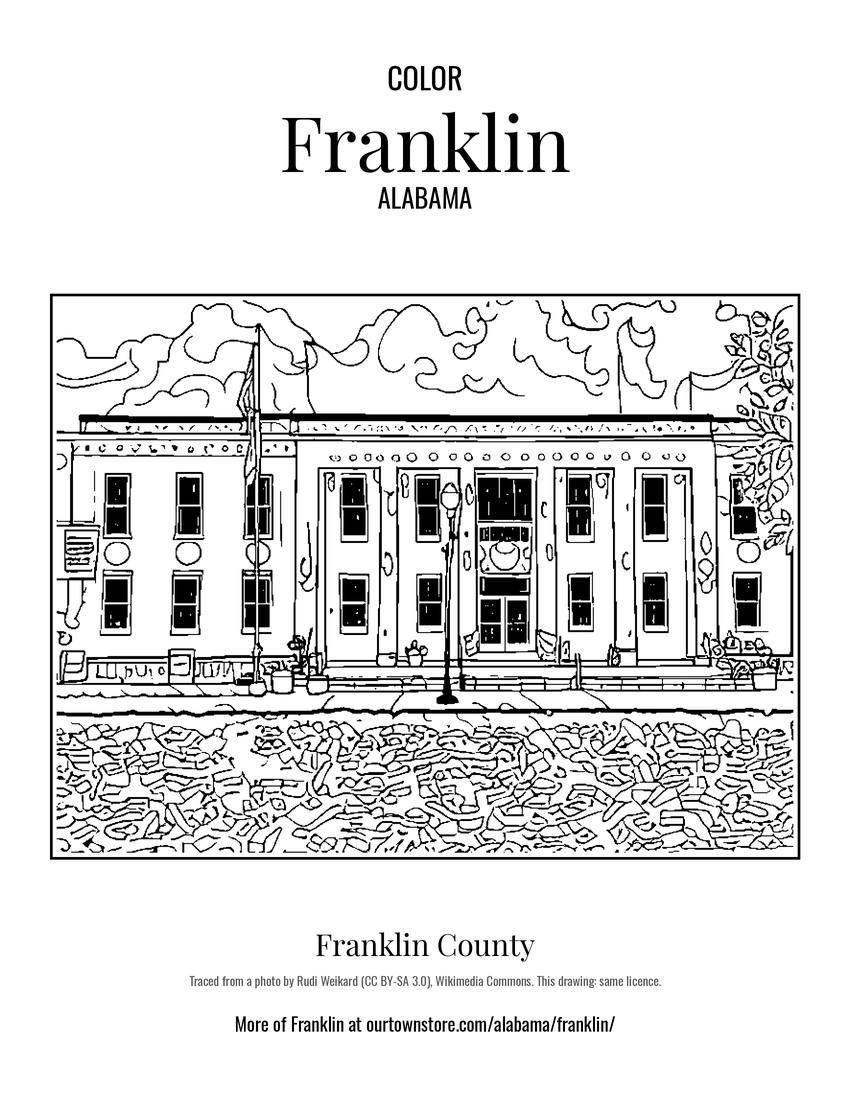 Franklin County
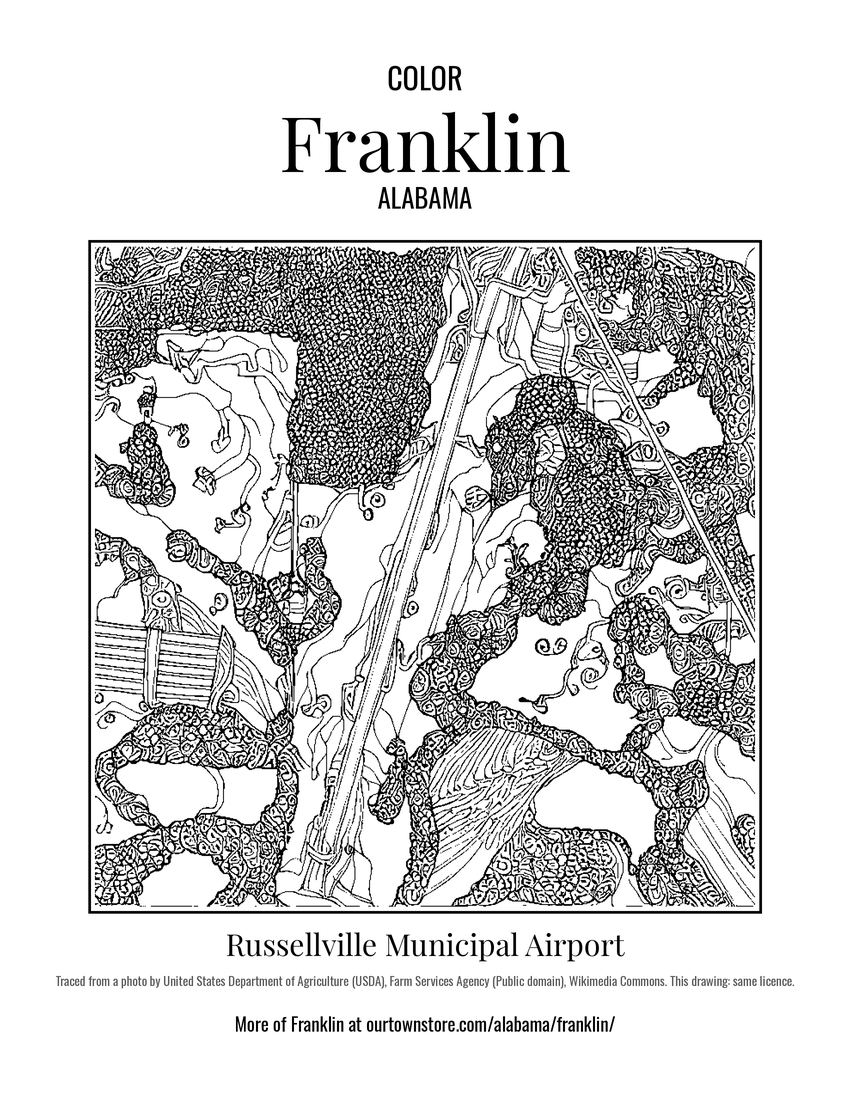 Russellville Municipal Airport
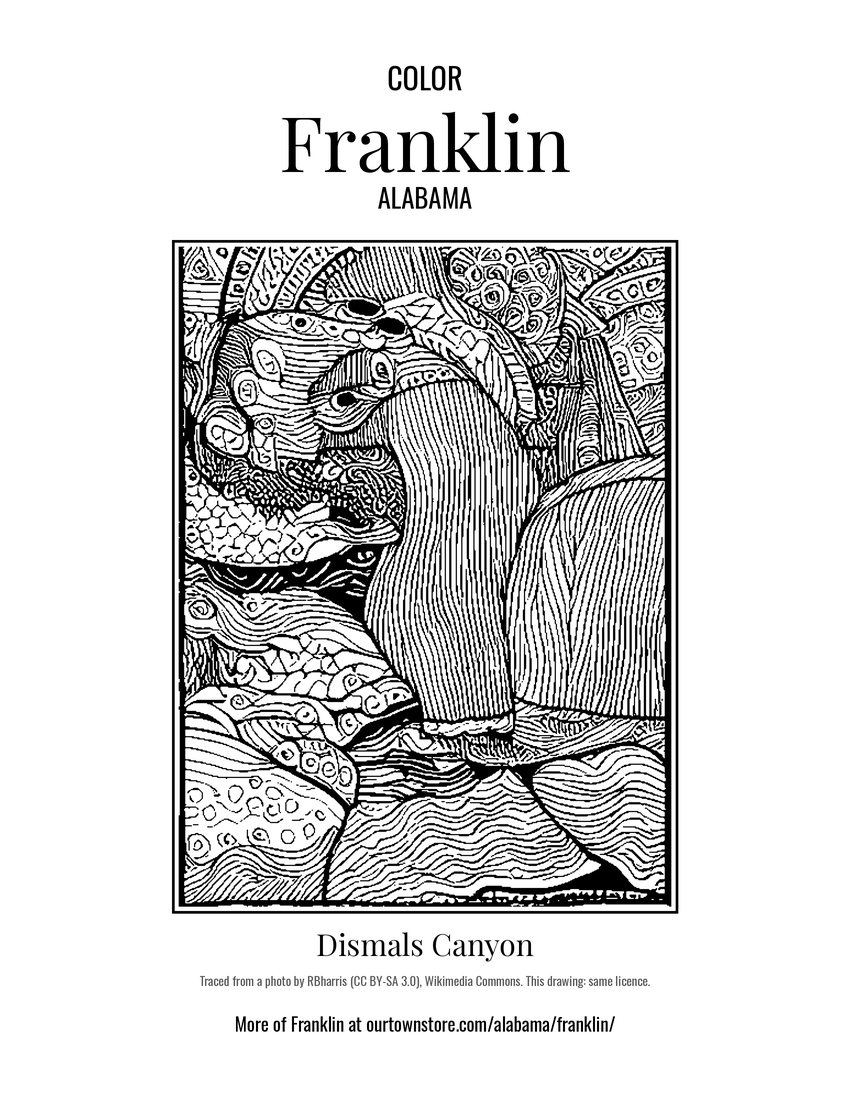 Dismals Canyon