A short history of Eutaw
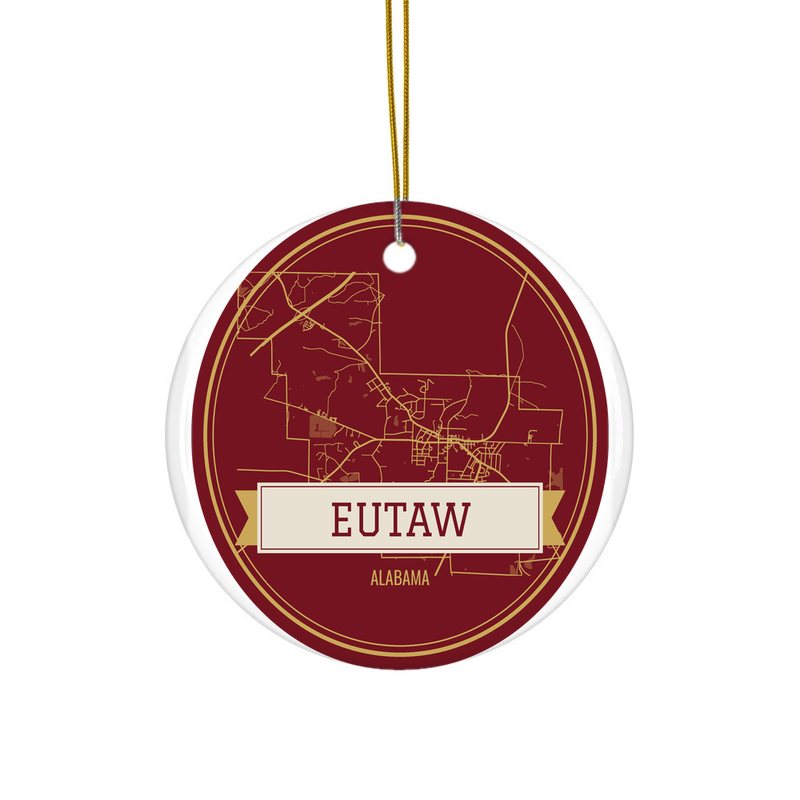
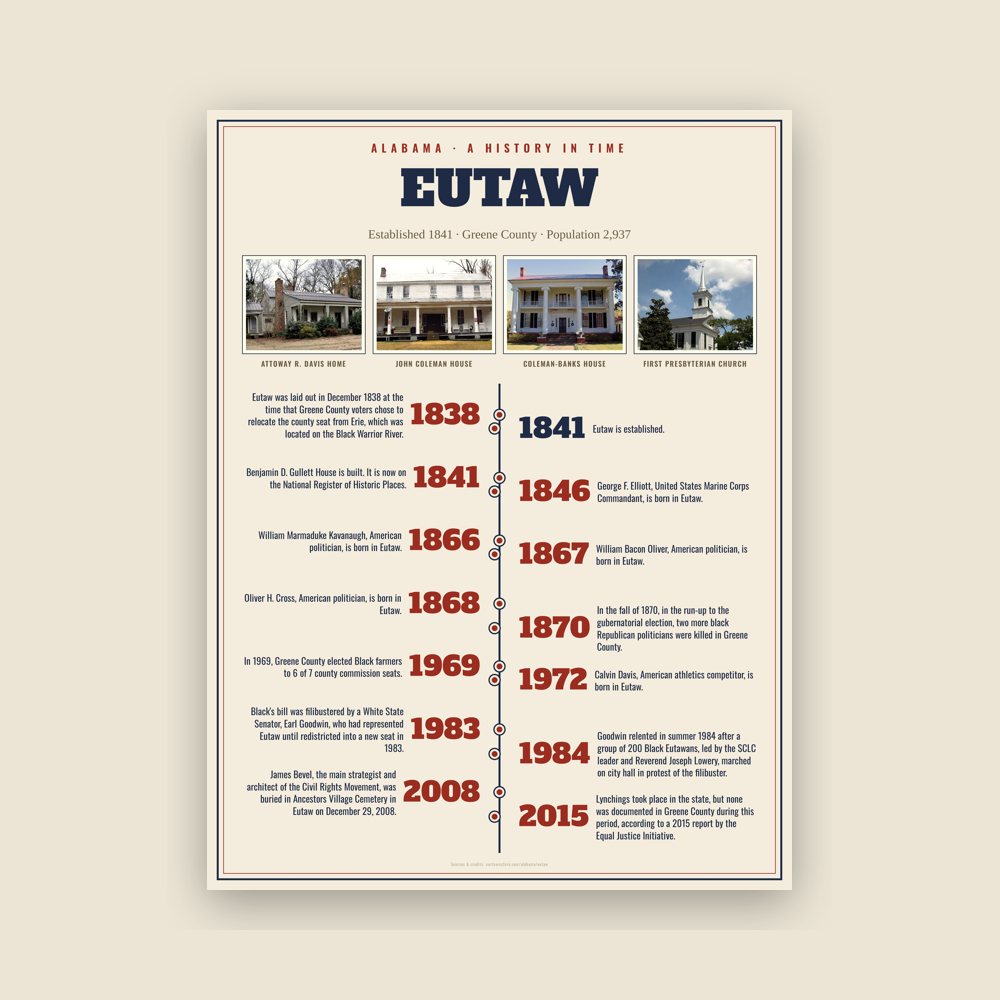
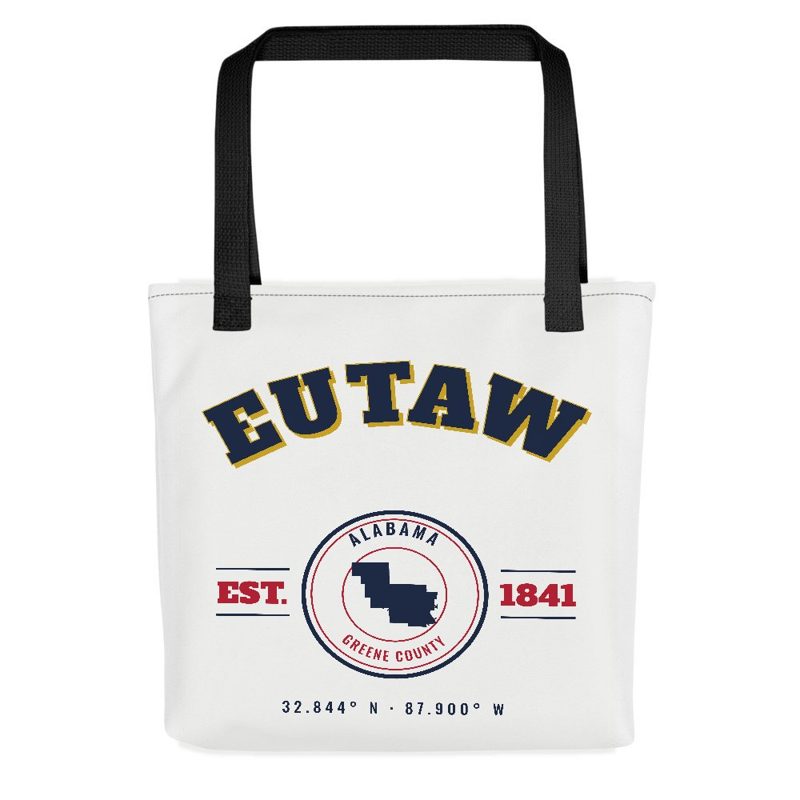
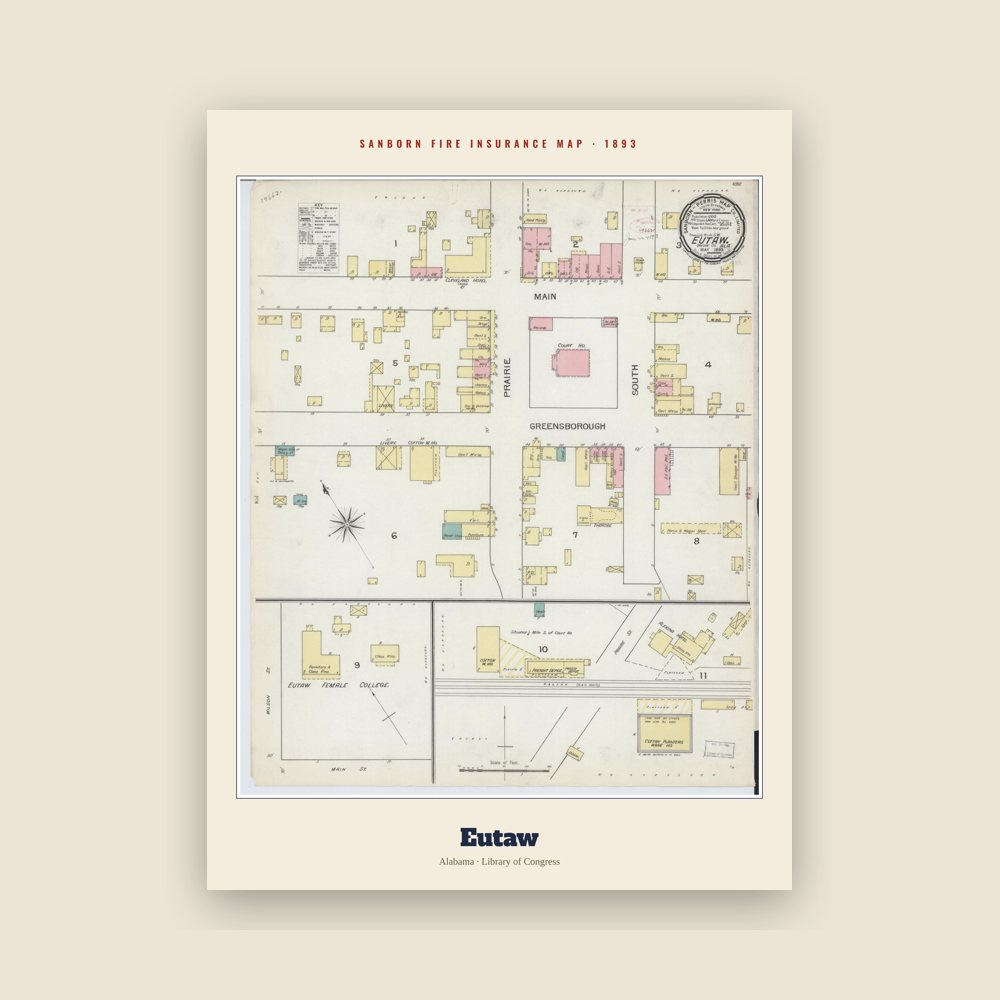
Eutaw was laid out in December 1838 at the time that Greene County voters chose to relocate the county seat from Erie, which was located on the Black Warrior River. It was incorporated by an act of the state legislature on January 2, 1841.
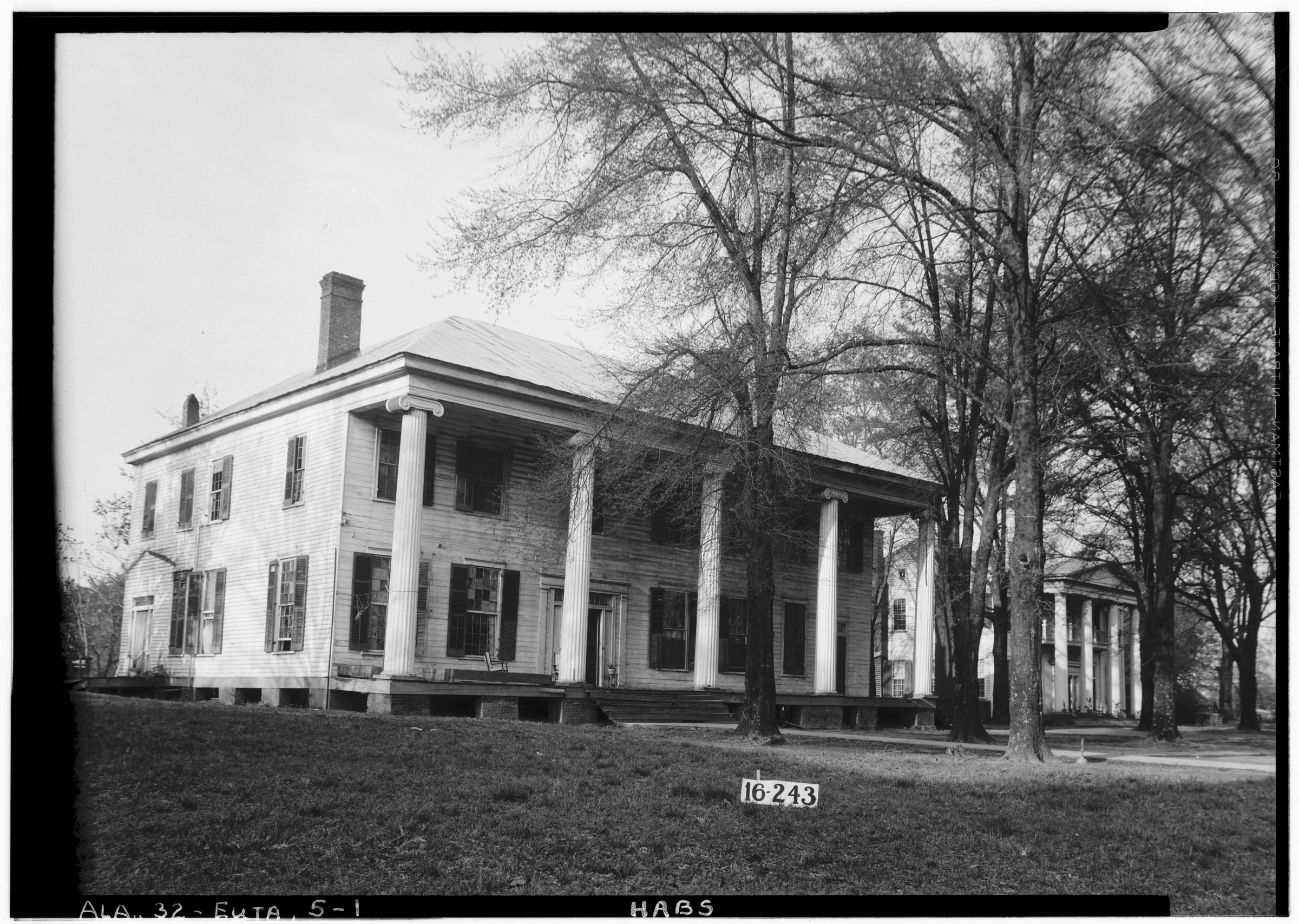
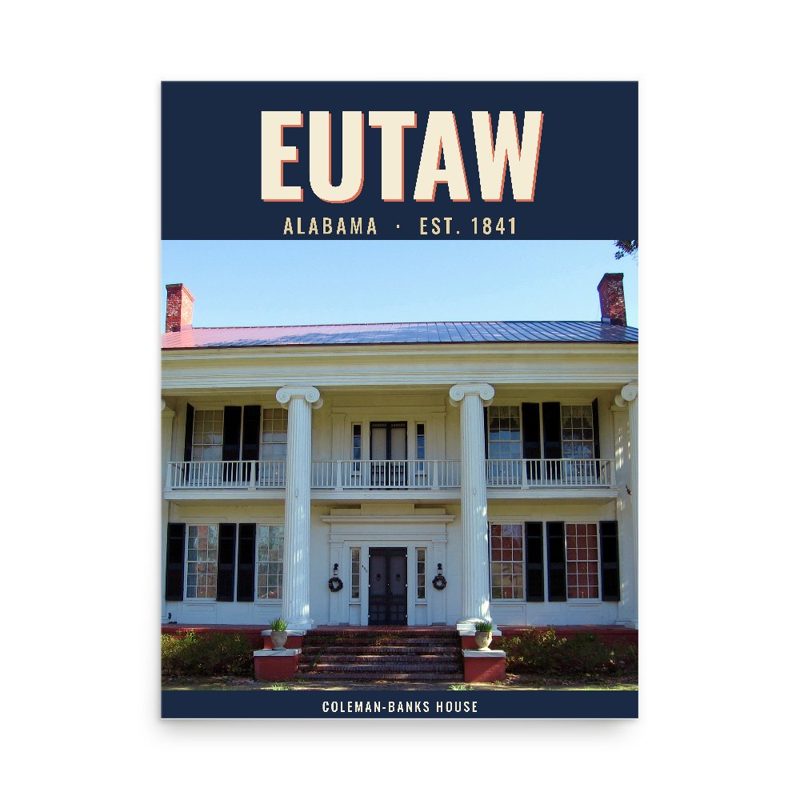
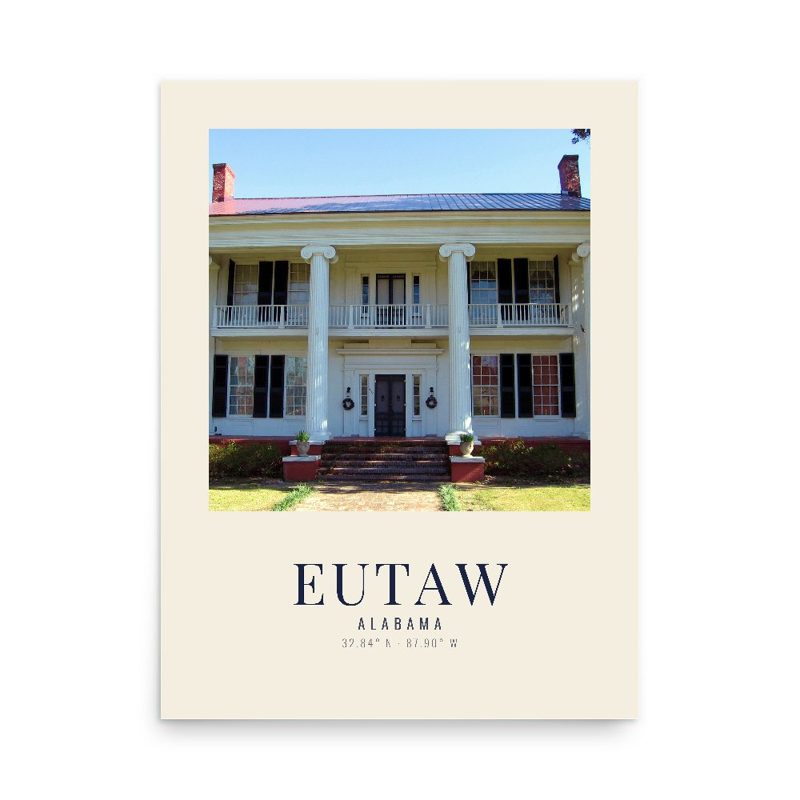
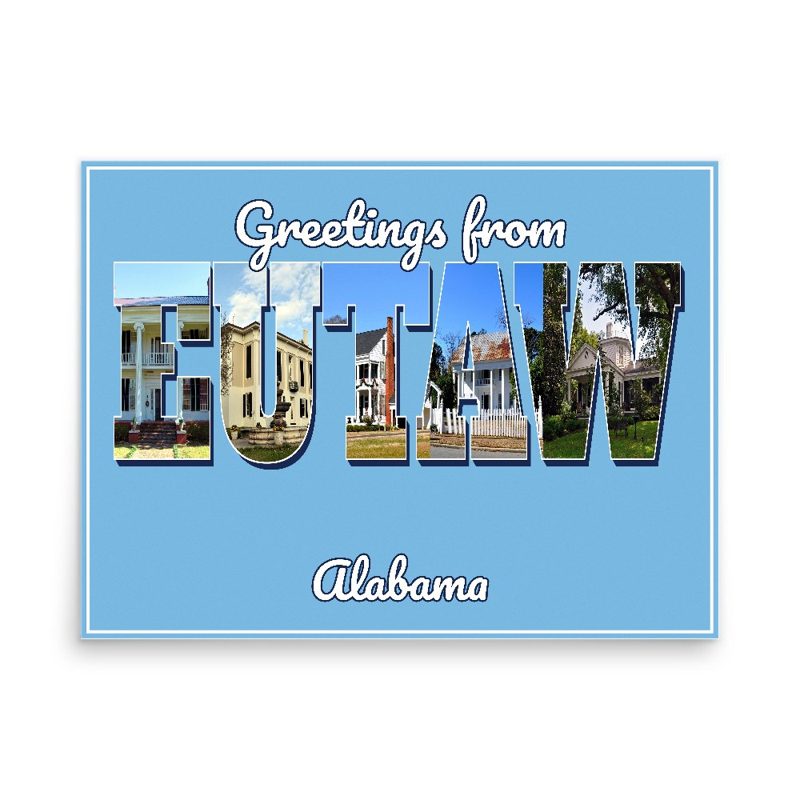
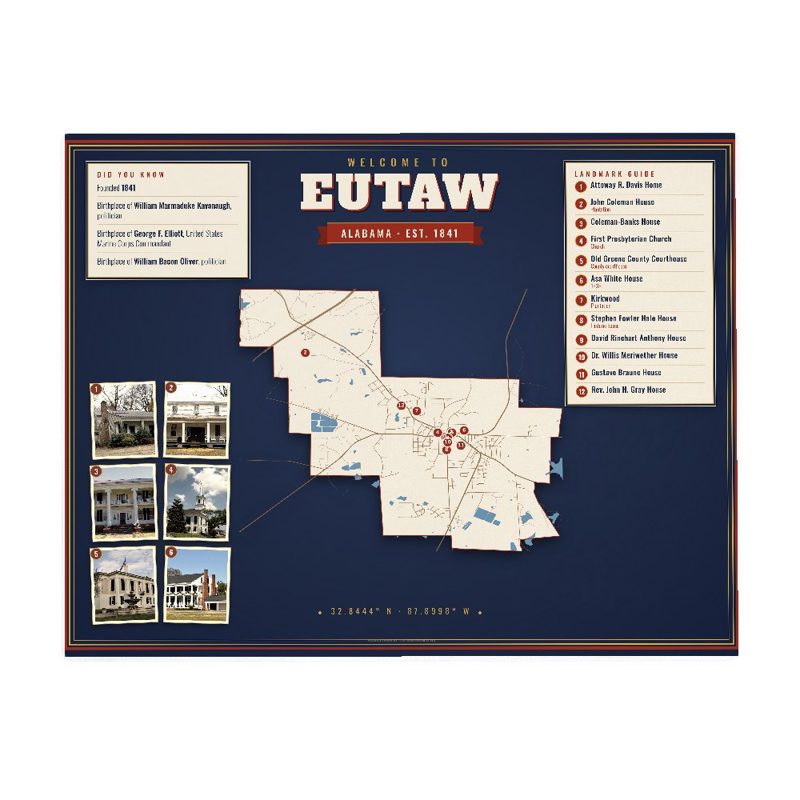
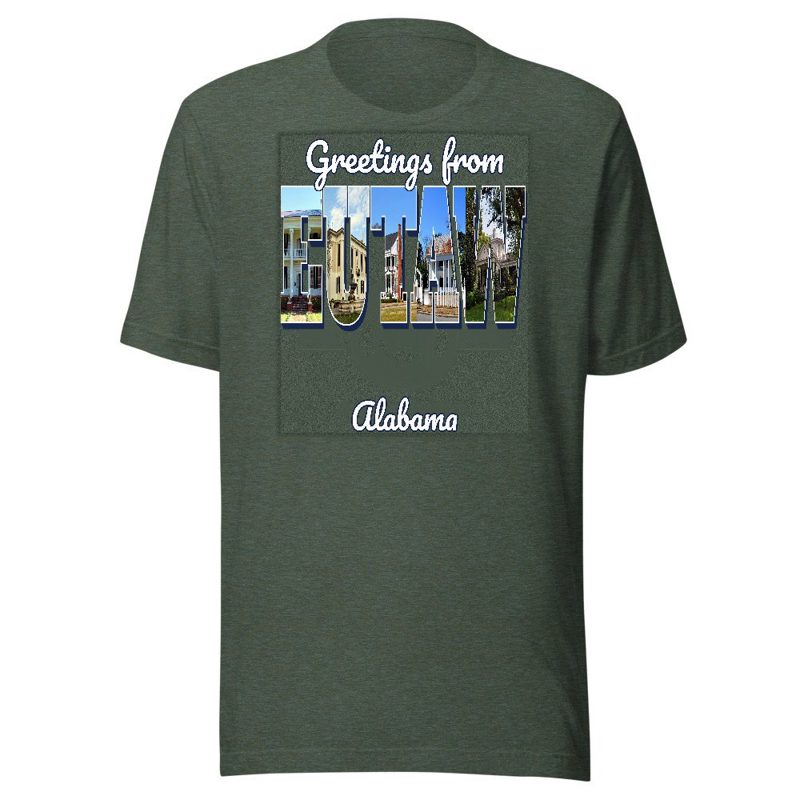
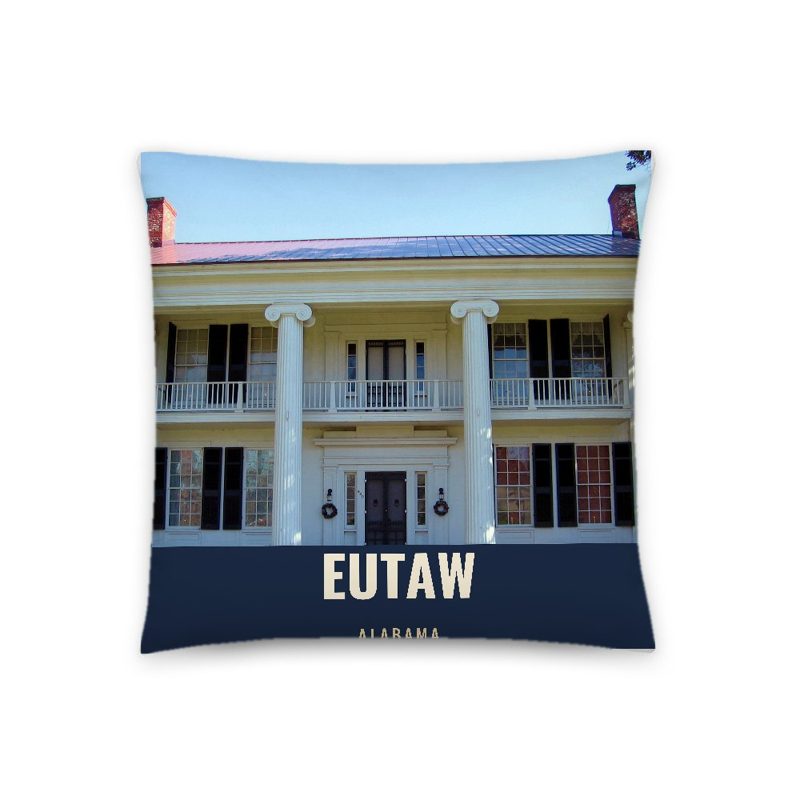
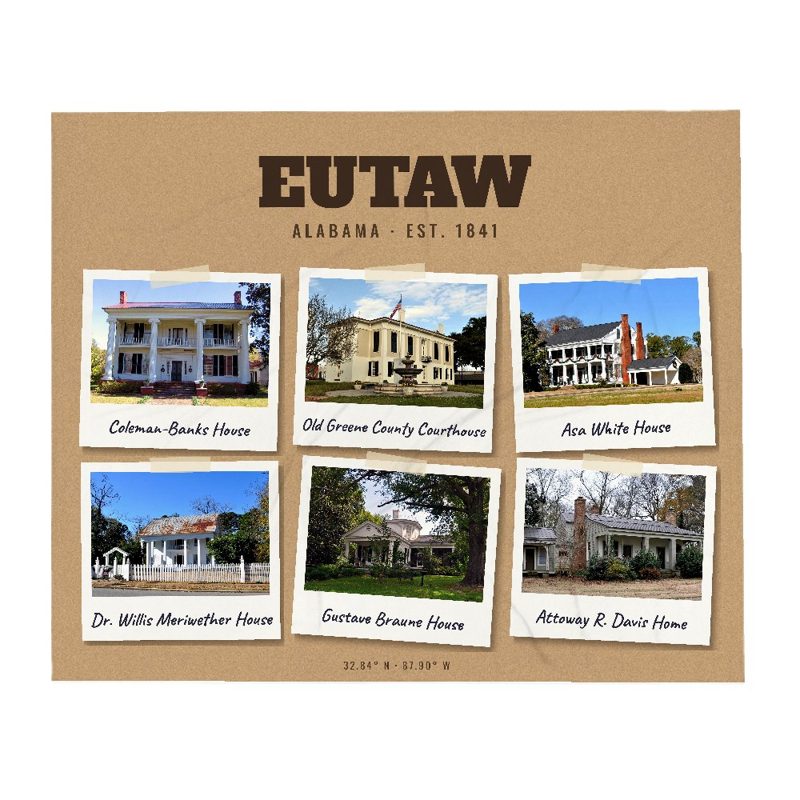
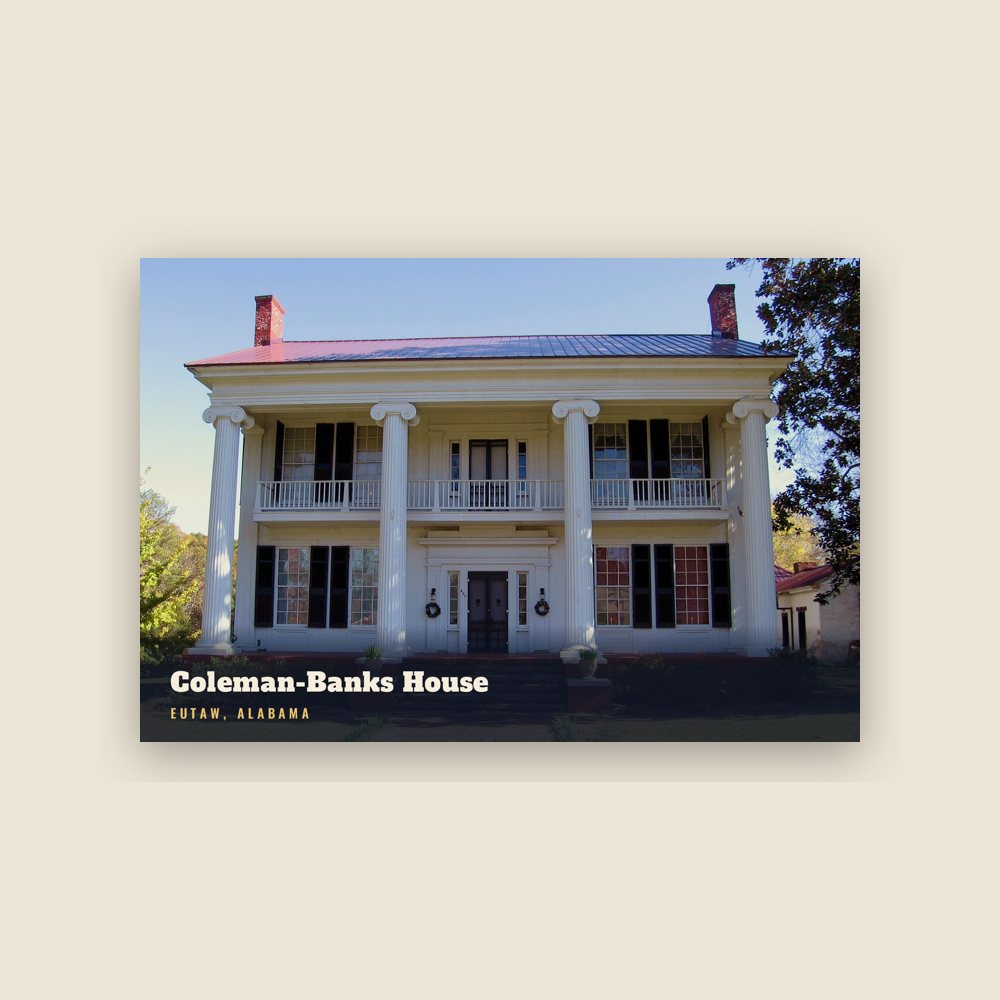
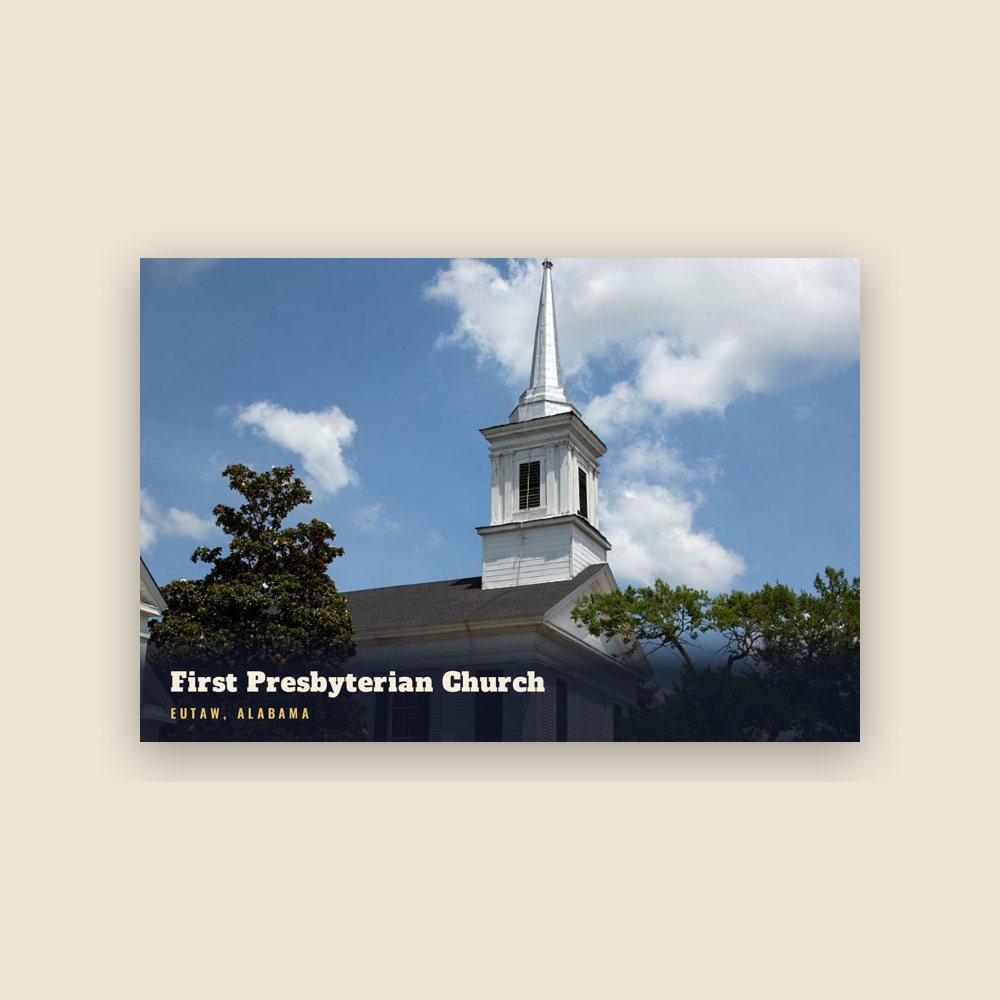
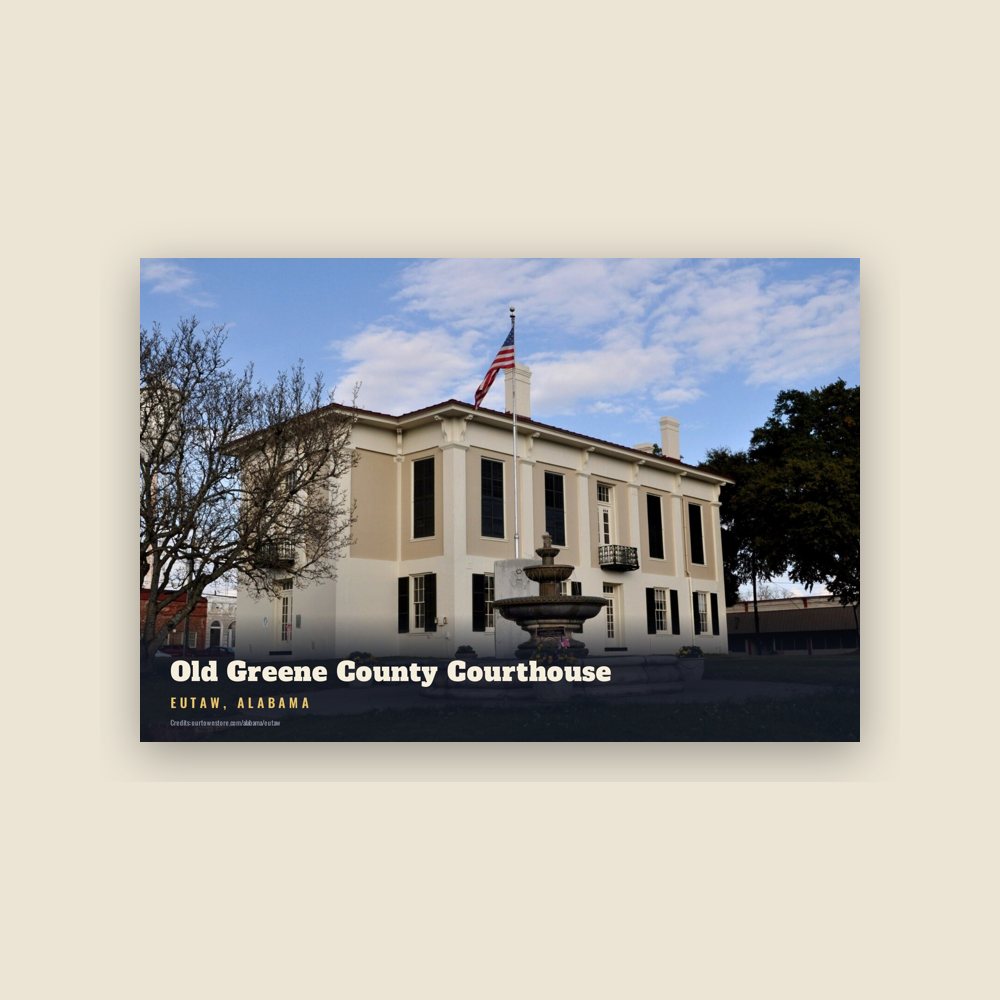
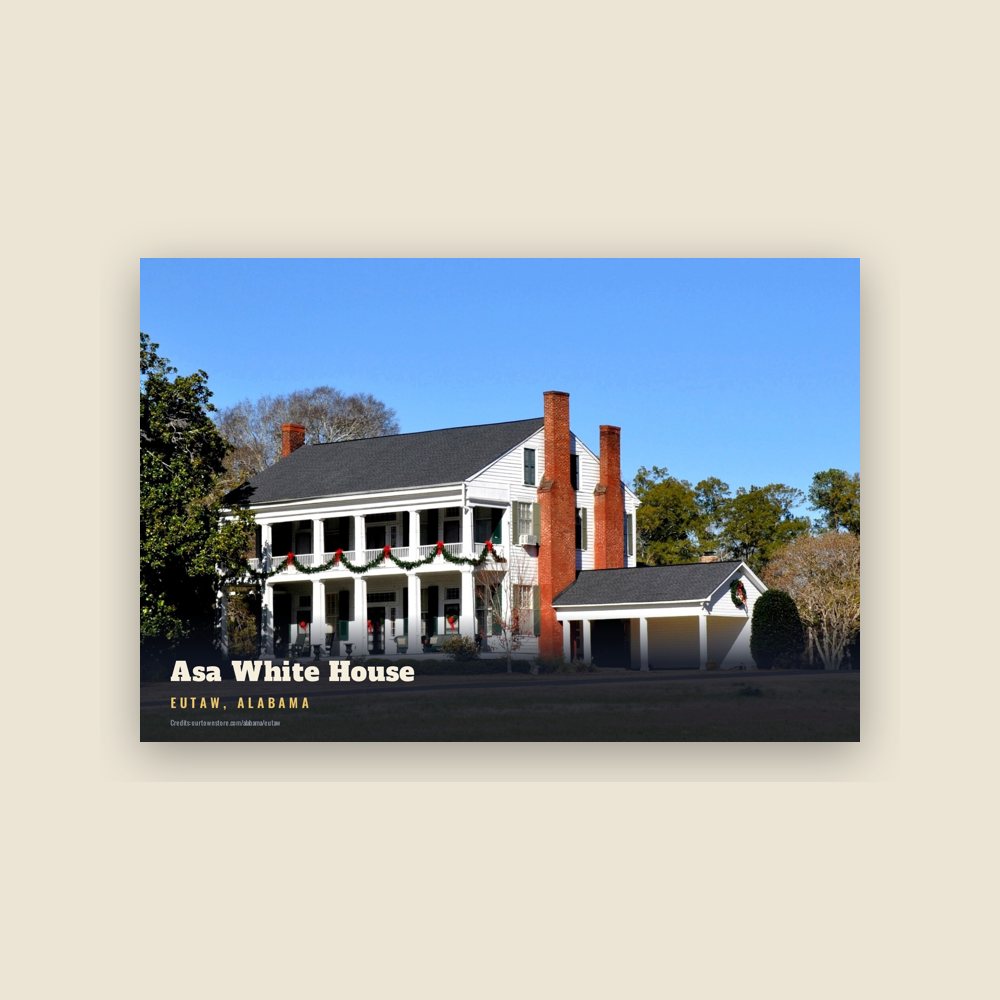
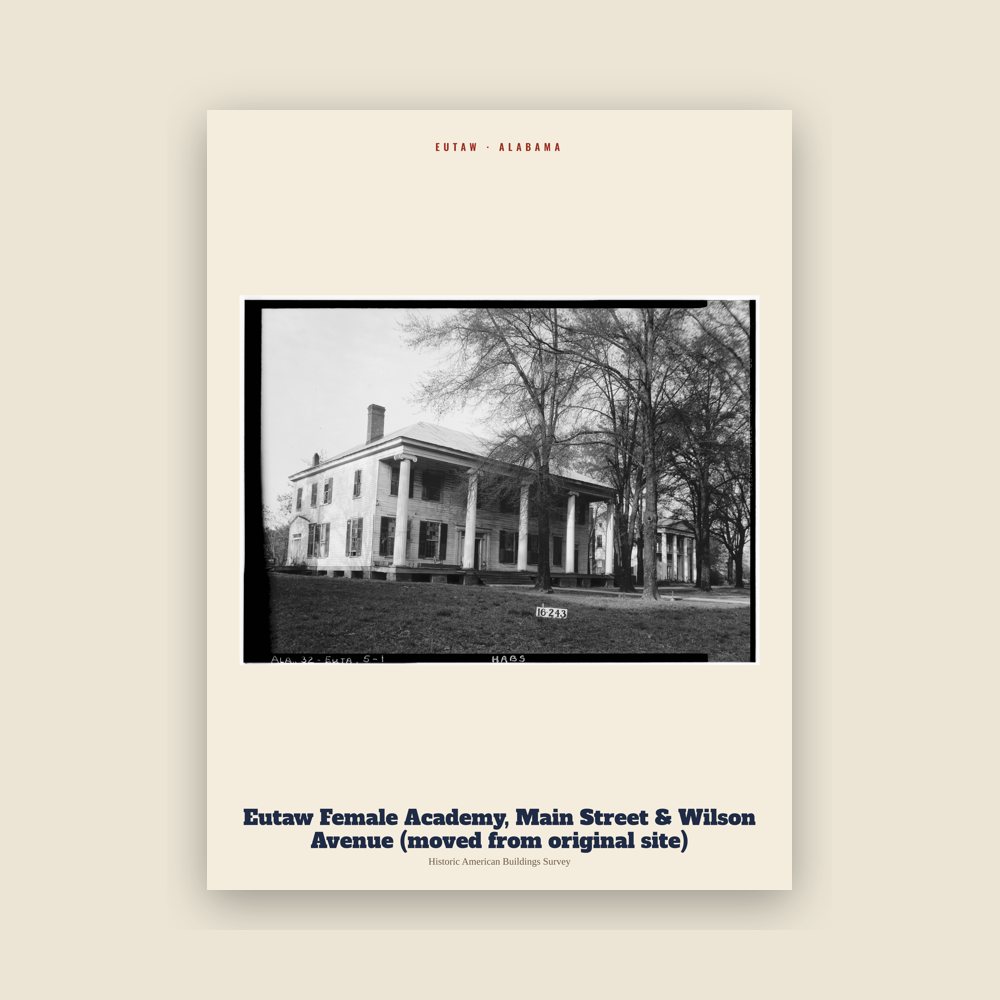
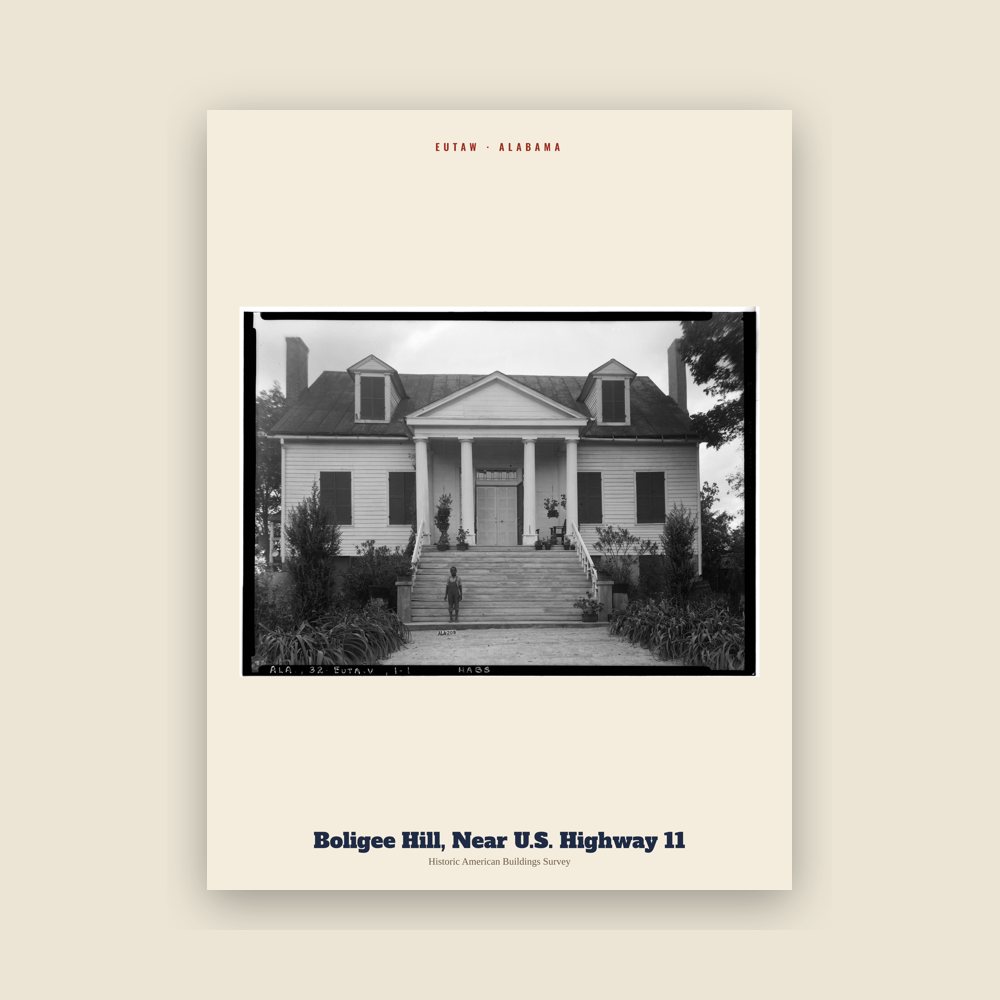
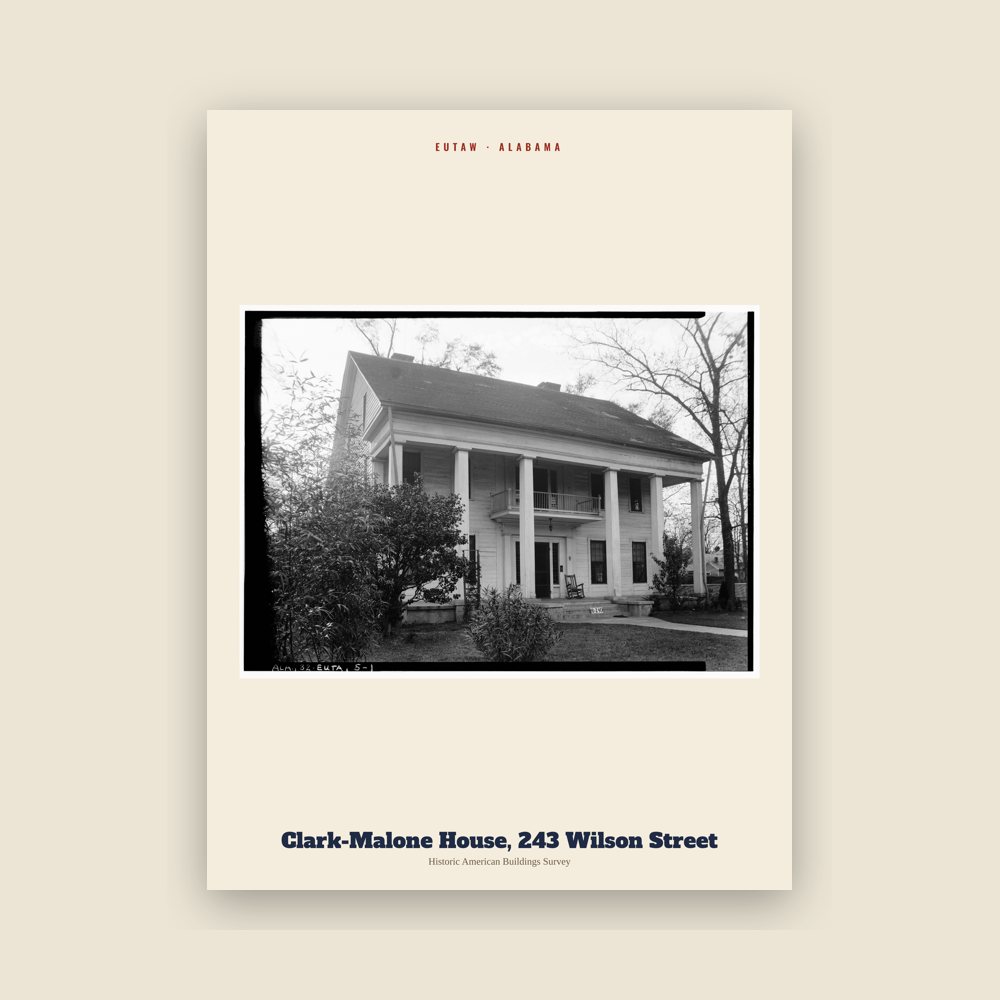
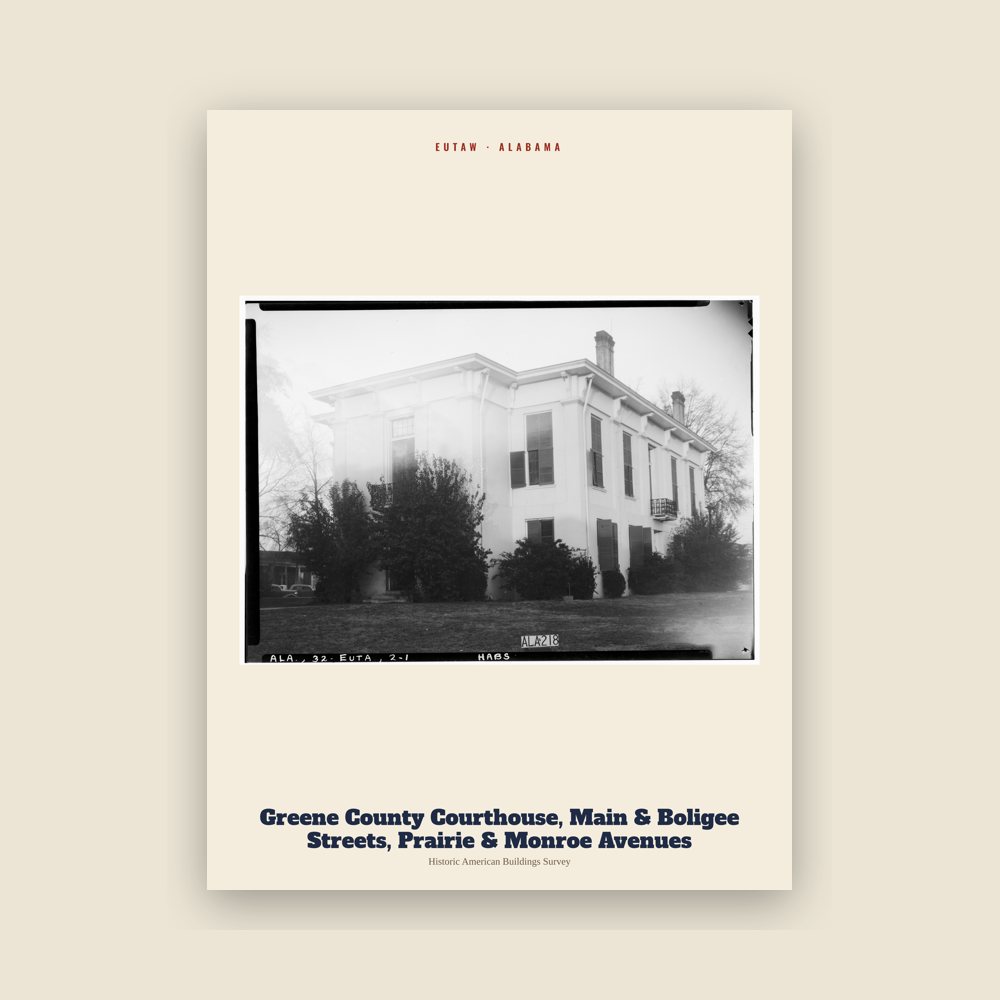
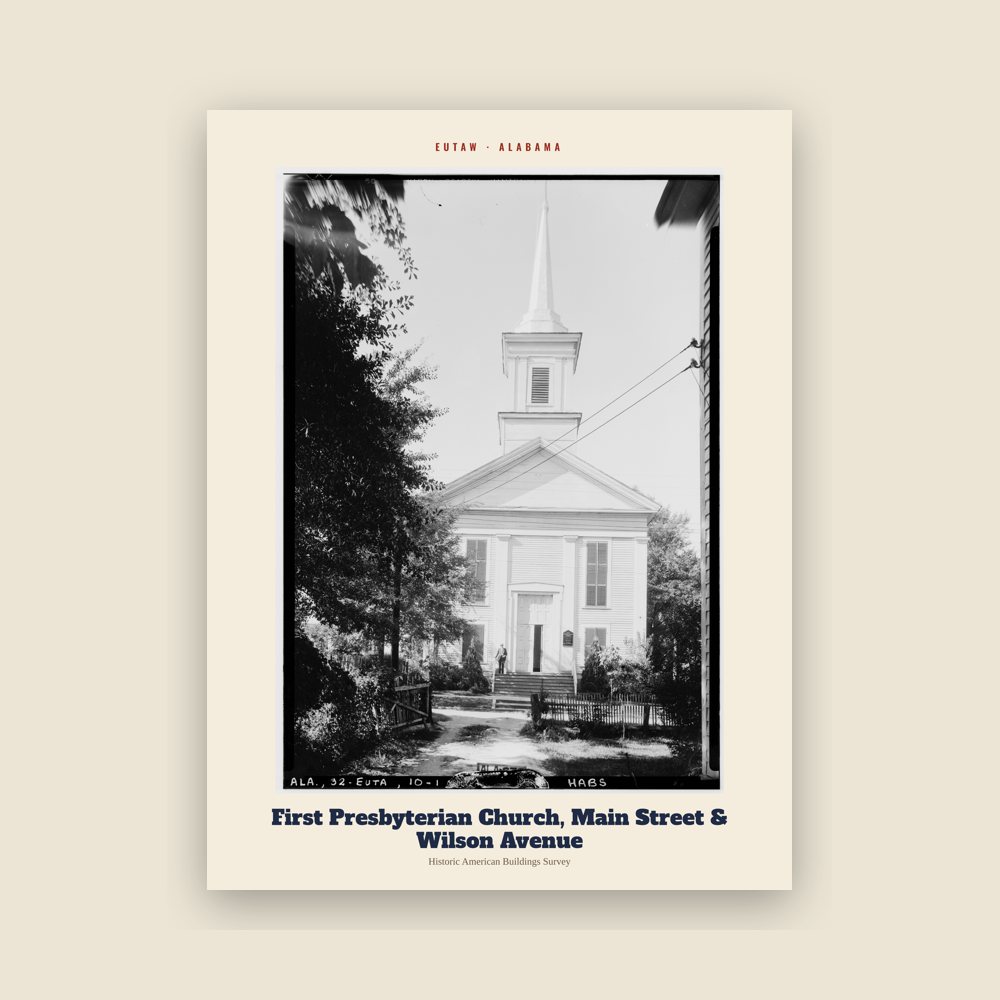
As the county seat, Eutaw also developed as the trading center for the county, which developed an economy based on cultivation and processing of cotton, the chief commodity crop in the antebellum years. The crop was lucrative for major planters, who depended on the labor of enslaved African Americans and built fine homes in the city. Many have been preserved. Eutaw has 27 antebellum structures on the National Register of Historic Places. All but four of these are included in the Antebellum Homes in Eutaw multiple property submission. The Coleman-Banks House, Old Greene County Courthouse, First Presbyterian Church, and Kirkwood are listed individually. Additionally, the Greene County Courthouse Square District is a listed historic district in the heart of downtown. A nearby property, Everhope Plantation, is also listed in the register.
During the Reconstruction Era, Eutaw was the site of a number of Klan murders and acts by insurgents. The county courthouse was burned in 1868; the prevailing theory for the burning of the courthouse is that it was intended to destroy the records of some 1,800 suits by freedmen against planters, which were about to be prosecuted. On March 31, 1870, the Republican county solicitor, Alexander Boyd, was shot and killed at his hotel when resisting being taken by a masked group of armed Klan members. (An early-20th-century historian of the Klan claimed the group was from Mississippi.) That same night, James Martin, a black Republican leader, was killed near his home in Union, Alabama, also in Greene County.
In the fall of 1870, in the run-up to the gubernatorial election, two more black Republican politicians were killed in Greene County. On October 25, 1870, whites attacked a Republican rally in the courthouse square that had attracted 2,000 black Republicans. The Eutaw massacre resulted in four black deaths and some 54 wounded outside the county courthouse. Most blacks did not vote in the fall's election, which helped the Democratic candidate for governor.
The use of violence and intimidation of blacks continued across Alabama in the post-Reconstruction era. Lynchings took place in the state, but none was documented in Greene County during this period, according to a 2015 report by the Equal Justice Initiative. This may be attributable to local officials enforcing the rule of law. On May 16, 1892, Sheriff Cullen and Deputy Sheriff E. C. Meredith of Greene County, with aid of a posse, distinguished themselves by going into Pickens County after a lynch mob of about 50 men. The mob had taken African-American suspect Jim Jones from the Greene County jail, saying they were going to hang him in Carrollton for an alleged crime there. Cullen and his posse confronted the mob at gunpoint, and took Jones back to Greene County.
Read the full history
20th century to present
During and after the Civil Rights Era, Eutaw found itself at the center of racial controversy once again. In 1969, Greene County elected Black farmers to 6 of 7 county commission seats. It was the first time since Reconstruction that an Alabama county government had a Black majority. D.W. Bailey, the white city clerk of Eutaw, expressed local white outrage when he told The Atlanta Constitution, "this is the white man's country-this is not the Negro's country". However, Eutaw, which remained a city split 50/50 along racial lines in the 1960s, continued to have an all-White city council and a White mayor. It was not until 1984, when State Representative Lucius Black (D-York) sponsored a bill to annex Black agricultural communities into Eutaw's city limits, that black people would win election to city office. State Rep. Black's bill was filibustered by a White State Senator, Earl Goodwin, who had represented Eutaw until redistricted into a new seat in 1983. Goodwin relented in summer 1984 after a group of 200 Black Eutawans, led by the SCLC leader and Reverend Joseph Lowery, marched on city hall in protest of the filibuster. During the protest march, Rev. Lowery declared that Eutaw was "a segregated island in an integrated sea". Ultimately, a county referendum allowing the annexation passed and Black citizens finally won election to the city council in the next election. However, the Reagan Justice Department launched a voter fraud probe in Greene County shortly after these elections, leading to the conviction of Spiver Gordon by an all-White jury for allegedly violating absentee voting rules. Gordon had been a long time Eutaw civil rights activist, and was one of the Black leaders elected to the city council in 1984. With the help of John England Jr, one of the University of Alabama Law School's first Black graduates, Gordon sued to overturn his conviction. In 1988, the 11th Circuit Court of Appeals vacated and reversed his conviction.
Agriculture continues to dominate the county's economy. Now conducted on an industrial scale, it has reduced the need for farm workers. Unemployment is high in the rural county.
James Bevel, the main strategist and architect of the Civil Rights Movement, was buried in Ancestors Village Cemetery in Eutaw on December 29, 2008. In addition to his early work in the Nashville Student Movement and Mississippi movement, Bevel initiated, planned, and directed the strategies for the 1963 Birmingham Children's Crusade, the 1965 Selma to Montgomery march, and the 1966 Chicago Open Housing Movement.
Eutaw is home to the Roman Catholic Convent of Our Lady of Consolata, the Consolata Sisters, a small monastery for nuns in West Alabama. They are known throughout Greene County for their humanitarian efforts.
Adapted (trimmed) from the Wikipedia article Eutaw, Alabama, revision 1377335698 by its contributors, licensed CC BY-SA 4.0.
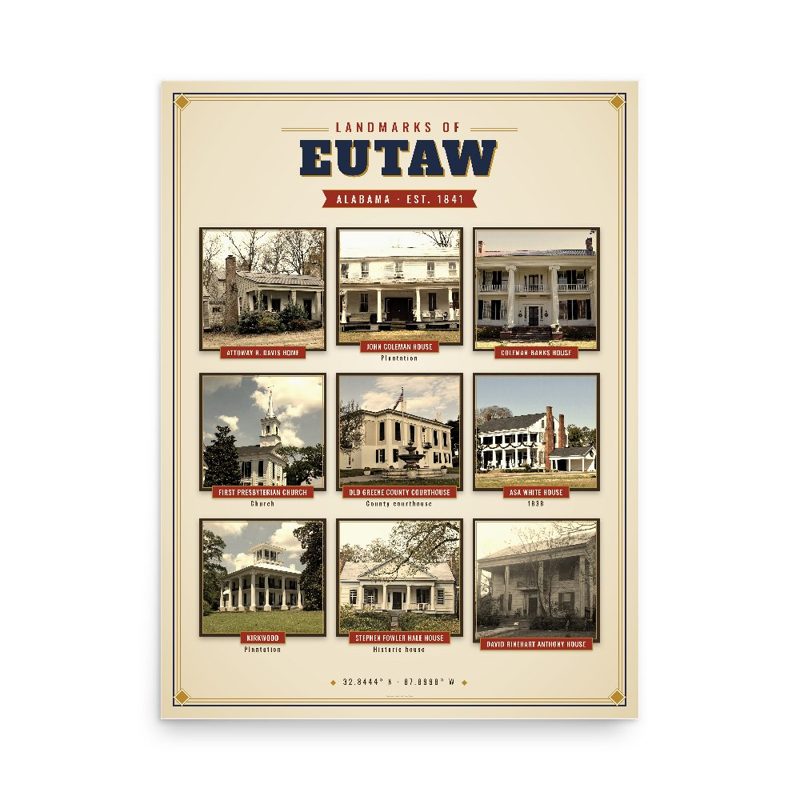
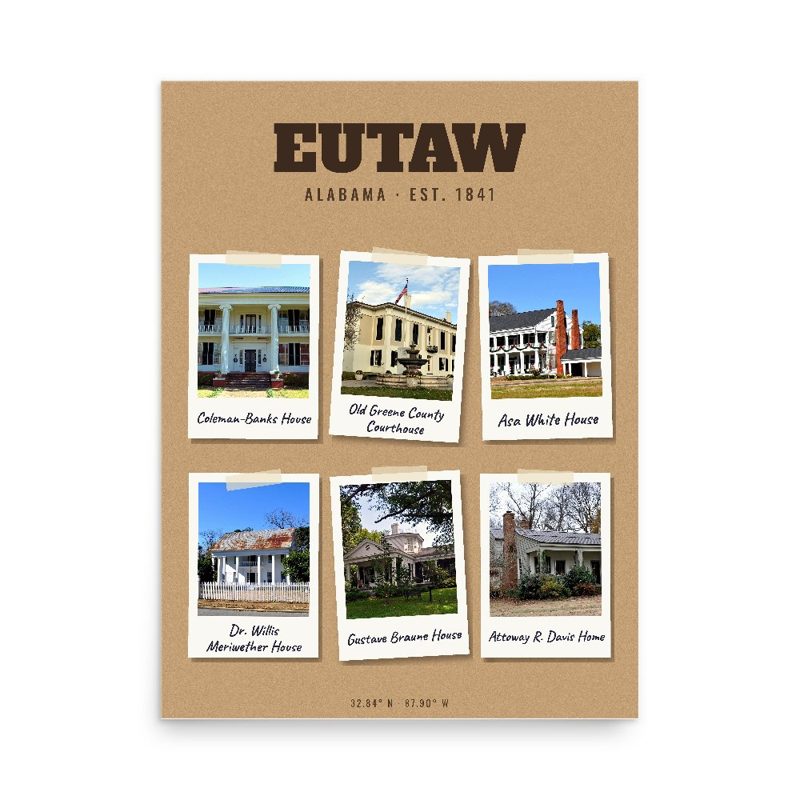






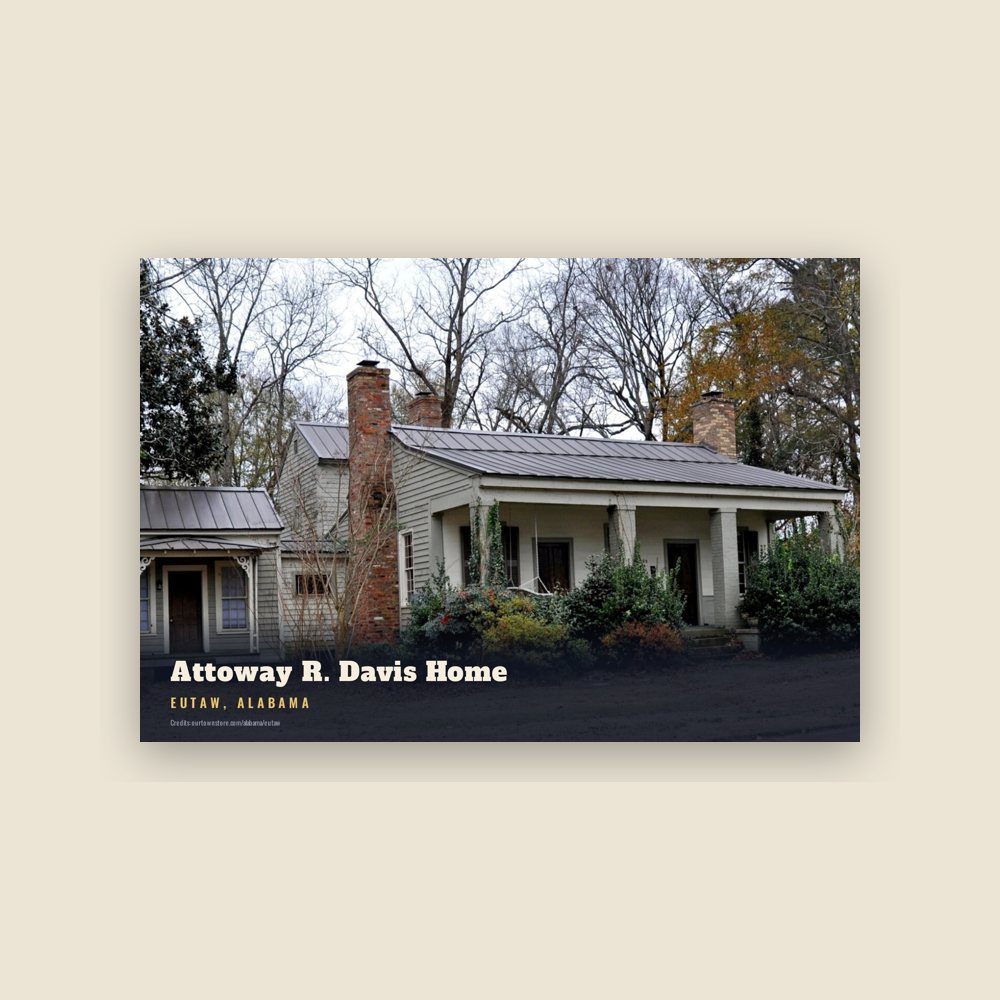
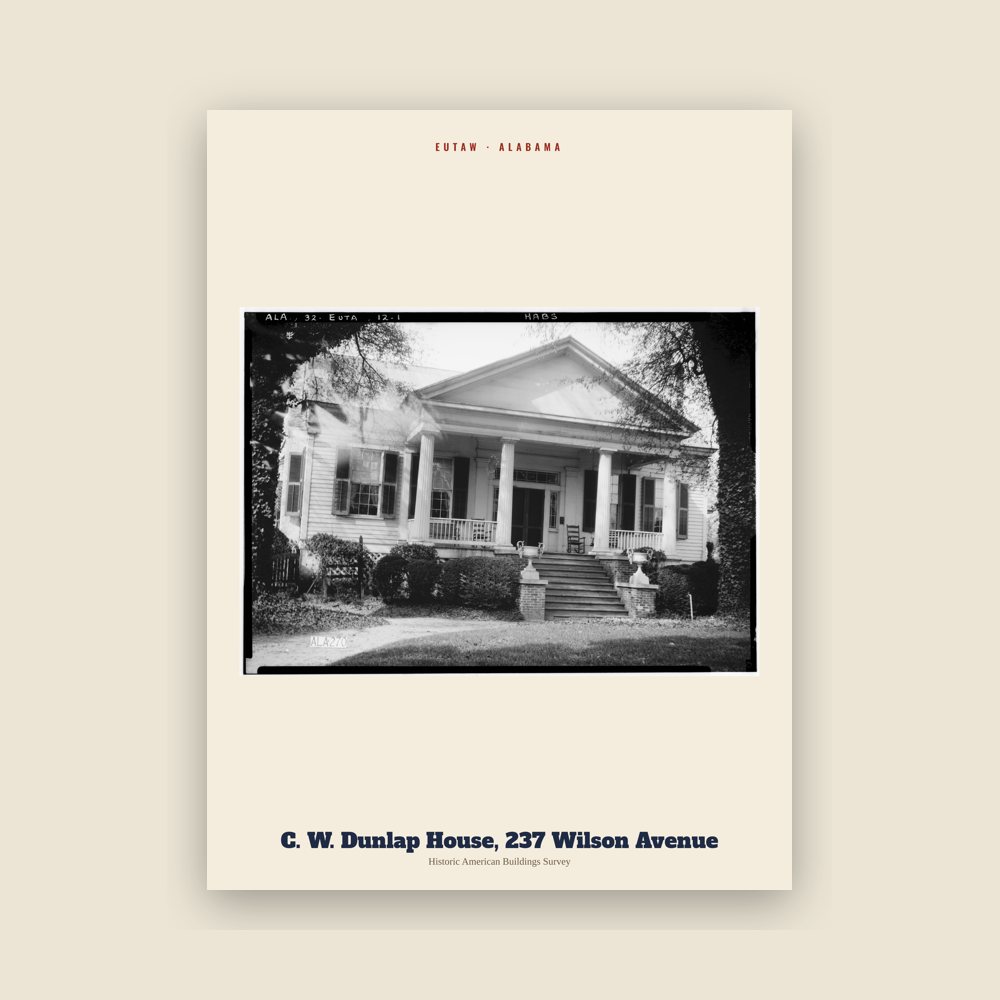
 Attoway R. Davis Home
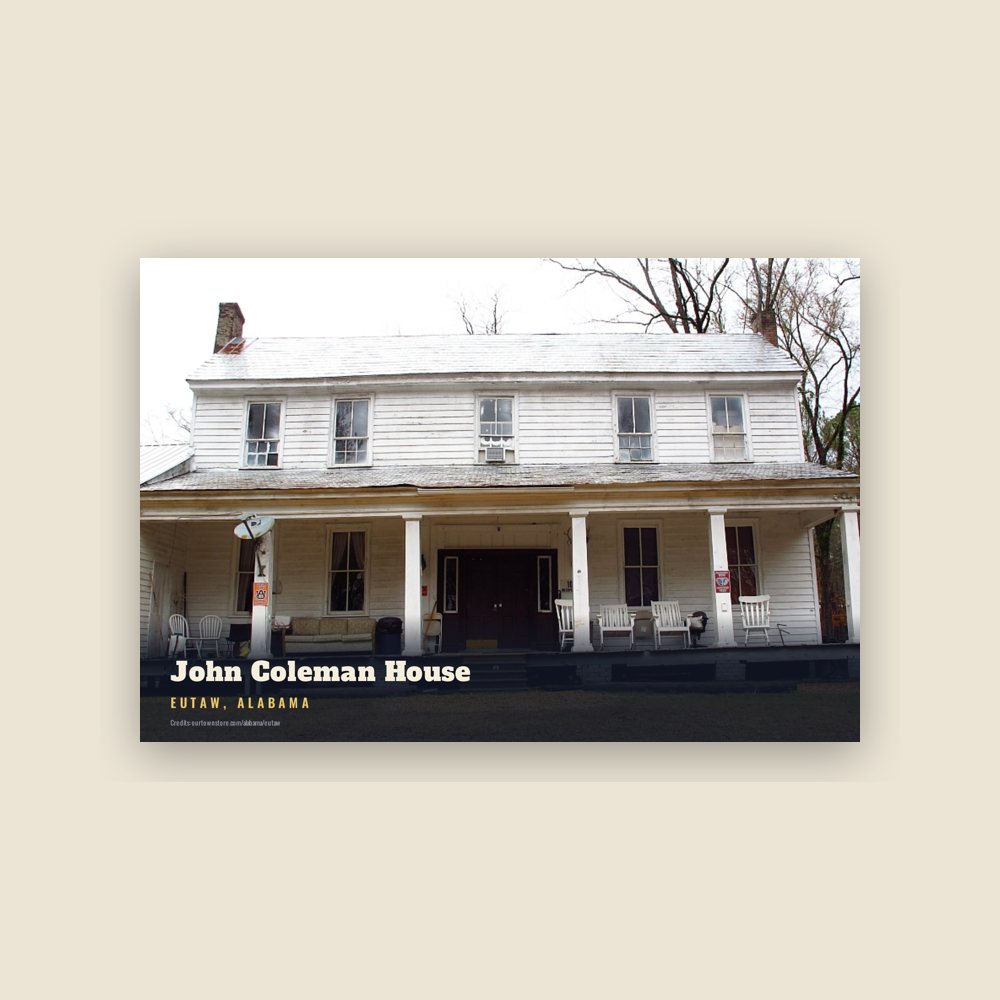
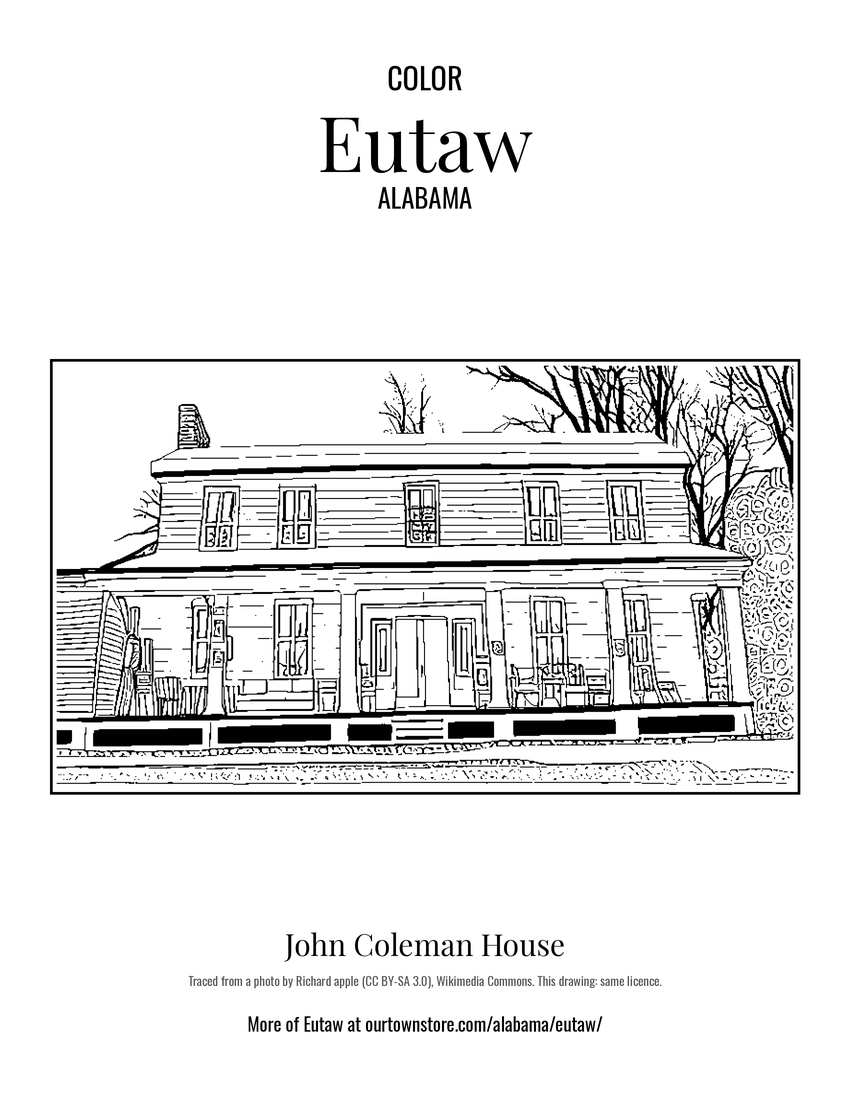 John Coleman House
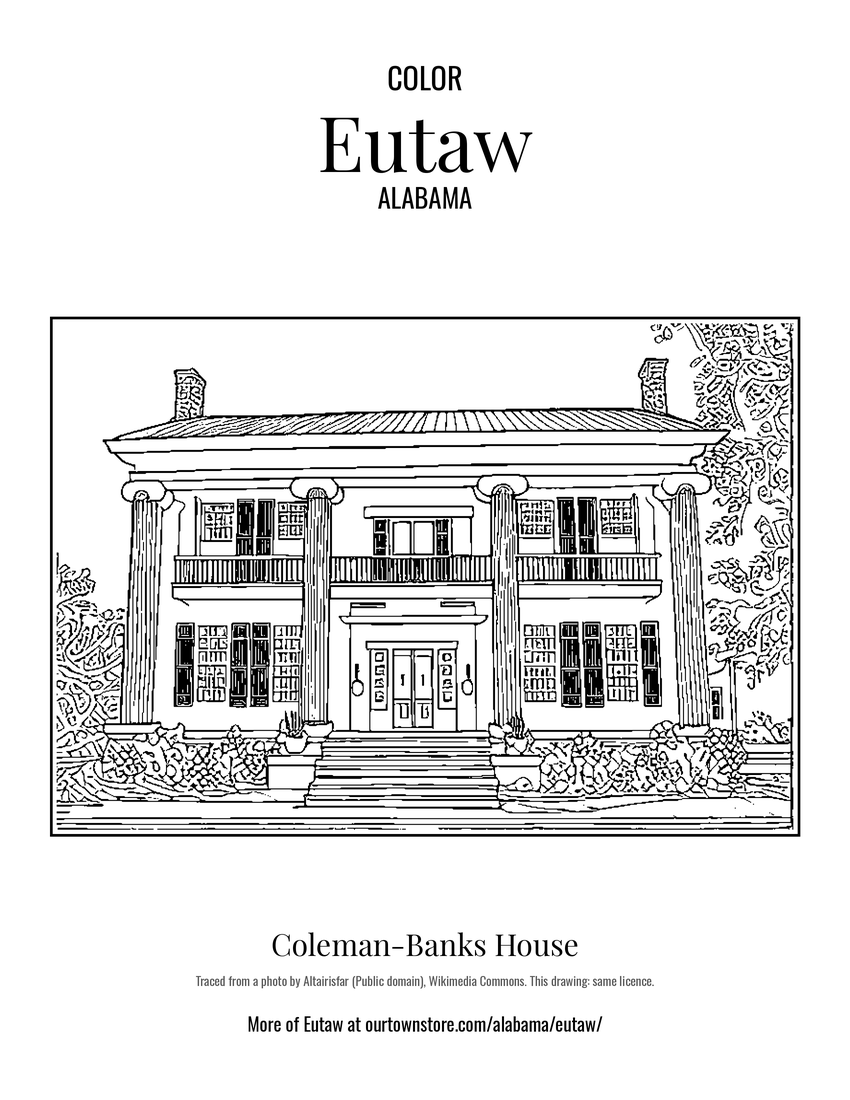 Coleman-Banks House
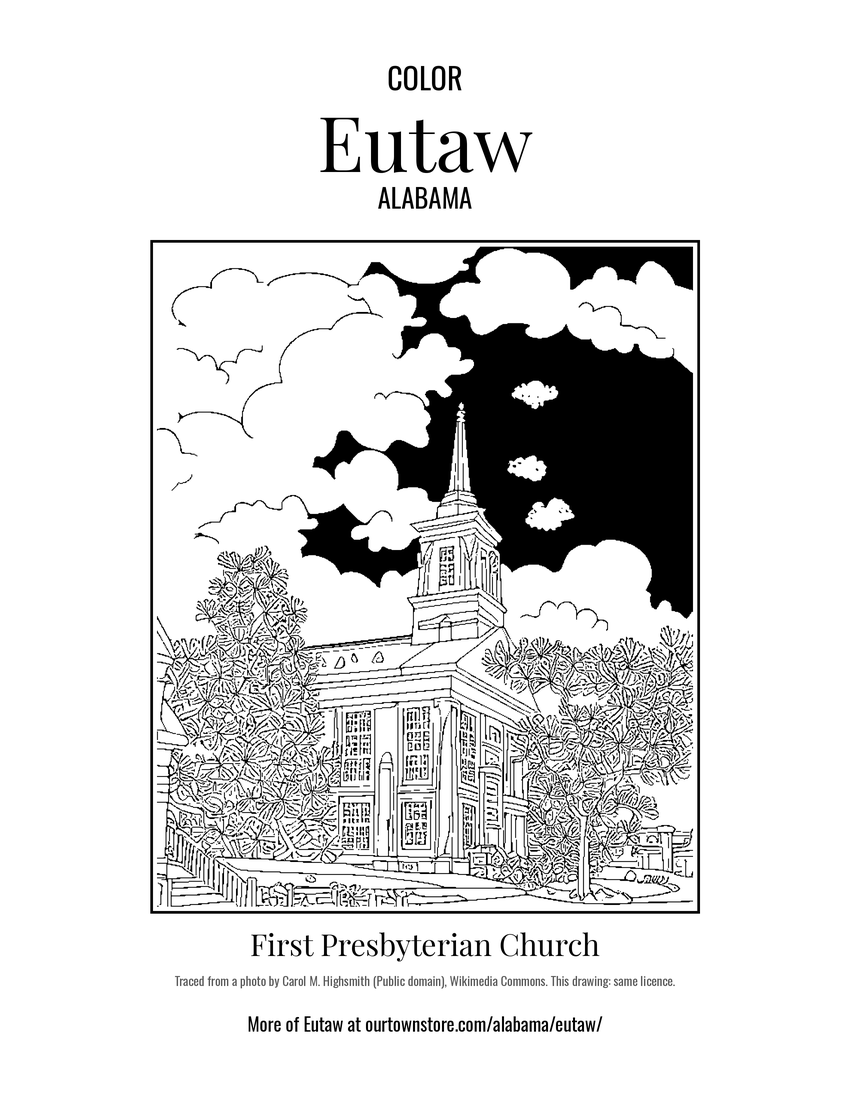 First Presbyterian Church