A short history of Dothan
Earliest years
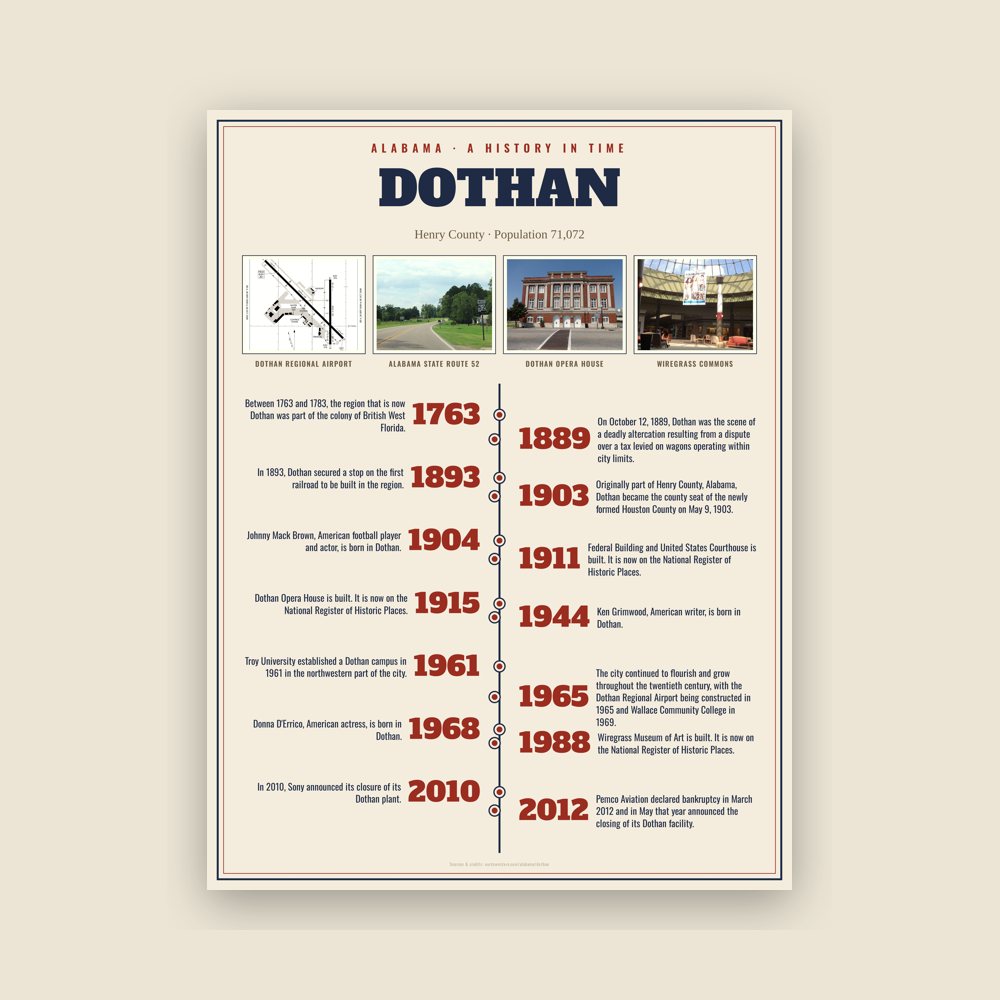
Between 1763 and 1783, the region that is now Dothan was part of the colony of British West Florida. European-American settlers moving through the area during the late 18th and early 19th centuries discovered the Indian spring, naming it "Poplar Head". Most felt that the sandy soil common to this region would be unsuitable for farming, so they moved on.
A crude stockade was constructed on the Barber Plantation, where settlers could take refuge whenever they felt threatened. Gradually the area received more white settlers. This fort disappeared by the 1840s, after the end of the Indian Wars in Alabama and Indian Removal in the 1830s, when most members of the Five Civilized Tribes were forcibly taken to Indian Territory west of the Mississippi River. Those members of the tribe who stayed in the southeast were considered to have given up their tribal memberships and became state and U.S. citizens.
The first permanent white settlers consisted of nine families who moved into the area during the early 1830s to harvest the abundant timber. Their settlement, named Poplar Head after the spring, failed to thrive. It was all but abandoned by the time of the Civil War. After the war, a local Pony Express route was founded; together with other developments during the Reconstruction Era, the town began to grow. On November 11, 1885, the citizens voted to incorporate, naming their new city Dothan at the suggestion of a local clergyman after discovering that "Poplar Head" was already registered with the U.S. post office for a town in northern Alabama.
Read the full history
Civil unrest
On October 12, 1889, Dothan was the scene of a deadly altercation resulting from a dispute over a tax levied on wagons operating within city limits. Local farmers opposed the levy and united in a body called the "Farmers Alliance". The arrest of some of the alliance's men led to a riot that left two men dead and others seriously wounded. Chief of Police Tobe Domingus was found guilty of murder and sentenced to ten years in prison. Appeals to the Alabama Supreme Court resulted in a new trial, and Domingus was acquitted.
Expansion and growth
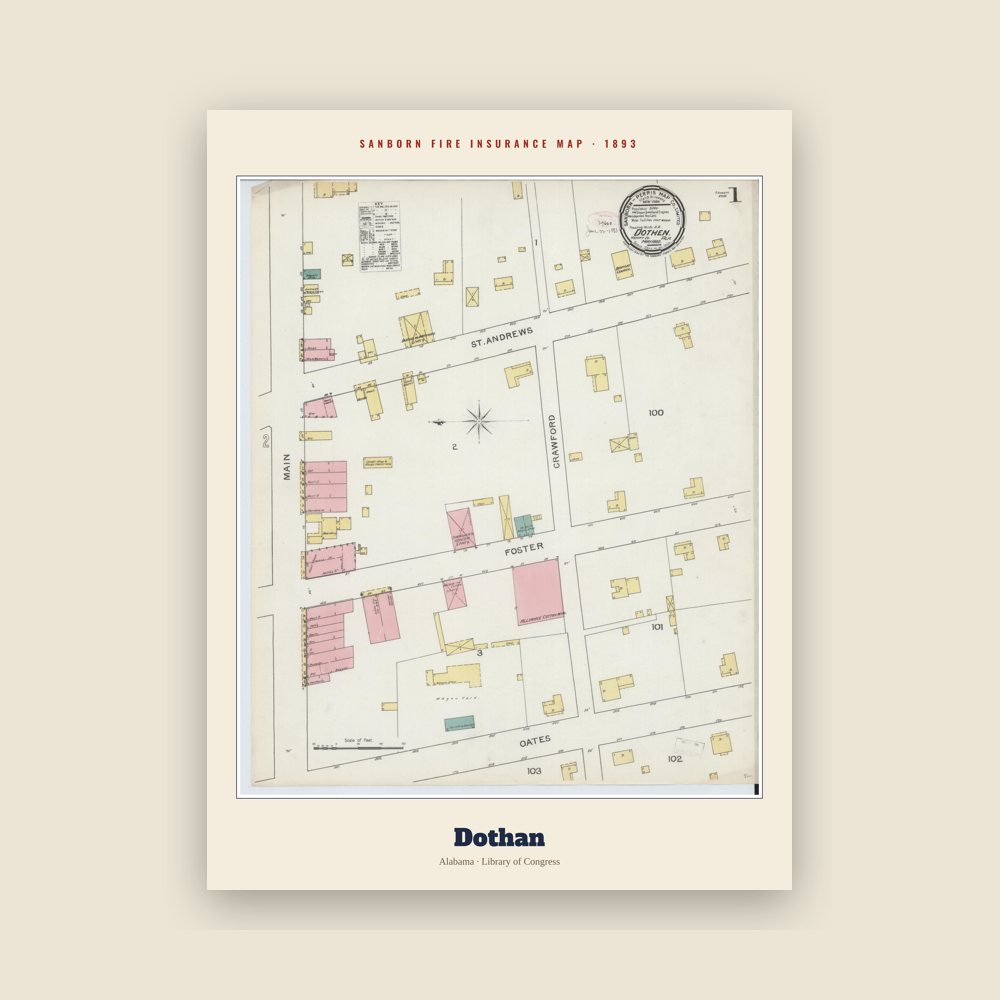
In 1893, Dothan secured a stop on the first railroad to be built in the region. This development brought new prosperity and growth, as local farmers had a means to market and transport their produce. The pine forests were harvested for turpentine and wood, which was transformed into ship masts, lumber and other wood products. As the pines were cut and land subsequently cleared, cotton was cultivated as a staple of the local economy. The crops were devastated by the boll weevil in the early 1900s.
Farmers turned to peanut production, which was successful and brought financial gain to the city. It became a hub for the production and transport of peanuts and peanut-related products. Today, one-quarter of the U.S. peanut crop is harvested within 75 miles (121 km) of Dothan.
Dothan also became a hub for industrial development in the 20th century, with textile and agricultural concerns being joined by manufacturing plants for the Sony, Michelin, and General Electric corporations which began operating facilities in the city.
Dothan also sought out industrial development, with textile and agricultural concerns being joined by manufacturing plants for the Sony, Michelin, and General Electric corporations in the 20th century. The Southern Company constructed the Joseph M. Farley Nuclear Generating Station near the city between 1970 and 1981; this 1,776-megawatt facility currently generates approximately 13,000 GW-h per year. In 2010, Sony announced its closure of its Dothan plant. Pemco Aviation declared bankruptcy in March 2012 and in May that year announced the closing of its Dothan facility.
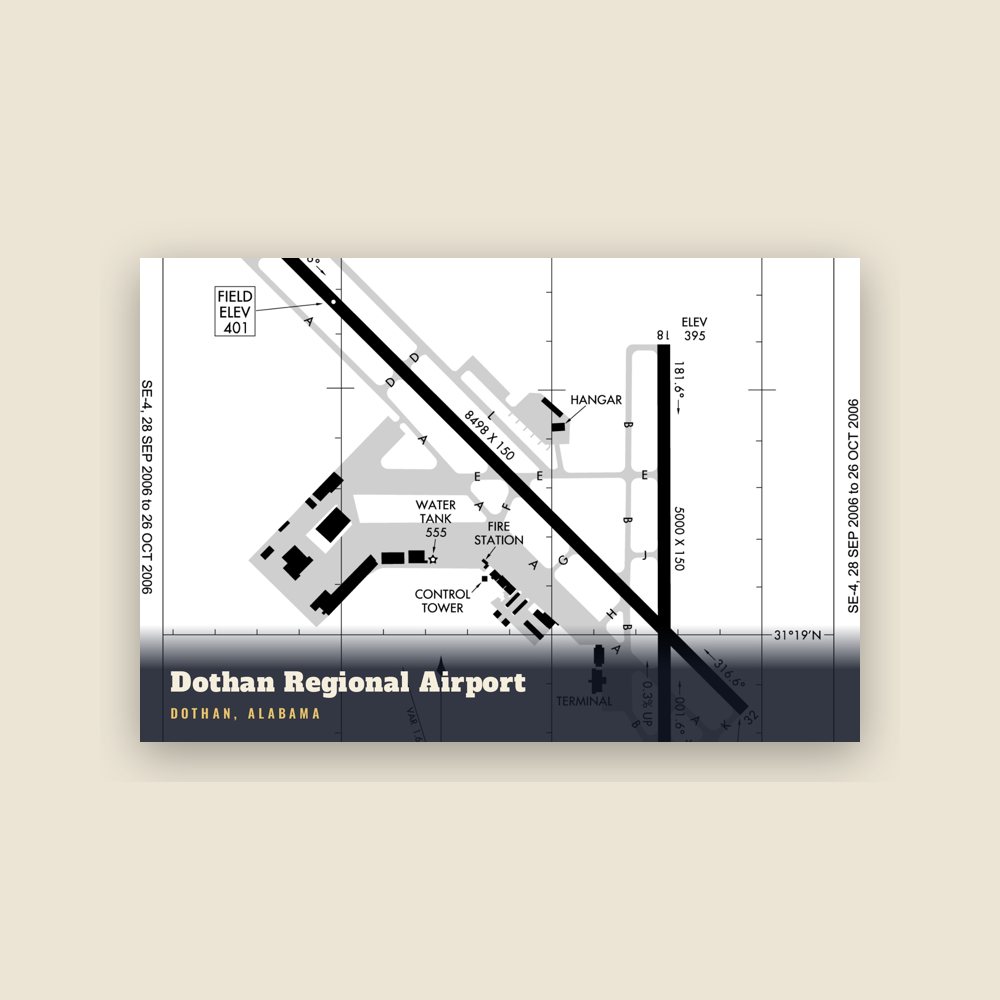
Originally part of Henry County, Alabama, Dothan became the county seat of the newly formed Houston County on May 9, 1903. The city continued to flourish and grow throughout the twentieth century, with the Dothan Regional Airport being constructed in 1965 and Wallace Community College in 1969. Troy University established a Dothan campus in 1961 in the northwestern part of the city.
Porter Hardware, the oldest hardware store in the state of Alabama, was located in Dothan from 1889 to 2014. In 2018 it reopened as a museum.
Adapted (trimmed) from the Wikipedia article Dothan, Alabama, revision 1378498402 by its contributors, licensed CC BY-SA 4.0.
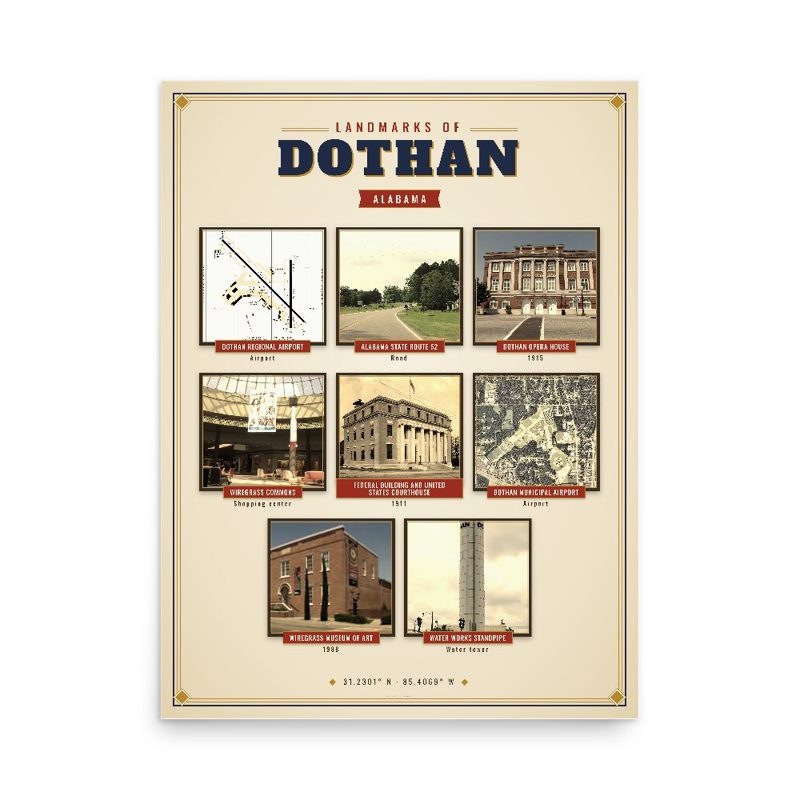
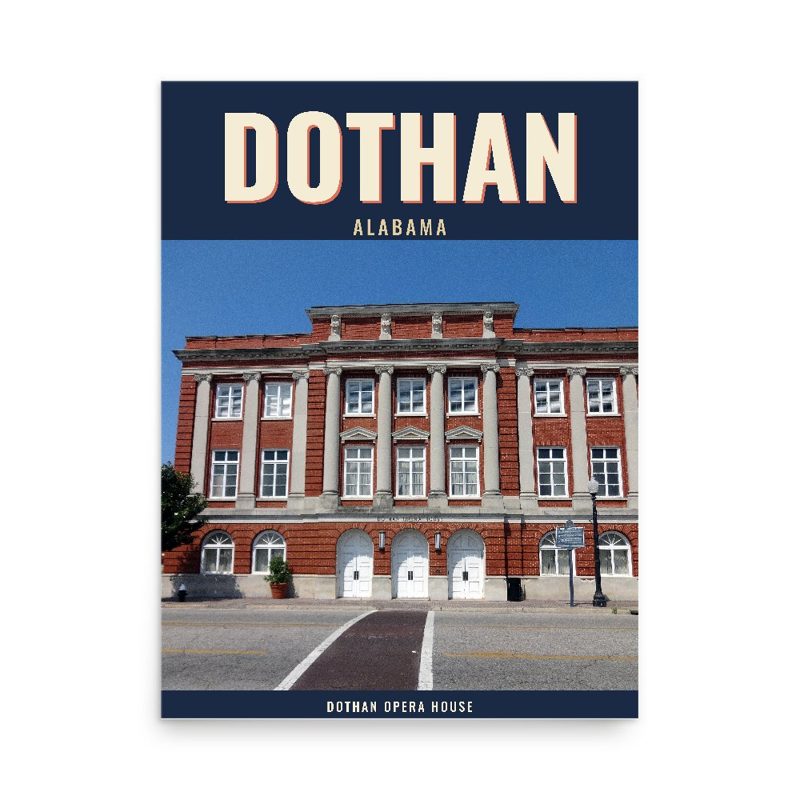
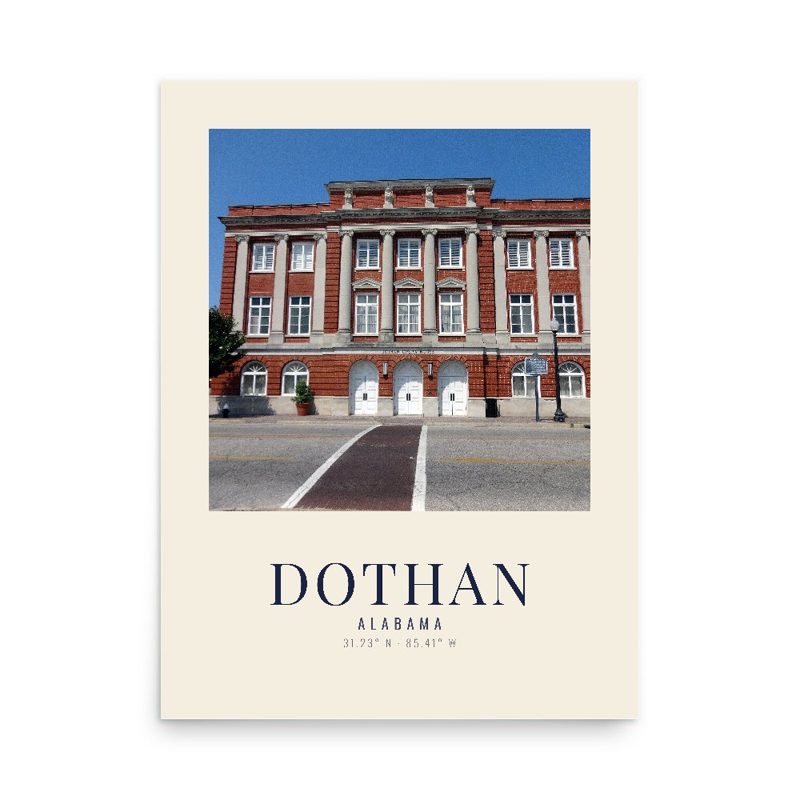
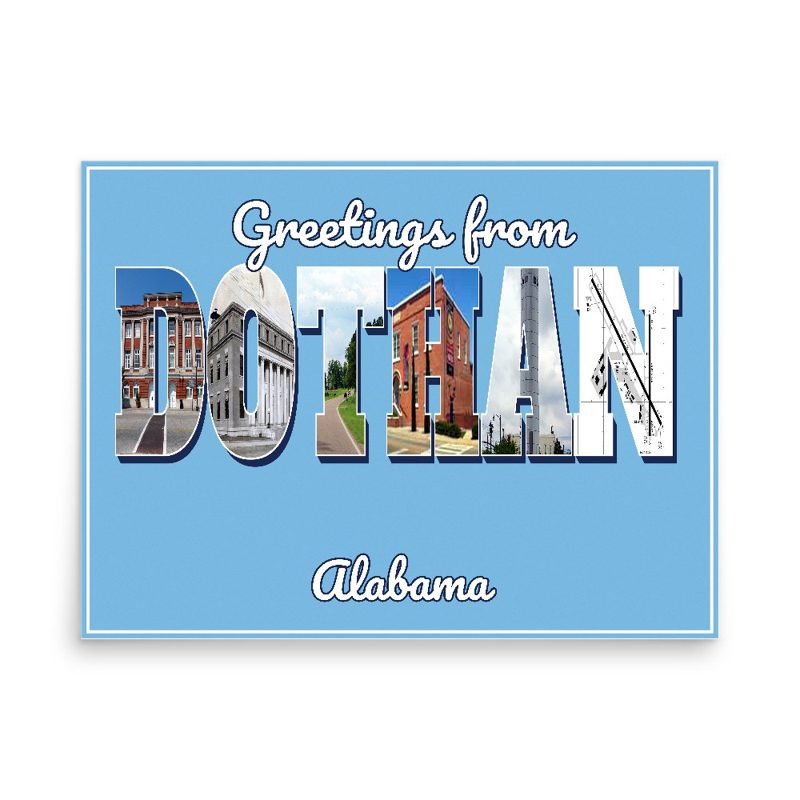
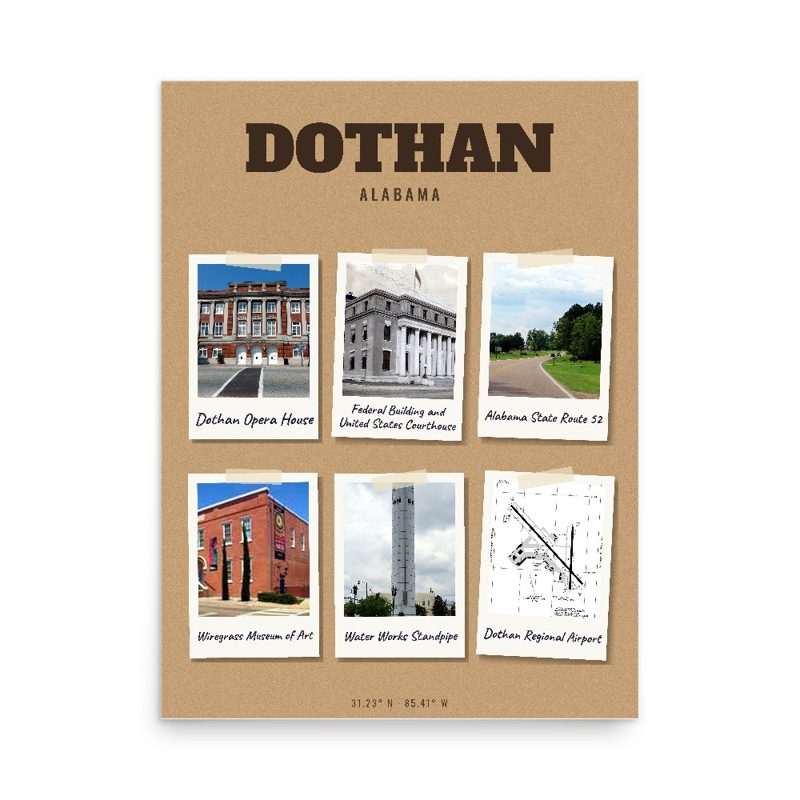
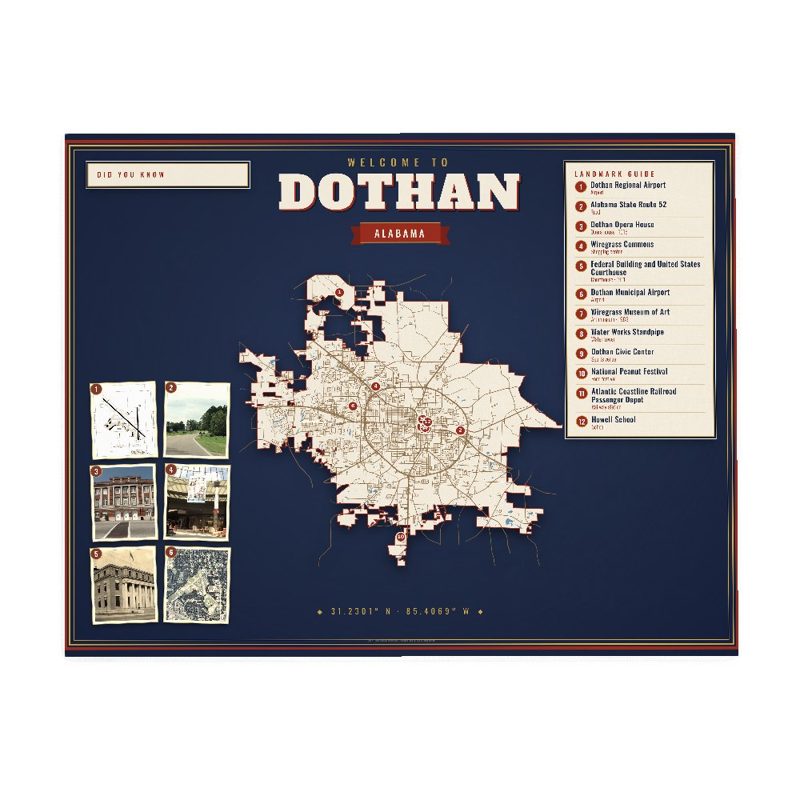






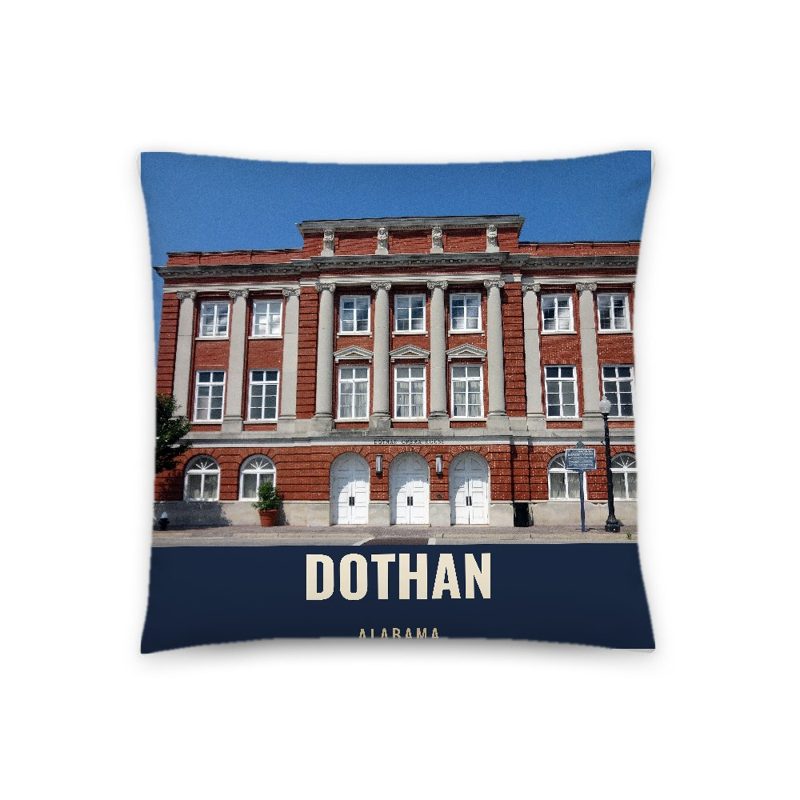

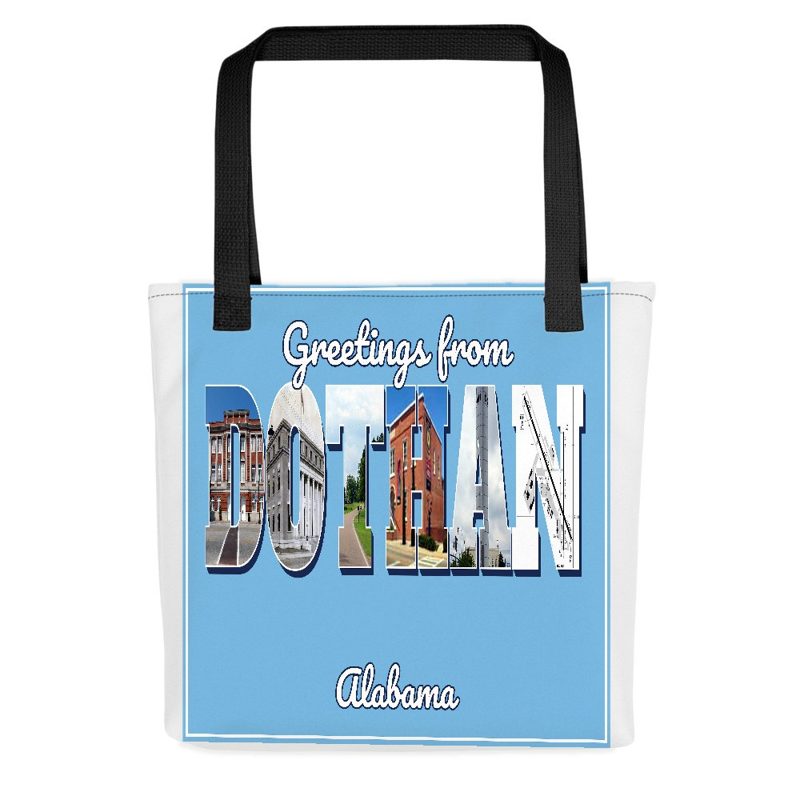

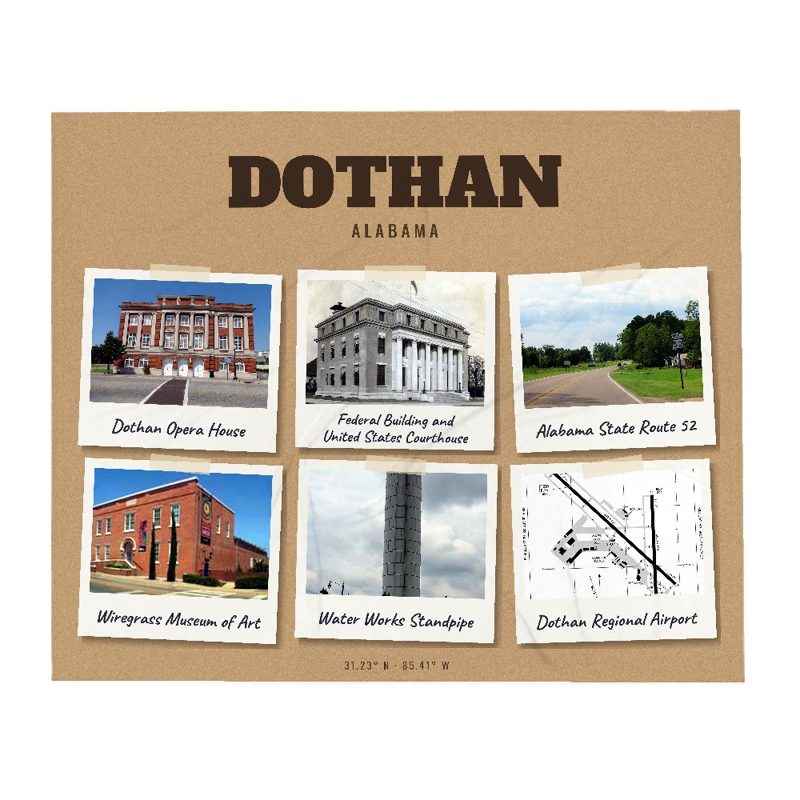
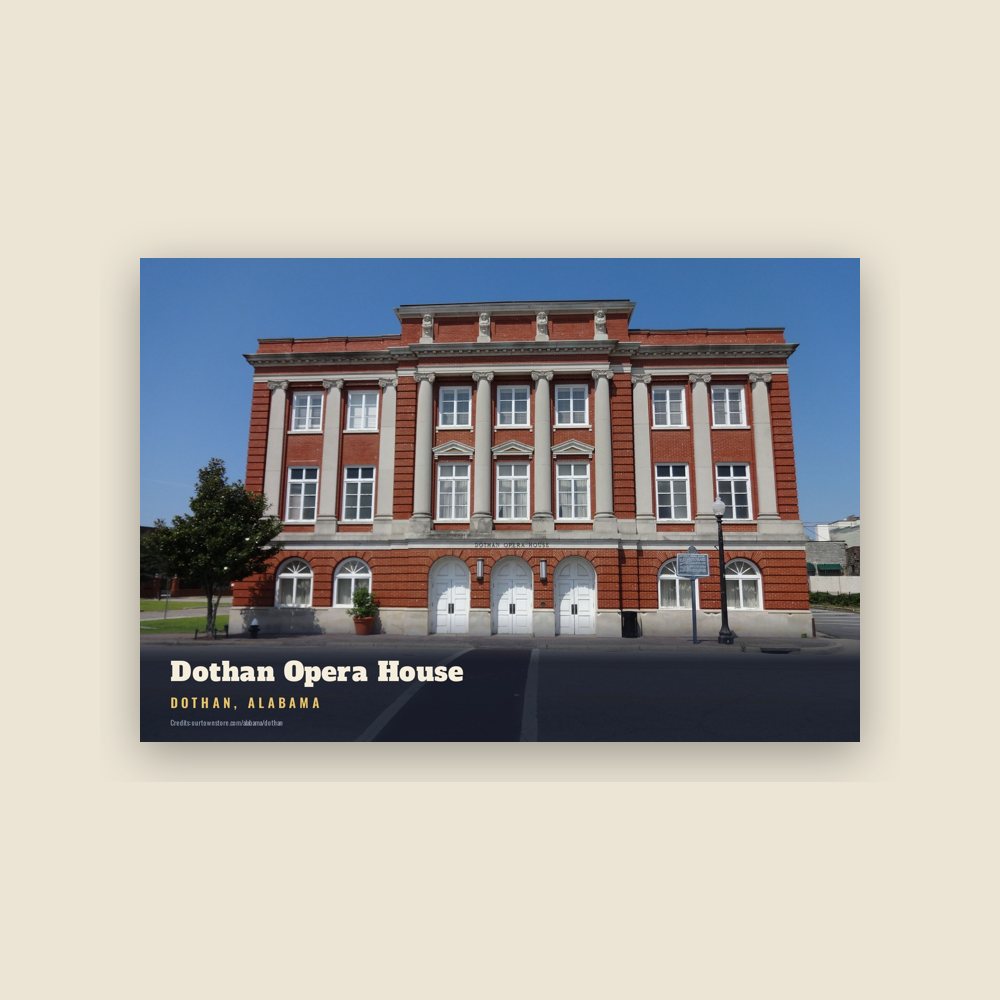
 Dothan Opera House
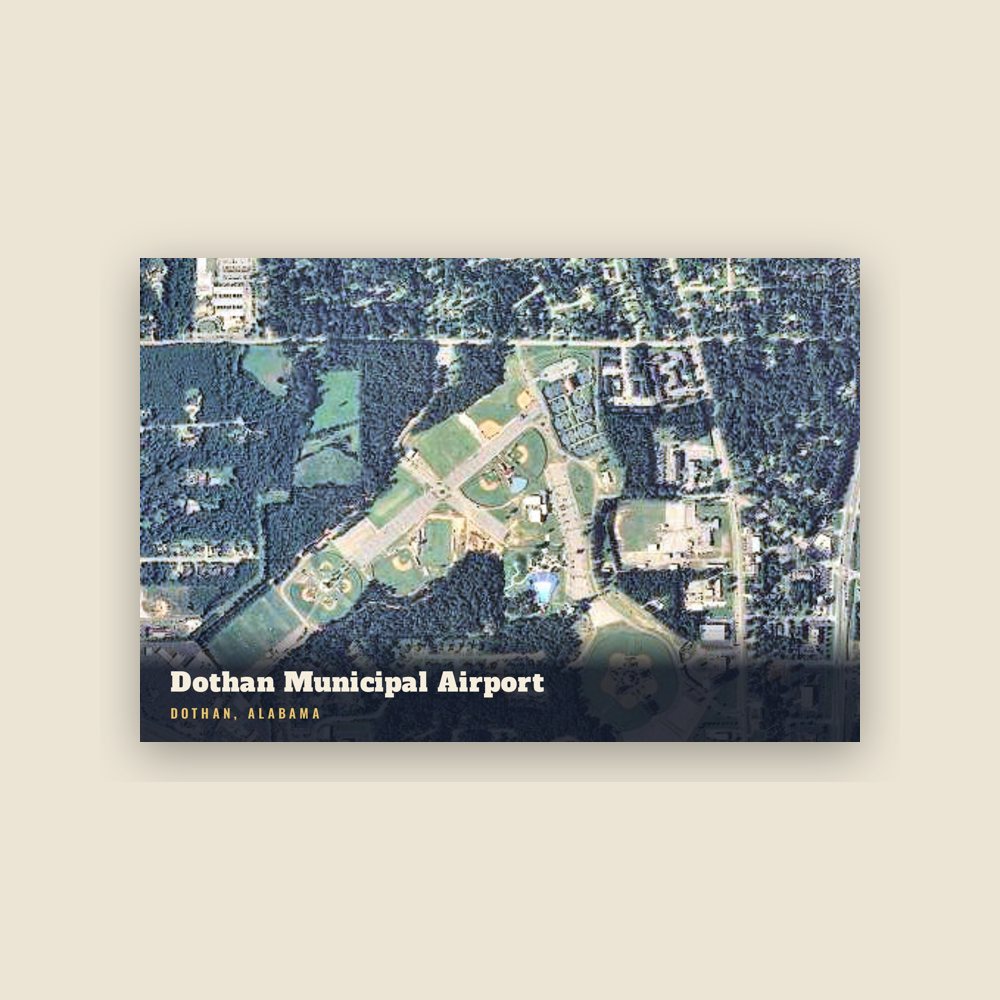
 Dothan Regional Airport
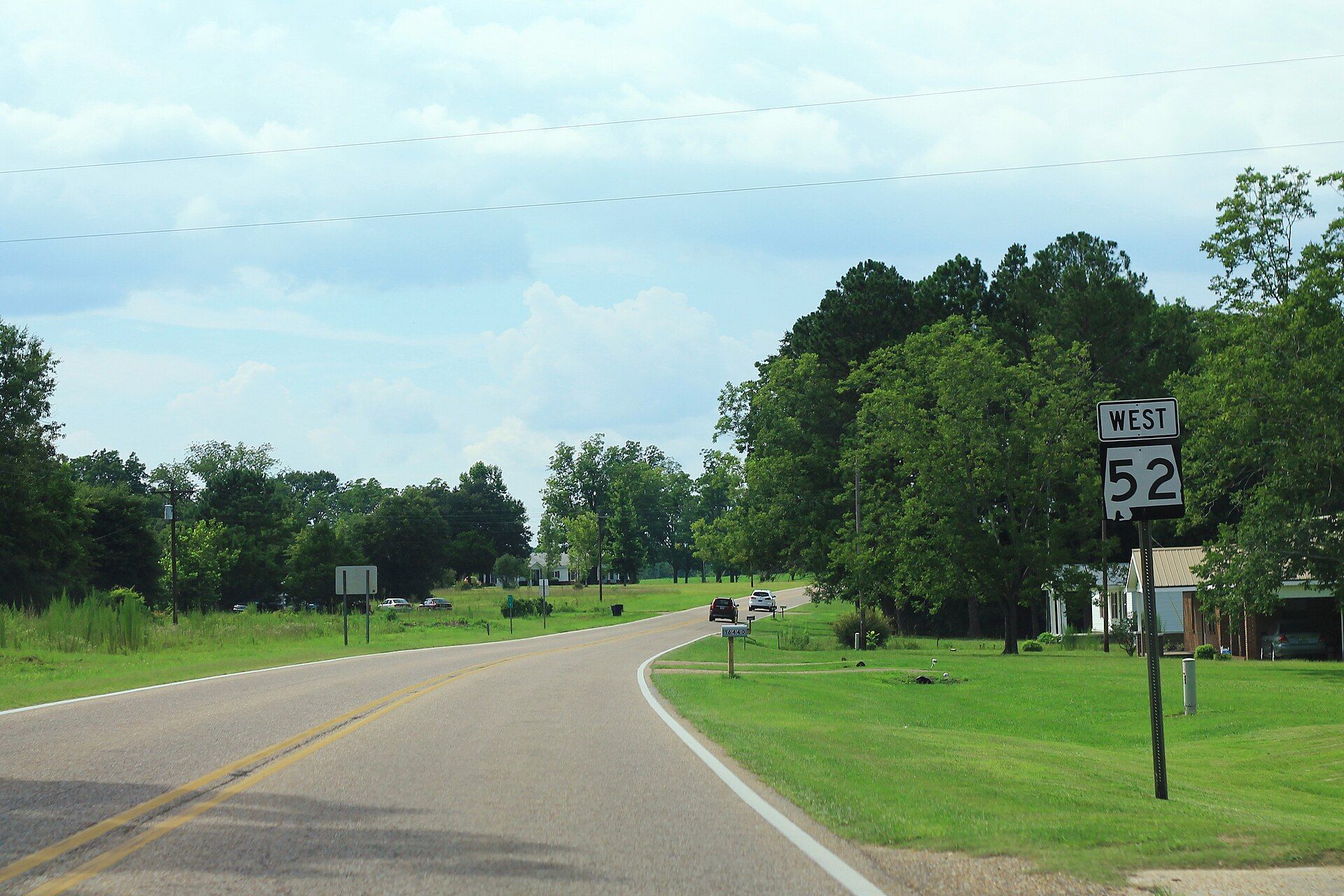
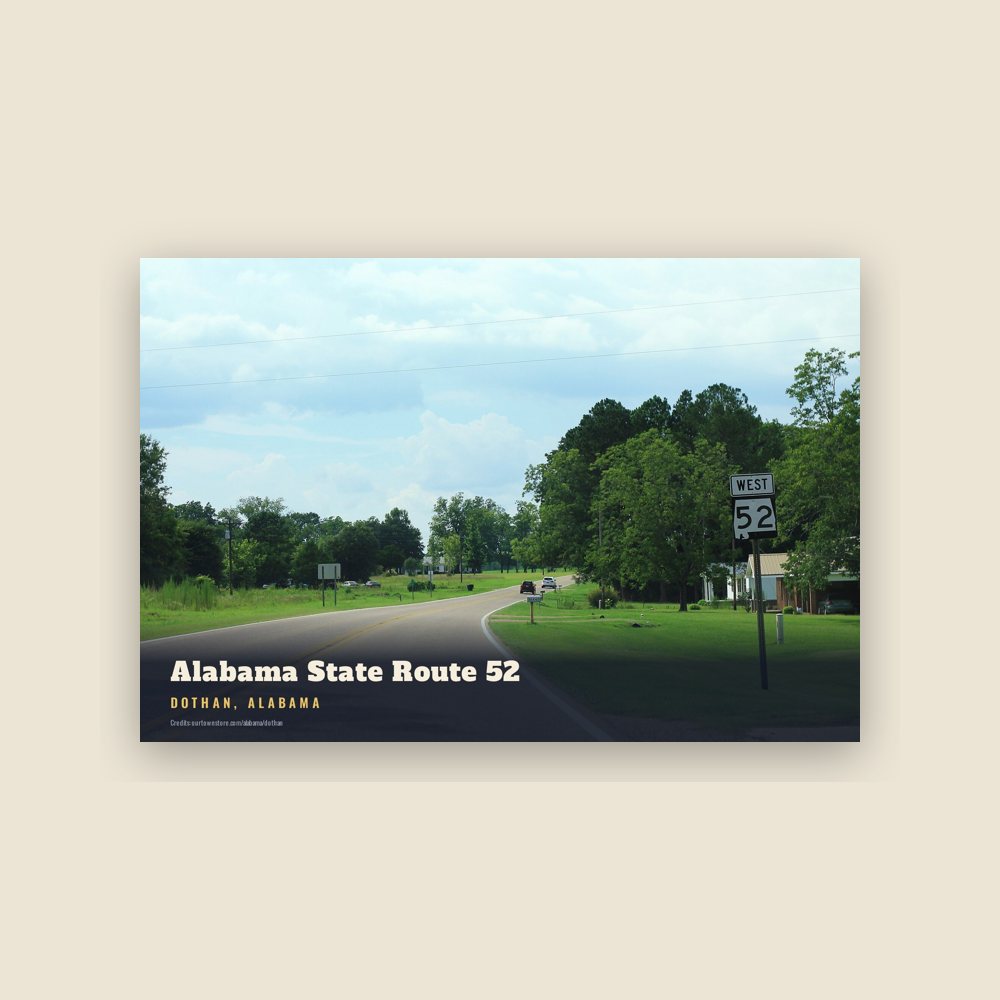
 Alabama State Route 52
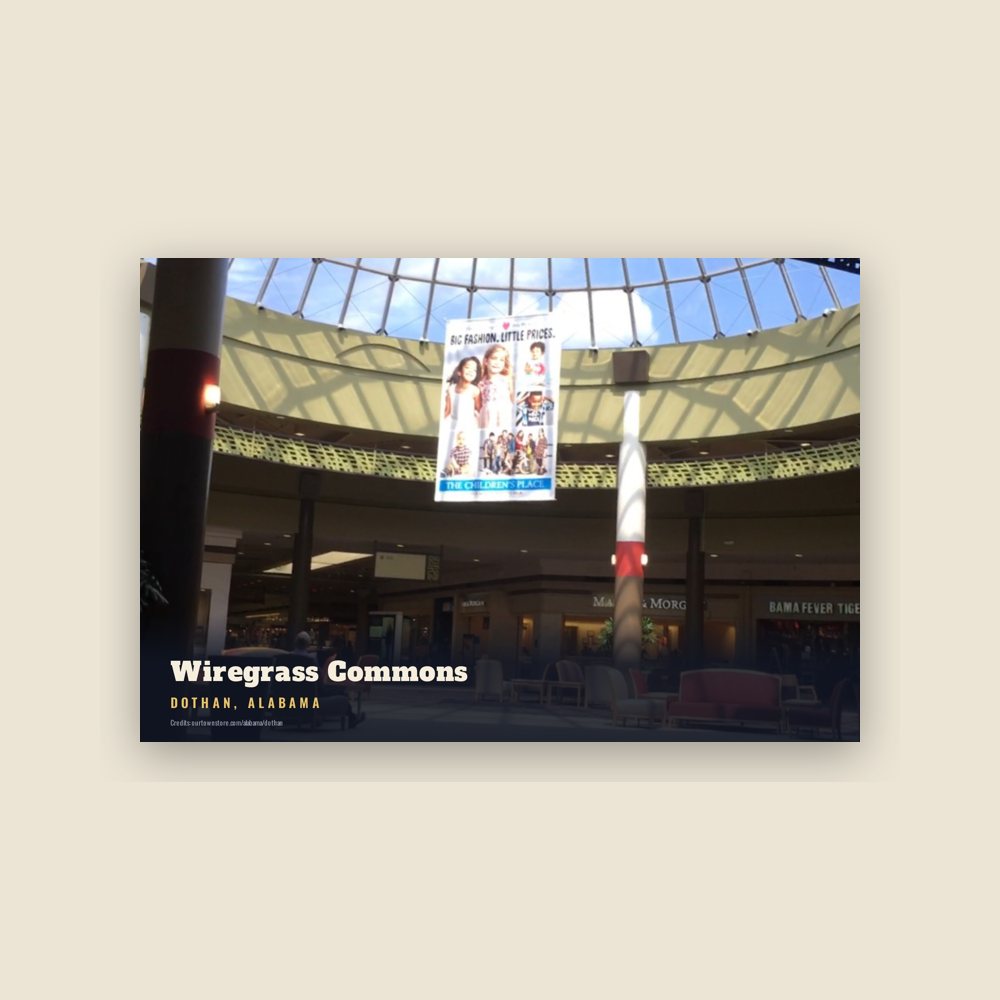
 Wiregrass Commons