A short history of Coosada
Coosawda was home to a Creek (Coushatta tribe) village called Koasati in the 18th and early 19th centuries. By invitation, many Chickamauga Cherokee followers of Dragging Canoe fled to the town during and following the American War of Independence. Coosada was the birthplace of influential Creek leader William Weatherford, who led the Red Stick uprising of 1813–1814. After that, the Native American population was removed to the west.
Frontiersmen from the United States quickly settled in the area. The future governor of the state of Alabama, William Wyatt Bibb, migrated to the area at that time. A land speculator from Georgia, he purchased the land that the village of Koasati occupied, and subdivided it into lots for sale. By 1818, the town had a post office and a sawmill. Following the establishment of the train depot in 1872, the settlement was called "Coosada Station". The new spelling of "Coosada" came about when the maker of the depot sign left off the "w" in error. Around 1890, the town became simply Coosada.
Adapted (trimmed) from the Wikipedia article Coosada, Alabama, revision 1378544916 by its contributors, licensed CC BY-SA 4.0.
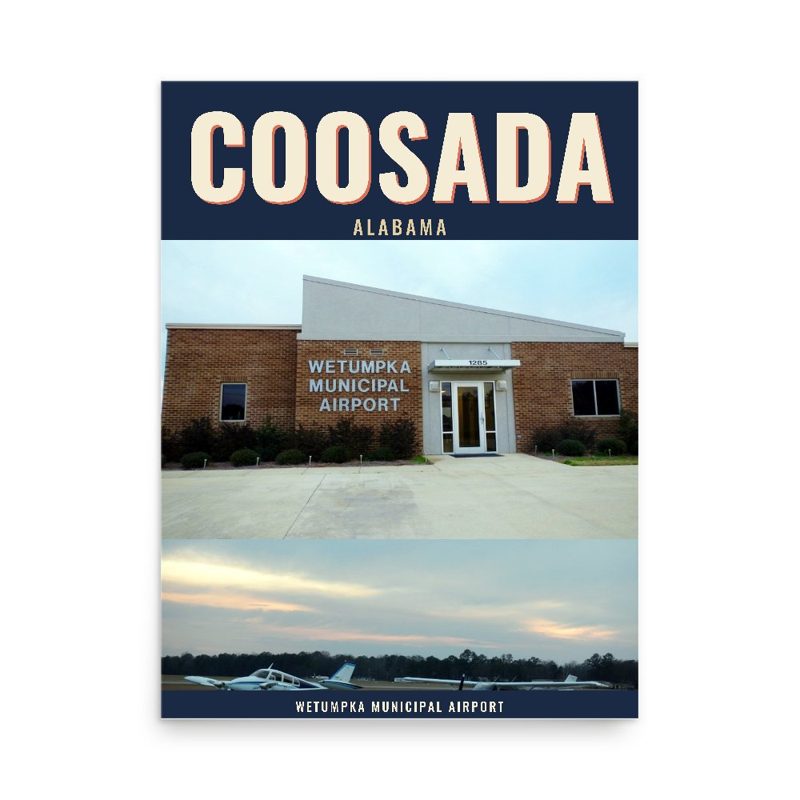
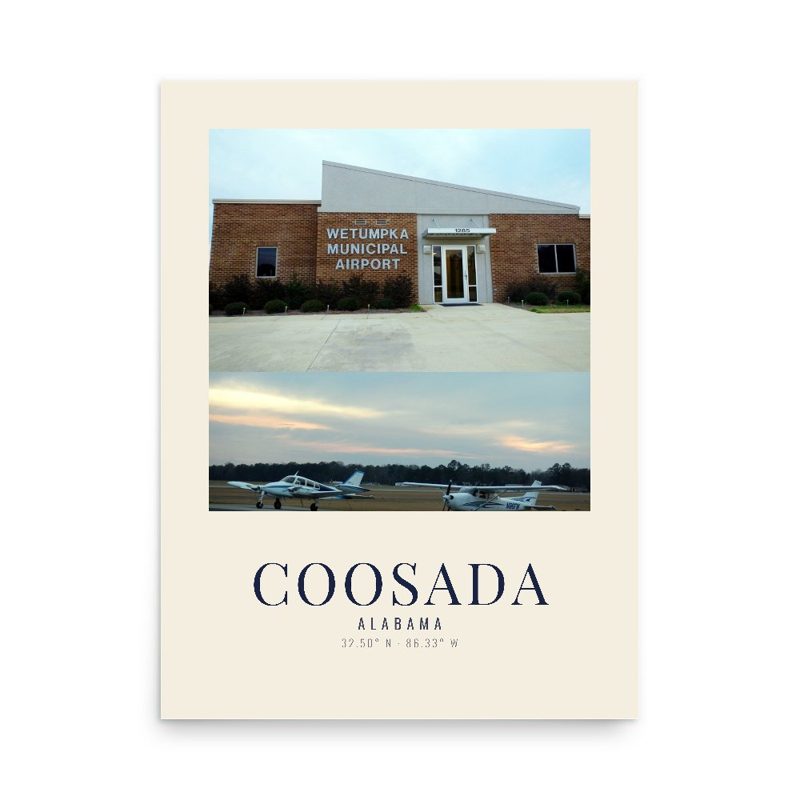
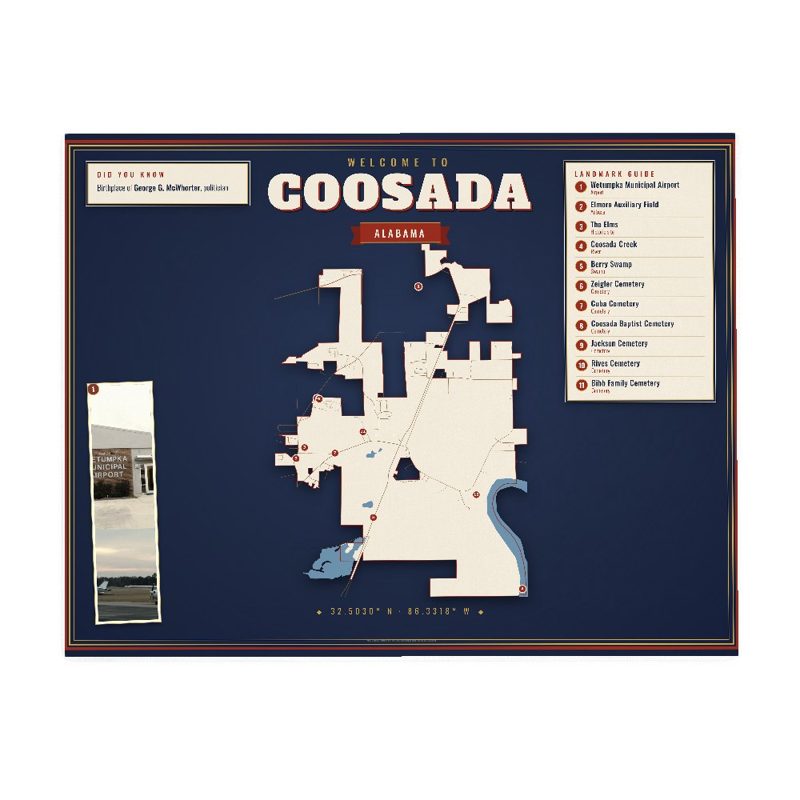
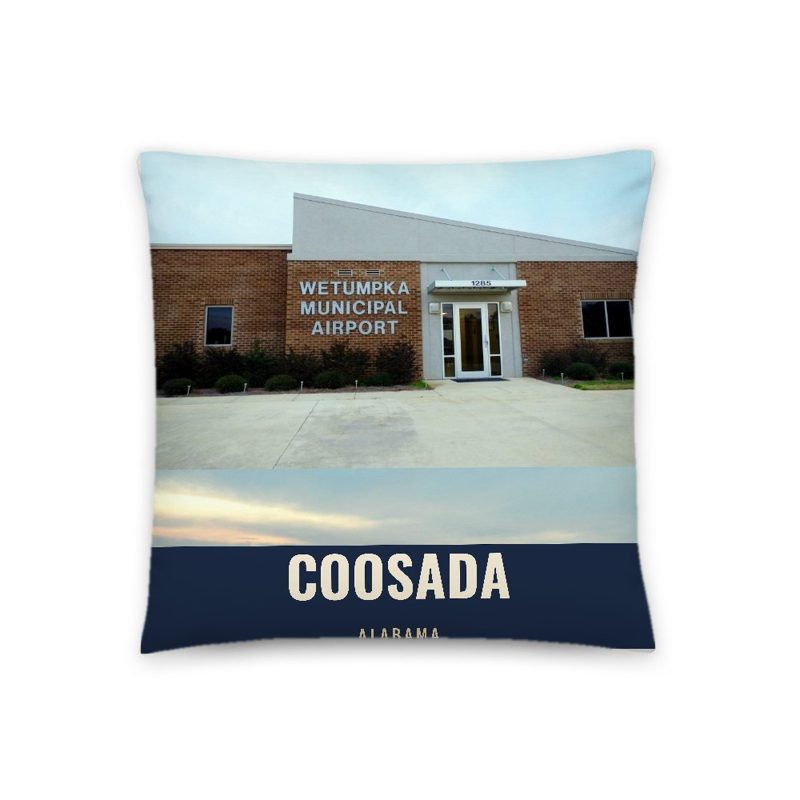
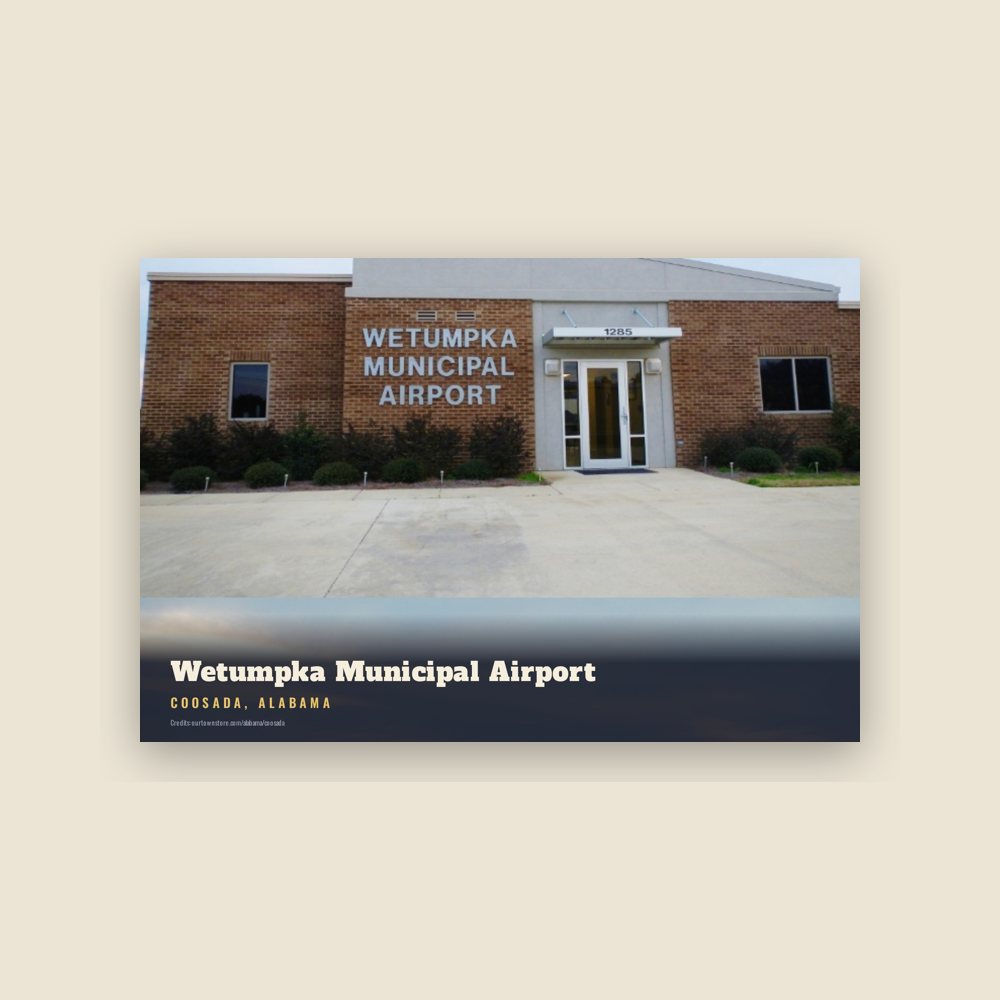
 Wetumpka Municipal Airport