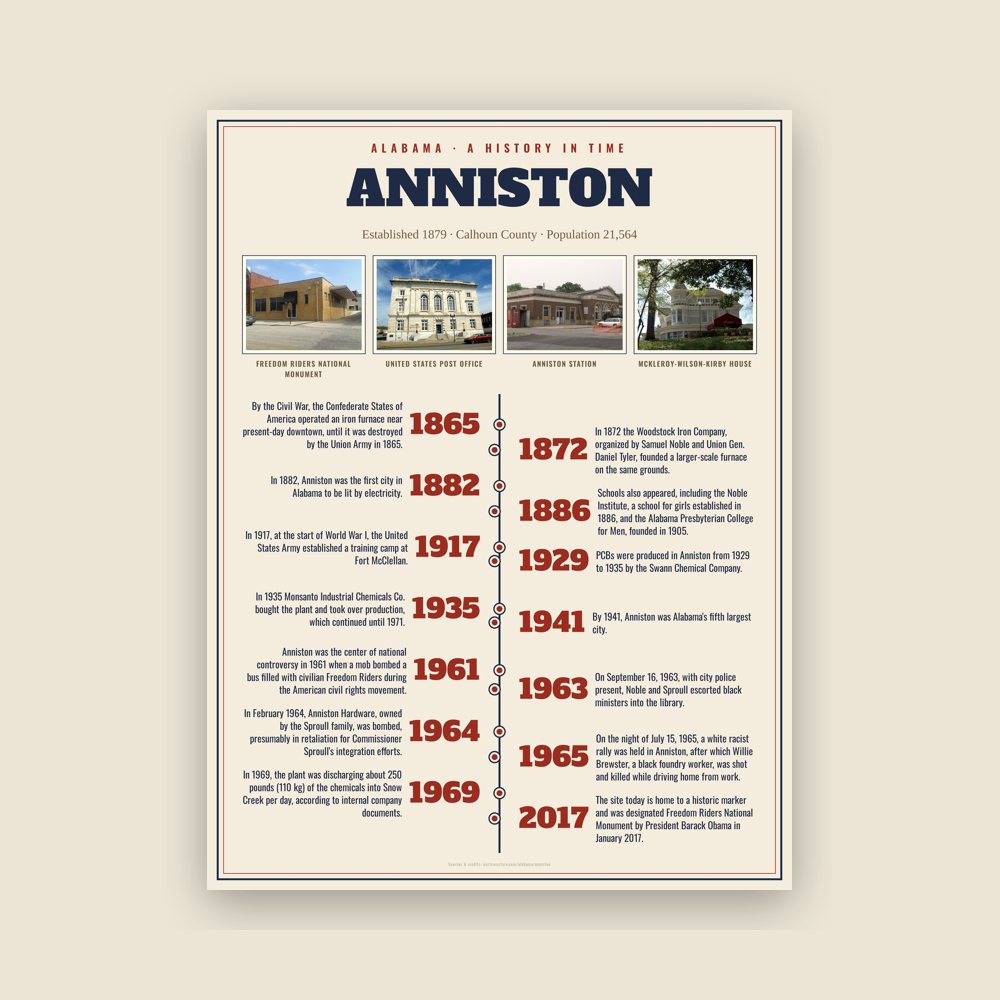
The first white settlers of the area were James Jefferson Teague and Martha Golden. They settled the area in 1828 near what would become known as Woodstock spring with other settlers soon arriving and building around Teague. By the Civil War, the Confederate States of America operated an iron furnace near present-day downtown, until it was destroyed by the Union Army in 1865.
Read the full history
Woodstock Iron Company
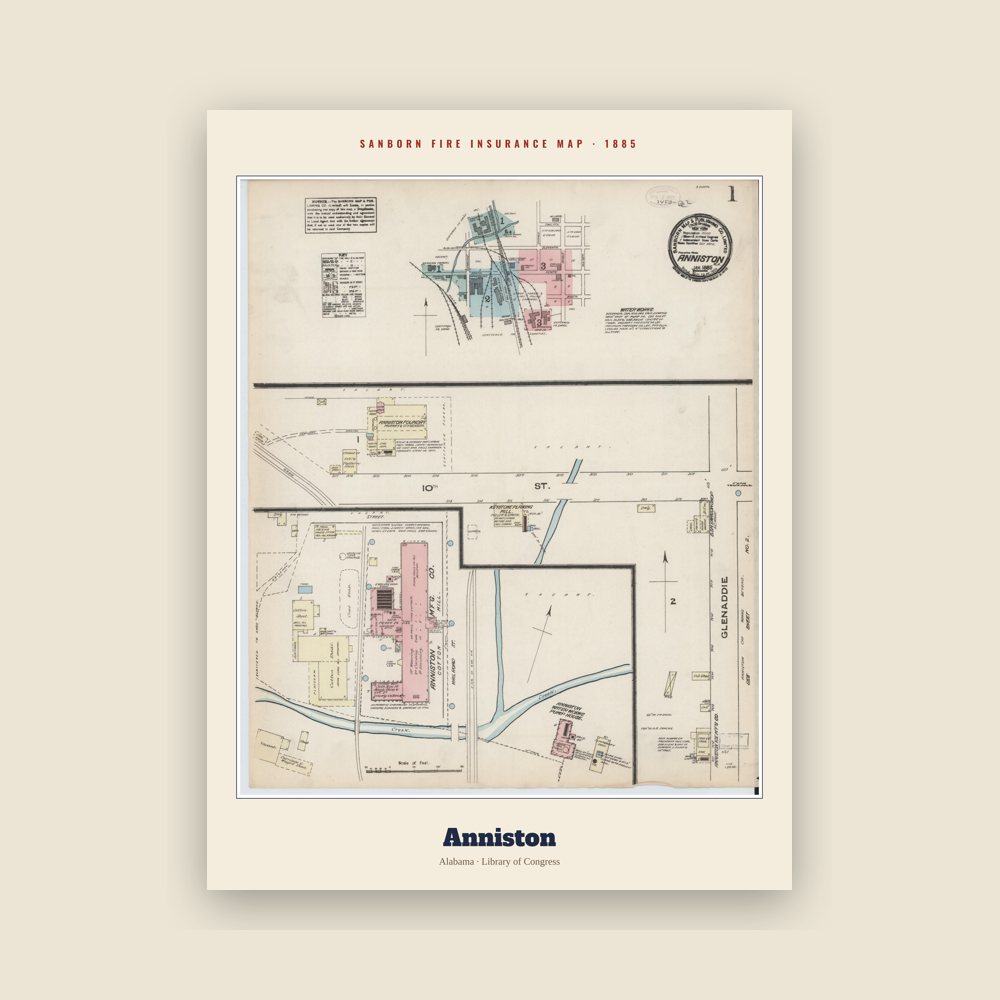
In 1872 the Woodstock Iron Company, organized by Samuel Noble and Union Gen. Daniel Tyler, founded a larger-scale furnace on the same grounds. Anniston was chartered as a city in 1879 and opened to the public in 1883, named as a combination of Daniel's daughter-in-law Annie and -ton for iron ore.
Though the roots of the town's economy were in iron, steel, and clay pipe, planners touted it as a health resort, and several hotels began operating. Schools also appeared, including the Noble Institute, a school for girls established in 1886, and the Alabama Presbyterian College for Men, founded in 1905. Careful planning and easy access to rail transportation helped grow Anniston. In 1882, Anniston was the first city in Alabama to be lit by electricity. By 1941, Anniston was Alabama's fifth largest city.
World War I and II
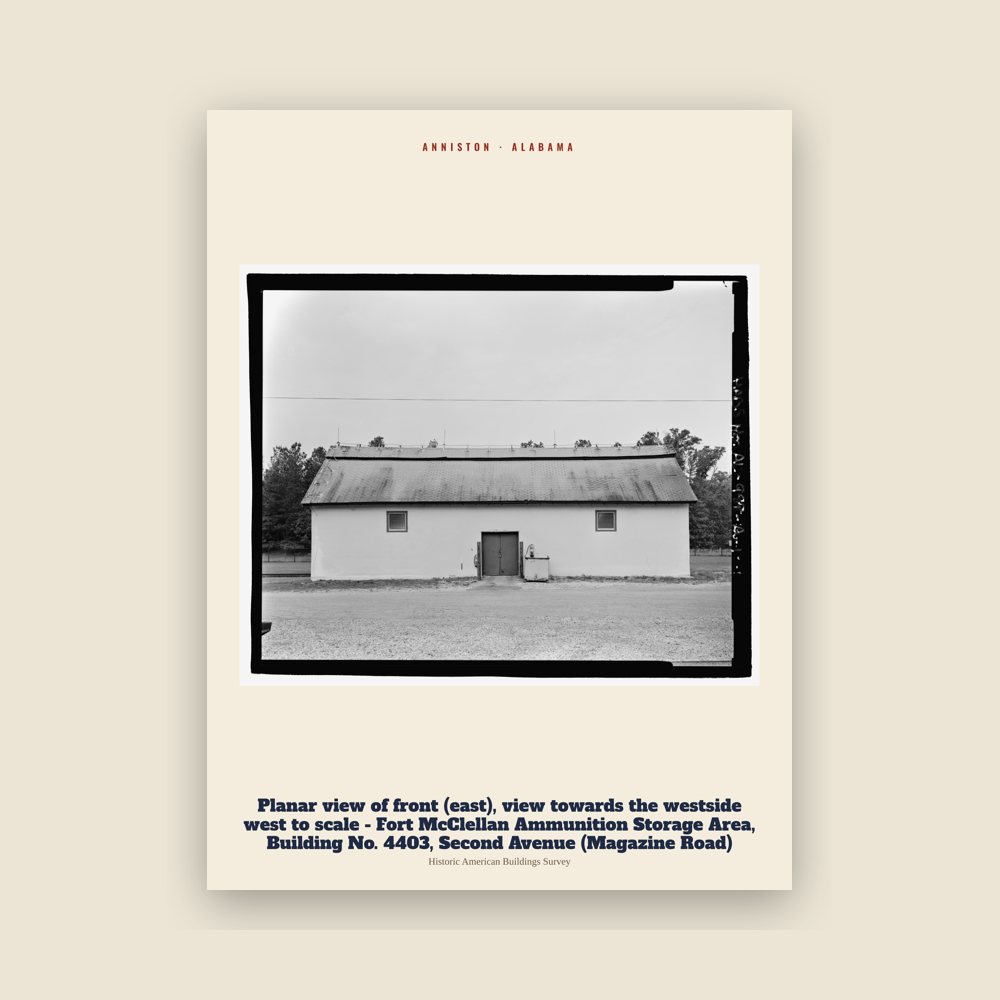
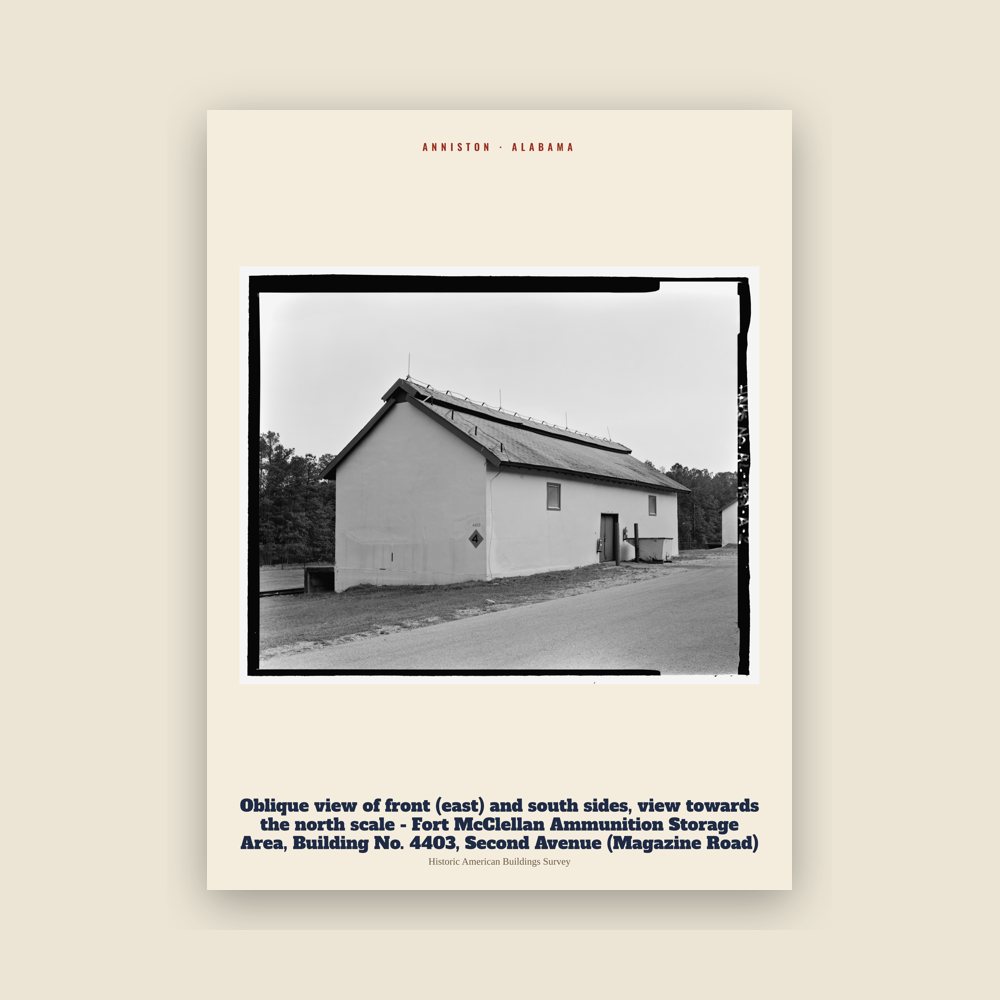
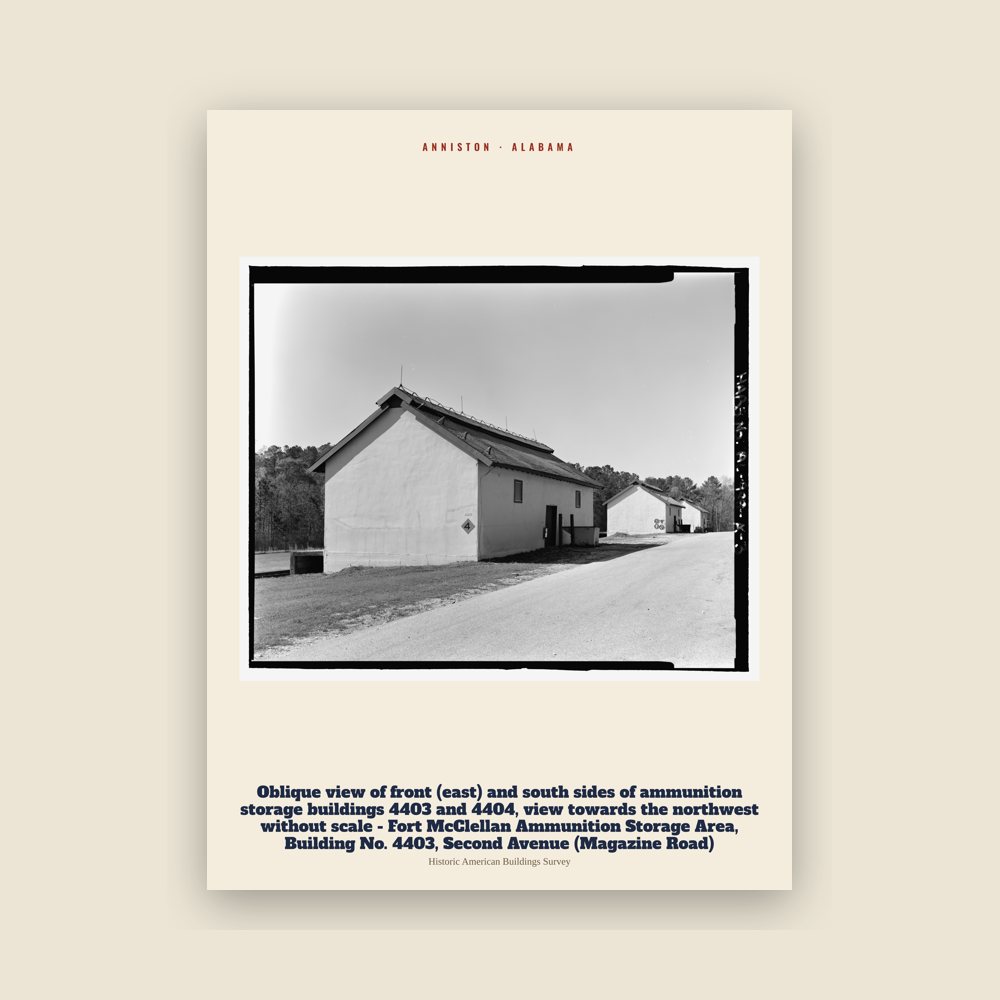
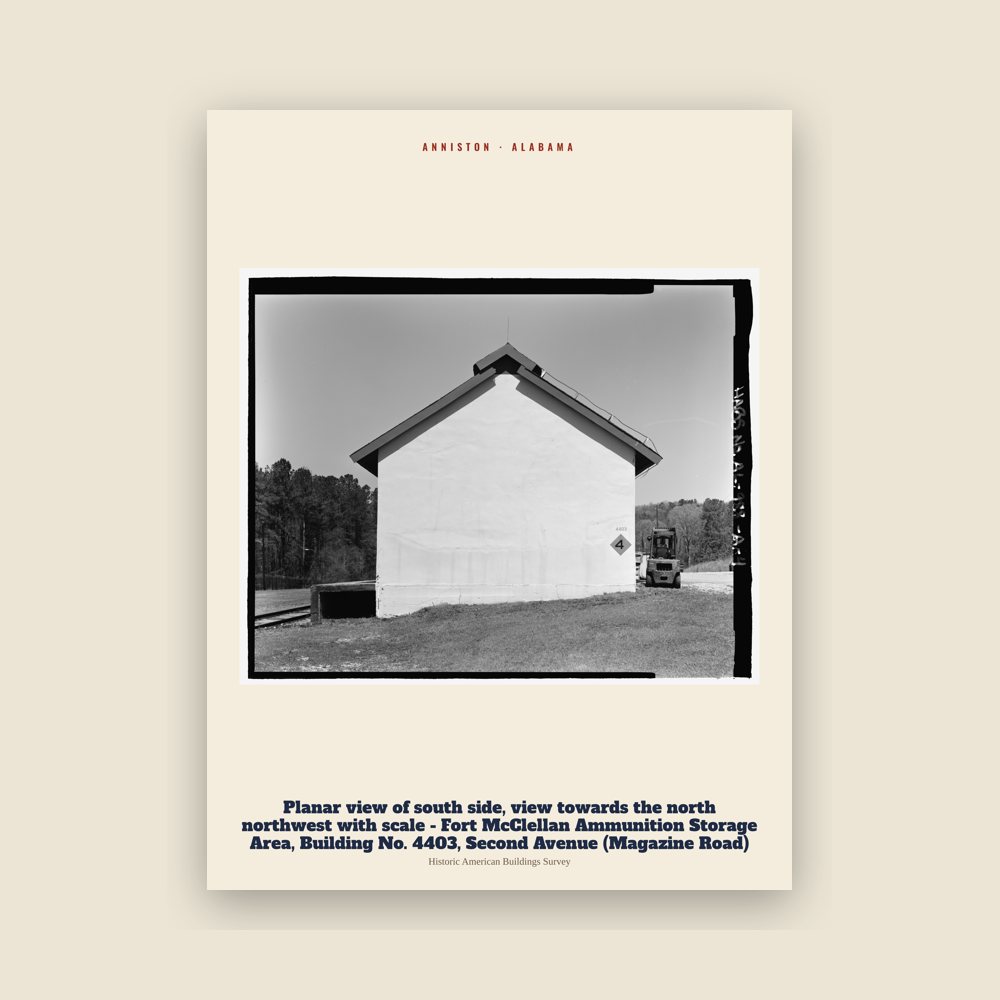
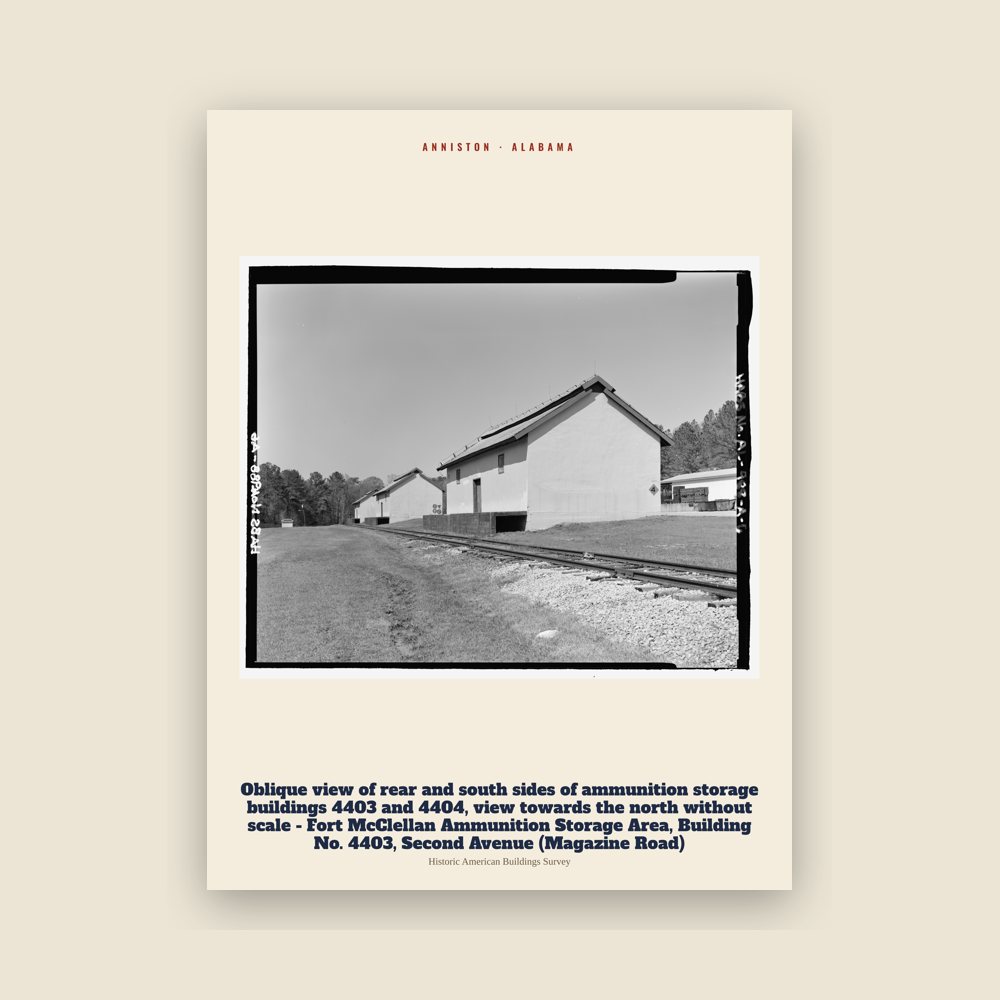
In 1917, at the start of World War I, the United States Army established a training camp at Fort McClellan. On the other side of town, the Anniston Army Depot opened during World War II as a major weapons storage and maintenance site, a role it continues to serve as munitions-incineration progresses. Most of the site of Fort McClellan was incorporated into Anniston in the late 1990s, and the Army closed the fort in 1999 following the Base Realignment and Closure round of 1995.
Civil rights era
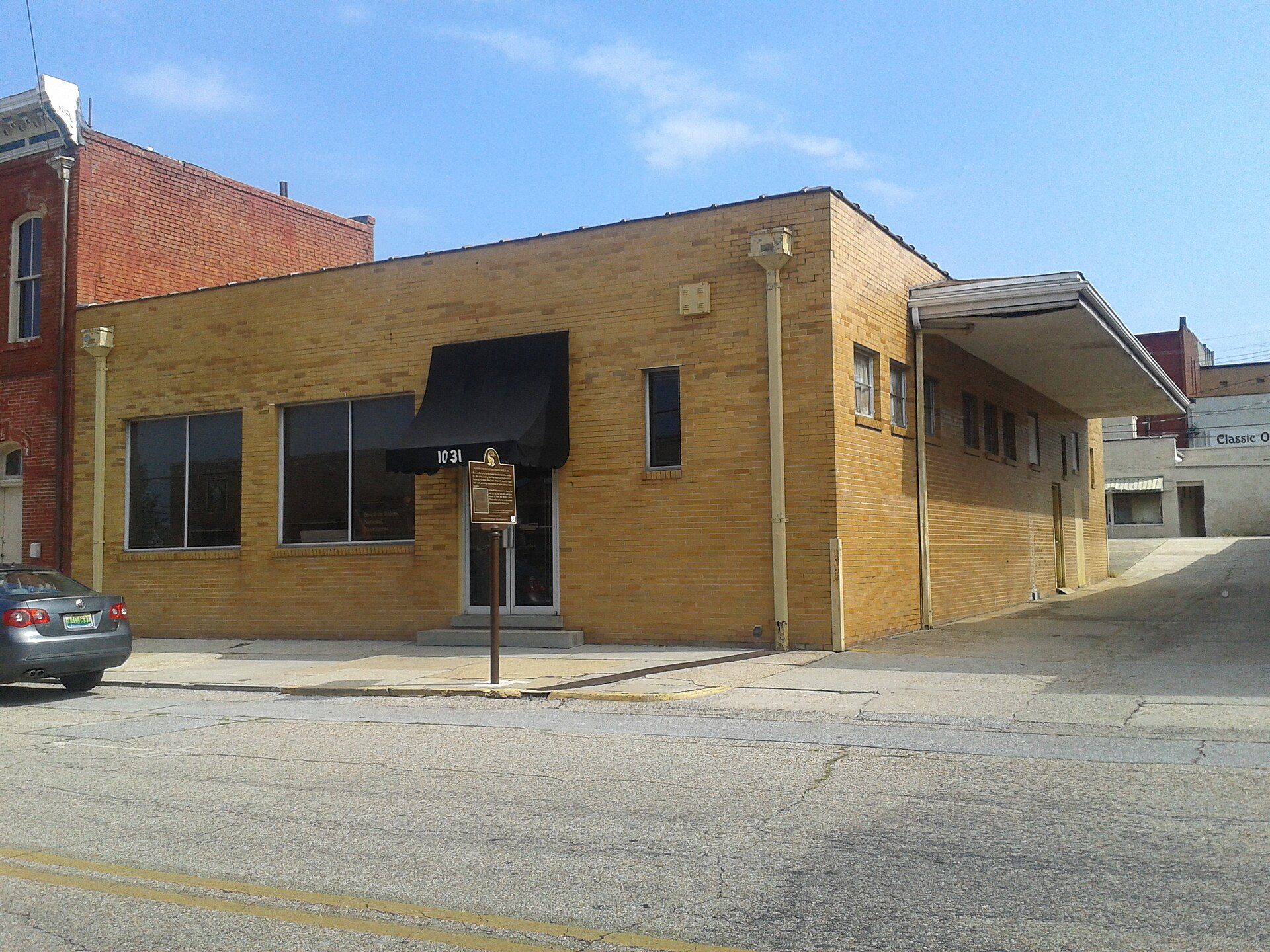
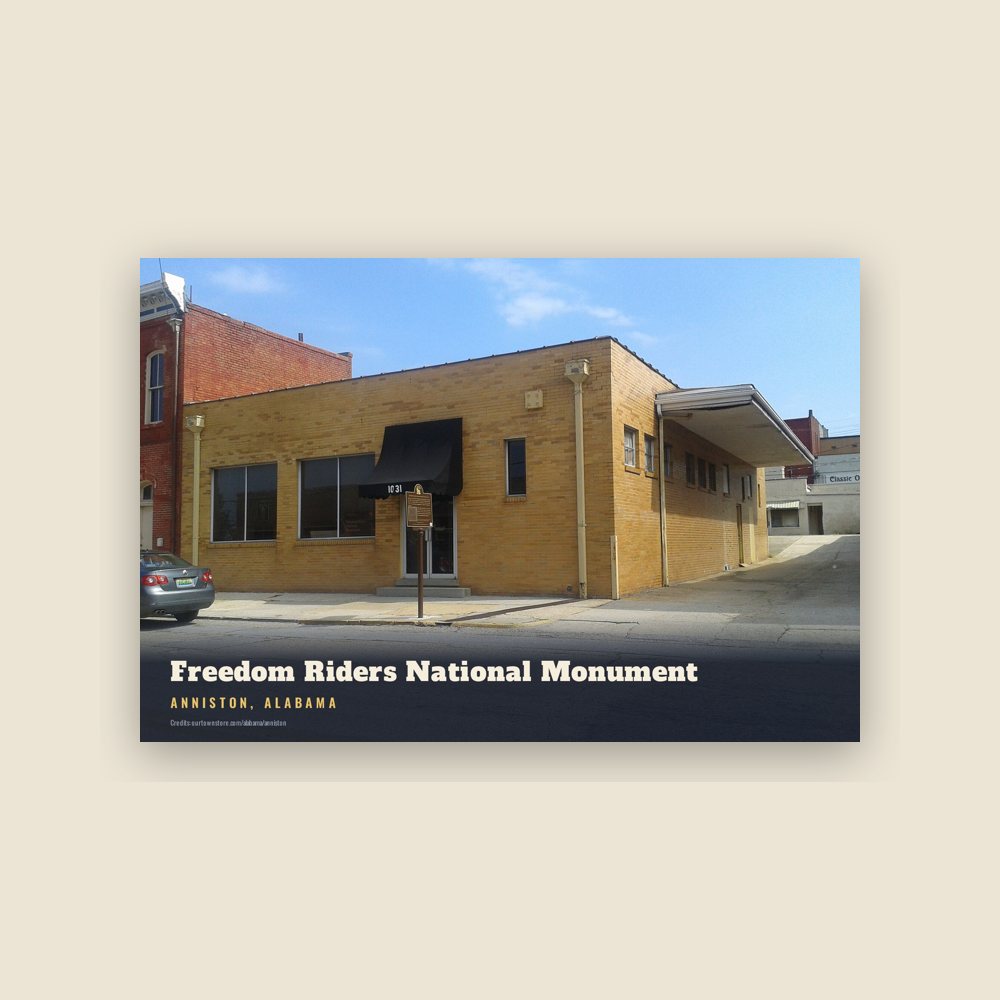
Anniston was the center of national controversy in 1961 when a mob bombed a bus filled with civilian Freedom Riders during the American civil rights movement. As two freedom buses were setting out to travel the south in protest of their civil rights following the Supreme Court case saying segregation in interstate bus travel was unconstitutional, one headed to Anniston, and one to Birmingham, Alabama, before finishing in New Orleans. The Freedom Riders were riding an integrated bus to protest Alabama's Jim Crow segregation laws that denied African Americans their civil rights. One of the buses was attacked and firebombed by a mob outside Anniston on Mother's Day, Sunday, May 14, 1961. Prior to the bus being firebombed, attackers broke windows, and slashed tires, using metal pipes, clubs, chains and crowbars, before the police came to escort the bus away. The bus was forced to a stop just outside of Anniston, in front of Forsyth and Sons grocery, by more mob members. As more windows were broken, rocks and eventually a firebomb were thrown into the bus. As the bus burned, the mob held the doors shut, intent on burning the riders to death. An exploding fuel tank caused the mob to retreat, allowing the riders to escape the bus. The riders were viciously beaten as they tried to flee, where warning shots fired into the air by highway patrolmen prevented the riders from being lynched on the spot. A twelve-year-old girl, Janie Forsyth, set out against the mob with a bucket of water and cups to help the riders, first tending to the one who had looked like her own nanny. Forsyth and Son grocery is located along Alabama Highway 202 about 5 miles (8 km) west of downtown. The site today is home to a historic marker and was designated Freedom Riders National Monument by President Barack Obama in January 2017.
In response to the violence, the city formed a bi-racial Human Relations Council (HRC) made up of prominent white business and religious leaders, but when they attempted to integrate the "whites-only" public library on Sunday afternoon, September 15, 1963 (the same day as the 16th Street Baptist Church bombing in Birmingham), further violence ensued and two black ministers, N.Q. Reynolds and Bob McClain, were severely beaten by a mob. The HRC chairman, white Presbyterian minister Rev. Phil Noble, worked with an elder of his church, Anniston City Commissioner Miller Sproull, to avoid KKK mob domination of the city. In a telephone conference with President John F. Kennedy, the President informed the HRC that after the Birmingham church bombing he had stationed additional federal troops at Fort McClellan. On September 16, 1963, with city police present, Noble and Sproull escorted black ministers into the library. In February 1964, Anniston Hardware, owned by the Sproull family, was bombed, presumably in retaliation for Commissioner Sproull's integration efforts.
On the night of July 15, 1965, a white racist rally was held in Anniston, after which Willie Brewster, a black foundry worker, was shot and killed while driving home from work. A $20,000 reward was raised by Anniston civic leaders, and resulted in the apprehension, trial and conviction of the accused killer, Damon Strange, who worked for a leader of the Ku Klux Klan. Historian Taylor Branch called the conviction of Damon Strange a "breakthrough verdict" on p. 391 of his Pulitzer Prize-winning book, At Canaan's Edge. Strange was convicted by an all-white Calhoun County jury to the surprise of many people, including civil rights leaders who had planned to protest an acquittal. This was the first conviction of a white person for killing a black person in civil rights era Alabama.
PCB contamination
PCBs were produced in Anniston from 1929 to 1935 by the Swann Chemical Company. In 1935 Monsanto Industrial Chemicals Co. bought the plant and took over production, which continued until 1971. In 1969, the plant was discharging about 250 pounds (110 kg) of the chemicals into Snow Creek per day, according to internal company documents.
The Anniston PCB site consists of residential, commercial, and public properties located in and around Anniston, Calhoun County, Alabama, that contain or may contain hazardous substances, including polychlorinated biphenyl (PCB) impacted media. The Site is not listed on the NPL, but is considered to be a NPL-caliber site.
21st century
In 2016, attorney Jack Draper was elected mayor of Anniston, and he was reelected to a second term in 2020. After a law was passed in Alabama extending mayoral terms by one year, Draper resigned in 2025, citing the effects of the extended incumbency, in addition to focusing on his health and family. Vice mayor Ciara Smith (later Ciara Smith-Roston) succeeded Draper via appointment, and she became the youngest and first African-American person to hold the office of mayor. Smith was elected to a full term as mayor in her own right during the 2025 municipal elections, also becoming the first elected mayor to hold these distinctions.
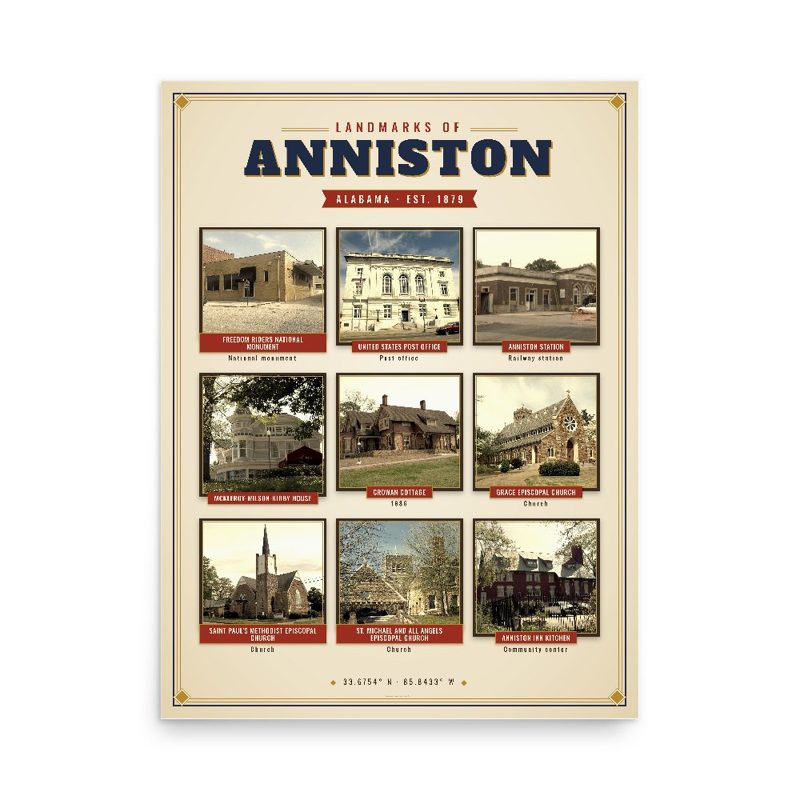
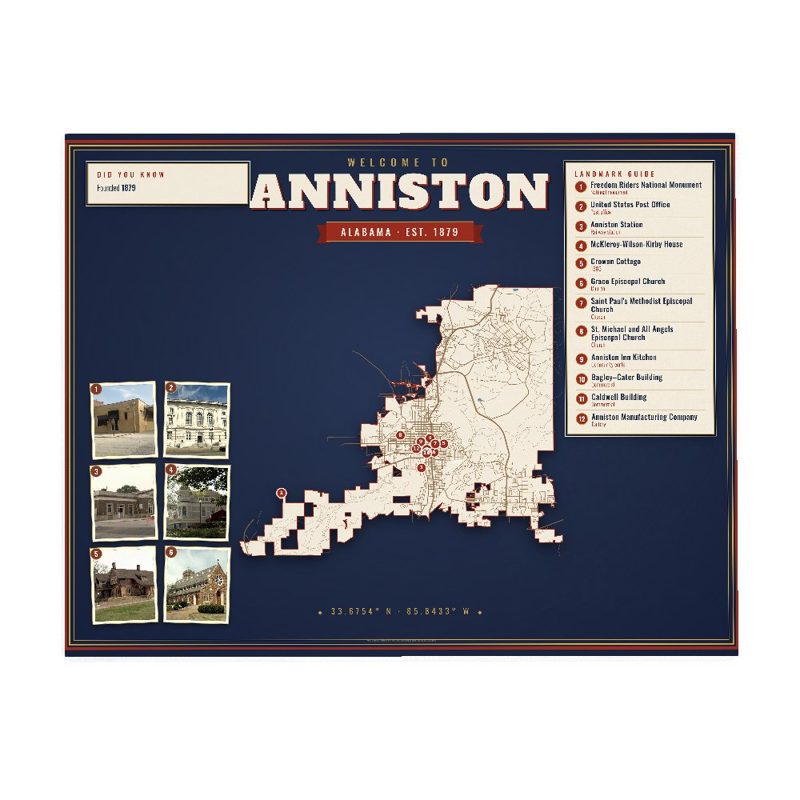


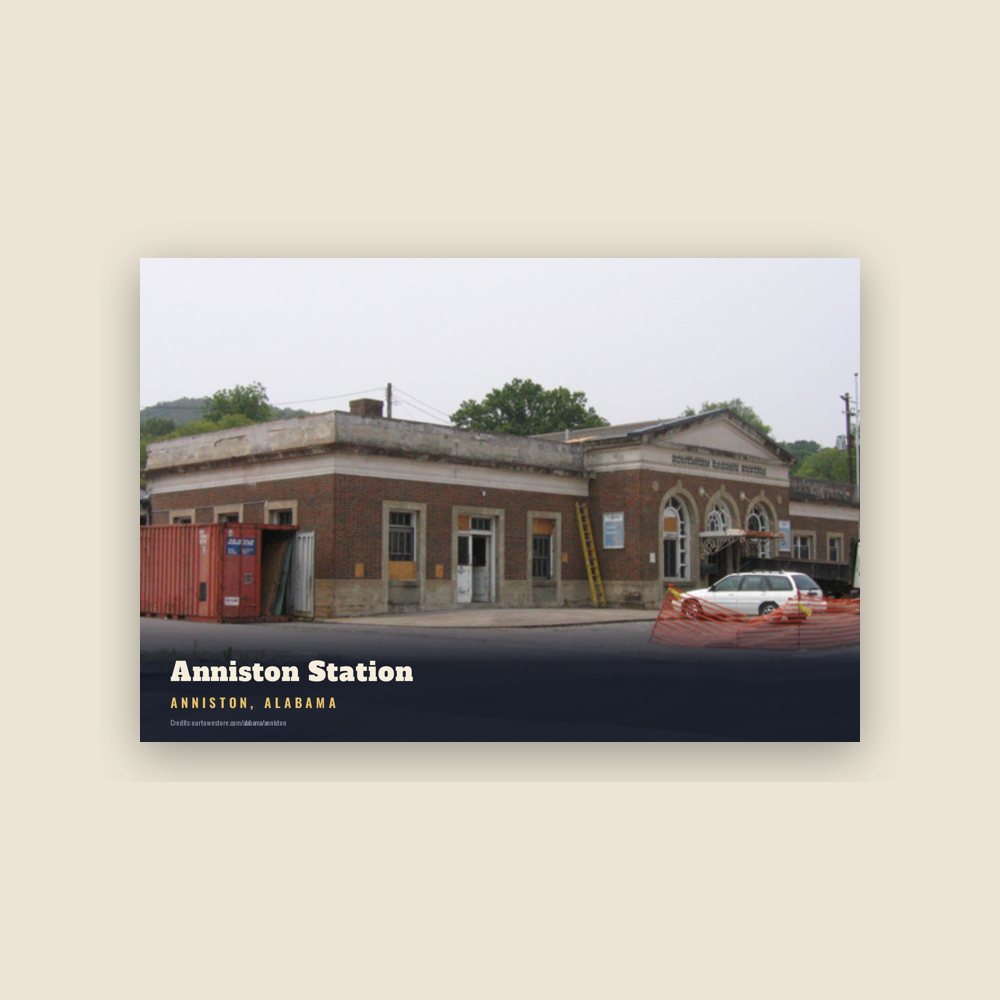
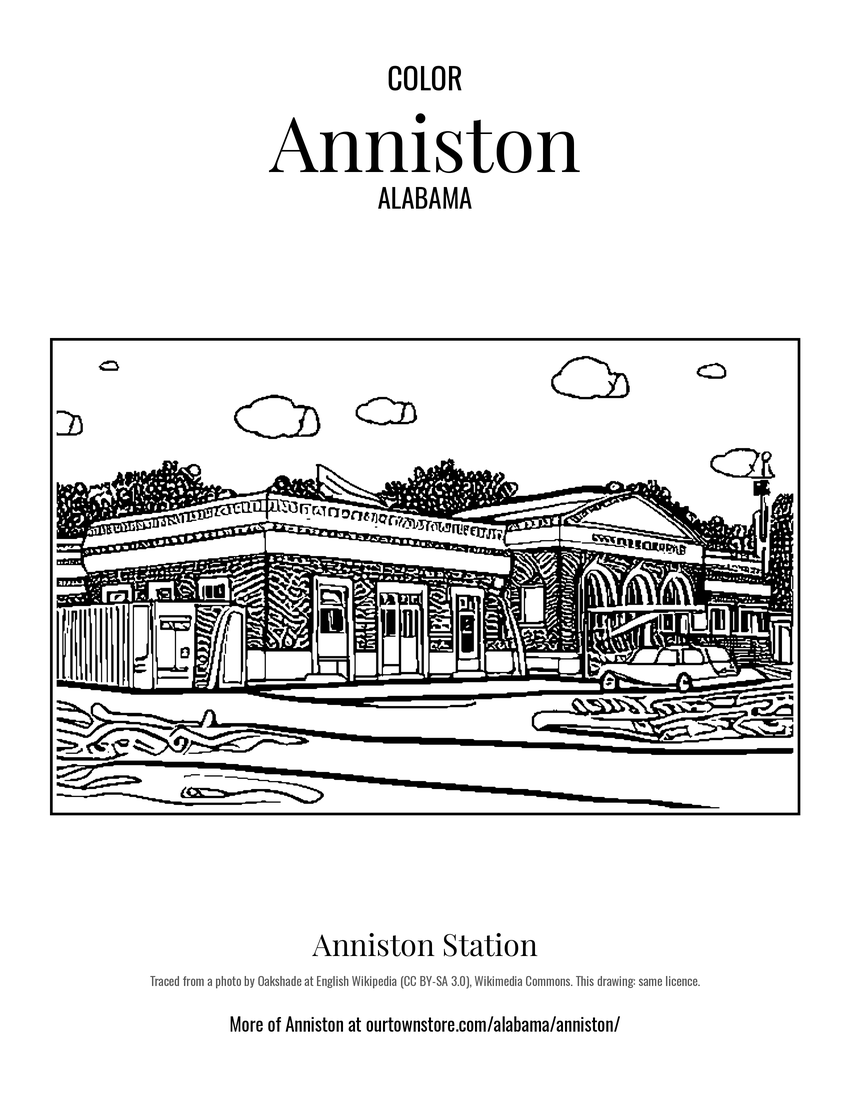 Anniston Station
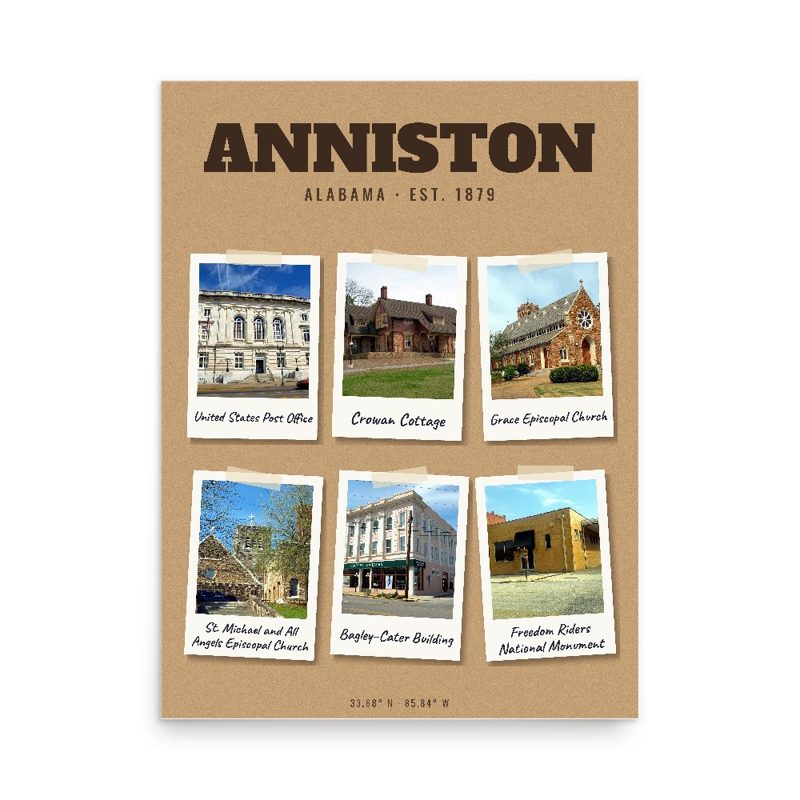
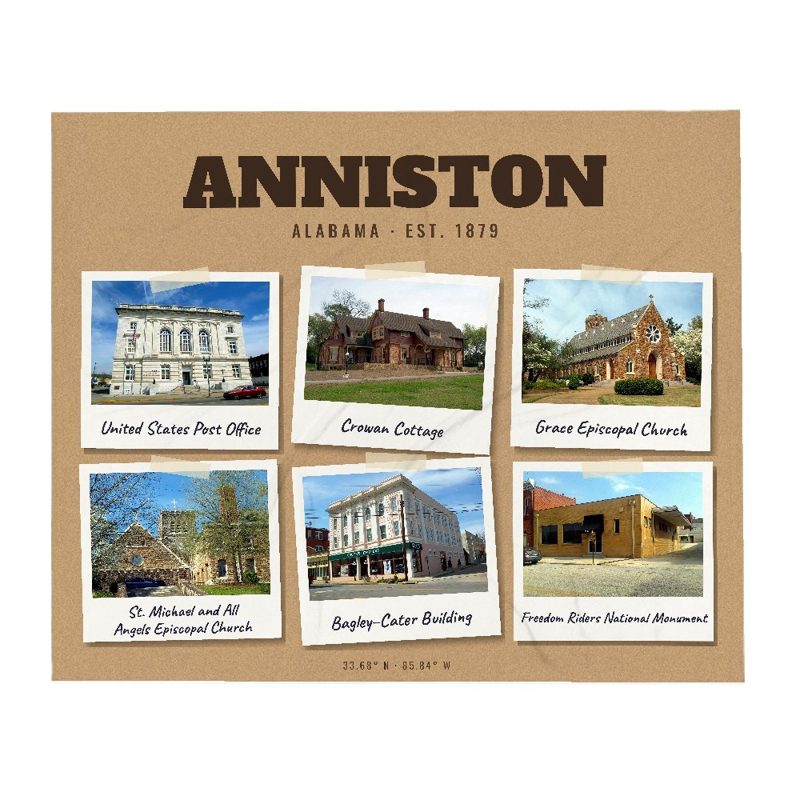
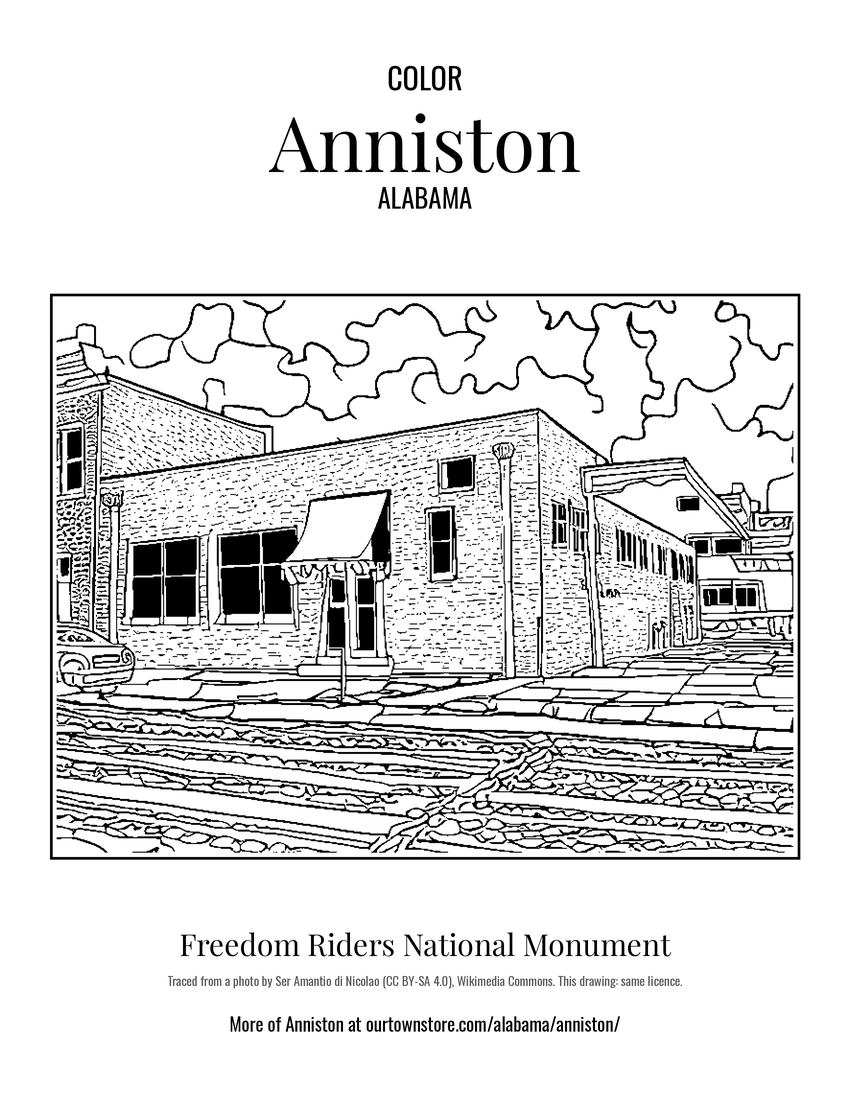 Freedom Riders National Monument
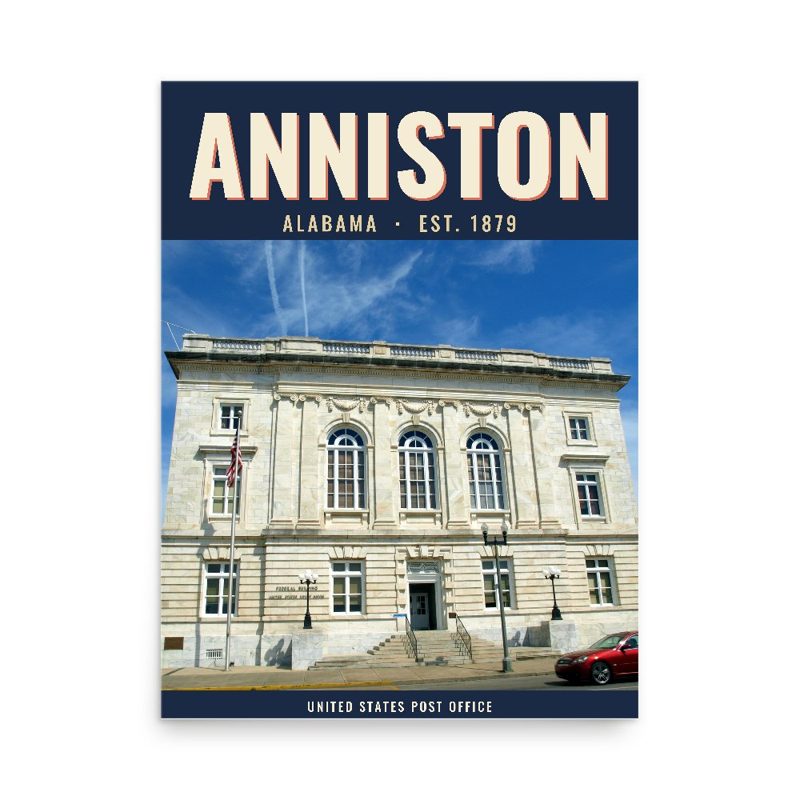
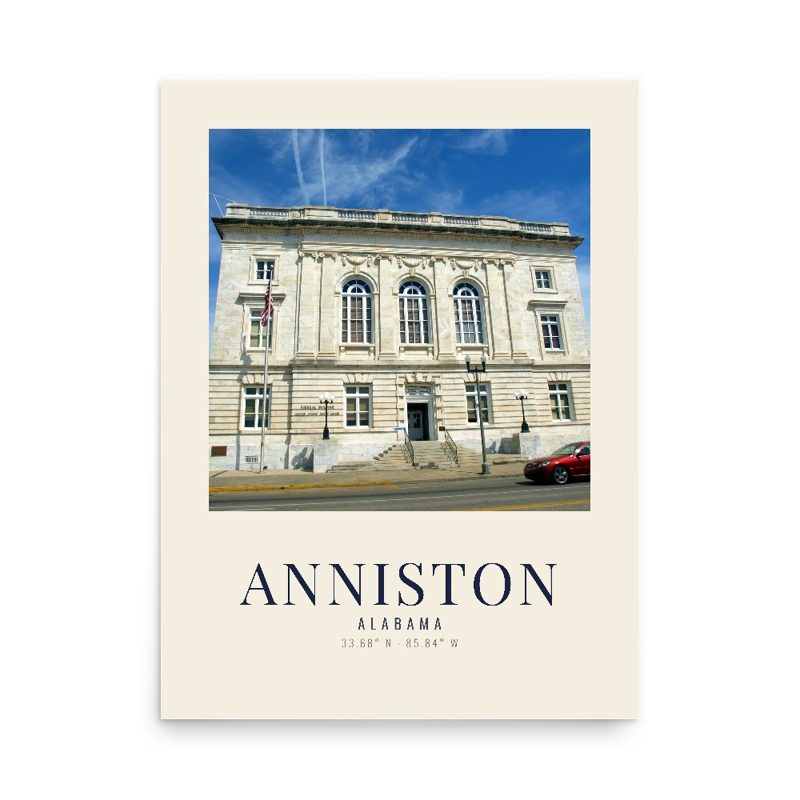
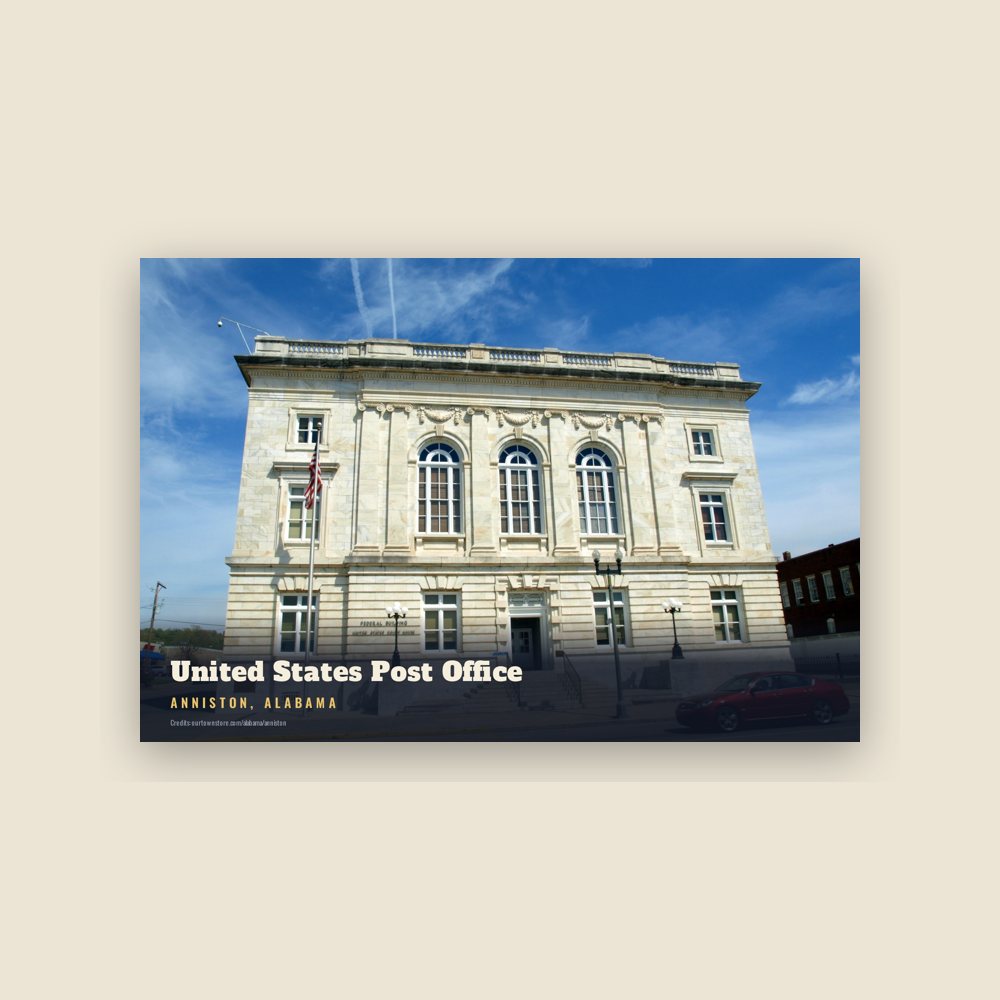
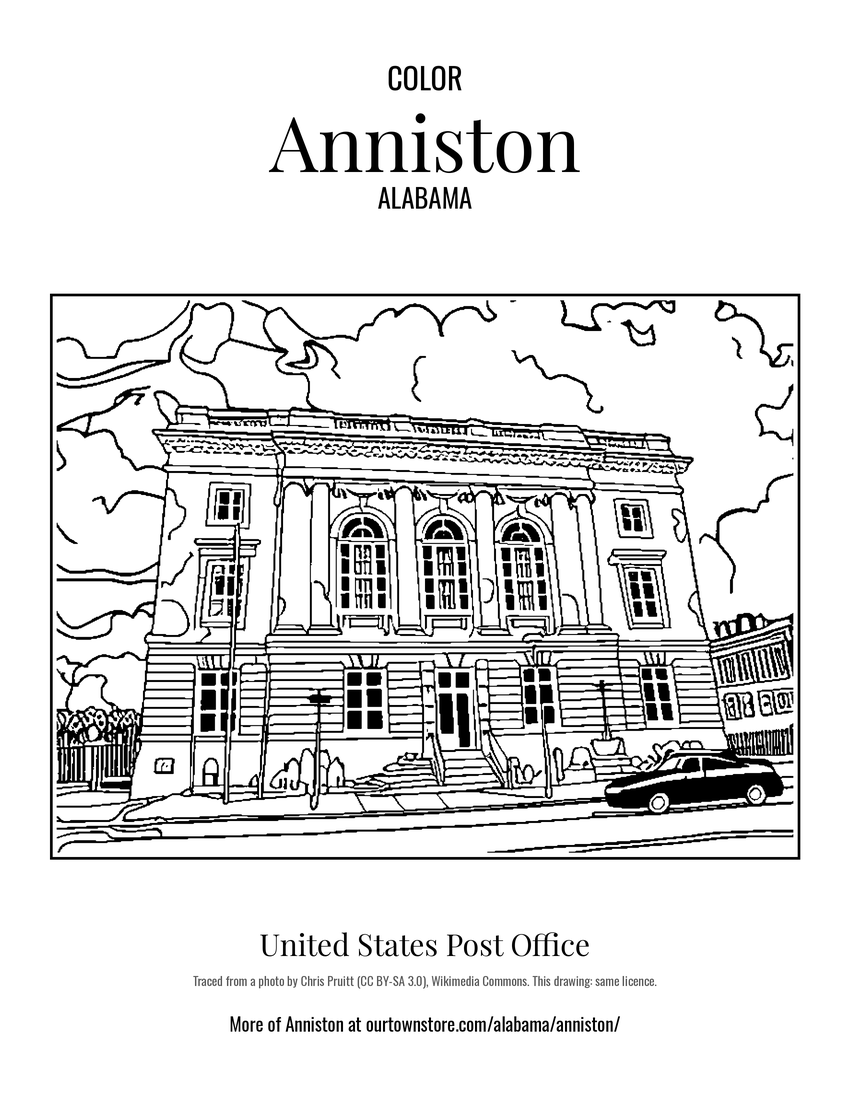 United States Post Office
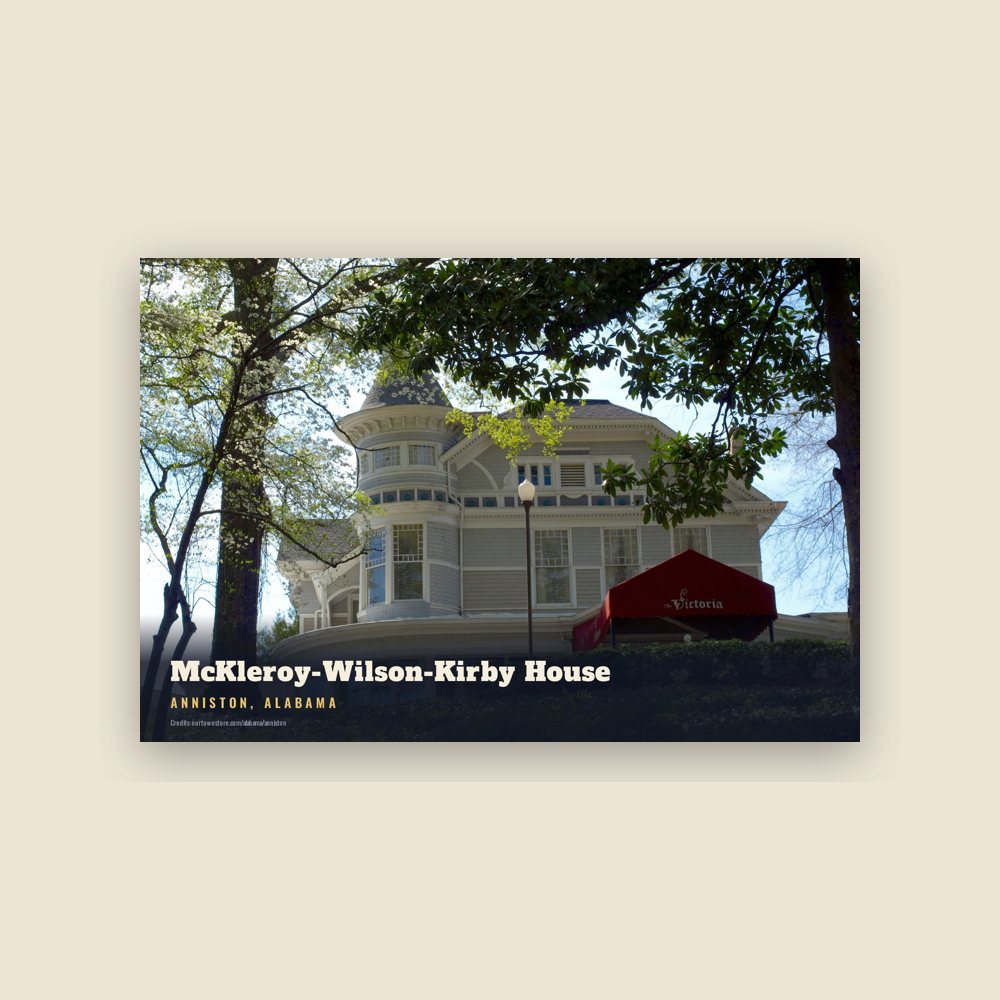
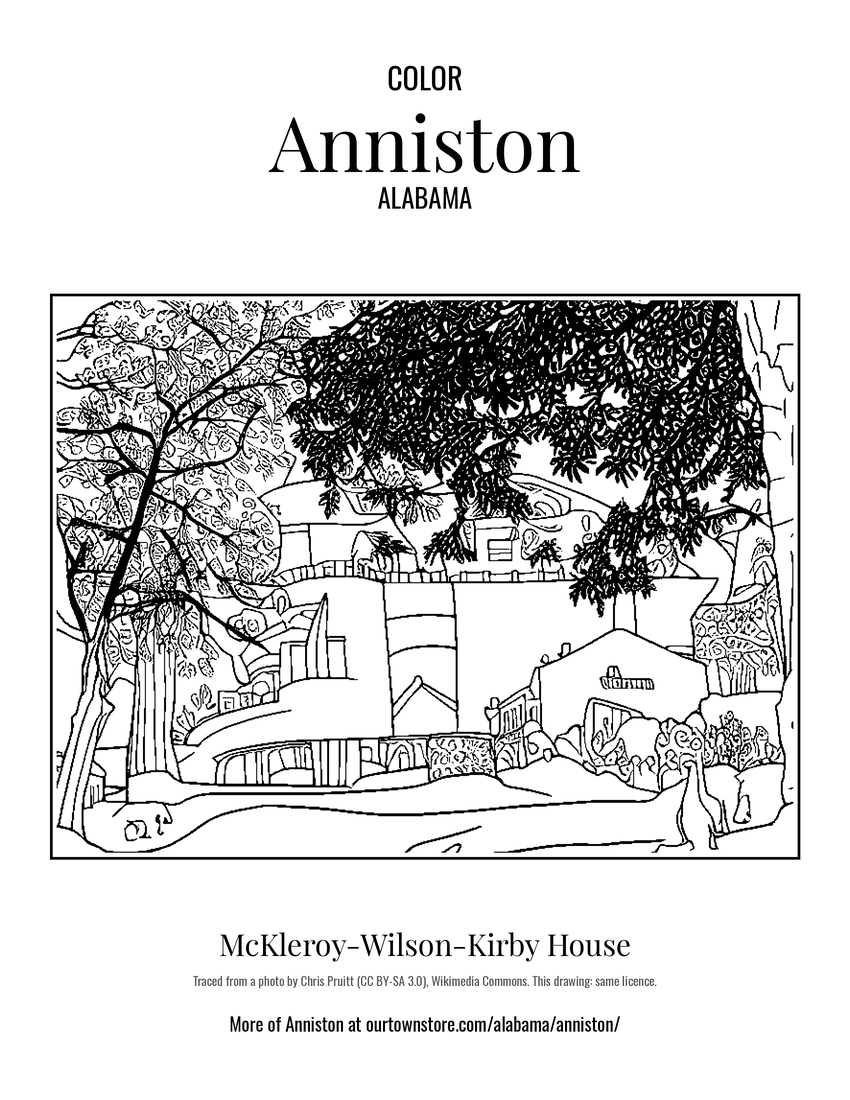 McKleroy-Wilson-Kirby House