Winnebago County, Wisconsin
Street maps, historic prints and keepsakes for 7 Winnebago County towns.
The oldest is Neenah, established 1873. The largest by population is Appleton (75,644).
| Town | Established | Population |
|---|---|---|
| Appleton | – | 75,644 |
| Fox Crossing | – | 18,974 |
| Menasha | – | 18,268 |
| Neenah | 1873 | 27,319 |
| Omro | – | 3,652 |
| Oshkosh | – | 66,816 |
| Winneconne | – | 2,544 |
About these towns
Appleton: The territory where Appleton is today was formerly occupied by the Ho-Chunk and the Menominee. The Menominee Nation ceded the territory to the United States in the Treaty of the Cedars in 1836.
Fox Crossing: The Town of Menasha was organized on April 3, 1855, in part from land formerly belonging to the Town of Neenah. The original land area of the town was reduced over several decades due to annexations by the cities of Menasha and Appleton.
Menasha: The Menominee people inhabited the Fox River Valley for over 10,000 years. Ancestors of the Ho-Chunk also occupied what is currently Menasha, with a village known as "Menashay" on what is now Doty Island, led by Chief Hootschope (Four Legs).
Neenah: Neenah was named by Governor James Duane Doty from the Hoocąk word for "water" or "running water". It was the site of a Ho-Chunk village from at least the late 18th century through 1830.
Omro: OMRO, P. V., on section 17 and 18, in town of Bloomingdale, Winnebago county, at the junction of the Manitowoc and Menasha, (extended), and the Waupun and Liberty Prairie plank roads.
Oshkosh: Oshkosh was named for Menominee Chief Oshkosh, whose name meant "claw" (cf. Ojibwe oshkanzh, "the claw"). Although the fur trade attracted the first European settlers to the area as early as 1818, it never became a major player in the fur trade.
Winneconne: This area was originally occupied by succeeding cultures of indigenous peoples. The historic Menominee people were settled in the area at the time of European encounter.
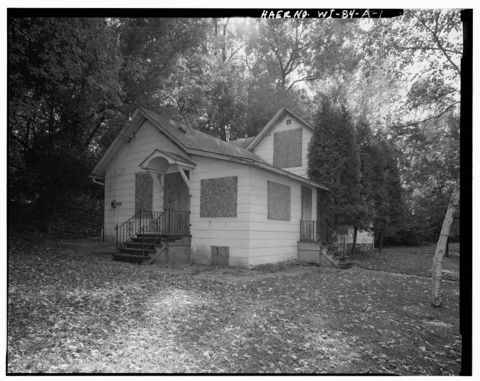 AppletonWisconsin
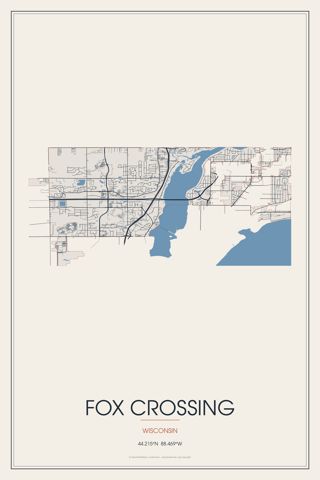 Fox CrossingWisconsin
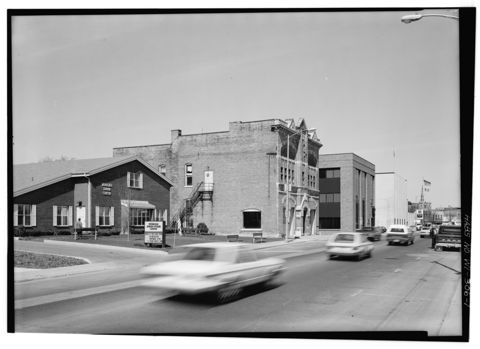 MenashaWisconsin
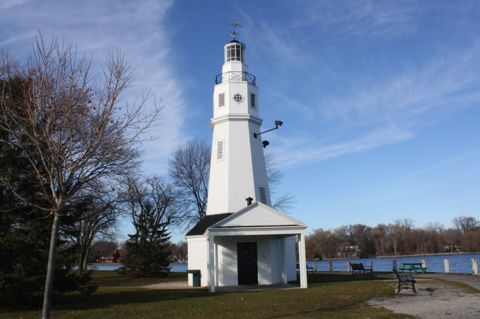 NeenahWisconsin · Est. 1873
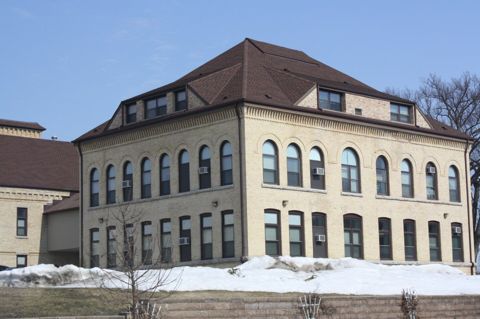 OmroWisconsin
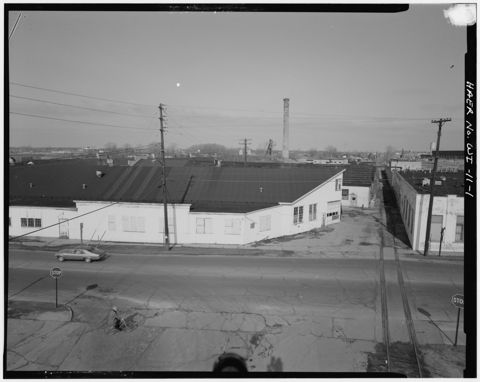 OshkoshWisconsin
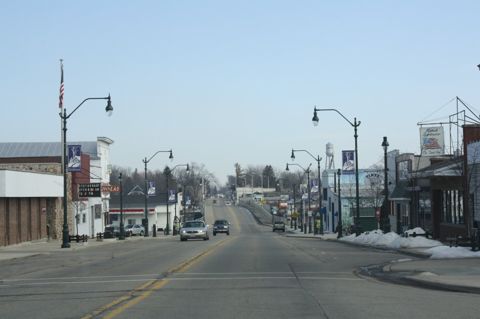 WinneconneWisconsin
Founding years, populations and town notes come from each town's Wikipedia and Wikidata entries. All Wisconsin towns.