Outagamie County, Wisconsin
Street maps, historic prints and keepsakes for 15 Outagamie County towns.
The oldest is Shiocton, established 1903. The largest by population is Howard (19,950).
| Town | Established | Population |
|---|---|---|
| Bear Creek | – | 427 |
| Black Creek | – | 1,357 |
| Bovina Town | – | 1,153 |
| Cicero Town | – | 1,008 |
| Combined Locks | – | 3,634 |
| Greenville | – | 12,687 |
| Hortonville | – | 3,028 |
| Howard | – | 19,950 |
| Kaukauna | – | 17,089 |
| Kimberly | – | 7,320 |
| Little Chute | – | 11,619 |
| Nichols | – | 290 |
| Osborn Town | – | 1,200 |
| Shiocton | 1903 | 939 |
| Wrightstown | – | 3,179 |
About these towns
Bear Creek: Bear Creek is the name of some places in the U.S. state of Wisconsin:Bear Creek, Outagamie County, Wisconsin, a village Bear Creek, Sauk County, Wisconsin, a township Bear Creek, Waupaca County, Wisconsin, a town Bear Creek Corners, Wisconsin, an unincorporated community
Black Creek: In the Menominee language, Black Creek is known as Enāēnohnyah, "Little Walks Plainly", which is a man's name. The territory where Black Creek is today was originally occupied by several different Native American nations.
Bovina Town: The village of Shiocton is located within the town.
Cicero Town: Cicero was originally separated from the Town of Black Creek (then Black Creek's northern half). Petitioners requested the new town in January 1871.
Combined Locks: It is a part of the Appleton, Wisconsin Metropolitan Statistical Area.
Greenville: After an incorporation attempt was denied by the Wisconsin Incorporation Review Board, the town held a referendum for a partial incorporation in November 2020.
Hortonville: In 1848, Alonzo Horton purchased 1,500 acres from the governor of Wisconsin, now known as the Town of Hortonia and the Village of Hortonville, for 70 cents per acre.
Howard: The Green Bay area was first explored by Europeans in 1634, when Jean Nicolet, a French voyager, arrived in the area. The Town of Howard was established in 1835 and slowly developed along Duck Creek as a center for mail delivery, farming, quarrying and lumbering.
Kaukauna: Kaukauna is a Native American word and in various languages means "portage", "long portage", "place where pickerel are caught", and "place of pike".
Kimberly: Kimberly was originally known as The Cedars (after the Treaty of the Cedars) and later as Smithfield. In 1889 it was renamed after John A.
Little Chute: While sharing in the history of northeast Wisconsin, Little Chute has been influenced by two unique factors: the rapids and portages along the Fox River and the coming of Dutch-Catholic settlers in 1848.
Osborn Town: The unincorporated community of Five Corners is partially located in the town. The ghost town of Lime Rock was also located partially in the town.
Shiocton: In the Menominee language, this place is known as Māēnomehsāyak 'wild rice along the banks'. The name refers to the wild rice which is a traditional staple of the diets of many Native Americans living in the area, particularly the Menominee, whose name in English is ultimately from an Ojibwe word meaning 'people of the wild rice'.
Wrightstown: The area now known as Wrightstown lies within the ancestral homeland of the Menominee people, who inhabited the Fox River Valley for over 10,000 years.
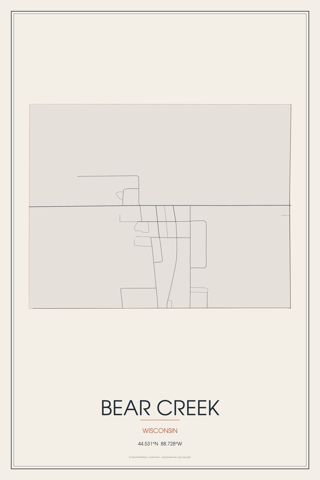 Bear CreekWisconsin
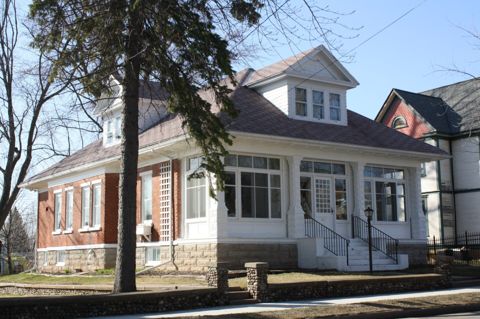 Black CreekWisconsin
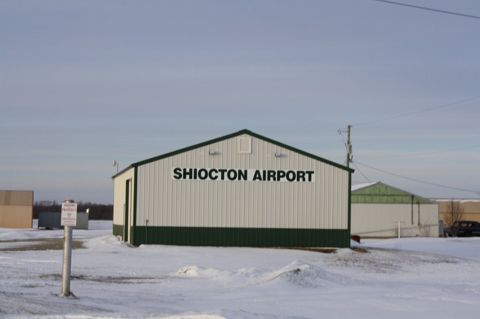 Bovina TownWisconsin
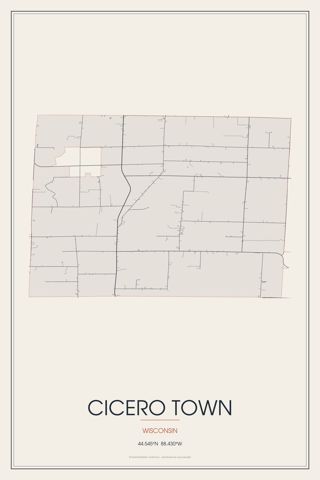 Cicero TownWisconsin
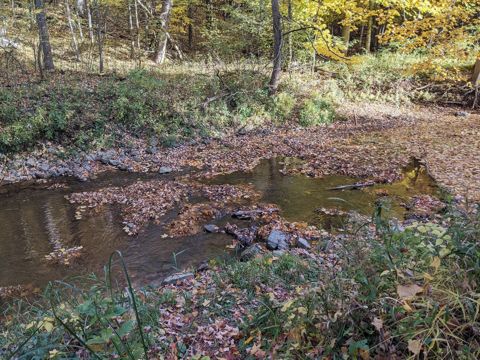 Combined LocksWisconsin
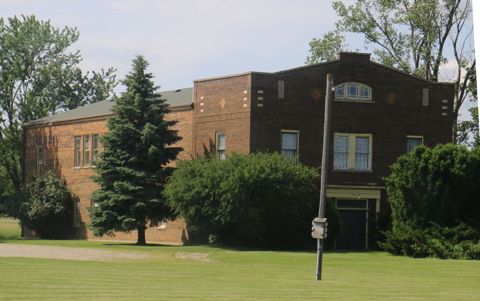 GreenvilleWisconsin
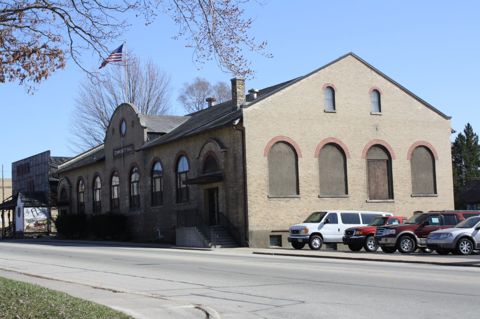 HortonvilleWisconsin
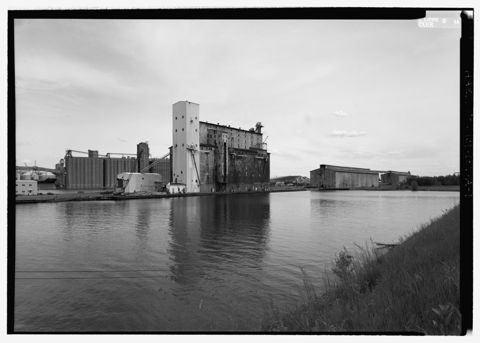 HowardWisconsin
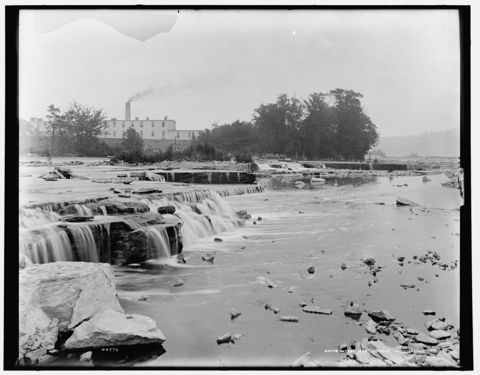 KaukaunaWisconsin
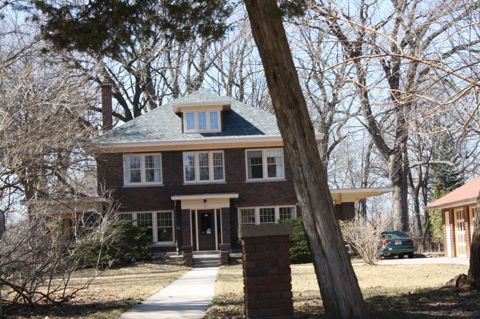 KimberlyWisconsin
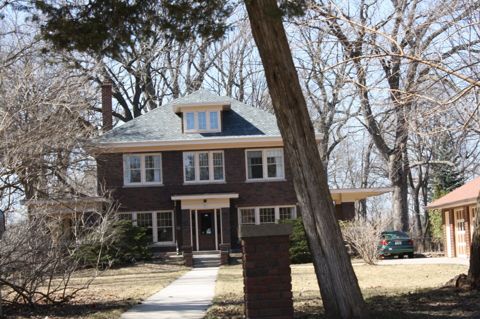 Little ChuteWisconsin
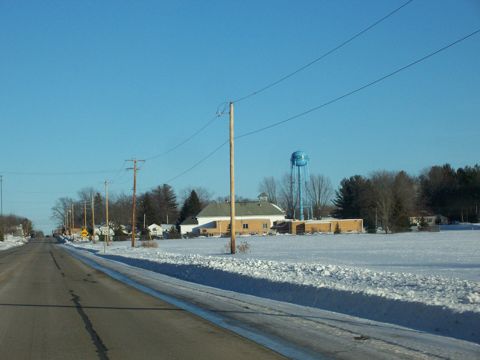 NicholsWisconsin
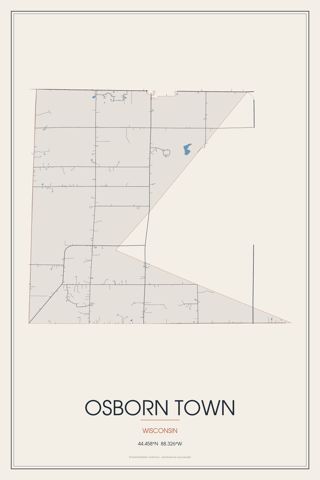 Osborn TownWisconsin
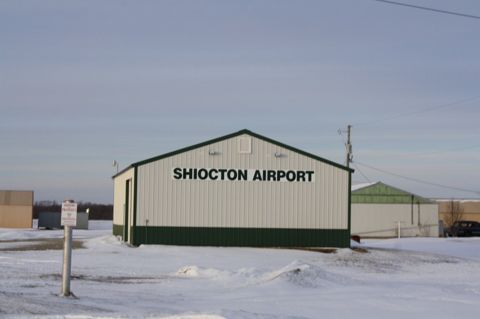 ShioctonWisconsin · Est. 1903
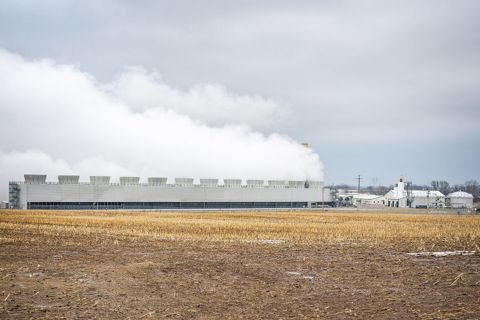 WrightstownWisconsin
Founding years, populations and town notes come from each town's Wikipedia and Wikidata entries. All Wisconsin towns.