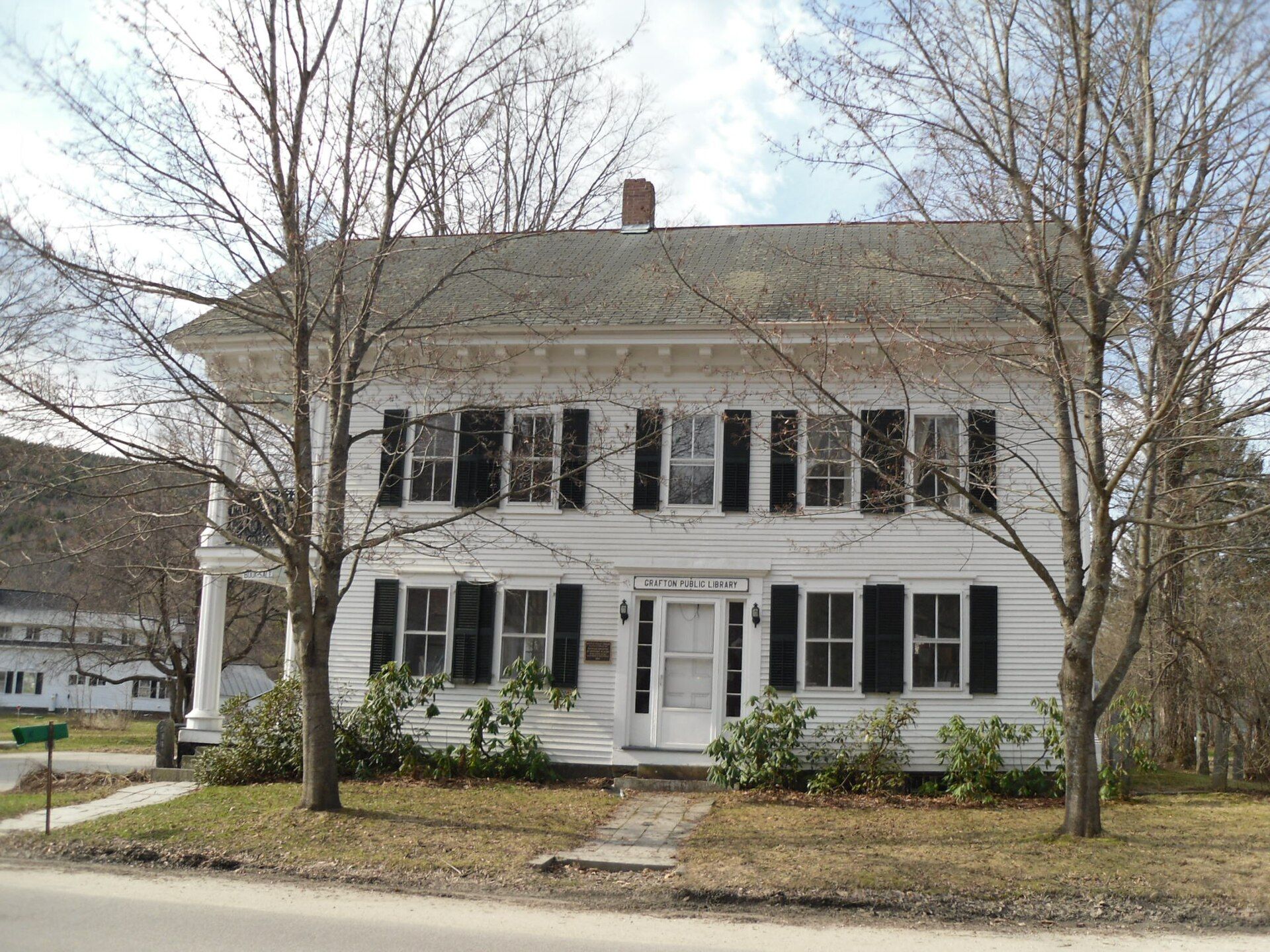
Grafton had a population of almost 1,500 just before the American Civil War. Landmarks include Grafton Congregational Church and Chapel, Park Farm and Houghtonville Historic District. Grafton is the birthplace of John Barrett, United States diplomat.
Every piece is drawn from Grafton's own map data and historic archives, then printed and shipped from the USA when you order. No two towns look alike.
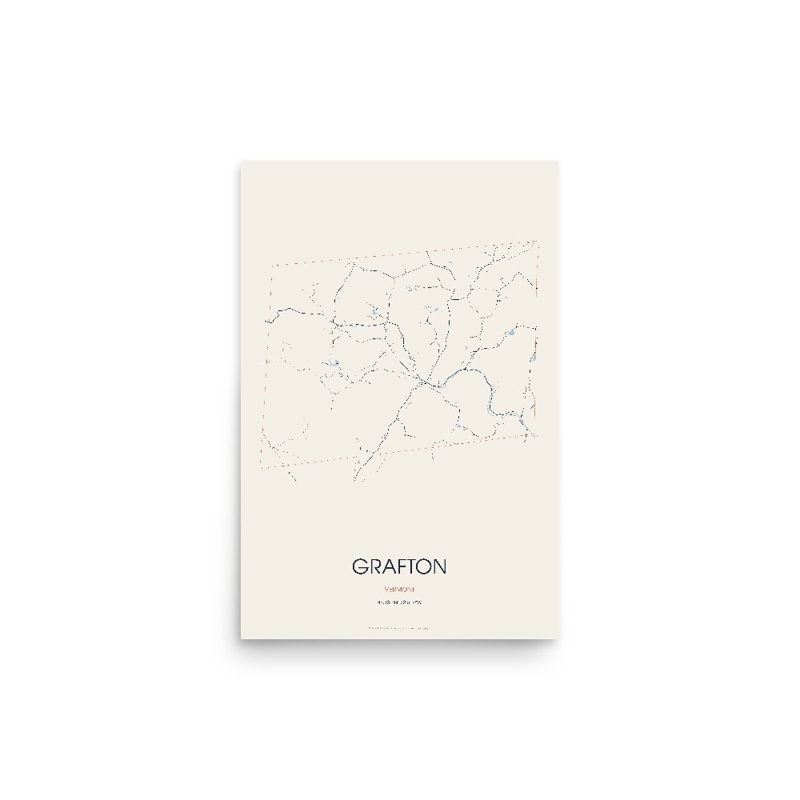
Every road in town, on archival matte paper
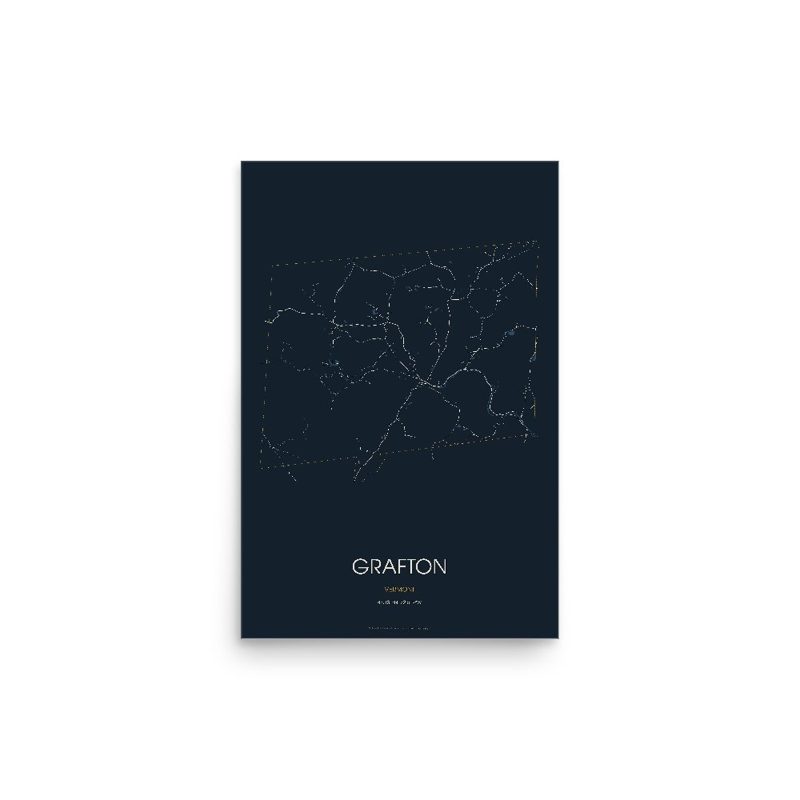
The same map, in navy and silver
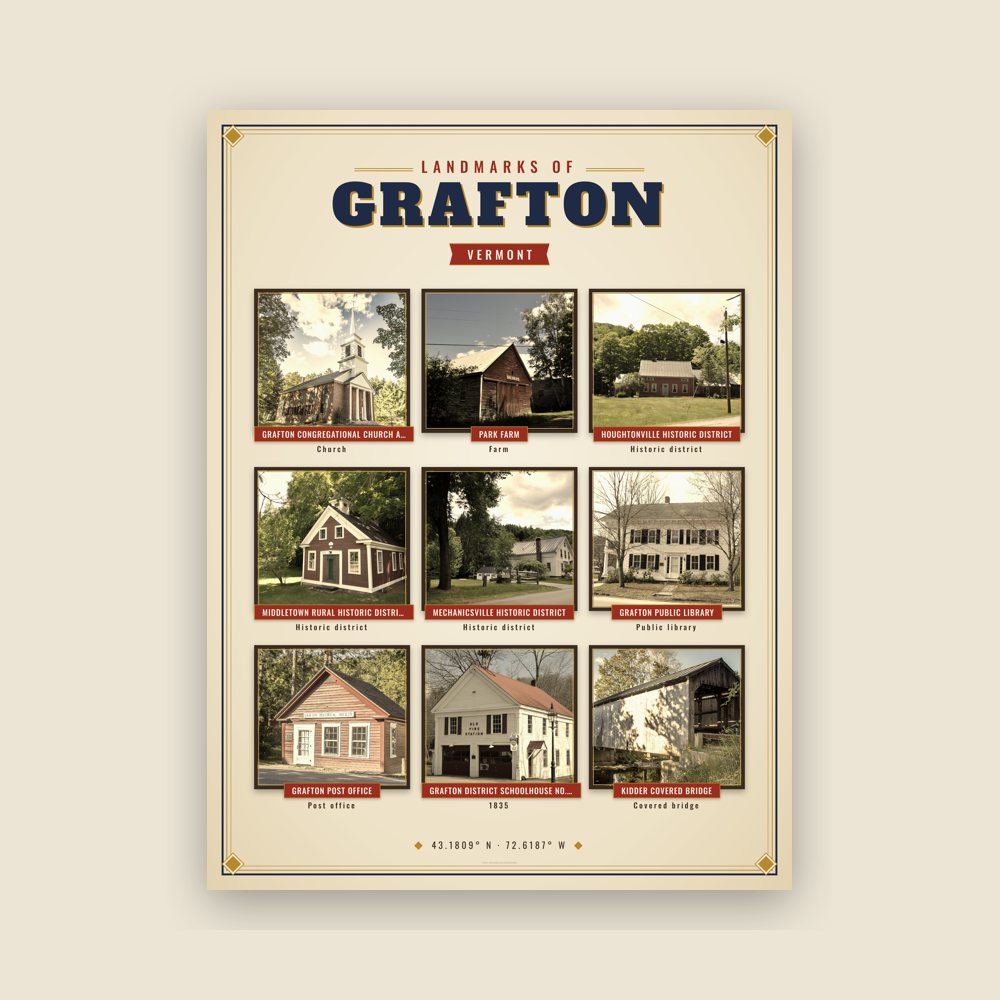
Nine local landmarks, archival matte
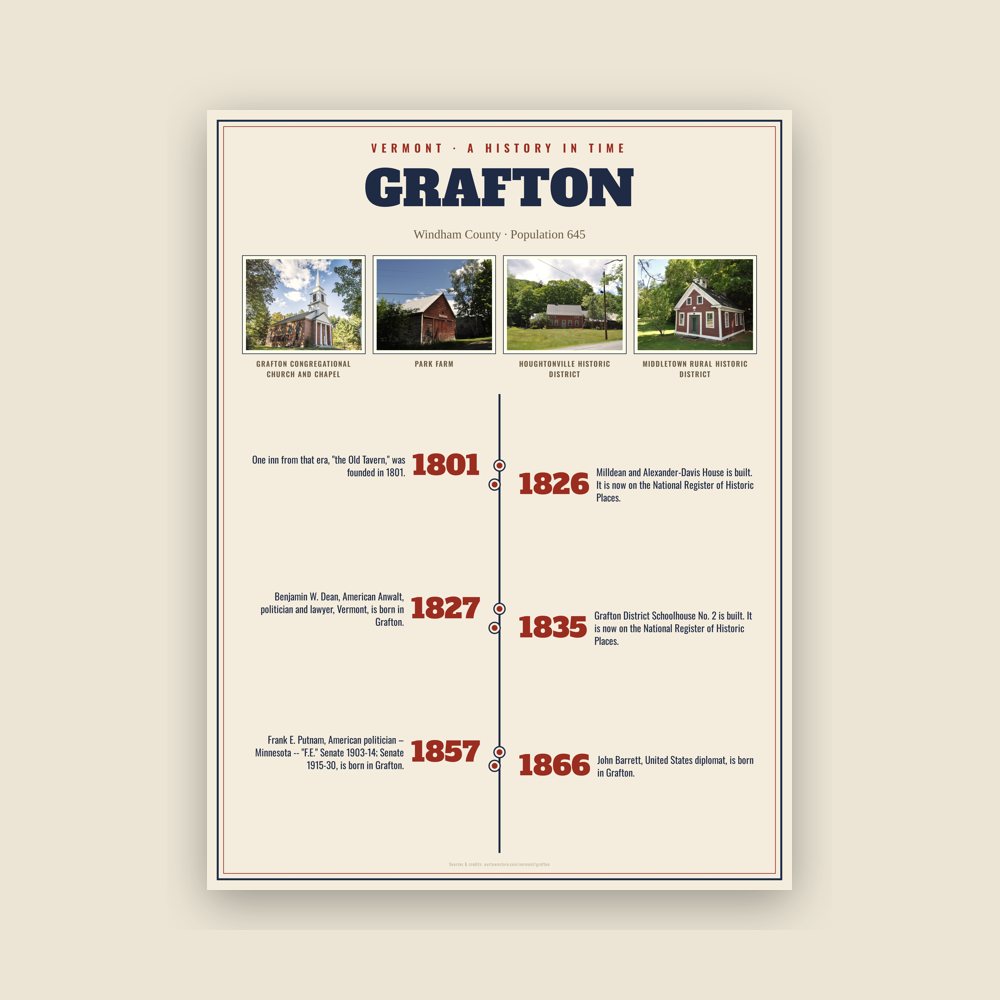
The town's story in dates, from its own records, for home or classroom
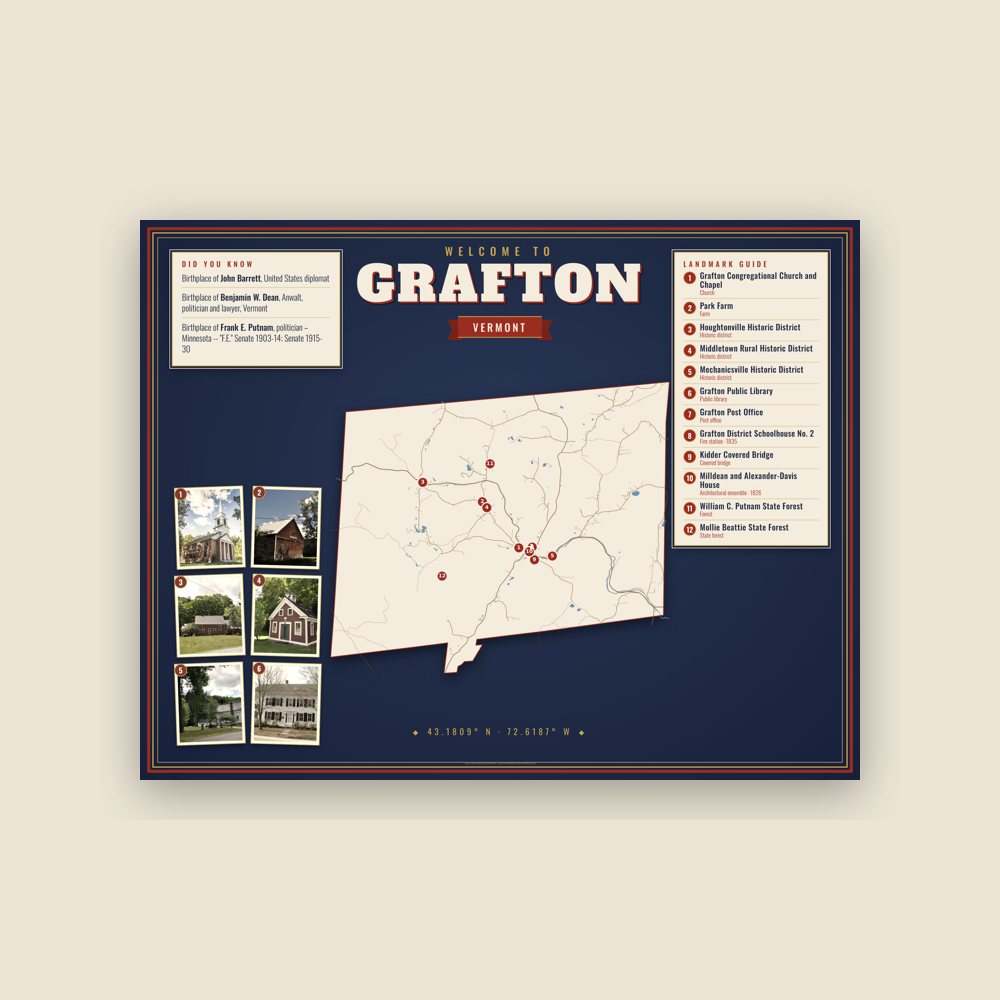
Map of local landmarks, washable fabric
Heavy-blend fleece, street map printed on the back
Soft Bella+Canvas jersey
Glossy ceramic, dishwasher safe
Ceramic keepsake, gold ribbon
Weatherproof, for the front walk
24″×16″, printed coir-look fibers, rubber back
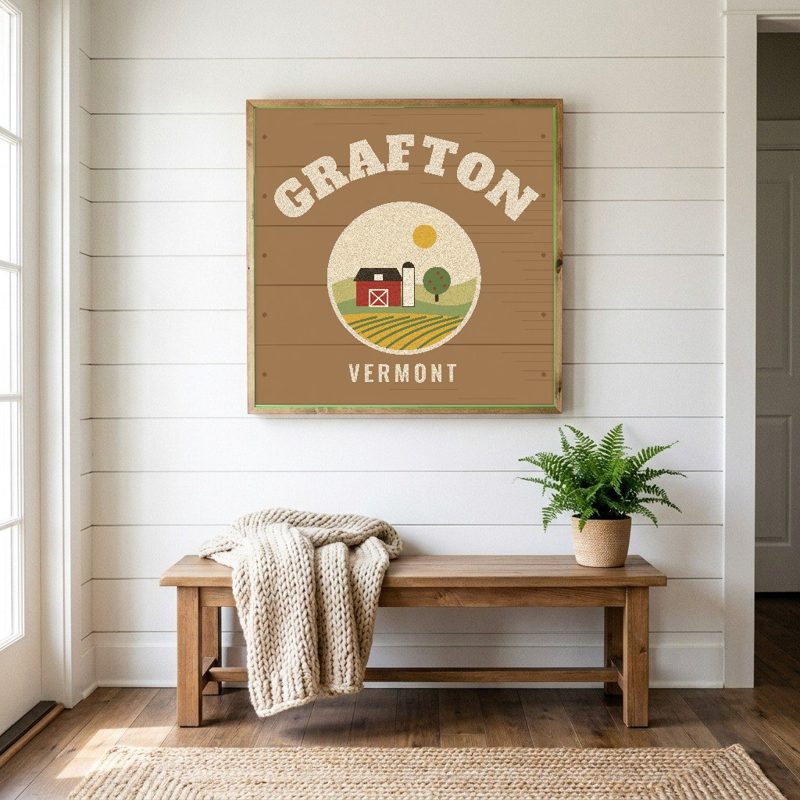
12″×12″ printed wood, ready to hang
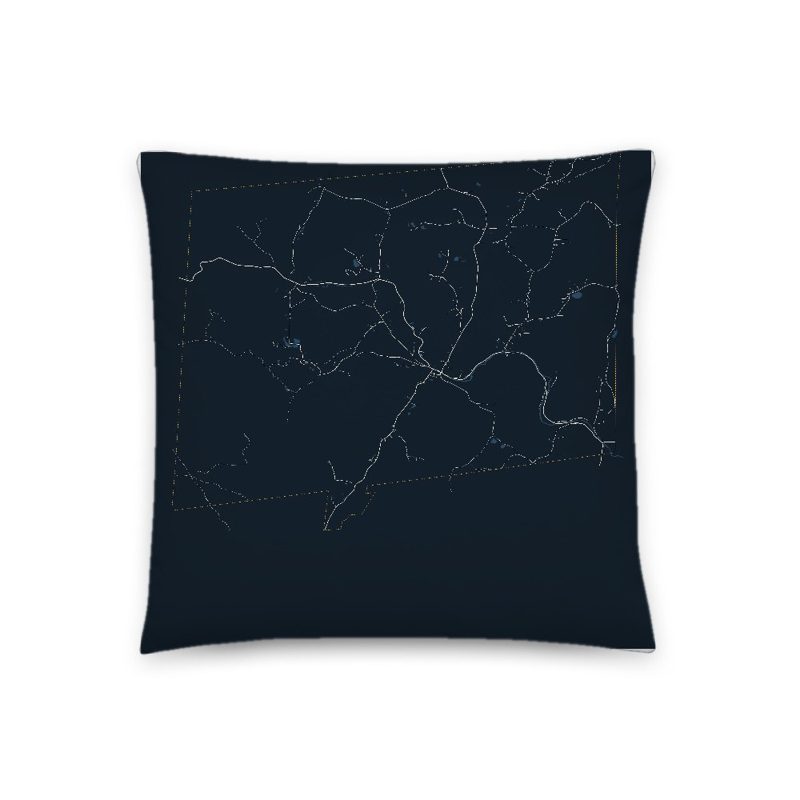
Soft-touch, zip cover
Sturdy all-over-print tote
Glossy top, cork back
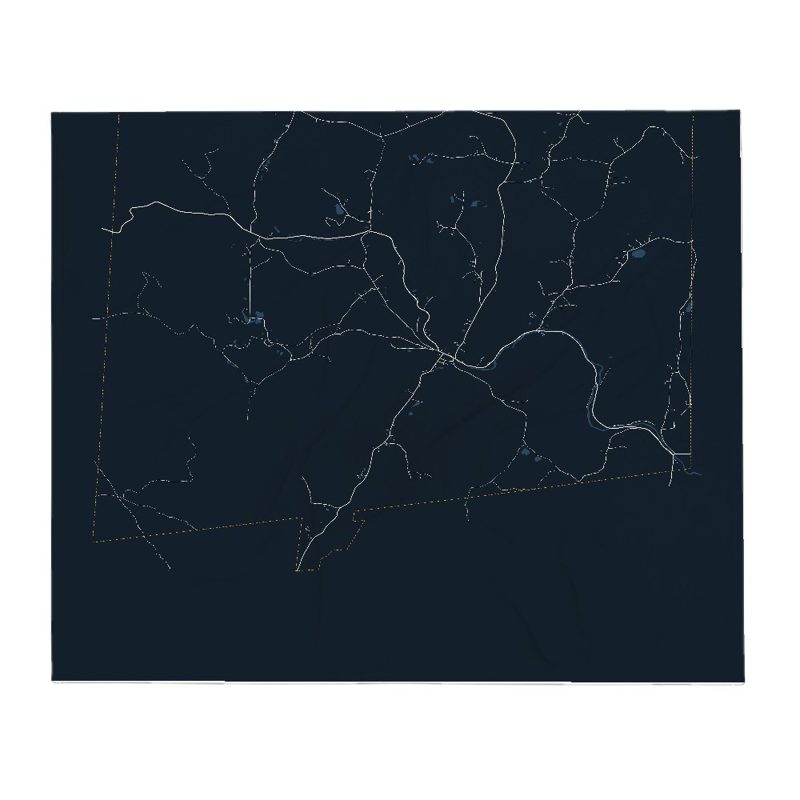
Soft fleece, 50″×60″
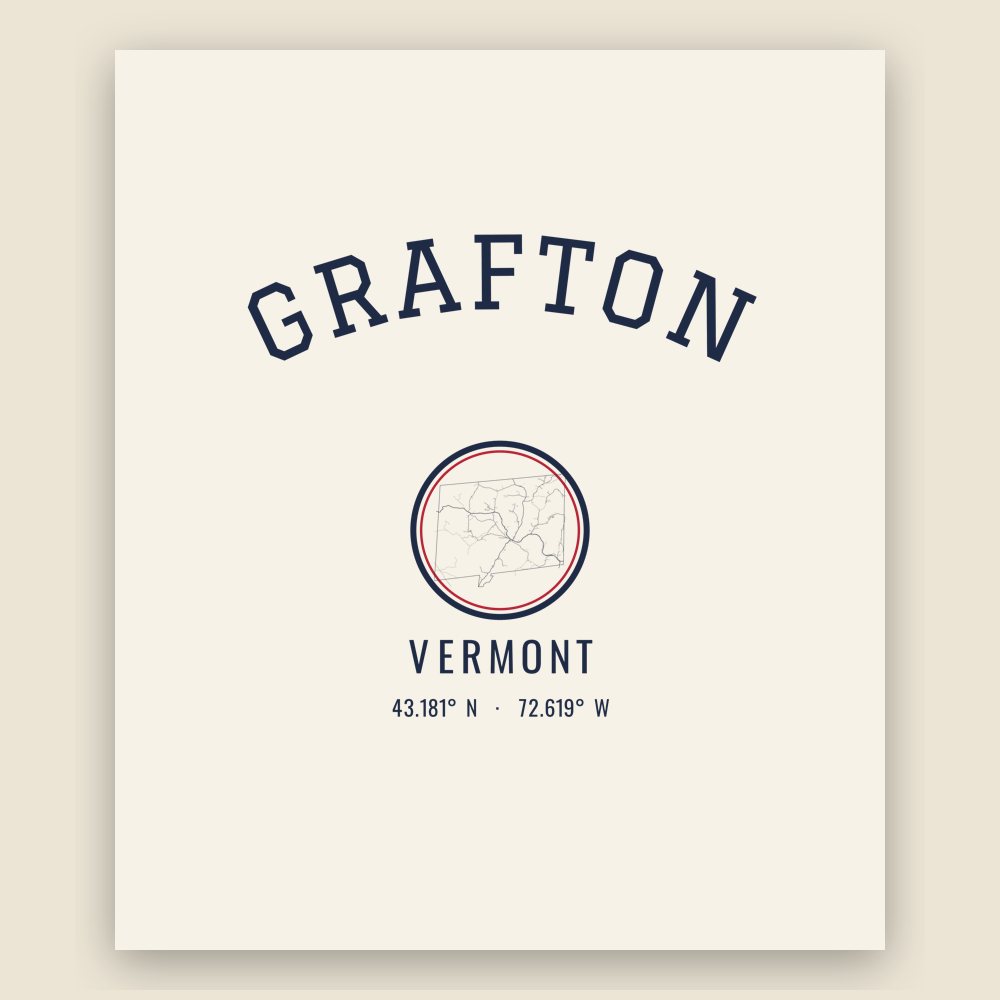
20 oz, double-wall stainless
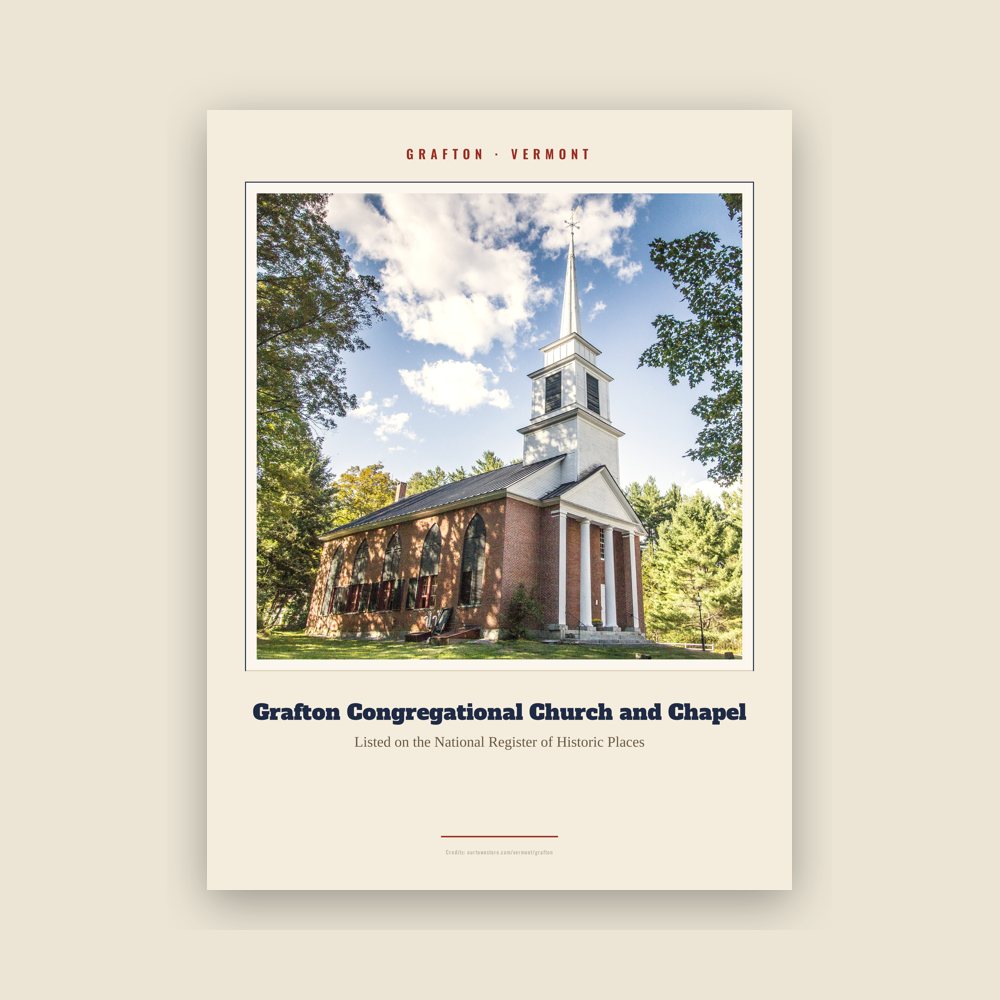
Archival matte print of a local landmark, credited to its photographer
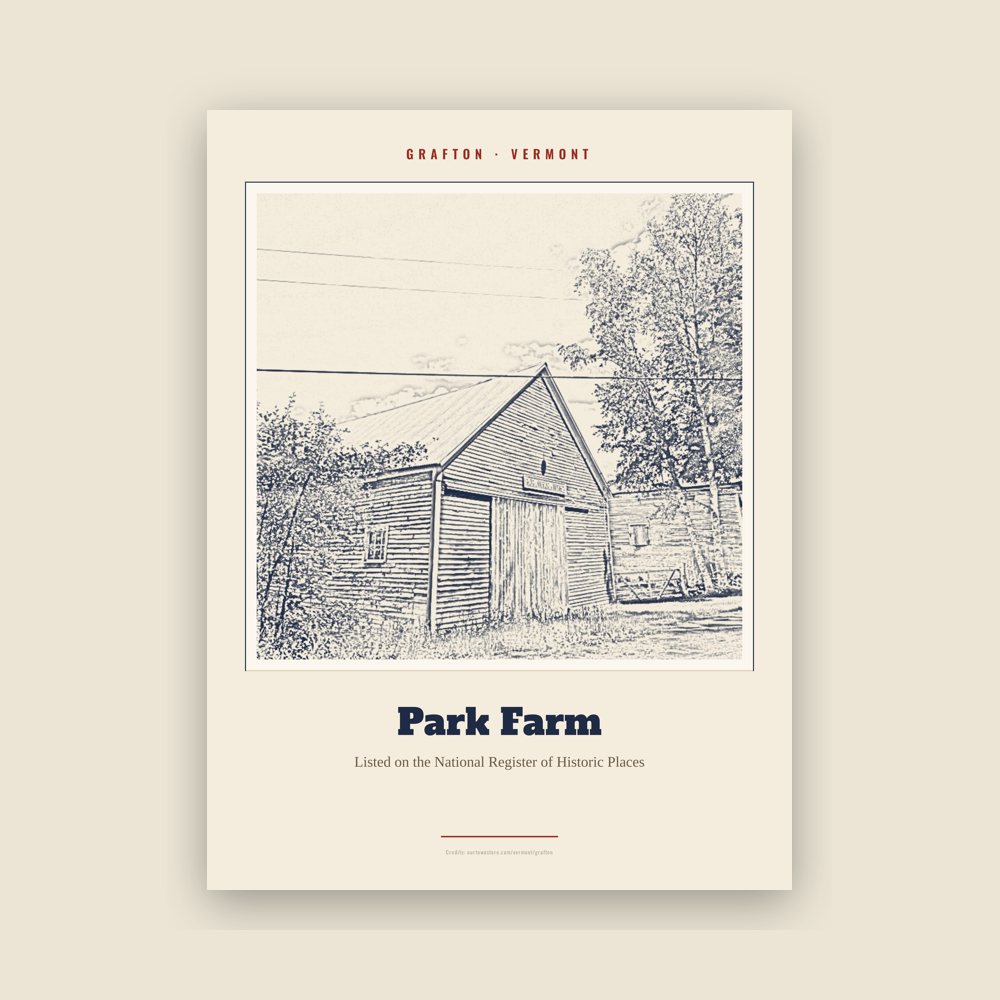
Archival matte print of a local landmark, credited to its photographer
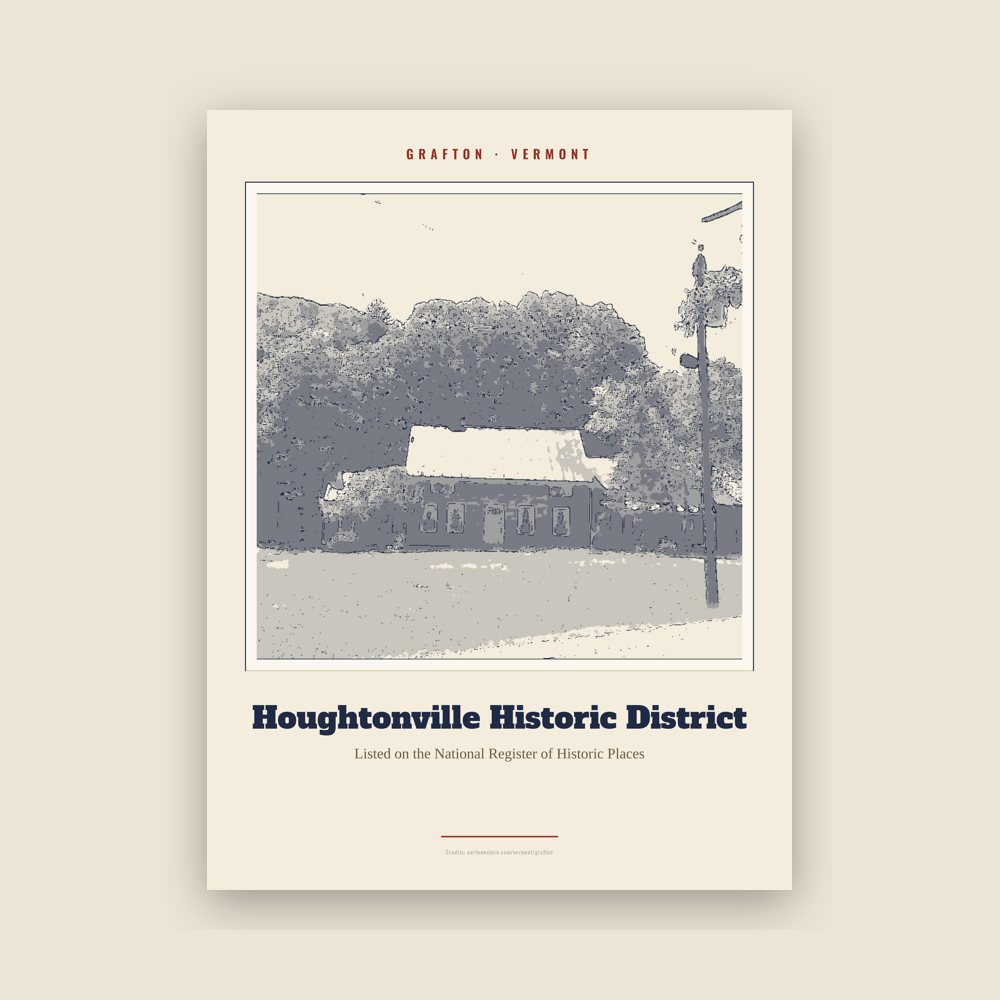
Archival matte print of a local landmark, credited to its photographer
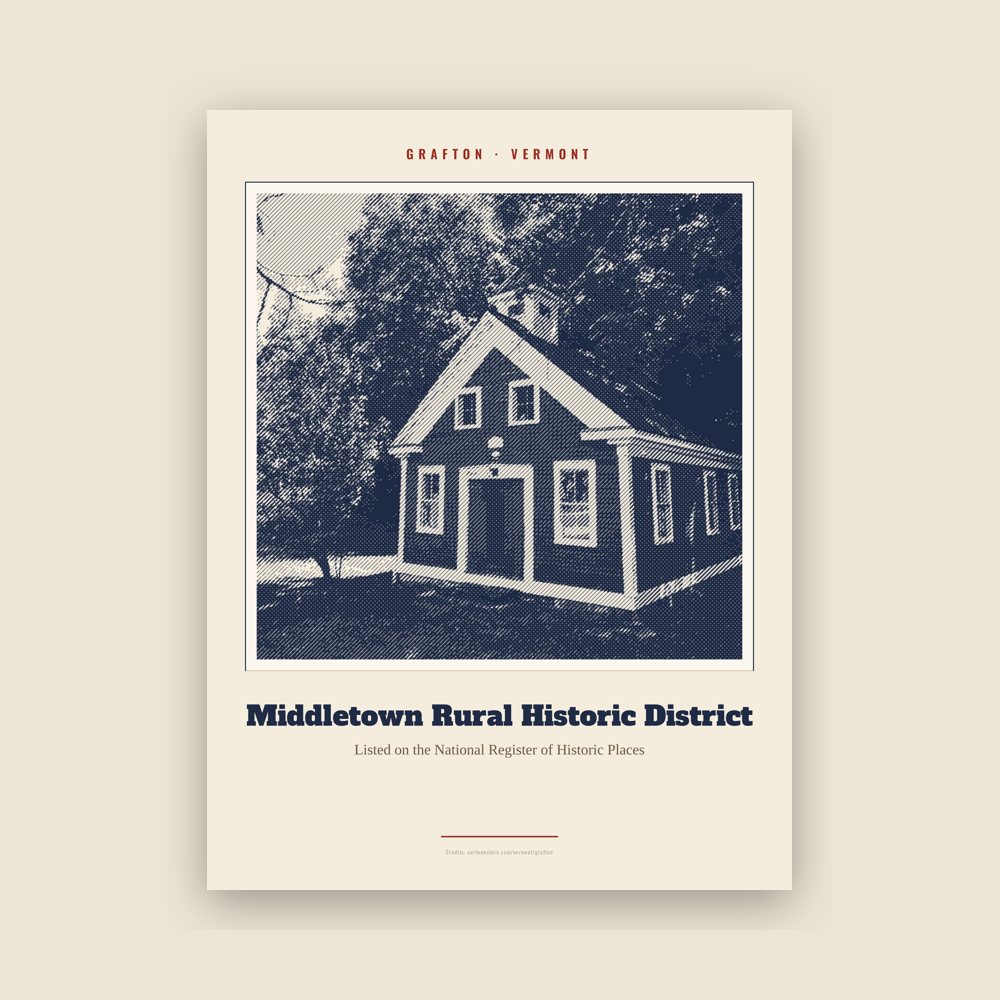
Archival matte print of a local landmark, credited to its photographer
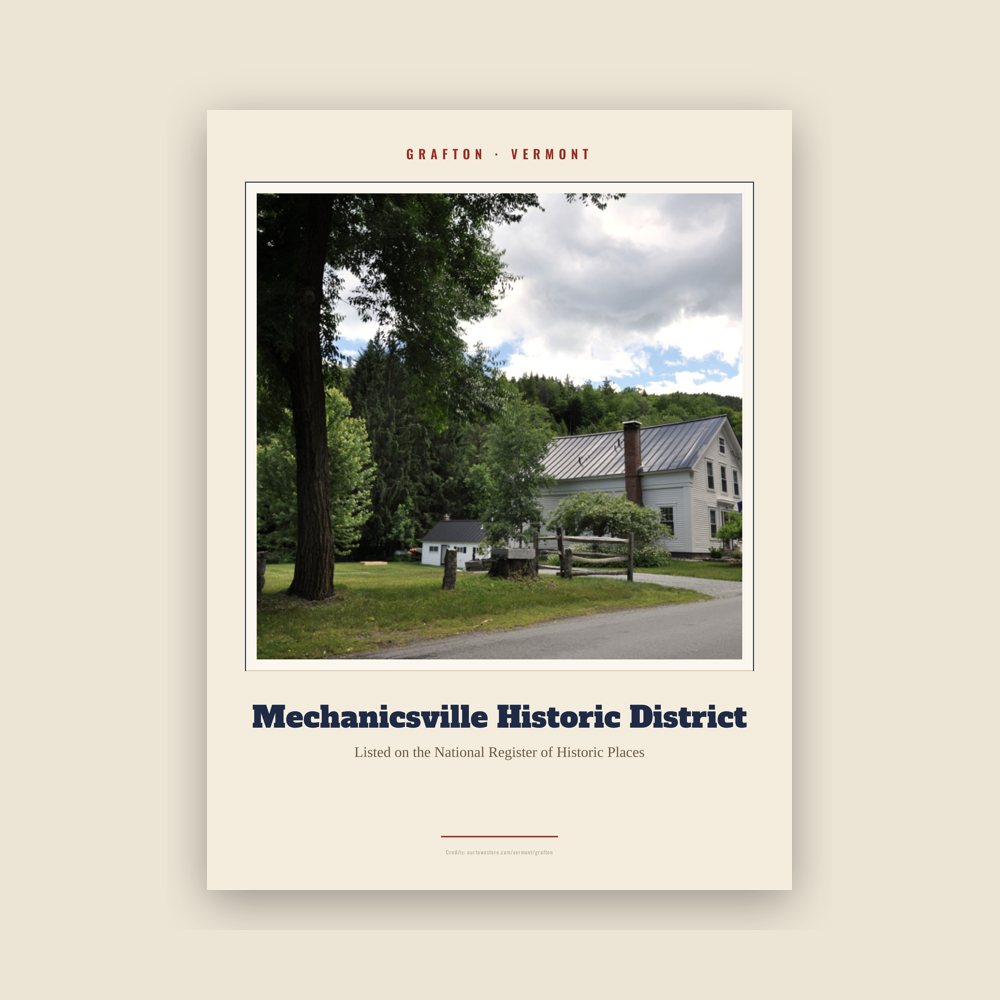
Archival matte print of a local landmark, credited to its photographer
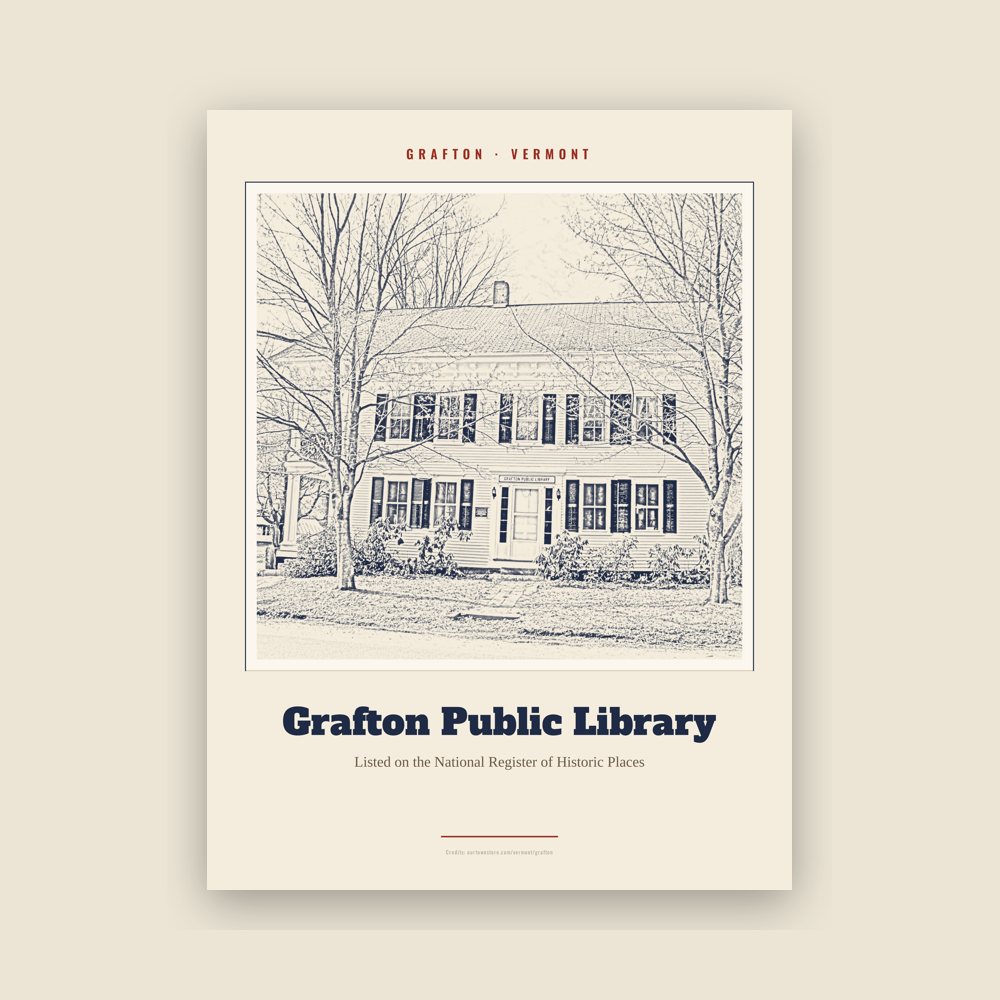
Archival matte print of a local landmark, credited to its photographer
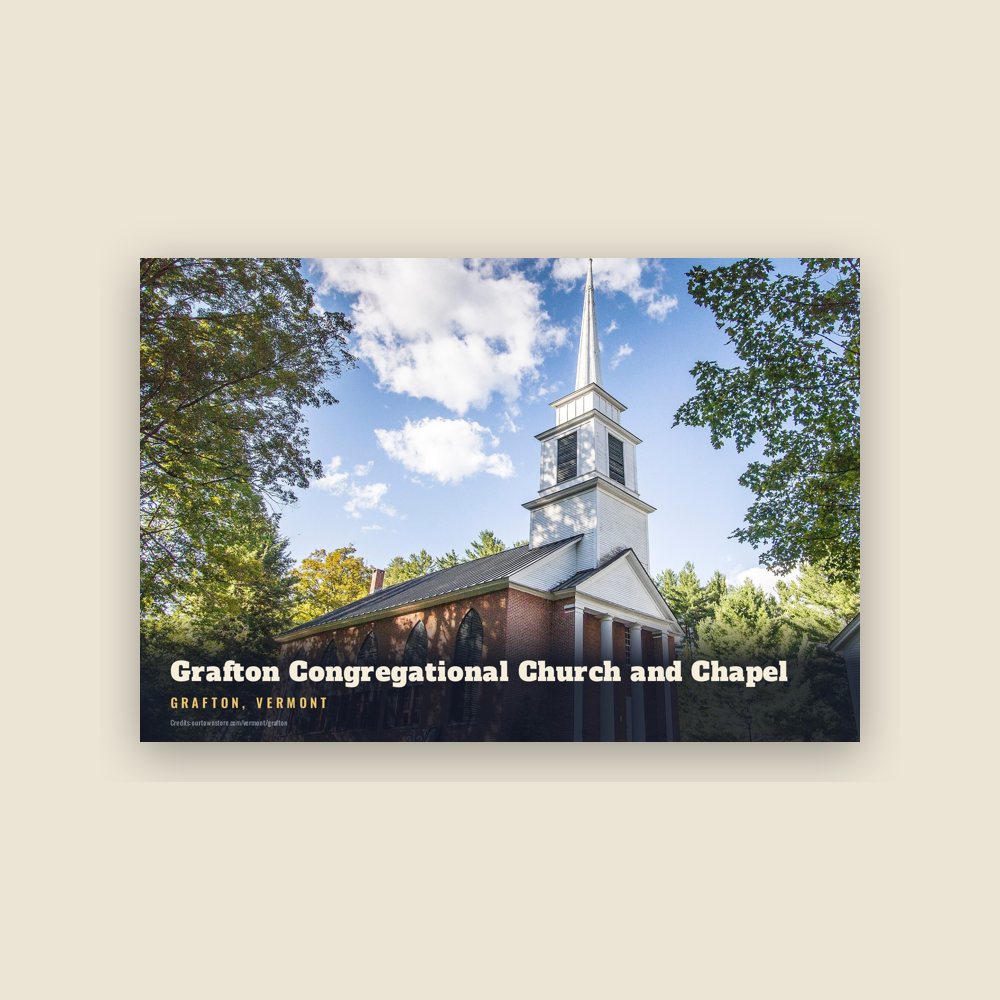
6″×4″ postcard, glossy front
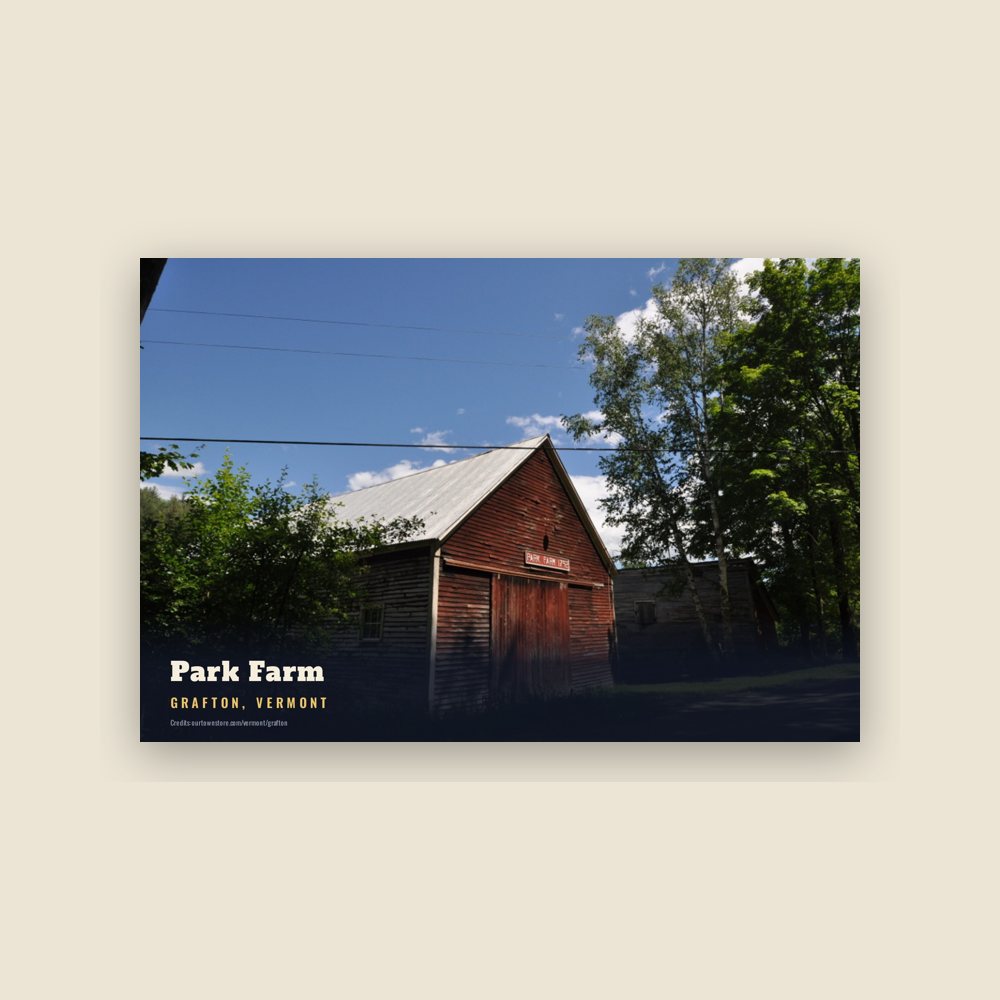
6″×4″ postcard, glossy front
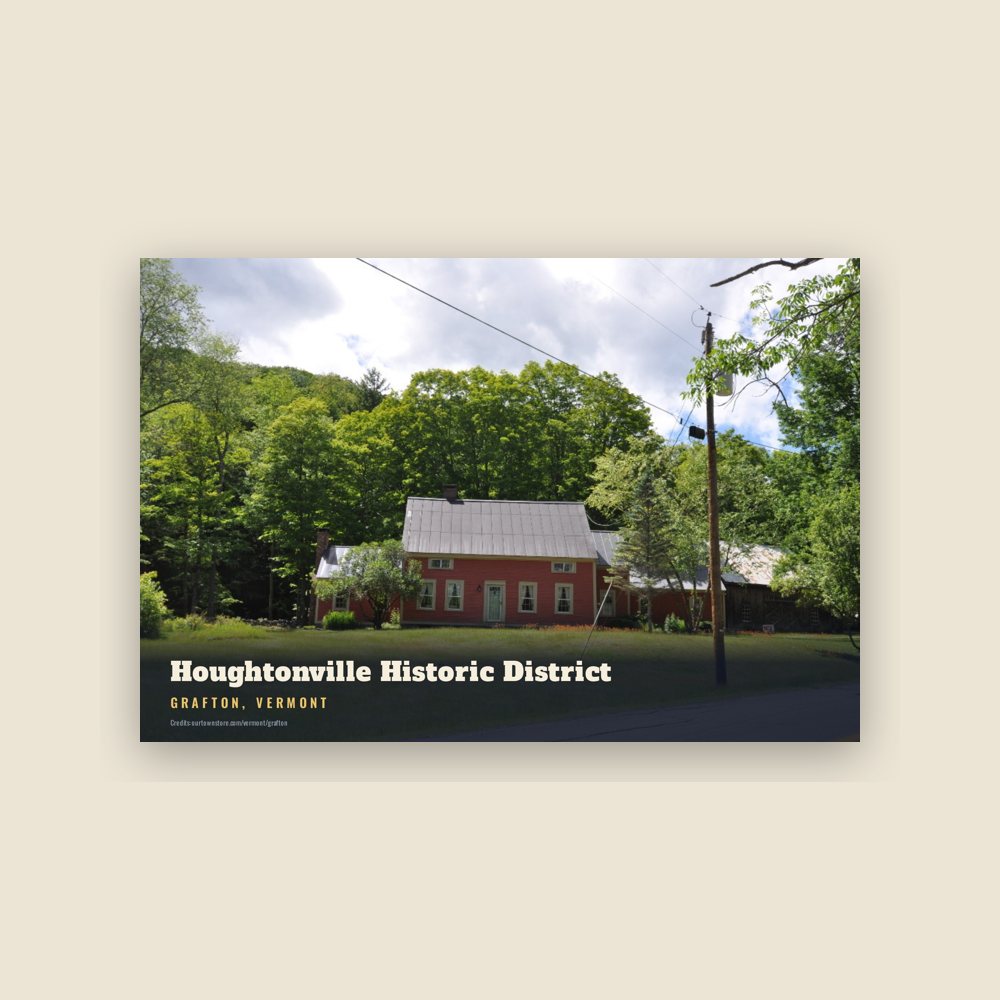
6″×4″ postcard, glossy front
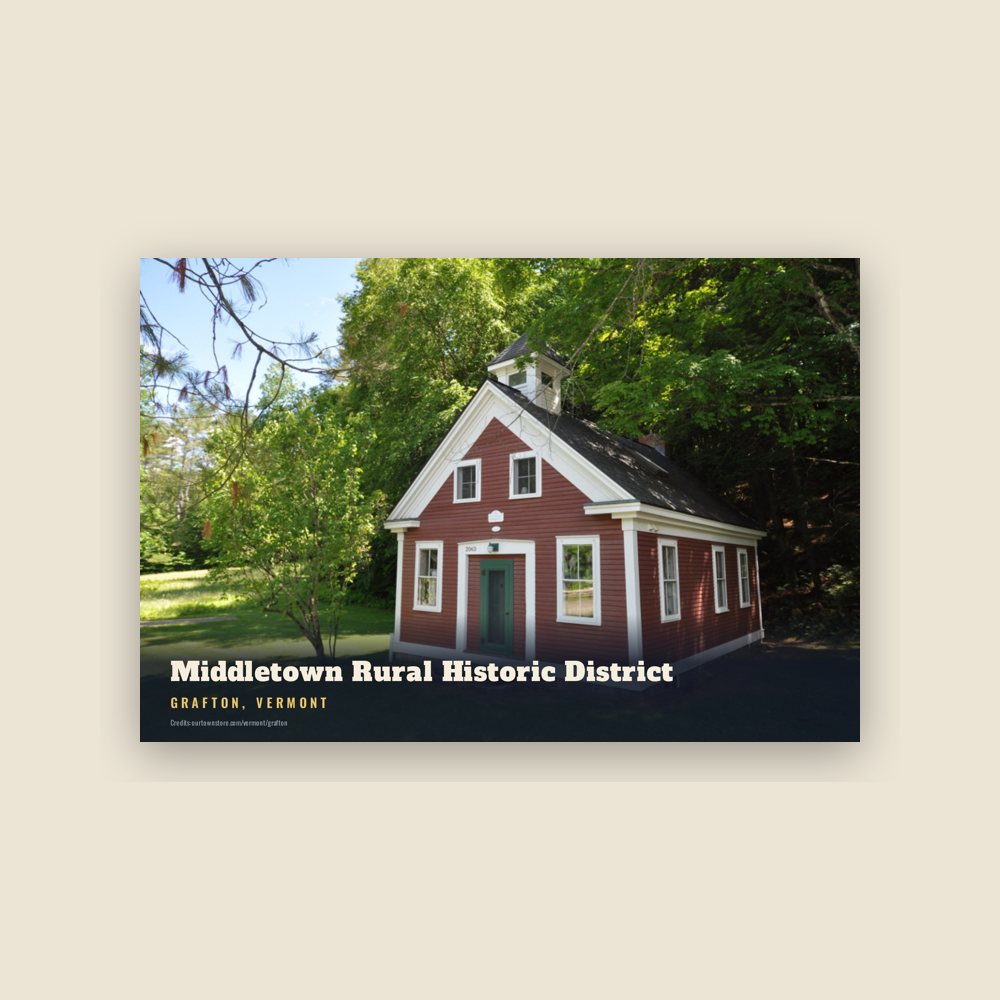
6″×4″ postcard, glossy front
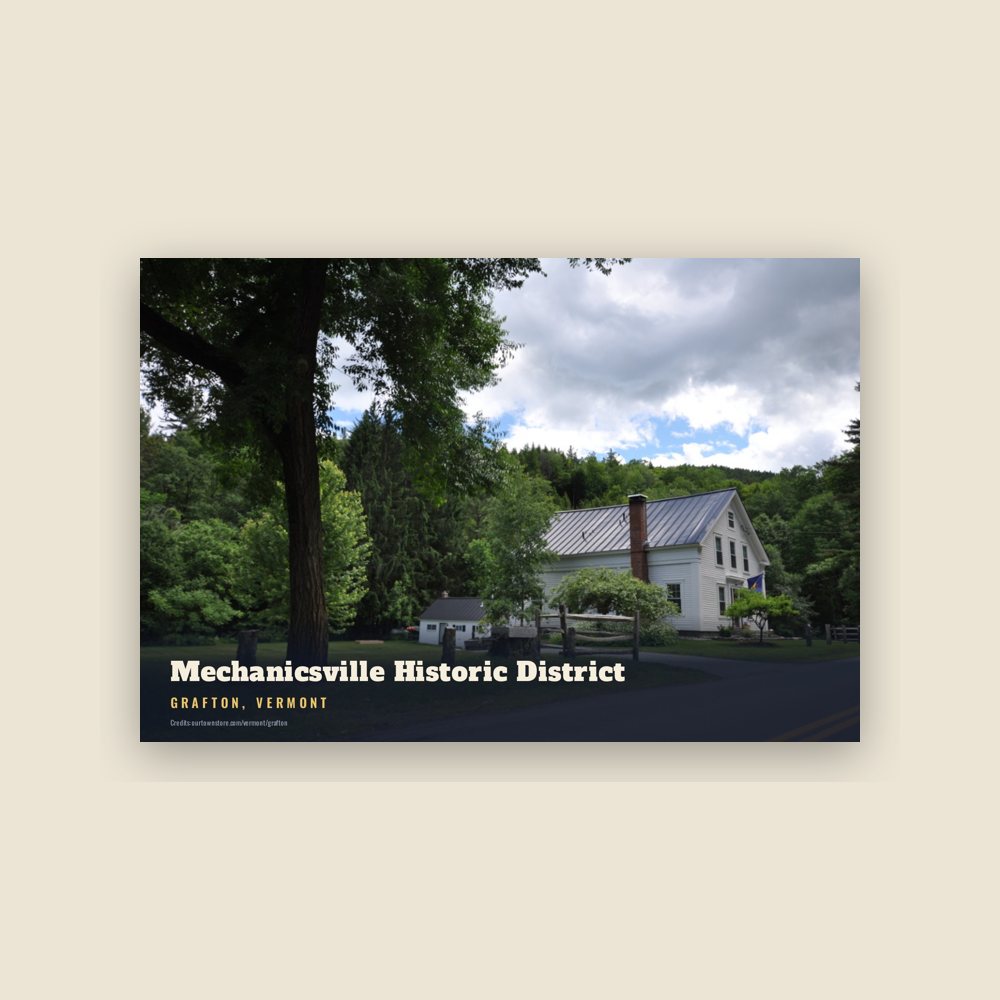
6″×4″ postcard, glossy front
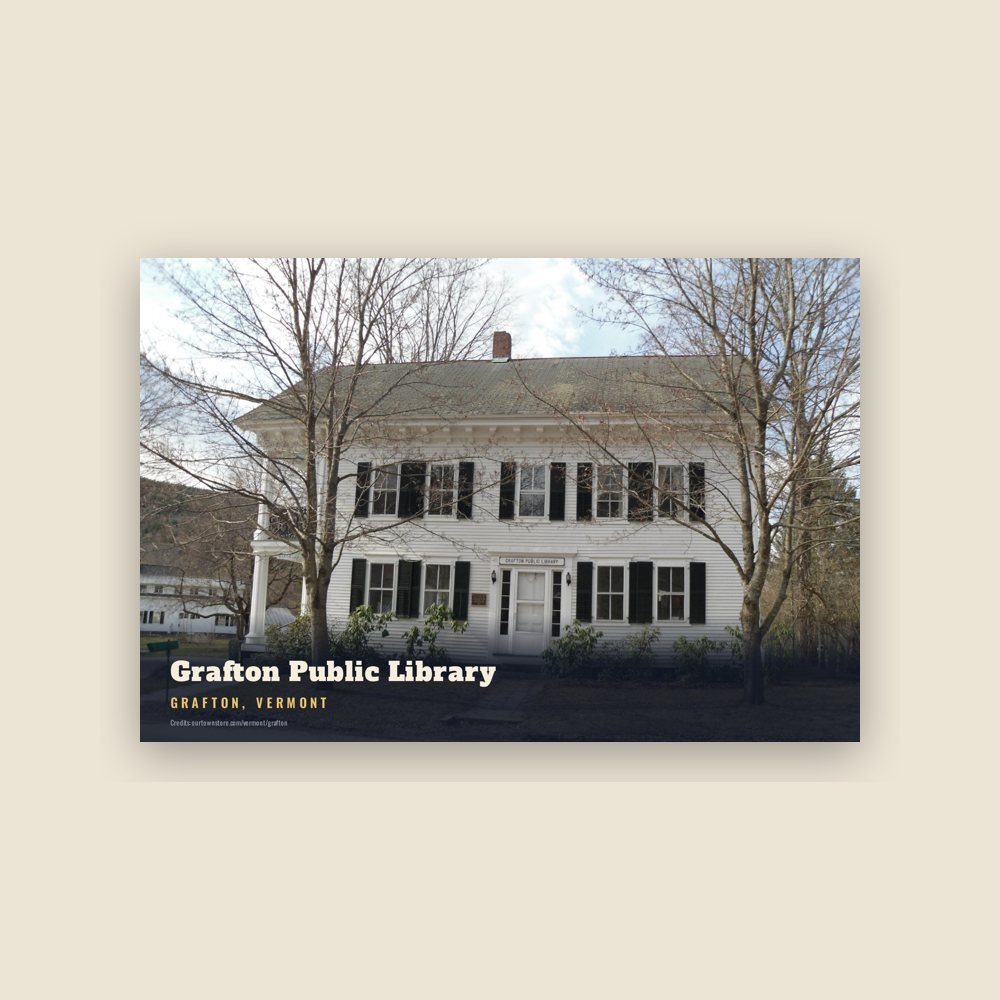
6″×4″ postcard, glossy front
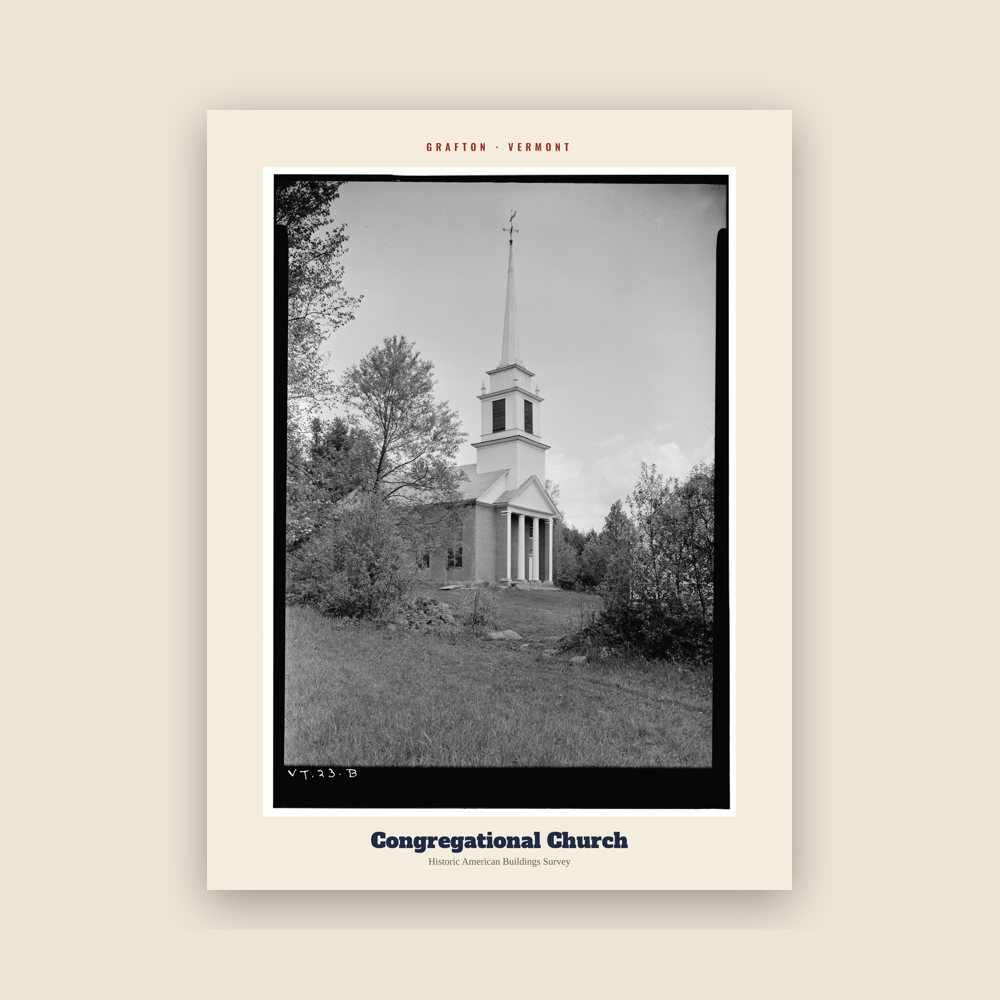
From the Library of Congress collections: a historic survey drawing or photograph of the town
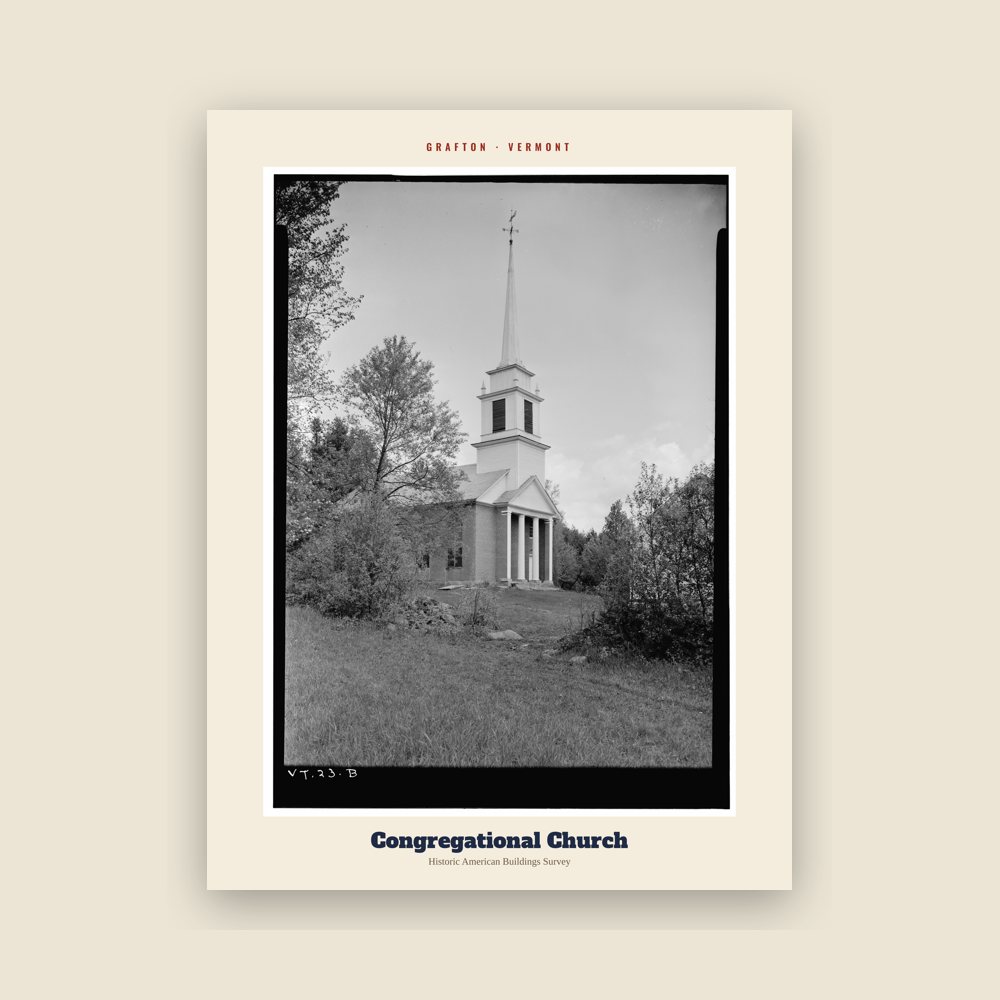
From the Library of Congress collections: a historic survey drawing or photograph of the town
Population 2010: 679 → 2020: 645
From Wikidata (CC0).
In the early 19th century, sheep raising became popular and multiple woolen mills sprang up along the branches of the Saxtons River. Soapstone was quarried on nearby Bear Mountain. The town became a notable stagecoach hub for traffic across the Green Mountains into Albany, New York. One inn from that era, "the Old Tavern," was founded in 1801. It remains one of the oldest continually operating hotels in the United States. It is now called The Grafton Inn.
Grafton had a population of almost 1,500 just before the American Civil War. The town suffered severe losses during the Civil War. Local cemeteries in the village hold many tombstones of casualties from the Battle of Gettysburg. After the war, the community declined in population. The soapstone quarry was depleted and closed late in the 19th century. Around the time of the Great Depression, the town's population was less than 400.
In the 1960s the Windham Foundation was established to help restore the village. It purchased the Old Tavern and many residences in the area. The foundation also established an artisanal cheese business, the Grafton Village Cheese Company, and built a world-class cross-country skiing center at Grafton Ponds that offers a popular mountain biking program for children in the summer months. The restoration efforts attracted new residents from metropolitan New York and Boston.
Adapted (trimmed) from the Wikipedia article Grafton, Vermont, revision 1378797128 by its contributors, licensed CC BY-SA 4.0.
We share a part of every Grafton sale with local partners, and we'd love to print from your collection. Old photographs, maps and postcards make the best keepsakes.
Partner with us