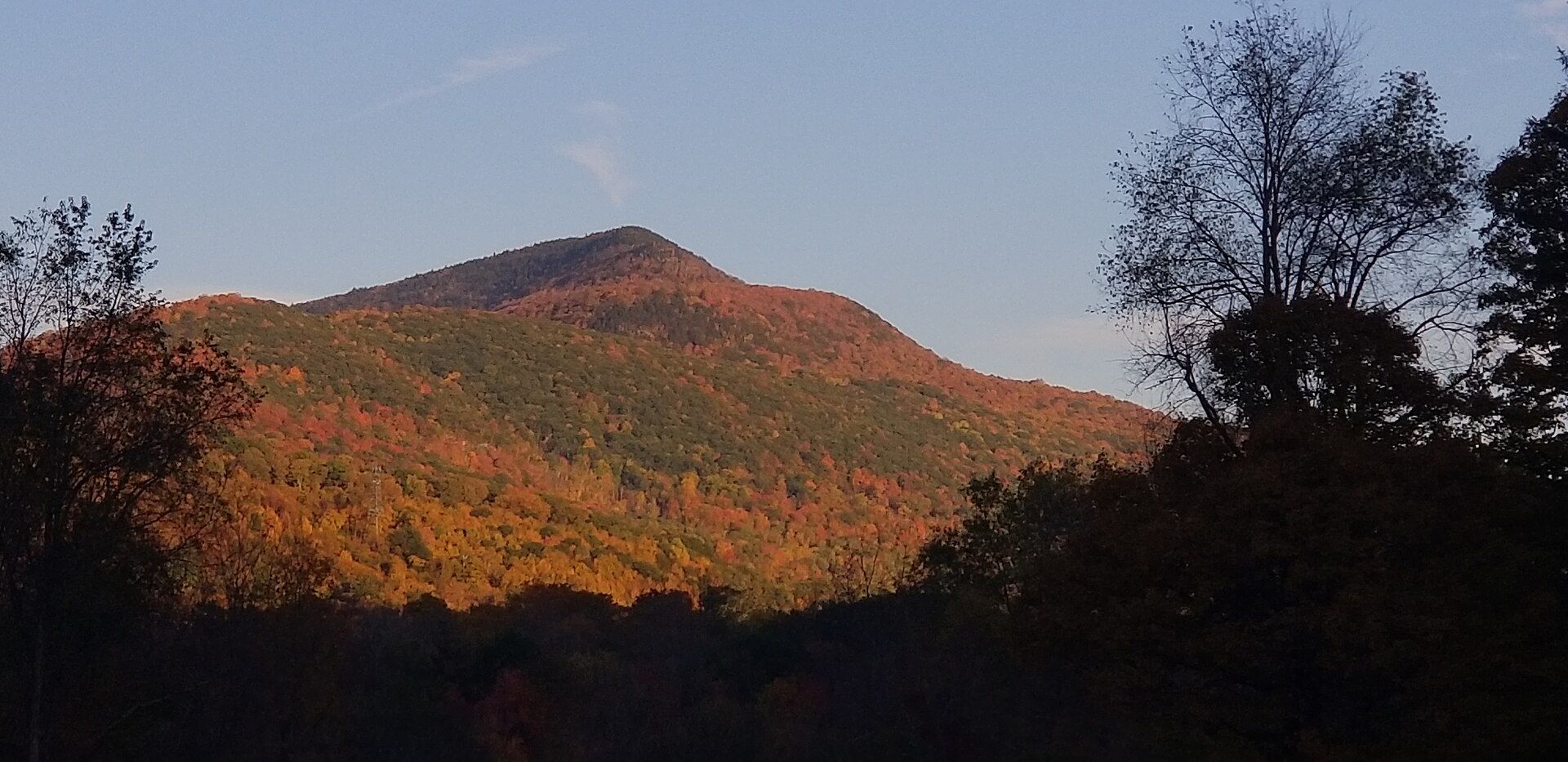
Dorset is famous for being the location of Cephas Kent's Inn, where four meetings of the Convention that signed the Dorset Accords led to the independent Vermont Republic and future statehood. Landmarks include The Wilson House, Kent Neighborhood Historic District and Manley-Lefevre House. Dorset is the birthplace of Truman Howe Bartlett, sculptor.
Every piece is drawn from Dorset's own map data and historic archives, then printed and shipped from the USA when you order. No two towns look alike.
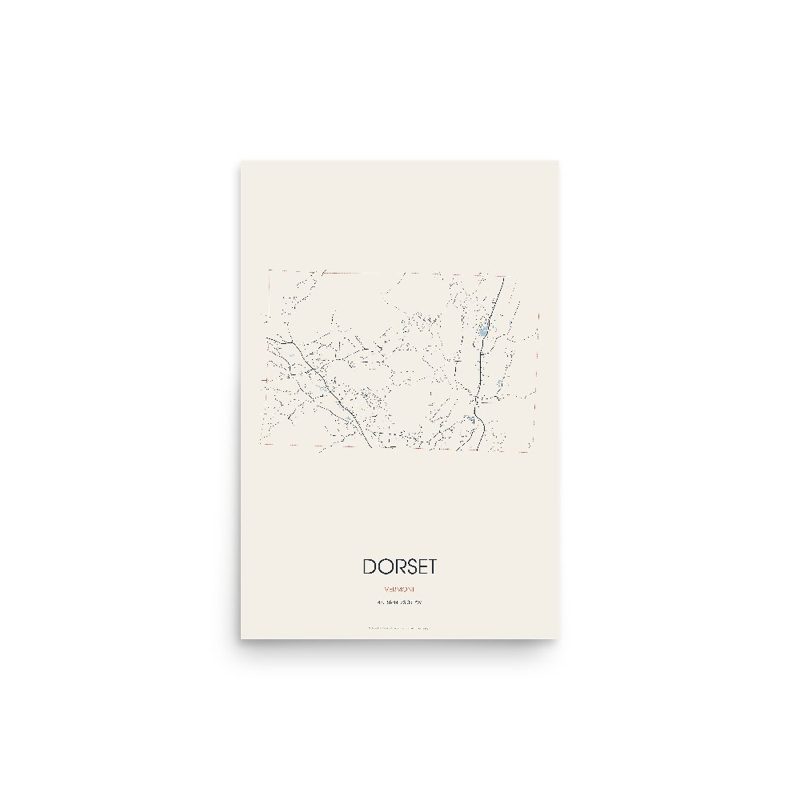
Every road in town, on archival matte paper
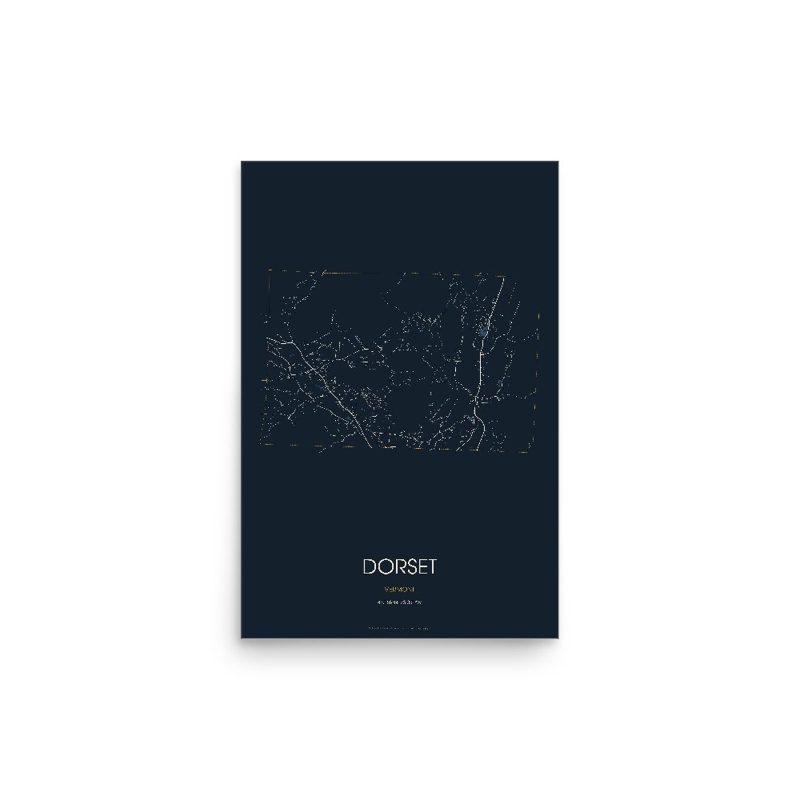
The same map, in navy and silver
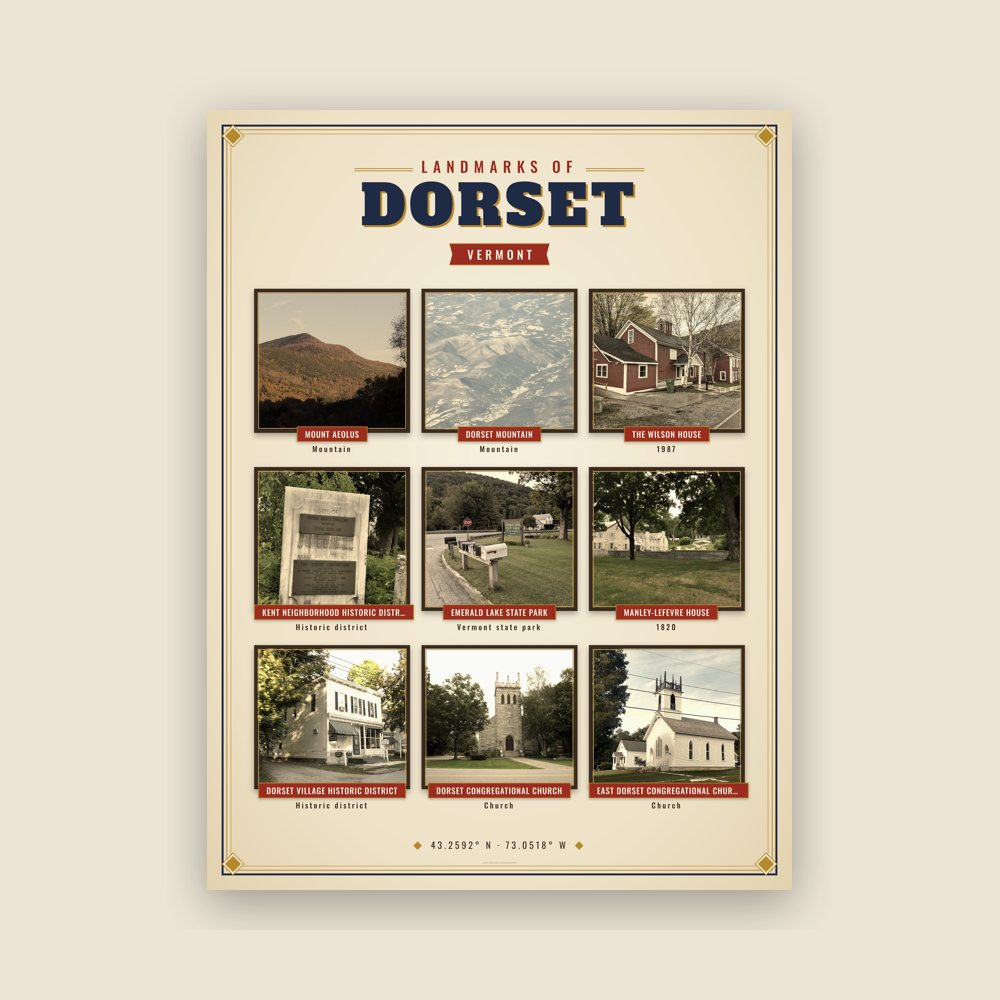
Nine local landmarks, archival matte
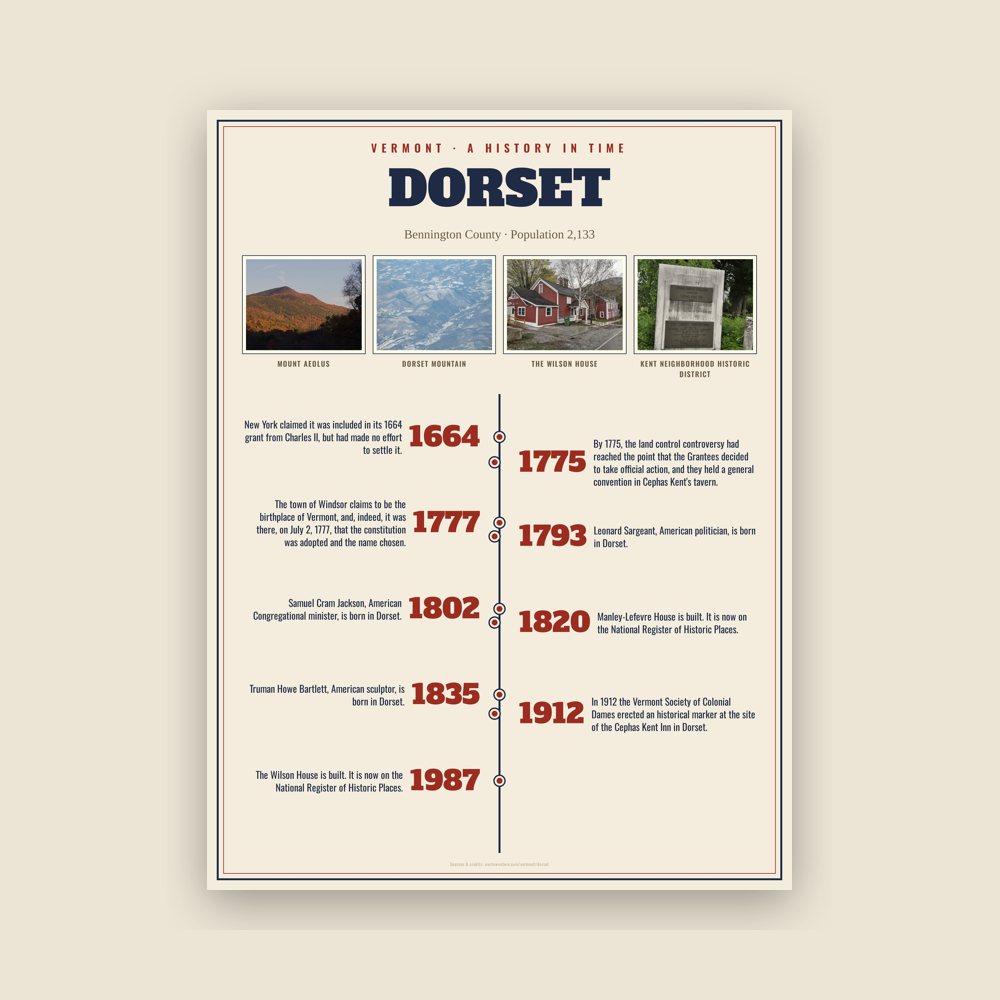
The town's story in dates, from its own records, for home or classroom
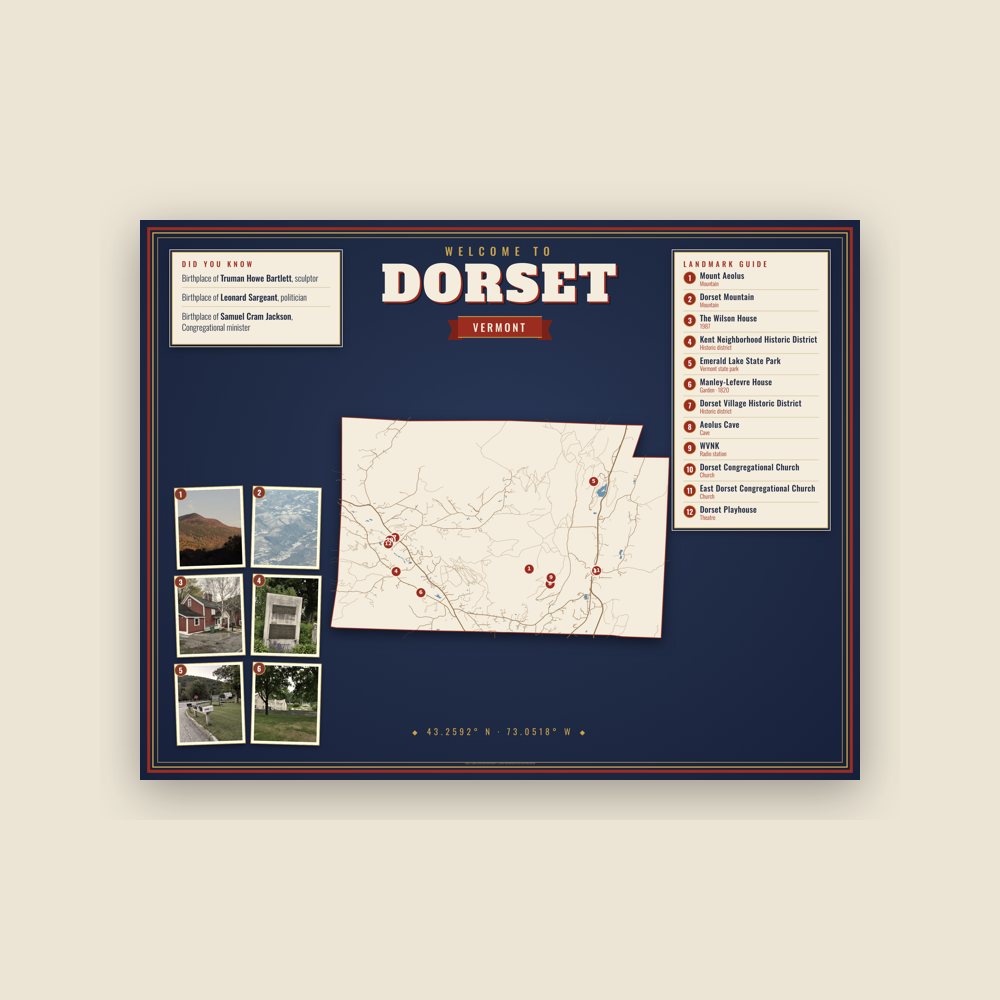
Map of local landmarks, washable fabric
Heavy-blend fleece, street map printed on the back
Soft Bella+Canvas jersey
Glossy ceramic, dishwasher safe
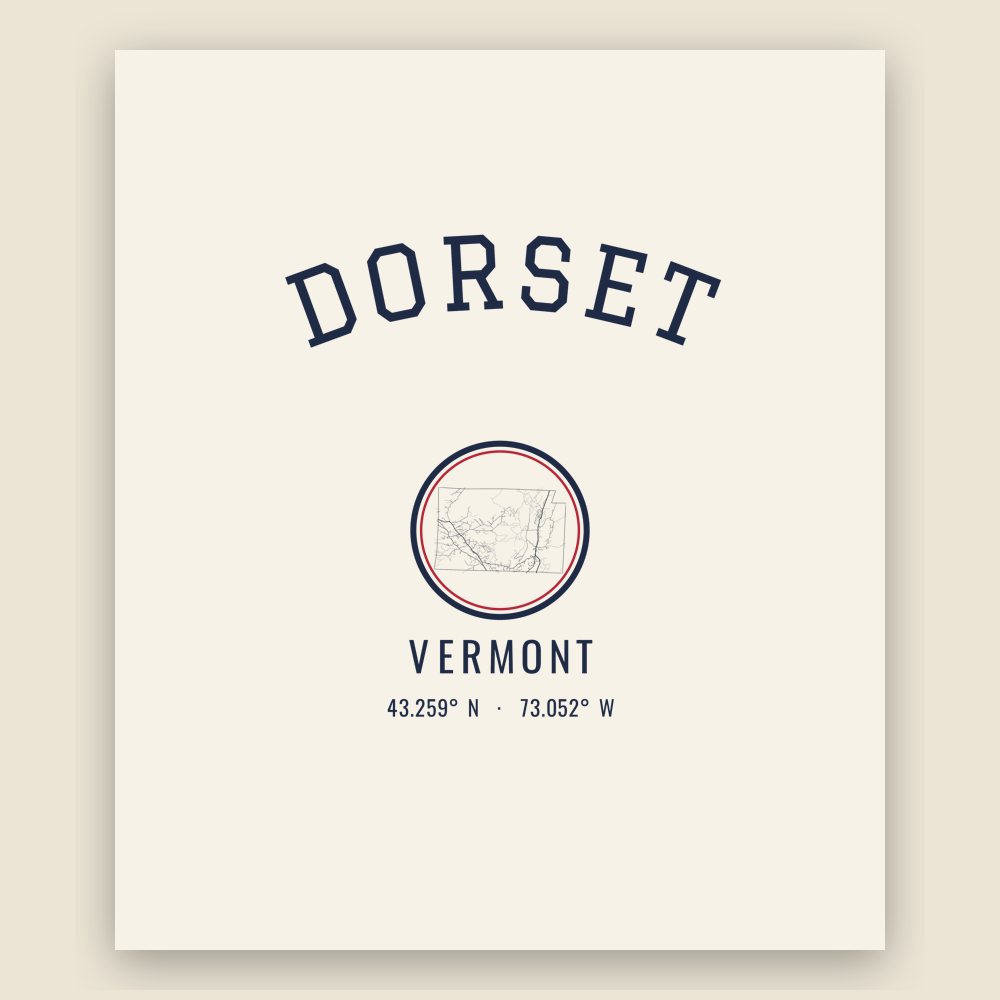
Ceramic keepsake, gold ribbon
Weatherproof, for the front walk
24″×16″, printed coir-look fibers, rubber back
12″×12″ printed wood, ready to hang
Soft-touch, zip cover
Sturdy all-over-print tote
Glossy top, cork back
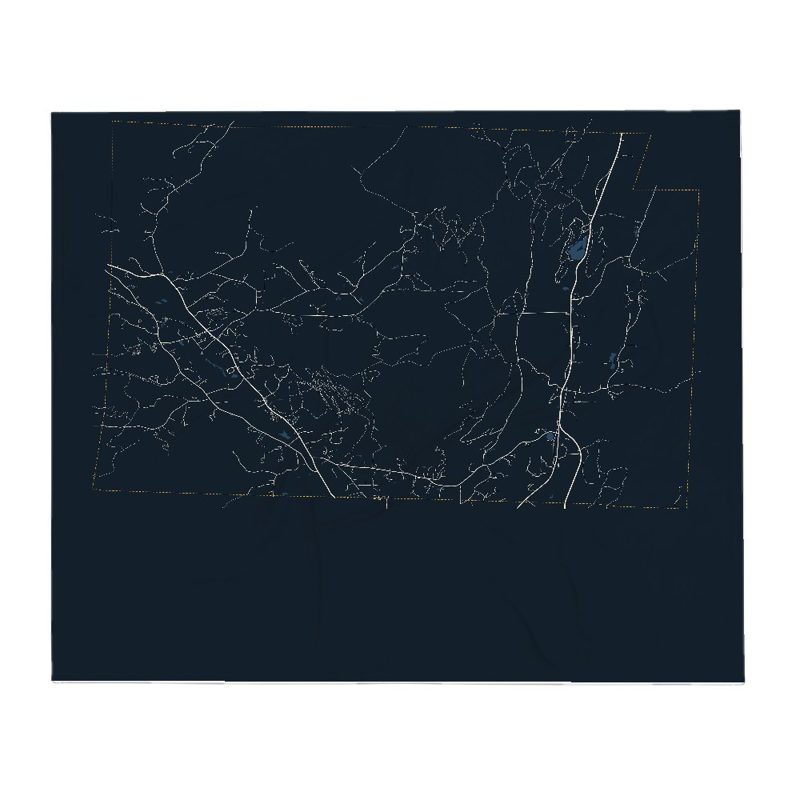
Soft fleece, 50″×60″
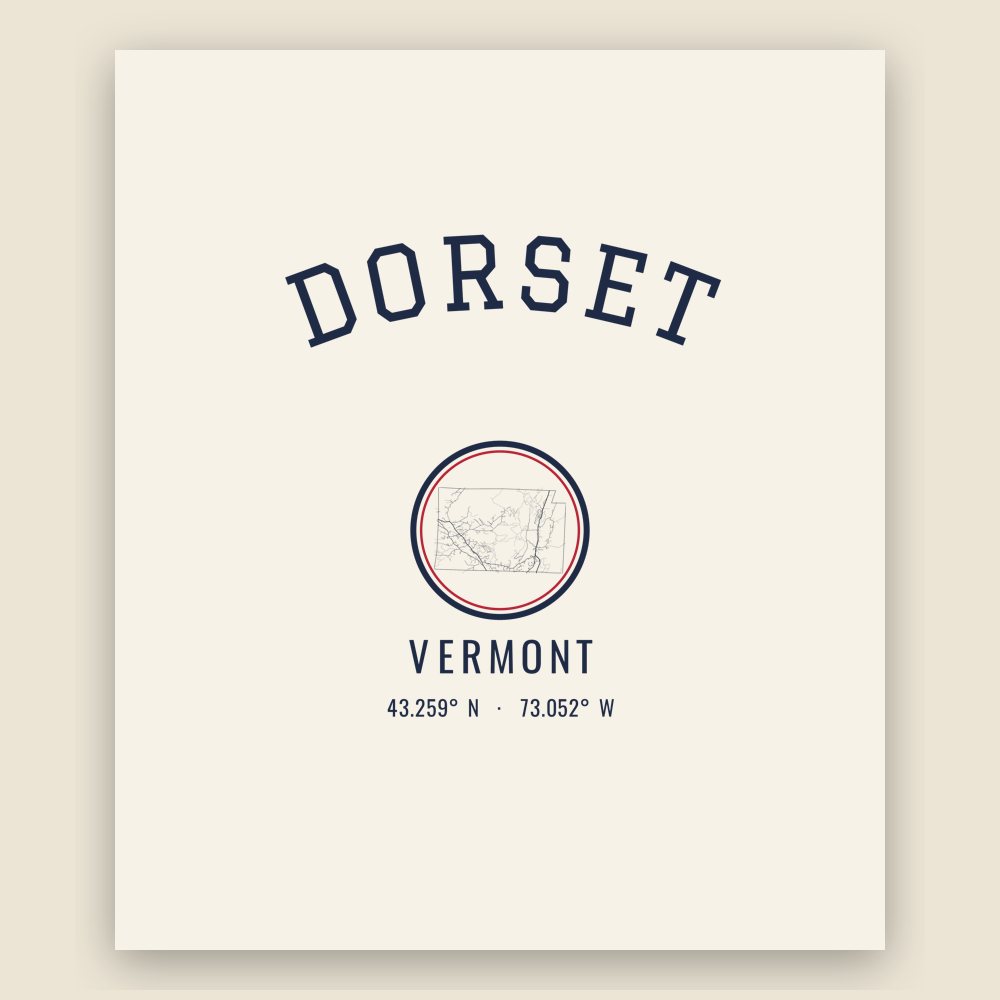
20 oz, double-wall stainless
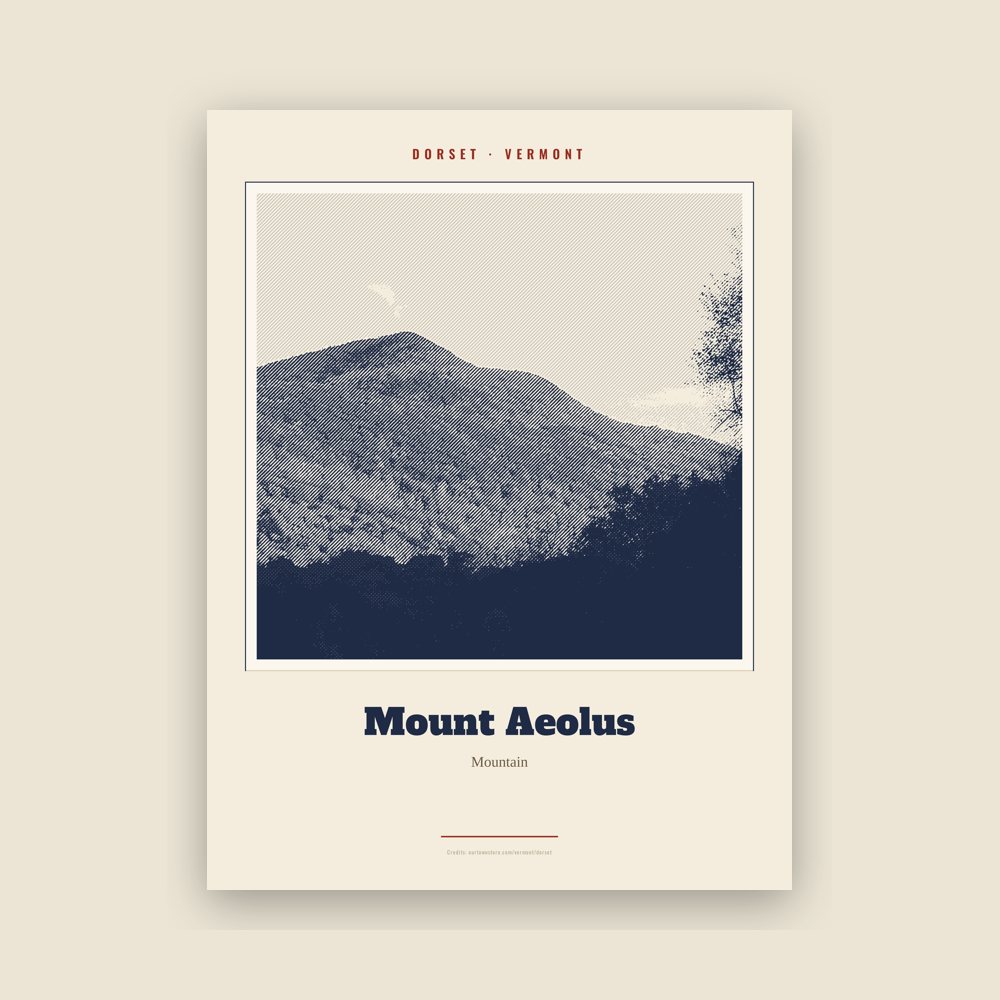
Archival matte print of a local landmark, credited to its photographer
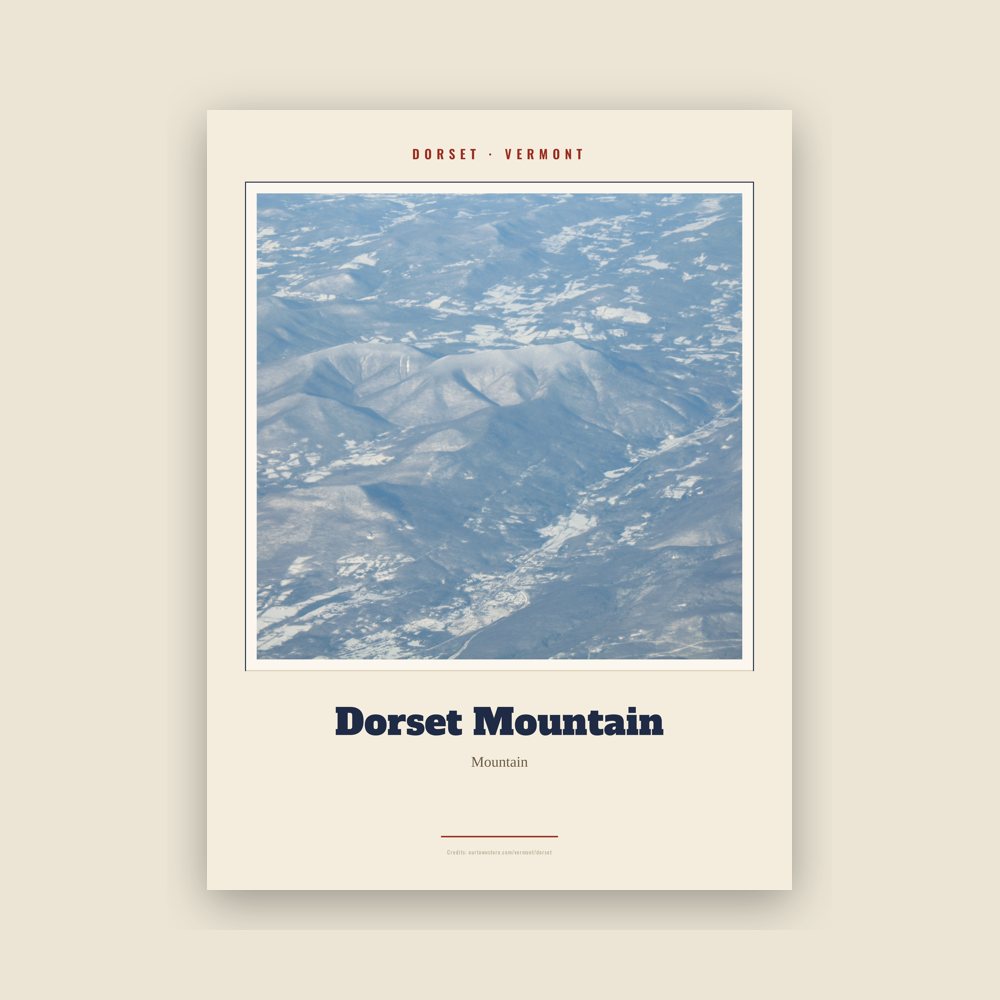
Archival matte print of a local landmark, credited to its photographer
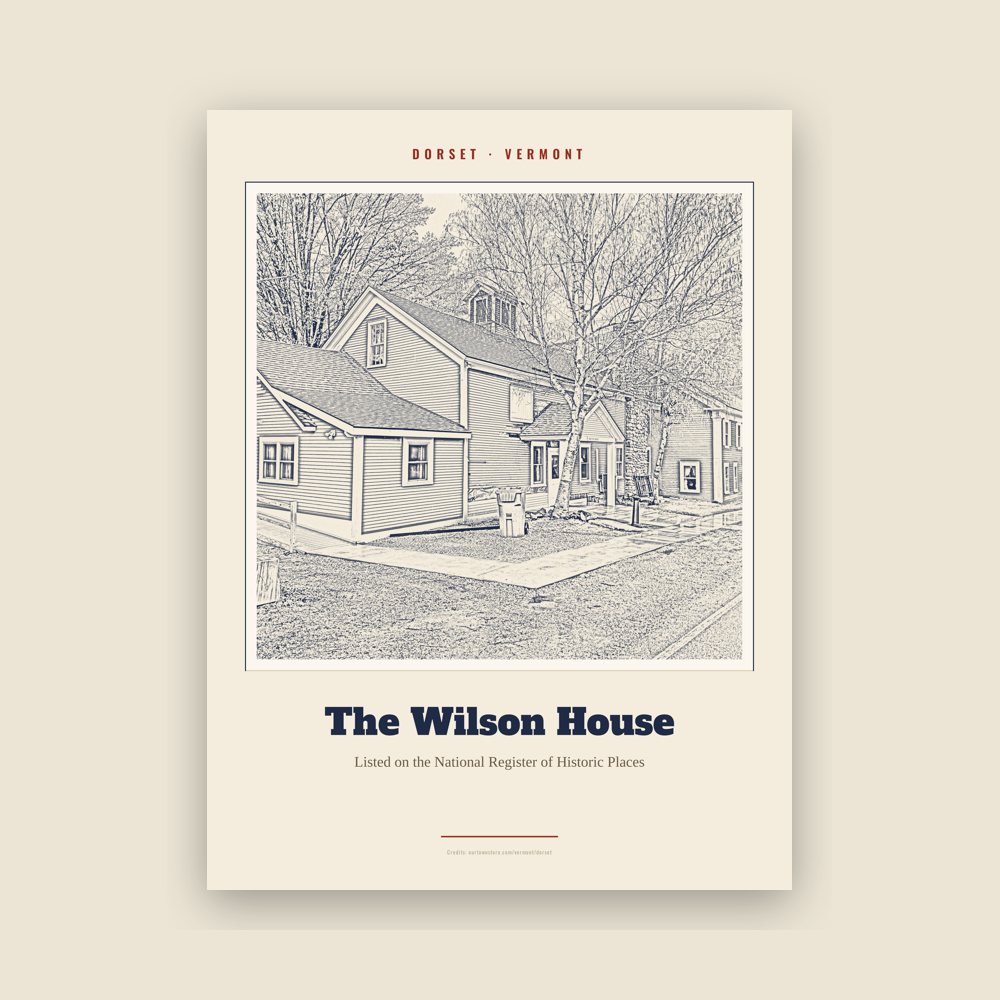
Archival matte print of a local landmark, credited to its photographer
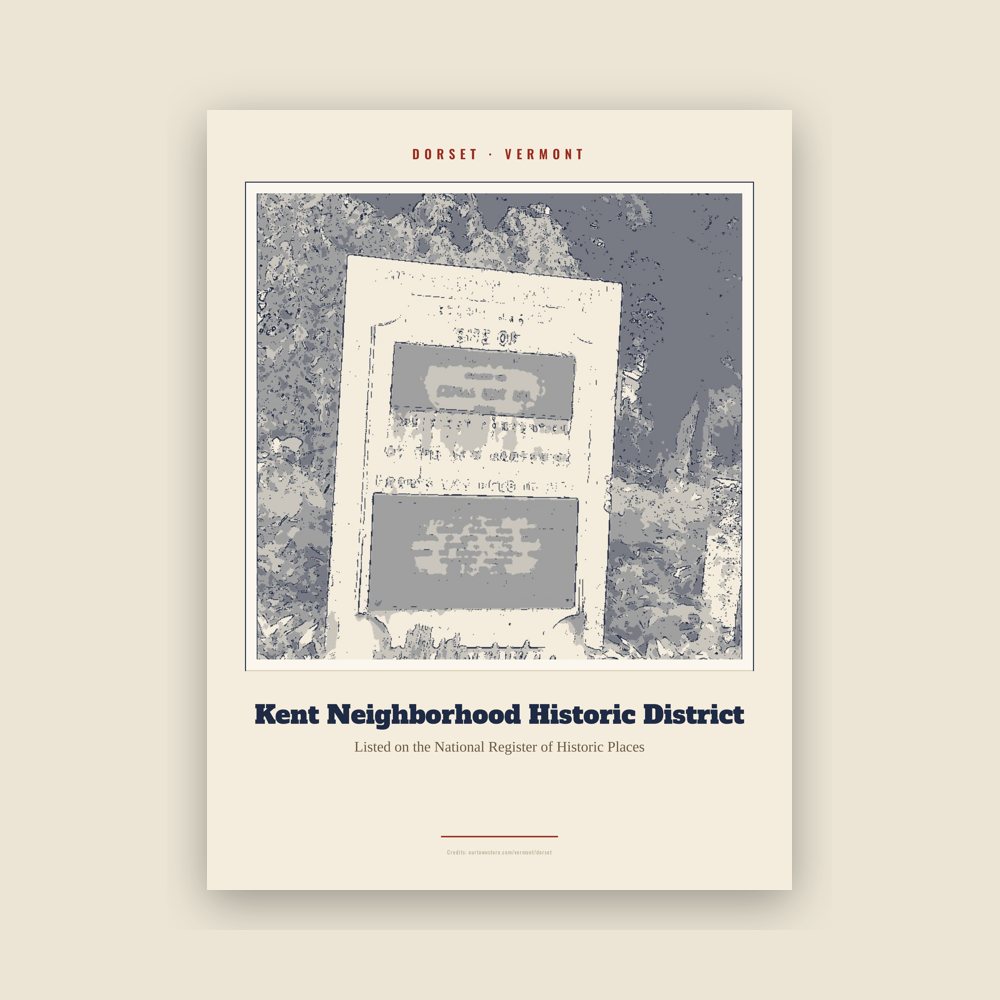
Archival matte print of a local landmark, credited to its photographer
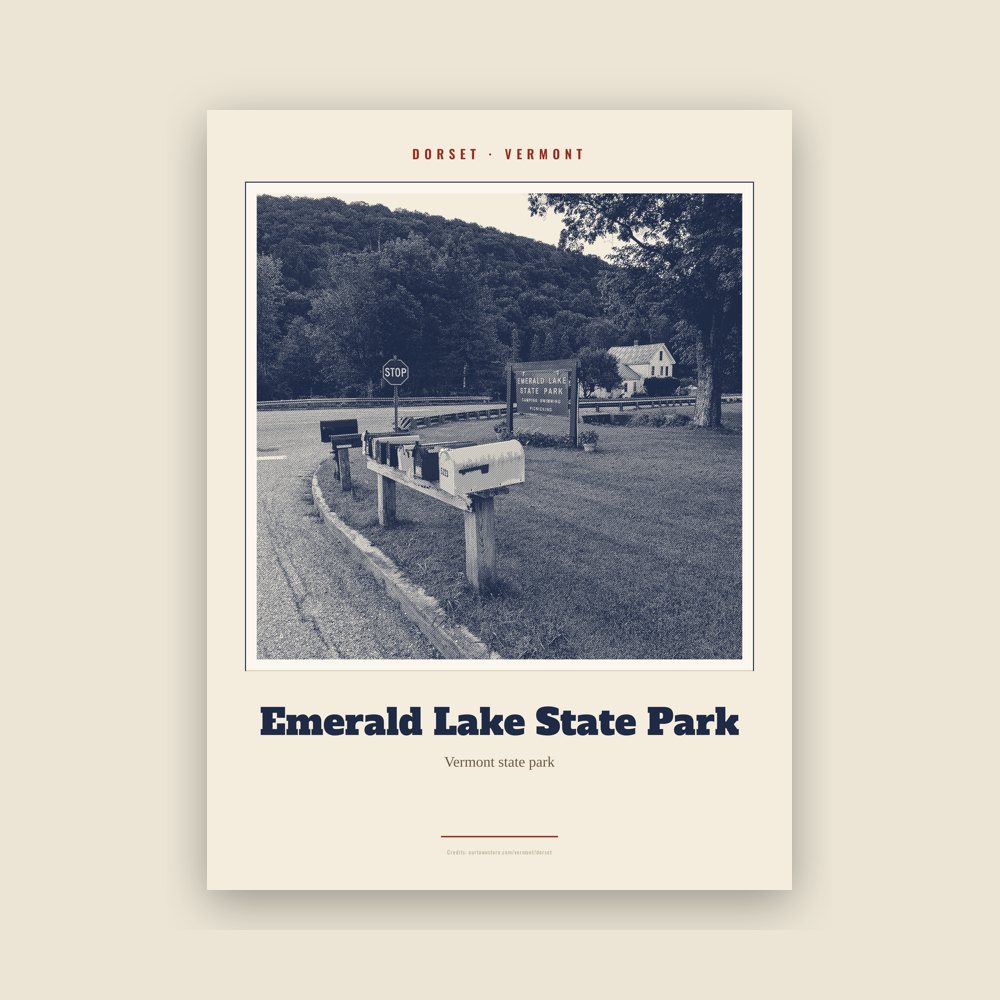
Archival matte print of a local landmark, credited to its photographer
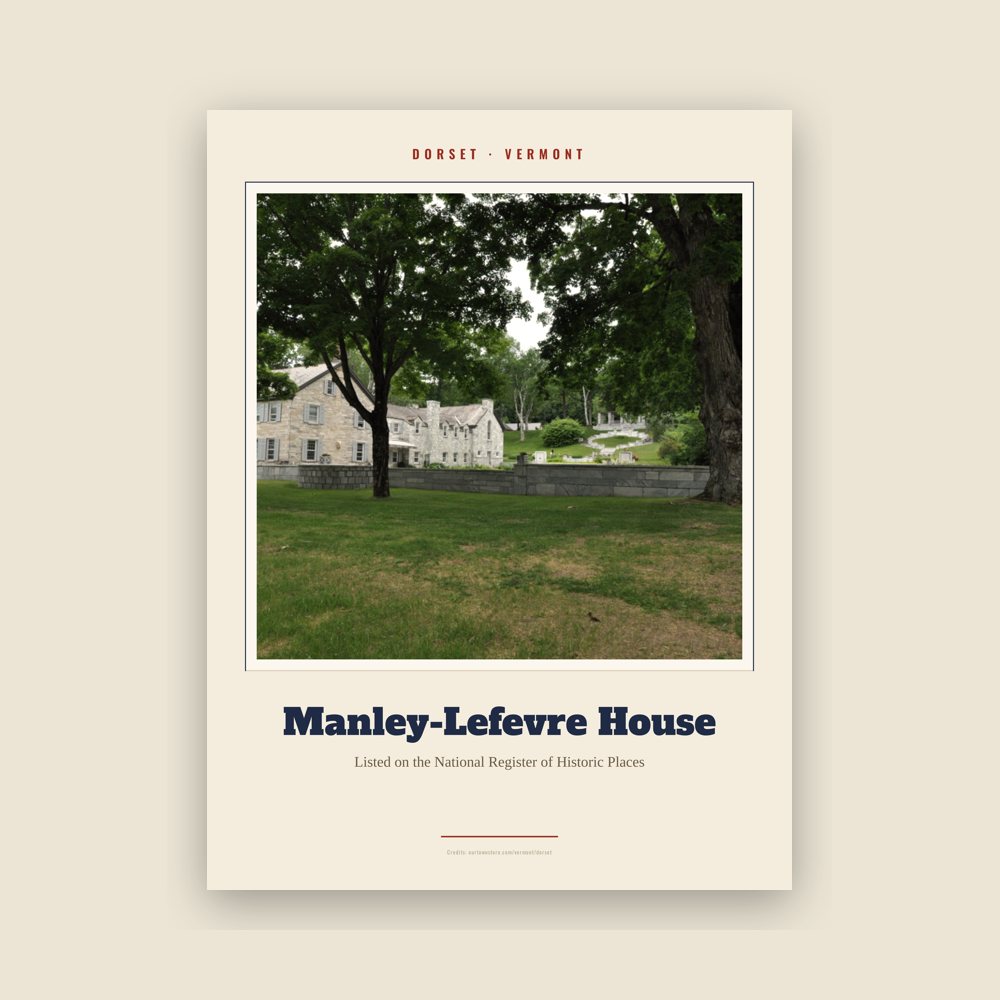
Archival matte print of a local landmark, credited to its photographer
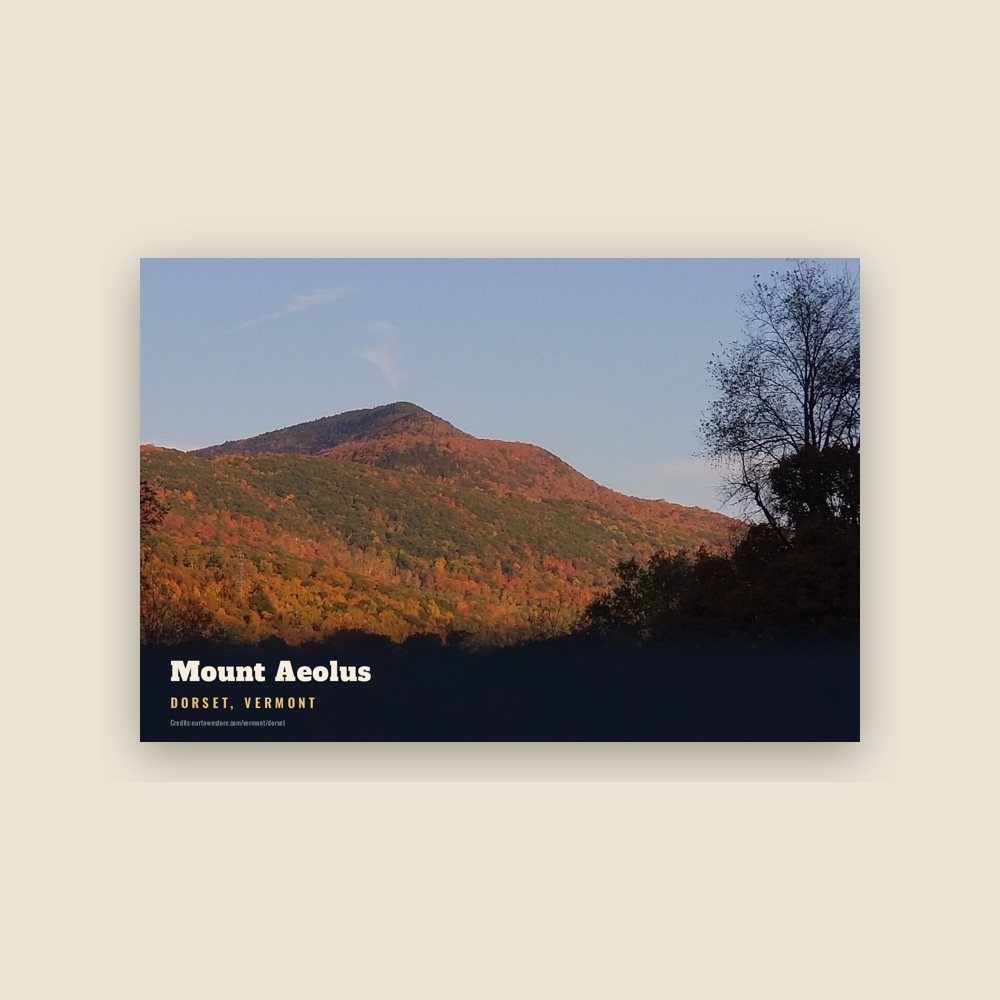
6″×4″ postcard, glossy front
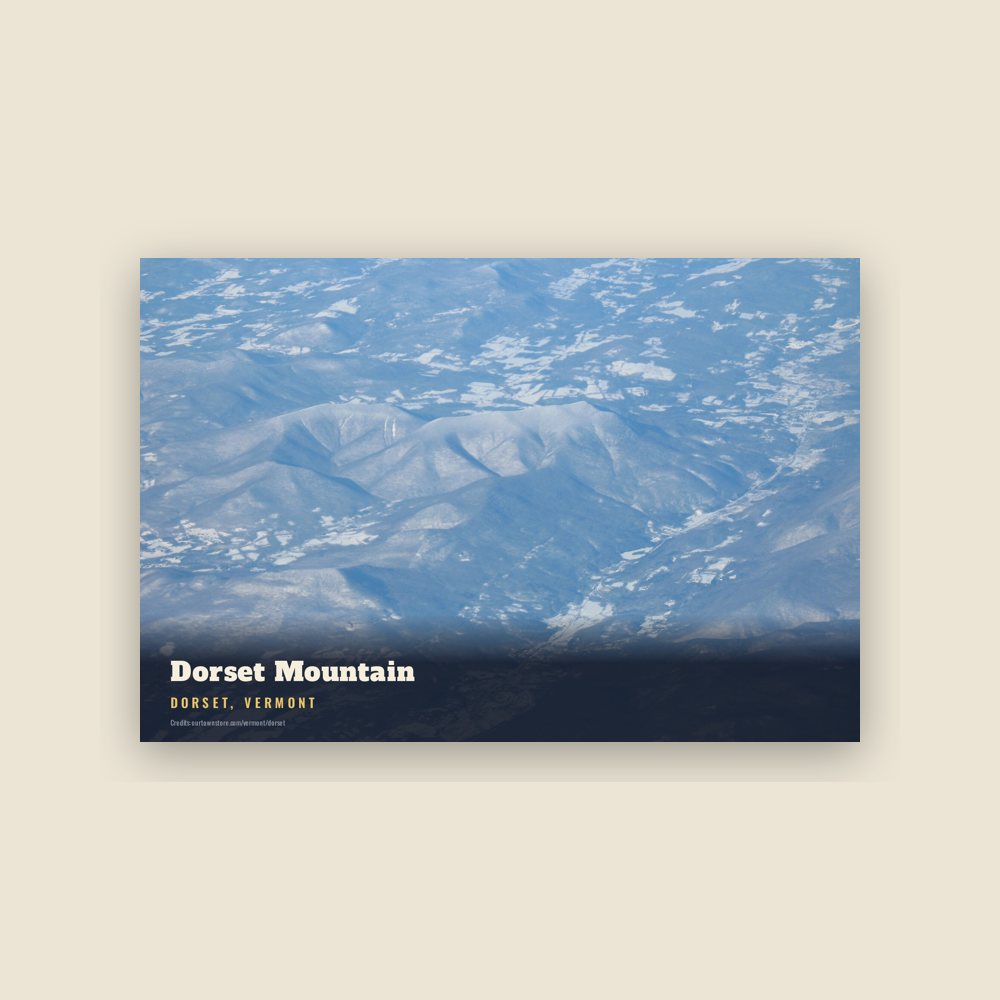
6″×4″ postcard, glossy front
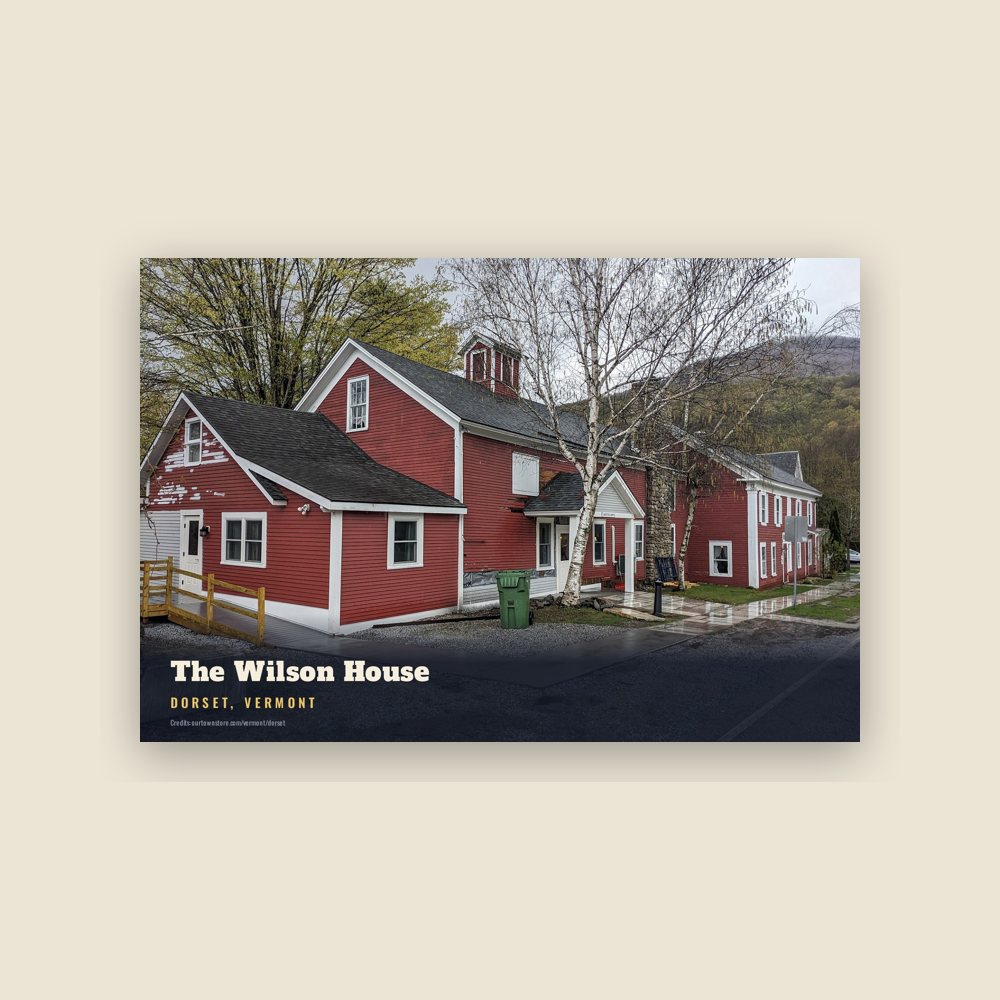
6″×4″ postcard, glossy front
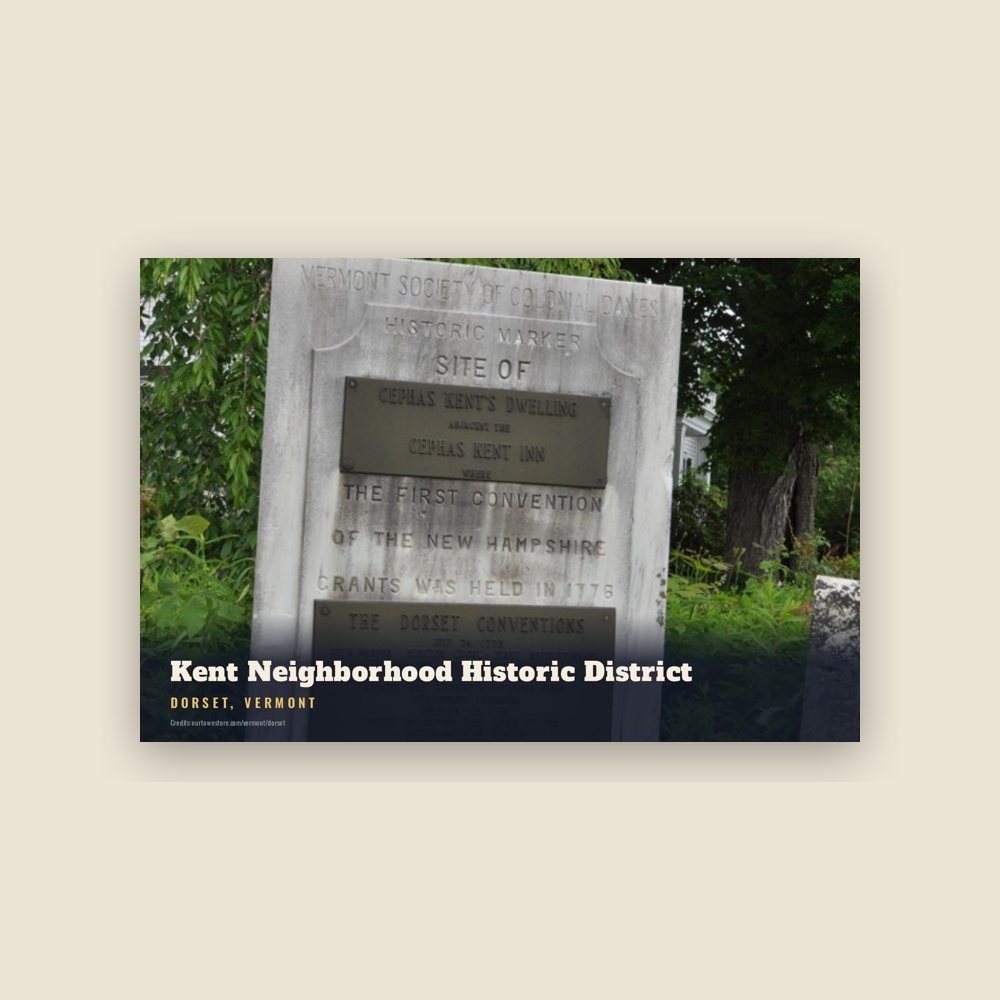
6″×4″ postcard, glossy front
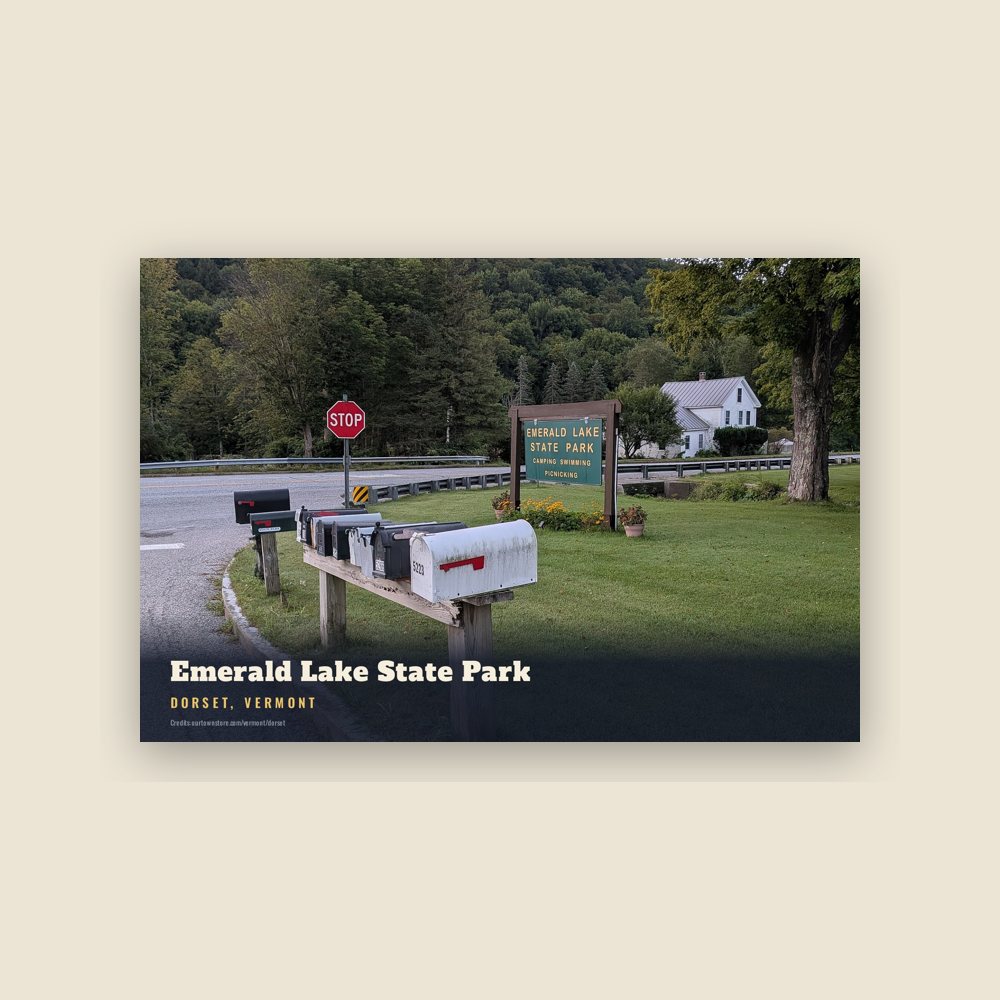
6″×4″ postcard, glossy front
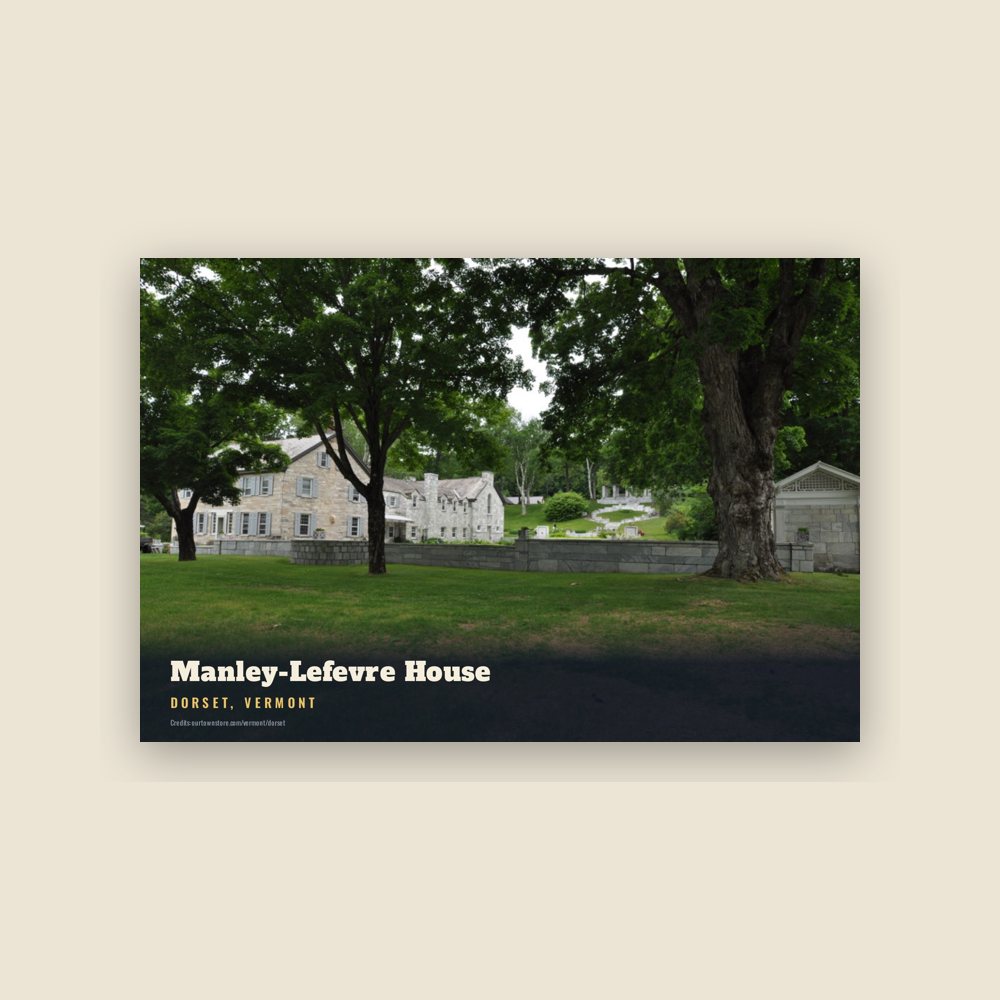
6″×4″ postcard, glossy front
Population 1990: 1,918 → 2000: 2,036 → 2010: 2,031 → 2020: 2,133
From Wikidata (CC0).
Through a series of treaties, native tribes had surrendered title to large areas of land. Subsequently, the Provincial Governor of New Hampshire had provided land grants west of the Connecticut River in land that was also claimed by the Province of New York. Strife was created by New York attempting to enforce its legitimate claim to government on settlers who had in good faith purchased land titles from New Hampshire. The King upon the advice of the Privy Council decreed a settlement that was not followed by the Governor and Legislature of New York.
Sandwiched between New York and New Hampshire, the area was constantly in dispute and claimed by both. New York claimed it was included in its 1664 grant from Charles II, but had made no effort to settle it. New Hampshire, desiring to expand its frontier to the west, simply expropriated the land and proceeded to grant 131 charters in the territory, which then became known as the New Hampshire Grants. New York retaliated by declaring the Grants null and void and telling the settlers they would have to repurchase the land from New York (at a much higher price) if they wished to stay. The New Hampshire Grantees countered by organizing the "Green Mountain Boys", an informal alliance of civilian soldiers who successfully prevented the settlers from being evicted.
To protect their investments in the land and improvements, and the health and security of their families, farms and towns, the people of the New Hampshire Grants formed Committees of Safety to coordinate protection of their society. These committees predated those of the 13 colonies formed to protect themselves from the crown by eight years, yet had precedents in similar organizations during the French and Indian War.
Born in Connecticut, Cephas Kent moved himself and his family to Dorset in 1773. He was a deacon in a local church. He owned and operated a small tavern, destined to play a part in Vermont's history. By 1775, the land control controversy had reached the point that the Grantees decided to take official action, and they held a general convention in Cephas Kent's tavern. Matters discussed at that meeting were not limited to their internal affairs but also included the general cause of American independence. The Continental Congress had voted to pay the Green Mountain Boys for their services and had asked that a regiment be formed in the New Hampshire Grants. The Grantees wanted to join in the general rebellion but not as a part of New Hampshire and certainly not as a part of New York. So they petitioned the Continental Congress to intervene in their behalf against New York and permit the Grantees to serve independently in the war of rebellion.
The Grantees met three more times during the course of the next year, always in Cephas Kent's tavern, and on June 25, 1776, voted "that application be made to the inhabitants of said Grants to form the same into a separate district." Later that day the convention bound itself "to defend by arms the United American States against the hostile attempts of the British fleet and armies until the present unhappy controversy between the two countries shall be settled." This was the first official step toward Vermont's independence.
Thus, the future state of Vermont was underway. The town of Windsor claims to be the birthplace of Vermont, and, indeed, it was there, on July 2, 1777, that the constitution was adopted and the name chosen. But it was in Dorset at Cephas Kent's tavern that the idea of Vermont was born; and, as Zephine Humphrey put it, "The idea is the dynamic reality and the fact its shadow." In 1790, New York finally relinquished her claims and, on February 18, 1791, Congress admitted Vermont as the fourteenth state. In 1912 the Vermont Society of Colonial Dames erected an historical marker at the site of the Cephas Kent Inn in Dorset.
Adapted (trimmed) from the Wikipedia article Dorset, Vermont, revision 1378769082 by its contributors, licensed CC BY-SA 4.0.
We share a part of every Dorset sale with local partners, and we'd love to print from your collection. Old photographs, maps and postcards make the best keepsakes.
Partner with us