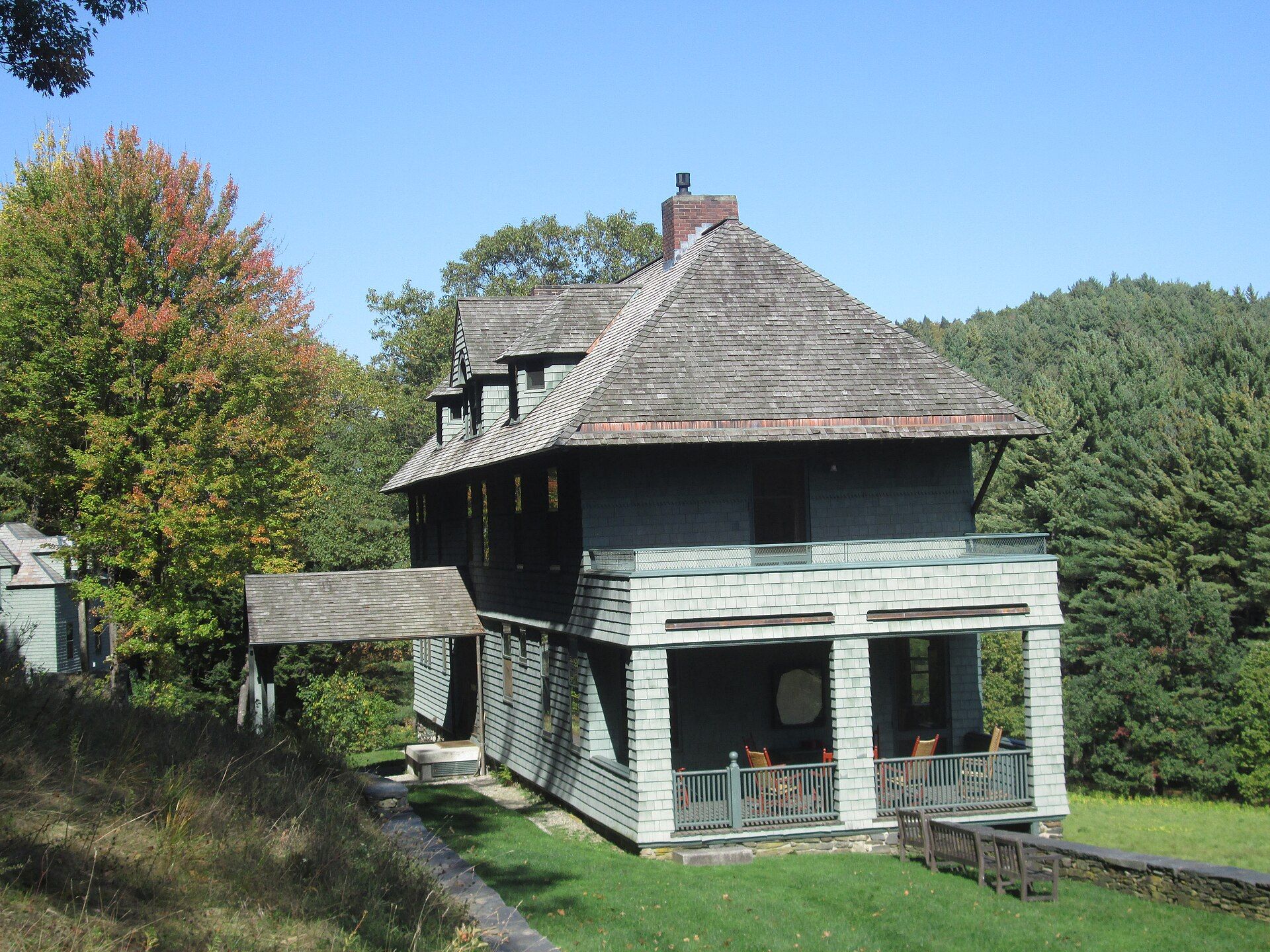
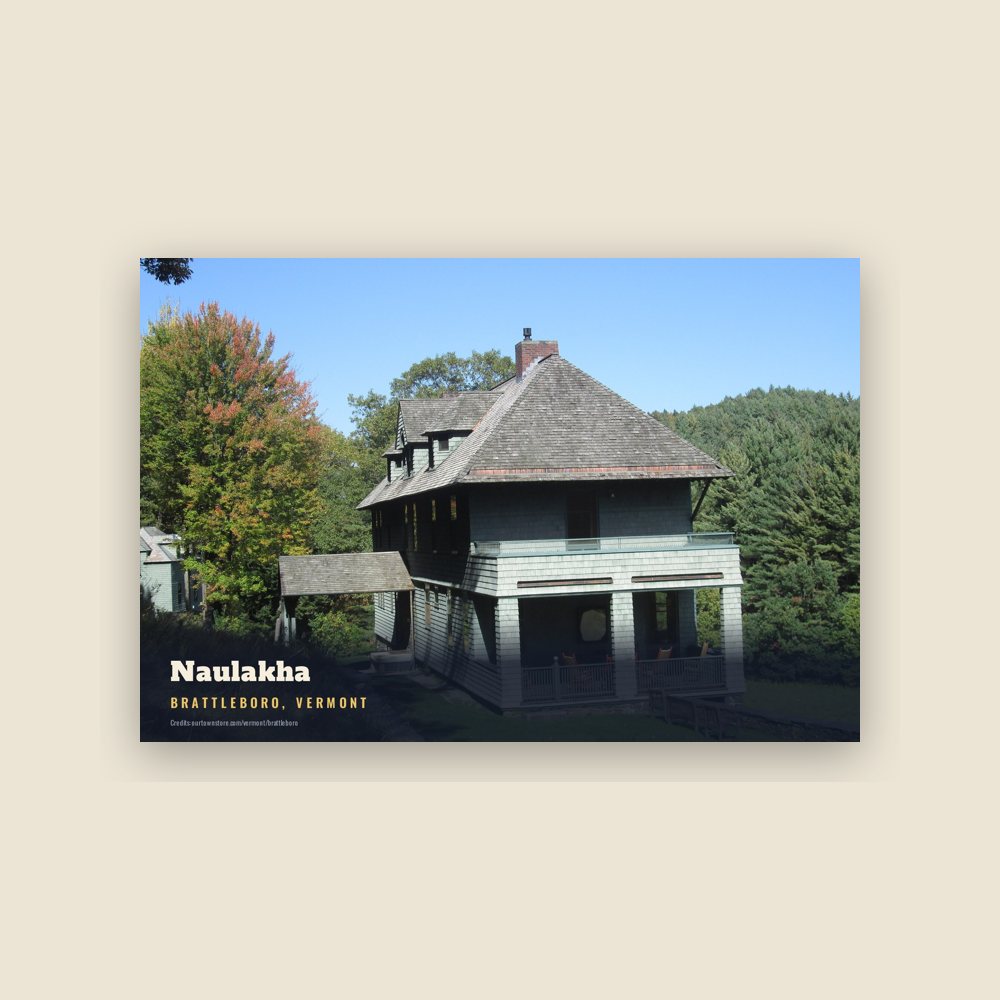
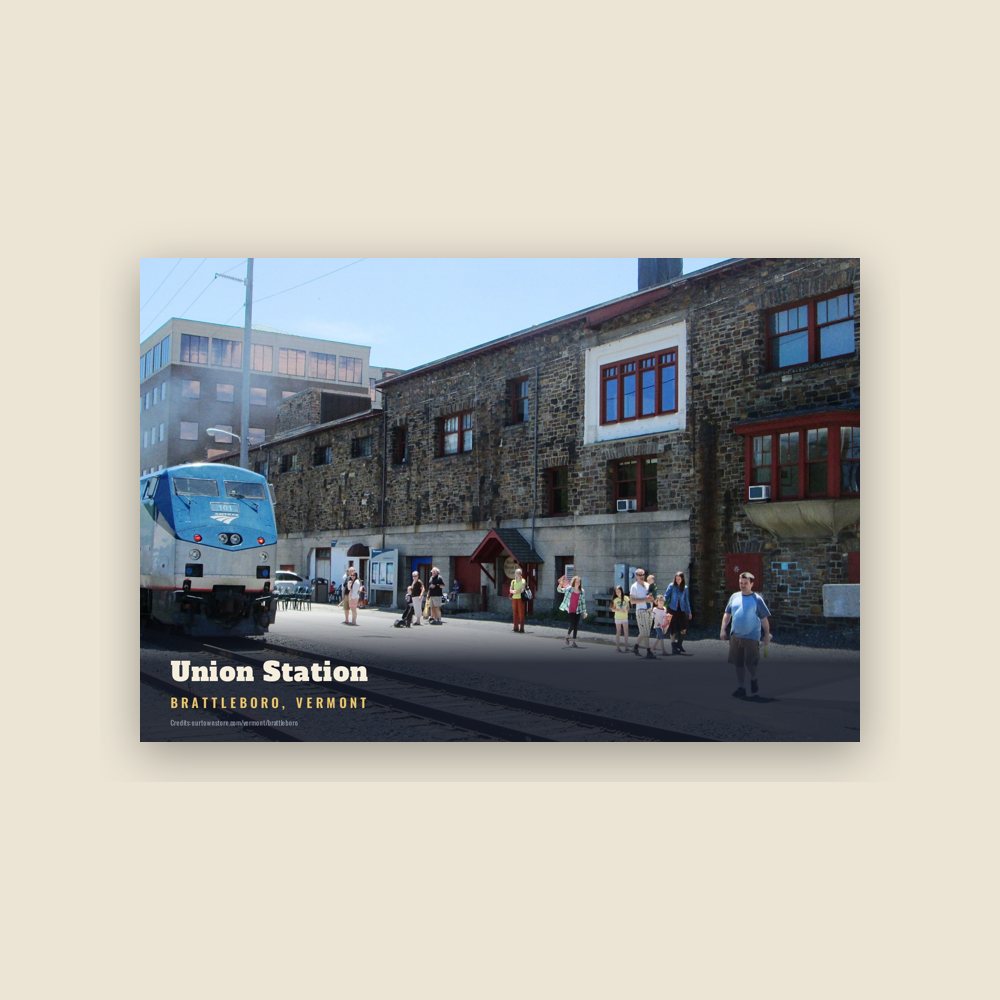
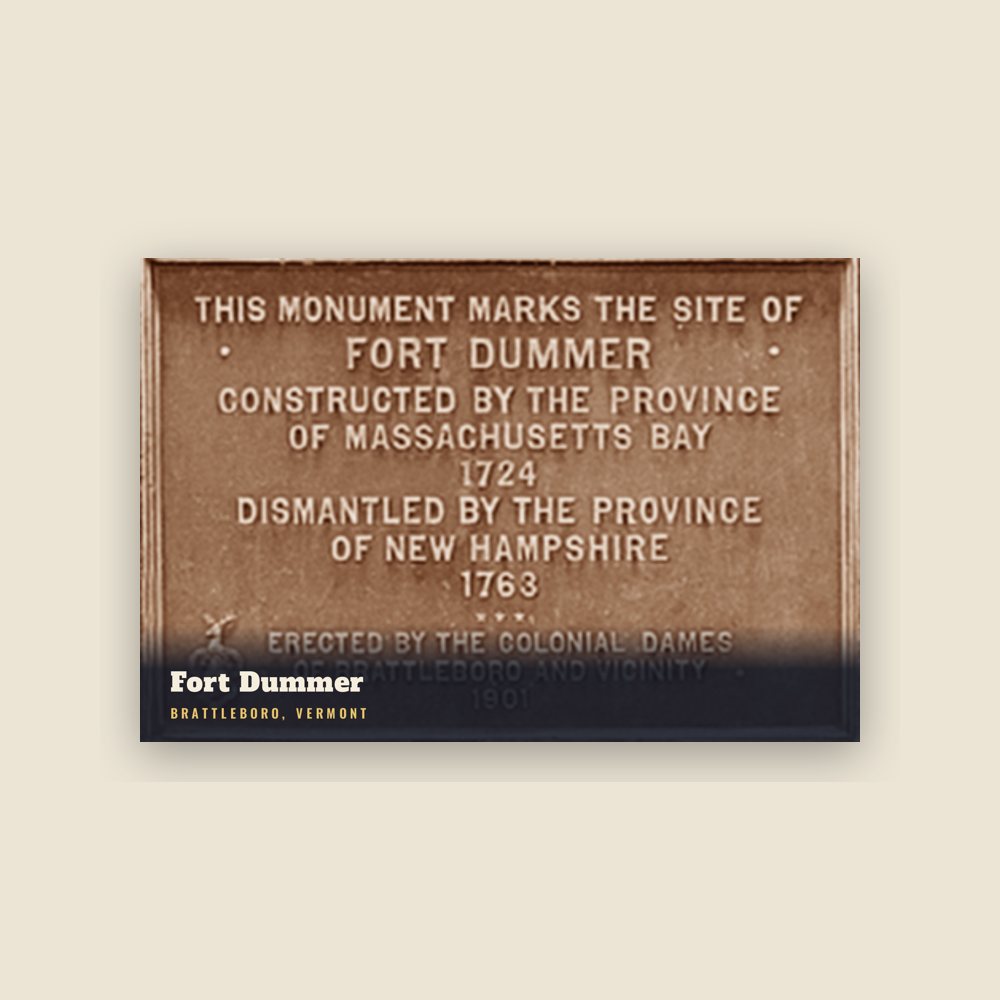
It was named Brattleborough, after Brigadier-General William Brattle, Jr. of Boston, a military officer, cleric, slaveholder as well as a principal proprietor. Landmarks include Naulakha, Union Station and Fort Dummer. Brattleboro is the birthplace of Jody Williams, teacher and aid worker.
Every piece is drawn from Brattleboro's own map data and historic archives, then printed and shipped from the USA when you order. No two towns look alike.
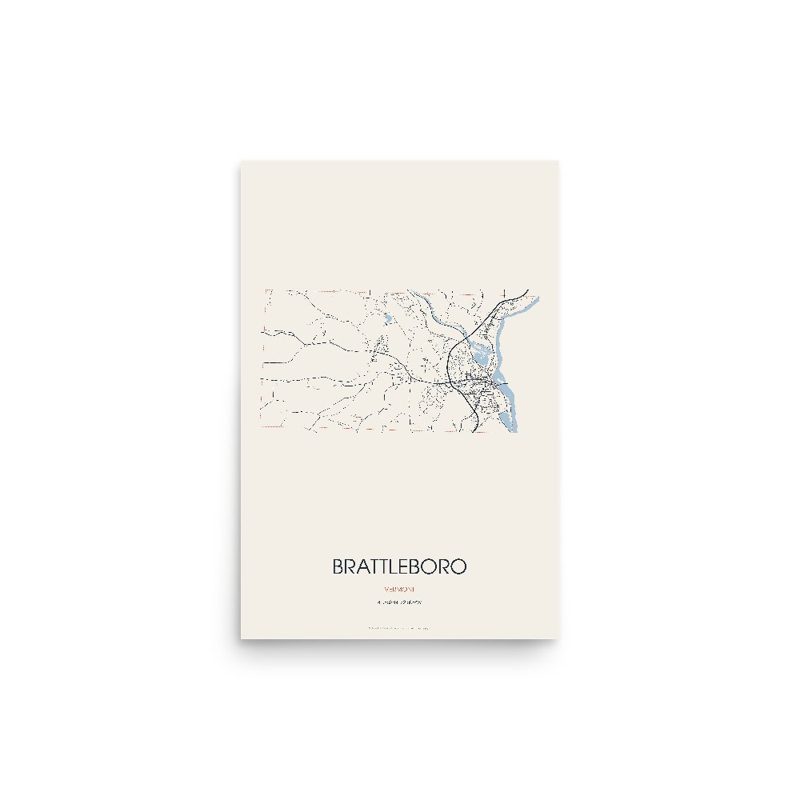
Every road in town, on archival matte paper
The same map, in navy and silver
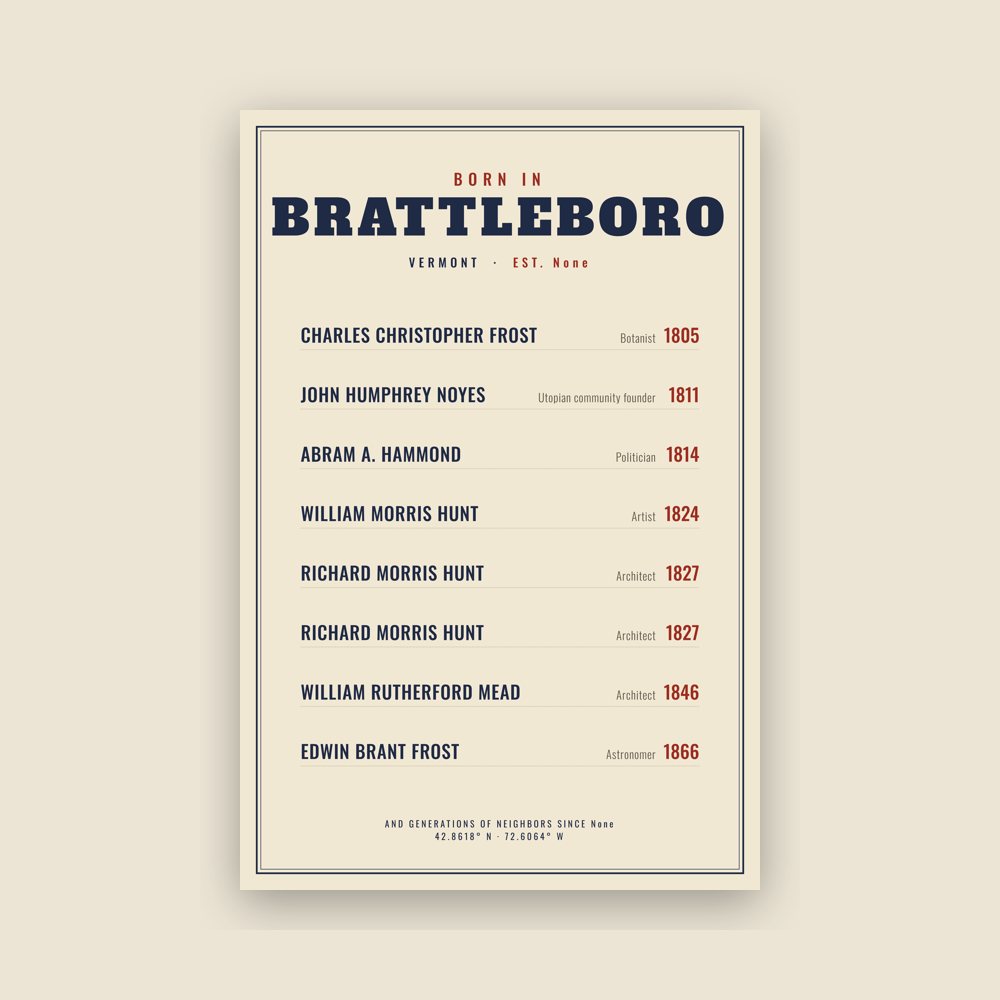
Famous natives, by birth year
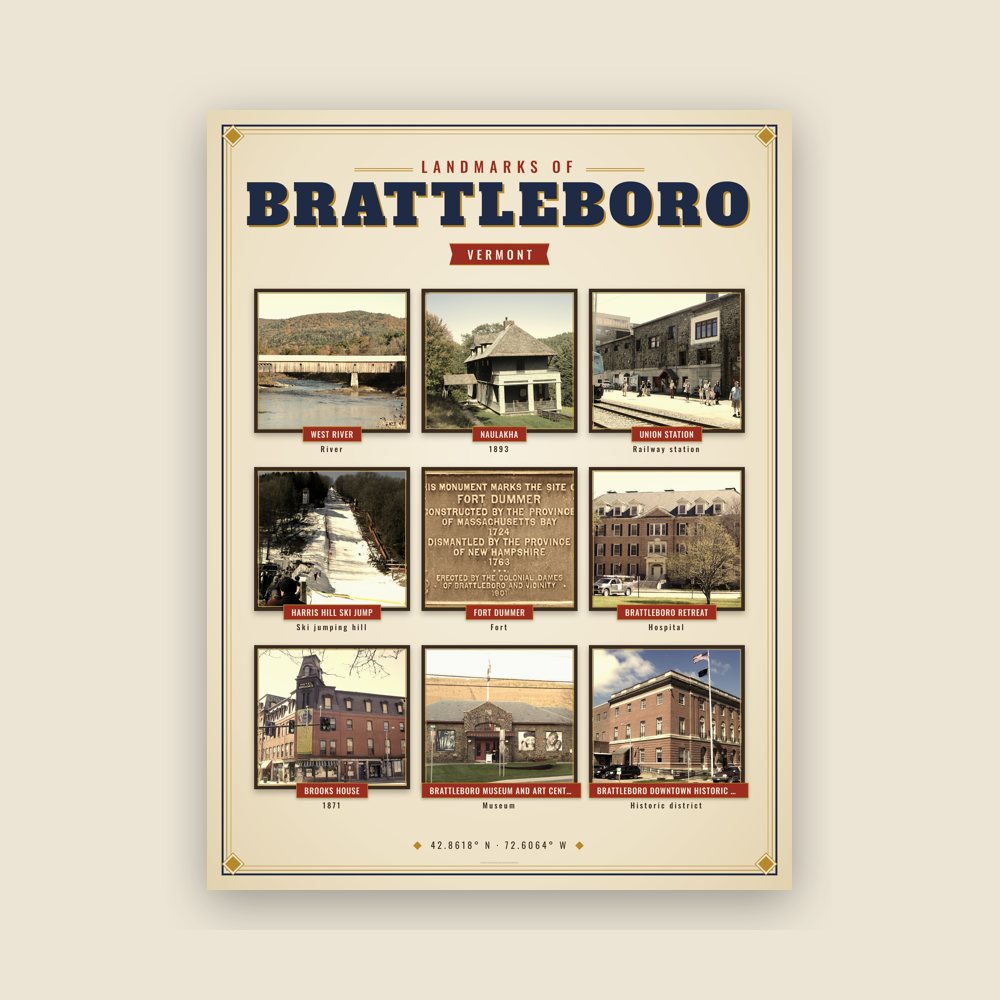
Nine local landmarks, archival matte
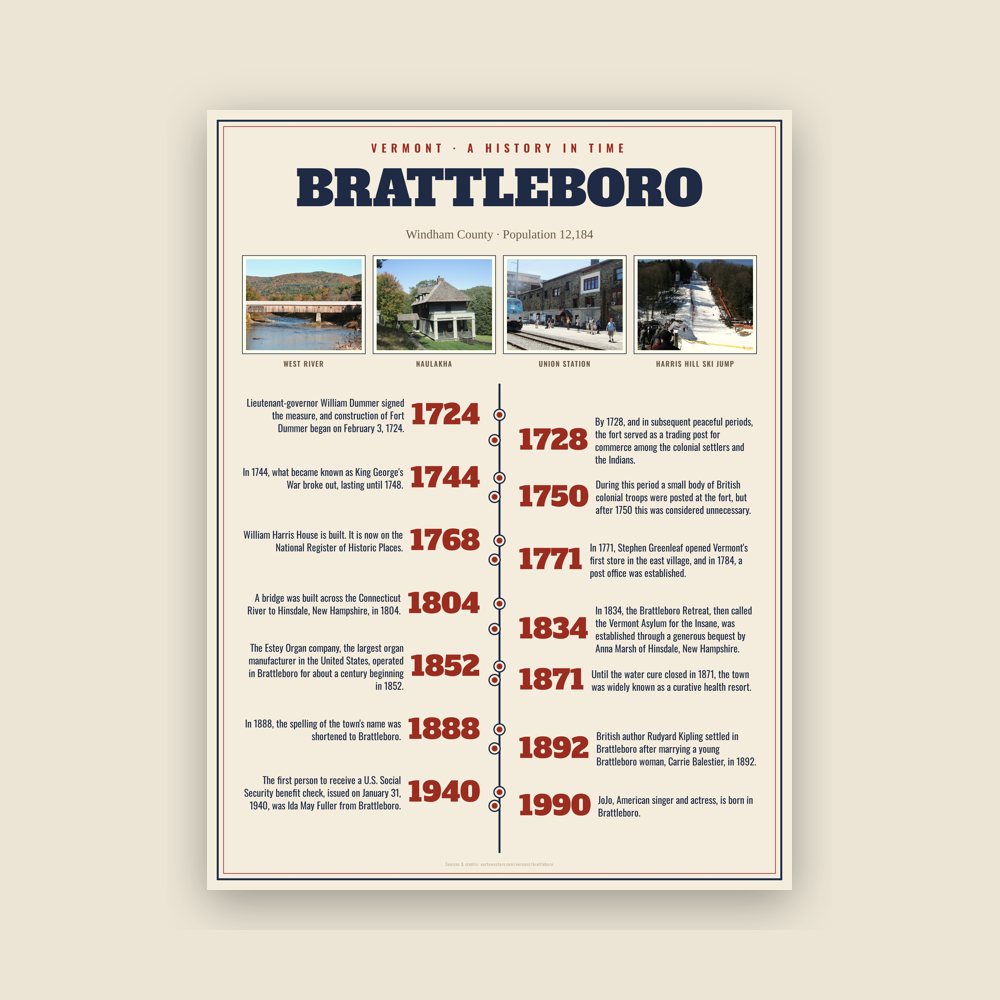
The town's story in dates, from its own records, for home or classroom
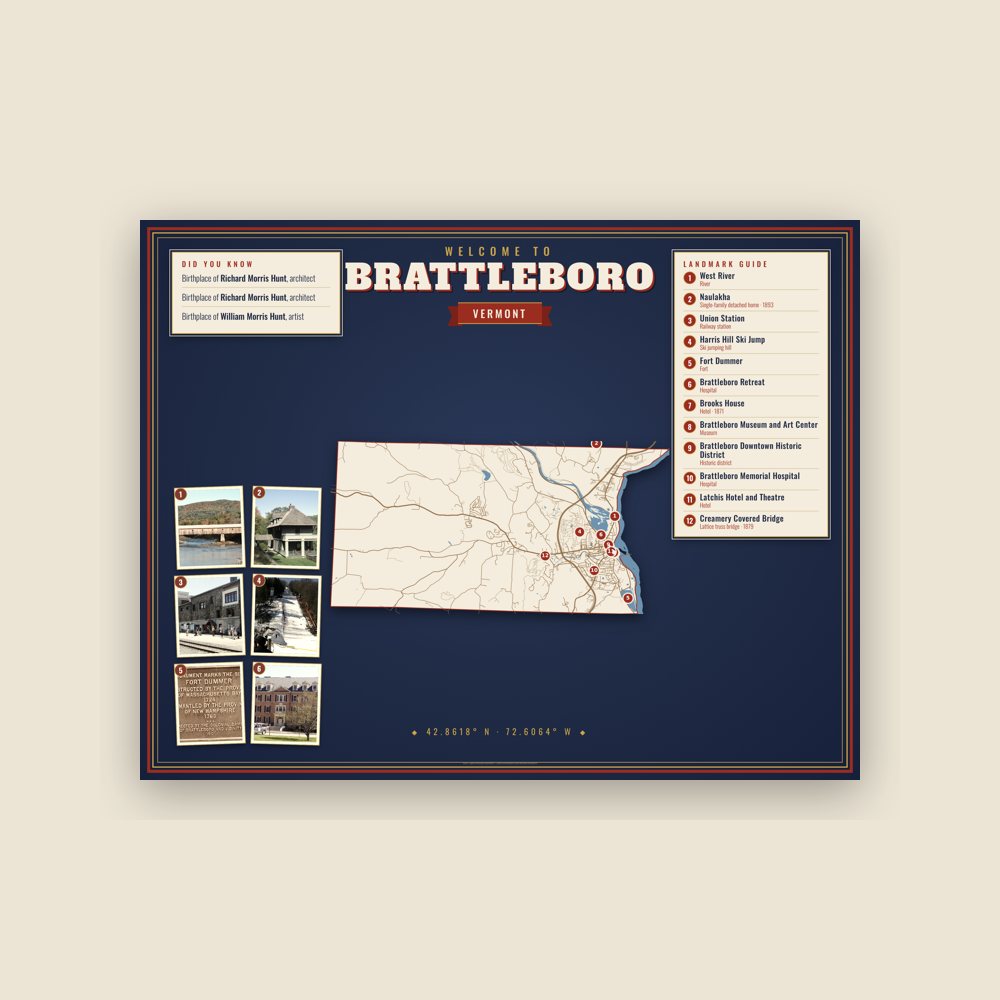
Map of local landmarks, washable fabric

Heavy-blend fleece, street map printed on the back

Soft Bella+Canvas jersey
Glossy ceramic, dishwasher safe
Ceramic keepsake, gold ribbon
Weatherproof, for the front walk
24″×16″, printed coir-look fibers, rubber back
12″×12″ printed wood, ready to hang
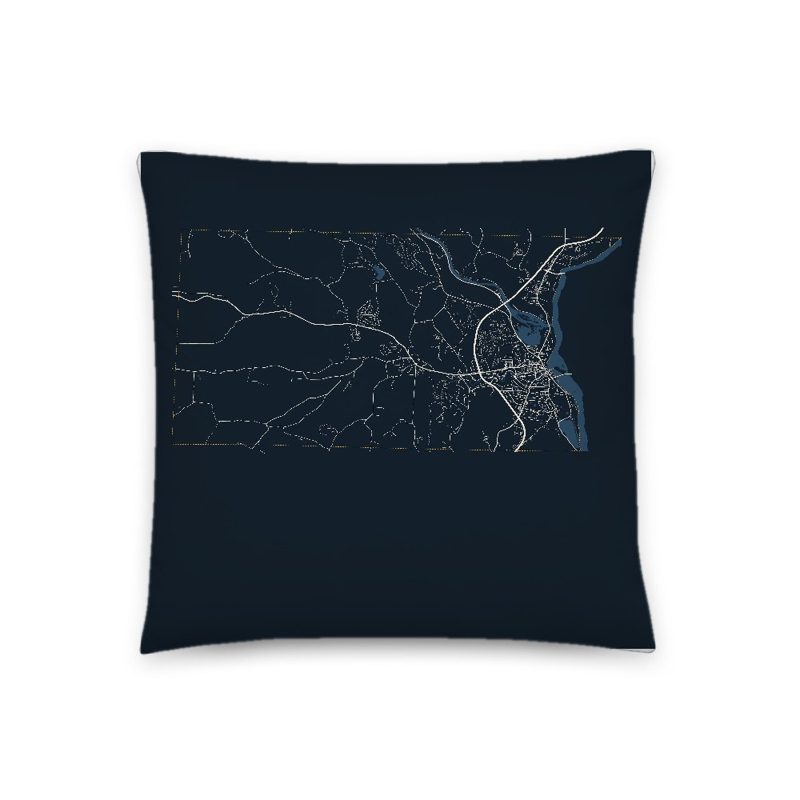
Soft-touch, zip cover
Sturdy all-over-print tote
Glossy top, cork back
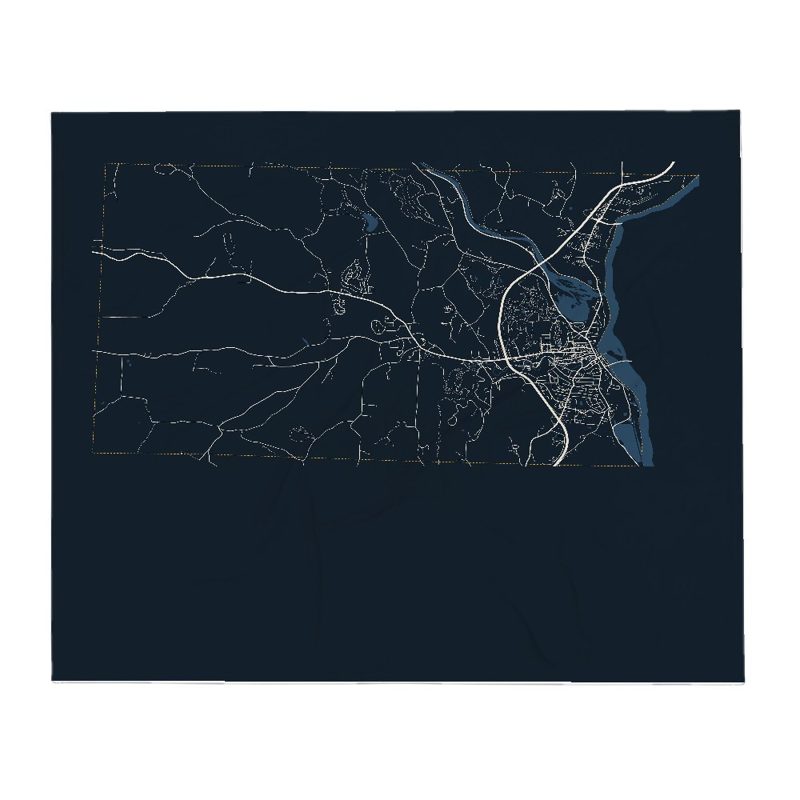
Soft fleece, 50″×60″
20 oz, double-wall stainless
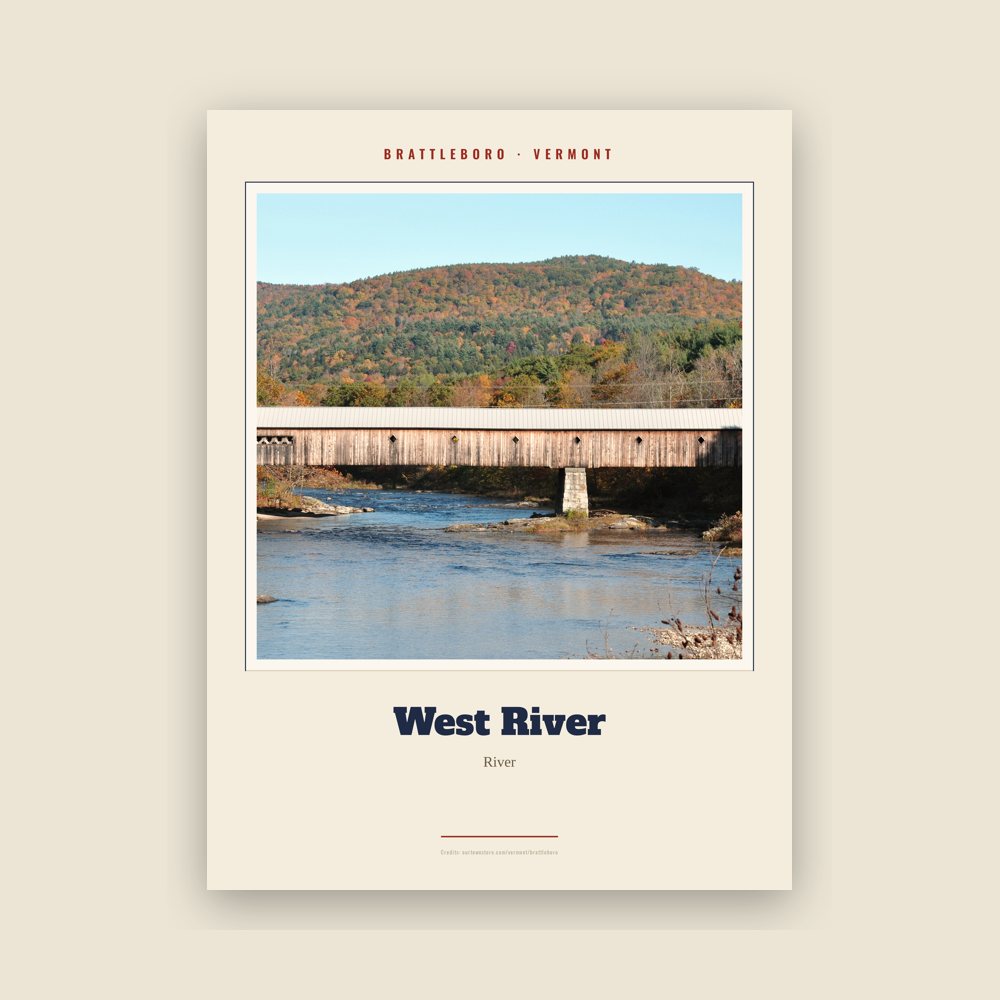
Archival matte print of a local landmark, credited to its photographer
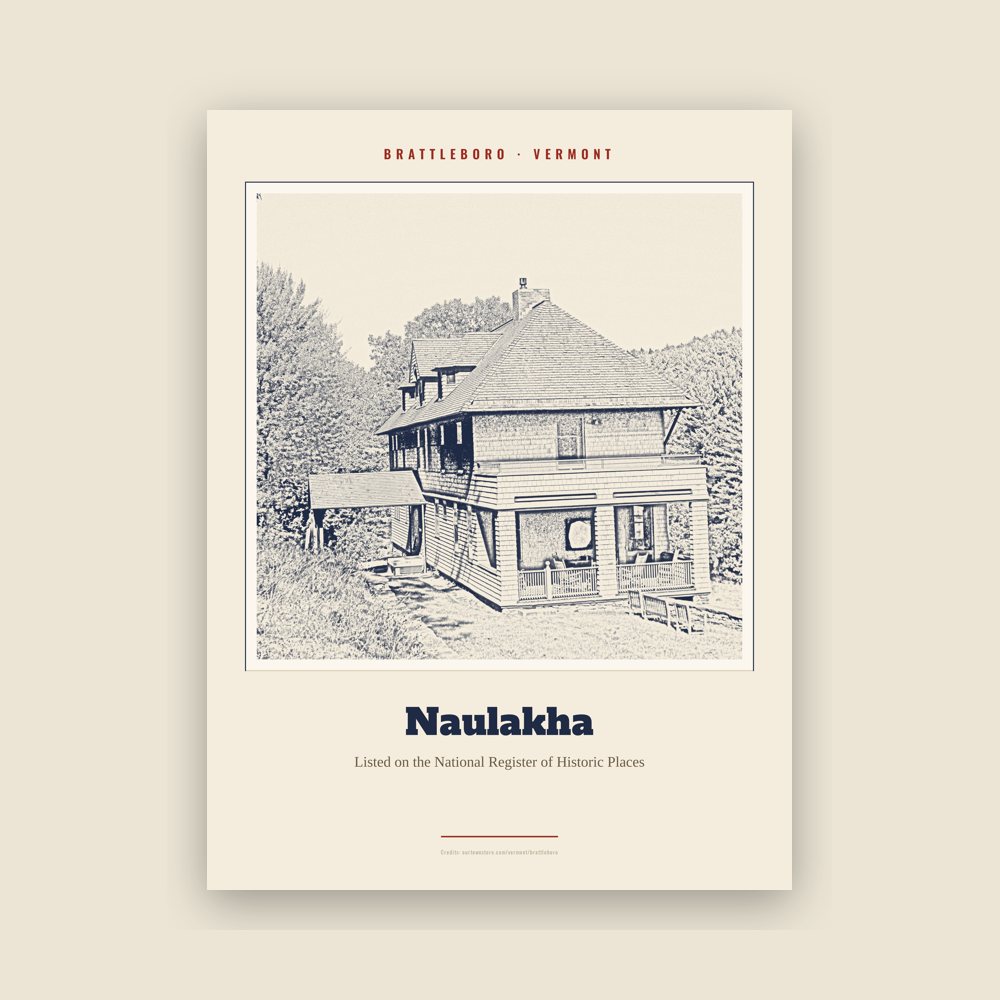
Archival matte print of a local landmark, credited to its photographer
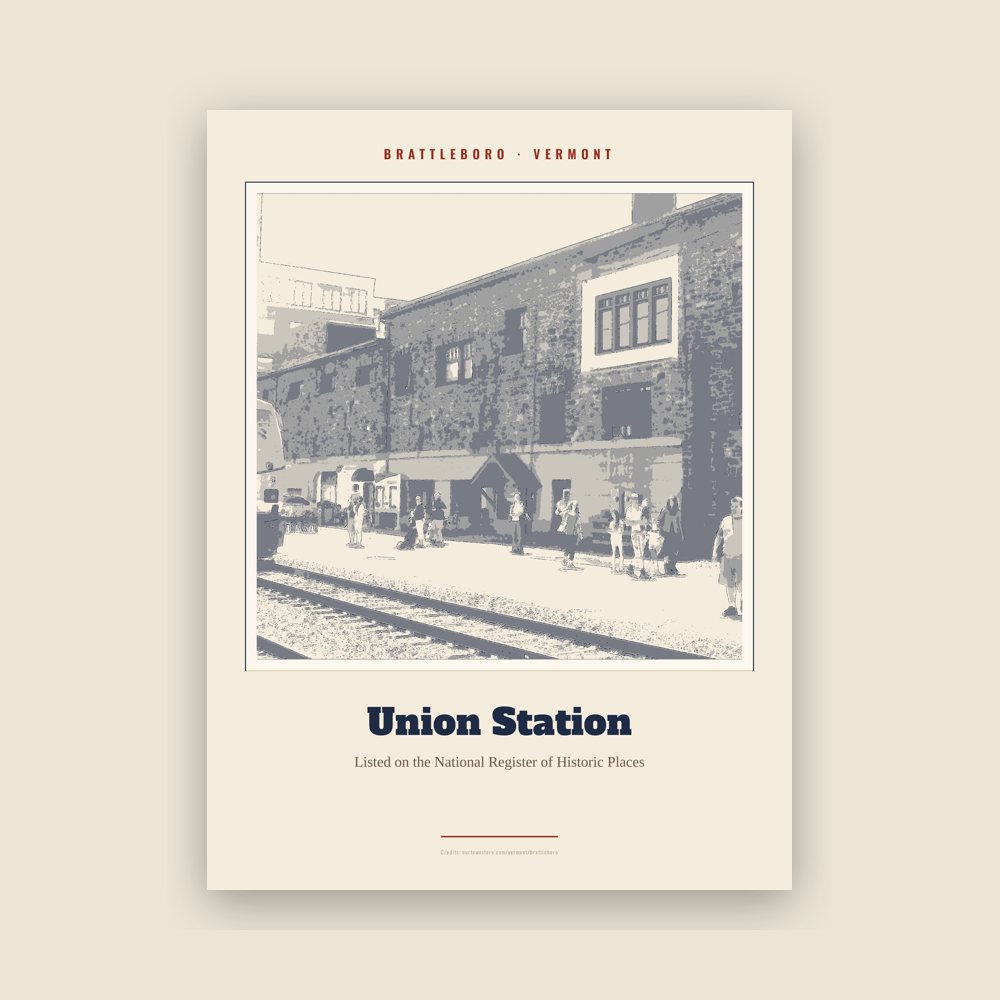
Archival matte print of a local landmark, credited to its photographer
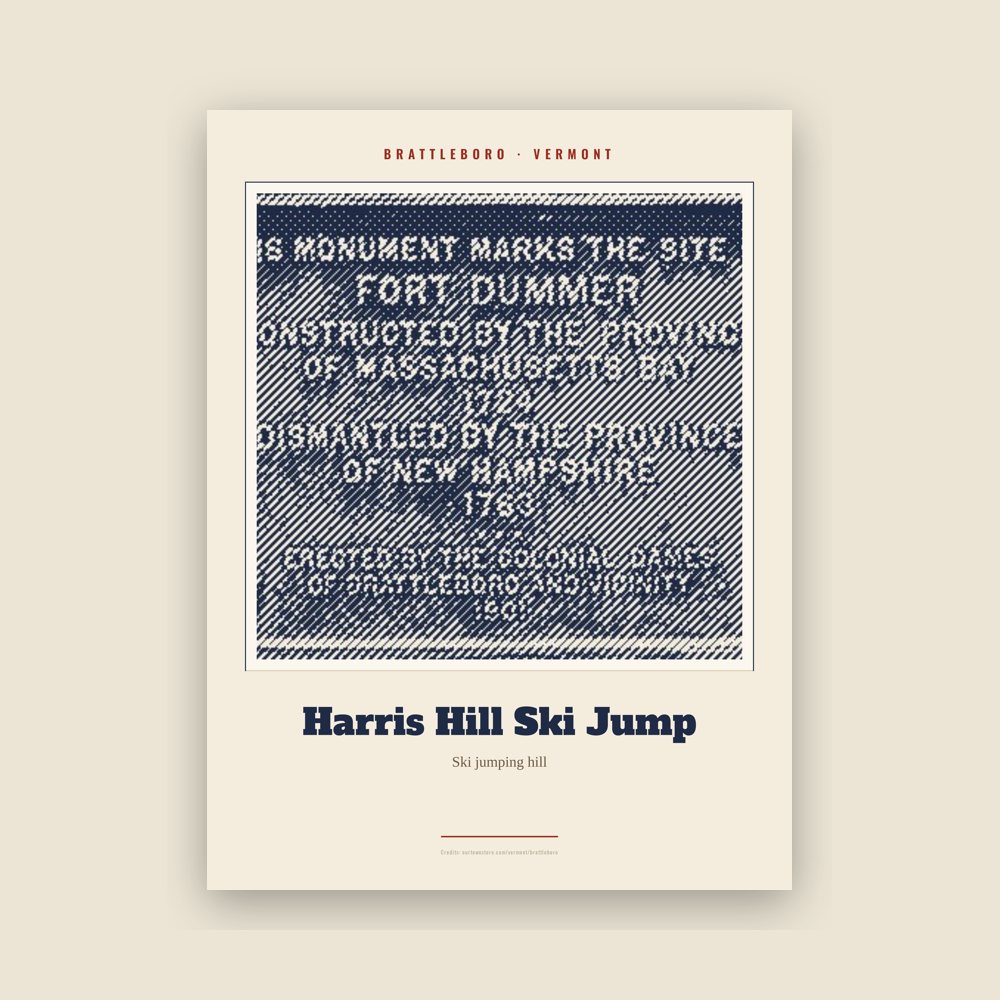
Archival matte print of a local landmark, credited to its photographer
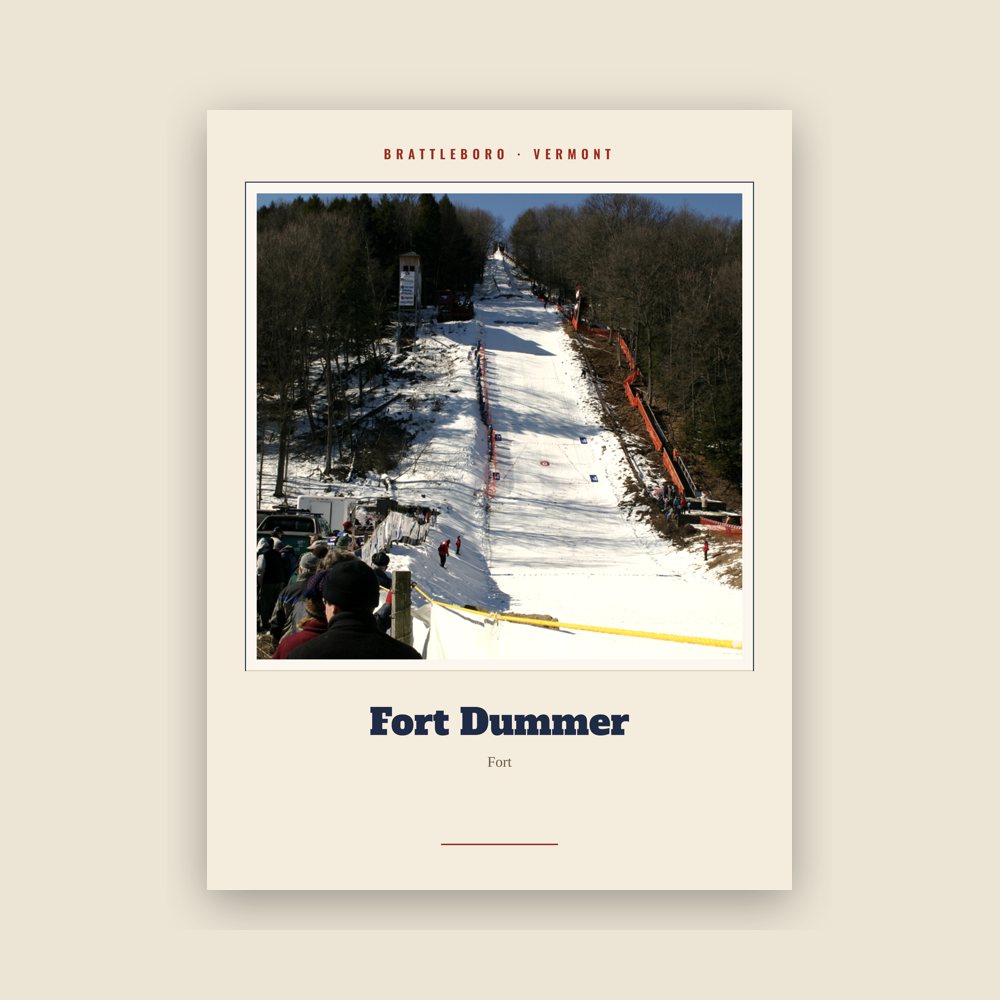
Archival matte print of a local landmark, credited to its photographer
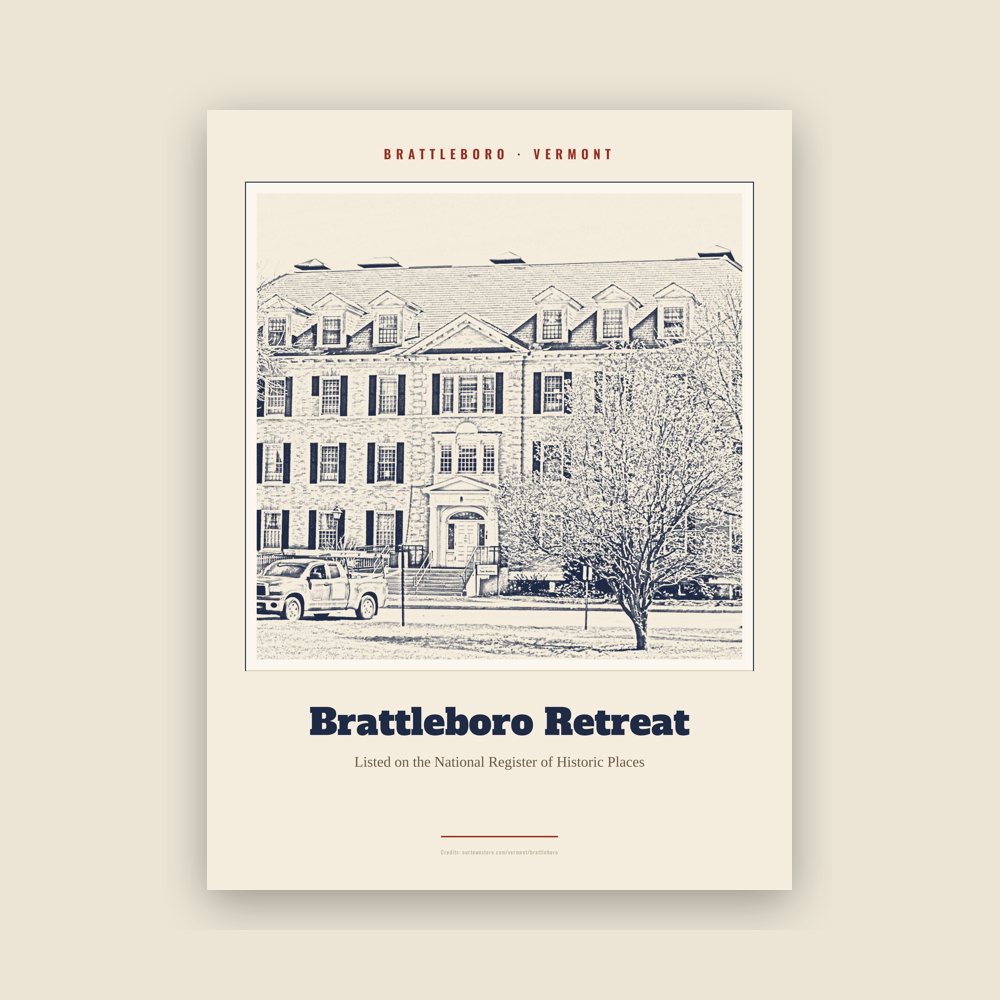
Archival matte print of a local landmark, credited to its photographer
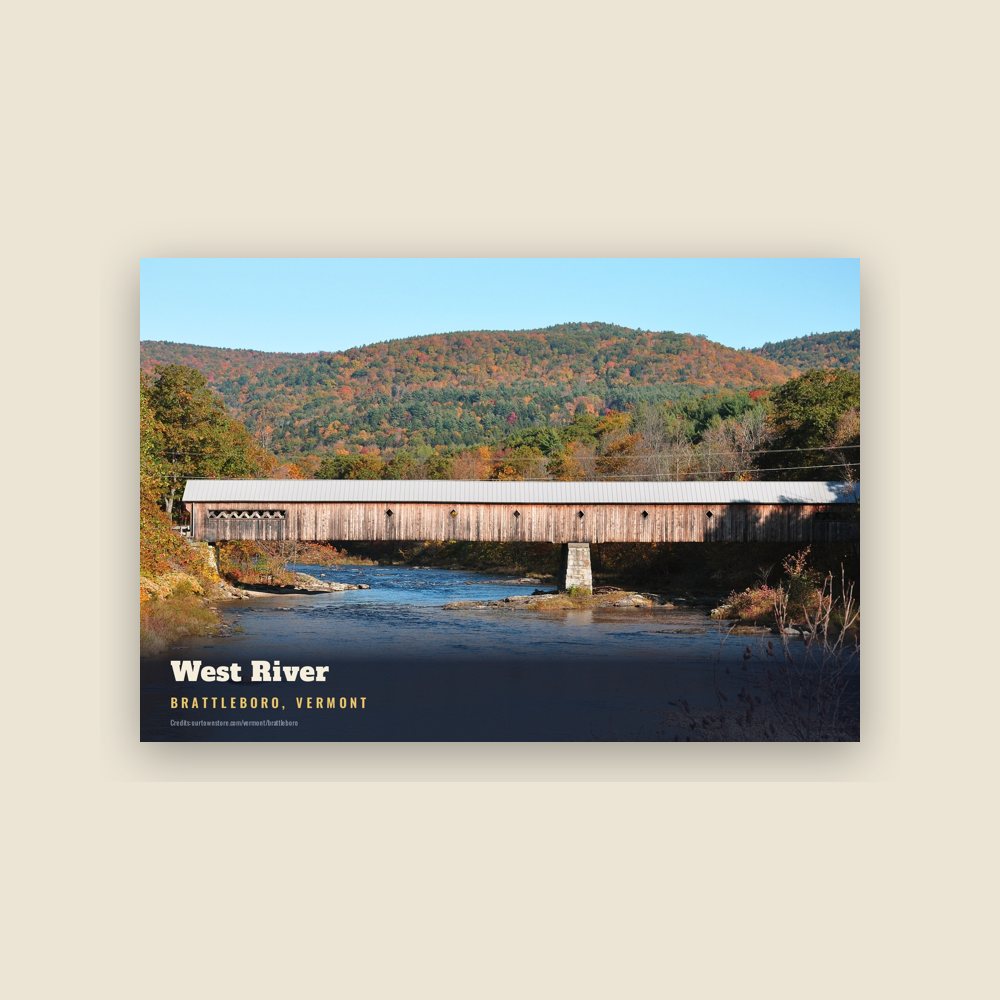
6″×4″ postcard, glossy front
6″×4″ postcard, glossy front
6″×4″ postcard, glossy front
6″×4″ postcard, glossy front
6″×4″ postcard, glossy front
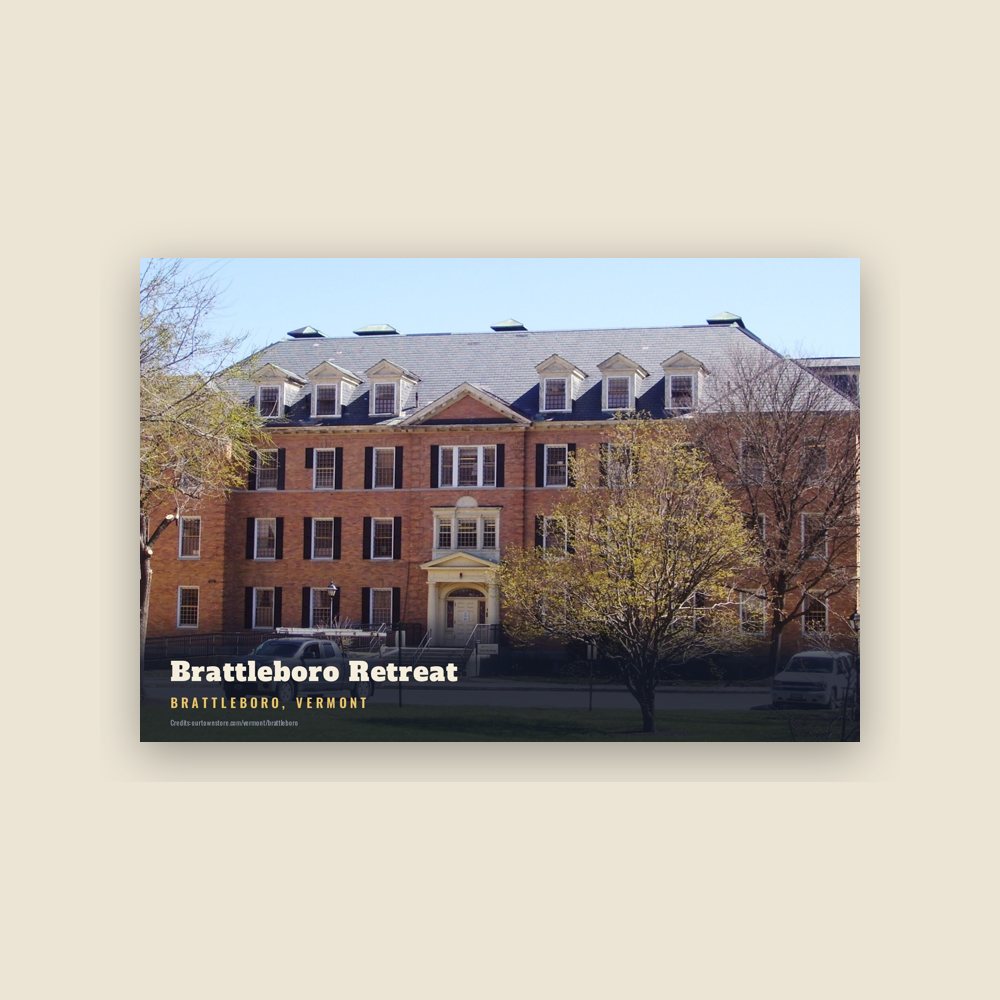
6″×4″ postcard, glossy front
![Brattleboro [Brattleboro, Vt. from Mt. Wantastiquet] Archive Print](img/archive-01.jpg)
From the Library of Congress collections: a historic survey drawing or photograph of the town
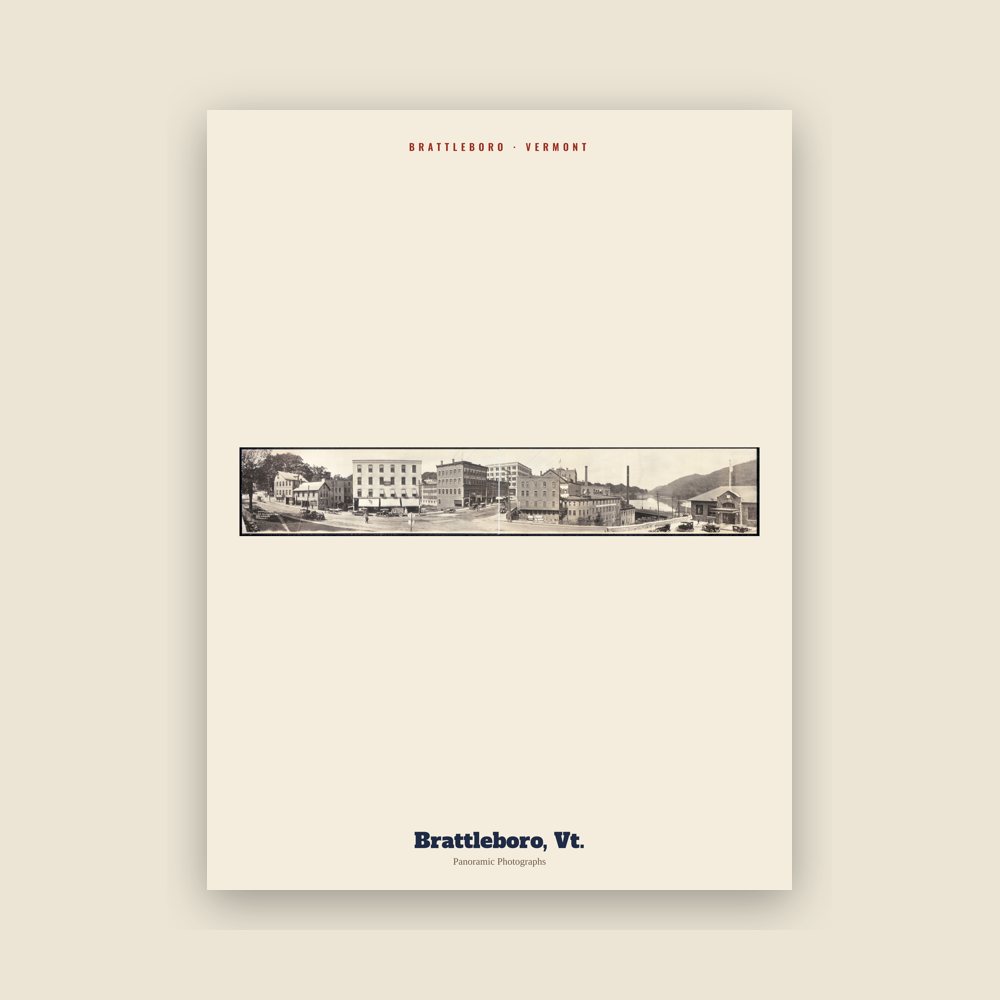
From the Library of Congress collections: a historic survey drawing or photograph of the town
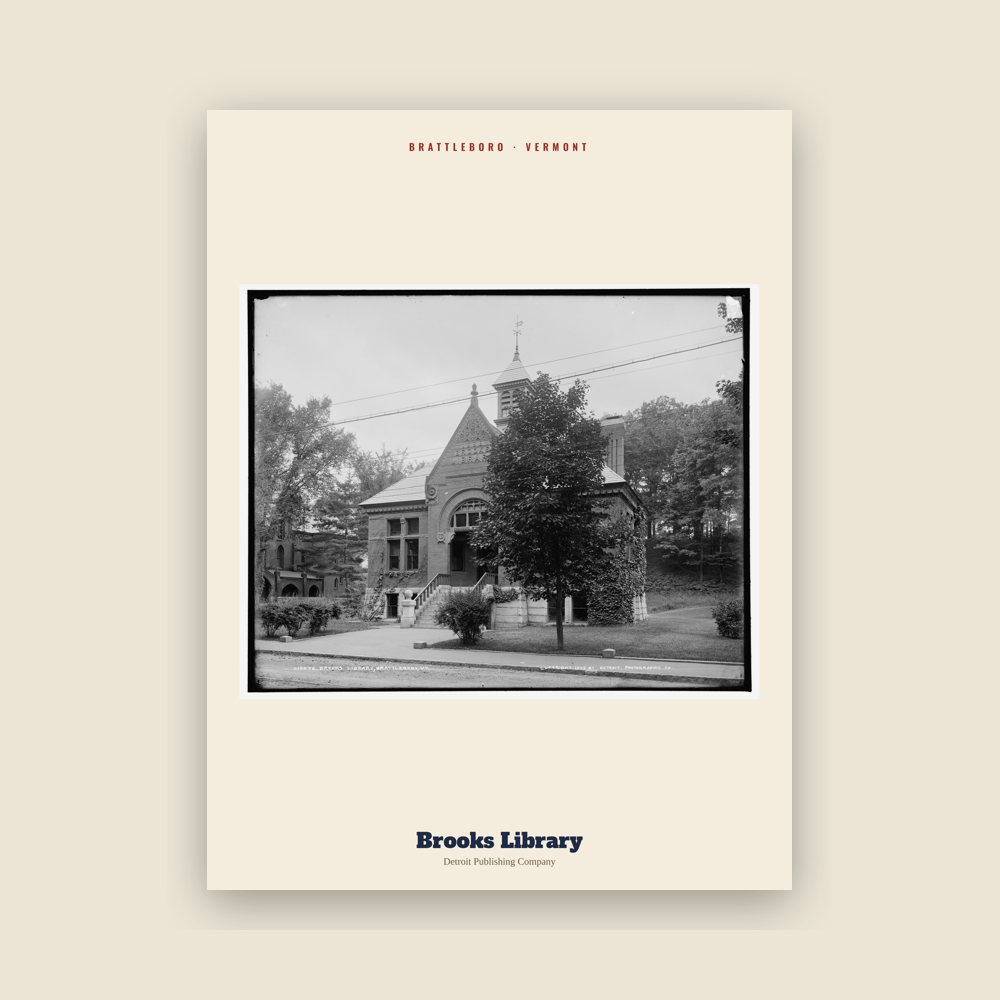
From the Library of Congress collections: a historic survey drawing or photograph of the town
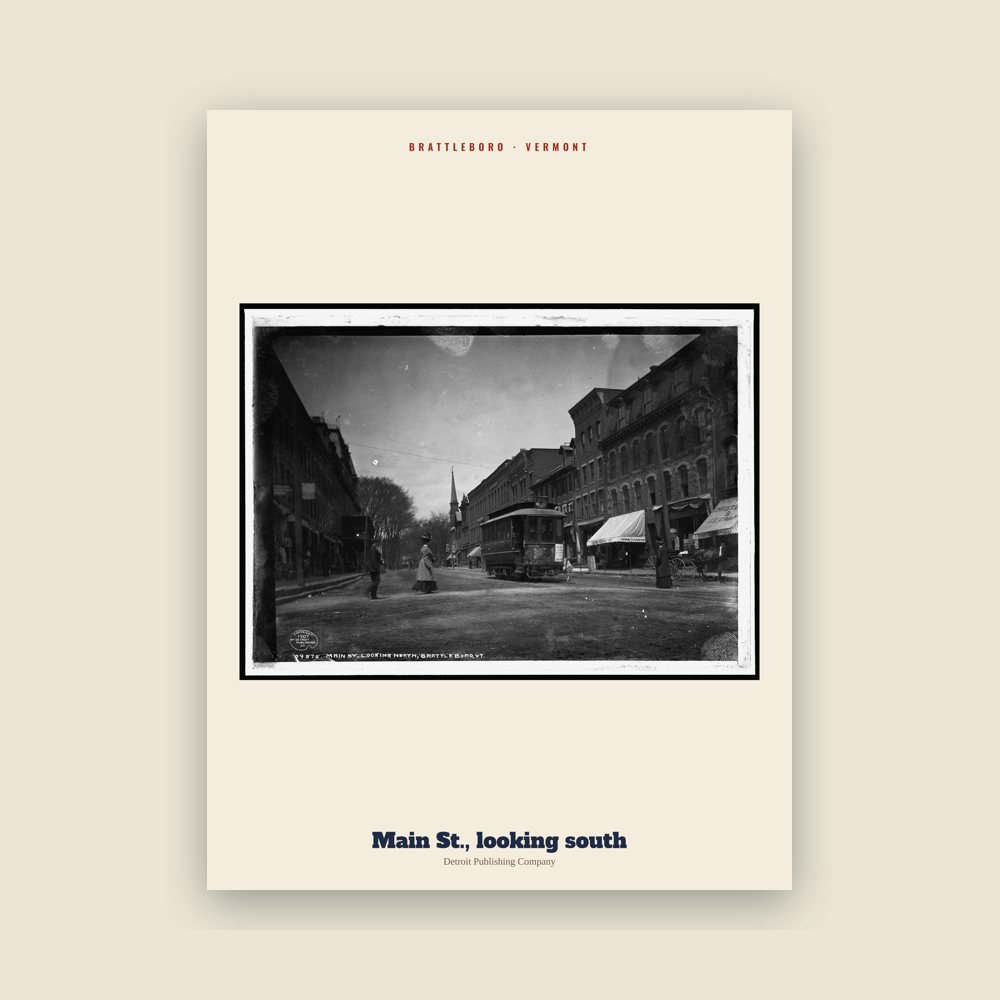
From the Library of Congress collections: a historic survey drawing or photograph of the town
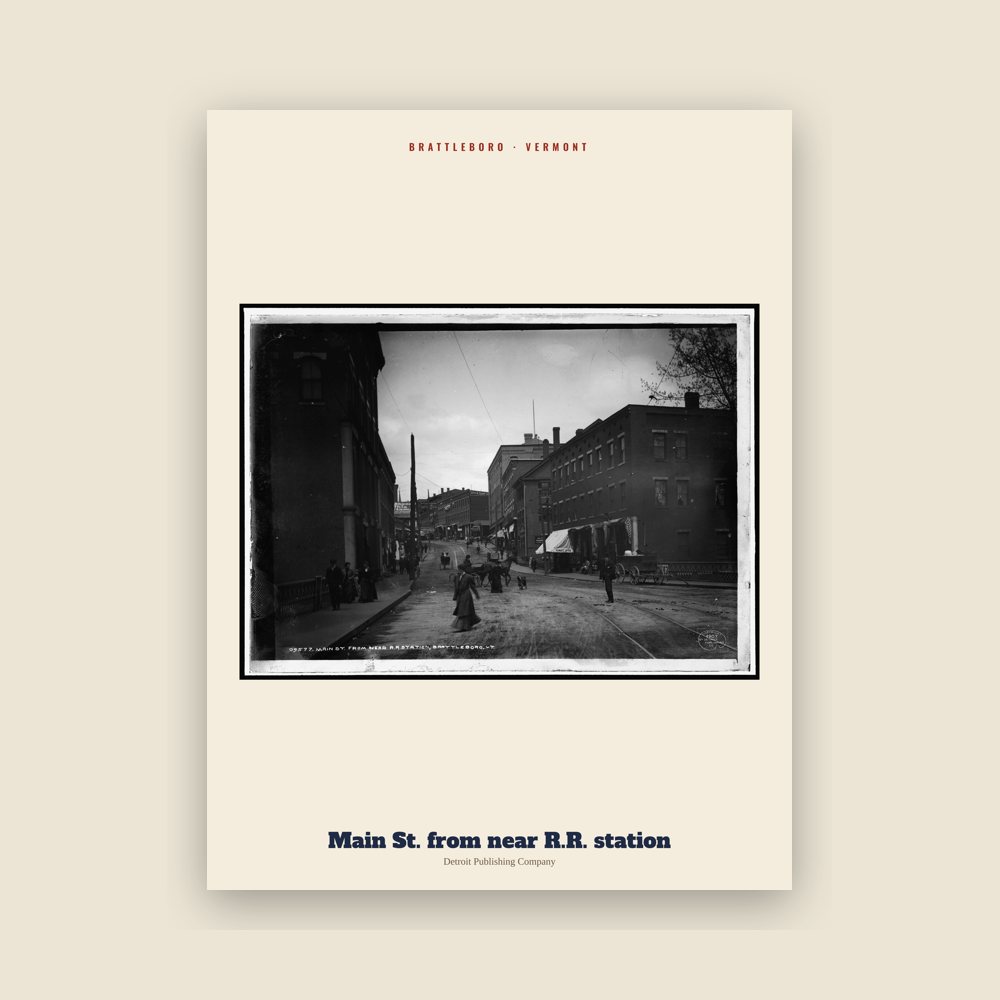
From the Library of Congress collections: a historic survey drawing or photograph of the town
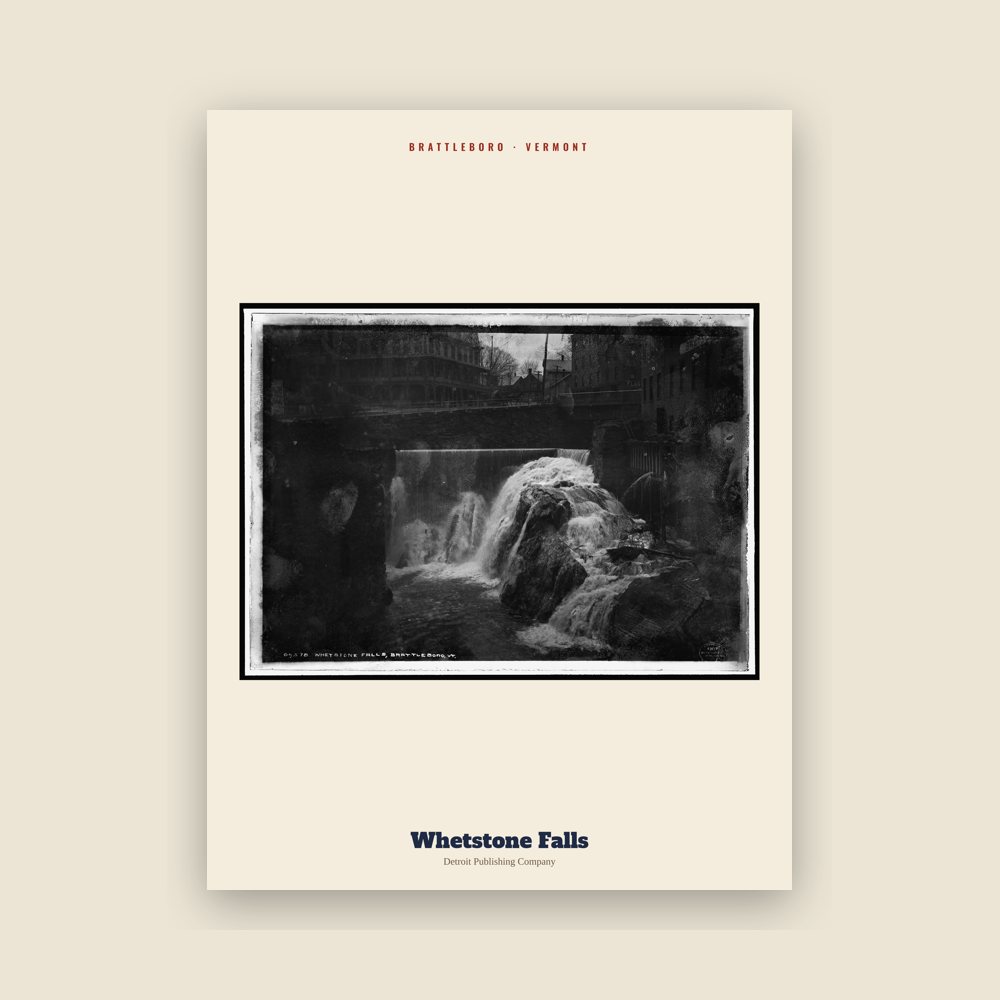
From the Library of Congress collections: a historic survey drawing or photograph of the town
Population 2010: 12,046 → 2020: 12,184
From Wikidata (CC0).
The location was called Wantastegok or "Wantastiquet" by the indigenous Sokoki band of Abenaki that resided in the area before settlement by Europeans.
To defend the Massachusetts Bay Colony against Chief Gray Lock and others during Dummer's War, the Massachusetts General Court voted on December 27, 1723, to build a blockhouse and stockade on the Connecticut River near the site of what would later become known as Brattleboro. Lieutenant-governor William Dummer signed the measure, and construction of Fort Dummer began on February 3, 1724. It was completed before summer. On October 11 of that year, the French attacked the fort and killed some soldiers. In 1725, Dummer's War ended.
By 1728, and in subsequent peaceful periods, the fort served as a trading post for commerce among the colonial settlers and the Indians. But violence flared up from time to time throughout the first half of the 18th century. In 1744, what became known as King George's War broke out, lasting until 1748. During this period a small body of British colonial troops were posted at the fort, but after 1750 this was considered unnecessary.
Although the area was originally part of the Equivalent Lands, the township became one of the New Hampshire grants, and was chartered (founded) as such on December 26, 1753, by Governor Benning Wentworth. It was named Brattleborough, after Brigadier-General William Brattle, Jr. of Boston, a military officer, cleric, slaveholder as well as a principal proprietor. Ironically, there is no record that Brattle ever visited the locality, and settlement activities remained tentative until after the 1763 Treaty of Paris, when France abandoned their claims to Vermont, part of the region which they had called New France.
Hostilities having ceased, Brattleboro developed quickly in peacetime, and soon was second to no other settlement in the state for business and wealth. In 1771, Stephen Greenleaf opened Vermont's first store in the east village, and in 1784, a post office was established. A bridge was built across the Connecticut River to Hinsdale, New Hampshire, in 1804.
In 1834, the Brattleboro Retreat, then called the Vermont Asylum for the Insane, was established through a generous bequest by Anna Marsh of Hinsdale, New Hampshire. In 1844, the Brattleboro Hydropathic Establishment was opened by Robert Wesselhoeft; this was the third "water cure" establishment in the country, utilizing waters from a spring near the current downtown fire station. Until the water cure closed in 1871, the town was widely known as a curative health resort.
Other industries began to appear in the town under the initiation of the businessman John Holbrook, who initiated firms like the Brattleboro Typographic Company. These businesses initiated a decade of very successful printing industry in the town.
Whetstone Falls, very close to where Brattleboro's Whetstone Brook flows into the Connecticut River, was a handy source of water power for watermills, initially a sawmill and a gristmill. By 1859, when the population had reached 3,816, Brattleboro had a woolen textile mill, a paper mill, a manufacturer of papermaking machinery, a factory making melodeons, two machine shops, a flour mill, a carriage factory, and four printing establishments. Connected by the Vermont & Massachusetts Railroad and the Vermont Valley Railroad, the town prospered as a regional center for trade in commodities including grain, lumber, turpentine, tallow and pork. In 1888, the spelling of the town's name was shortened to Brattleboro.
The Estey Organ company, the largest organ manufacturer in the United States, operated in Brattleboro for about a century beginning in 1852. The company's main factory was located southwest of downtown Brattleboro, on the south side of Whetstone Brook between Birge and Organ Streets. At its height, the complex had more than 20 buildings, many of which were interconnected by raised walkways and covered bridges. One of the buildings now houses the Estey Organ Museum. The entire surviving complex was listed on the National Register of Historic Places in 1980, both for its architecture, and for having been a major economic force in Brattleboro for many years.
In 1871, Thomas P. James, "The Spirit Pen of Dickens", a printer by trade, moved to Brattleboro, where he took a job at The Vermont Farmer and Record. James claimed that the departed spirit of Charles Dickens had given him a communication at a seance on Oak Street. According to James, Dickens' spirit conveyed that he had chosen James to write down the end of "The Mystery of Edwin Drood", which Dickens had not completed before he died. Dickens' spirit also supposedly told James that it was fine if James made a profit from the book. The book was printed by the same company that owned the Springfield Union, which was the paper that published the first news about James' claims, as well as excerpts from the new chapters of the novel. Newspaper editors from papers around New England who had employed James denounced the entire affair as a well-planned advertising hoax. The book became a sensation, being reviewed in the New York Times and widely promoted in spiritualist magazines of the day. James published the novel on October 31, 1873, and reported that he sold 30,000 copies of it. James left Brattleboro in 1879, abandoning his third wife, and moving to Watertown, Massachusetts, with his fourth wife Lizzie Plummer, a member of the wealthy Salisbury family with ties to Brattleboro's printing and paper making industries.
British author Rudyard Kipling settled in Brattleboro after marrying a young Brattleboro woman, Carrie Balestier, in 1892. The couple built a home called Naulakha, just over the town line to the north in neighboring Dummerston. Kipling wrote The Jungle Book and other works there. He also wrote about local life in the early 1890s: heavy snowfalls, ox-teams drawing sledges, and people in the small towns beset with what he called a "terrifying intimacy" about each other's lives. He recorded the death of men who had left, going to seek their fortunes in the cities or out west, and the consequent loneliness and depression in the lives of local women; the long length of the workday for farmers, even in winter, often for lack of help; and the abandonment of farms.
The first person to receive a U.S. Social Security benefit check, issued on January 31, 1940, was Ida May Fuller from Brattleboro.
On May 12, 1950, auctioneer Emma Bailey held her first auction in Brattleboro, selling a rocking chair for $2.50. She was the first American woman auctioneer, and later became the first woman admitted to the National Auctioneers Association.
Adapted (trimmed) from the Wikipedia article Brattleboro, Vermont, revision 1378507360 by its contributors, licensed CC BY-SA 4.0.
We share a part of every Brattleboro sale with local partners, and we'd love to print from your collection. Old photographs, maps and postcards make the best keepsakes.
Partner with us