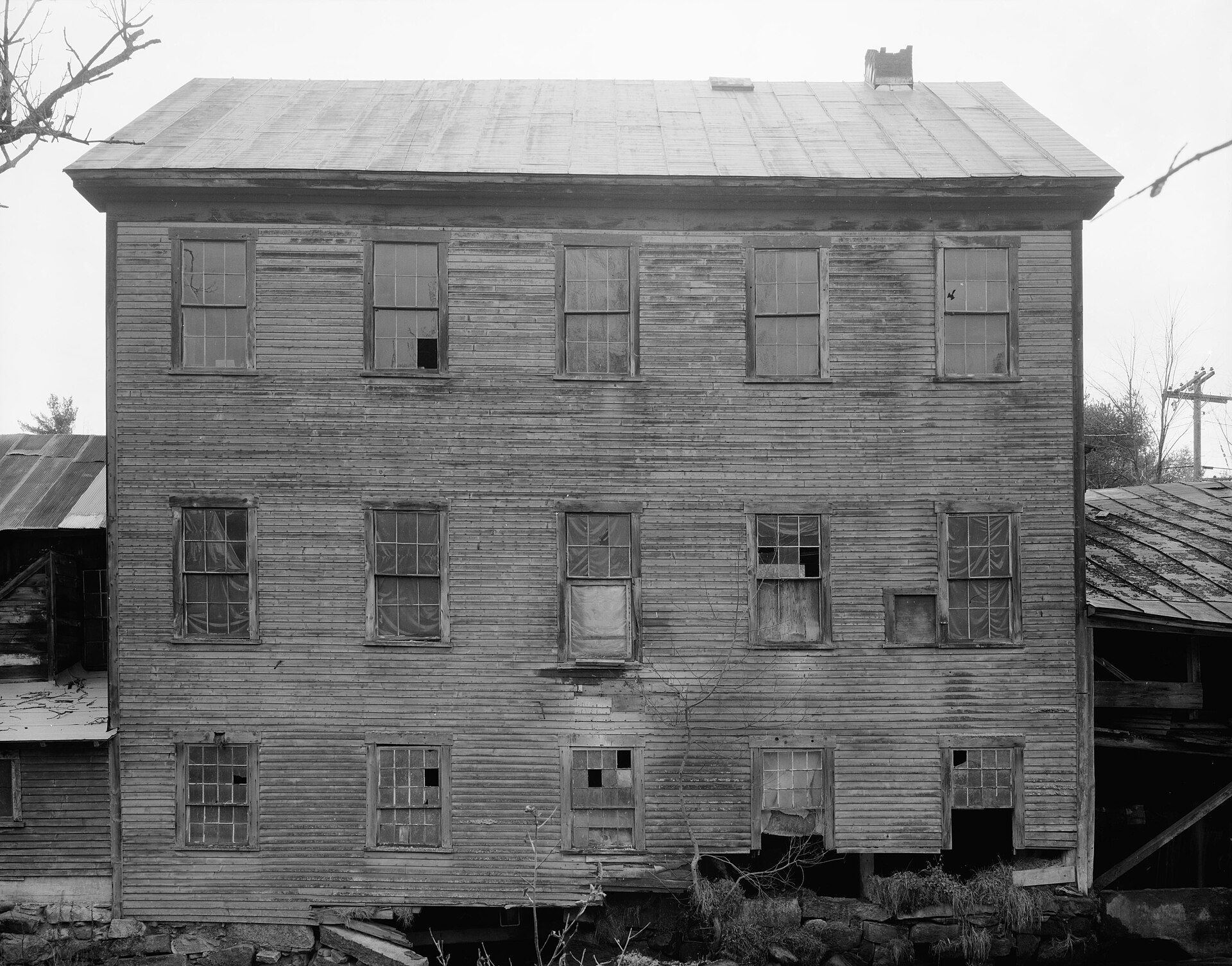
Barnet contains the locations of Barnet Center, East Barnet, McIndoe Falls, Mosquitoville, Passumpsic and West Barnet. Landmarks include Thresher Mill, Barnet Center Historic District and Phineas Thurston House. Barnet is the birthplace of Ralph Flanders, engineer, industrialist, and politician.
Every piece is drawn from Barnet's own map data and historic archives, then printed and shipped from the USA when you order. No two towns look alike.
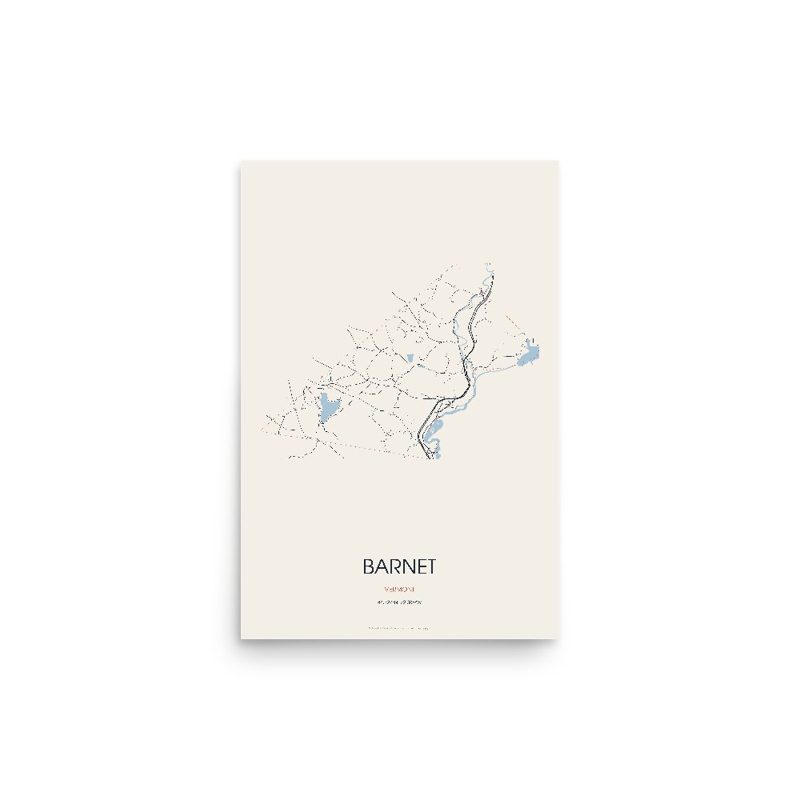
Every road in town, on archival matte paper
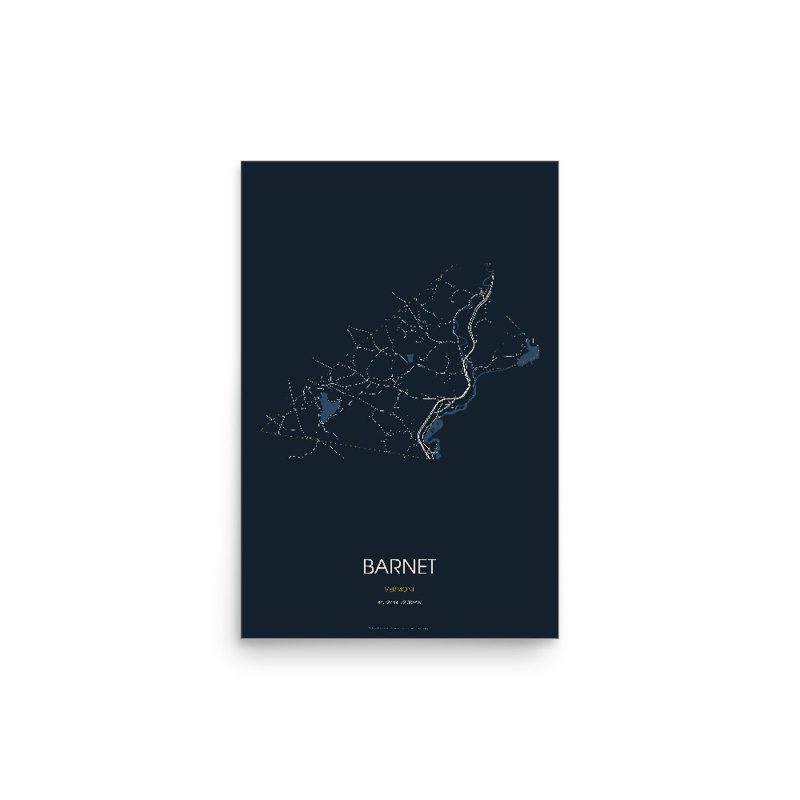
The same map, in navy and silver
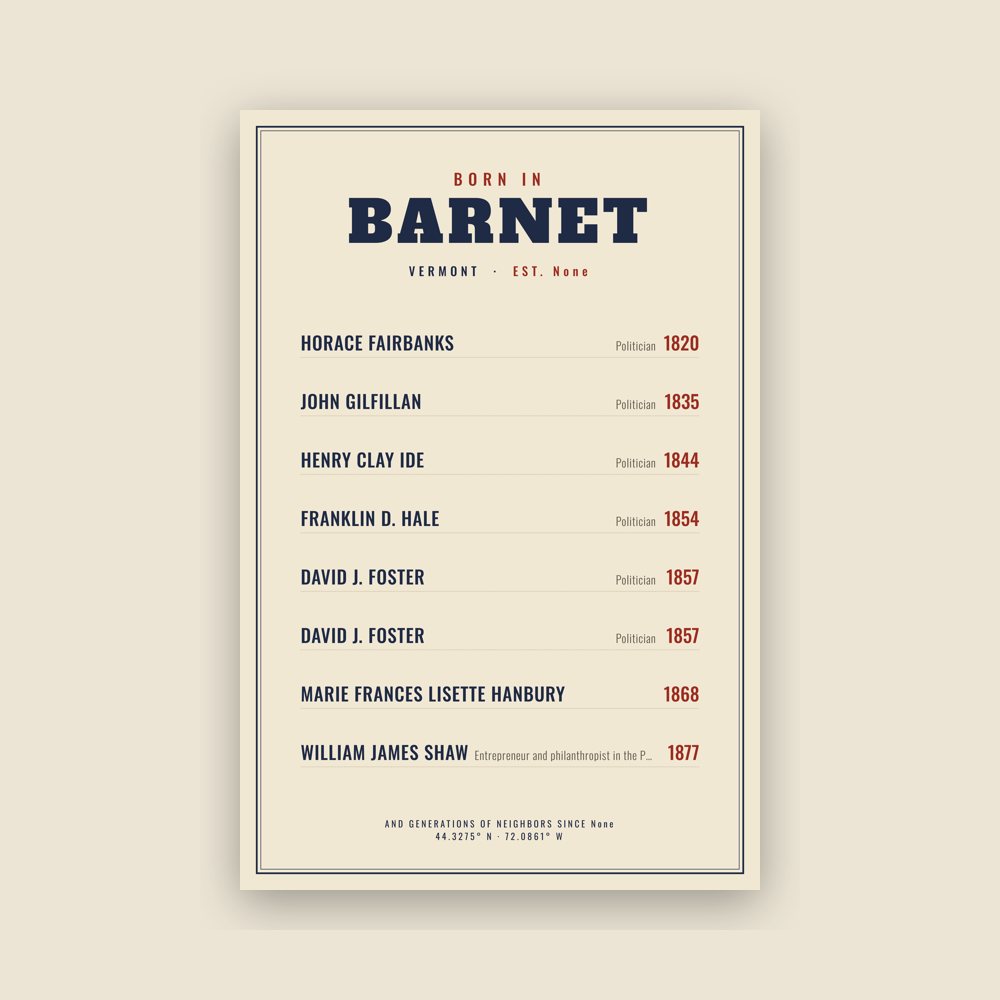
Famous natives, by birth year
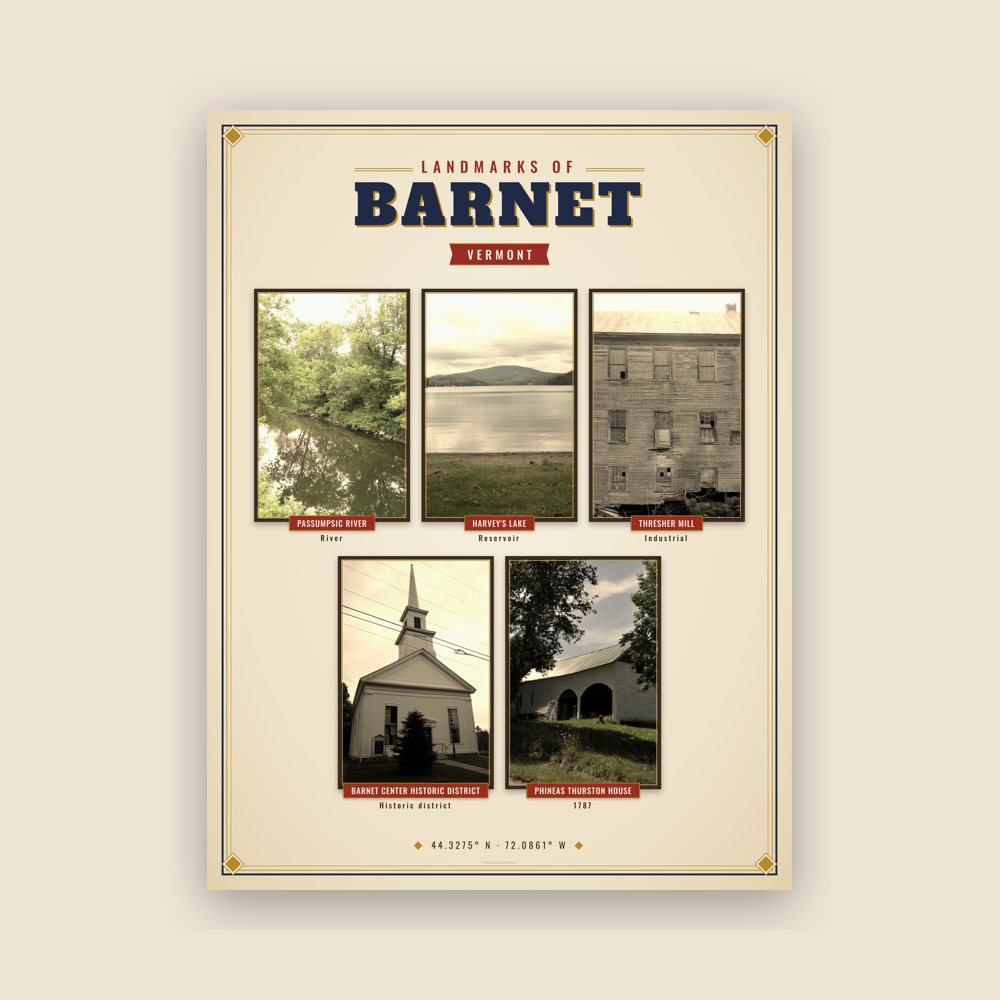
Nine local landmarks, archival matte
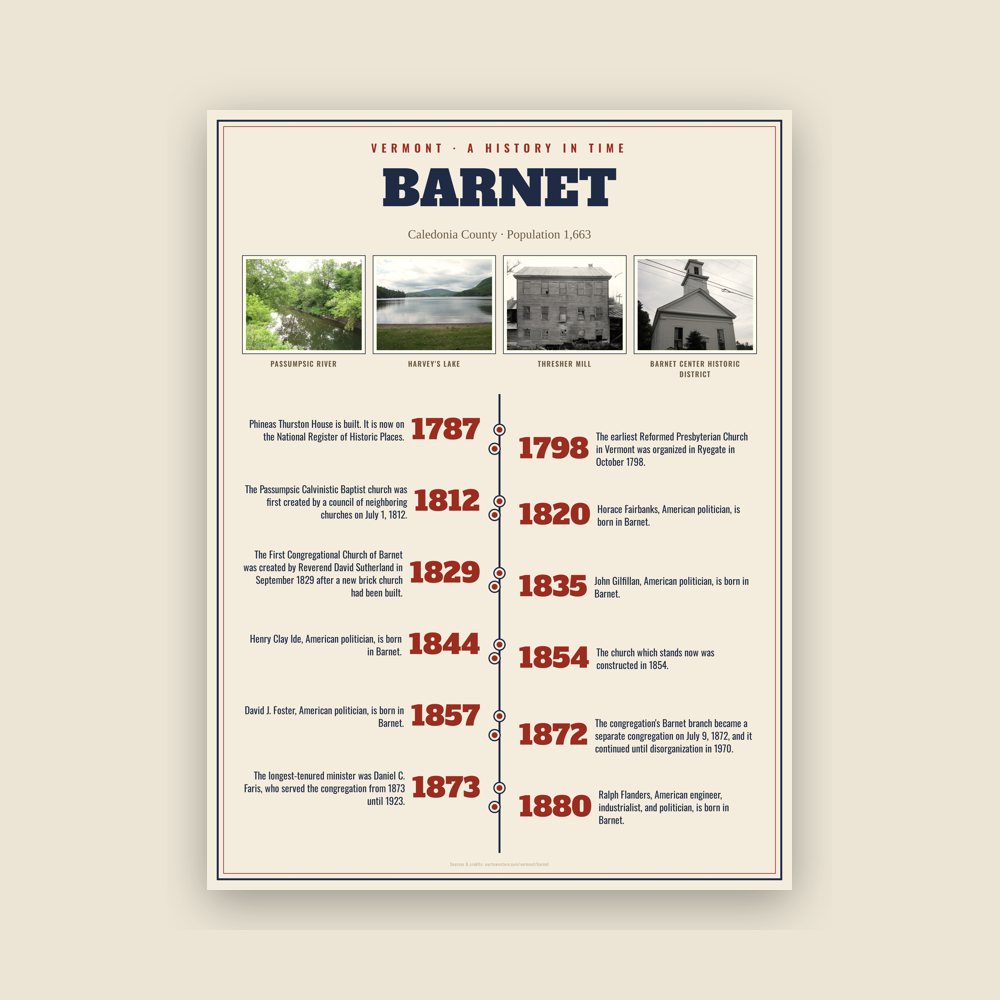
The town's story in dates, from its own records, for home or classroom
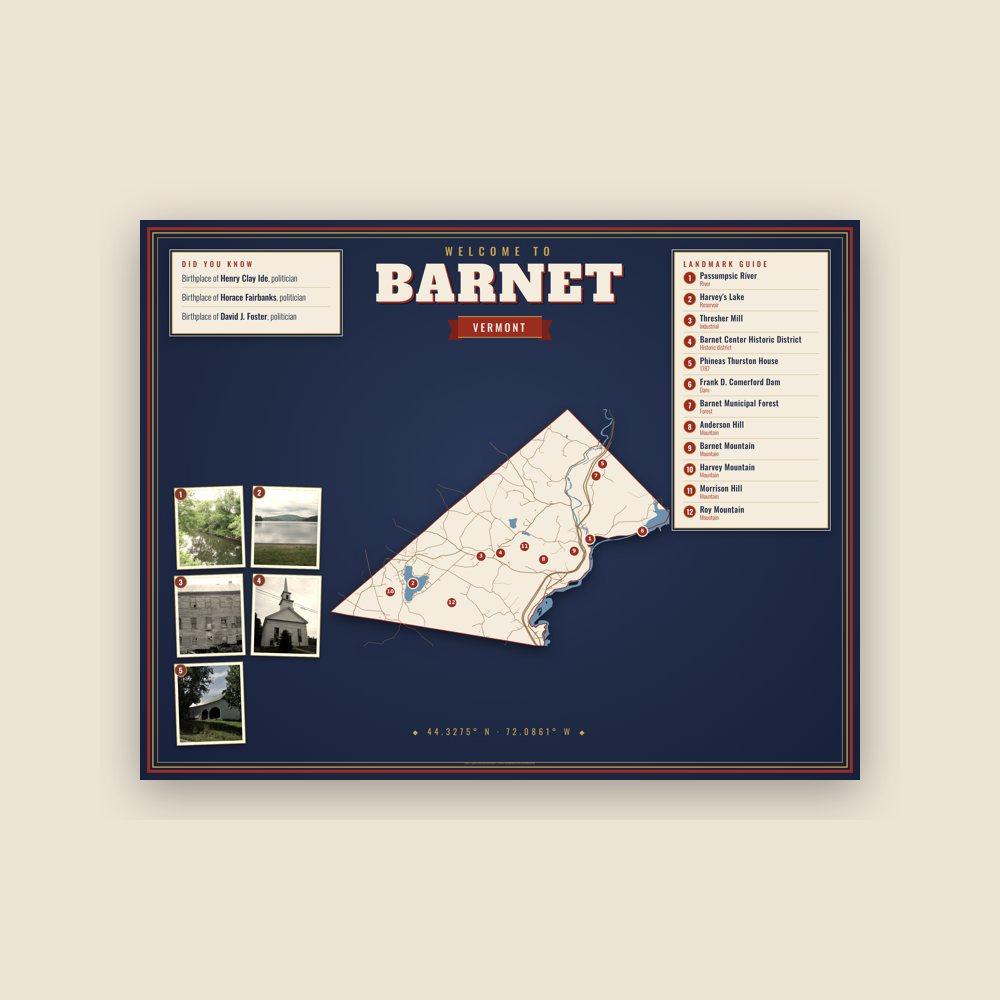
Map of local landmarks, washable fabric
Heavy-blend fleece, street map printed on the back
Soft Bella+Canvas jersey
Glossy ceramic, dishwasher safe
Ceramic keepsake, gold ribbon
Weatherproof, for the front walk
24″×16″, printed coir-look fibers, rubber back
12″×12″ printed wood, ready to hang
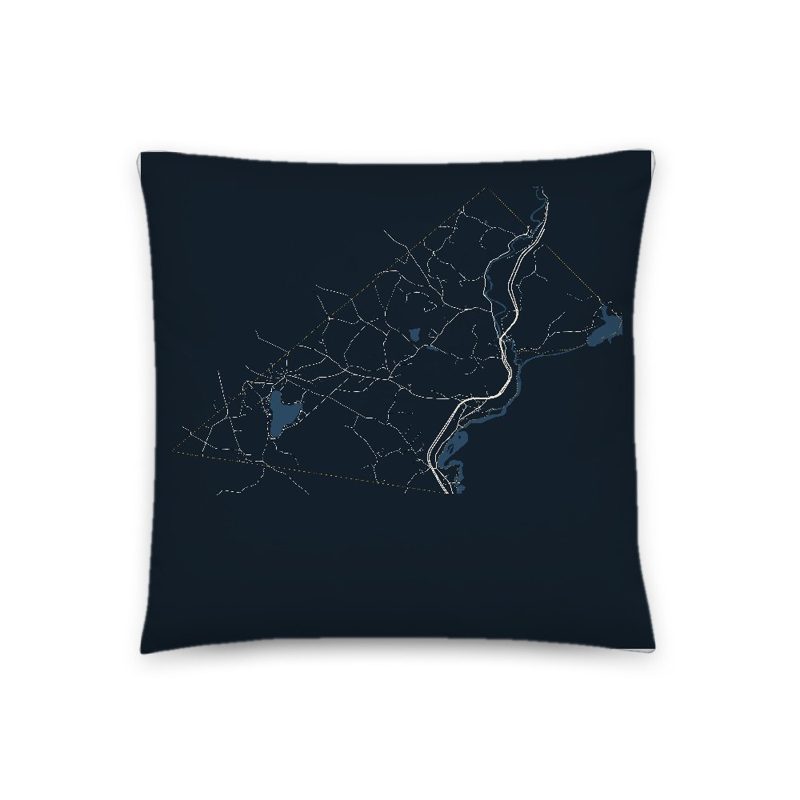
Soft-touch, zip cover
Sturdy all-over-print tote
Glossy top, cork back
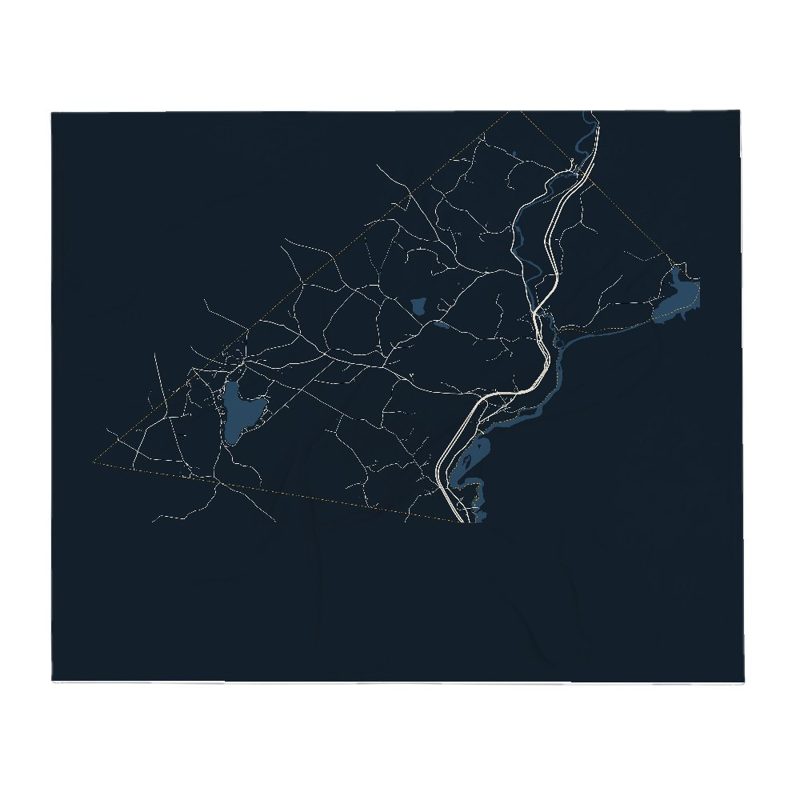
Soft fleece, 50″×60″
20 oz, double-wall stainless
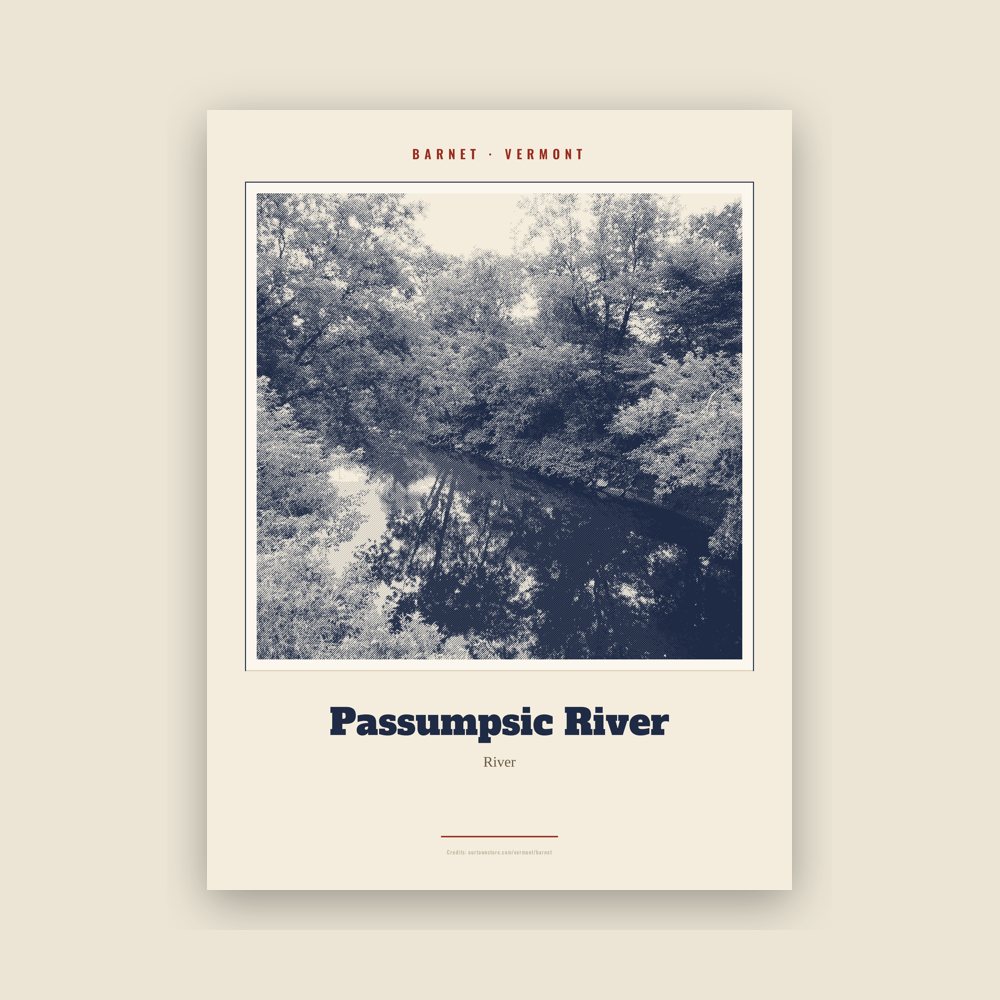
Archival matte print of a local landmark, credited to its photographer
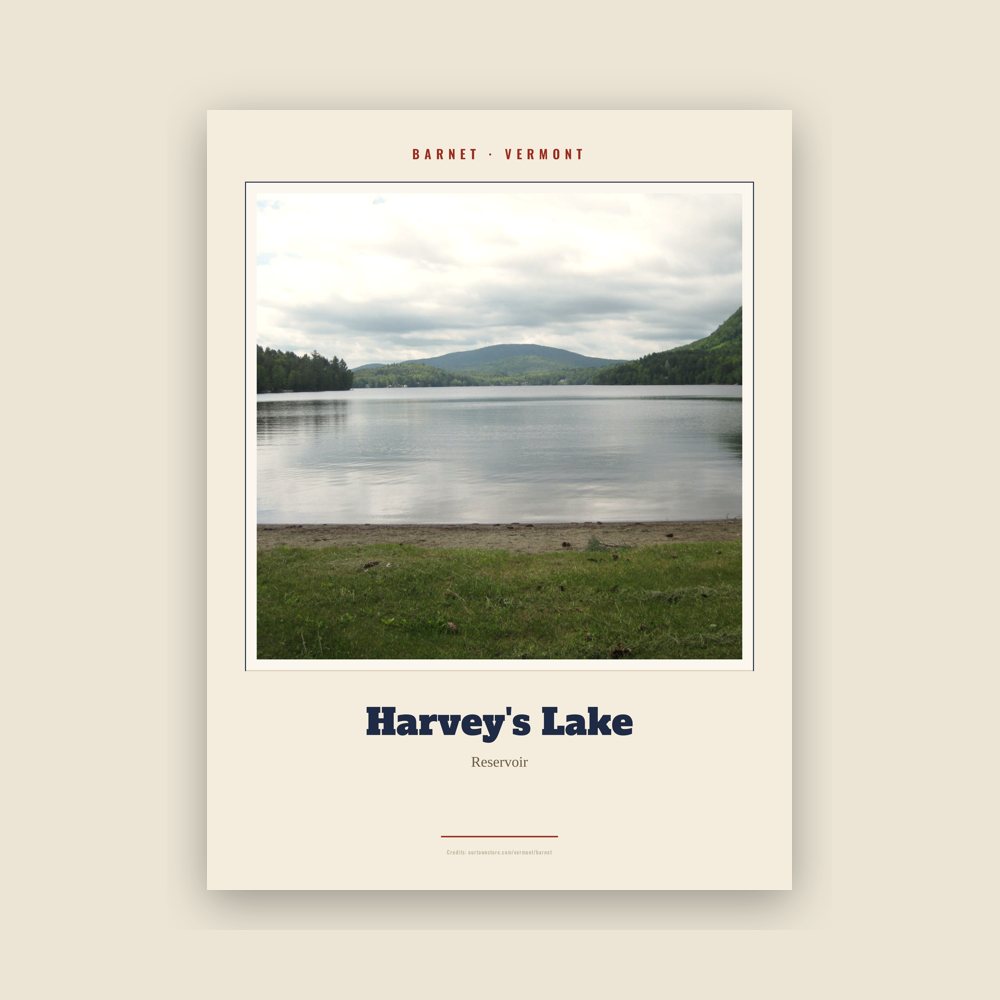
Archival matte print of a local landmark, credited to its photographer
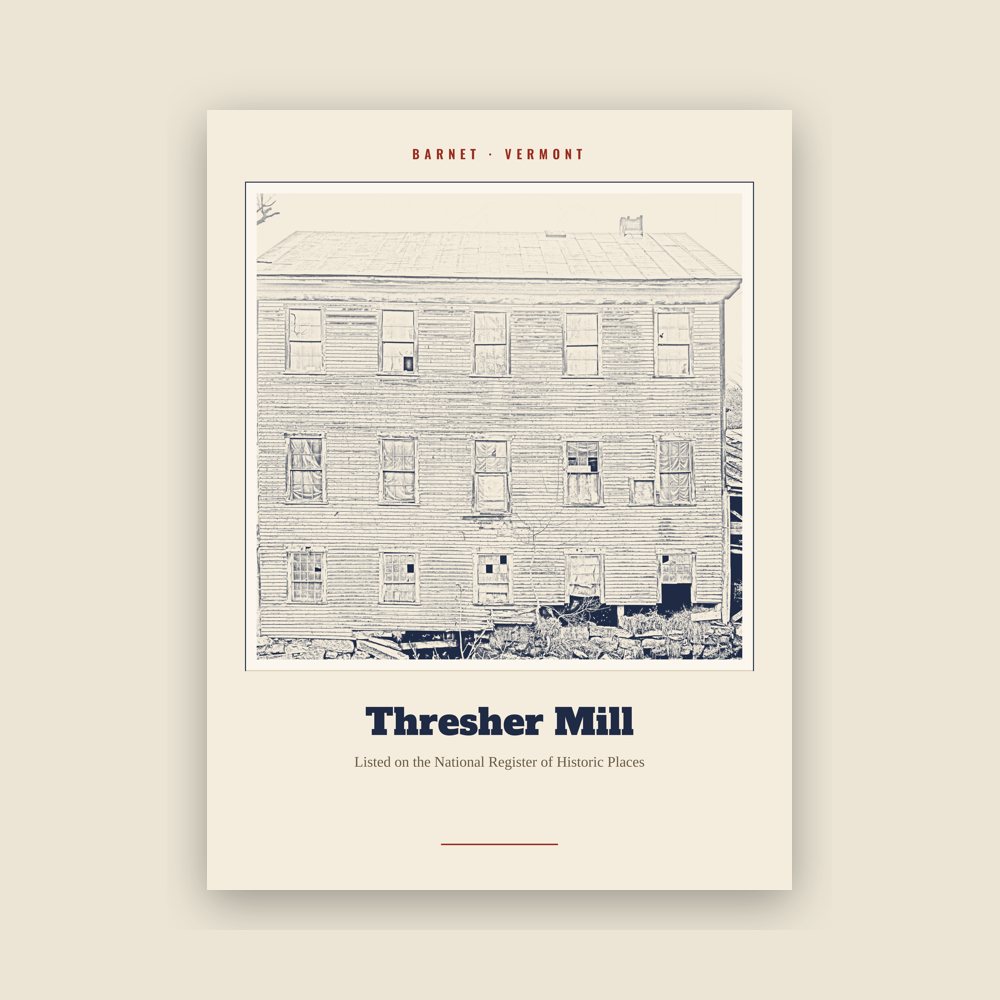
Archival matte print of a local landmark, credited to its photographer
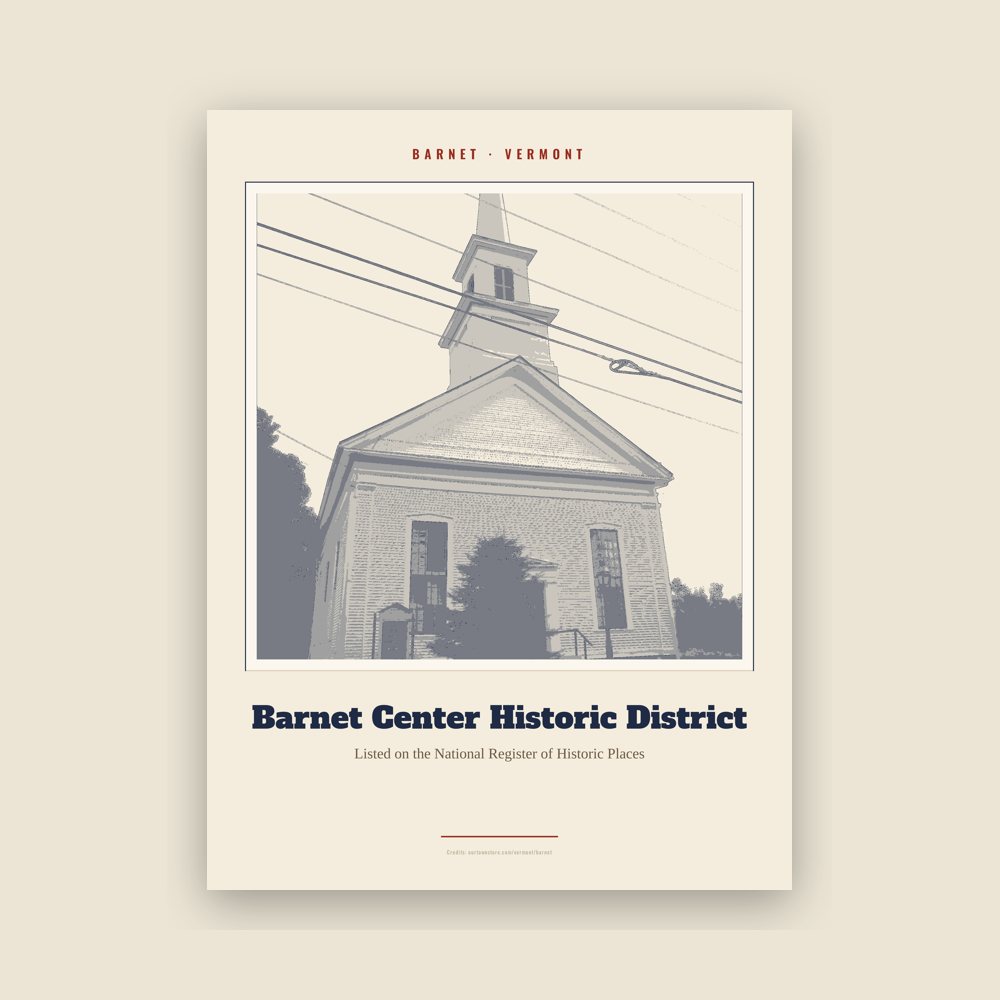
Archival matte print of a local landmark, credited to its photographer
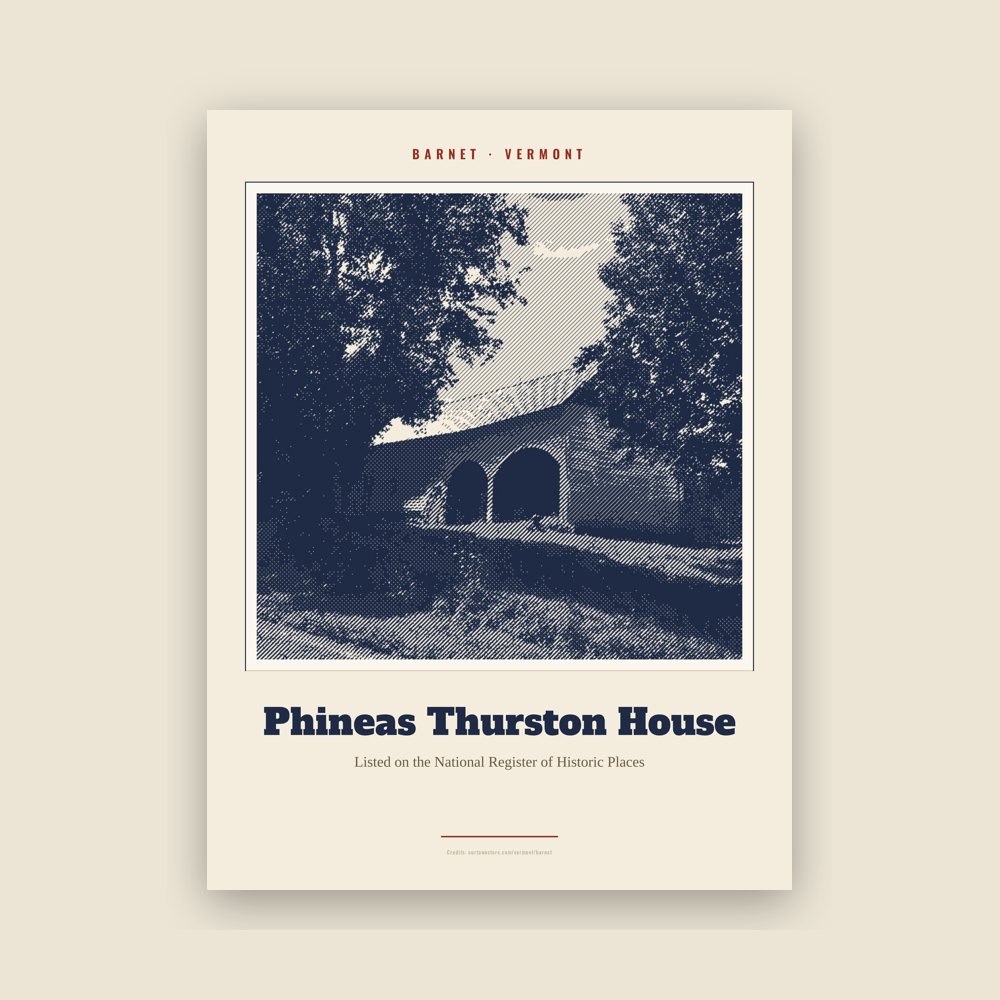
Archival matte print of a local landmark, credited to its photographer
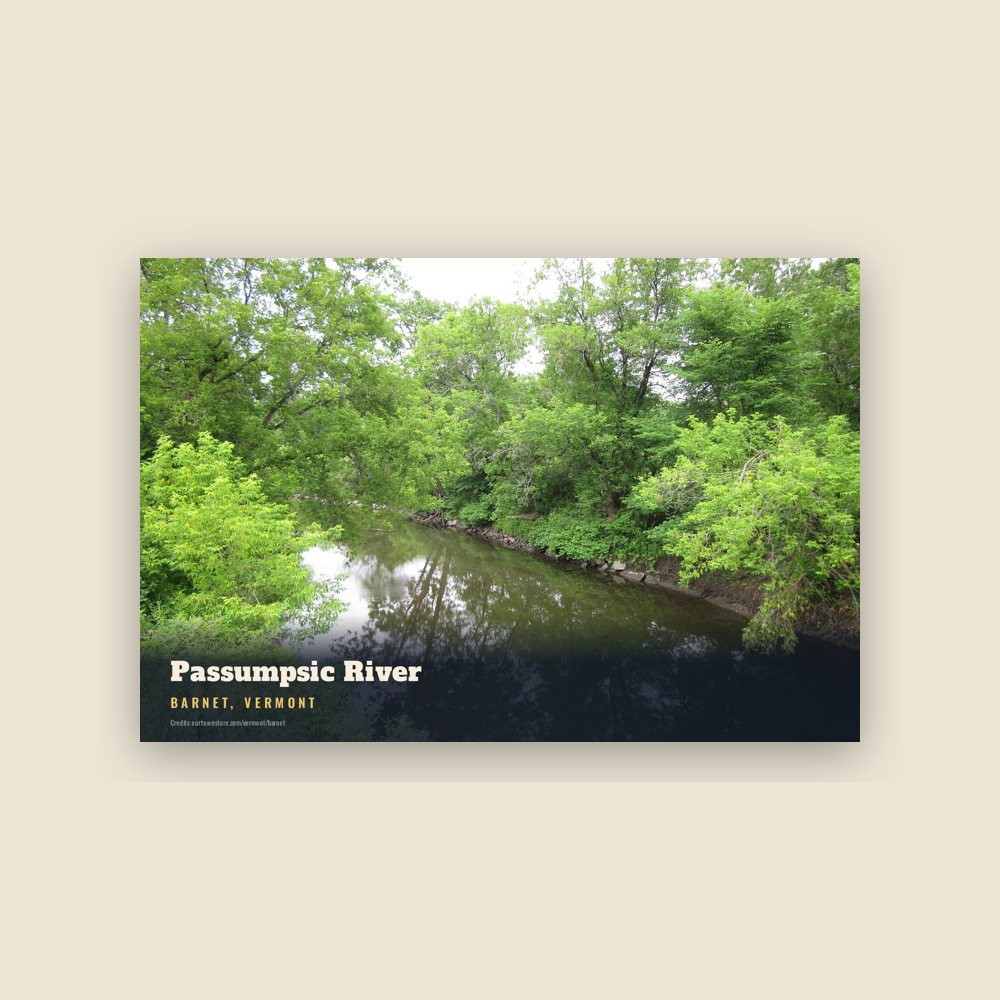
6″×4″ postcard, glossy front
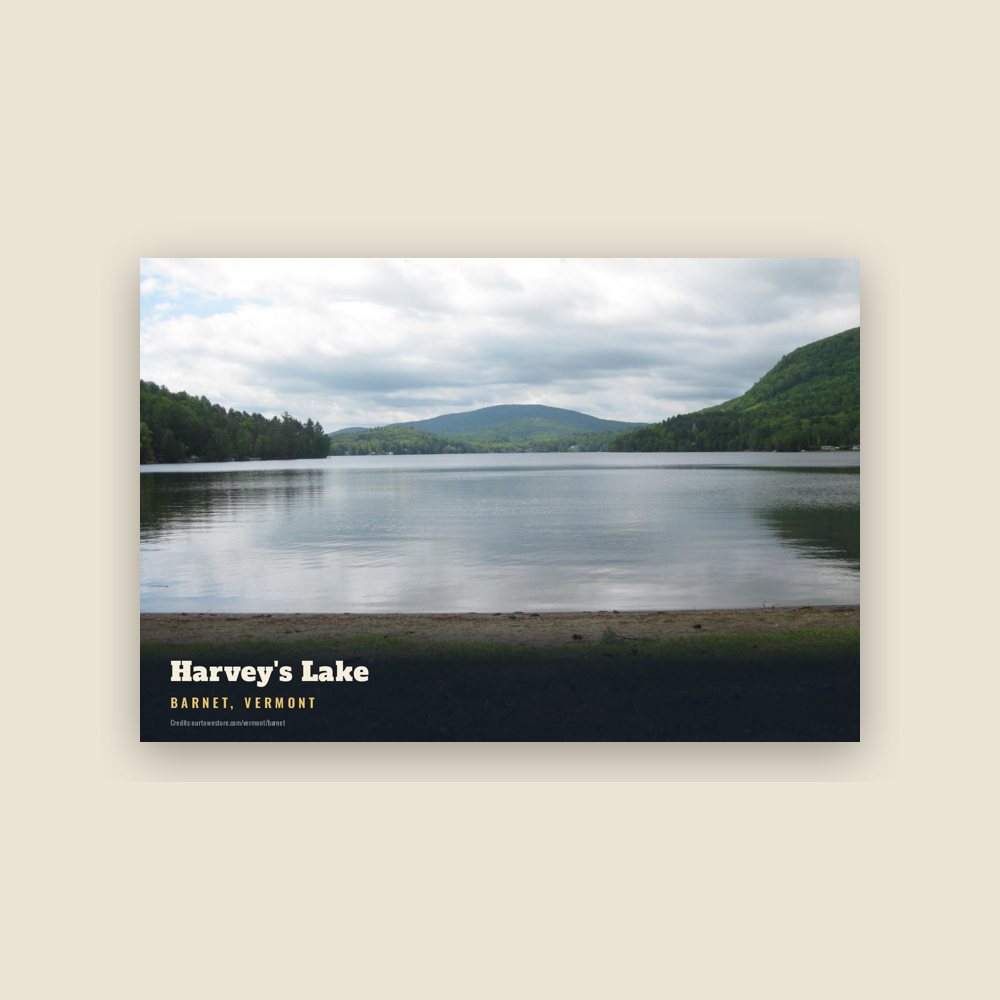
6″×4″ postcard, glossy front
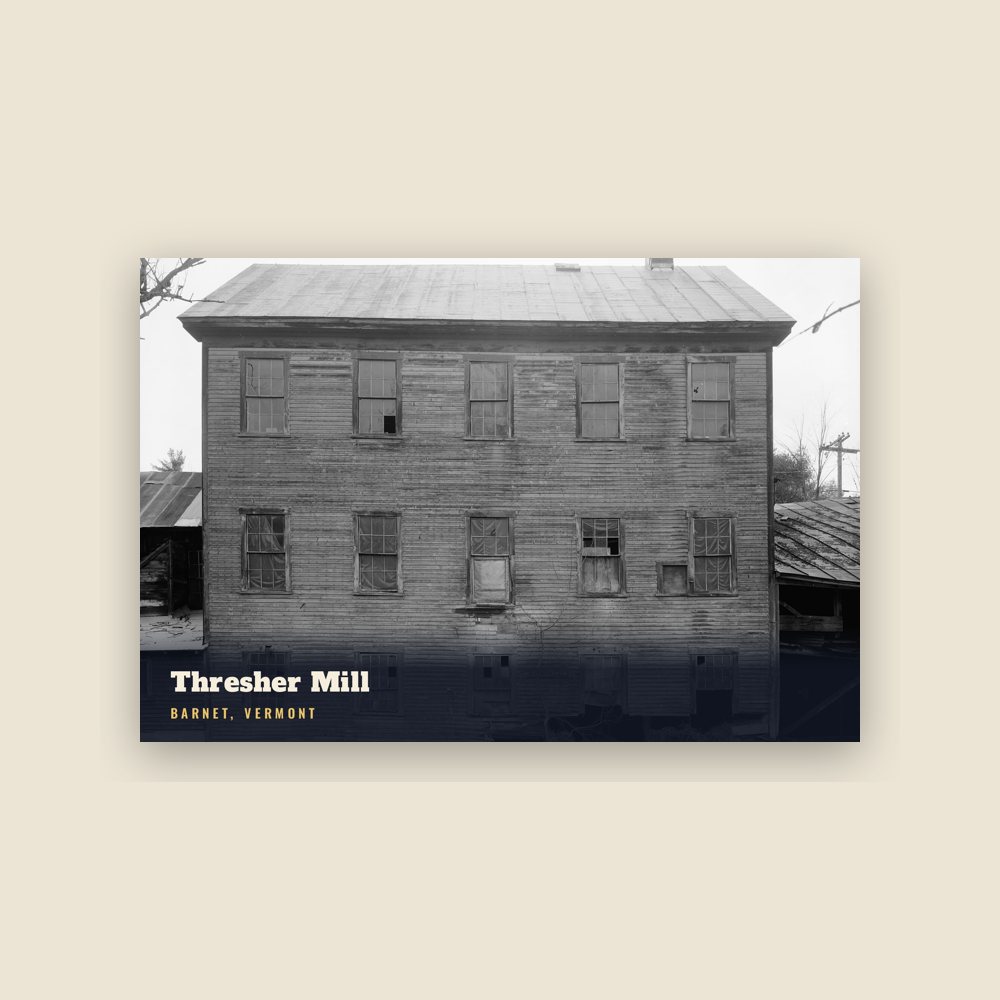
6″×4″ postcard, glossy front
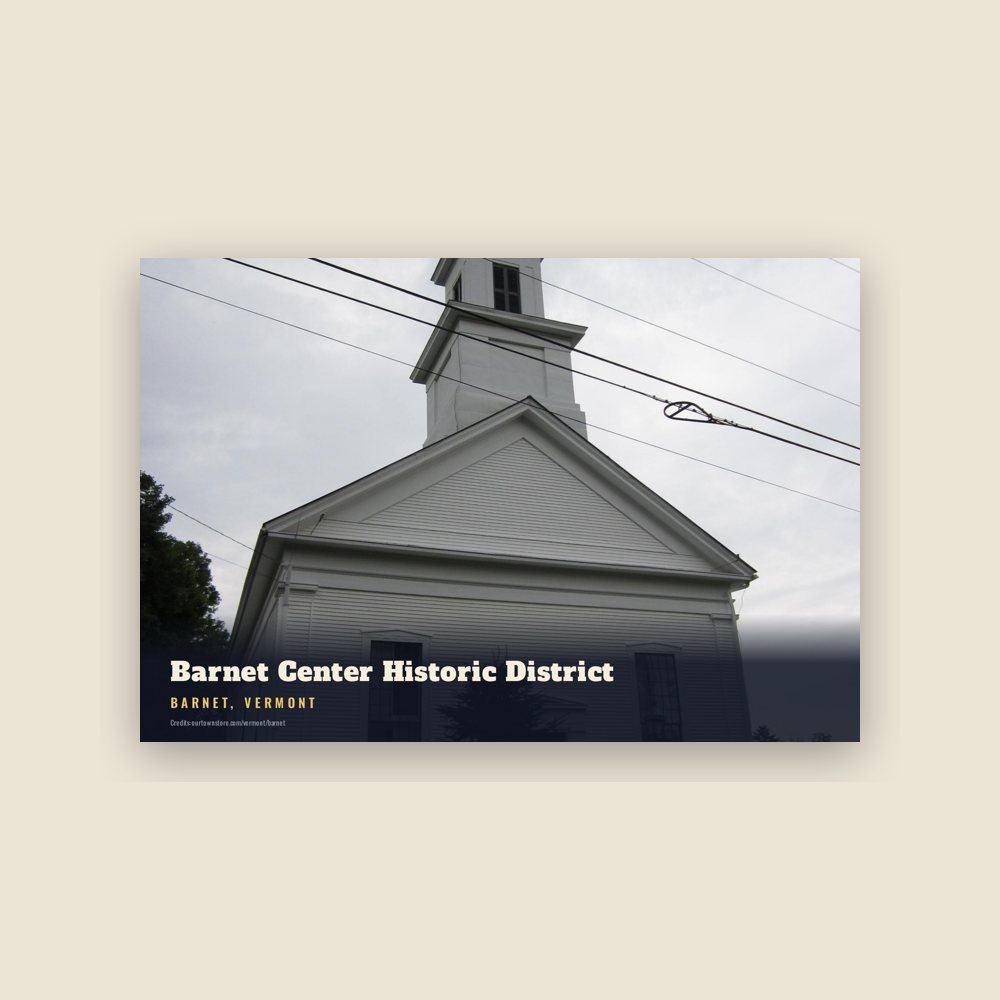
6″×4″ postcard, glossy front
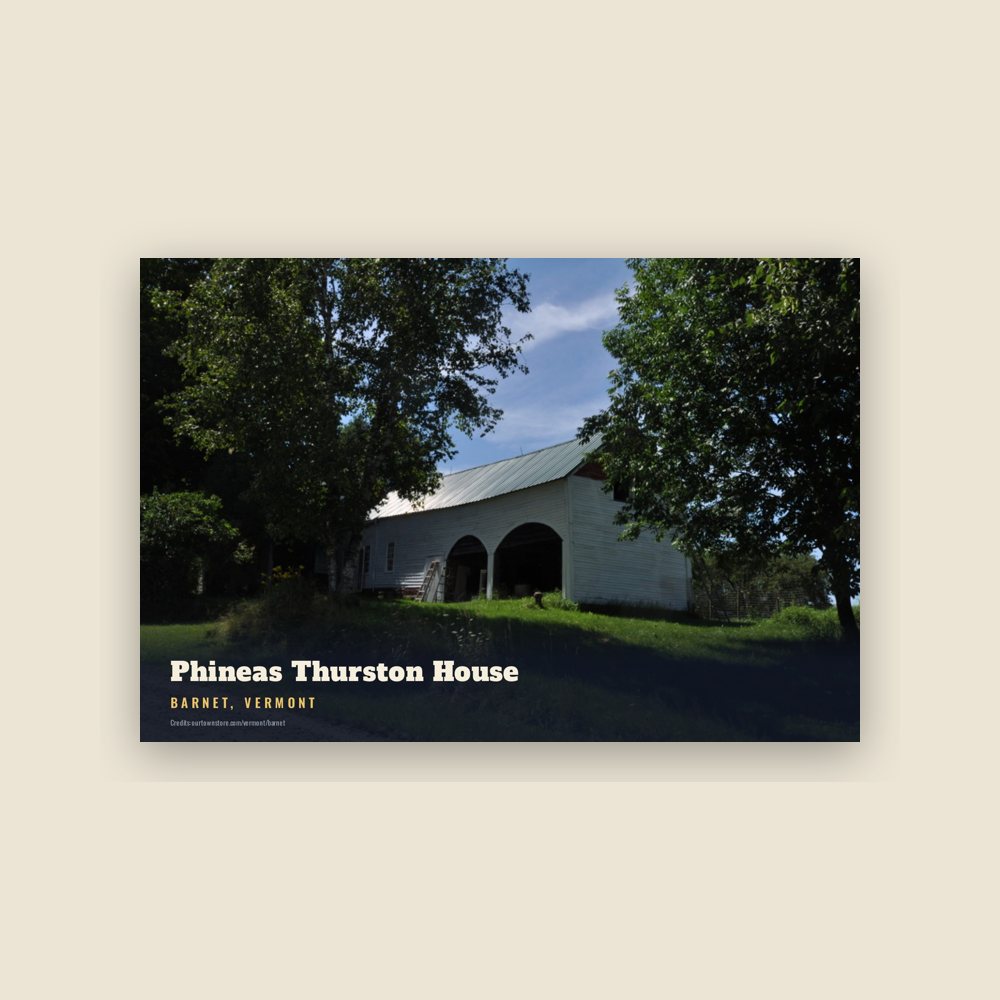
6″×4″ postcard, glossy front
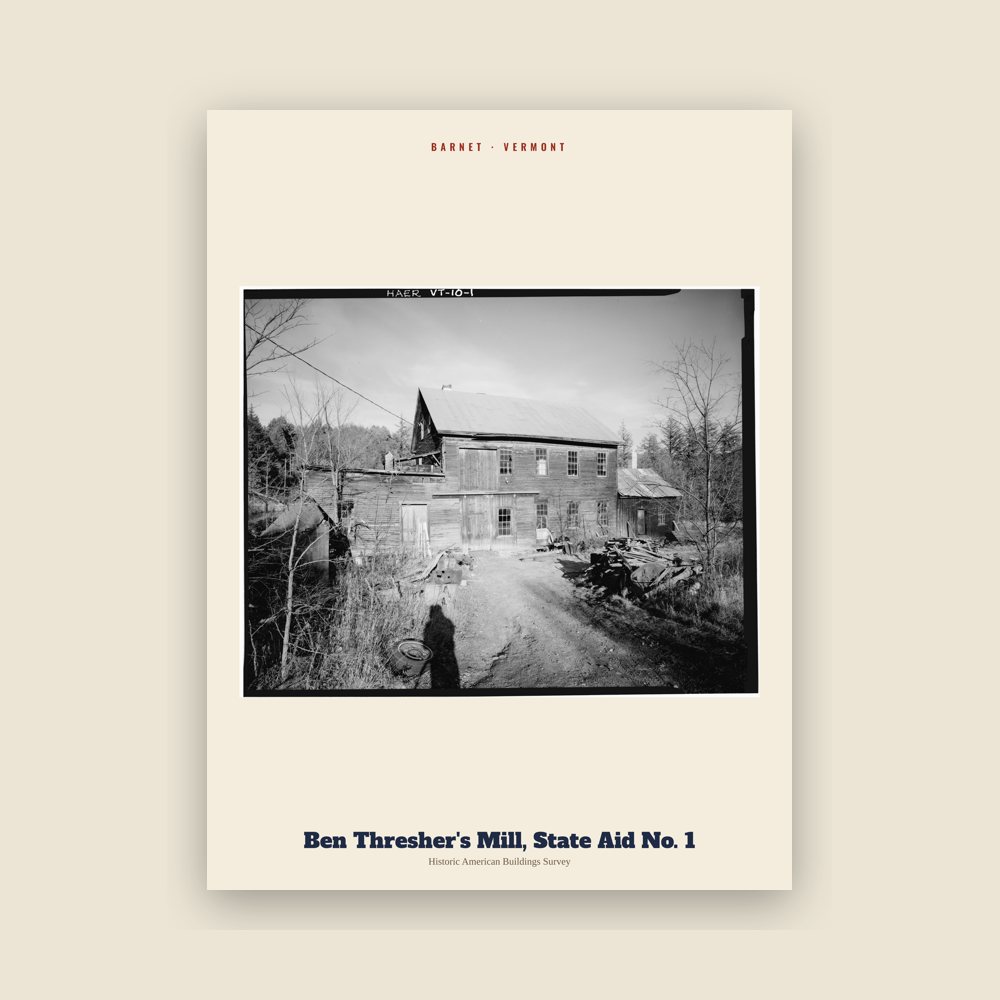
From the Library of Congress collections: a historic survey drawing or photograph of the town
Population 2010: 1,708 → 2020: 1,663
From Wikidata (CC0).
The first European descendants to work the land and stay in the town were three brothers, Daniel, Jacob, and Elijah Hall, along with Jonathan Fowler. Their homestead was built along the Connecticut River and to the north near McIndoe Falls. Elijah Hall built the first house in Caledonia County in Barnet, near the base of Stevens Falls. Colonel Alexander Harvey came from Dundee, Scotland, for those in the town who wished to find new land in the American colonies. Despite losing contact with almost all of them after the American Revolution broke out, he decided to stay, claiming 7,000 acres (28 km2) of land and a lake, now known as Harvey's Lake.
The main settlement of Barnet village has grown in population and is often referred to as "the town", yet the town itself includes the populated places listed above.
Two governors of the state of Vermont were from Barnet: Erastus Fairbanks, who served two terms from 1852–1853 and 1860–1861, and his son, Horace Fairbanks, who served from 1876 to 1878. The Fairbanks family left Barnet for nearby St. Johnsbury, where they were known for manufacturing the first platform scale.
Ocean explorer and scuba inventor Jacques Cousteau had influential experiences on Harvey's Lake as a young boy in the early 1920s. While attending a summer camp he experimented with staying underwater by breathing through hollow reeds found in the lake shallows. Though he could not yet swim well, this allowed him to stay underwater for extended periods.
On January 24, 1784, the town of Barnet voted unanimously to make the Presbyterian denomination the official one of the town, as it was "founded on the word of God as expressed in the Confession of Faith, Catechisms Longer and Shorter, with the form of church government agreed upon by the Assembly of Divines at Westminster, and practiced by the Church of Scotland."
The Passumpsic Calvinistic Baptist church was first created by a council of neighboring churches on July 1, 1812. The village of Passumpsic was chosen due to its centralized location.
The First Congregational Church of Barnet was created by Reverend David Sutherland in September 1829 after a new brick church had been built. Its first permanent minister was the Reverend Henry Fairbanks. The church which stands now was constructed in 1854.
The earliest Reformed Presbyterian Church in Vermont was organized in Ryegate in October 1798. In the early part of the nineteenth century, a group of members in Barnet built a new meeting house on the land formerly owned by Walter Harvey, and the property has gone by that name since then. The longest-tenured minister was Daniel C. Faris, who served the congregation from 1873 until 1923. The congregation's Barnet branch became a separate congregation on July 9, 1872, and it continued until disorganization in 1970.
In 1970, upon his arrival in North America, Chögyam Trungpa established the teaching center "Tail of the Tiger" (now Karmê Chöling). It was consolidated with others in Colorado in 1973.
Adapted (trimmed) from the Wikipedia article Barnet, Vermont, revision 1378487335 by its contributors, licensed CC BY-SA 4.0.
We share a part of every Barnet sale with local partners, and we'd love to print from your collection. Old photographs, maps and postcards make the best keepsakes.
Partner with us