Cache County, Utah
Street maps, historic prints and keepsakes for 19 Cache County towns.
The oldest is Logan, established 1866. The largest by population is Logan (52,778).
| Town | Established | Population |
|---|---|---|
| Amalga | 1938 | 482 |
| Clarkston | – | 749 |
| Cornish | 1937 | 274 |
| Hyde Park | 1892 | 5,234 |
| Hyrum | – | 9,362 |
| Lewiston | – | 1,939 |
| Logan | 1866 | 52,778 |
| Mendon | – | 1,339 |
| Millville | – | 2,326 |
| Newton | – | 789 |
| Nibley | 1935 | 7,328 |
| North Logan | 1934 | 10,986 |
| Paradise | – | 971 |
| Providence | – | 8,218 |
| Richmond | 1868 | 2,914 |
| River Heights | 1934 | 2,144 |
| Smithfield | – | 13,571 |
| Trenton | – | 512 |
| Wellsville | – | 4,060 |
About these towns
Amalga: Amalga was settled by Latter-Day Saint settler Hans Jorgensen in 1869. Other settlers began arriving in 1891. By March 22, 1891, when the Alto Branch of the LDS Church was organized, the town had a schoolhouse that was used for social gatherings and church meetings.
Clarkston: The town of Clarkston was laid out in 1864. It was named for Israel Justus Clark, who was an early settler and the first branch president of the Church of Jesus Christ of Latter-day Saints in Clarkston.
Cornish: It is included in the Logan, Utah-Idaho (partial) Metropolitan Statistical Area.
Hyde Park: The first settlers were Latter-day Saints who moved from Lehi in 1860. Hyde Park was officially organized by Ezra T. Benson on July 1, 1860.
Hyrum: Hyrum was founded in 1860 by a group of 23 families, mainly either Danish immigrants or sons of Ezra T. Benson. Benson organized an LDS ward there in May 1860.
Logan: The town of Logan was founded in 1859 by settlers Brigham Young sent to survey for the site of a fort near the banks of the Logan River.
Mendon: Mendon was settled in 1859. James G. Willie, leader of the ill-fated Mormon handcart pioneer company known as the Willie Company, was one of the early settlers of Mendon.
Millville: George White Pitkin built the first log home in Millville, before the settlement was organized or named. He and his sons, Ammon Paul Pitkin and George Orrin Pitkin, built the home in 1859.
Newton: Newton was first settled in 1869. A bridge was built over the Bear River in 1871 and it was at that point that many of the inhabitants of Clarkston, Utah moved to this "new town".
Nibley: Incorporated in 1935, it was named after Charles W. Nibley, a leader in the Church of Jesus Christ of Latter-day Saints. It is included in the Logan, Utah-Idaho (partial) Metropolitan Statistical Area and is a suburb or 'bedroom' community of Logan.
North Logan: It is included in the Logan, Utah-Idaho (partial) Metropolitan Statistical Area. The city is mainly composed of residential sub-divisions and is a suburb of the county seat, Logan.
Paradise: It is included in the Logan, Utah-Idaho Metropolitan Statistical Area.
Providence: Providence lies 2.5 miles (4.0 km) south of Logan on former State Route 238. Situated immediately east of the confluence of Spring Creek with the Logan River, the town lies astride a delta at the mouth of Providence Canyon and beneath 8,881-foot (2,707 m) Big Baldy Mountain.
Richmond: Agrippa Cooper was the first settler in Richmond in the mid-1850s. In 1859, surveyors visited the Richmond area and determined it to be a suitable area for living, with abundant water that could be used for farming and milling, and land that was fertile for growing crops.
River Heights: It is included in the Logan, Utah-Idaho (partial) Metropolitan Statistical Area.
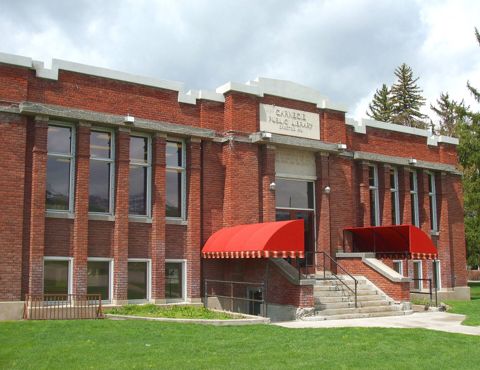
Smithfield: Originally known as "Summit Creek" (due to its location on that creek), Smithfield was founded in 1857 by brothers Robert and John Thornley and their cousin Seth Langton, who were sent north from Salt Lake City by LDS Church President Brigham Young to found a settlement on Summit Creek.
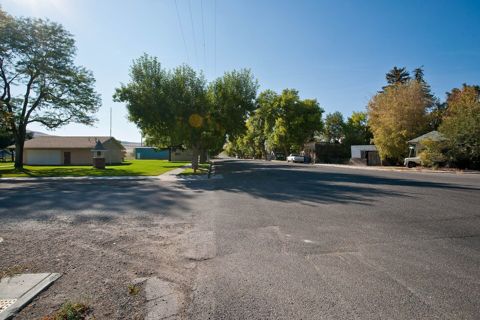
Trenton: It is included in the Logan, Utah-Idaho (partial) Metropolitan Statistical Area.
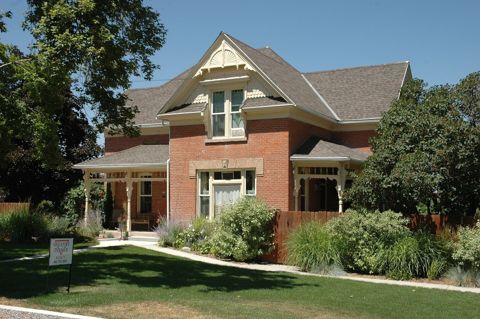
Wellsville: Wellsville is located at the base of the Wellsville mountain range. It is included in the Logan, Utah-Idaho Metropolitan Statistical Area.
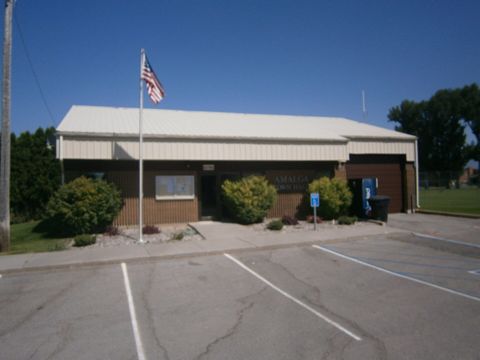 AmalgaUtah · Est. 1938
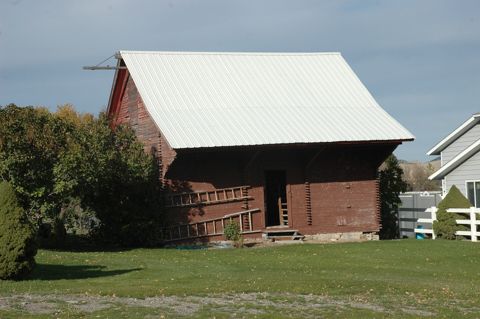 ClarkstonUtah
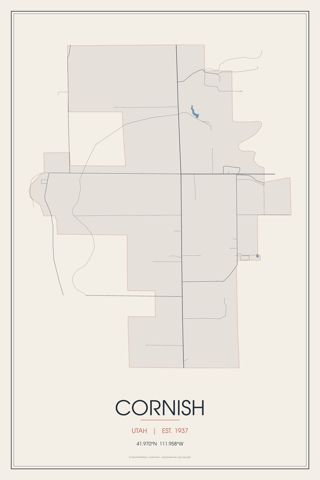 CornishUtah · Est. 1937
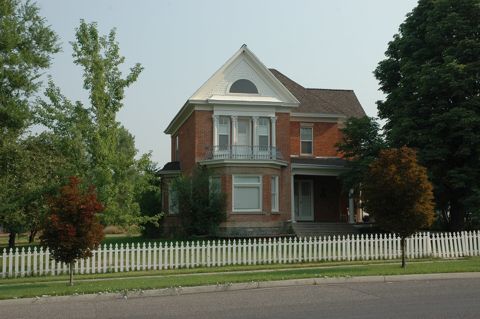 Hyde ParkUtah · Est. 1892
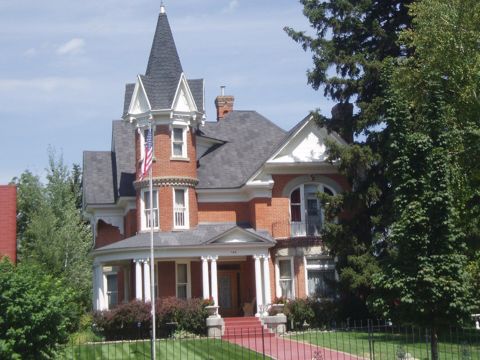 HyrumUtah
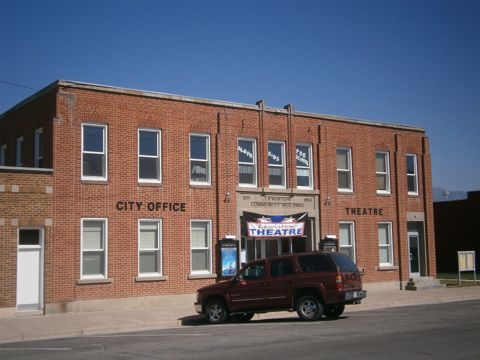 LewistonUtah
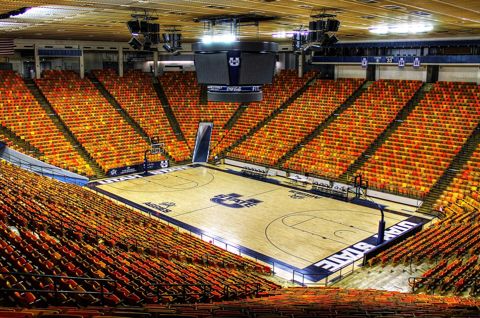 LoganUtah · Est. 1866
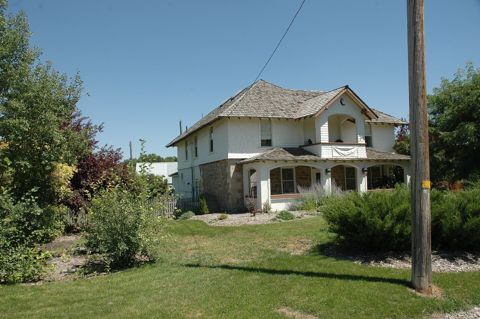 MendonUtah
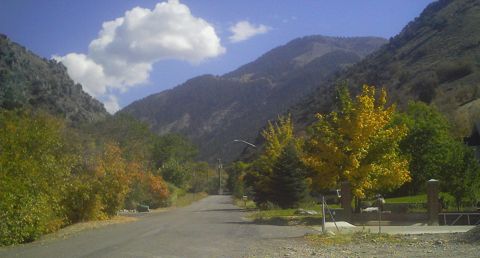 MillvilleUtah
 NewtonUtah
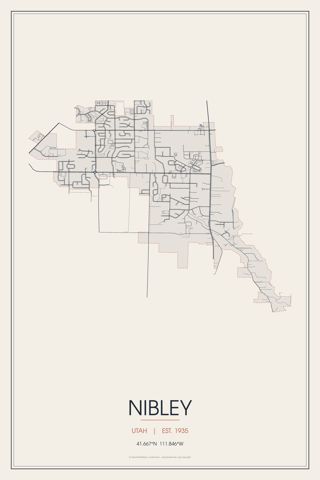 NibleyUtah · Est. 1935
 North LoganUtah · Est. 1934
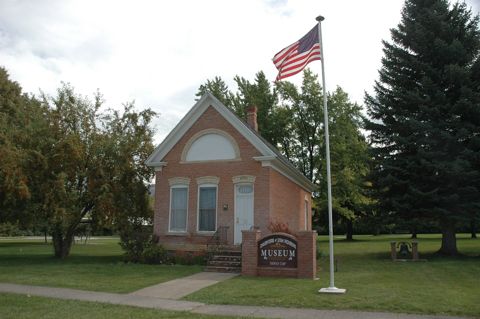 ParadiseUtah
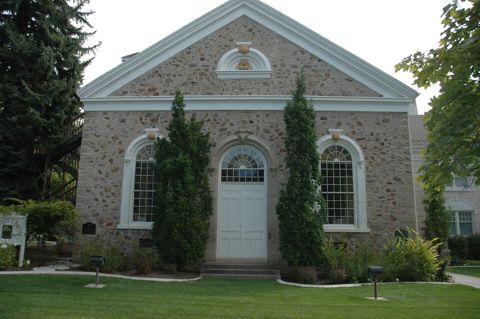 ProvidenceUtah
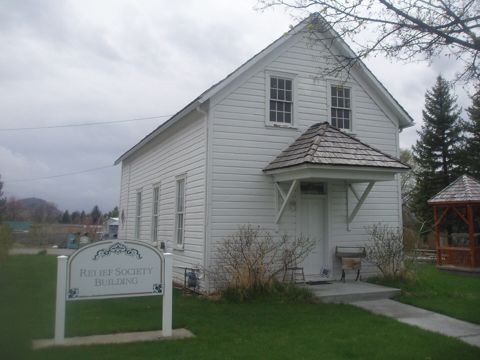 RichmondUtah · Est. 1868
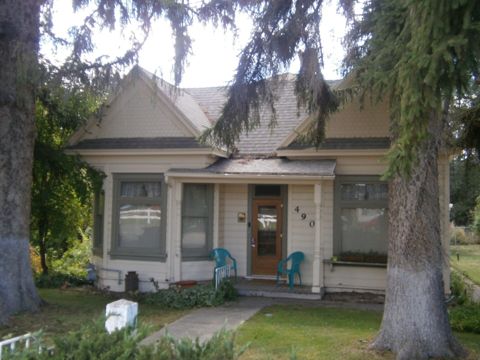 River HeightsUtah · Est. 1934
 SmithfieldUtah
 TrentonUtah
 WellsvilleUtah
Founding years, populations and town notes come from each town's Wikipedia and Wikidata entries. All Utah towns.