Gaston County, North Carolina
Street maps, historic prints and keepsakes for 15 Gaston County towns.
The oldest is Dallas, established 1863. The largest by population is Gastonia (80,411).
| Town | Established | Population |
|---|---|---|
| Belmont | 1895 | 15,010 |
| Bessemer City | 1893 | 5,428 |
| Cherryville | 1881 | 6,078 |
| Cramerton | – | 5,296 |
| Dallas | 1863 | 5,927 |
| Dellview | – | 6 |
| Gastonia | 1877 | 80,411 |
| High Shoals | 1973 | 595 |
| Kings Mountain | – | 11,142 |
| Lowell | 1879 | 3,654 |
| Mcadenville | – | 890 |
| Mount Holly | 1879 | 17,703 |
| Ranlo | – | 4,511 |
| Spencer Mountain | 1963 | – |
| Stanley | – | 3,963 |
About these towns
Belmont: Settlement in the Belmont area began around the colonial-era Fort at the Point, built in the 1750s by Dutch settler James Kuykendall, Robert Leeper, and two others near the junction of the South Fork and the Catawba River.
Bessemer City: Bessemer City is named for Sir Henry Bessemer who created the Bessemer process for smelting iron. Bessemer City was founded on land purchased from the Ormand family, near the Sloan-Washington-Ormand Iron Furnace, but the Bessemer Process made Bessemer City's early iron smelting industry obsolete.
Cherryville: During the last half of the 18th century, German, Dutch, and Scots-Irish families from the Colony of Pennsylvania migrated south and settled in the Cherryville area.
Cramerton: Originally named Mayesworth, the town was founded in 1906 when J.H. Mayes built a spinning mill along the banks of the South Fork of the Catawba River, just east of Gastonia.
Dallas: Dallas was officially incorporated in 1863 and is the oldest incorporated town in Gaston County. It served as the original county seat for Gaston County from 1846 until 1911.
Dellview: Dellview was incorporated as a town in 1925 as a political gesture. Gaston County law prohibited the shooting of stray dogs that crossed onto a citizen's land.
Gastonia: The Loray Mill strike occurred in Gastonia in 1929. The role of organizers for Communist Party-affiliated National Textile Workers Union (NTWU) alienated religious leaders in Gastonia, who denounced the organizers' ideology, undermining support for the strike.
High Shoals: High Shoals was the location of the High Shoals Iron Works, founded by Swiss-born John Fulenwider in about 1795. Fulenwider developed one of the earliest methods of making pig iron with the charcoal process.
Kings Mountain: Originally the settlement was called White Plains, but the city was incorporated on October 16, 1874, and the name was changed. It was decided that "Kings Mountain" would be a more appropriate name since the community was close to the site of the historic 1780 Battle of Kings Mountain in York County, South Carolina, a turning point in the American…
Lowell: Lowell was incorporated in 1879. It was named after Lowell, Massachusetts, in hopes the city would become a similar textile center. The settlement dates back to 1848, when the Woodlawn Mill was built on the South Fork Catawba River.
Mcadenville: McAdenville was incorporated in 1881. It was named after Rufus Yancey McAden, president of McAden Mills, the town's textile mill. McAden had served in the North Carolina House of Commons from 1862 to 1867, and was Speaker of the House in 1866.
Mount Holly: Land grants were first issued in the Mount Holly area by King George II of Great Britain around 1750. In 1754, a land grant was issued to James Kuykendall of Holland in the locale known as Dutchman's Creek.
Ranlo: Ranlo was named for John Calvin Rankin and William Thomas Love, two prominent area industrialists - "Ranlo" was a contraction of RANkin and LOve.
Spencer Mountain: Spencer Mountain was settled in 1772 by Zachariah Spencer, a local Tory. In 1874, J. Harvey Wilson II built a water-powered textile mill (Wilson & Moore Cotton Mill) at the base of Spencer Mountain.
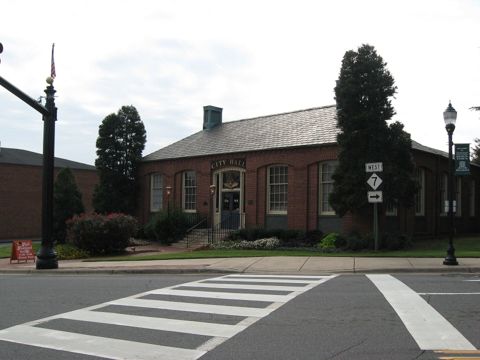 BelmontNorth Carolina · Est. 1895
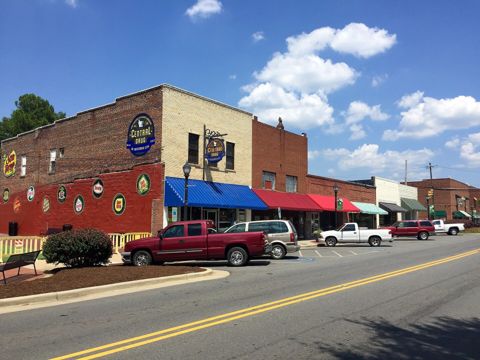 Bessemer CityNorth Carolina · Est. 1893
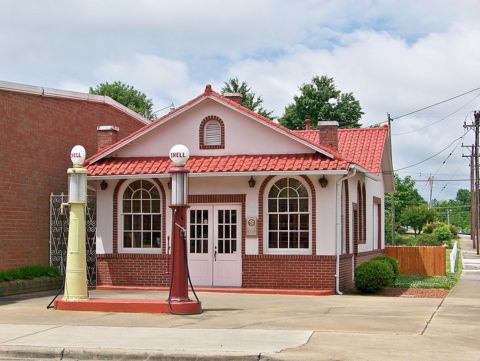 CherryvilleNorth Carolina · Est. 1881
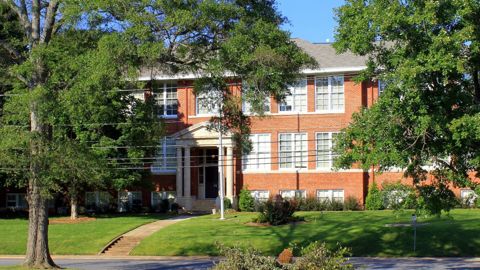 CramertonNorth Carolina
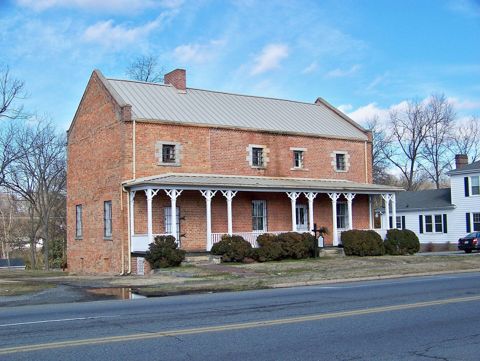 DallasNorth Carolina · Est. 1863
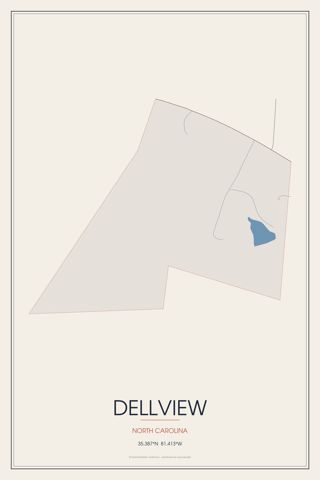 DellviewNorth Carolina
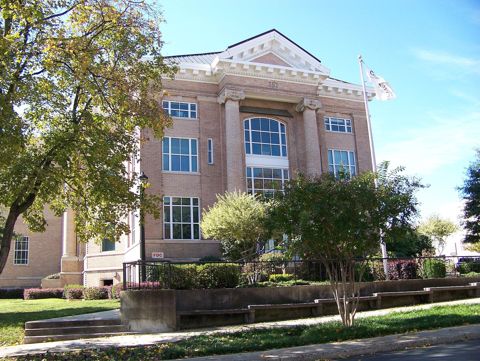 GastoniaNorth Carolina · Est. 1877
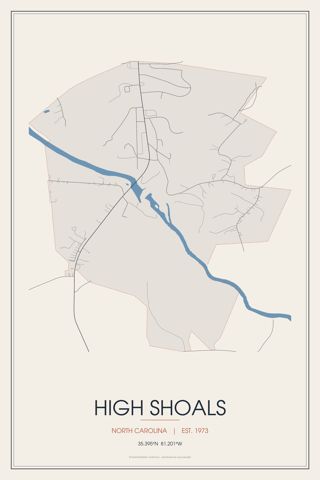 High ShoalsNorth Carolina · Est. 1973
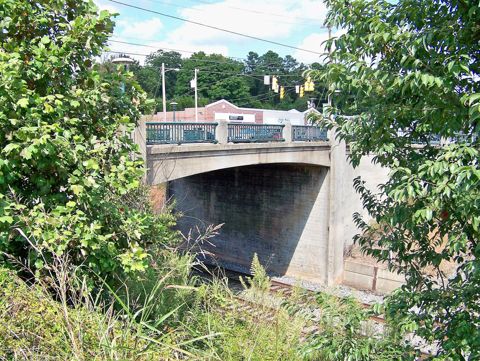 Kings MountainNorth Carolina
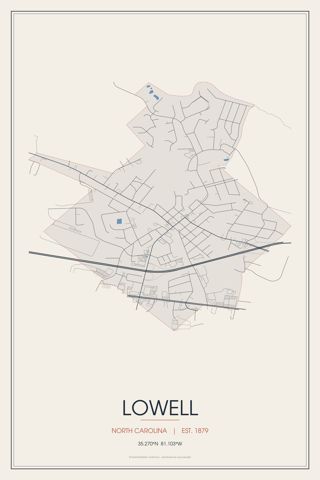 LowellNorth Carolina · Est. 1879
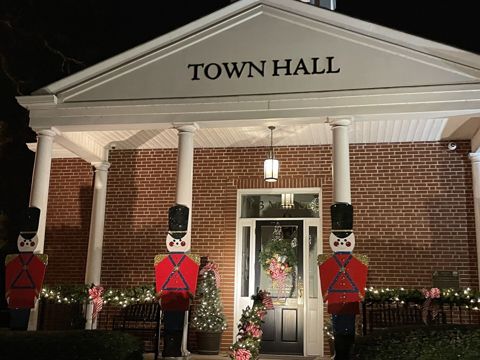 McadenvilleNorth Carolina
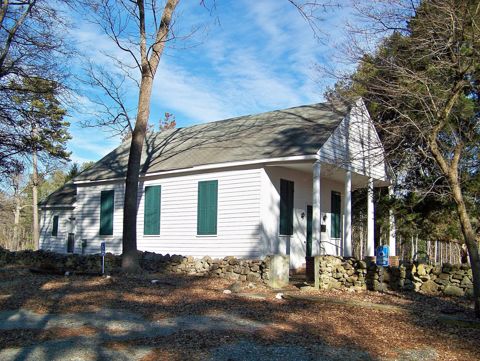 Mount HollyNorth Carolina · Est. 1879
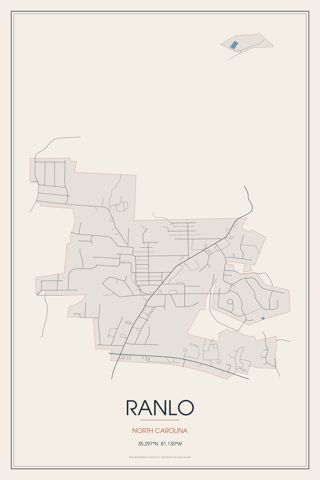 RanloNorth Carolina
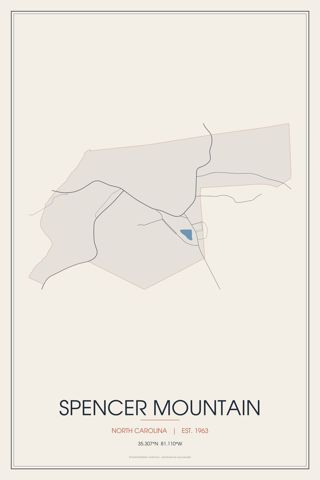 Spencer MountainNorth Carolina · Est. 1963
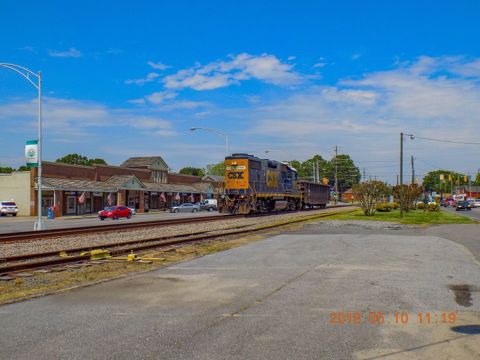 StanleyNorth Carolina
Founding years, populations and town notes come from each town's Wikipedia and Wikidata entries. All North Carolina towns.