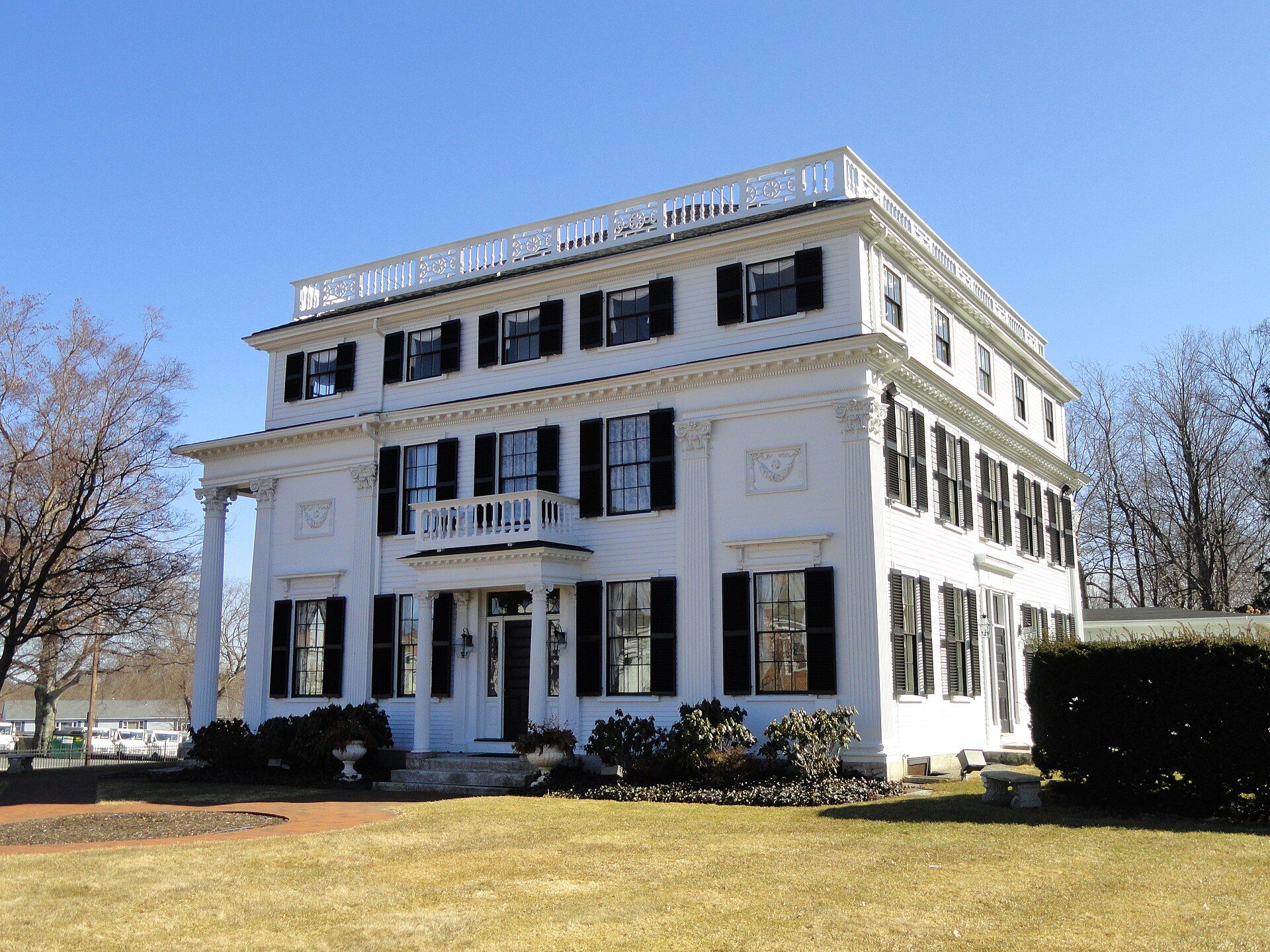
Millbury was first settled in 1716. Landmarks include Asa Waters Mansion, United States Post Office–Millbury Main and First Presbyterian Society Meeting House. Millbury is the birthplace of Lawrence Whitney, shot putter.
Every piece is drawn from Millbury's own map data and historic archives, then printed and shipped from the USA when you order. No two towns look alike.
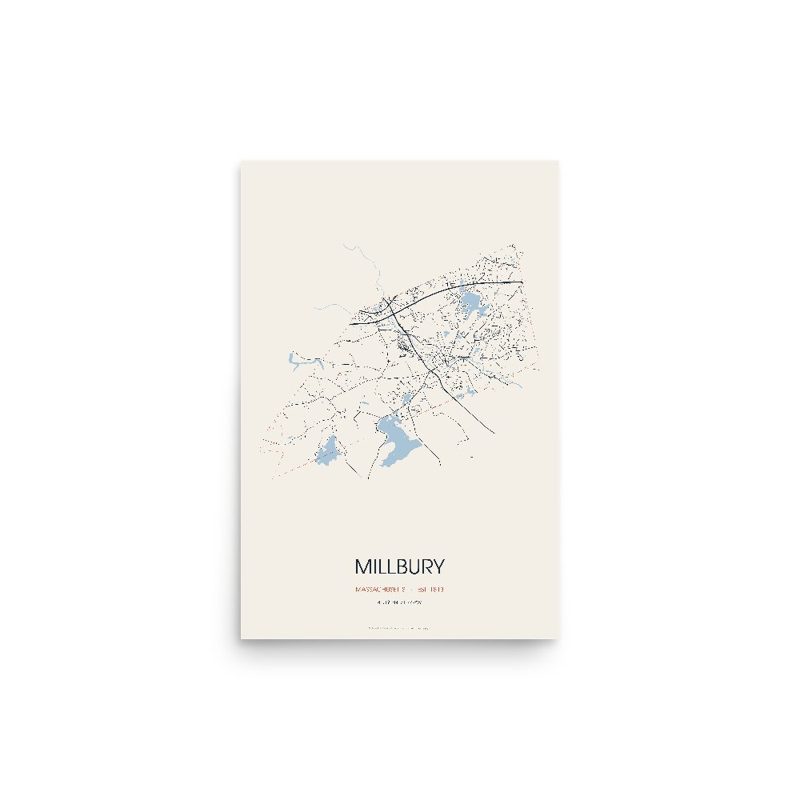
Every road in town, on archival matte paper
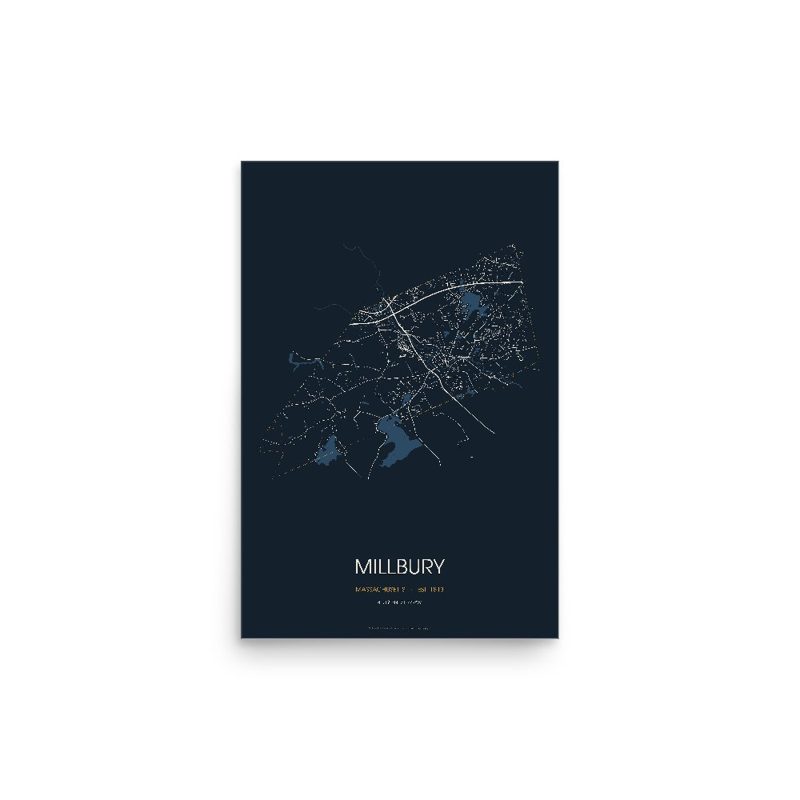
The same map, in navy and silver
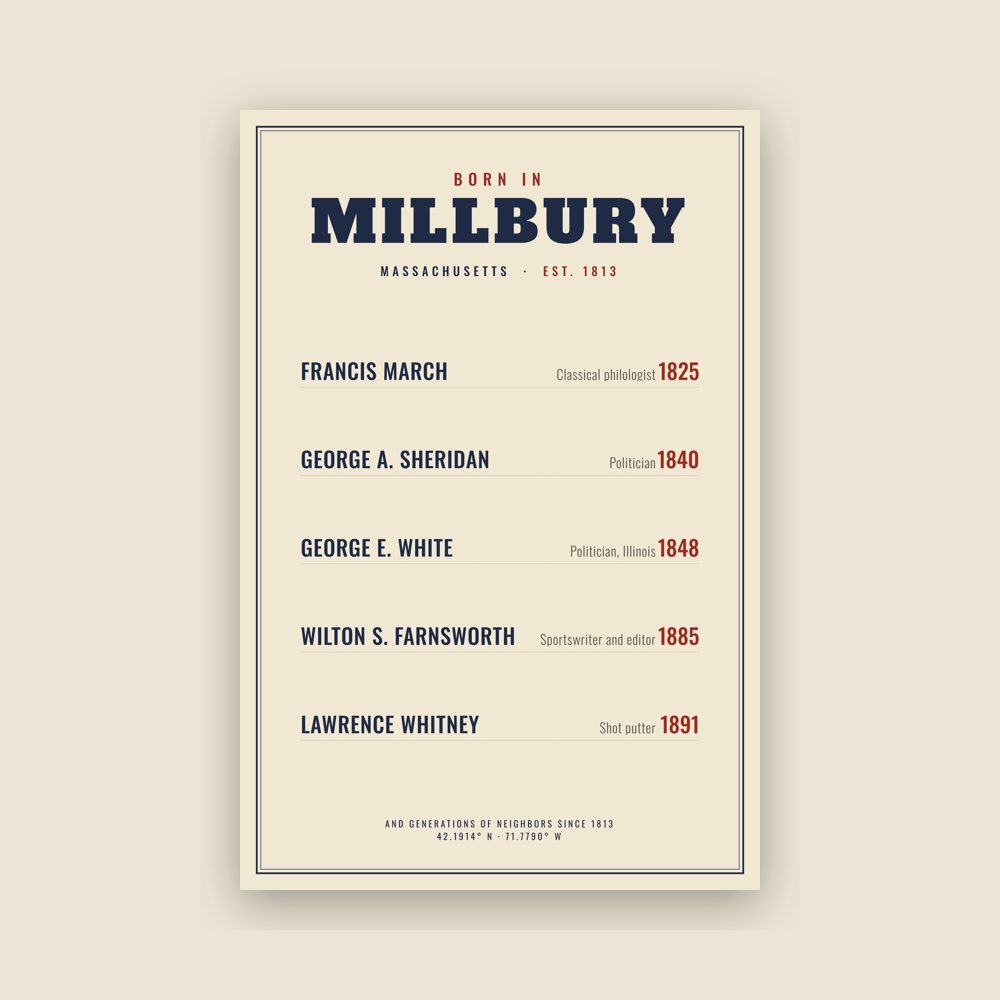
Famous natives, by birth year
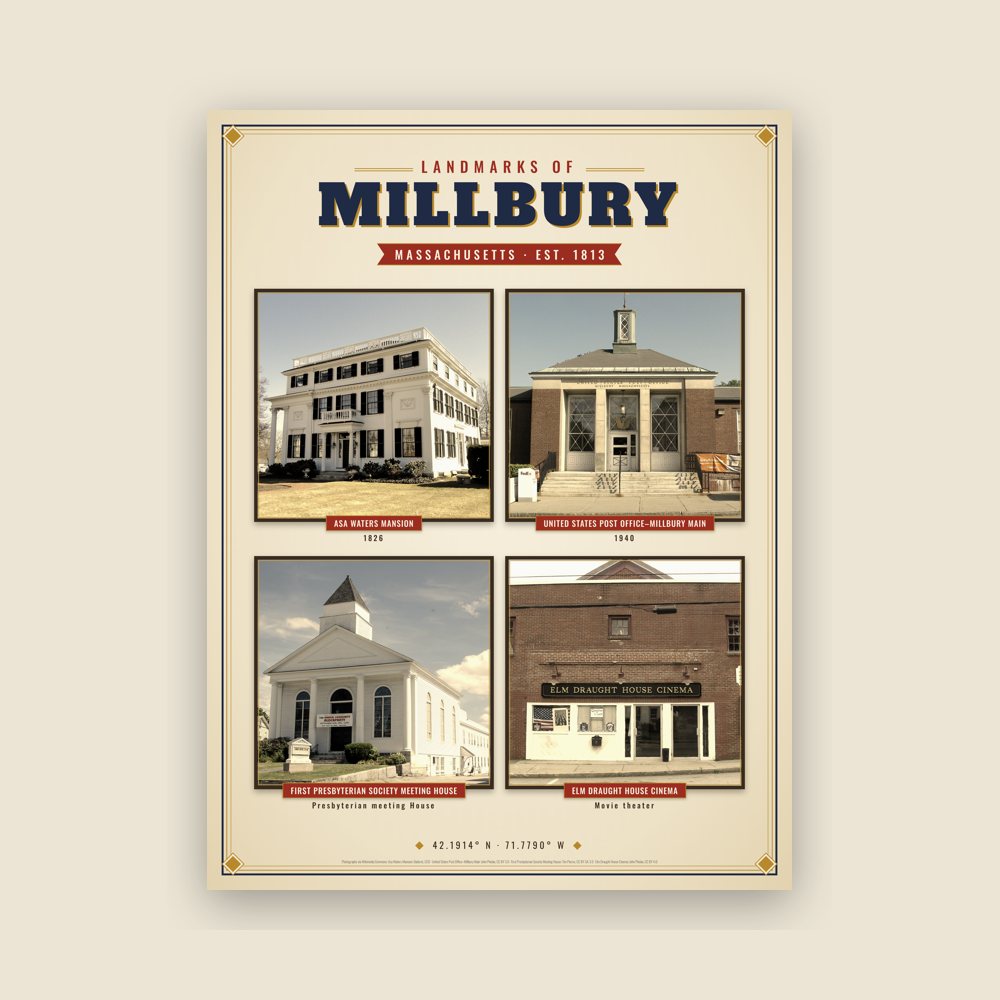
Nine local landmarks, archival matte
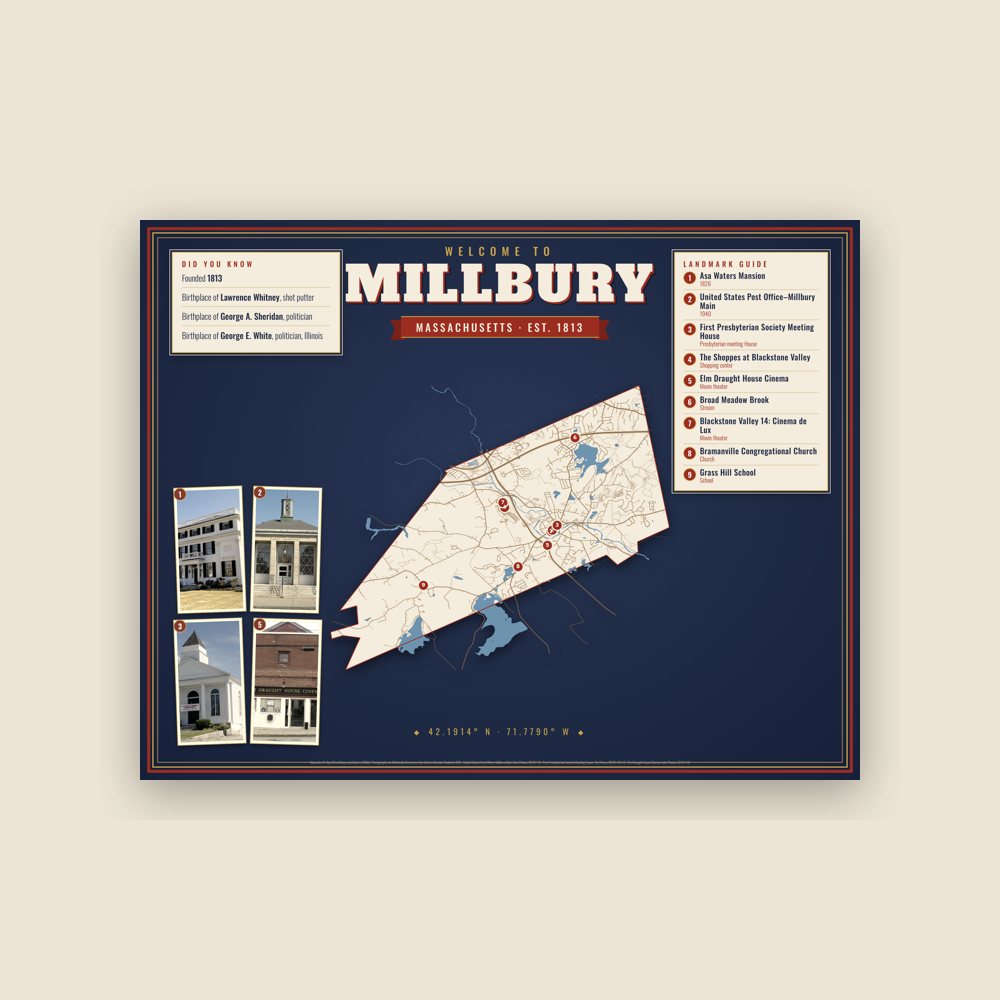
Map of local landmarks, washable fabric
Heavy-blend fleece, street map printed on the back
Soft Bella+Canvas jersey
Glossy ceramic, dishwasher safe
Ceramic keepsake, gold ribbon

Weatherproof, for the front walk
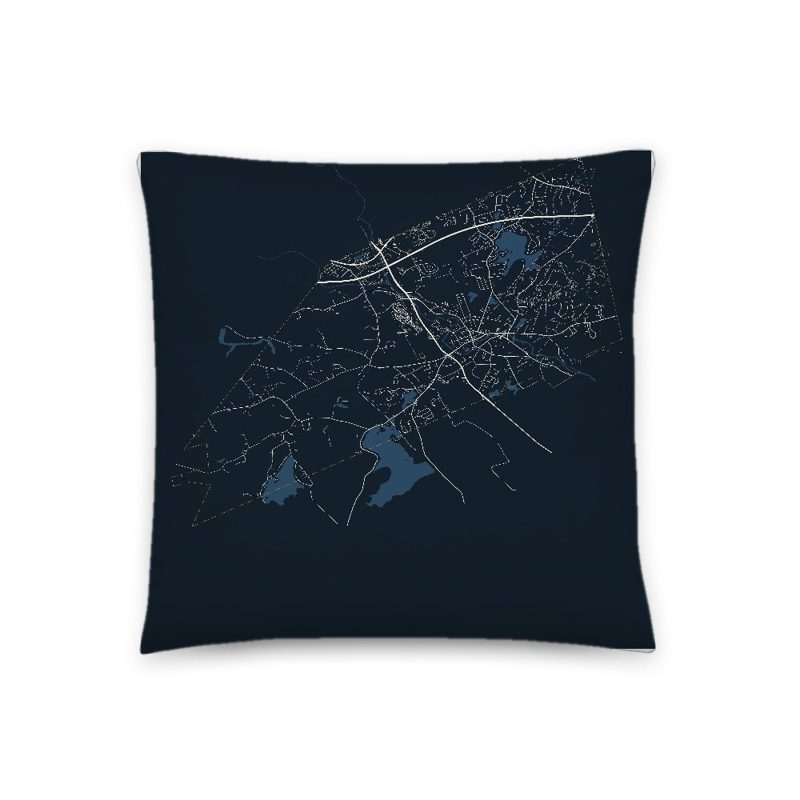
Soft-touch, zip cover
Sturdy all-over-print tote
Glossy top, cork back
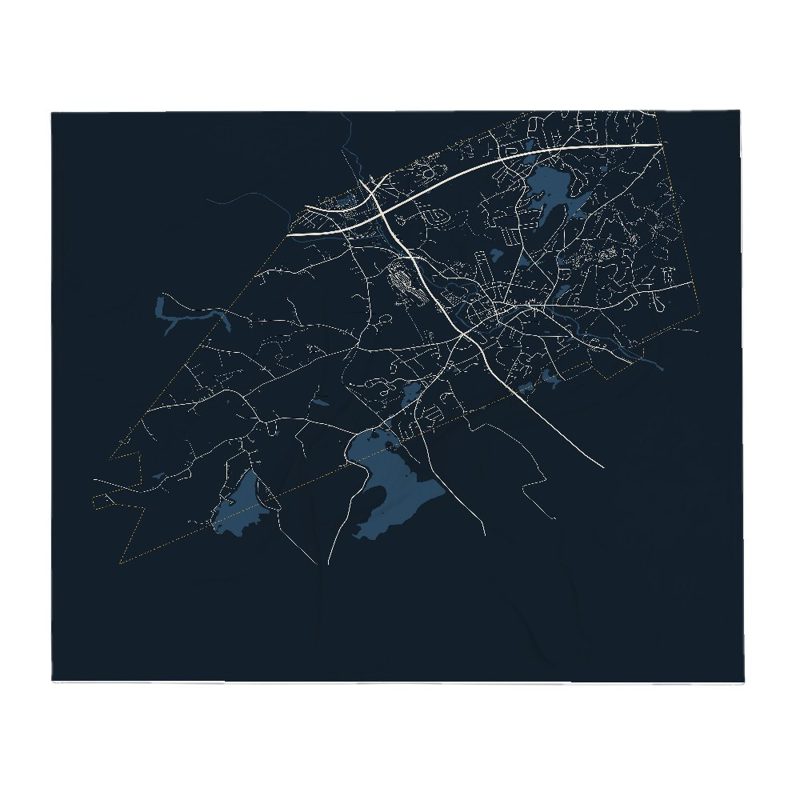
Soft fleece, 50″×60″
20 oz, double-wall stainless
Population 2010: 13,261 → 2020: 13,831
From Wikidata (CC0).
Millbury was first settled in 1716. It was originally known as the Second or North Parish of Sutton. Because traveling from one part of the town to the other for meetings was time-consuming, inhabitants of the North Parish petitioned the Massachusetts General Court to split Sutton. North Parish became Millbury on June 11, 1813, by way of an act of incorporation. Its name derived from its long history as a mill town. The Blackstone River flows through the town, and during the Industrial Revolution, provided water power to its many textile mills and factories. During this time, the inventor William Crompton worked in Millbury.
Millbury's industrial history begins in the early eighteenth century, not long after the area's settlement. In 1735, John Singletary began operating a mill on Singletary Brook, a stream flowing out of Singletary Lake. Around 1753, Singletary built the S & D Spinning Mill, which is still in operation, making it one of the oldest continuously operated mills in the United States. The mill is featured on the Town Seal. The mill also makes the inner parts of the Rawlings baseballs for use in Major League Baseball.
In the late eighteenth and early nineteenth centuries, after learning the trade of firearms production from their father, Asa Waters and his brother, Elijah, purchased land along the Blackstone River and built mills producing goods such as guns, scythes, and sawmill equipment. In 1808, they erected an armory, which was successful until forced to close suddenly in 1841. It reopened at the start of the American Civil War in 1861. With the wealth received from the industry, Asa began construction of the Asa Waters Mansion in 1826. Designed by local architect Asher Benjamin, it was completed six years later.
Louise Taft, mother of United States President William Howard Taft, resided in Millbury for many years, and President Taft spent many summer vacations in the town during his youth. He visited his aunt, Delia C. Torrey, during his presidency to celebrate Millbury's centennial. The Torrey House, where President Taft stayed, is now commonly called the Taft House.
Due to the Flood Control Act of 1944, the Worcester Flood Diversion Channel was constructed in that year within Millbury, as well as nearby Auburn.
In the early 1970s, Millbury experienced a number of large fires. The town hall burned down, followed by the Union School. A propane plant near Route 146 exploded, causing considerable damage and making nationwide news.
Adapted (trimmed) from the Wikipedia article Millbury, Massachusetts, revision 1377761983 by its contributors, licensed CC BY-SA 4.0.
We share a part of every Millbury sale with local partners, and we'd love to print from your collection. Old photographs, maps and postcards make the best keepsakes.
Partner with us