Piscataquis County, Maine
Street maps, historic prints and keepsakes for 18 Piscataquis County towns.
The oldest is Dover-Foxcroft, established 1812. The largest by population is Dover-Foxcroft (4,422).
| Town | Established | Population |
|---|---|---|
| Abbot | – | 650 |
| Beaver Cove | 1975 | 133 |
| Bowerbank | – | 136 |
| Brownville | 1824 | 1,139 |
| Dover-Foxcroft | 1812 | 4,422 |
| Greenville | 1836 | 1,437 |
| Guilford | – | 1,267 |
| Kingsbury Plantation | – | 28 |
| Lake View Plantation | – | 150 |
| Medford | – | 230 |
| Milo | 1823 | 2,251 |
| Monson | – | 609 |
| Parkman | 1822 | 747 |
| Sangerville | – | 1,306 |
| Sebec | – | 665 |
| Shirley | – | 251 |
| Wellington | – | 229 |
| Willimantic | – | 134 |
About these towns
Abbot: It was named for the treasurer of Bowdoin College, John Abbot.
Brownville: The area was a part of the Waldo Patent purchased by Moses Brown and Major Josiah Hill of Newburyport, Massachusetts, who initiated its settlement.
Dover-Foxcroft: Dover was purchased from Massachusetts by Boston merchants Charles Vaughan and John Merrick, both of whom had emigrated from England. It was first permanently settled in 1803 by Eli Towne from Temple, New Hampshire, then incorporated on January 19, 1822.
Greenville: First called T9 R10 NWP (or Township 9, Range 10, North of the Waldo Patent), the land was granted about 1812 by the Massachusetts General Court to Thornton Academy in Saco.
Guilford: In 1803, Rev. Robert Low and Deacon Robert Herring of New Gloucester purchased several thousand acres in the area from Bowdoin College.
Kingsbury Plantation: The area that now contains the plantation was originally part of the Bingham Purchase and was purchased by Judge Sanford Kingsbury in 1833 for $4,000.
Lake View Plantation: Lake View Plantation is a plantation in Piscataquis County, Maine, United States.
Medford: In 1820, John Parker Boyd, owner of the eastern half of the town, erected a combination sawmill and shingle mill on the Piscataquis River.
Milo: The community was first known as Township Number 3 in the seventh range north of the Waldo Patent. It was settled by Benjamin Sargent and his son, Theophilus, from Methuen, Massachusetts, on May 2, 1802.
Monson: Monson was founded on February 8, 1822, by an act of the state legislature. It was named after Monson, Massachusetts. Previously the town was part of a piece of land granted to both Hebron Academy and Monson Academy by the state of Massachusetts in 1811.
Parkman: First known as Plantation Number Five, Sixth Range, it was purchased by Samuel Parkman, a Boston Brahmin. In 1822, it was incorporated as a town and named for its proprietor.
Sangerville: The town was named after Colonel Calvin Sanger, a landowner.
Shirley: The town was named after Shirley, Massachusetts. It was the birthplace of humorist Bill Nye.
Wellington: The town was named for Arthur Wellesley, 1st Duke of Wellington.
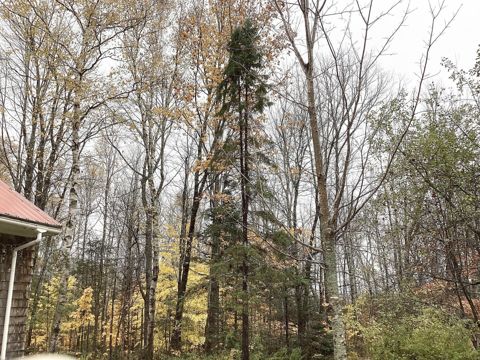 AbbotMaine
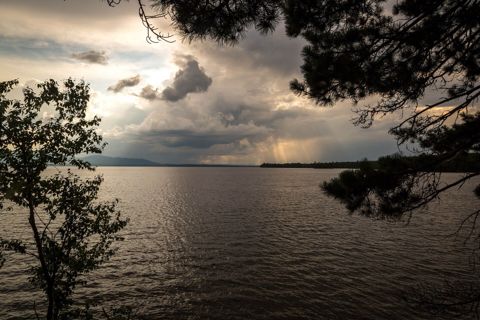 Beaver CoveMaine · Est. 1975
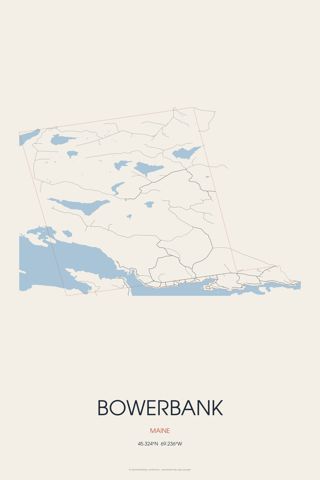 BowerbankMaine
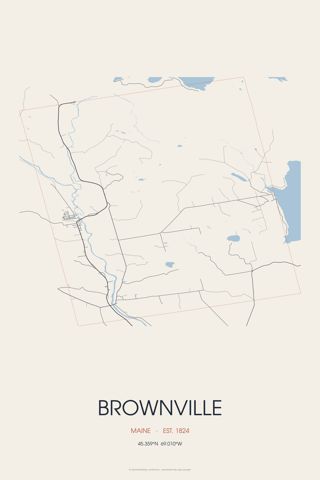 BrownvilleMaine · Est. 1824
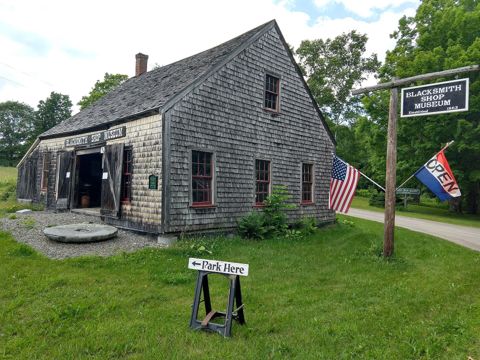 Dover-FoxcroftMaine · Est. 1812
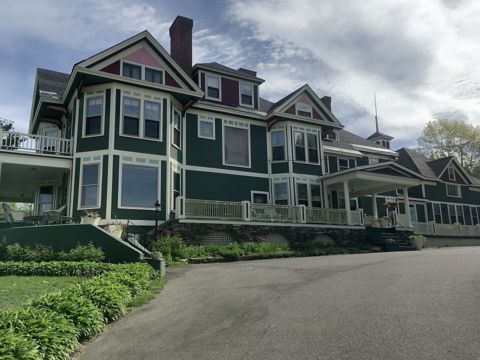 GreenvilleMaine · Est. 1836
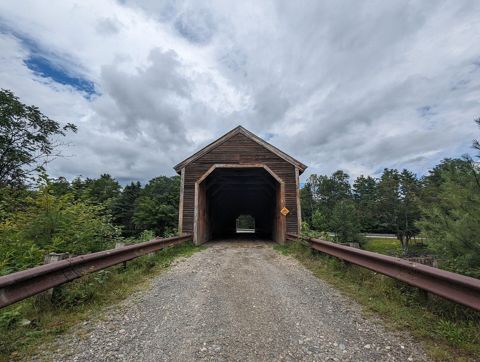 GuilfordMaine
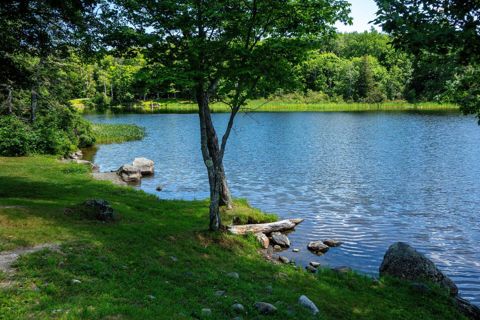 Kingsbury PlantationMaine
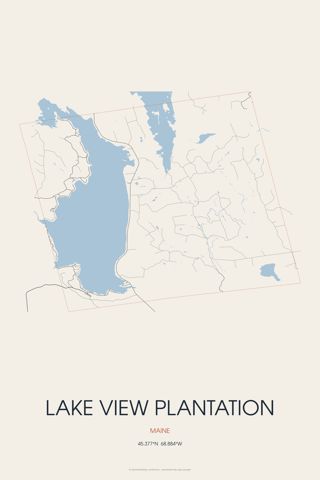 Lake View PlantationMaine
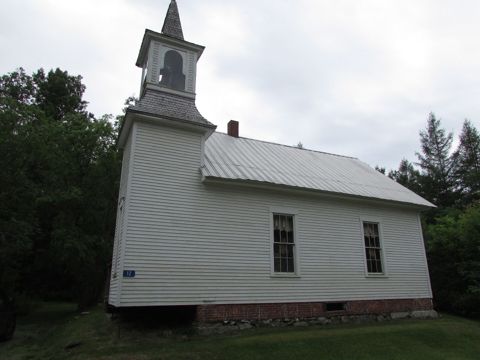 MedfordMaine
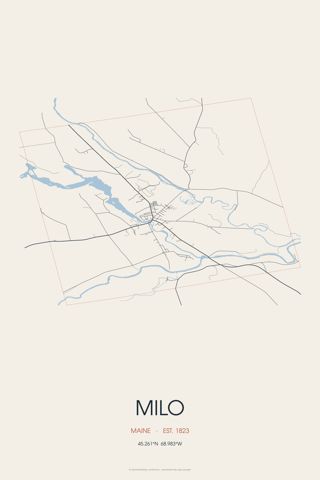 MiloMaine · Est. 1823
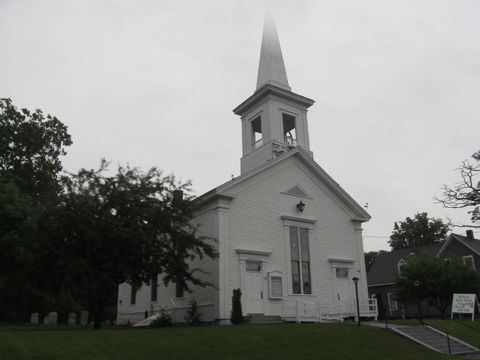 MonsonMaine
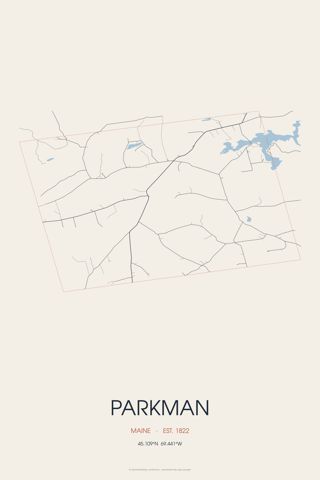 ParkmanMaine · Est. 1822
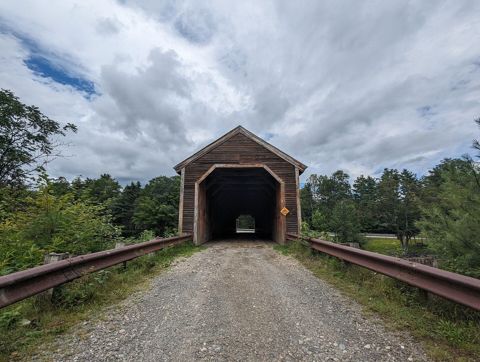 SangervilleMaine
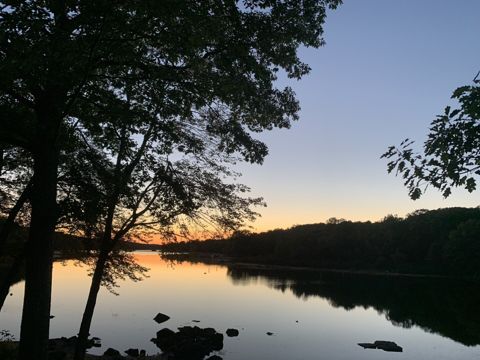 SebecMaine
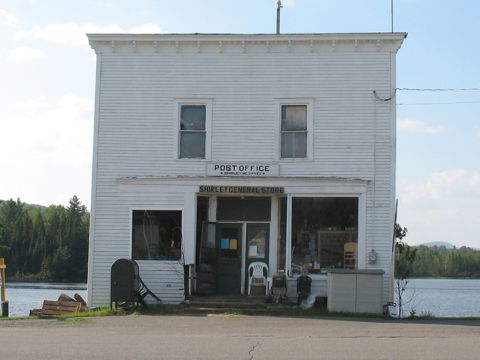 ShirleyMaine
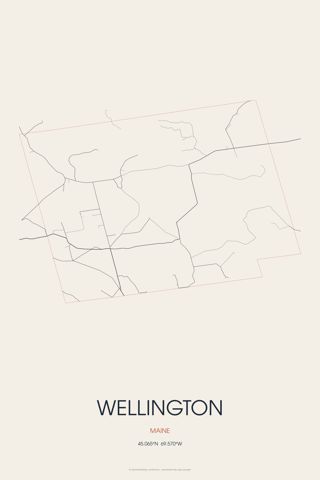 WellingtonMaine
 WillimanticMaine
Founding years, populations and town notes come from each town's Wikipedia and Wikidata entries. All Maine towns.