Cook County, Illinois
Street maps, historic prints and keepsakes for 24 Cook County towns.
The oldest is Chicago Heights, established 1892. The largest by population is Cicero (85,268).
| Town | Established | Population |
|---|---|---|
| Alsip | – | 19,063 |
| Arlington Heights | – | 77,676 |
| Barrington Hills | 1957 | 4,114 |
| Bedford Park | – | 602 |
| Bensenville | – | 18,813 |
| Berkeley | – | 5,338 |
| Berwyn | – | 57,250 |
| Blue Island | – | 22,558 |
| Bridgeview | – | 17,027 |
| Broadview | – | 7,998 |
| Brookfield | – | 19,476 |
| Burbank | 1970 | 29,439 |
| Burnham | – | 4,046 |
| Burr Ridge | – | 11,192 |
| Calumet City | 1893 | 36,033 |
| Calumet Park | – | 7,025 |
| Chicago Heights | 1892 | 27,480 |
| Chicago Ridge | – | 14,433 |
| Cicero | – | 85,268 |
| Country Club Hills | – | 16,775 |
| Countryside | – | 6,420 |
| Crestwood | – | 10,826 |
| Mccook | – | 249 |
| Sauk Village | – | 9,921 |
About these towns
Alsip: It is a south suburb of the Chicago metropolitan area.
Arlington Heights: The land that is now Arlington Heights was controlled by the Miami Confederacy (which contained the Illini and Kickapoo tribes) starting in the early 1680s.
Barrington Hills: Barrington Center Church was built in 1853 by the Barrington Methodist Episcopal Society. A memorial plaque outside the church lists 91 area residents - one woman and 90 men - who served in the Civil War.
Bedford Park: Bedford Park consists of a small residential area and vast amounts of heavy industry sprawling to the east and a small amount to the west.
Berkeley: Farmers, mostly of German and Dutch heritage, began to settle in the region that would become Berkeley around 1835. The Dutch sought to be truck farmers, dwelling on farms spanning from 40 to 160 acres, whereas the Germans conducted general farming.
Berwyn: Before being settled, the land that is now Berwyn was traversed by Native American trails. The most important trails converged near the Chicago portage, and two notable routes crossed what is today Berwyn.
Blue Island: Norman Rexford came to Chicago from Charlotte, Vermont in 1835 and in 1836 became the first permanent settler of Blue Island when he established the Blue Island House near the intersection of present-day Western Avenue and Gregory Street just north of the Western Avenue bridge.
Bridgeview: The earliest European settlement in Bridgeview occurred in the 1830s, when the area was still populated by Native American groups. By the 1870s German and Italian settlers began moving into the area for farming purposes.
Broadview: The area that was to become Broadview was originally a settlement of Chippewa, Ottawa, and Potawatomi Native American tribes. In 1835, Frederick Bronson purchased 80 acres and established the first homestead.
Brookfield: Settlement of the village dates to 1889 when Samuel Eberly Gross, a Chicago lawyer turned real estate investor, began selling building lots plotted from farms and woodlands he had acquired along both sides of the Chicago, Burlington & Quincy Railroad line, which provided passenger and freight service between Chicago and Aurora, Illinois. "Grossdale", as his development was originally called, offered…
Burbank: In 1850, the area which would become the city of Burbank, then largely uninhabited and agrarian, became part of Lyons Township. Over the next hundred years the area remained largely undeveloped, though several times large plans were laid out for the area, never to come to fruition.
Burnham: Due to its close proximity to Chicago, Burnham is frequently the subject of annexation debates for the city. One of the arguments is that Burnham is simply too small to govern itself efficiently without a high municipal tax burden, and that it would be cheaper for Burnham residents to be annexed into Chicago.
Burr Ridge: Burr Ridge's gently rolling hills were carved by glaciers at the end of the last ice age, and most of the village lies on the Valparaiso Moraine.
Calumet City: Calumet City (commonly referred to locally as "Cal City") was founded in 1893 when the villages of Schrumville and Sobieski Park merged under the name of West Hammond, since it lies on the west side of the Illinois-Indiana line from Hammond, Indiana.
Calumet Park: On May 13, 2010, Mayor Joseph DuPar and the village board approved renaming 127th Street as Obama Drive, in honor of President Barack Obama.
Chicago Heights: The first recorded settlement by non-native Americans of the area that would become Chicago Heights occurred in 1833 when Absalom Wells built a cabin on the ridge above Thorn Creek.
Chicago Ridge: Incorporated on October 17, 1914, the village has an area of approximately 2.2 square miles (5.7 km2) and is located in the southwestern portion of Cook County, Illinois, about 20 miles (32 km) southwest of downtown Chicago.
Cicero: Originally, Cicero Township occupied an area six times the size of its current territory. The cities of Oak Park and Berwyn were incorporated from portions of Cicero Township, and other portions, such as Austin, were annexed into the city of Chicago.
Country Club Hills: In the 1950s, Copper's Grove started to transition into present-day Country Club Hills, where farms started to move away, and started to get more populated.
Countryside: The land where Countryside sits was originally inhabited by the Potawatomi Indians and later by early American pioneers in the beginning of the 19th century.
Mccook: McCook was named for John J. McCook, a late 19th-century director of the Santa Fe Railroad and a former Civil War officer.
Sauk Village: The area that is now known as Sauk Village has been a center of activity for hundreds of years. Originally, several Native American tribes inhabited this land, which is a part of an area of high ground surrounding Lake Michigan known as the Valparaiso Moraine.
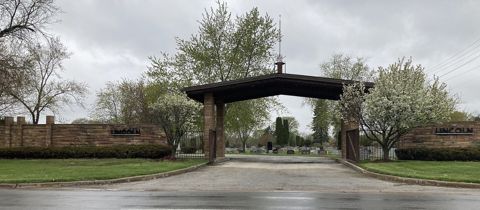 AlsipIllinois
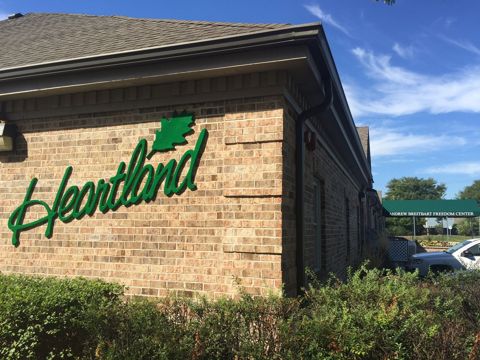 Arlington HeightsIllinois
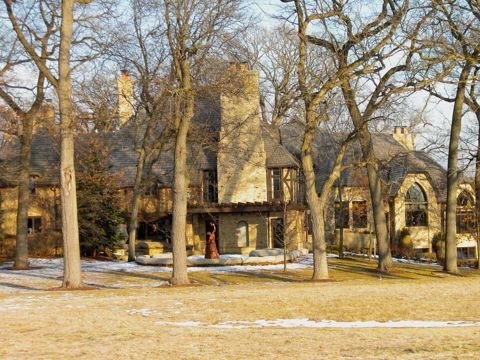 Barrington HillsIllinois · Est. 1957
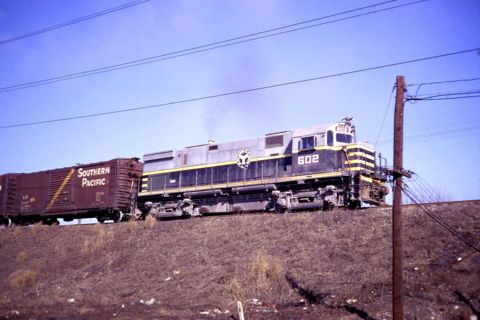 Bedford ParkIllinois
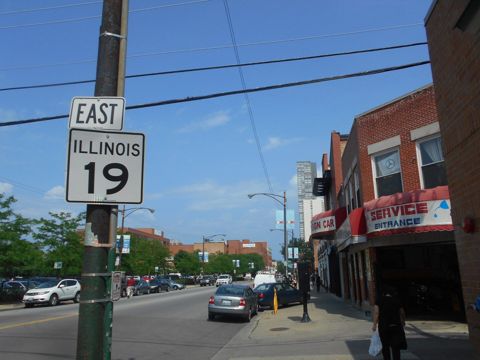 BensenvilleIllinois
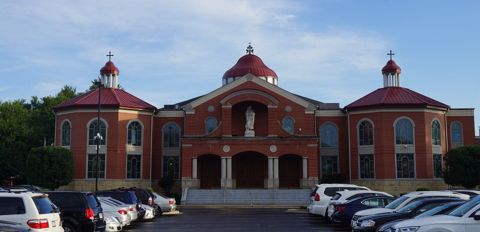 BerkeleyIllinois
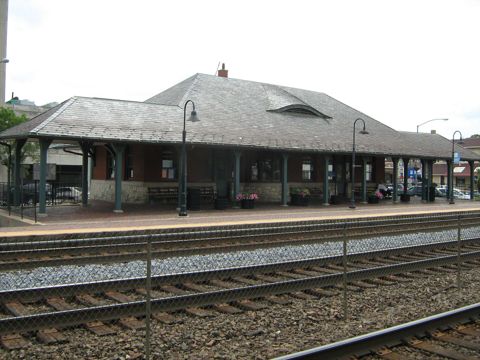 BerwynIllinois
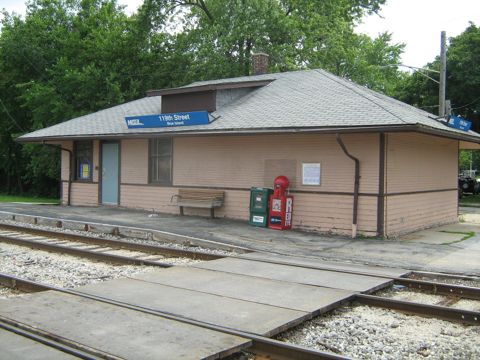 Blue IslandIllinois
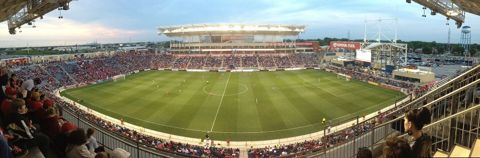 BridgeviewIllinois
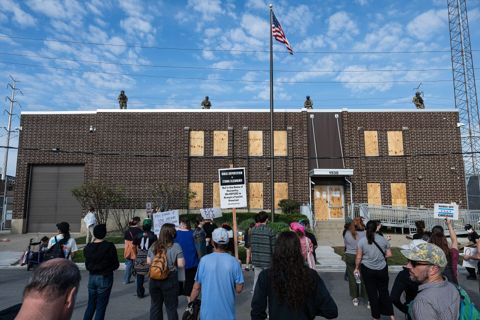 BroadviewIllinois
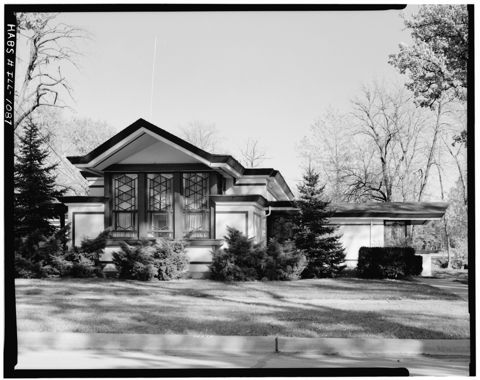 BrookfieldIllinois
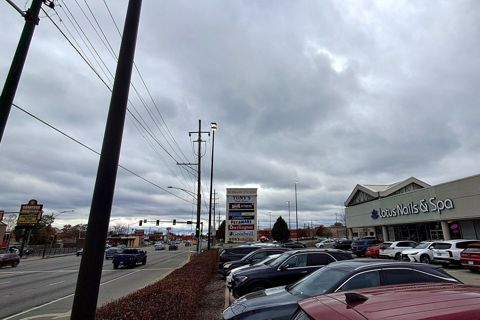 BurbankIllinois · Est. 1970
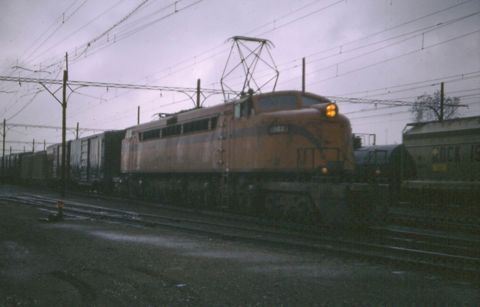 BurnhamIllinois
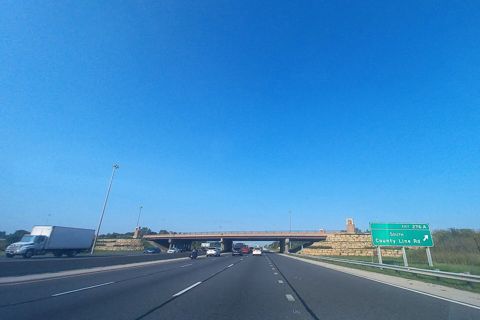 Burr RidgeIllinois
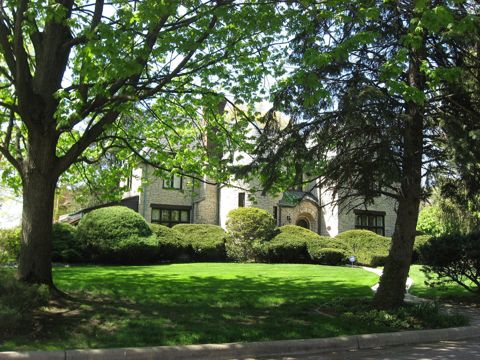 Calumet CityIllinois · Est. 1893
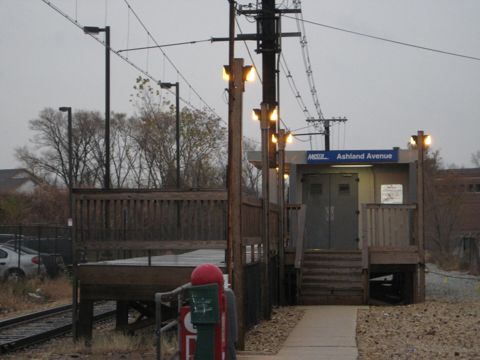 Calumet ParkIllinois
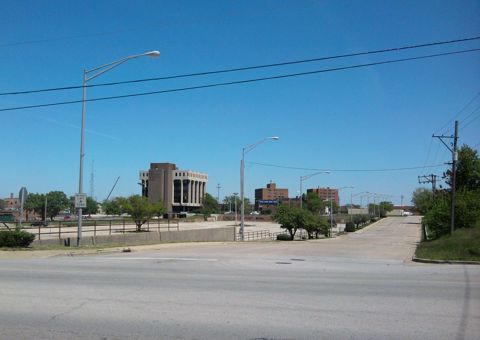 Chicago HeightsIllinois · Est. 1892
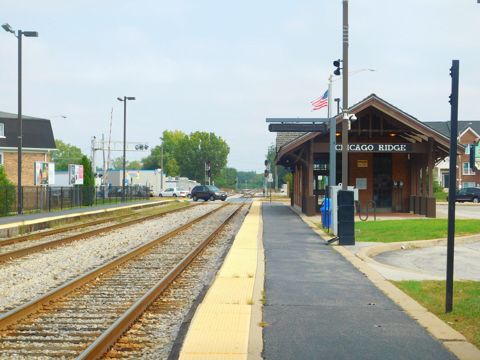 Chicago RidgeIllinois
 CiceroIllinois
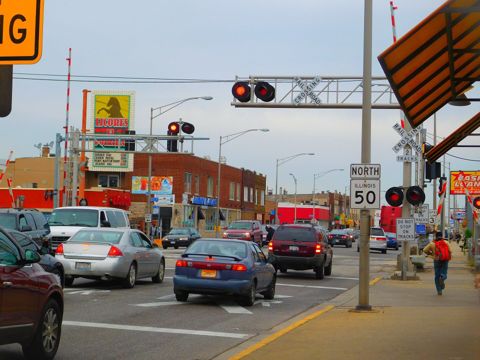 Country Club HillsIllinois
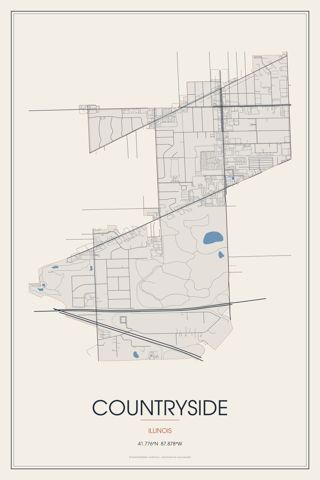 CountrysideIllinois
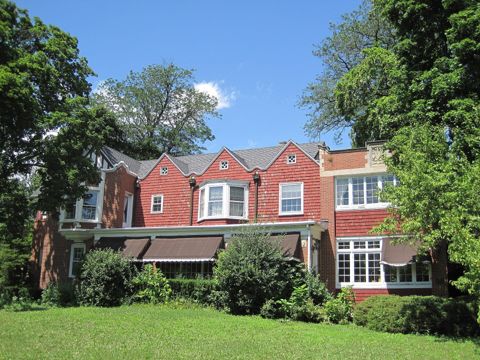 CrestwoodIllinois
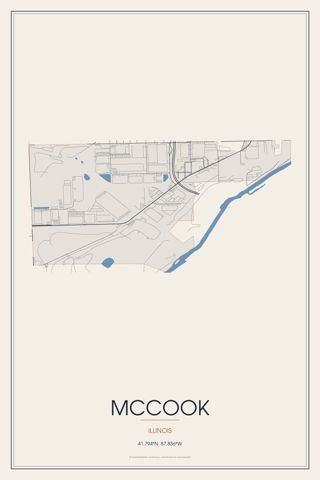 MccookIllinois
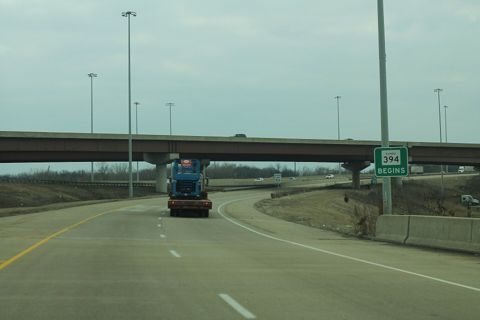 Sauk VillageIllinois
Founding years, populations and town notes come from each town's Wikipedia and Wikidata entries. All Illinois towns.