New London County, Connecticut
Street maps, historic prints and keepsakes for 18 New London County towns.
The oldest is Lyme, established 1667. The largest by population is Norwich (40,125).
| Town | Established | Population |
|---|---|---|
| Bozrah | 1786 | 2,429 |
| Colchester | 1698 | 15,555 |
| East Lyme | 1839 | 18,693 |
| Franklin | 1786 | 1,863 |
| Griswold | 1815 | 11,402 |
| Lebanon | 1700 | 7,142 |
| Ledyard | 1836 | 15,413 |
| Lyme | 1667 | 2,352 |
| Montville | – | 18,387 |
| North Stonington | 1807 | 5,149 |
| Norwich | 1784 | 40,125 |
| Old Lyme | 1855 | 7,628 |
| Preston | 1687 | 4,788 |
| Salem | 1819 | 4,213 |
| Sprague | 1861 | 2,967 |
| Stonington | – | 976 |
| Voluntown | 1721 | 2,570 |
| Waterford | 1801 | 19,571 |
About these towns
Bozrah: The area that became Bozrah was first settled as part of the original "nine-miles-square" of Norwich as well as part of the Parish of West Farms.
Colchester: On March 31, 1661, the original settlement of Colchester was founded by Jeremy Adams on a 340-acre area of land, then known as "Jeremiah's Farme." The land was given to Jeremy by Uncas, Sachem of the Mohegan tribe.
East Lyme: The Thomas Lee House, built c. 1660, is the oldest house in Connecticut that is still in its primitive state. This building is located in the southwestern section of East Lyme, adjacent to Rocky Neck State Park, at the intersection of Route 156 and Giants Neck Road.
Franklin: Europeans first settled in what would become Franklin in 1663 as part of the larger division of the town of Norwich. The residents of what would become Franklin first petitioned for an ecclesiastical society in 1710, but were denied.
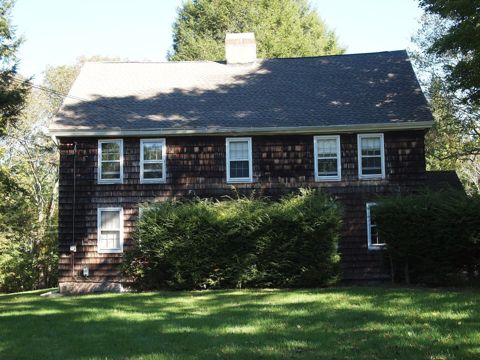
Griswold: In the late 1700s, Eliezer Jewett opened several mills and an irrigation plant. His success led the area to be called Jewett City.
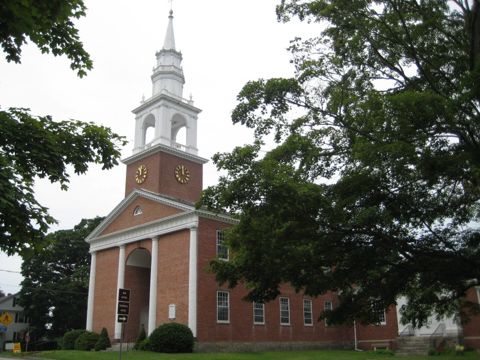
Lebanon: Lebanon was originally inhabited by the Mohegan people, an Algonquian-speaking tribe in the upper Thames River Valley in eastern Connecticut. The area was known as Poquechaneed and was used primarily for hunting.
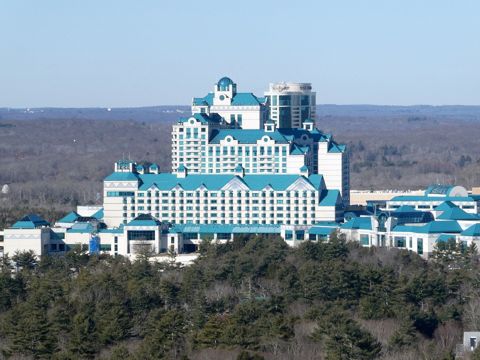
Ledyard: Named for Colonel William Ledyard, slain commander of Colonial forces in the Battle of Groton Heights in September 1781, the Town was set off from Groton in 1836 by an act of the Connecticut Legislature.
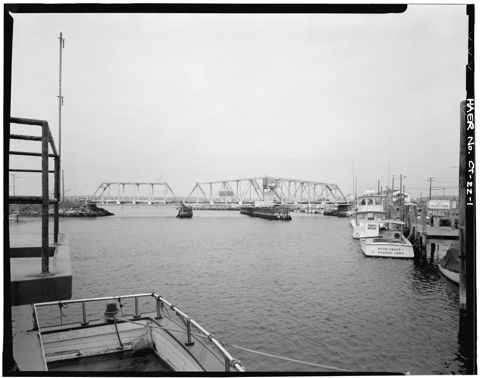
Lyme: In February 1665, the portion of the territory of the Saybrook Colony east of the Connecticut River was set off as the plantation of East Saybrook, which included present-day Lyme, Old Lyme, and the western part of East Lyme.
Montville: In the 17th century, when English settlers arrived, southeastern Connecticut was the scene of rivalry between the Pequot people, the dominant Native American group in the New London area, and the newly independent Mohegan.
North Stonington: The town was split off from Stonington in 1724. The town is part of the Southeastern Connecticut Planning Region.
Norwich: The town of Norwich was founded in 1659, on the site of what is now the neighborhood of Norwichtown, by settlers from Saybrook Colony led by Major John Mason, James Fitch, and Lieutenant Francis Griswold.
Old Lyme: Old Lyme is a coastal town in New London County, Connecticut, United States, bounded on the west by the Connecticut River, on the south by the Long Island Sound, on the east by the town of East Lyme, and on the north by the town of Lyme.
Preston: In 1686, Thomas Parke, Thomas Tracy, and several others petitioned for and were granted by the Connecticut General Court authority to establish a plantation seven miles square to the east of Norwich and north of New London and Stonington.
Salem: The area was originally inhabited by the Mohegan people. The first settlement of European origin in present-day Salem (then part of the town of Montville) was deeded in 1664.
Sprague: The town of Sprague was incorporated in 1861, formed from portions of the towns of Lisbon and Franklin. A few years earlier, in 1856, former Rhode Island Governor and U.S.
Stonington: The first European colonists to arrive include William Chesebrough and Walter Palmer in Wequetequock, Thomas Minor in Quiambaug, and Thomas Stanton in Pawcatuck.
Voluntown: The town was named for the colonial volunteers in the 1675 King Philip's War who stayed to fight "and went not away".
Waterford: The first people immigrated from England in 1637 and came to the New London and Waterford area (at the time, this land was called West Farms).
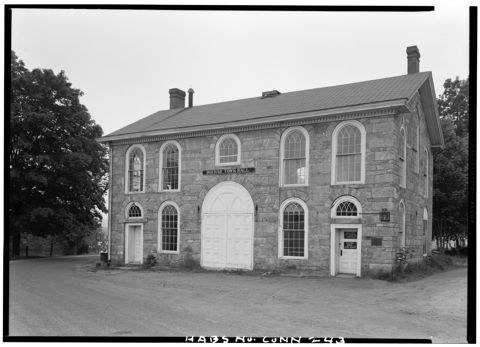 BozrahConnecticut · Est. 1786
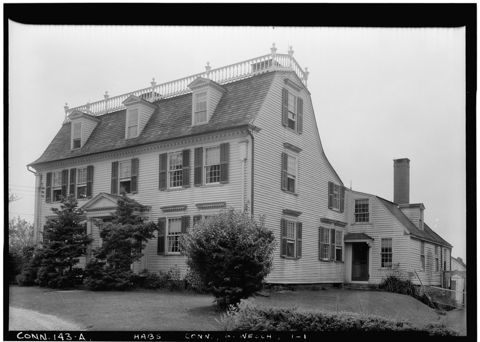 ColchesterConnecticut · Est. 1698
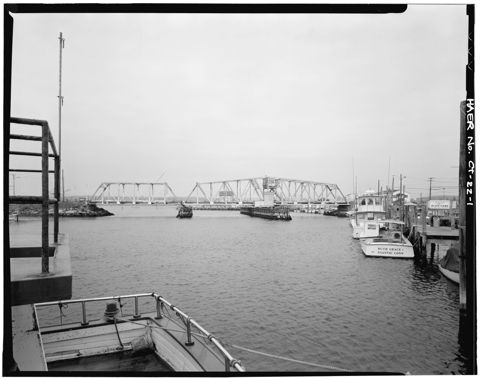 East LymeConnecticut · Est. 1839
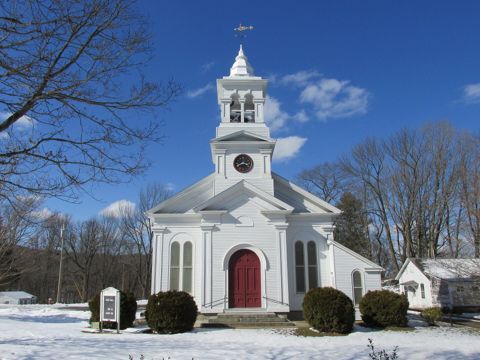 FranklinConnecticut · Est. 1786
 GriswoldConnecticut · Est. 1815
 LebanonConnecticut · Est. 1700
 LedyardConnecticut · Est. 1836
 LymeConnecticut · Est. 1667
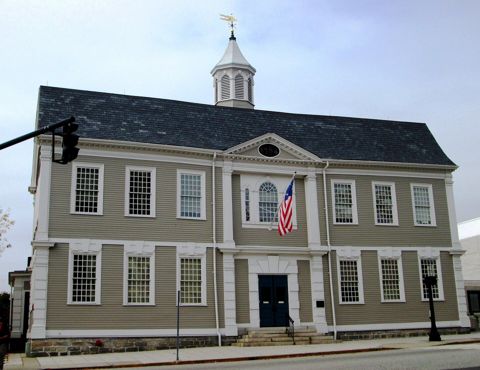 MontvilleConnecticut
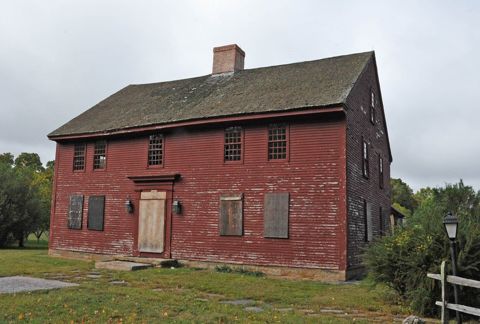 North StoningtonConnecticut · Est. 1807
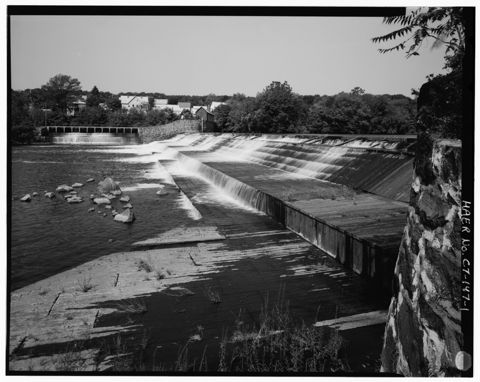 NorwichConnecticut · Est. 1784
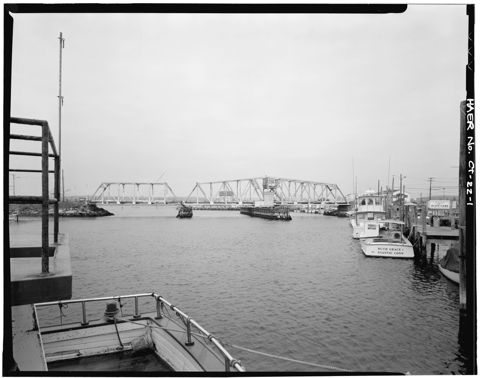 Old LymeConnecticut · Est. 1855
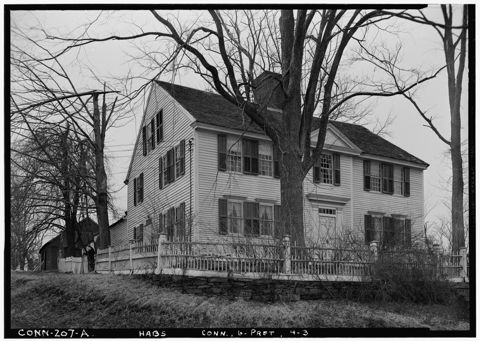 PrestonConnecticut · Est. 1687
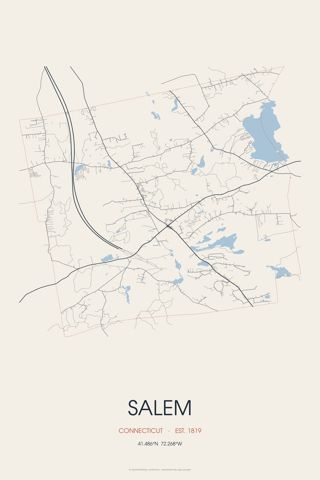 SalemConnecticut · Est. 1819
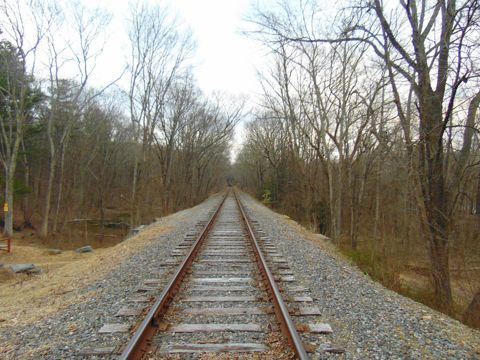 SpragueConnecticut · Est. 1861
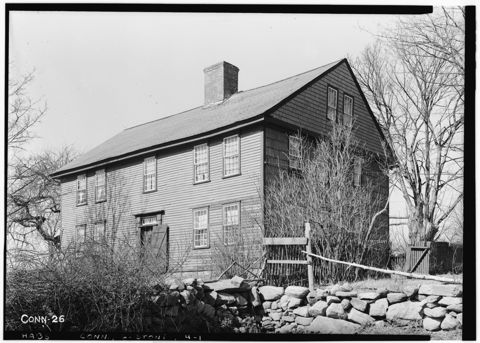 StoningtonConnecticut
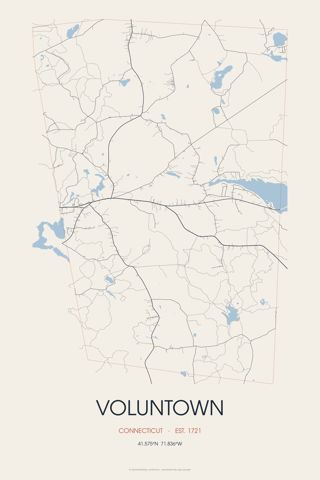 VoluntownConnecticut · Est. 1721
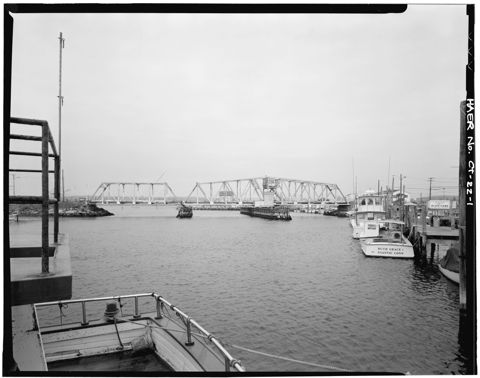 WaterfordConnecticut · Est. 1801
Founding years, populations and town notes come from each town's Wikipedia and Wikidata entries. All Connecticut towns.